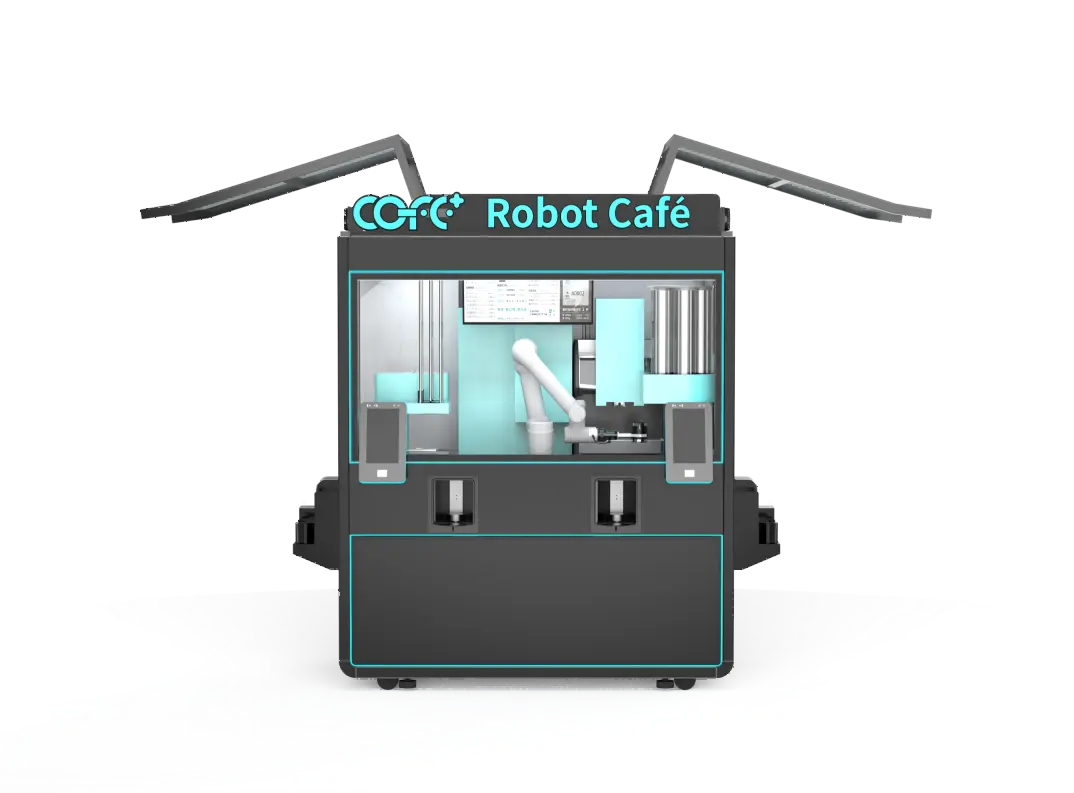
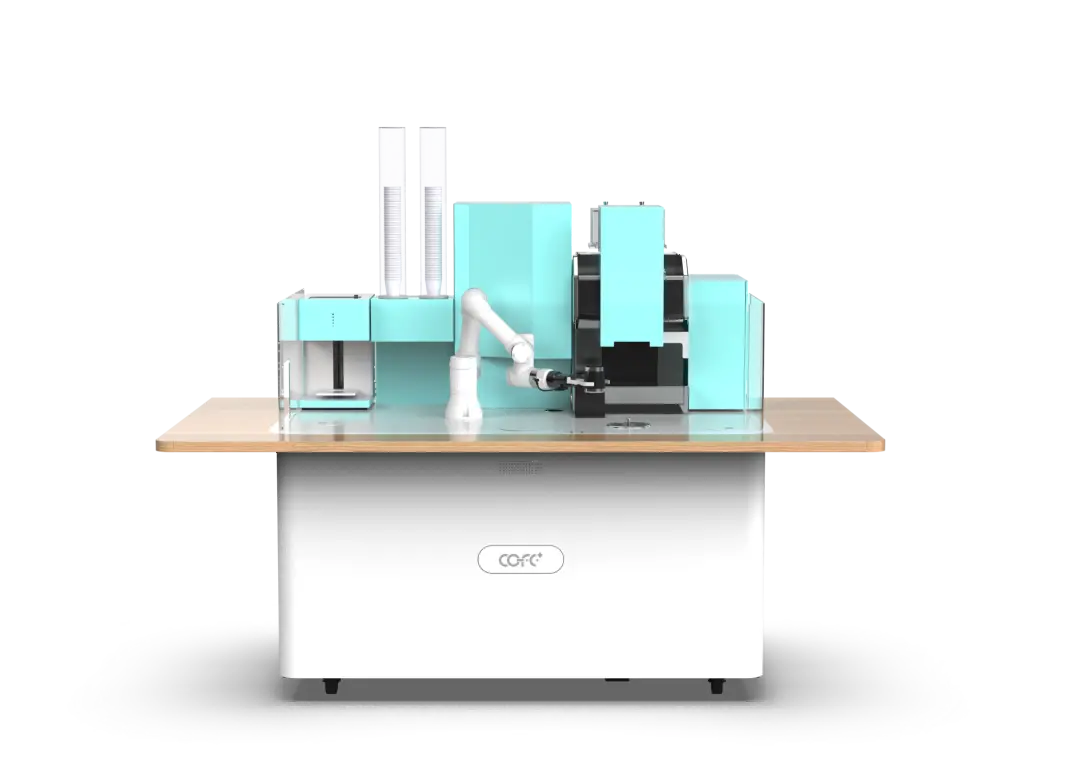
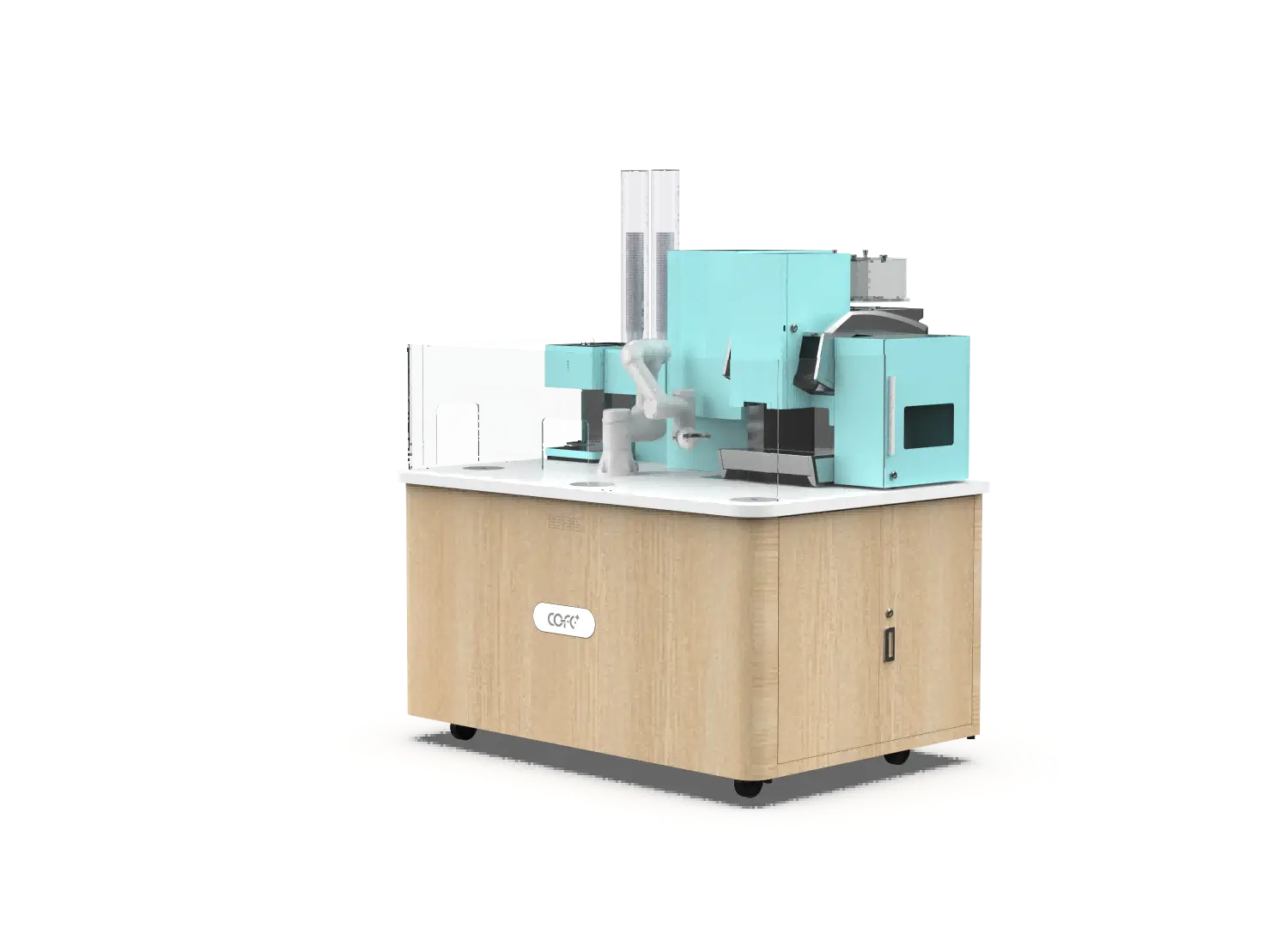
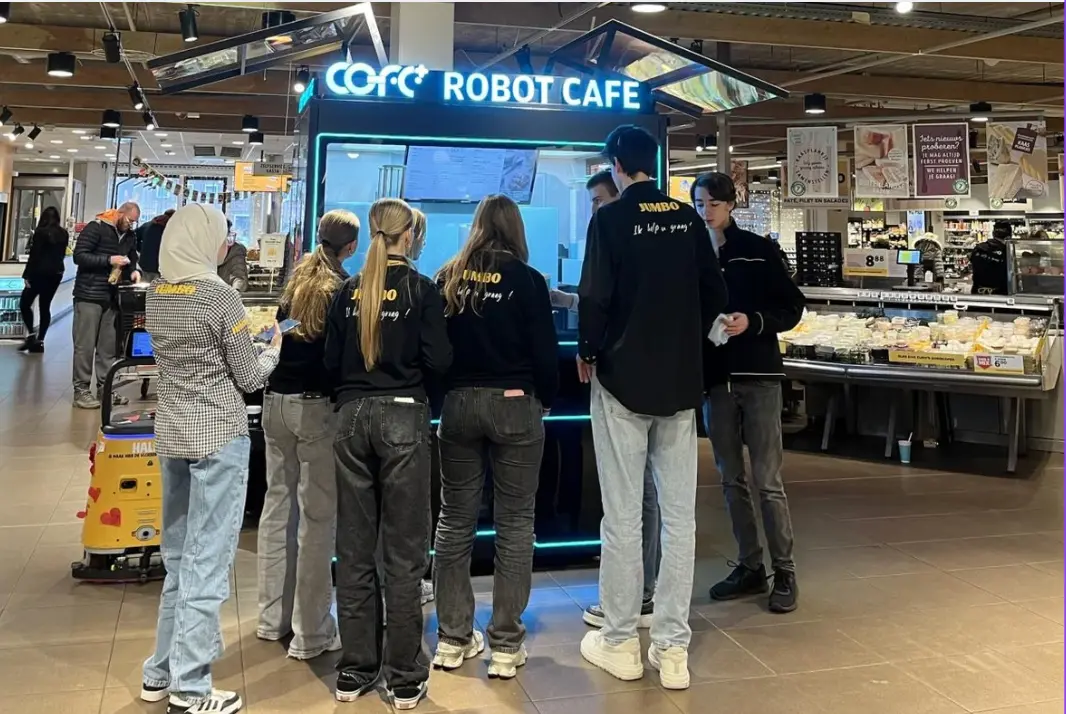
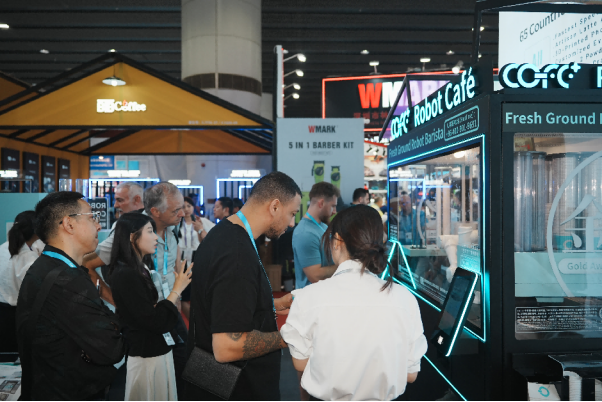
Ein Roboter-Kaffeekiosk kann Bohnen mahlen, Shots ziehen und Latte-Art auf Wunsch drucken, aber der Unterschied zwischen einer Maschine, die im Hintergrund verschwindet, und einer, die regelmäßig Warteschlangen verursacht, liegt fast immer im Menü. Die Integration lokaler Geschmacksrichtungen ist kein kosmetischer Eingriff. In über dreißig Ländern, in denen wir COFE+ Roboter eingesetzt haben, sind die leistungsstärksten Einheiten nicht unbedingt die in den belebtesten Standorten – sie sind die, die Getränke servieren, die Menschen aus ihrer eigenen Kaffeekultur kennen. Ein Americano und ein Karamell-Latte funktionieren überall, aber eine gut gewählte lokale Variante verdoppelt den Grund für einen erneuten Besuch. Dieser Artikel zeigt, wie Betreiber lokale Geschmacksstrategien für unbemannte Kaffee-Operationen recherchieren, umsetzen und skalieren können, basierend auf den tatsächlichen Messungen, die wir bei globalen Installationen durchgeführt haben.

Warum ein generisches Menü Ihren Robotercafé-Kiosk unterschätzt
Die Annahme, dass ein Roboter-Kaffeekiosk nur ein Standard-Espressomenü benötigt, weil er unbeaufsichtigt betrieben wird, ignoriert, was die Kaufentscheidungen in jedem Food- und Beverage-Markt beeinflusst. Verbraucher neigen gleichermaßen zu Vertrautem wie zu Neuem, und ein Menü, das wie eine Hotellobby an jedem Flughafen wirkt, verliert gegen das Eckcafé, das eine lokale Spezialität serviert. Wir haben in Märkten im Nahen Osten beobachtet, dass die Einheiten Schwierigkeiten hatten, bis eine Kaffeeoption mit Kardamom-Infusion hinzugefügt wurde; der Verkehr änderte sich innerhalb von Tagen. Die Maschine selbst änderte sich nicht – nur ein Sirupprofil wurde angepasst.
Auf operativer Ebene lösen lokale Geschmacksrichtungen auch ein verstecktes Problem: Preissensibilität. Ein generischer Latte konkurriert in Bezug auf Bequemlichkeit und Lage, aber ein Safran-Latte oder ein Pandan-Eiskaffee hat keinen lokalen Vergleichspreis. Kunden bewerten das Getränk nach seinem eigenen Reiz, anstatt es mit dem nächsten Laden zu vergleichen. Das erweitert den Spielraum für Margen selbst an wettbewerbsintensiven Standorten.
Wie man lokale Kaffevorlieben recherchiert, bevor man die Speisekarte erstellt
Mit lokalen Geschmacksrichtungen ohne Daten zu beginnen, ist Spekulation. Wir haben eine festgelegte Forschungssequenz, die wir vor der Anpassung jeder neuen Implementierung durchführen, um eine Überbindung an Zutaten zu vermeiden, die sich als marginal erweisen.
Zuerst identifizieren Sie die drei bis fünf besten unabhängigen Kaffeehäuser in der Zielstadt oder im Stadtteil und prüfen deren Speisekarte auf wiederkehrende Spezialitäten. Die Getränke, die in mehreren unabhängigen Cafés auftauchen, deuten in der Regel auf eine tief verwurzelte lokale Vorliebe hin, anstatt auf einen kurzlebigen Trend. In Deutschland zeigte uns beispielsweise die wiederholte Präsenz von Eiskaffee mit Kondensmilch frühzeitig, dass ein standardmäßiger Eiskaffee nicht konkurrieren würde.
Zweitens, überprüfen Sie, ob regionale Daten von Lebensmittel-Lieferplattformen verfügbar sind. Kaffeegetränke mit hohem Bestellvolumen und Modifikatoren wie „weniger süß“ oder „extra Schuss“ zeigen, worauf Kunden Wert legen. In mehreren Märkten in Südostasien haben wir durchgehend hohe Bestellungen für Getränke mit Kokosmilch und Palmzucker gesehen, was uns dazu veranlasst hat, spezielle Sirup- und Milch-Kombinationsplätze zu erstellen.
Drittens, sprechen Sie mit dem Gebäudemanager oder Vermieter über die spezifische Nutzergruppe. Ein Kiosk in einer Universitätsbibliothek bedient einen anderen Geschmack als einer in einem Transitknotenpunkt, selbst innerhalb derselben Stadt. Der Vermieter weiß oft, was der vorherige Kaffeeverkäufer am meisten verkauft hat – Informationen, die nichts kosten und verhindern können, die falschen Zutaten auf Lager zu haben.
Nach dieser Recherche erstellen wir ein Testmenü mit drei lokal-spezifischen Getränken neben dem Kernangebot auf globaler Ebene. Die Testphase dauert zwei Wochen, und wir verwenden Verkaufsdaten, um den besten Anbieter für eine dauerhafte Aufnahme auszuwählen.
Anpassung des Robot-Kaffeekiosks-Menüs ohne Betriebsstörungen
Ein Robotercafé-Kiosk-Menü mit lokaler Geschmacksstrategie funktioniert nur, wenn die Maschine die Getränke konsistent zubereiten kann, ohne Komplexität hinzuzufügen, die das unbeaufsichtigte Modell zerstört. COFE+ Systeme speichern Zutatenparameter für über 5.000 Getränke-Kombinationen, und jedes neue lokale Getränk ist eine Ergänzung zu dieser Datenbank – keine separate Maschineneinrichtung.
Die betriebliche Vereinfachung besteht darin, dass die meisten lokalen Geschmacksprofile auf eine Variation von Milchart, Sirup oder Topping zurückzuführen sind, anstatt auf einen grundsätzlich anderen Extraktionsprozess. Ein Matcha-Latte in Tokio, ein Schokoladen-Orange-Mocha in Amsterdam und ein Rosen-Kardamom-Latte in Dubai unterscheiden sich alle im Sirup- und Milchbereich, nicht im Mahlwerk oder Brühkopf. Das bedeutet, dass der Kernarbeitsablauf der Maschine unverändert bleibt und die Nachfüllintervalle der Zutaten die einzige Variable sind.
Wir beschränken lokale spezifische Zutaten auf drei spezielle Kanisterfächer pro Kiosk. Wenn ein Markt mehr benötigt, rotieren wir saisonal. Die Einschränkung verhindert eine unüberschaubare Lieferkette, bei der jeder Standort eine spezielle Nachbestellung benötigt – ein häufiger Fehler, den Betreiber machen, wenn sie versuchen, es allen recht zu machen.
Was funktioniert wo: Lokale Geschmacksprofile in verschiedenen Regionen
Muster entstehen, wenn Sie in genügend Märkten tätig sind. Die folgende Tabelle basiert auf unseren Einsatzdaten und ist ein Ausgangspunkt, kein Vorschlag. Lokale Tests haben immer Vorrang vor allgemeinen Annahmen.
| Region | Beliebte lokale Getränke | Schlüsselzutatenhinweise |
|---|
| Südostasien | Eiskaffee mit Milch und Palmzucker, Pandan-Latte, Kokos-Americano | Pflanzenbasierte Milchsorten bevorzugt; hohe Toleranz gegenüber süßen Geschmacksprofilen |
| Nahost | Kardamom-Kaffee, Safran-Latte, Dattel gesüßter Mokka | Gewürze während des Brühvorgangs integriert; insgesamt weniger Zucker |
| Ostasien | Matcha-Latte, Hojicha-Milch, Schwarzer Sesam-Kaffee | Auf Tee basierende Kaffeehybride dominieren; Textur ist ebenso wichtig wie Geschmack |
| Südamerika | Dulce de leche Latte, Canela-Kaffee, Schokoladen-Mesa | Karamell- und Zimtbasen; oft mit einem kleinen Süßigkeit auf der Seite kombiniert |
| Westeuropa | Haselnuss-Hafer-Latte, Spekulatius-Cappuccino, Lavendel-Americano | Pflanzenmilchsorten und Botanicals wachsen; insgesamt weniger süß |
Ein Nuance, die die Tabelle nicht erfasst, ist, dass sich die lokalen Vorlieben auch nach Tageszeit ändern. An mehreren Orten in Deutschland erreicht der Kardamom-Kaffee seinen Höhepunkt am Abend, während der Standard-Espresso den Morgen dominiert. Wir verwenden zeitabhängige Menü-Hervorhebung auf dem Touchscreen, um das lokale Getränk während seines Hochbetriebsfensters zu präsentieren, was die Konversionsrate für diesen Artikel um etwa 20% verbessert hat.
Lieferketten- und Zutatenmanagement für lokale Menüartikel
Das größte operationelle Risiko bei robotergesteuerten Kaffeekiosken mit lokalen Geschmacksrichtungen ist nicht die Maschine – es ist die Verfügbarkeit und Haltbarkeit der Spezialzutaten, die Sie hinzufügen. Ein eingestellter Sirup eines ausländischen Lieferanten kann ein beliebtes Getränk wochenlang offline lassen. Wir gehen dieses Risiko an, indem wir die Beschaffung lokaler Zutaten lokal halten. Zum Beispiel wird ein Pandan-Sirup, der in Einheiten in ganz Deutschland verwendet wird, von regionalen Foodservice-Distributoren bezogen und nicht aus einem zentralen Lager versendet. Das erhöht den Aufwand für das Lieferantenmanagement, reduziert aber die Vorlaufzeit und Versandkosten erheblich.
Inventarplanung wird etwas komplexer, da lokale Zutaten oft in separaten Bestandsaufnahmen erfasst werden. Unsere Cloud-Überwachungsplattform verfolgt jeden Zutatenstand pro Kiosk und löst eine Nachfüllwarnung basierend auf Verbrauchsraten aus. Das System lernt, dass Palmzuckersirup an Wochenenden in einem Kiosk an einer deutschen Universität schneller aufgebraucht wird, und passt die Nachfüllempfehlungen entsprechend an. Betreiber, die mehrere Standorte verwalten, können alle lokalen Zutatenstände auf einem Dashboard sehen und Nachfüllungen nach Route planen.
Ein praktischer Schritt zur Reduzierung von Abfällen ist es, lokale Getränke so zu gestalten, dass sie Zutaten verwenden, die auch in einem globalen Menüpunkt erscheinen. Wenn beispielsweise Safransirup nur in einem Speziallatte verwendet wird, besteht ein hohes Abfallrisiko. Wird derselbe Safransirup jedoch als Anpassungsoption für jedes Getränk über die „Sirup hinzufügen“-Taste angeboten, verteilt sich die Nachfrage auf das gesamte Menü und der Lagerbestand rotiert schneller.
Wie man Lokalen Geschmack auf Mehrere Kiosklocations Skalieren Kann
Lokale Geschmacksrichtungen zu einem Kiosk hinzuzufügen ist eine Menü-Übung; dies auf zehn oder fünfzig Standorten zu tun, ist eine Herausforderung in der Lieferkette und bei der Konsistenz. Der Ansatz, den wir Betreibern empfehlen, die von einem Pilotprojekt skalieren, ist, das Menü als regionale Schicht über einem globalen Kern zu behandeln. Die globalen Kerngetränke—Latte, Cappuccino, Americano, Mokka—sind in jeder Einheit identisch und machen etwa 60 % des Umsatzes aus. Die lokale Schicht umfasst zwei bis fünf Getränke, die spezifisch für jede Stadt oder Region sind und die Margen sowie die Wiederkaufraten beeinflussen.
Um den Geschmack konsistent zu halten, wird jedes lokale Getränk zentral auf einer Referenzmaschine entwickelt, digital mit genauen Pumpzeiten, Sirupgramm und Milchverhältnissen aufgezeichnet und dann über die Cloud-Plattform an alle Kioske in der Region übertragen. Kein einzelner Betreiber passt das Rezept an der Maschine an; so schmeckt ein Jasmin-Latte in Chengdu genauso wie in Chongqing, auch wenn unterschiedliche Mitarbeiter die Einheiten verwalten.
Das Finanzmodell verschiebt sich ebenfalls bei Skalierung. Für 1–3 Kioske können die Kosten für lokale Zutaten pro Tasse 15–20 % höher sein als bei globalen Zutaten, da die Einkaufsmengen klein sind. Sobald ein regionaler Cluster 10–15 Kioske erreicht, sinken die Kosten pro Tasse in der Regel auf Parität oder darunter, da regionale Lieferantenvereinbarungen ausgehandelt werden. Dieser wirtschaftliche Wendepunkt überrascht oft Erstbetreiber und macht es sinnvoller, die Cluster-Dichte zu erhöhen, anstatt zu streuen.
Was Betreiber über Strategien für lokale Geschmacksrichtungen fragen
Mit wie vielen lokalen Getränken sollte ein neuer Roboter-Kaffeekiosk starten?
Beginnen Sie mit drei. Mehr als drei führen zu einer Zutatenkomplexität, bevor Sie wissen, welche sich verkaufen, und weniger als drei bieten den Kunden nicht genug Vielfalt, um den lokalen Unterschied zu bemerken. Nach dem ersten Monat mit Daten entfernen Sie den am schlechtesten abschneidenden und ersetzen ihn durch einen neuen Kandidaten. Dieser Zyklus verhindert, dass das Menü stagniert, während gleichzeitig eine unüberschaubare Zutatenliste vermieden wird.
Kann das Menü des Roboter-Kaffeekiosks aus der Ferne geändert werden?
Ja. Das COFE+ Cloud-Management-System ermöglicht es Betreibern, Getränkerezepte, Anzeigenamen und Preise aus der Ferne für jede Einheit zu ändern, zu entfernen oder zu modifizieren, alles von einem einzigen Dashboard aus. Eine Menüänderung tritt systemweit innerhalb von Minuten in Kraft, und die Maschine benötigt keinen Vor-Ort-Technikerbesuch. Die Einführung neuer Sirups oder Zutaten erfordert jedoch eine physische Nachbestellung—das ist der einzige Schritt vor Ort.
Was passiert, wenn ein lokaler Zutatenlieferant die Herstellung des verwendeten Sirups einstellt?
Wir haben dies zweimal in Deutschland erlebt. Die Lösung besteht darin, ein Backup-Rezept zu haben, das eine allgemein verfügbare äquivalente Zutat verwendet, und eine Beziehung zu mindestens zwei Lieferanten für jeden Spezialartikel aufzubauen. Im Überwachungssystem markieren wir jede Zutat, deren Verbrauchsrate länger als zwei Tage bei null liegt, da dies oft bedeutet, dass die Lieferkette unterbrochen wurde, anstatt dass die Nachfrage verschwindet. Früherkennung ermöglicht einen Wechsel, bevor Kunden bemerken, dass das Getränk fehlt.
Verwirren lokale Geschmacksrichtungen internationale Besucher, die nicht wissen, was das Getränk ist?
Dies ist eine echte Sorge an Flughäfen und bei Touristenorten. Wir lösen es, indem wir die bekanntesten lokalen Getränke in einer deutlich gekennzeichneten Kategorie „Lokale Favoriten“ auf dem Touchscreen platzieren, mit einer einzeiligen Beschreibung unter jedem Namen. Zum Beispiel wird ein Thai Eiskaffee als „Thai Eiskaffee – starker Kaffee mit Kondensmilch auf Eis“ gelistet. Das globale Kernmenü bleibt die erste Anzeige, die der Nutzer sieht, und die lokale Kategorie ist eine Ein-Tap-Option für Neugierige.
Wie viel zusätzliche Investition erfordern lokale Geschmacksrichtungen pro Kiosk?
Abgesehen von den Kosten für den Kiosk selbst liegt die zusätzliche Investition pro Einheit im niedrigen Hunderterbereich—typischerweise 100 bis 500 Euro—für die Erstbestückung mit lokalen Sirups, Pulvern und Toppings sowie kleine Anpassungen am Zutatenregal. Die laufenden Kosten sind die kontinuierliche Bestellung der Zutaten, die durch die zusätzlichen Einnahmen innerhalb des ersten Betriebsmonats an jedem Standort mit gutem Kundenverkehr gedeckt werden sollten. Wenn Sie eine Multi-Standort-Einführung evaluieren, teilen Sie Ihre Zielorte unter sales@hi-dolphin.com mit, und wir können die prognostizierten Kosten für lokale Zutaten und Umsatzeinflüsse anhand regionaler Daten unserer bestehenden Einsätze modellieren.