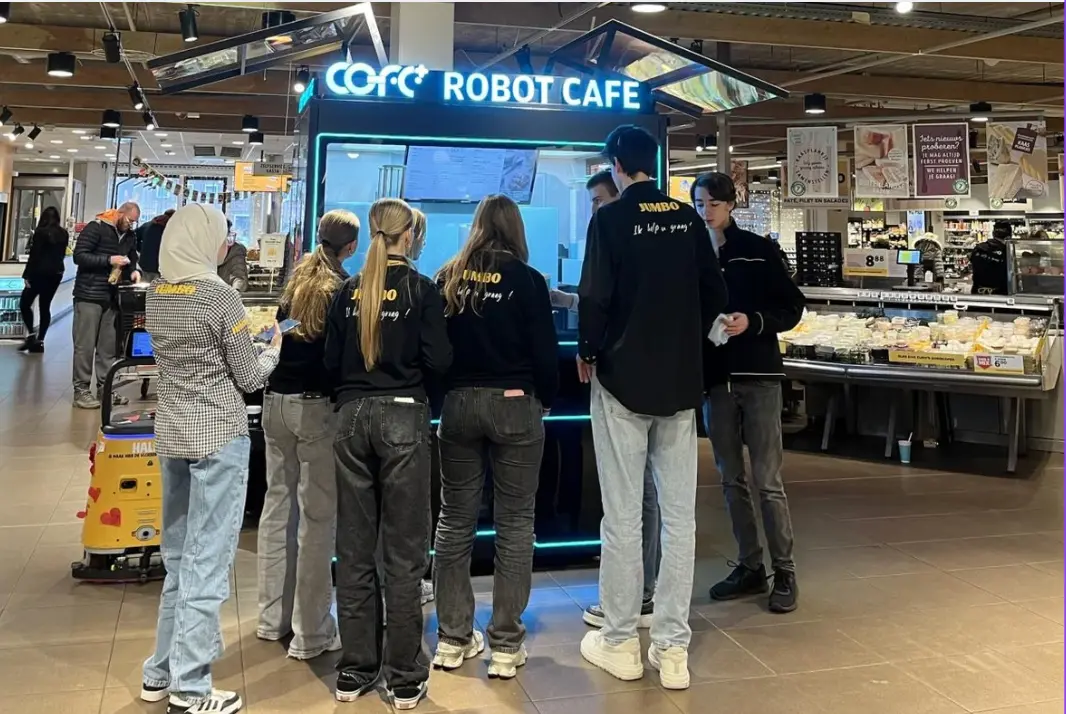
The Rise of Professional Robotic Café Technology: What COFE+ Is and Why It Matters
TL;DR — COFE+ is a fully automated robotic coffee kiosk that grinds fresh beans, brews espresso and lattes, creates latt……

A robot coffee kiosk can grind beans, pull shots, and print latte art on demand, but the difference between a machine that blends into the background and one that generates regular queues is almost always the menu. Local flavor integration is not cosmetic. In over thirty countries where we have deployed COFE+ robots, the highest-performing units are not necessarily the ones in the busiest locations—they are the ones serving drinks that people recognize from their own coffee culture. An Americano and a caramel latte might work everywhere, but a well-chosen local variant doubles the reason for a repeat visit. This article lays out how operators can research, implement, and scale local flavor strategies for unmanned coffee operations, based on what we have actually measured across global installations.
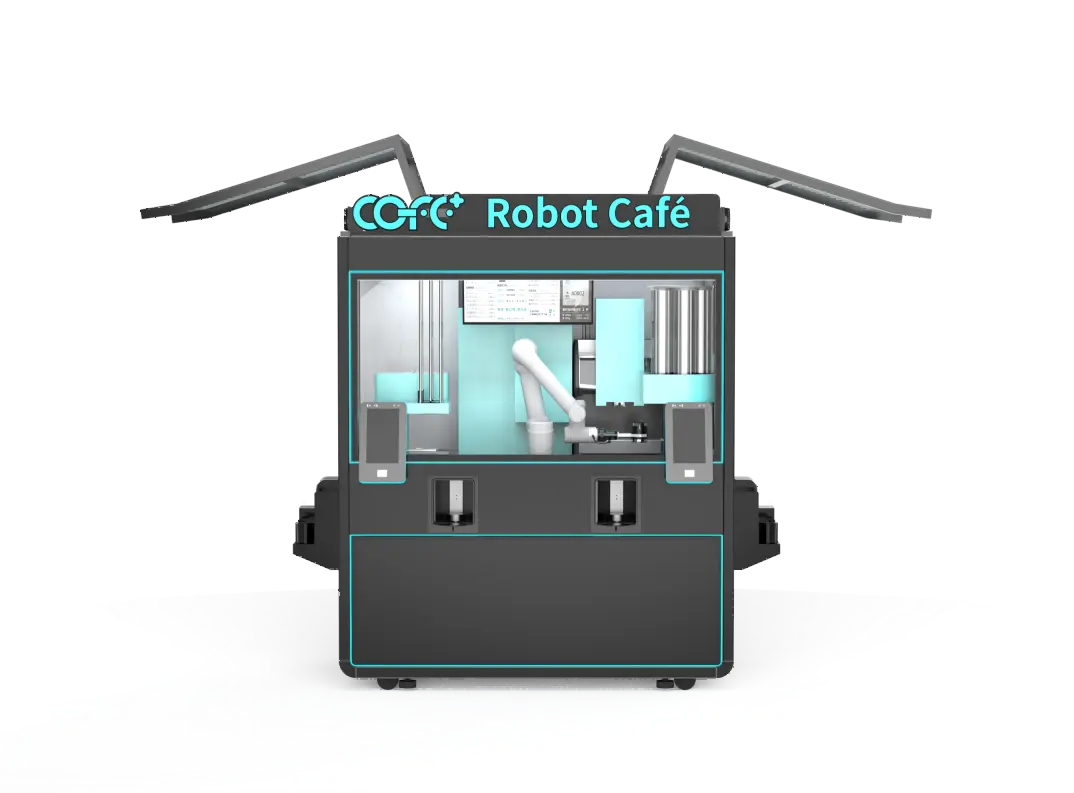
The assumption that a robot coffee kiosk needs only a standard espresso menu because it operates unattended ignores what drives purchase decisions in every food and beverage market. Consumers gravitate toward familiarity as much as novelty, and a menu that reads like a hotel lobby in any airport loses against the corner café that serves a local specialty. We have seen units in Middle Eastern markets struggle until a cardamom-infused coffee option was added; the traffic changed within days. The machine did not change—only one syrup profile did.
At an operational level, local flavors also solve a hidden problem: price sensitivity. A generic latte competes on convenience and location, but a saffron latte or a pandan iced coffee has no local comparison price. Customers evaluate the drink on its own appeal rather than benchmarking against the shop next door. That expands margin room even in competitive sites.
Starting with local flavors without data is guessing. We have a defined research sequence we run before customizing any new deployment that avoids overcommitment to ingredients that prove marginal.
First, identify the top three to five non-chain coffee shops in the target city or district and audit their menu for recurring specialty items. The drinks that appear across multiple independent cafés usually signal a deep-rooted local preference rather than a short-lived trend. In Thailand, for example, the repeated presence of iced coffee with condensed milk told us early on that a standard iced latte would not compete.
Second, check regional food delivery platform data if available. High-order-volume coffee drinks with modifiers like “less sweet” or “extra shot” indicate what customers care about. Across several Southeast Asian markets, we saw consistently high orders for drinks with coconut milk and palm sugar, which led us to create dedicated syrup and milk combination slots.
Third, talk to the facility manager or landlord about the specific user base. A kiosk in a university library serves a different palate than one in a transit hub even within the same city. The landlord often knows what the previous coffee vendor sold the most—information that costs nothing and can prevent stocking the wrong ingredients.
After this research, we create a trial menu of three local-specific drinks alongside the core global menu. The trial runs for two weeks, and we use sales data to select the top performer for permanent inclusion.
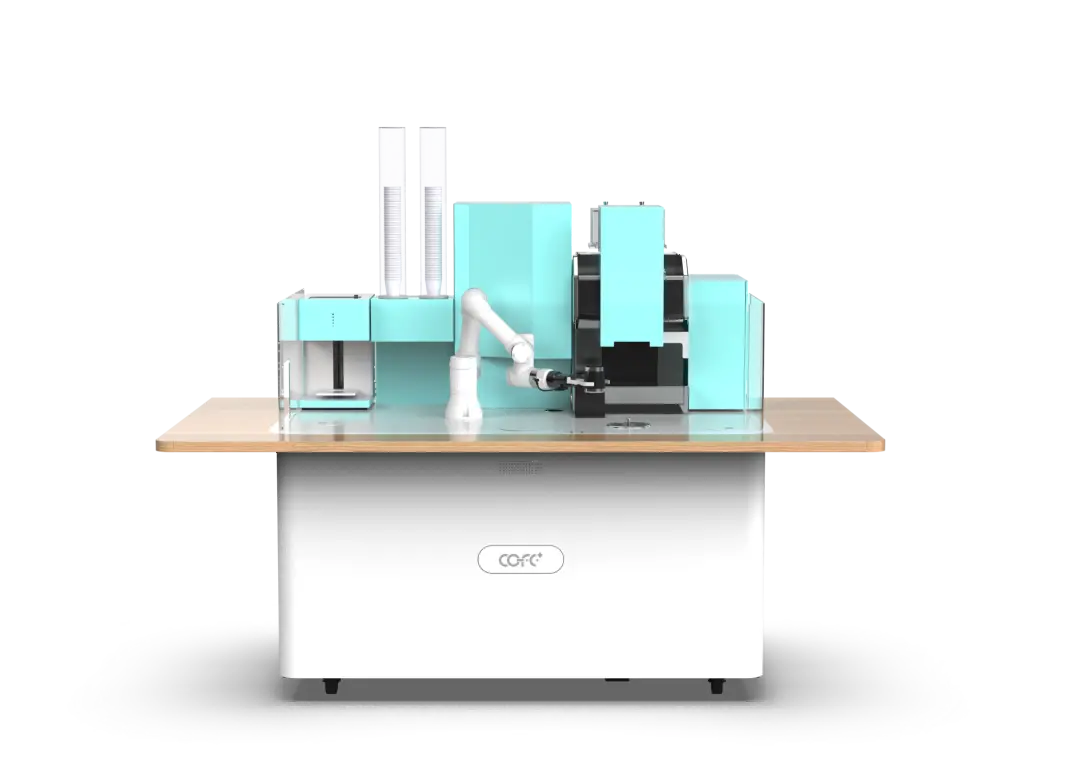
A robot coffee kiosk menu local flavors strategy only works if the machine can execute the drinks consistently without adding complexity that breaks the unattended model. COFE+ systems store ingredient parameters for over 5,000 drink combinations, and each new local drink is an addition to that database—not a separate machine setup.
The operational simplification is that most local flavor profiles map to a variation of milk type, syrup, or topping rather than a fundamentally different extraction process. A matcha latte in Tokyo, a chocolate-orange mocha in Amsterdam, and a rose-cardamom latte in Dubai all differ at the syrup and milk stage, not at the grinder or brew group. This means the machine’s core workflow remains unchanged, and ingredient refill cadences are the only variable.
We limit local-specific ingredients to three dedicated canister slots per kiosk. If a market requires more, we rotate seasonally. The constraint prevents an unmanageable supply chain where each location needs specialized restocking—a common mistake we see operators make when they try to please everyone.
Patterns emerge when you operate across enough markets. The following table draws from our deployment data and is a starting point, not a prescription. Local testing always overrides general assumptions.
| Region | Popular Local Drinks | Key Ingredient Notes |
|---|---|---|
| Southeast Asia | Iced milk coffee with palm sugar, pandan latte, coconut americano | Plant-based milks preferred; high tolerance for sweet profiles |
| Middle East | Cardamom coffee, saffron latte, date-sweetened mocha | Spice integration during brewing stage; less sugar overall |
| East Asia | Matcha latte, hojicha milk, black sesame coffee | Tea-based coffee hybrids dominant; texture matters as much as flavor |
| South America | Dulce de leche latte, canela coffee, chocolate de mesa | Caramel and cinnamon bases; often paired with a small sweet on the side |
| Western Europe | Hazelnut oat latte, speculoos cappuccino, lavender americano | Plant milks and botanicals growing; less sweet overall |
One nuance that the table does not capture is that local preferences also shift by time of day. In several Middle East locations, the cardamom coffee peaks in the evening hours, while the standard espresso dominates the morning. We use time-based menu highlighting on the touchscreen to feature the local drink during its high-demand window, which has improved the conversion rate for that item by approximately 20%.
The largest operational risk with robot coffee kiosk local flavors is not the machine—it is the availability and shelf life of the specialty ingredients you add. A discontinued syrup from an overseas supplier can leave a popular drink offline for weeks. We address this by keeping local ingredient sourcing local. For instance, a pandan syrup used in units across Malaysia and Indonesia is sourced from regional foodservice distributors, not shipped from a central warehouse. This adds supplier management work but drastically cuts lead time and shipping cost.
Inventory planning becomes slightly more complex because local ingredients often sit in separate stock counts. Our cloud monitoring platform tracks each ingredient level per kiosk and triggers a refill alert based on consumption rates. The system learns that the palm sugar syrup depletes faster on weekends in a Bangkok university kiosk and adjusts restock recommendations accordingly. Operators managing multiple locations can see all local ingredient levels on one dashboard and schedule refills by route.
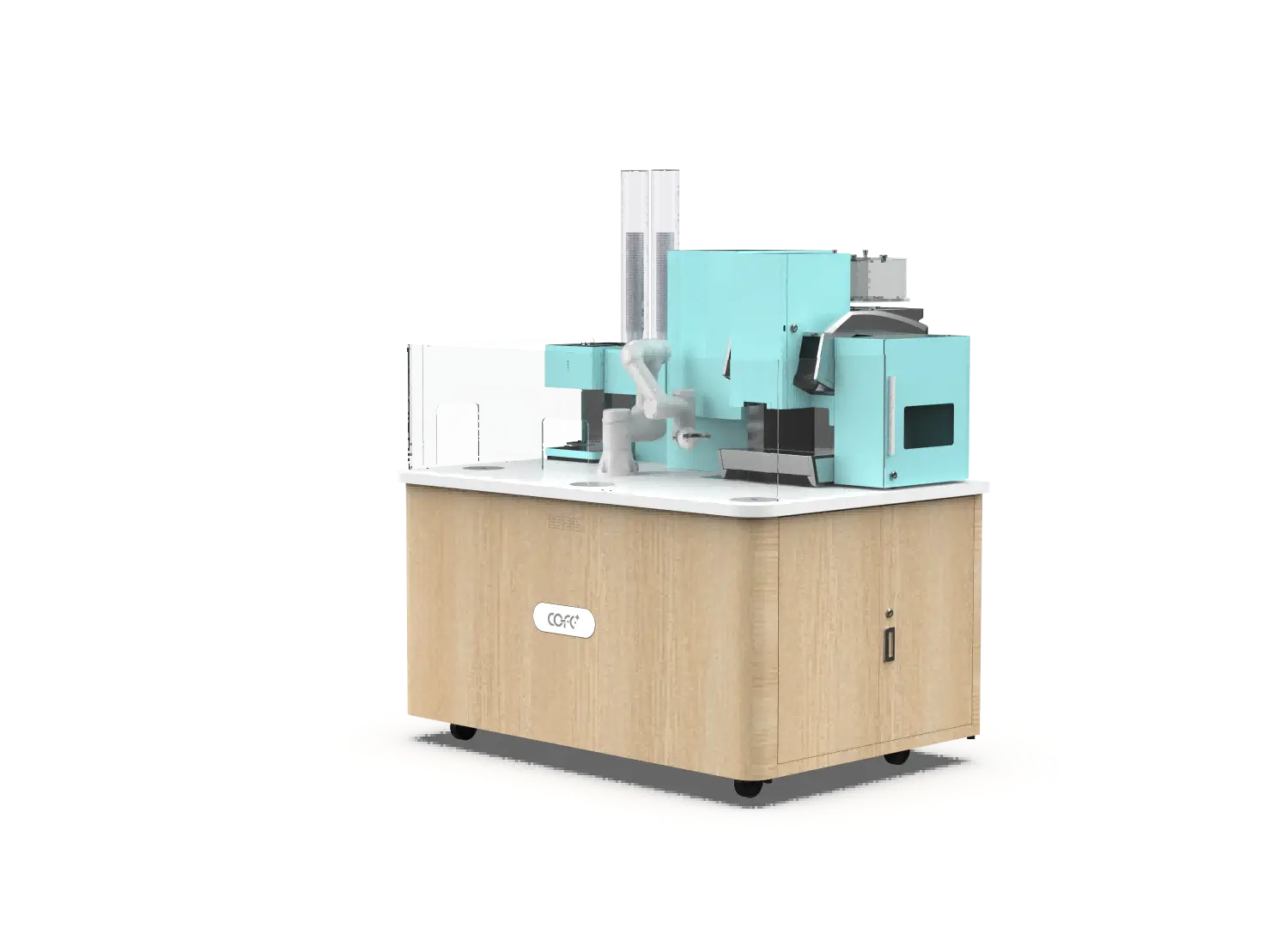
A practical step that reduces waste is to design local drinks to use ingredients that also appear in a global menu item. If a saffron syrup is used only in one specialty latte, its waste risk is high. But if that same saffron syrup can be added as a customization option to any drink through the “add syrup” button, demand spreads across the menu and inventory rotates faster.
Adding local flavors to one kiosk is a menu exercise; doing it across ten or fifty locations is a supply chain and consistency challenge. The approach we recommend to operators scaling from a pilot is to treat the menu as a regional layer on top of a global core. The global core drinks—latte, cappuccino, Americano, mocha—are identical across every unit and account for about 60% of sales by volume. The local layer comprises two to five drinks specific to each city or region and drives the margin and repeat purchase differences.
To maintain taste consistency, every local drink recipe is developed centrally on a reference machine, digitally recorded with exact pump timings, syrup grams, and milk ratios, then pushed to all kiosks in the region through the cloud platform. No individual operator adjusts the recipe at the machine; that ensures a jasmine latte in Chengdu tastes the same as one in Chongqing even if different personnel manage the units.
The financial model also shifts at scale. For 1–3 kiosks, local ingredient costs per cup can be 15–20% higher than global ingredients because purchase volumes are small. Once a regional cluster reaches 10–15 kiosks, the per-cup ingredient cost typically drops to parity or below that of global ingredients because you negotiate regional supplier agreements. That economics crossover point often surprises first-time operators and makes it worth accelerating cluster density rather than spreading thin.
Start with three. More than three introduces ingredient complexity before you know which ones sell, and fewer than three does not give customers enough variety to notice the local difference. After the first month of data, cut the lowest performer and replace it with a new candidate. This cycling approach prevents the menu from stagnating while avoiding an unmanageable ingredient list.
Yes. The COFE+ cloud management system allows operators to add, remove, or modify drink recipes, display names, and pricing remotely for any unit from a single dashboard. A menu change takes effect system-wide within minutes, and the machine requires no on-site technician visit. New syrup or ingredient introduction, however, requires physical restocking—that is the only on-site step.
We have encountered this twice in Southeast Asia. The solution is to have a backup recipe that uses a more widely available equivalent ingredient, and to build a relationship with at least two suppliers for each specialty item. In the data monitoring system, we flag any ingredient whose consumption rate is zero for more than two days because it often means the supply chain broke rather than demand disappeared. Early detection allows a switch before customers notice the drink is missing.
This is a genuine concern in airports and tourist-heavy locations. We solve it by placing the most recognized local drinks in a clearly labeled “Local Favorites” category on the touchscreen, with a one-line description beneath each name. For example, a Thai iced coffee is listed as “Thai Iced Coffee – strong coffee with condensed milk over ice.” The global core menu remains the first screen the user sees, and the local category is a one-tap option for the curious.
Excluding the cost of the kiosk itself, the added investment per unit is in the low hundreds of dollars—typically $200 to $500—to stock the initial set of local syrups, powders, and toppings, plus small adjustments to the ingredient rack. The recurring cost is the ongoing ingredient ordering, which should be covered by the extra revenue within the first month of operation in any site with decent foot traffic. If you are evaluating a multi-site rollout, share your target locations at sales@hi-dolphin.com and we can model the projected local ingredient cost and revenue impact based on regional data from our existing deployments.
TL;DR — COFE+ is a fully automated robotic coffee kiosk that grinds fresh beans, brews espresso and lattes, creates latt……
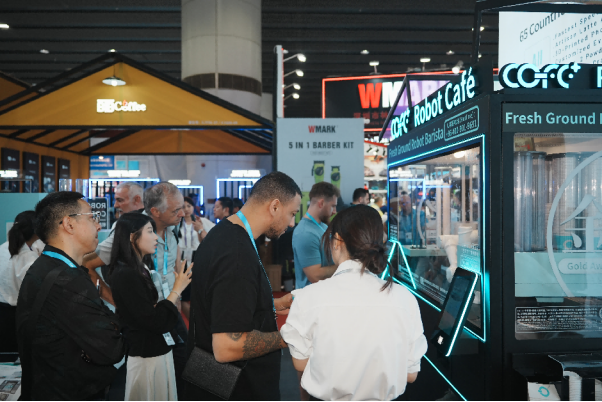
7th-Genertion Smart Robot Coffee Kiosk Arrives at the Belt and Road Core Hub, Ushering in a New Service Era Along t……
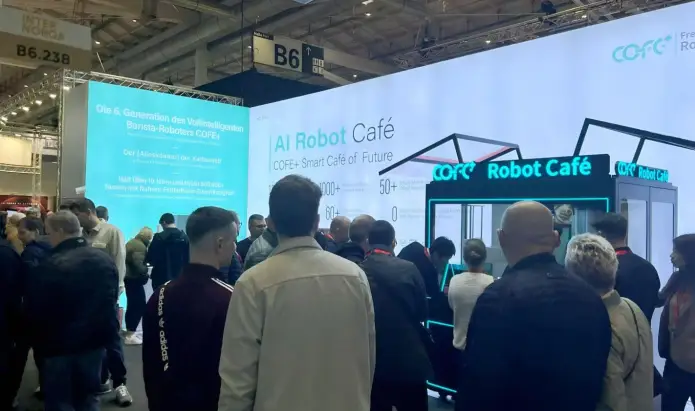
CHICAGO, May 12, 2026 (GLOBE NEWSWIRE) – Shanghai Hi-Dolphin Robot Technology today announced the U.S. debut of its 7th‑……