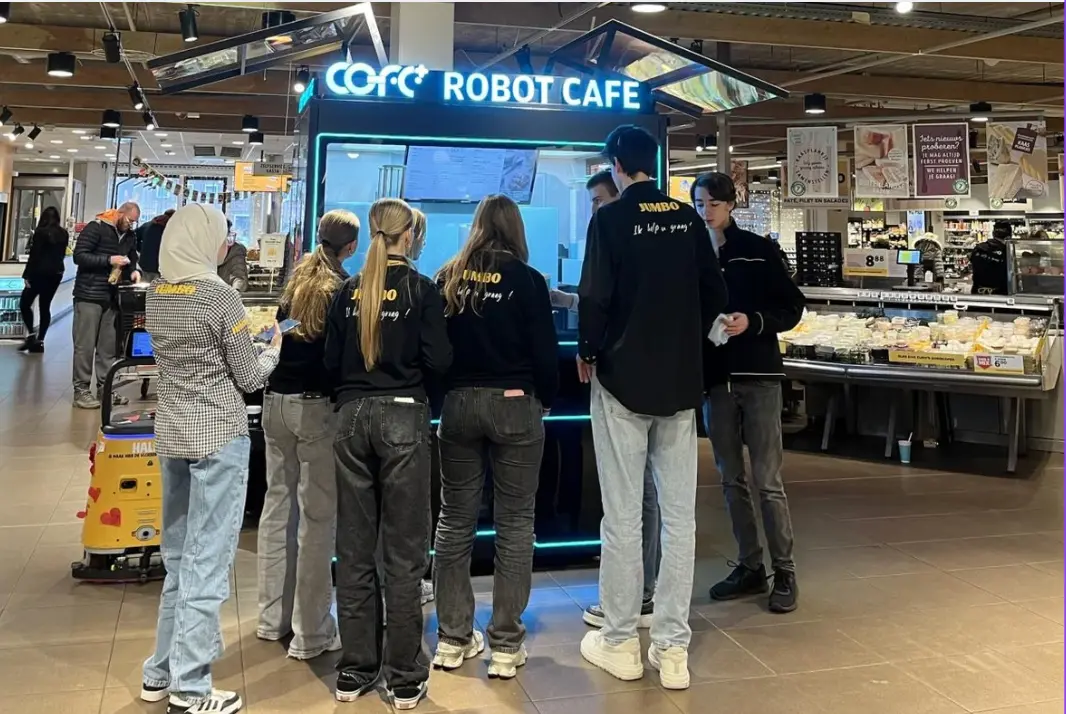
The Rise of Professional Robotic Café Technology: What COFE+ Is and Why It Matters
TL;DR — COFE+ is a fully automated robotic coffee kiosk that grinds fresh beans, brews espresso and lattes, creates latt……

Most robot coffee kiosk operators quickly discover that standard coffee sales alone often plateau, especially in high-competition locations. Seasonal drinks offer a direct path to breaking through those ceilings, and the nature of automated, data-driven kiosk technology makes seasonal menus far simpler and more profitable than in traditional cafes. Rather than requiring barista retraining and supply chain overhauls, a robot coffee kiosk can instantly deploy and test new seasonal recipes while automatically tracking performance metrics. For operators, the real question is not whether seasonal drinks increase revenue—the data consistently confirms they do—but how to implement them in a way that maximizes margins without adding operational complexity. The answer lies in leveraging the kiosk’s AI-driven systems to manage menu rotation, inventory, and customer preferences.
Seasonal drinks drive three revenue levers that static menus cannot: higher average transaction value, repeat visits, and new customer acquisition driven by novelty. A pumpkin spice latte in October or an iced lavender latte in July can command a premium price point—often 15 % to 25 % above the standard latte—without deterring customers who see these as seasonal indulgences. Because robot kiosks operate with near-zero incremental labor cost, that premium flows almost entirely to the bottom line.
Beyond per-cup margins, seasonal menus compress the purchase cycle. Regular coffee drinkers who visit a kiosk three times a week for a standard americano often add an extra visit when a limited-time flavor appears. The psychology of scarcity works, and a well-timed seasonal promo creates urgency without discounting. Seasonal drinks also generate free social media buzz; customers are more likely to photograph and share an unusual foam-art-topped matcha-mint latte than a regular cappuccino, driving organic foot traffic.
The biggest advantage for robot kiosk operators, however, is the speed and consistency of execution. In a traditional coffee shop, introducing a new seasonal drink means training baristas, tweaking recipes, and dealing with quality variance across shifts. A robot kiosk—especially one like the COFE+ 7th Generation series—stores recipes digitally, so a new seasonal drink can be pushed to the machine’s menu in minutes. Every cup is made identically, with precisely measured ingredients, maintaining the premium experience customers expect from a seasonal offering. This precision removes the risk of a poorly made drink damaging the seasonal promotion, turning what is usually an operational headache into a frictionless revenue event.
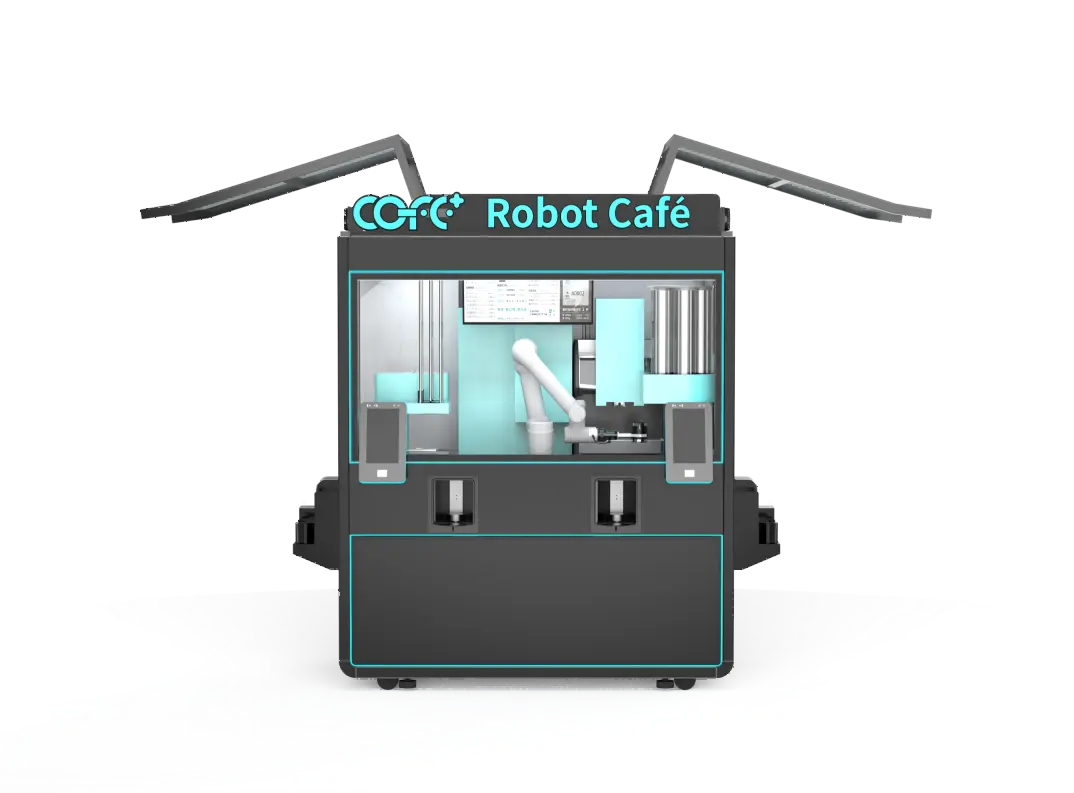
Not every seasonal drink works for every location. The selection must balance local taste preferences, ingredient availability, and the kiosk’s physical environment—indoor, outdoor, hot climate, cold climate. A location near a university in Southeast Asia might perform best with iced coconut coffee variations in summer, while a kiosk in a London transit hub might see stronger traction with a gingerbread latte during the winter holidays.
To select profitable seasonal drinks, operators should start with two data points: historical sales data from their own machines (if available) and regional coffee consumption trends. For new kiosks lacking historical data, starting with proven seasonal favorites—pumpkin spice, peppermint mocha, or horchata cold brew—provides a safe baseline. The key is treating the first seasonal rotation as a test, with the kiosk automatically tracking hourly sales and customer repeat rates so the operator can double down on winners and drop losers quickly.
| Drink Category | Best Season | Popular Flavors | Price Premium Potential |
|---|---|---|---|
| Iced and Blended | Summer | Coconut, Mango, Passion Fruit | 20–30 % |
| Spiced and Warm | Winter/Holiday | Pumpkin Spice, Gingerbread, Peppermint | 25–40 % |
| Fruit and Herbal | Spring/Fall | Lavender, Hibiscus, Rose | 15–25 % |
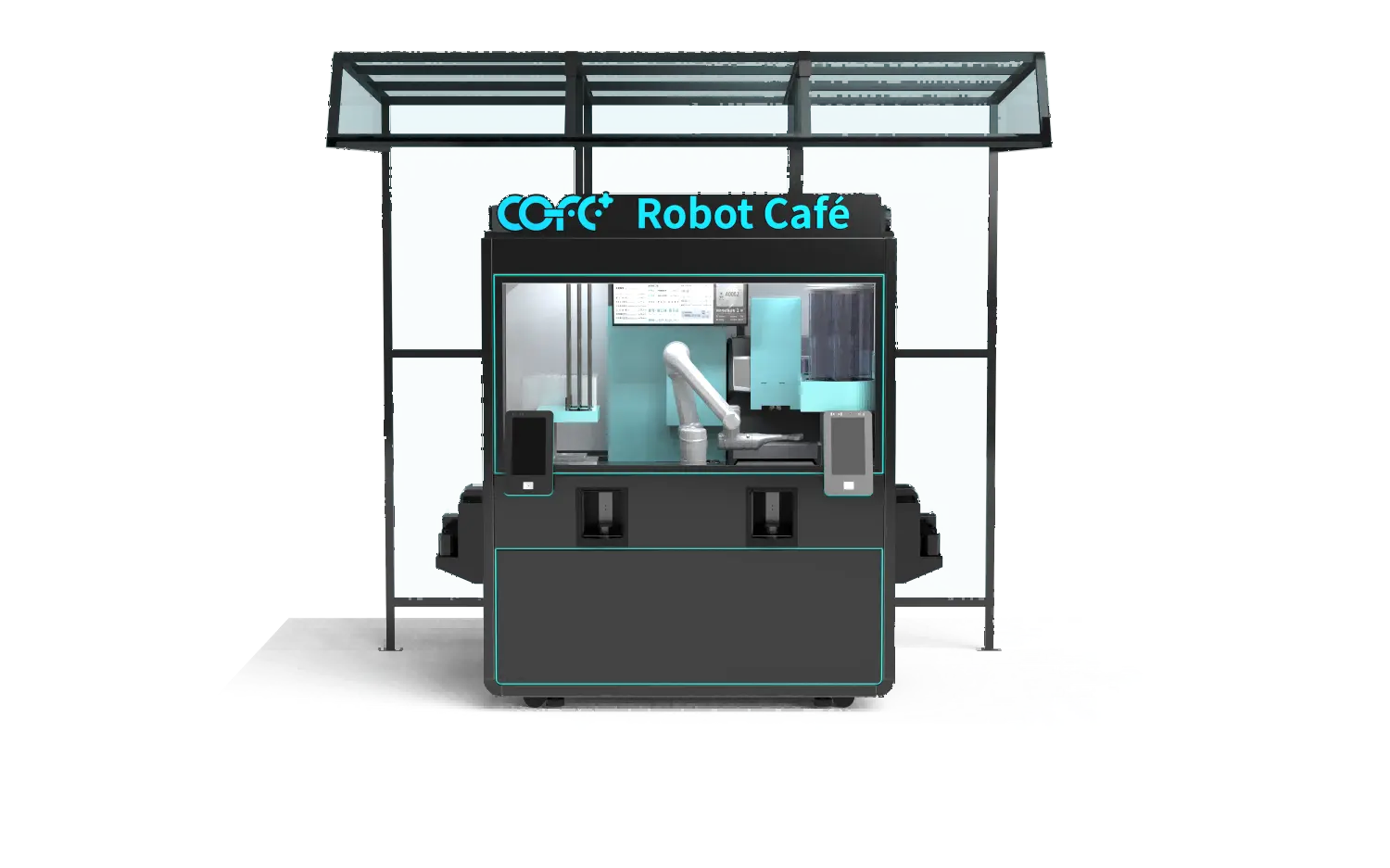
In warm climates or summer months, iced and blended drinks dominate. Iced coconut lattes, cold brew with fruit infusions, and iced matcha variations consistently outperform hot varieties. With COFE+ kiosks capable of producing over 300 drink types, including iced and plant-based options, operators can easily cycle through tropical flavor combinations without additional hardware. A data-driven approach that introduces a new iced seasonal drink every four weeks keeps the menu fresh and encourages repeat visits from customers wanting to try the latest flavor.
Cooler temperatures and holiday seasons shift demand toward warm, spiced, and indulgent beverages. Classic options like pumpkin spice latte, gingerbread coffee, and peppermint hot chocolate remain reliable performers. Operators should also consider local holiday traditions: a roasted chestnut latte in some European markets or a hibiscus-spiced hot tea in North African locations. The goal is selecting flavors that feel festive and premium, creating a perception of special occasion value that justifies a higher price point. Understanding seasonal demand cycles also helps with inventory pre-stocking; syrups, spices, and specialty milks can be ordered in bulk before the season begins, reducing per-unit cost and avoiding mid-season shortages.
If your deployment spans multiple locations or seasons, it is worth mapping out your seasonal ingredient supply chain before launching. Share your planned drink lineup and we can evaluate ingredient compatibility and inventory thresholds with you.
Inventory complexity is the most common fear among operators considering seasonal menus. With an unmanned kiosk, running out of a seasonal ingredient mid-service not only loses that sale but can frustrate customers who came specifically for the limited-time offering. The solution lies in the kiosk’s cloud-based inventory management system.
COFE+ kiosks, for example, provide real-time remote monitoring of ingredient levels, including syrups, milk types, coffee beans, and toppings. The system can send automated alerts when seasonal ingredient stocks drop below a predetermined threshold, giving operators days of lead time to restock. Operators can also set automated ordering workflows for recurring seasonal ingredients, eliminating the need for manual tracking.
A practical approach is limiting each seasonal cycle to three or four specialty drinks that share as many base ingredients as possible. For a summer rotation, this might mean three iced drinks that all use cold brew concentrate and coconut milk, differentiated by syrups (vanilla-coconut, mango, passion fruit). This reduces SKU proliferation while maintaining menu variety. Because the kiosk handles ingredient dispensing with milliliter-level accuracy, there is less waste from over-portioning, a common problem in manual cafes.
The most underused advantage of a smart robot coffee kiosk is its ability to generate granular sales data that human-operated cafes rarely capture. Each transaction records the drink type, time, temperature, add-ons, and payment amount, creating a dataset that can be used to optimize future seasonal offerings.
Operators should review the previous season’s performance at least four weeks before launching a new rotation. Metrics to analyze include peak selling hours for each seasonal drink (enabling time-limited promotions), the impact of screen-based upsells on seasonal drink adoption, and the correlation between seasonal drink sales and total basket size. For instance, if data shows that 40 % of customers who order a seasonal latte also add a pastry or snack (if offered), the operator can adjust the kiosk’s touchscreen to prompt a high-margin add-on immediately after the seasonal drink selection.
More advanced operators can use AI demand forecasting tools, already embedded in the COFE+ Smart Store Brain, to predict demand for specific seasonal ingredients based on weather forecasts, local events, and historical sales patterns. This prevents overstocking of perishable items and reduces the risk of stockouts during peak seasonal windows. Dynamic menu scheduling further enables the kiosk to automatically rotate seasonal drinks based on time of day, weather, or remaining inventory, maximizing revenue while minimizing waste.
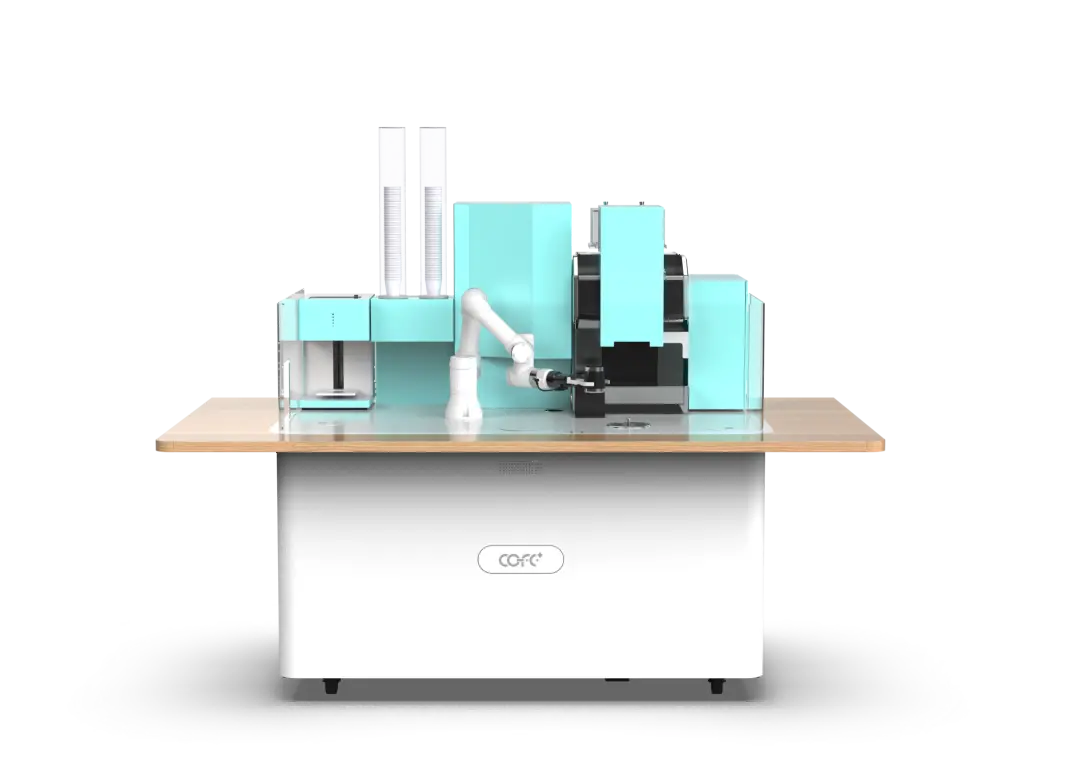
Once an operator experiences the revenue lift from a well-executed seasonal promotion, the logical next step is to systematize it. Instead of treating seasonal drinks as ad-hoc experiments, integrate them into a twelve-month menu calendar. This calendar should map out four to six seasonal rotations per year, each with a defined theme, drink lineup, ingredient list, and promotional strategy.
Permanent integration also means budgeting for seasonal R&D. Spend time testing new recipe ideas that align with emerging flavor trends and local cultural preferences. Because COFE+ kiosks can store thousands of recipes and update remotely, there is practically no limit to the variety you can offer. What matters is discipline: stick to the plan, measure results, and rotate based on performance data, not gut feeling.
Ultimately, seasonal drinks are not a side project for robot coffee kiosks; they are a core revenue engine that amplifies the inherent advantages of automation: consistency, speed, and low operating cost. Operators who treat them as a one-off promotion miss the larger opportunity to build a dynamic, data-driven menu strategy that keeps customers engaged year-round.
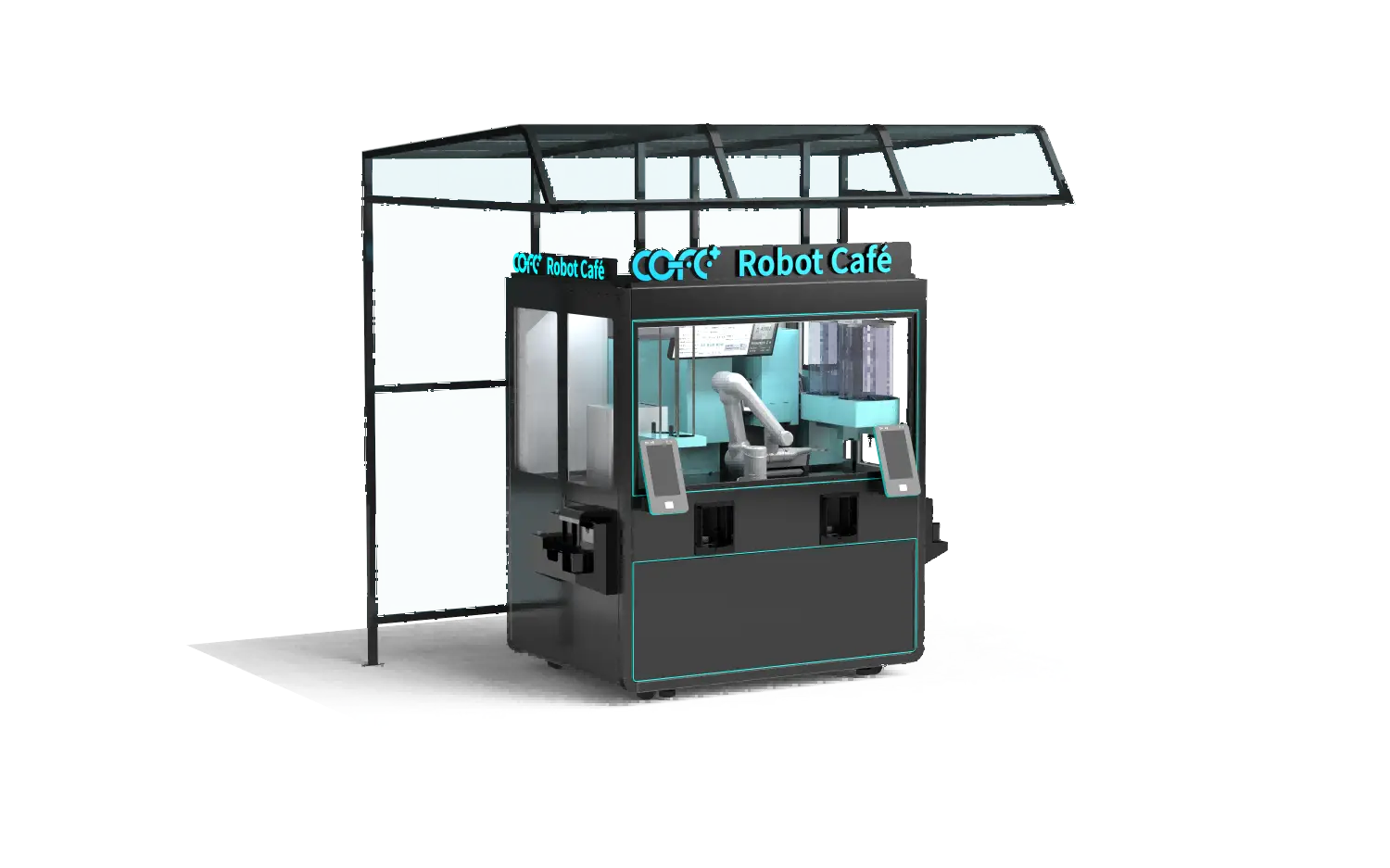
Seasonal drinks offer robot coffee kiosk operators a proven method to increase revenue, boost margins, and attract repeat customers, but only when implemented with the right technology and strategy. A kiosk that cannot easily swap recipes, manage inventory remotely, or analyze sales data will turn seasonal promotions into a logistics burden rather than a profit center.
Shanghai Hi-Dolphin’s COFE+ 7th Generation smart coffee robots are purpose-built to handle seasonal menu complexity with zero incremental labor. With over 300 drink recipes, cloud-based inventory monitoring, and AI-driven demand forecasting, COFE+ kiosks make seasonal drink programs as simple as uploading a new menu file.
If you are planning a seasonal drink launch or want to see how COFE+ can raise your kiosk’s revenue without adding staff, contact our team to discuss your requirements and receive a deployment plan. Reach us at sales@hi-dolphin.com or call +86 131 6630 1290.
Four to six seasonal rotations per year works well for most operators, roughly aligned with calendar seasons plus major holidays. This cadence keeps the menu fresh without overwhelming your inventory supply chain. For high-traffic locations like airports or shopping malls, consider shorter micro-rotations of two to three weeks around specific events (Valentine’s Day, Lunar New Year, local festivals) to drive urgency. COFE+ systems allow menu updates to be pushed remotely, so you can adjust as needed without on-site visits.
Yes, and without the complexity many fear. COFE+ kiosks can store over 5,000 custom combinations, so offering four to eight seasonal drinks simultaneously is well within system capacity. The practical limitation is ingredient storage, not recipe count. Using concentrated syrups and shelf-stable ingredients reduces the need for frequent restocking. If your seasonal lineup shares base liquids (e.g., cold brew, oat milk), you can run a diverse menu without changing the hardware configuration.
It depends on the ingredients used. If you stick to liquid syrups and fine powders, the cleaning impact is minimal. COFE+ kiosks feature automatic high-temperature sterilization (85 °C+) and anti-microbial stainless steel interiors, so the risk of residue buildup from standard flavor additives is low. Pulpy syrups or chunky toppings, however, could potentially clog dispensing nozzles and would demand more frequent manual intervention. For most operators, sticking to clean-liquid syrups and fine powders keeps a weekly quick clean cycle sufficient, without meaningfully increasing downtime or service calls.
The base cost per cup for a seasonal latte is typically $0.05 to $0.15 higher than a standard latte, driven by the syrup or flavor shot. Since seasonal drinks often command a premium of 20 % to 40 % in retail pricing, the net margin is substantially higher. A pumpkin spice latte that costs $0.35 to produce might sell for $4.50, compared to a plain latte that costs $0.25 and sells for $3.50. With COFE+’s ingredient dispensing accuracy down to the milliliter, waste is minimal, further protecting margins during high-volume seasonal windows.
Shifting the focus from a yes/no judgment to a specific performance threshold changes how you manage your menu. Define success metrics before launching. Minimum benchmarks include daily unit sales per seasonal drink (aim for at least 15–20 cups per day for a medium-traffic location), contribution to total revenue (seasonal drinks should contribute at least 15 % of weekly revenue during the promotion), and customer repeat rate (how many customers order the seasonal drink more than once). The COFE+ Smart Store Brain tracks all these metrics automatically, so after two weeks you will have clear data to decide whether to extend, modify, or retire a drink. For operators looking to refine their seasonal strategy, our team can assist with data analysis and recipe optimization. Contact us at sales@hi-dolphin.com.
TL;DR — COFE+ is a fully automated robotic coffee kiosk that grinds fresh beans, brews espresso and lattes, creates latt……
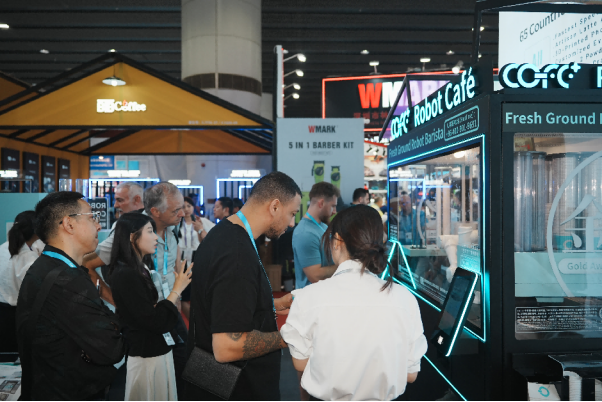
7th-Genertion Smart Robot Coffee Kiosk Arrives at the Belt and Road Core Hub, Ushering in a New Service Era Along t……

CHICAGO, May 12, 2026 (GLOBE NEWSWIRE) – Shanghai Hi-Dolphin Robot Technology today announced the U.S. debut of its 7th‑……