Robot coffee kiosk temperature control determines whether a machine can hold dairy, wet extracts, and dry powders through a full service cycle without a mid-shift spoilage fault. Most operators focus on the refrigerator rating. The more important question is whether the cold chain stays continuous from the sealed ingredient bay to the cup. In the kiosks I evaluate for unattended sites, the failures that force shutdowns are seldom a failed compressor. They more often start with a misplaced temperature probe, a worn door seal, or a condensation path that sends moisture into a dry mix. A kiosk that keeps ingredient freshness over months treats temperature control as a monitored data stream, not a static setting.
Robot Coffee Kiosk Temperature Control Starts With Milk Line Placement
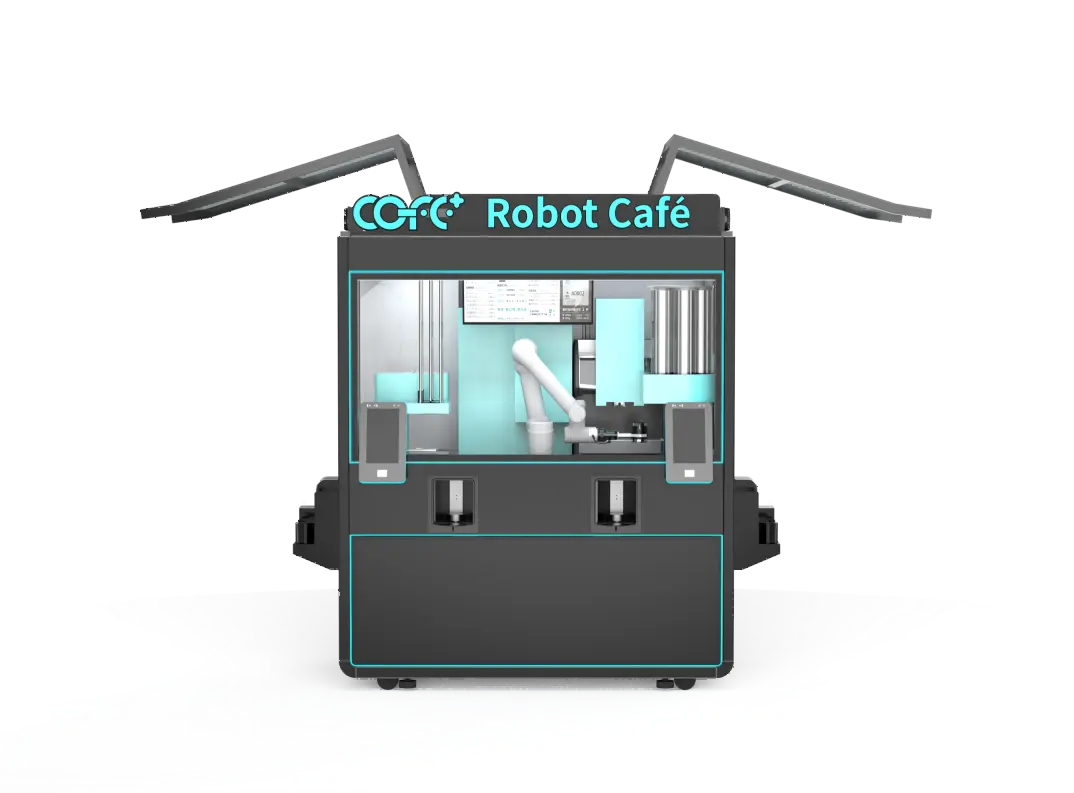
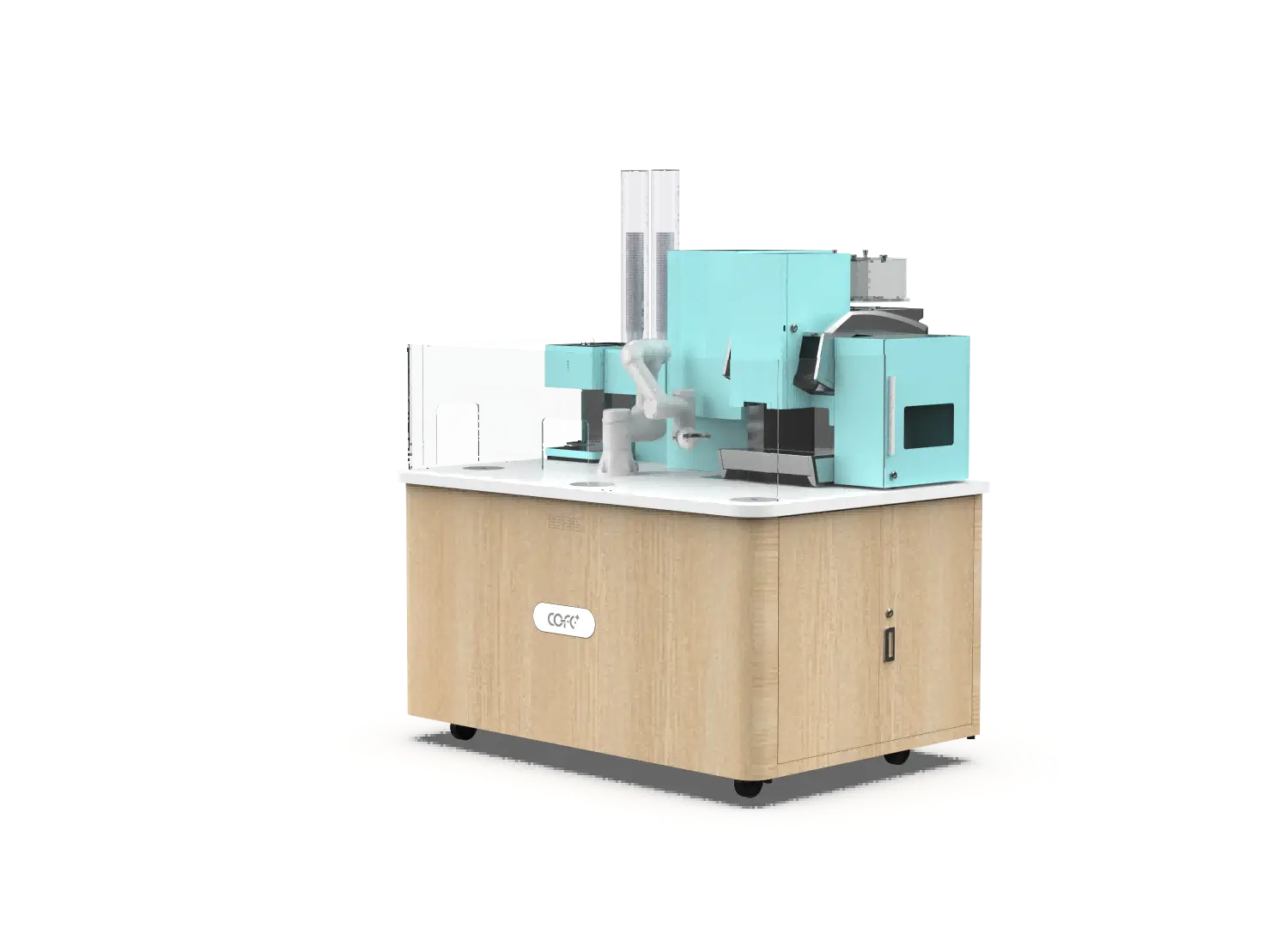
Milk stays fresh only if every point along the line from storage to nozzle holds below the spoilage boundary while the machine is idle. In a compact 2.35 m² COFE+ 7th Generation indoor kiosk, the milk path sits close to the extraction and steam modules, so heat soak is a design issue, not a maintenance complaint. Place a temperature probe too far from the milk inlet and the reading will stay stable while the actual product temperature rises after a long idle period. That gap is where spoilage develops before the cup reaches the customer.

Probe Position Matters More Than Cabinet Rating
A cabinet can pass a factory test and still fail a real site if the probe sits in the return air stream instead of the product zone. During commissioning, we ask the technician to record the temperature at the milk inlet, the rear of the bay, and the nozzle line after a two hour idle. If the readings spread more than a few degrees, the kiosk needs a harness or probe relocation before it goes unattended. This is the same check that catches shipping damage before it becomes a food safety event.
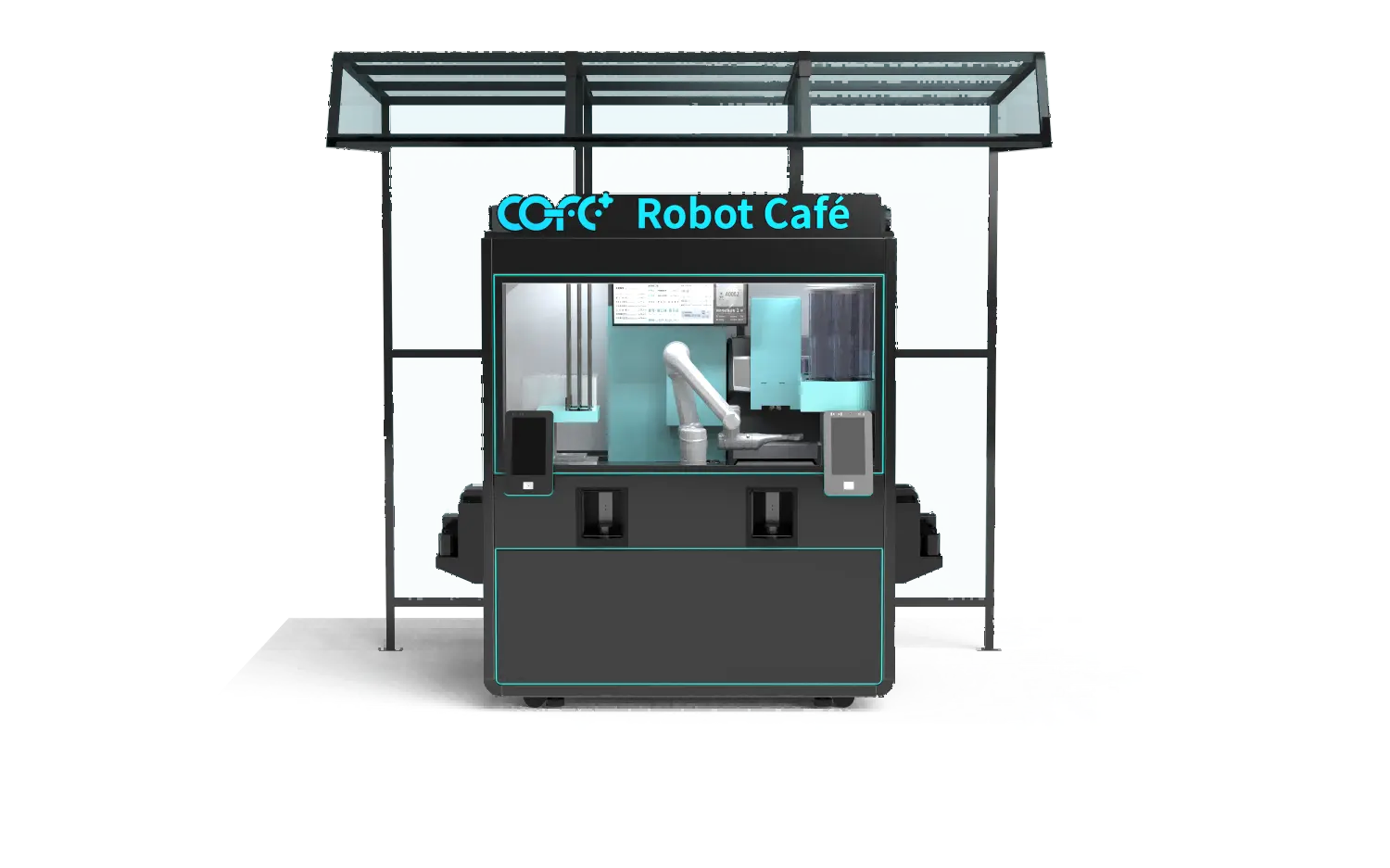
| Specification area | COFE+ 7th Generation Indoor | COFE+ 7th Generation Outdoor |
| Ambient operating range | Designed for climate controlled interiors | Operates from -20°C to 45°C |
| Environmental protection | Retail interior build | IP54 rated, UV resistant, with anti-condensation system |
| Contact surface hygiene | Automatic cleaning with cloud monitoring | Automatic 85°C+ high temperature sterilization, anti-microbial stainless steel interior |
| Waste management | Enclosed automated system | Fully enclosed waste system to prevent spills, odors, and pests |
| Daily output capacity | About 1,000 cups | About 1,000 cups |
Robot Coffee Kiosk Temperature Control Alerts Catch Drift Early
Remote monitoring only creates value when alert thresholds are tied to product limits and refill intervals, not to a generic cabinet average. The COFE+ smart operation layer tracks stock, temperature, and system status, but the operator still sets the drift boundary. A site that is restocked daily can tolerate a smaller margin than a site serviced every three days, because the exposed time is different. I recommend reviewing the last seven days of temperature logs before adding a new location to a route. If the unit repeatedly reaches the warning band during morning ramp up, the problem is heat load or airflow, not the sensor.
Which Alerts Justify an Immediate Route to the Machine
Treat a temperature alert as urgent when the bay temperature has already crossed the safe band and the kiosk continues selling. That combination means the software alarm is running behind the physical condition, and the next customer could receive an ingredient that has spent time above its hold limit. Alerts that appear only during a cleaning cycle or a restock event are lower priority, as long as the temperature recovers within the set window. Operators who tune these two classes separately spend less time chasing false trips.
If your deployment crosses climate zones or includes outdoor kiosks alongside controlled indoor spaces, compare the ambient temperature envelope and anti-condensation behavior before you finalize the site list. Email your location set and restocking frequency to sales@hi-dolphin.com and request a thermal mapping checklist for each unit.
Condensation Control Determines Robot Coffee Kiosk Temperature Control Outcomes
Dry ingredient freshness fails differently from dairy freshness. A powdered mix that clumps or cakes usually points to condensation, not a temperature excursion. When a kiosk cycles between a chilled milk bay and a hot water module, humid air moves into gaps around access panels and seals. The moisture condenses on the coolest surface available, then falls or migrates into dry storage. Over several weeks, a shelf-stable ingredient turns into a blocked dispenser and a cleaning event. Outdoor kiosks make this worse because ambient humidity and temperature swings are larger.
| Failure point | Mechanism | Early operator cue | Field action |
| Milk door seal | Humid air enters the chilled bay | Frost or droplets at the seal edge | Replace the seal, check latch tension |
| Dry mix hopper | Warm humid air contacts cool powder | Clumping near the hopper walls | Inspect the hopper gasket and dry the fill area |
| Condensate tray | Blocked drain holds water against the cabinet | Drip marks below the unit | Clear the line and adjust the drain slope |
| Probe position | Sensor reads air instead of product | Stable reading during a temperature rise | Move the probe into the product zone |
| Cabinet seam | Unsealed gap allows vapor transfer | Condensation inside an isolated bay | Reseal with a food safe sealant |
We ask installers to run a full thermal map after the unit has been in place for 48 hours, not on the first day. The first day shows whether the machine works; the 48 hour mark shows whether the local building HVAC and door traffic push the cabinet past its condensation threshold.
High Temperature Sterilization Protects Contact Surfaces and Flavor
Freshness is not only a refrigeration question. The milk path, mixing bowl, and dispensing nozzle hold residue if the cleaning cycle does not reach a high enough temperature. The COFE+ 7th Generation outdoor kiosk applies automatic 85°C+ high temperature sterilization, which is the difference between a unit that can run unattended across a service window and one that needs frequent manual disassembly. Flavor stability also depends on rinse water volume and purge cycles. If residual cleaning water enters the next drink, the result is a chilled but diluted cup. Review both the temperature setpoint and the post rinse sequence during factory acceptance, because a high temperature cycle alone does not remove excess rinse water.
Smart Buyers Confirm Temperature Control Specifications Before Deployment
If the kiosk will sit in a sunlit airport corridor, a tropical transit hub, or a cold warehouse, ask for a thermal mapping report tied to that environment before you order. We see cases where the building HVAC changes the local ambient more than the cabinet was designed to absorb. Before you finalize the specification or sign a site list, send your deployment geography, expected restocking interval, and milk type to sales@hi-dolphin.com. A call to +86 131 6630 1290 is the quickest way to confirm whether the indoor or outdoor 7th Generation model matches your ambient and ingredient profile.
Operators Ask These Questions About Robot Coffee Kiosk Temperature Control
What temperature range keeps milk and dairy ingredients safe in an unmanned kiosk?
Keep milk and dairy products continuously below the upper limit printed on the packaging, and leave enough margin in the bay setting so the product itself never reaches that limit during a compressor cycle. The margin is necessary because the cooling system cycles instead of running without interruption. A kiosk that only reaches the safe temperature at the sensor and not at the product surface is not safe enough for overnight unattended service. Before accepting a unit, we verify the temperature at the milk inlet, not the cabinet average. This is the reading that tells you whether the cold chain actually reaches the product.
How often should temperature probes be calibrated?
It depends on how often the kiosk moves and how dirty the environment is. In a stable indoor office lobby, a yearly calibration during the preventive maintenance visit catches most drift. In an outdoor kiosk exposed to dust and seasonal temperature swings, I recommend checking the probe against a reference thermometer every six months. The failure mode is not dramatic; a probe reads slightly high while the actual cabinet runs warm. Calibration checks should be written into the service ticket, not left to the technician’s memory.
Does the 85°C sterilization cycle affect coffee flavor?
The common assumption is that high temperature cleaning leaves a burnt or metallic taste. In practice, the rinse and purge sequence matters more than the cleaning temperature itself. The 85°C cycle is applied to contact surfaces to reduce microbial load; it does not heat the coffee beans or the finished drink. If the machine purges properly after the cycle, no residual cleaning water reaches the cup. The time to question flavor is when the dispense volume drops or the first draw after cleaning tastes diluted, not when the sterilization setpoint is high.
Can an outdoor kiosk keep ingredients fresh in hot climates?
In outdoor deployments we evaluate, ambient heat is only part of the challenge. The anti-condensation system, IP54 protection, and -20°C to 45°C operating range on the COFE+ outdoor kiosk address the environment, but the installation still has to keep direct sun off the rear service panel and air flowing around the cabinet. When a kiosk is set against a wall with no clearance, the condenser works against its own exhaust. If you are planning a hot climate network, share your location and peak afternoon temperatures with us at sales@hi-dolphin.com and we will confirm the thermal configuration before you commit to a site.