Most robot coffee kiosk sales pitches fail because they lead with the machine instead of the venue’s operating constraint. A hotel revenue manager, an office facilities director, and a university dining administrator each buy for different reasons, and the same pitch that leads with features does not convert all three. I approach every venue conversation by identifying the single operational pressure the buyer cannot remove with current staffing, then positioning the kiosk as the resolution to that specific pressure. For hotels, offices, and campuses, this means switching the pitch from automation to labor availability, peak hour throughput, and service hour coverage before discussing machine specifications.

Hotels Judge a Robot Coffee Kiosk Pitch by Guest Experience and Labor Savings
Hotel operators rarely start a robot coffee kiosk conversation with the robot. They start with the service gap the robot closes. A front desk that cannot staff a barista at 6:00 a.m. loses breakfast revenue and creates a guest complaint pattern. A lobby outlet that closes at 10:00 p.m. misses late-arrival guests. When I speak with hotel teams, I anchor the pitch on those missed service windows, not on the machine’s menu size. The kiosk earns attention when it extends coffee service to 24 hours without adding a night shift employee, because labor is the binding constraint in most hotels.
What Hotel Operators Ask Before They Discuss Price
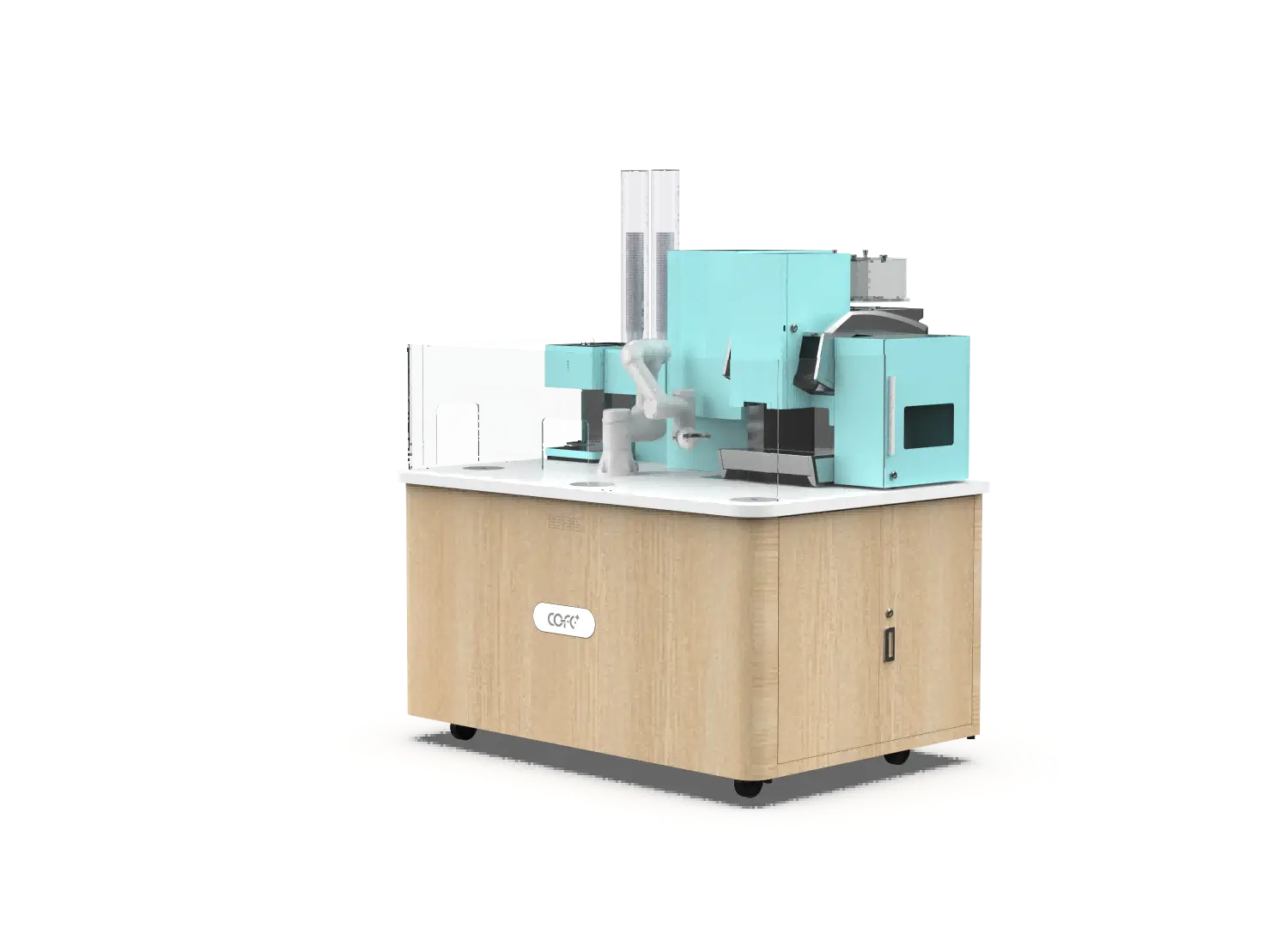
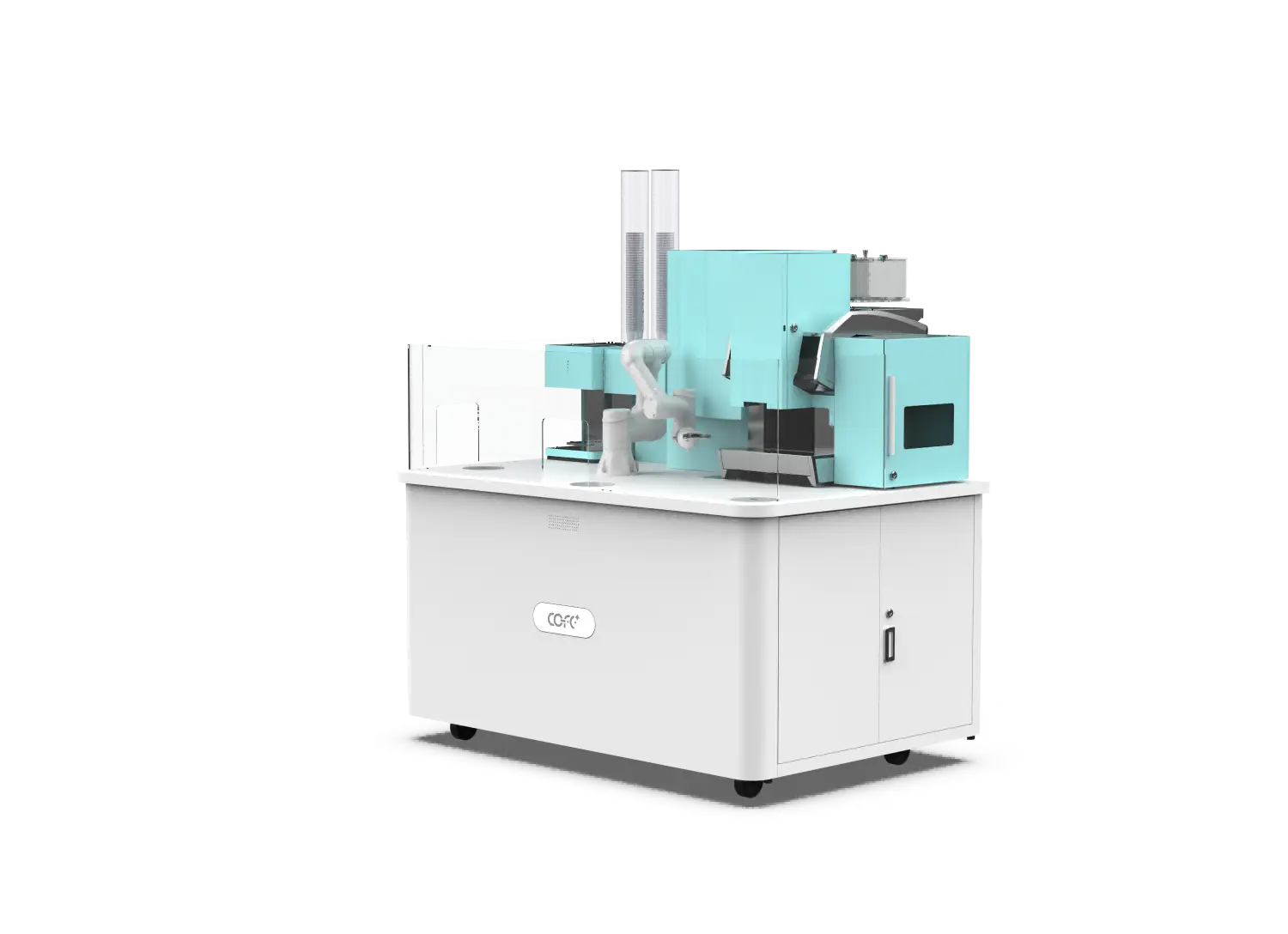
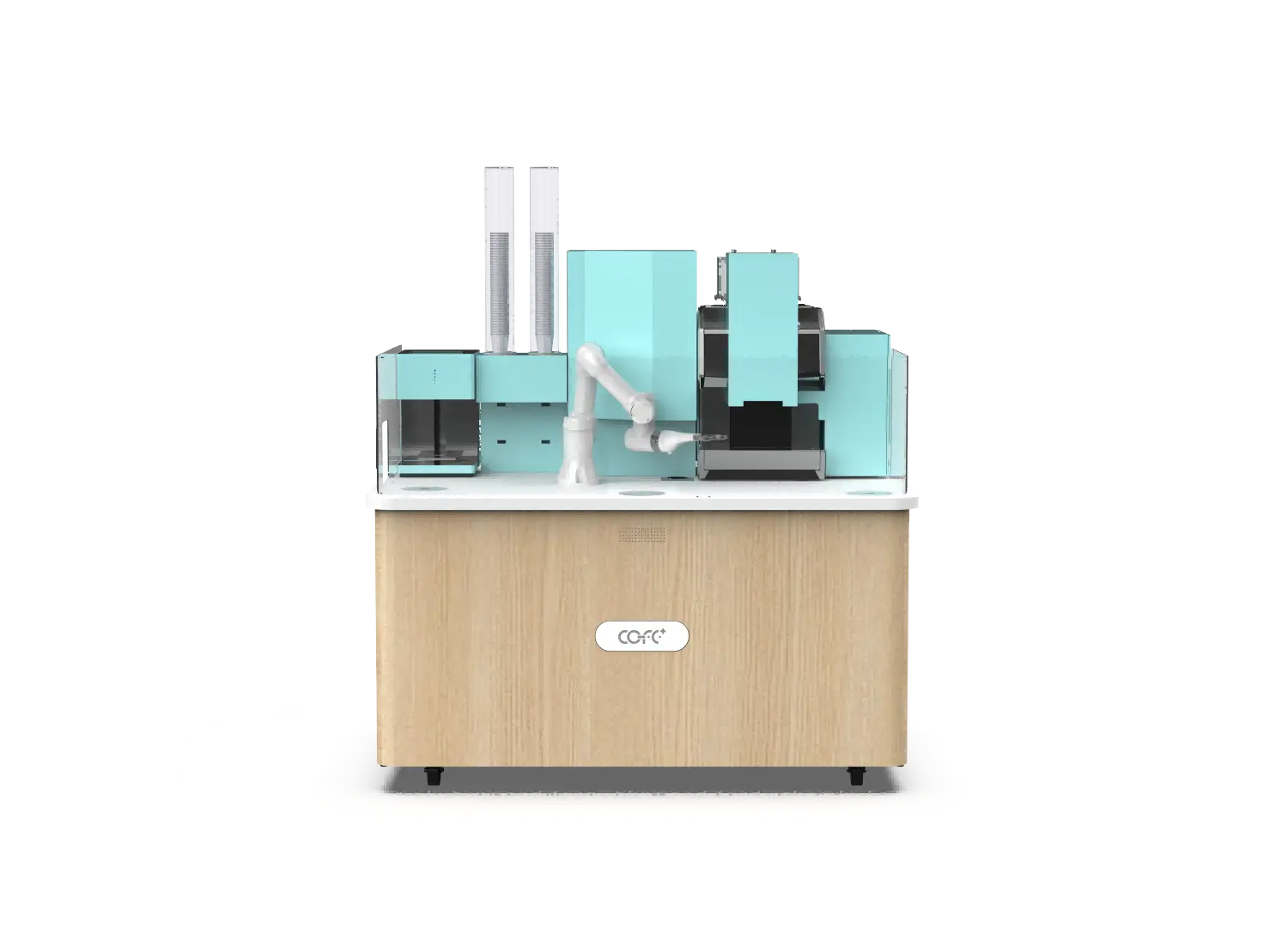
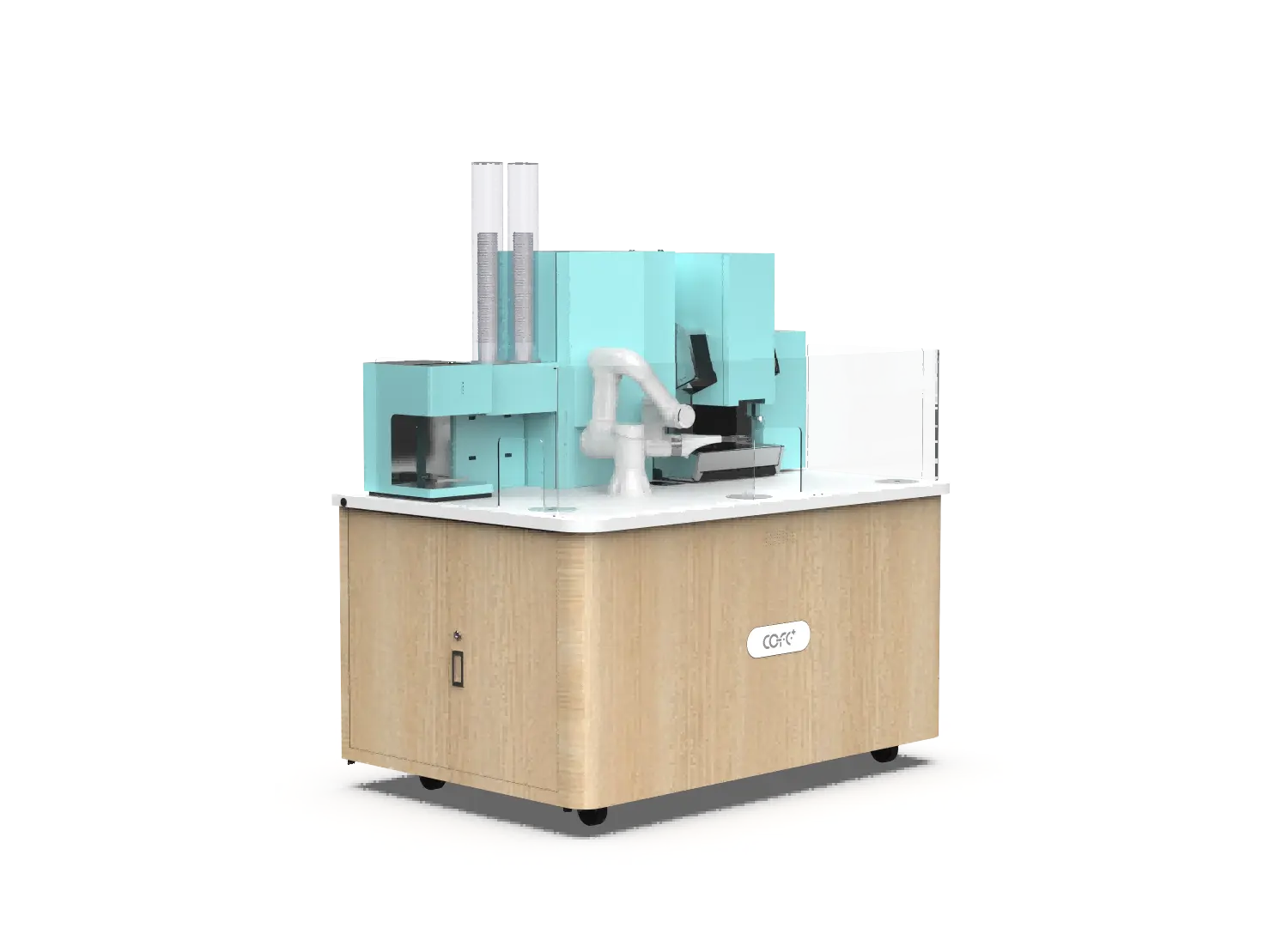
The questions I hear most often are about quality across the service day, floor space, and ingredient replenishment. The 2.35 square meter footprint matters less than the cloud monitoring detail: the system reports stock and machine status in real time, so refills happen before a full-occupancy morning, not during it. Hotel teams also ask whether the machine can handle the breakfast menu variety they already promise. The indoor kiosk carries more than 300 drinks and enough customization to cover the standard guest request without adding staff to the coffee station.
How a Lobby Kiosk Pitch Connects to Breakfast Service
A lobby kiosk pitch becomes stronger when it is tied to breakfast economics. Many hotels run a limited breakfast window and staff it with one or two people. A robot coffee kiosk placed near the breakfast line removes the coffee station from the staff’s task list and lets guests order specialty drinks while staff handle plates and seating. In hotel layouts where the breakfast bottleneck is drink queueing rather than food preparation, the 43 to 60 second cup time keeps the rush moving without a second barista.
Office Building Pitches Lead With Cost Per Cup and Employee Amenity Value
Office building pitches fail when they open with novelty. Facilities directors manage budgets, not wow factors. The robot coffee kiosk conversation should start with unit economics: ingredient and consumable cost runs from $0.30 to $0.70 per cup, and the machine operates without barista shifts. That compares against a staffed café or a coffee vending program that either loses money in low-density periods or cannot offer fresh espresso. In buildings with 500 to 2,000 workers, an indoor kiosk becomes a tenant amenity that pays for itself in 6 to 12 months while removing the staffing risk of a traditional café.
Property managers also care about the social effect. A coffee bar in the lobby raises dwell time and gives tenants a reason to enter shared space, but only if ordering stays fast. A 43 to 60 second cup time and a menu of more than 300 drinks give employees enough variety to return daily without creating a queue that blocks the turnstiles. I position the kiosk as a replacement for the subsidized break room coffee service that nobody measures and everybody complains about.
Campus Pitches Depend on Throughput, Menu Speed, and All Day Consistency
University food service directors care about the 20 minute class break more than the novelty of a robot. A campus pitch has to prove that the kiosk can clear a crush of students without a line wrapping around the student center. The COFE+ indoor kiosk is built for about 1,000 cups per day and maintains drink consistency across hundreds of consecutive orders, which matters more than menu size when demand spikes between 10:00 a.m. and 2:00 p.m. Campuses also run events, evening study hours, and weekend foot traffic that a staffed café cannot cover without overtime.
Why Exam Season Changes the Campus Sales Conversation
Exam season exposes the labor weakness of campus coffee programs. The hours stretch later, the rush becomes sharper, and student workers request time off exactly when traffic peaks. A robot coffee kiosk handles that period without schedule renegotiation. I tell dining directors to model the kiosk as an all day recovery asset: it serves the 7:00 a.m. commuter, the noon rush, and the 11:00 p.m. study crowd at the same per-cup cost, so the investment is justified by hours of coverage rather than by replacing one barista.
Proposals for campus or hotel sites involve peak period assumptions that are difficult to resolve without a counted traffic pattern. If the location has not yet been surveyed, confirm the expected cup volume and service window with our team at sales@hi-dolphin.com before you lock the financial model.
A Robot Coffee Kiosk Sales Pitch Follows a Venue-Specific Proof Sequence
The pitch structure I use stays consistent across venue types. The opening names the binding constraint: labor coverage, queue times, or service hours. The next section presents throughput proof, including cup time, daily capacity, and consistency across consecutive orders. From there the conversation moves to economics such as cost per cup and payback period. The machine’s experience features, including 3D latte art and recipes drawn from 197 countries, appear only after the buyer accepts the operational case.
| Venue type | Primary buyer concern | Lead proof point | COFE+ specification to cite |
|---|
| Hotels | 24 hour lobby and breakfast coverage | Service hours without a night shift employee | 43 to 60 second cup time, more than 300 drinks |
| Offices | Cost control and tenant amenity | Cost per cup and staffing removal | $0.30 to $0.70 per cup, 2.35 square meter footprint |
| Campuses | Peak hour throughput | Cups per day and consistency | About 1,000 cups per day, 500,000 plus cup durability |
The sequence matters because it matches how these buyers evaluate capital. A hotel general manager can approve a lobby amenity when labor savings are clear; the same feature-first pitch stalls because it sounds like a gadget. Keep the product specifications in reserve until the buyer has agreed that the current staffing model cannot solve the problem.
Site Objections Stop Stalling the Robot Coffee Kiosk Deal When Raised Early
Most robot coffee kiosk deals stall at the site, not at the price. The three objections I hear most often are utility access, maintenance response, and public-area risk. In a campus or outdoor setting, buyers want to know how the machine handles weather, spills, and security. The outdoor kiosk is IP54 rated and works from -20 degrees Celsius to 45 degrees Celsius, which covers most deployment risk. For indoor hotel and office placements, the larger concern is water and drainage; confirming those points before the proposal makes the rest of the conversation move faster.
Maintenance questions also need a direct answer. The kiosk uses cloud monitoring and remote diagnostics to flag ingredient shortages, temperature shifts, and module failures before a customer sees them. That changes the objection from who fixes this to how fast can a local technician reach it. In practice, operators who set a local service contact during the pilot recover faster than those who wait for a failure. I raise this point before the buyer does because it separates a serious installation plan from a test placement.
If your team is preparing a hotel, office, or campus proposal and needs to confirm which format, utility load, and payback numbers to present, send the site drawings and expected daily cup volume to sales@hi-dolphin.com or call +86 131 6630 1290. We will return a venue-specific recommendation instead of a generic quote.
Buyers Frequently Ask These Questions About Robot Coffee Kiosk Pitches
What Makes a Robot Coffee Kiosk Pitch Different for Hotels, Offices, and Campuses?
The buyer’s operating constraint changes by venue, so the pitch must change with it. A hotel manager needs 24 hour lobby service without a night shift barista. An office facilities director needs a low-cost tenant amenity that avoids staffing. A campus dining administrator needs peak hour throughput between classes. A single pitch led by features misses all three. The robot coffee kiosk is the same product, but the sales argument starts from a different measured pressure: coverage, cost, or queue capacity. This is why the first step is venue discovery, not product presentation.
cURL Too many subrequests by single Worker invocation. To configure this limit, refer to https://developers.cloudflare.com/workers/wrangler/configuration/#limits
cURL Too many subrequests by single Worker invocation. To configure this limit, refer to https://developers.cloudflare.com/workers/wrangler/configuration/#limits
cURL Too many subrequests by single Worker invocation. To configure this limit, refer to https://developers.cloudflare.com/workers/wrangler/configuration/#limits
cURL Too many subrequests by single Worker invocation. To configure this limit, refer to https://developers.cloudflare.com/workers/wrangler/configuration/#limits
cURL Too many subrequests by single Worker invocation. To configure this limit, refer to https://developers.cloudflare.com/workers/wrangler/configuration/#limits
cURL Too many subrequests by single Worker invocation. To configure this limit, refer to https://developers.cloudflare.com/workers/wrangler/configuration/#limits