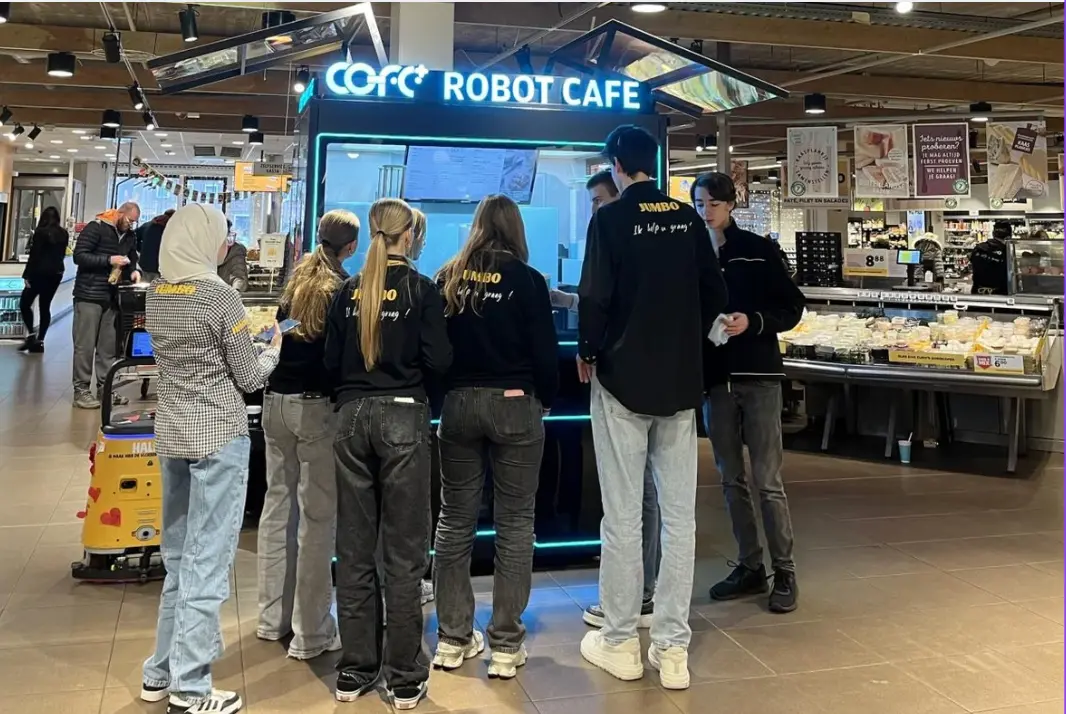
The Rise of Professional Robotic Café Technology: What COFE+ Is and Why It Matters
TL;DR — COFE+ is a fully automated robotic coffee kiosk that grinds fresh beans, brews espresso and lattes, creates latt……

Robotic coffee kiosks are no longer just a novelty in high-traffic locations. For coffee chains, hotel groups, and entrepreneurs, white-label robot coffee systems represent a strategic path to launching a branded coffee operation without the overhead of traditional cafes. White-label robot coffee allows you to take an advanced, AI-driven barista machine—fully certified and tested for global markets—and make it your own, from the visual identity on the exterior to the recipes poured inside each cup. It solves two persistent challenges in the coffee business: the high cost of building a brand-specific hardware platform from scratch, and the complexity of scaling consistent coffee quality across dozens or hundreds of locations. Having guided the global rollout of COFE+ robotic coffee systems across more than 35 countries, I’ve seen firsthand how businesses use white-label customization to create a branded experience that customers recognize, while the underlying technology handles brewing, hygiene, and supply chain management.
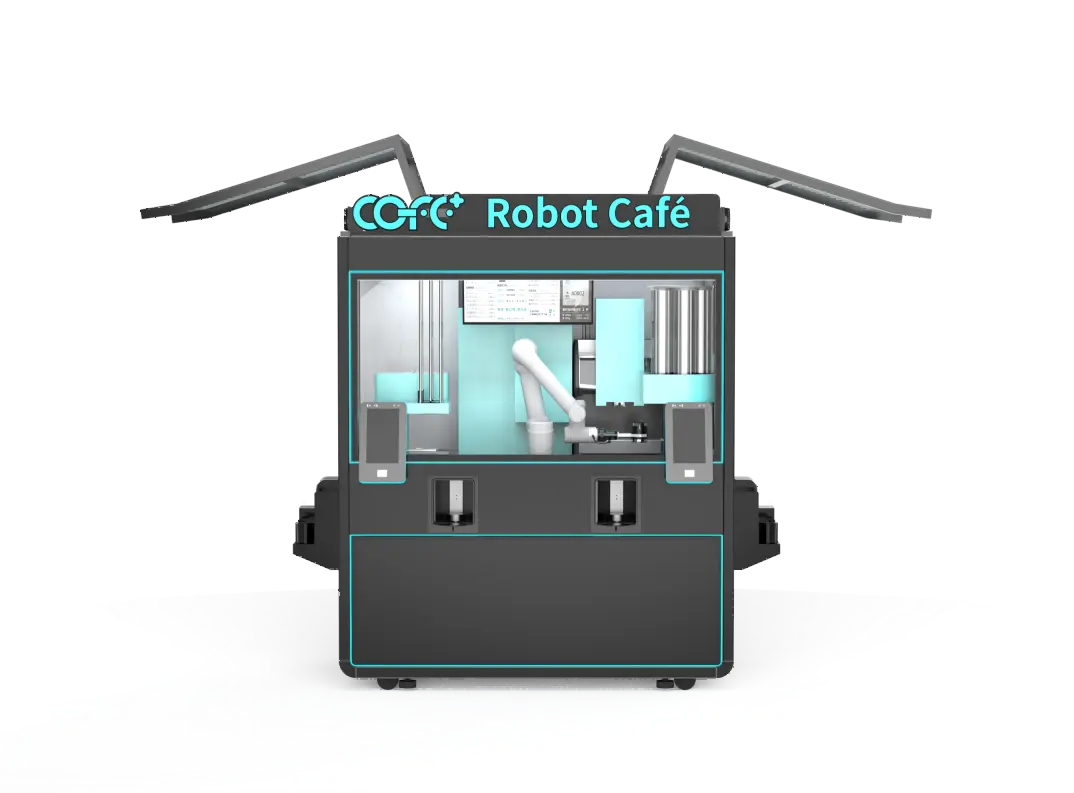
White-label robot coffee means you lease or purchase a robotic coffee kiosk—or a fleet of them—with your own branding applied to the hardware, the user interface, and the entire customer-facing experience. Instead of buying an off-the-shelf machine that displays a manufacturer’s logo, you control the visual identity: the machine’s exterior wrap, the touchscreen interface theme, the cup sleeves, and even the names of the drinks on the menu. The robot inside remains the same proven system, but to the end customer, it is your brand’s coffee bar.
This is more than a cosmetic upgrade. The white-label model allows coffee businesses to enter new markets quickly with a product that feels native. A hotel chain can deploy a robot coffee counter in the lobby that matches the hotel’s interior design and uses the hotel’s own coffee recipes. A convenience store franchise can install a branded kiosk at every location with a familiar look, without having to train baristas or manage fresh food logistics in the same way. The core technology—precision grinding, extraction, steam texturing, and cleaning—is the same across all units, but the brand experience is fully under the operator’s control.
Custom branding on a COFE+ robot coffee system goes deep. The exterior body panels can be wrapped in your brand colors, patterns, or promotional artwork. The 7th-generation kiosk features a large touchscreen that can be configured with your brand’s UI: custom icons, background visuals, and a drink menu that reflects your naming conventions. Even the voice prompts and idle screen animations can be tailored to match your brand’s tone.
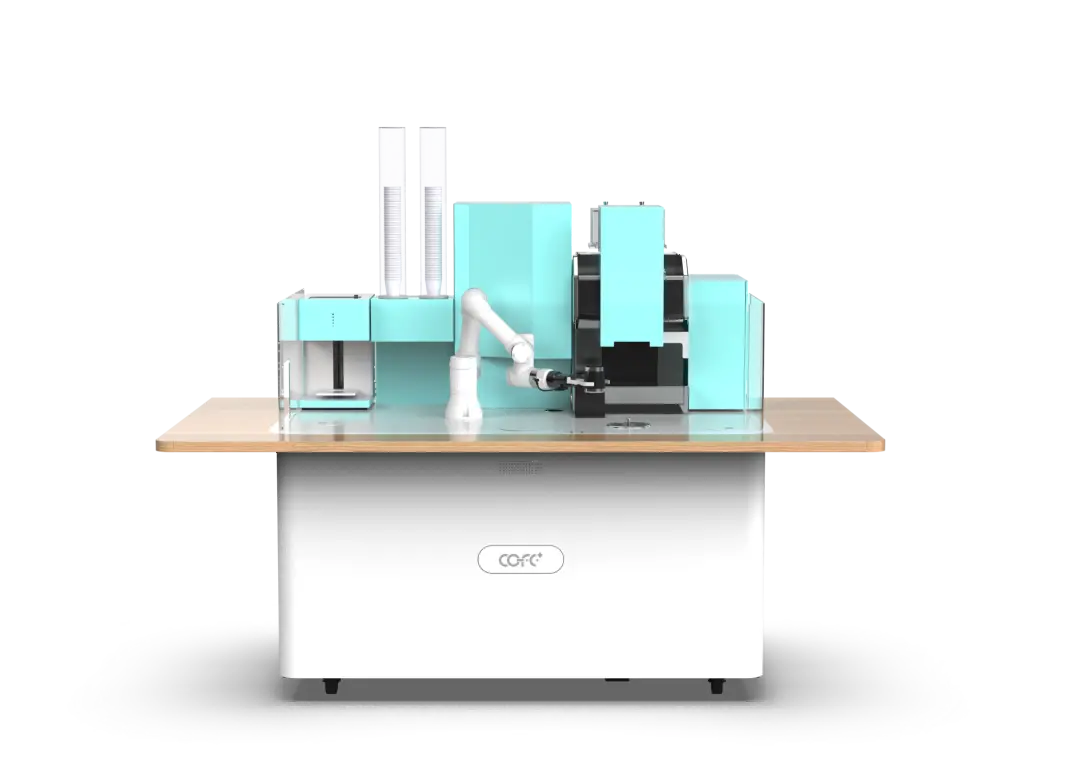
Physical branding delivery typically follows a three-step process. First, we receive your design files and confirm that they fit the machine’s surface geometry. Second, the decals or wraps are produced and installed at our Shanghai facility, or if local logistics are simpler, at a regional hub. Third, the system is tested after branding to ensure sensors, ventilation, and moving parts remain unobstructed. The same process applies whether you’re branding one unit for a flagship location or a hundred for a national rollout.
Another layer of branding sits inside the machine’s software. The COFE+ system holds over 300 drink recipes and 5,000 possible custom combinations, but you can select which ones appear on the menu. If your brand is known for a signature honey oat latte or a particular matcha blend, those drinks become the heroes of the menu screen. The pricing structure, promotional banners, and loyalty program integration points are also customizable, giving you full front-of-house control without altering the mechanical or brewing performance.
The flavor and recipe flexibility is one of the strongest differentiators of robotic coffee systems over traditional vending machines. With COFE+, the base recipe library covers coffee, milk tea, matcha, chocolate, plant-based, and iced drinks drawn from 197 country-inspired flavor profiles. That means an operator in Dubai can offer a spiced Arabic coffee variant, while a partner in Japan can highlight a matcha cream latte with local appeal.
Custom recipe development goes beyond selecting from a pre-set list. Operators can request specific bean origins, roast levels, milk types (dairy, oat, almond, soy), syrup brands, and cup sizes. For example, a chain that sources single-origin beans from Ethiopia can have the robot calibrated for that specific bean’s extraction parameters. The grind size, water temperature, and extraction time are adjusted for each recipe slot, so the same machine can serve a bright, acidic pour-over profile in the morning and a dense, chocolatey espresso blend in the afternoon. This level of control is what allows a white-label robot coffee kiosk to match the taste diversity of a manned specialty café.
If your program involves a unique milk alternative, an allergen-free powder, or a sugar-free syrup that requires specific handling in the machine’s fluid system, it is worth confirming compatibility during the initial recipe development phase—reach out at sales@hi-dolphin.com.
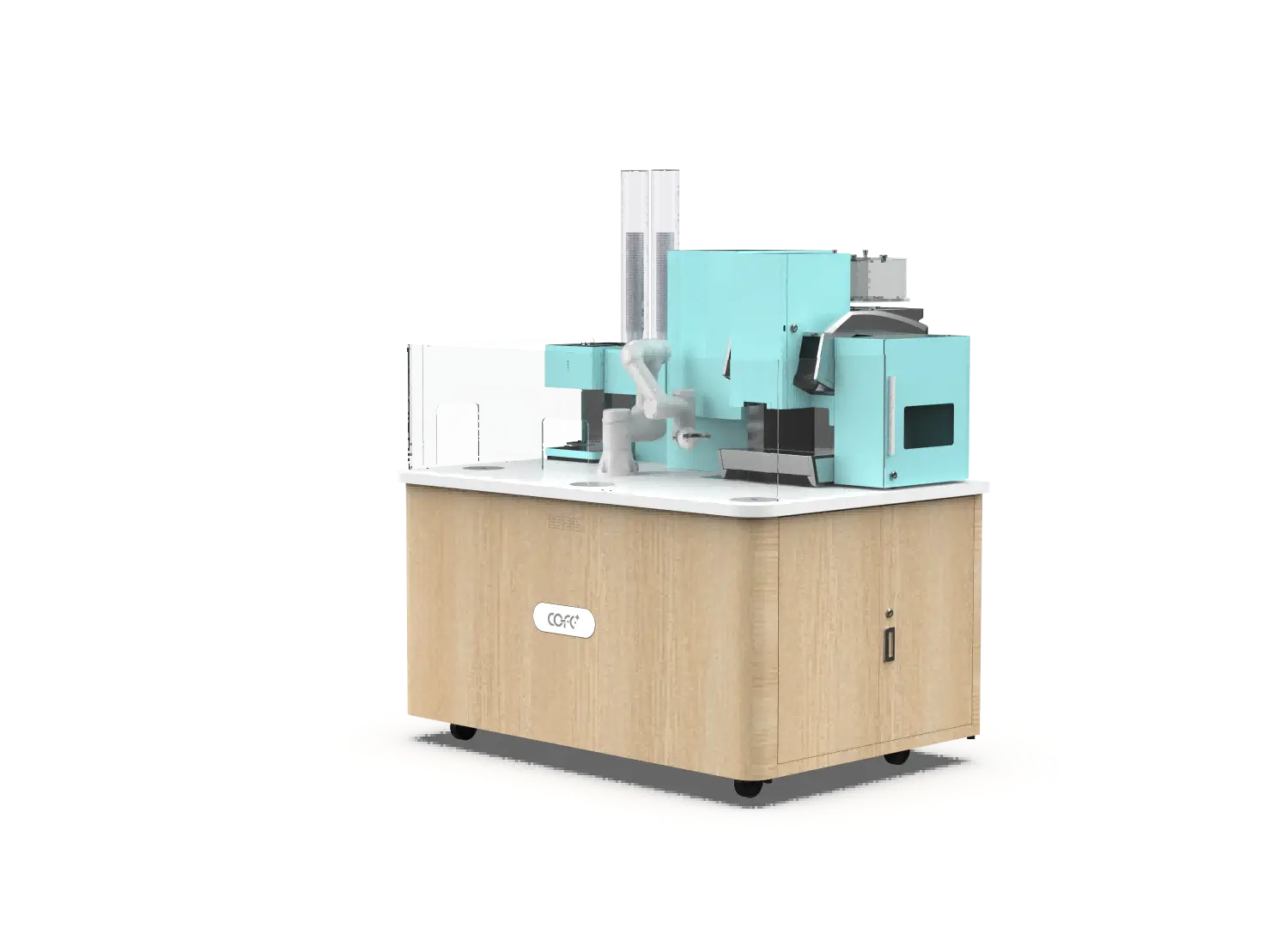
One aspect of white-label robot coffee that many operators overlook until they hit a regulatory wall is international compliance. A machine that plugs into a shopping mall in Shanghai may not automatically meet the electrical, food safety, and electromagnetic compatibility standards required in a European airport or a North American corporate campus. COFE+ units carry over 50 certifications that map to standards in more than 18 developed countries, including CE, UKCA, FDA, KC, and SASO marks. The 7th-generation platform is designed for dual-voltage 110V/220V operation and has passed food safety evaluations conducted by both domestic and international expert organizations.
In practical terms, this certification portfolio means you can order a white-labeled kiosk from Shanghai, have it shipped to a London hotel, and install it without a separate compliance engineering project. The refrigeration system, the boiler, the waste handling, and the contactless delivery mechanism have all been approved under the relevant local regulations before the unit leaves the factory. For multi-territory franchise operations, this dramatically reduces the hidden cost of certification rework.
The IP54-rated outdoor kiosk variant adds another dimension: the same certified platform works in -20°C to 45°C conditions, with anti-condensation and UV-resistant coatings suitable for public spaces, parks, and gas stations. A white-label brand can appear seamlessly across both indoor lobbies and outdoor streetscapes using a single hardware platform, maintaining visual consistency regardless of deployment environment.
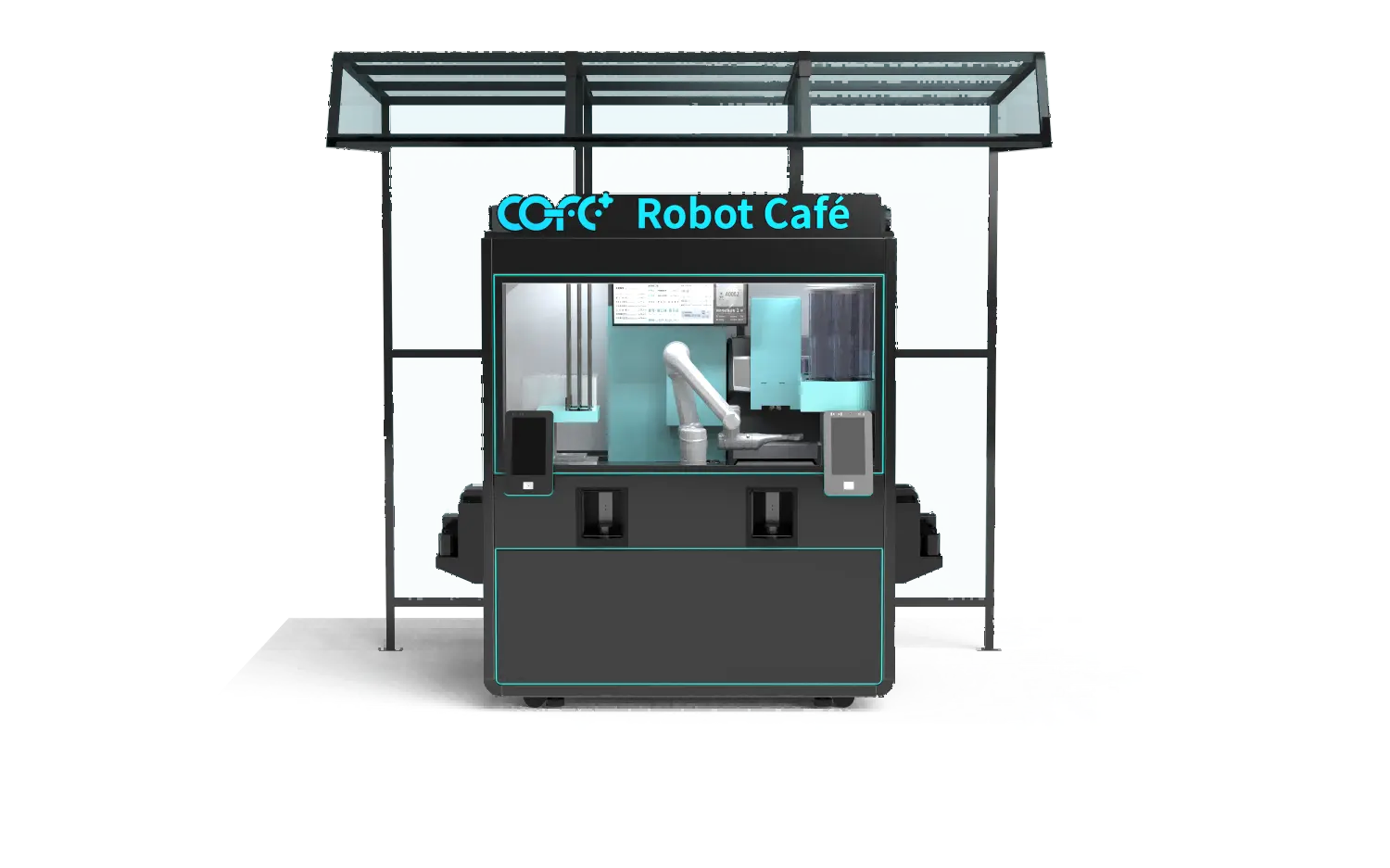
The economic model of a white-label robot coffee unit differs materially from both a traditional café and a standard vending machine. A manned café in a prime location typically spends 30–40% of its revenue on labor, and that number is rising as minimum wages increase globally. A robotic kiosk eliminates the barista, cashier, and cleaning staff for the coffee service itself, bringing labor cost per cup down to near zero for the dispensing operation. The COFE+ platform has an estimated ingredient and amortization cost of approximately $0.30–$0.70 per cup, which allows a white-label operator to price competitively while maintaining a margin profile that traditional cafes cannot match.
The 24/7 unattended operation further changes the math. A mall-based café closed from 10 PM to 8 AM generates no revenue during those hours; a robotic kiosk in the same location serves night-shift workers, early commuters, and late-night shoppers. The indoor kiosk’s compact 2.35 m² footprint means it can be placed in locations where a café would simply not fit—corridors, lobbies, co-working spaces, hospital wings, and gyms. For property owners, a branded robotic coffee unit becomes a revenue-generating amenity rather than a cost center, which often shifts the lease negotiation from rent payment to revenue sharing.
Maintenance also becomes more predictable. The cloud-based monitoring system tracks component health, stock levels, and cleaning cycles in real time. If a pump begins to drift from its calibration band, a local service partner is dispatched before any customer tastes a bad shot. The machine’s 10-year design life and 500,000-cup durability testing mean that a white-label operator can forecast maintenance costs on a per-cup basis with far more accuracy than managing a rotating staff of baristas.
Starting a white-label robot coffee operation follows a structured but fast timeline. The first step is to define your brand identity and menu strategy. You’ll need to decide which coffee type (indoor kiosk, outdoor kiosk, coffee bar, or counter) fits your target locations, then propose the aesthetic direction for the exterior wrap and UI design. Our team typically provides dimensional templates and a design spec sheet after the initial consultation.
The second step is recipe selection and customization. You choose from the existing 300+ drinks and 197 country-inspired recipes, then request any custom drink formulations. Each custom recipe goes through a test phase where the robot’s parameters are dialed in—extraction yield, milk texturing duration, syrup dosing—and the output is tasted against your quality standard. Once approved, the recipe is locked into the unit’s cloud recipe manager and can be pushed to any number of machines globally.
The third step is certification verification for your target markets. While the base unit already carries major international marks, any location-specific labeling requirements (such as language on warning stickers or power cord specifications) are confirmed and applied during production. After that, manufacturing and branding are completed, and the unit is prepared for shipping.
Post-deployment support continues through the cloud management platform. You can monitor daily cup counts, ingredient consumption, machine status, and even beverage popularity by time of day. Software updates, menu changes, and seasonal promotions can be rolled out remotely across an entire fleet. The robot also aggregates anonymized sales data that helps operators refine their menu mix and pricing strategies.
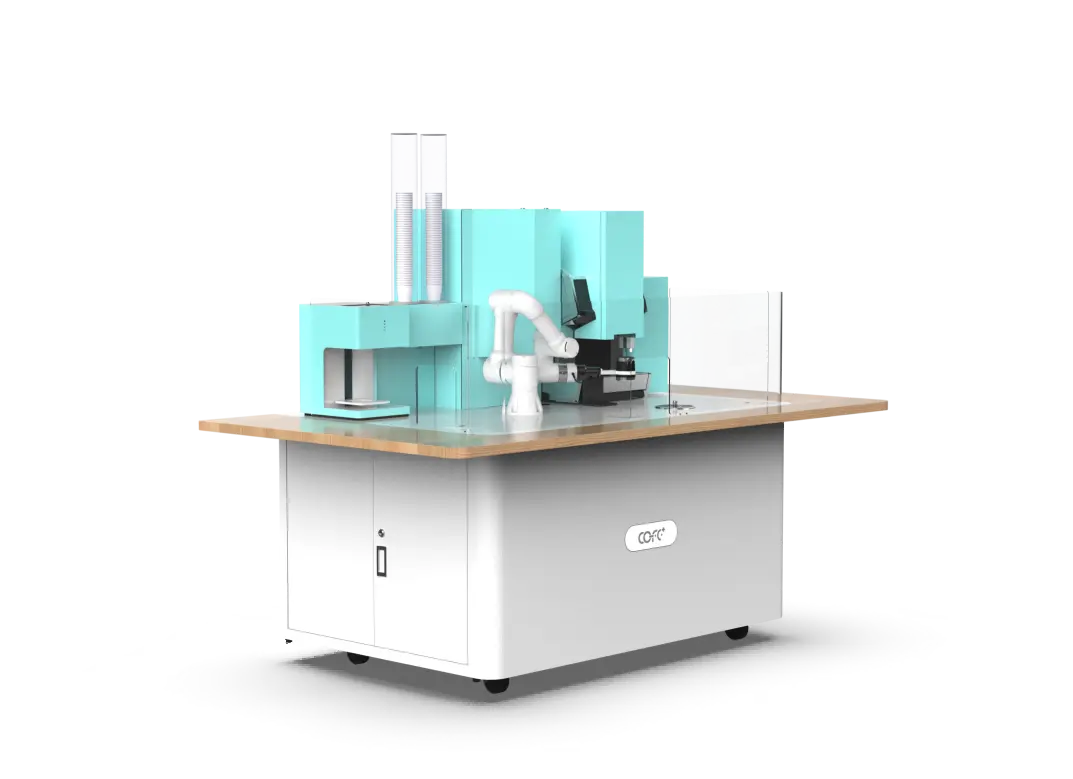
Pricing depends on your quantity, customization depth, and after-sales package. A single fully branded 7th-generation indoor unit with standard customization typically falls in the range that allows an operator to achieve a return on investment within 6 to 12 months at moderate cup volumes. For a detailed quote that includes the specific model, recipe development, and branding, it is best to share your anticipated deployment locations and quantity so we can provide a package price built around your rollout plan.
Yes, and the consistency often exceeds it. The extraction parameters—water temperature, pressure, grind size, and dosing—are digitally controlled and repeated identically for every cup. A human barista can produce an exceptional shot on a good day, but quality drifts with fatigue, training gaps, and turnover. The robot follows the same calibrated profile across 300 consecutive cups, meaning the coffee at unit 12 in a university basement tastes identical to the coffee at unit 1 in the brand’s flagship lobby. For white-label brands, that consistency is the foundation of customer trust.
Beyond exterior graphics and menu design, you can specify cup stock (branded paper cups with your logo), lid color, stirrer wrapping, and even the screen’s idle loop video content. The robot’s voice output language and accent can be selected from a library or recorded with your own voice talent. For operators who want a truly immersive brand experience, we can coordinate with approved suppliers to integrate branded surround furniture, lighting modules, and signage, all while keeping the core machine unchanged.
COFE+ operates in over 65 countries and maintains service partner networks in all major regions. Remote diagnostics handle the majority of support issues—many problems are resolved via cloud commands before the operator knows they exist. For on-site needs, local partners are dispatched based on the service tier included in your contract. If your program involves locations in countries where we have not yet established a service partner, we will discuss a service training and parts stocking plan before deployment to make sure your white-label brand is supported from day one. Share your target deployment countries and we can confirm the current support coverage and timeline for your project at sales@hi-dolphin.com or call +86 131 6630 1290.
TL;DR — COFE+ is a fully automated robotic coffee kiosk that grinds fresh beans, brews espresso and lattes, creates latt……
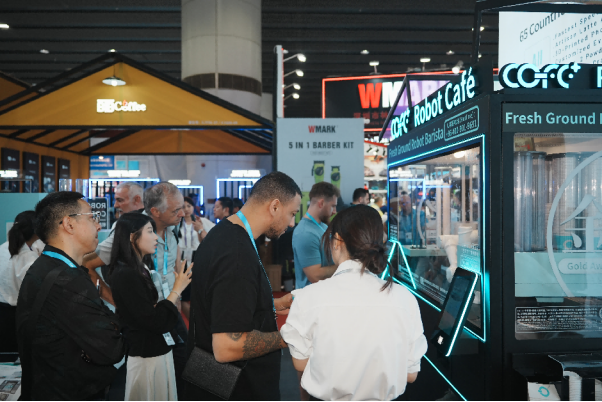
7th-Genertion Smart Robot Coffee Kiosk Arrives at the Belt and Road Core Hub, Ushering in a New Service Era Along t……
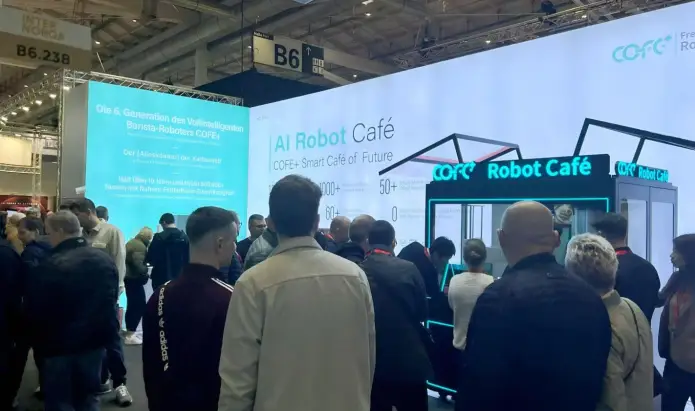
CHICAGO, May 12, 2026 (GLOBE NEWSWIRE) – Shanghai Hi-Dolphin Robot Technology today announced the U.S. debut of its 7th‑……