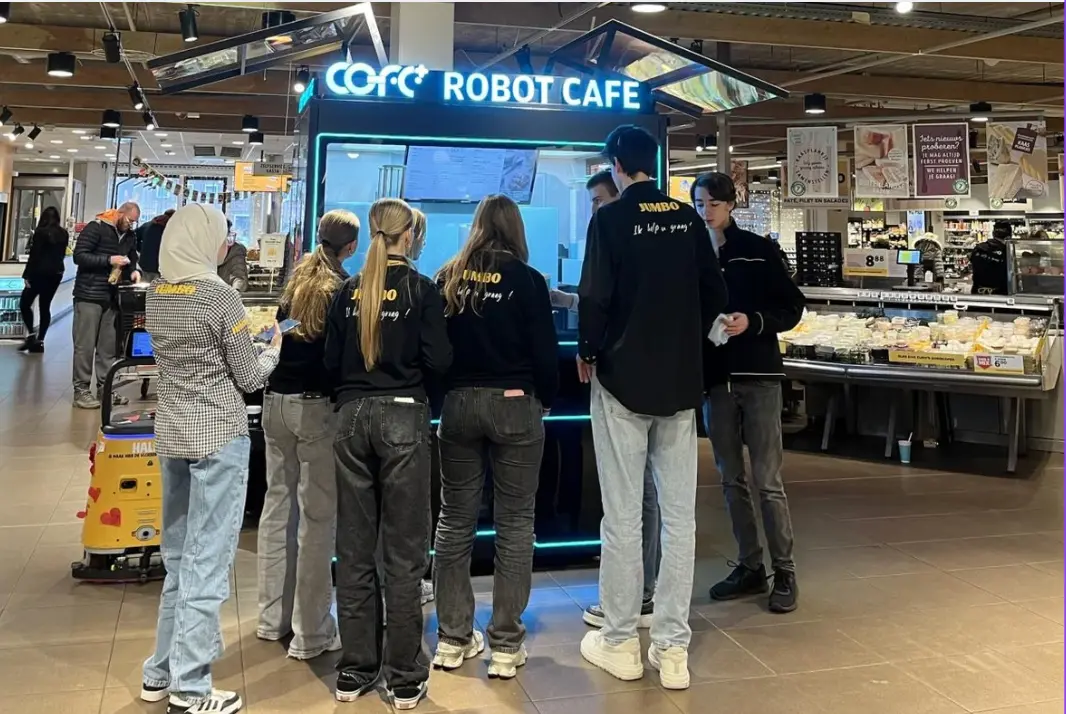
The Rise of Professional Robotic Café Technology: What COFE+ Is and Why It Matters
TL;DR — COFE+ is a fully automated robotic coffee kiosk that grinds fresh beans, brews espresso and lattes, creates latt……

The first question every food safety officer asks about unattended coffee service is whether a machine can keep itself clean without a human standing by. It is a fair concern—manual cafes have staff wiping surfaces, washing pitchers, and discarding waste every few minutes. An autonomous kiosk, by contrast, must handle all of that inside a sealed cabinet, often operating around the clock. Robot coffee kiosk hygiene standards have quietly become the most undervalued factor in location planning, yet they sit at the intersection of public health code compliance and machine uptime. After evaluating deployed systems across different regions, I have found that the gap between a certified auto-clean process and a vague “self-cleaning” label is where operational risk lives.
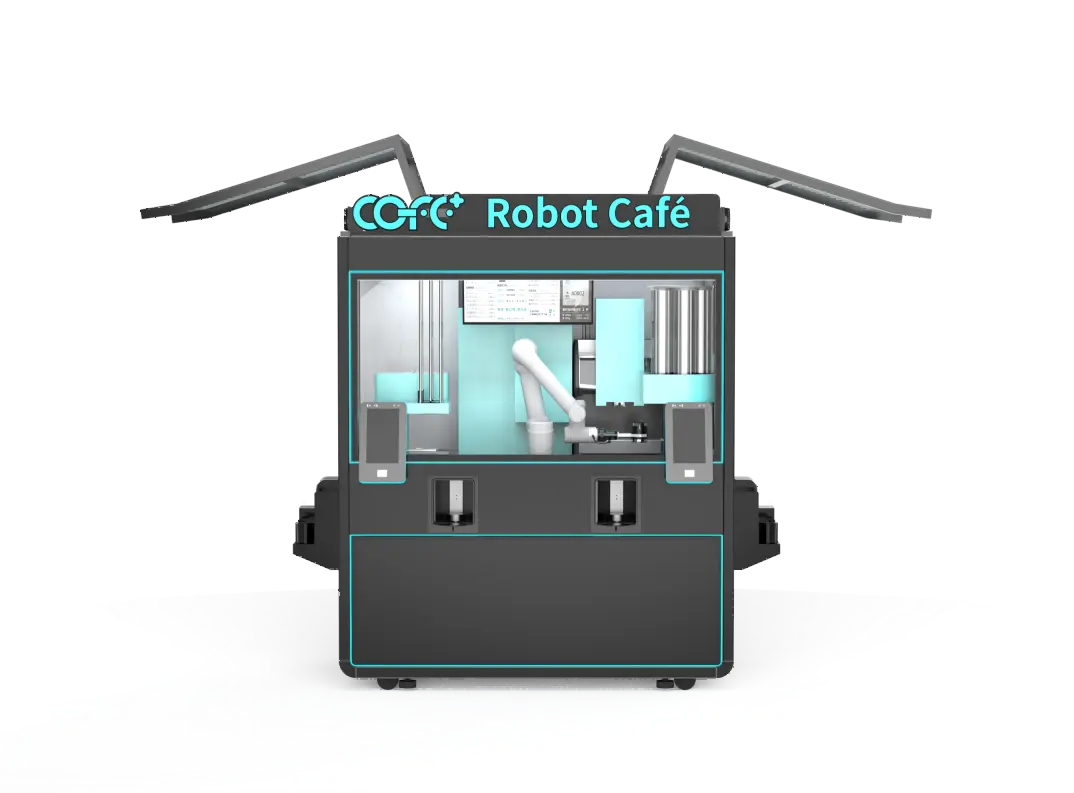
Traditional coffee shops rely on human labor for sanitation—and that labor is fallible. Staff may skip a wipe-down during a rush, milk residues build up inside steam wands, and waste bins overflow when nobody notices. A robot coffee kiosk removes the human variability but introduces a new risk: if the cleaning system is poorly designed, contamination compounds without anyone seeing it. In a 24-hour deployment, milk can curd inside lines, coffee grounds ferment, and bacteria multiply quickly in ambient temperatures.
The public health expectation, however, does not relax just because a machine is unattended. Health inspectors treat a robotic kiosk as a food service establishment. That means the machine must demonstrate verifiable sanitation cycles, food-contact surface temperatures that meet kill-step thresholds, and a waste-handling design that prevents pest access. The machines that pass this scrutiny are not simply “cleaned automatically.” They are engineered from the ground up with closed-loop sanitation pathways and validated by third-party labs.
Most buyers hear “auto-clean” and picture a rinse cycle that flushes the brewer. A production-level auto-clean process is closer to a validated CIP (clean-in-place) sequence you would find in a dairy plant, condensed into a coffee kiosk footprint. The cycle on the COFE+ seventh-generation system runs after a set number of dispenses and during idle windows, ensuring no single point accumulates soil load beyond its design tolerance.
The hot-water sterilization phase pumps water heated above 85°C through all product-contact lines, including the brewing group, milk frother, and dispensing nozzle. That temperature is sustained for a duration calibrated to achieve a 5-log reduction in common foodborne pathogens. Because the path includes the nozzle exterior, the same part that faces the customer cup receives high-temperature contact every cycle—no manual wiping required.
Milk system cleaning follows a separate sequence. A two-phase purge first displaces residual milk with cold water to prevent protein denaturation, then introduces a food-grade sanitizing solution at the correct concentration. Pulsing the solution through the lines provides mechanical action against biofilm. After a dwell time, the lines are flushed with hot water until the sanitizer residual is undetectable. The entire process is validated by conductivity sensors that verify rinse water clarity and chemical absence before the machine returns to service.
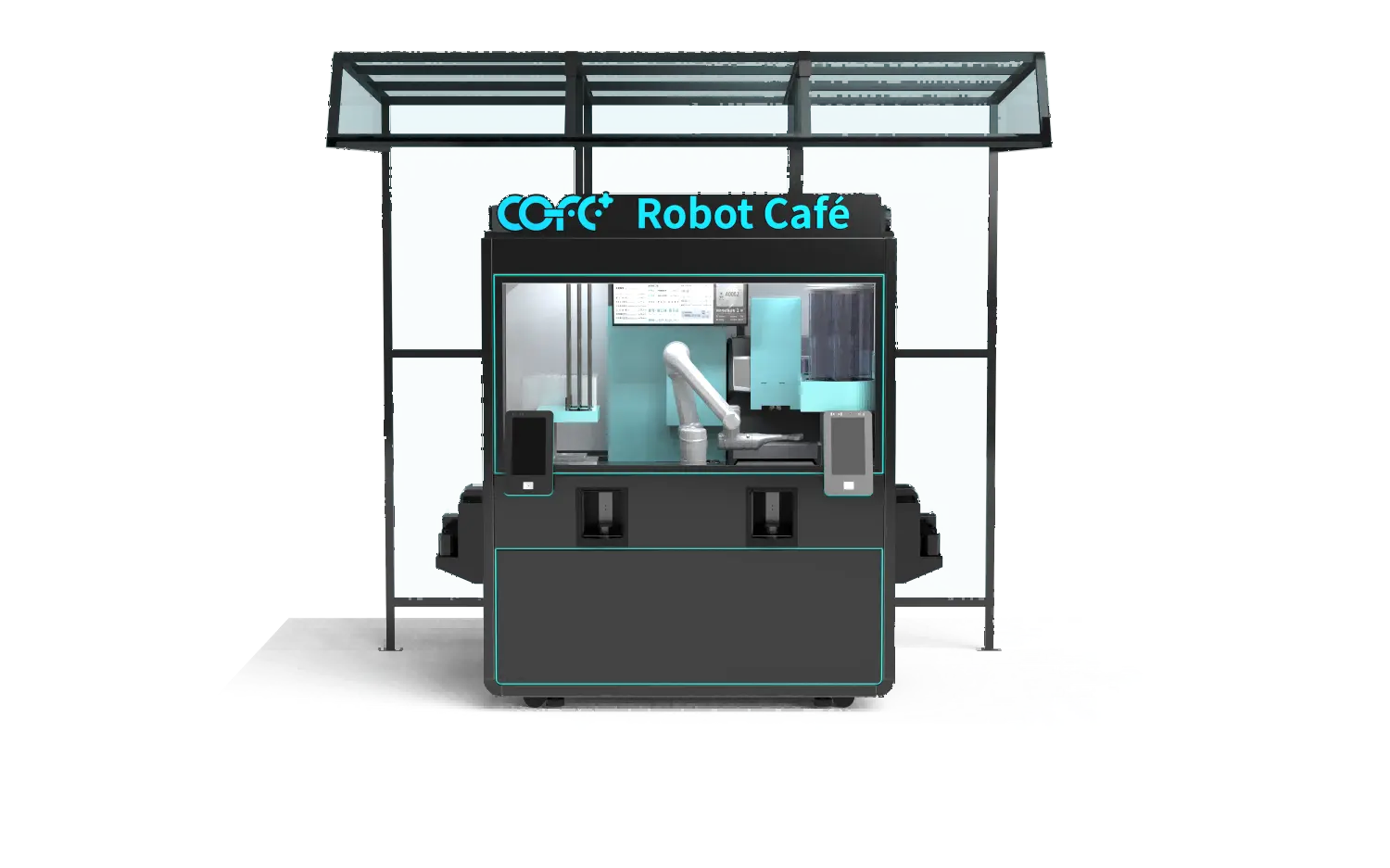
Any manufacturer can print “food-grade” on a brochure. The certifications that carry weight are those issued by an accredited third party after a physical equipment inspection and documentation review. For a robot coffee kiosk intended for international deployment, the minimum bar includes FDA compliance for the US market and CE marking with food-contact material certification under EU Regulation 1935/2004 for Europe.
The COFE+ platform holds FDA, CE, UKCA, KC (Korea), and SASO (Saudi Arabia) certifications, which together cover more than 18 developed-country regulatory frameworks. What matters to an operator is not the badge count but the scope of each certification: Does the CE certificate include an assessment of the cleaning cycle efficacy? Has the machine passed migration testing for materials that contact hot coffee? The answers determine whether your local health authority will accept the machine without requiring additional validation—an expensive and time-consuming process.
| Certification | Scope Relevance |
|---|---|
| FDA | Food contact material safety and sanitation standard |
| CE (EU 1935/2004) | Migration limits for food contact surfaces |
| KC | Korean food equipment hygiene standard |
| SASO | Saudi Arabian safety and hygiene framework |
Cleaning is reactive; material choice is preventative. The interior of a high-use coffee kiosk is warm, humid, and coated with organic residue—ideal conditions for bacterial growth. A stainless-steel surface is not automatically antimicrobial. The COFE+ design specifies an antimicrobial stainless-steel alloy for all internal surfaces that contact milk and coffee waste. This is not a coating that wears off; the antimicrobial property is integrated into the material.
Waste containment is the second design barrier. An open drip tray or exposed waste bin inside a kiosk invites pests and odor. The machine uses a fully enclosed waste system with a sealed capture chamber that isolates spent grounds, used milk carton residues, and rinse water. The chamber is accessed only during scheduled service visits, and the machine monitors its fill level, triggering an alert before overflow risk arises.
Contactless dispensing is the third layer. The customer cup never touches a surface that previous drinks have contacted. The cup station is separated from the dispense zone by a shutter that opens only during the pour, closing immediately afterward. Combined with the nozzle auto-sterilization cycle, this design eliminates the cross-contamination pathway that manual cafes manage through staff training, often inconsistently.
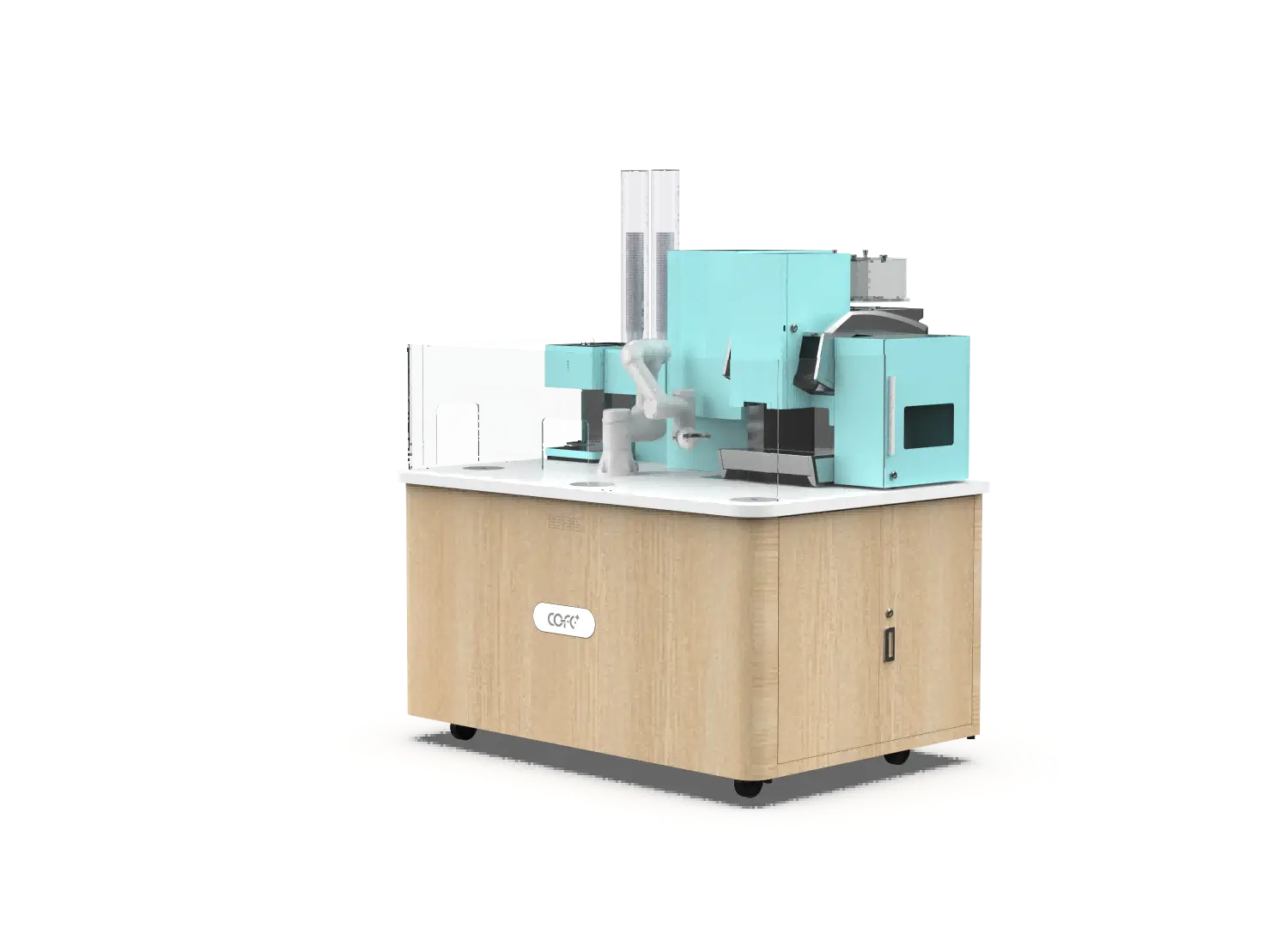
When I speak with operators who are comparing robot coffee kiosk suppliers, I notice that hygiene questions often come last on the checklist, after cup speed and recipe count. That sequence is a mistake. A machine that cannot hold a food safety certification in your jurisdiction is not a bargain.
Ask for the cleaning cycle validation report, not just a brochure. The report should state the sterilization temperature, hold time, and log reduction achieved, referenced to a recognized laboratory standard. Request the material certification for all food-contact components, including gaskets and tubing, which are often overlooked but critical. If the supplier cannot provide documentation for the elastomers in the milk path, assume those parts have not been evaluated for migration or durability under hot cleaning.
Check whether the machine logs cleaning cycles and makes those logs exportable. Health inspectors in some jurisdictions will request a 30-day cleaning history during an audit. If the kiosk does not timestamp and store each completed cycle with outcome status, you will face compliance friction.
Finally, understand the service requirements. Even the best auto-clean process requires periodic consumable replacement—sanitizer cartridges, seals, and filters. Confirm the service interval, the cost of consumables, and whether the supplier’s after-sales network can support your locations. If you are deploying multiple units across different cities, a weak local service presence turns a hygiene asset into a liability. For a specific quote and the latest certification pack tailored to your target location, send your requirements to sales@hi-dolphin.com or call +86 131 6630 1290.
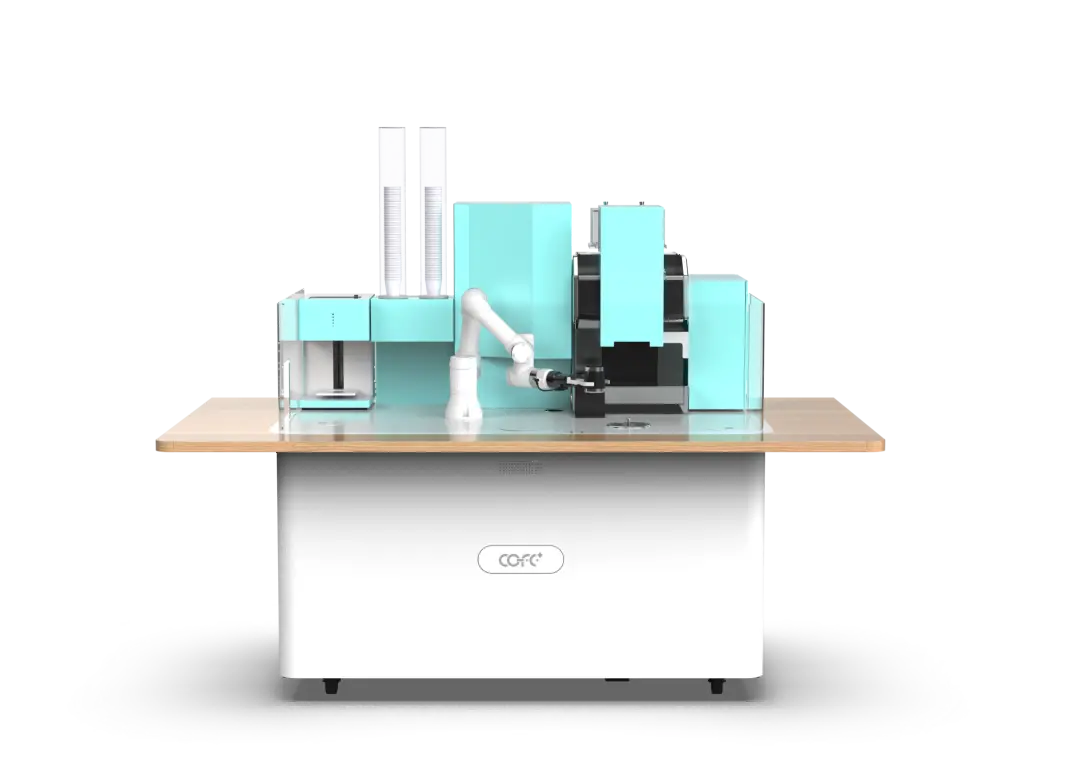
The cycle frequency is triggered by two inputs: number of drinks dispensed and idle time. After a preset drink count, the machine performs a full line sanitation. During extended idle periods—common in overnight deployments—the machine automatically runs a maintenance rinse to prevent biofilm formation. These thresholds are configurable through the cloud dashboard, and the minimum settings are locked to meet the validation parameters that support food safety certification.
Yes. The milk system uses dedicated, isolated lines for fresh cow milk and plant-based alternatives. If a location offers both oat milk and dairy, two independent circuits are used, each with its own supply line, frother, and sanitization path. Between different milk types within the same circuit, the machine runs a full purge-and-sanitize cycle that is verified by conductivity before accepting the next order. This eliminates any detectable allergen carryover.
The machine halts service on that station and logs the fault with a timestamp and a diagnostic code. A notification is pushed to the cloud dashboard and, depending on service contract configuration, can automatically create a maintenance ticket. The machine will not resume dispensing from the affected module until the fault is cleared and a successful cleaning cycle is completed and logged. In most deployments we support, this avoids any risk of serving from an unverified clean state.
The sanitizer used is a food-grade peracetic acid-based solution at a concentration approved under FDA 21 CFR 178.1010 for no-rinse application on food-contact surfaces. The final rinse step is validated to leave residual levels below the organoleptic detection threshold, meaning no taste or odor transfer to the beverage. If your local regulations require a specific residue test, we can supply the validation data. For a deployment plan that accounts for your local health code, share your requirements and we will confirm the certification documentation package.
TL;DR — COFE+ is a fully automated robotic coffee kiosk that grinds fresh beans, brews espresso and lattes, creates latt……
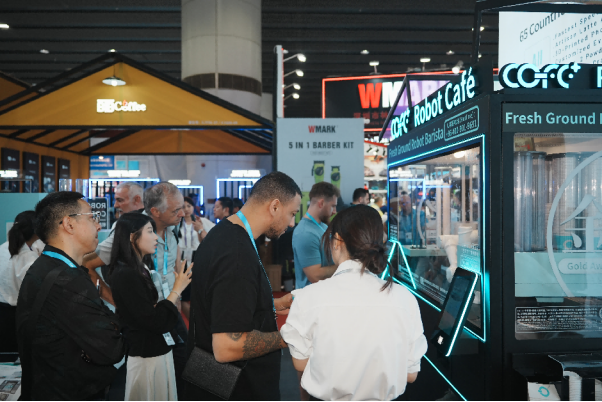
7th-Genertion Smart Robot Coffee Kiosk Arrives at the Belt and Road Core Hub, Ushering in a New Service Era Along t……
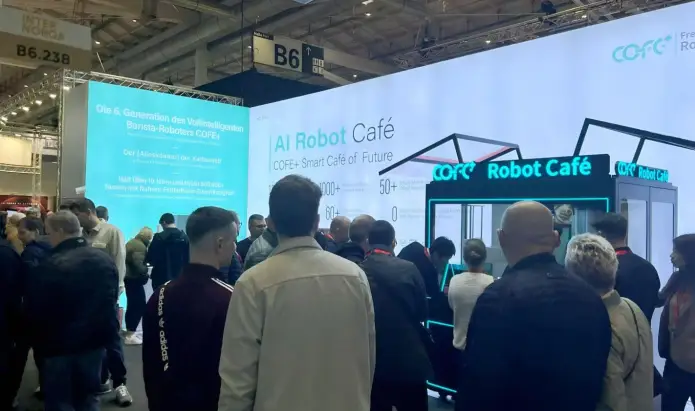
CHICAGO, May 12, 2026 (GLOBE NEWSWIRE) – Shanghai Hi-Dolphin Robot Technology today announced the U.S. debut of its 7th‑……