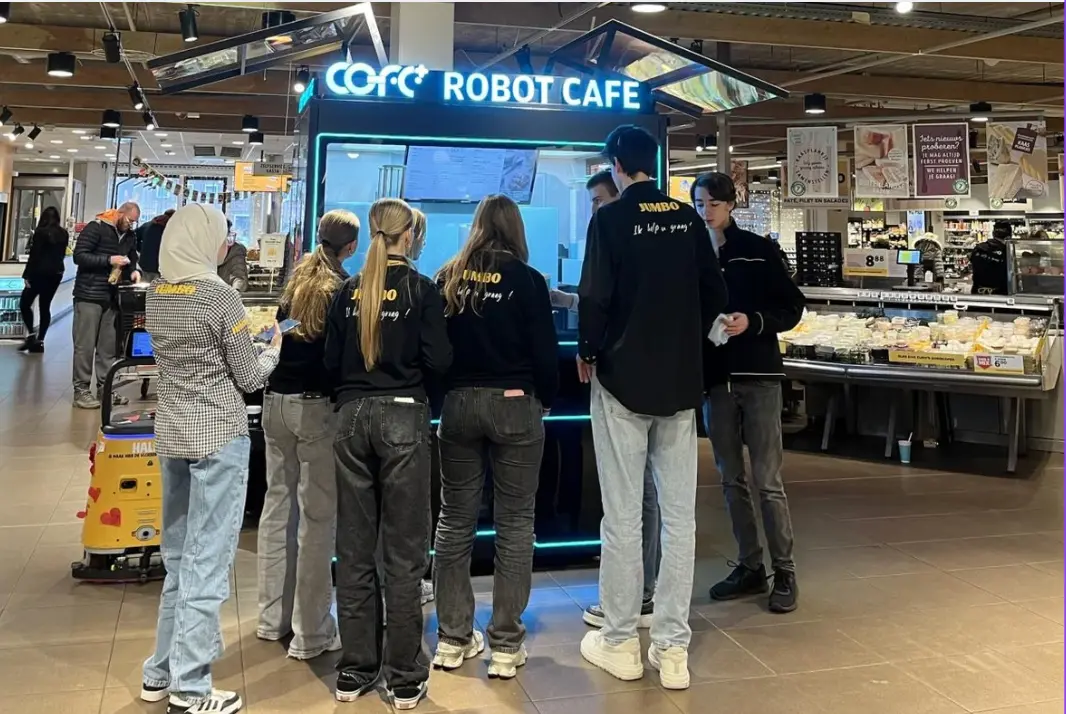
The Rise of Professional Robotic Café Technology: What COFE+ Is and Why It Matters
TL;DR — COFE+ is a fully automated robotic coffee kiosk that grinds fresh beans, brews espresso and lattes, creates latt……

Unmanned coffee kiosks solve the staffing equation, but they do not remove the food-safety responsibilities that come with milk, water, coffee oils, and public touchpoints. For a multi-site operator, the hardest part of cleaning is not the machine—it is the consistency of the process. If one location wipes the steam nozzle daily and another treats it as a weekly task, the brand’s taste, hygiene, and equipment life become uneven across the fleet. This SOP gives operations managers a repeatable cleaning framework that fits indoor, outdoor, and high-traffic robot coffee kiosk deployments.
Food-contact surfaces used in continuous beverage service fall under the sanitation expectations of food codes. The FDA Food Code requires food-contact surfaces to be cleaned at frequencies that prevent the accumulation of residues and whenever contamination may have occurred [1]. In unattended operations, contamination can happen between staff visits, so the SOP has to assume that the site team will arrive to residue, not prevent every spill remotely.
A standard SOP also creates comparable data. When cleaning tasks, chemicals, and evidence rules are the same across sites, a multi-site manager can compare locations fairly. If one site reports more drain errors or more milk-line residue, the operations team can investigate the location rather than guessing whether the cleaning crew simply used a different checklist.
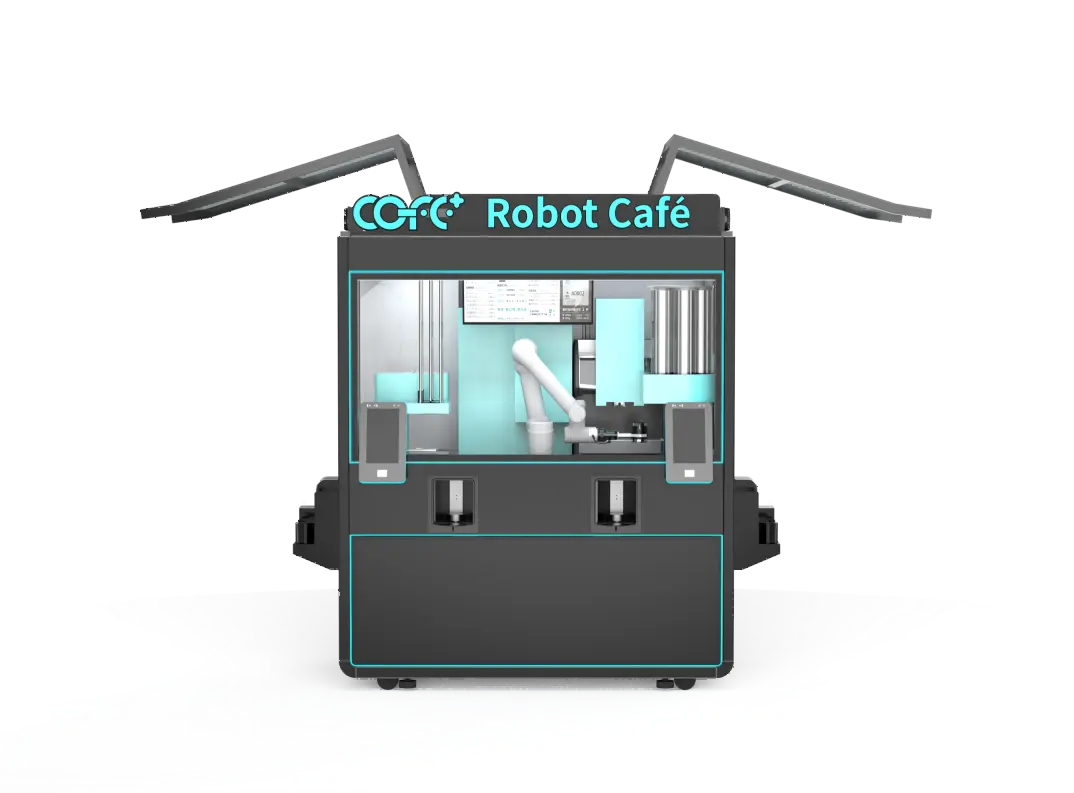
A daily routine should be short enough to complete during a normal service visit and detailed enough to protect the next unattended operating window.
The COFE+ 7th generation kiosk automates part of the sanitation process. The outdoor model includes automatic 85°C high-temperature sterilization, while the indoor model integrates automatic cleaning within its cloud-monitored operation. The operator’s job is to confirm the cycle ran, check for error alerts, and document the result. Automation reduces manual exposure to hot surfaces, but it does not remove the need for visual verification.
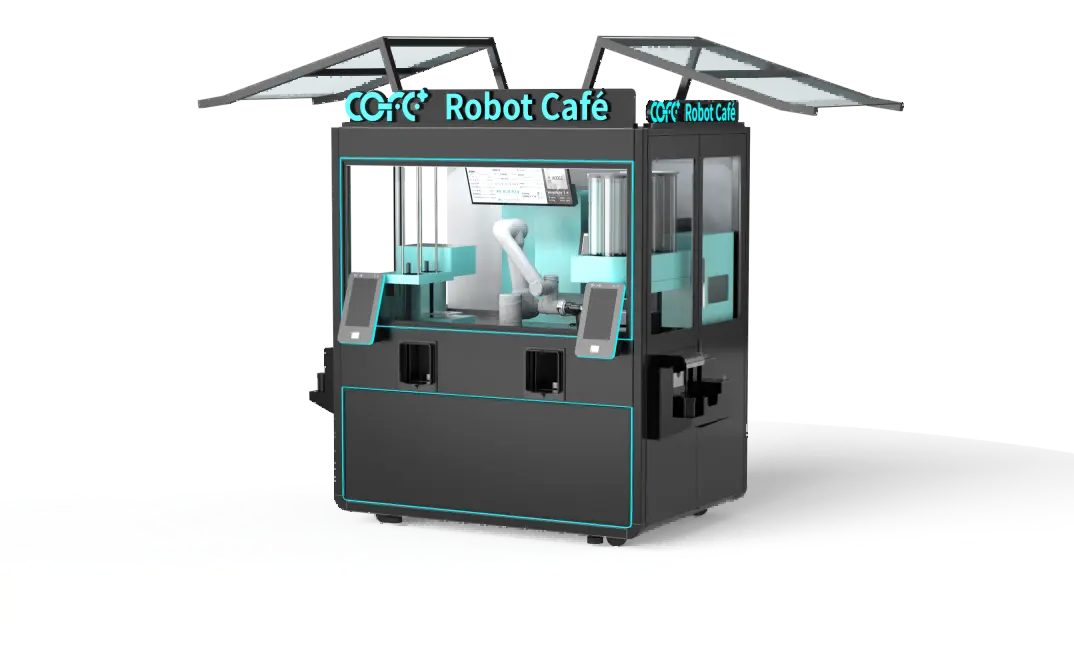
Operators managing mixed indoor-outdoor fleets can request a cleaning-log template aligned to the unit type by sending the site list to sales@hi-dolphin.com.
Weekly service should cover the areas that daily cleaning leaves in place. Cleaning and sanitizing should follow the CDC’s general guidance for facility surfaces and the food-equipment sanitation expectations under NSF/ANSI 8 [2], [3].
Not every site needs the same cadence. The table below provides a baseline that operators can adjust with local health requirements and water quality.
| Location Type | Daily Focus | Weekly Deep-Clean Priority | Notes |
|---|---|---|---|
| Shopping mall or retail | Touchscreen, cup area, drip tray | Milk line, drain line | Add mid-shift spot checks during high footfall |
| Airport or transit hub | Exterior, drip tray, waste bin | Full milk system, ice path | Schedule outside peak travel windows |
| University or office | Touchpoints, grounds area | Group head, milk system | Align service with class or shift gaps |
| Hospital or care facility | Touchscreen, customer-contact surfaces | Full sanitation, drain access | Use facility-approved cleaning agents |
| Outdoor public or stadium | Dust, drip tray, seals | Ventilation, seals, waste system | Weather and events may require extra checks |
| Factory or industrial | Grounds, exterior, waste | Milk line, drain line | Shift-based demand increases residue cycle |
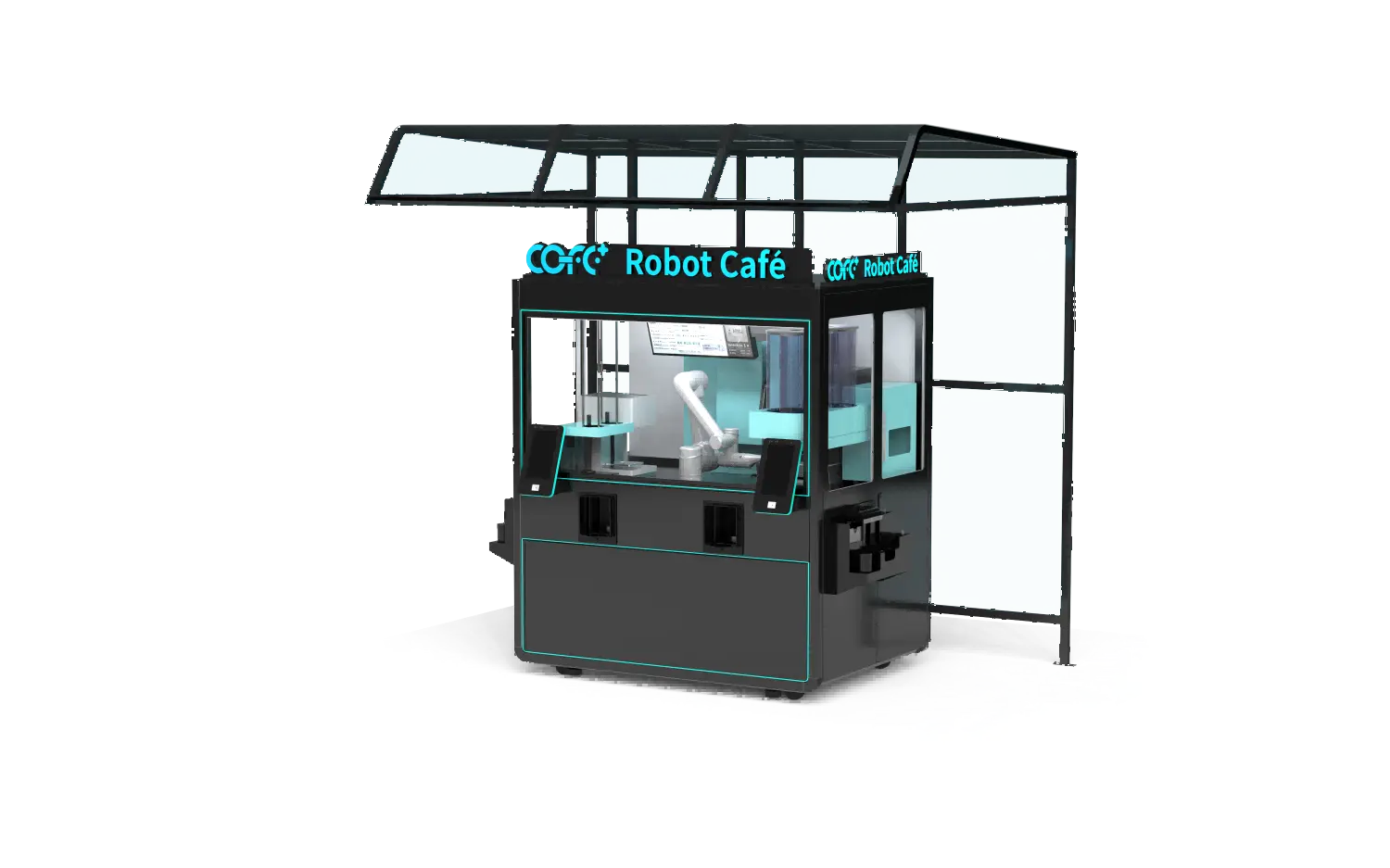
Cleaning frequency should be matched to the unit type, because indoor kiosks often sit in climate-controlled concourses while outdoor versions face dust, rain, and wider temperature swings. Robot coffee kiosk indoor covers the indoor system’s enclosure, automated cleaning cycle, and access points for daily service.
A multi-site cleaning program fails when teams use different chemicals, skip safety steps, or leave no evidence that work was completed.
Before the next service cycle, compare three recent logs. For operators standardizing across new sites, send the number of units, mix of indoor and outdoor kiosks, current chemical approvals, and whether remote monitoring is active to sales@hi-dolphin.com. This inquiry list helps the team return a cleaning and monitoring recommendation instead of a generic equipment response.
Remote monitoring does not replace on-site cleaning, but it changes how quickly a multi-site team can respond. If a temperature sensor, waste bin alarm, or ingredient line error appears, the cleaning team should record the alert, the action taken, and whether the issue repeated at the same location. The value is pattern detection across the fleet.
A single drain alert may be a spill event. The same alert across three sites in one week may indicate a procedure gap or a component wear pattern. The cleaning log should therefore connect field observations to machine alerts, creating a combined service record for each unit.
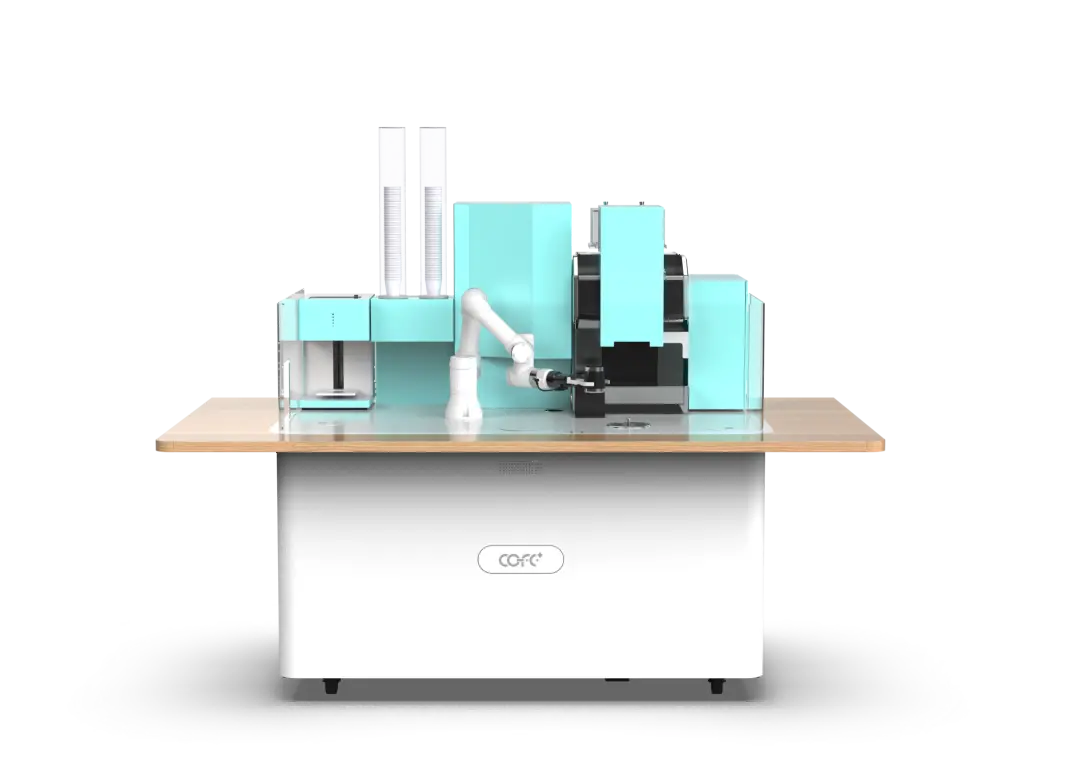
A cleaning exception should create both a local task and a remote record, so multi-site teams can tell whether the issue is isolated or part of a repeated component trend. Smart store brain covers how cloud monitoring connects stock, temperature, and service alerts to dispatch workflows.
Cleaning quality scales only when the SOP, the log, and the equipment are aligned. Multi-site operators should document the daily protocol, set location-specific frequencies, and review exception reports every week. To evaluate a robot coffee kiosk program or to align an existing fleet with a single cleaning standard, send sales@hi-dolphin.com a short inquiry list: number of sites, location types, current cleaning tools, remote monitoring status, and the target operating window. The team can then respond with the relevant equipment specifications and service options rather than a one-size-fits-all pitch.
The exact time depends on the unit type, site access, and local water quality. A focused daily routine is usually shorter than a full weekly service window, but it should still include exterior touchpoints, drip tray clearing, and automated cycle verification. Weekly deep cleaning requires a planned service window because it includes the milk line, waste system, and drain inspection.
Many 7th-generation kiosks automate part of the process. The COFE+ 7th generation outdoor model includes automatic 85°C high-temperature sterilization, while the indoor model integrates automatic cleaning within its cloud-monitored operation. The operator still verifies that the cycle ran, clears waste, and cleans customer-contact surfaces.
Use only food-safe, non-abrasive sanitizers approved for commercial food equipment. Avoid solvent-heavy or chlorine-based products unless the kiosk manufacturer’s material compatibility documentation permits them. The label instructions and the manufacturer’s surface list should control every product decision.
Outdoor units in dusty, humid, or high-footfall areas need more frequent waste and seal checks. A weekly deep clean is the baseline for most public outdoor sites. Sites near construction, coastlines, or heavy event traffic may need attention twice a week, especially for filters, seals, and drainage access.
Verification should come from a combination of photo evidence and digital task sign-off. Operations managers review completed logs and exception reports by site weekly, while local staff confirm drain and waste tasks before a long unattended window. Remote alerts add another layer but do not replace visual confirmation.
Yes. Customer-contact surfaces and waste handling should be increased in facilities with stricter hygiene requirements. The site team should use facility-approved cleaning agents and follow the location’s infection-control rules alongside the kiosk SOP.
[1] U.S. Food and Drug Administration, “Food Code 2022,” 2022. [Online]. Available: https://www.fda.gov/food/fda-food-code/food-code-2022
[2] U.S. Centers for Disease Control and Prevention, “When and How to Clean and Disinfect Your Facility,” 2024. [Online]. Available: https://www.cdc.gov/hygiene/cleaning/cleaning-your-facility.html
[3] NSF International, “NSF/ANSI 8: Commercial Powered Food Preparation Equipment.” [Online]. Available: https://www.nsf.org/standards/nsf-ansi-8
TL;DR — COFE+ is a fully automated robotic coffee kiosk that grinds fresh beans, brews espresso and lattes, creates latt……
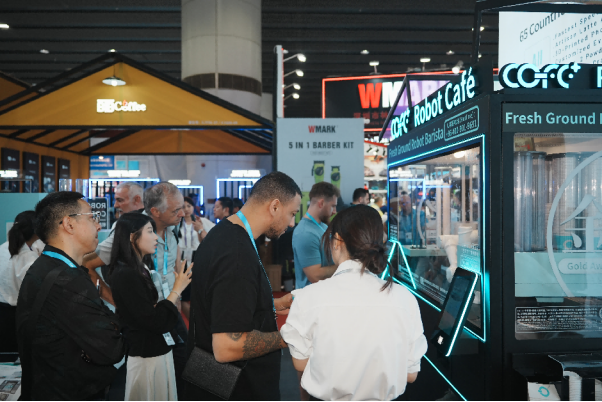
7th-Genertion Smart Robot Coffee Kiosk Arrives at the Belt and Road Core Hub, Ushering in a New Service Era Along t……
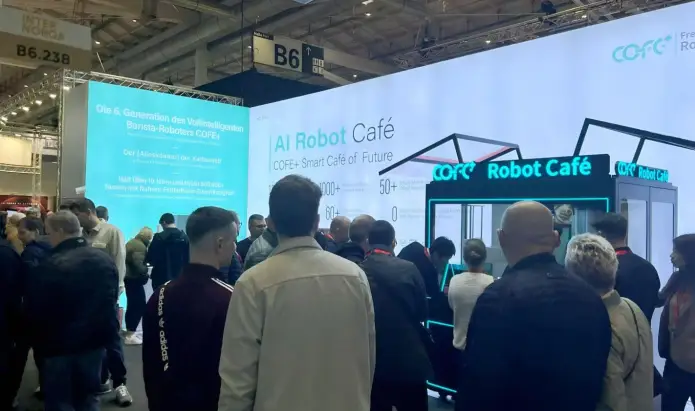
CHICAGO, May 12, 2026 (GLOBE NEWSWIRE) – Shanghai Hi-Dolphin Robot Technology today announced the U.S. debut of its 7th‑……