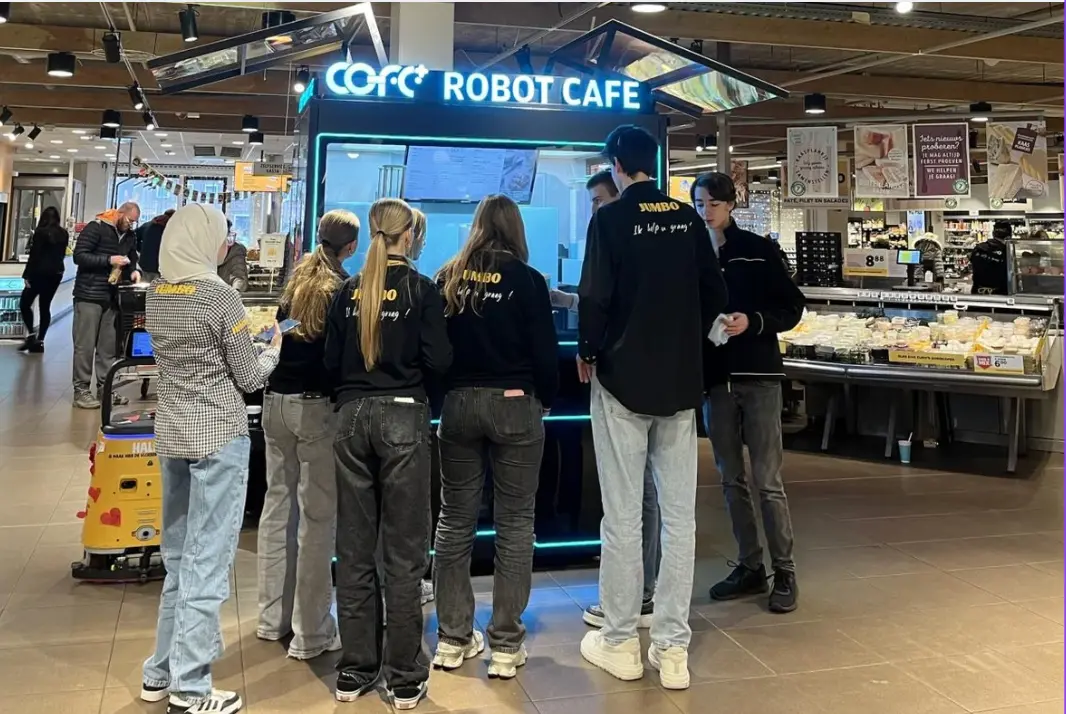
The Rise of Professional Robotic Café Technology: What COFE+ Is and Why It Matters
TL;DR — COFE+ is a fully automated robotic coffee kiosk that grinds fresh beans, brews espresso and lattes, creates latt……

A robot coffee kiosk removes the barista from the counter, but it does not remove the need for a daily operating routine. The opening checklist confirms that the machine is safe, stocked, and ready to serve; the closing checklist protects the equipment, ingredients, and data that keep the next service period reliable. This guide is written for operators, site managers, and maintenance teams responsible for unattended coffee service in retail, transport, office, and public locations.
Even contactless equipment handles milk, water, cups, and high-touch surfaces. A missed check can lead to a food safety failure, an out-of-stock outage, or a costly repair that could have been avoided. Daily routines should follow the same sanitation principles as traditional food service under the FDA Food Code [1], while European deployments should also align with Regulation (EC) No 852/2004 for food business operators [2]. The kiosk’s electrical assemblies should be checked against the applicable safety standard for commercial dispensing and vending machines [3]. If a lockout or service task is planned, de-energize only according to site lockout/tagout procedures [4].
A consistent checklist also supports multi-site operation. When every location follows the same opening and closing sequence, remote supervisors can compare logs, schedule maintenance, and reduce variability between sites.
Run the following sequence before the first transaction. If any check fails, pause service and follow the escalation path for the site.
Walk around the kiosk and look for physical damage, tampering, leaks, pests, or foreign objects. Check the customer area, queue zone, cup station, and waste bin. For outdoor deployments, inspect door seals, drainage outlets, ventilation grilles, and weather panels before service begins.
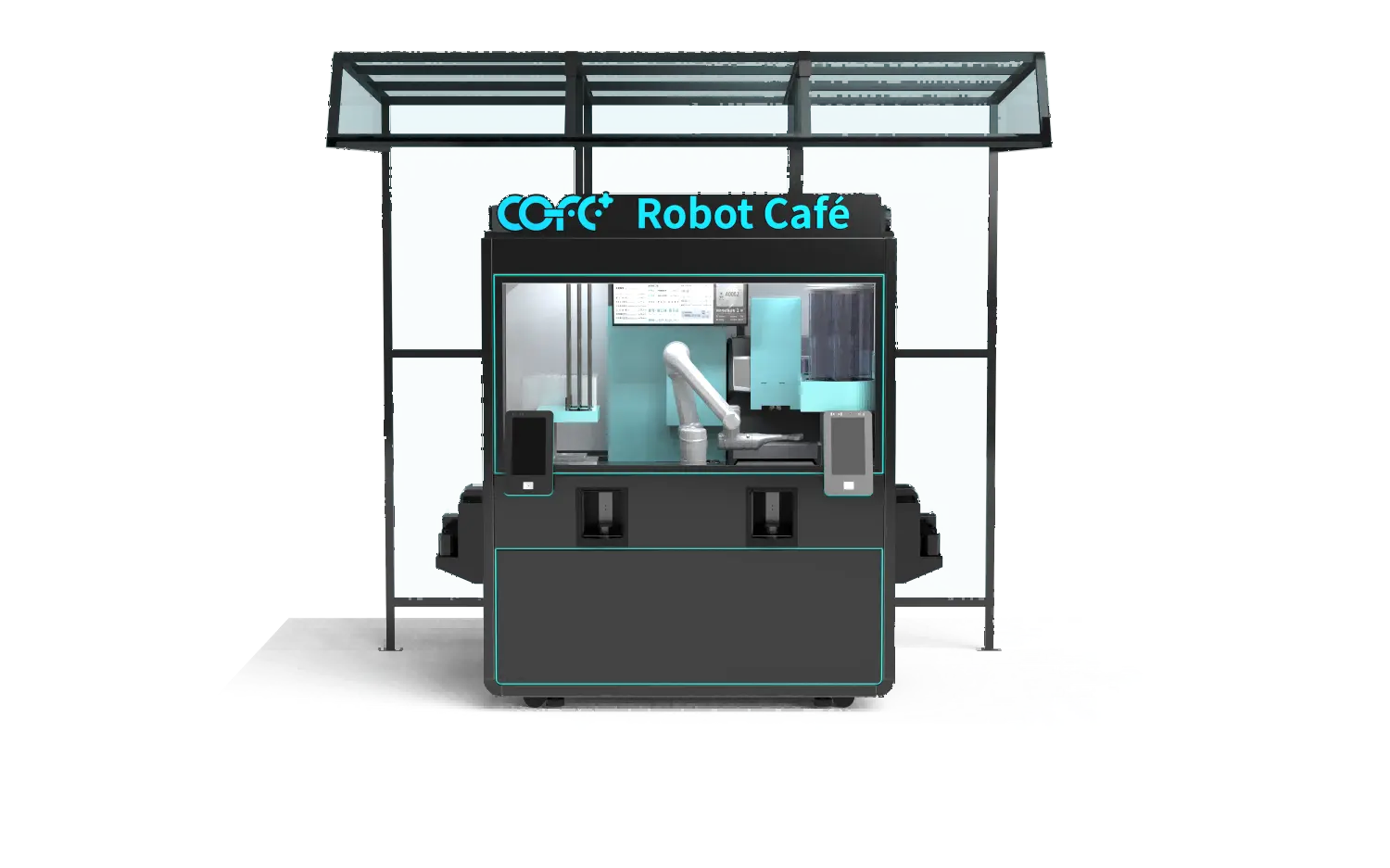
Outdoor units need an added check for door seals, drainage, and weather panels before the first cup. <robot coffee kiosk outdoor> covers all-weather design and the site conditions that shape a reliable daily routine.
Confirm that the kiosk has stable power and that the main switch, breakers, and any backup supply are in normal condition. Check the touchscreen, payment terminal, IoT connection, and cloud dashboard. A loss of connectivity can disable remote monitoring, so it should be resolved before service begins.
Verify bean, milk, plant-based, syrup, cup, lid, stirrer, and napkin levels. Check temperature and expiration dates on perishable ingredients, and replace anything that is out of specification. Top up consumables without overfilling, and wipe down container rims and surrounding surfaces. If the kiosk uses cloud-based stock monitoring, confirm that the dashboard reading matches the physical level.
Clean the drip tray, nozzle area, cup drop zone, and touchscreen. Run the automatic cleaning or rinse cycle if the machine supports it. Food-contact surfaces should be cleaned and sanitized according to the FDA Food Code [1]. Pay special attention to milk lines and any area where liquid can collect.
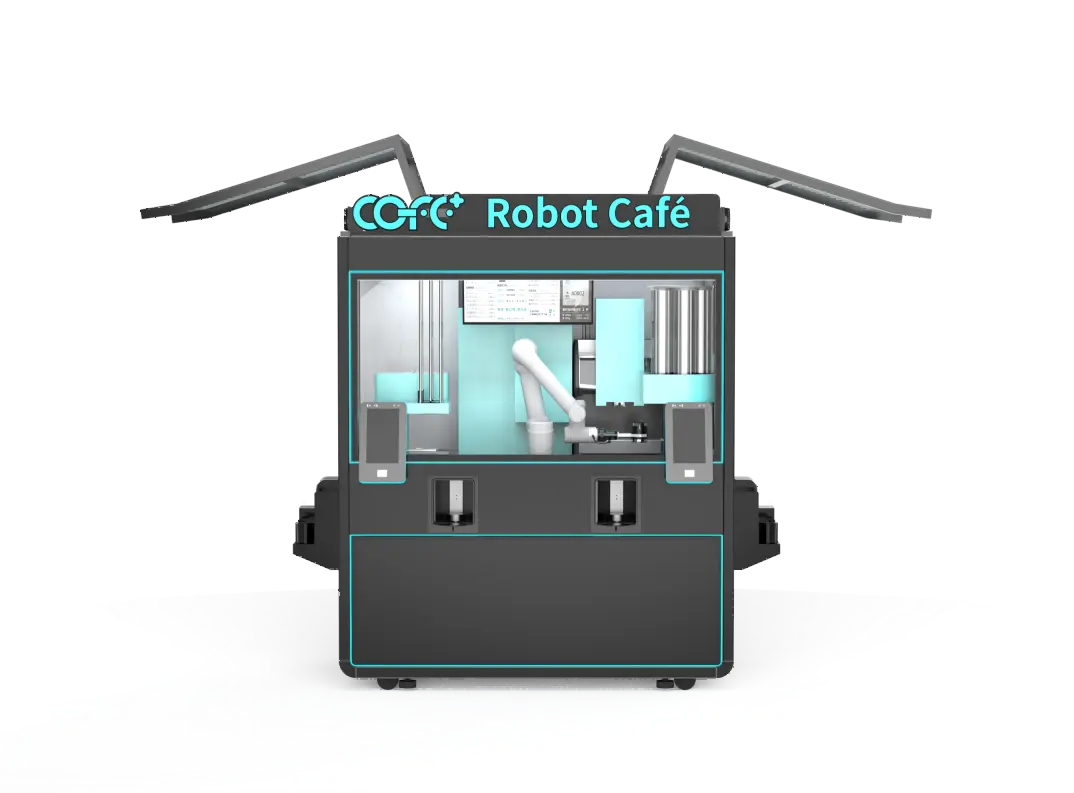
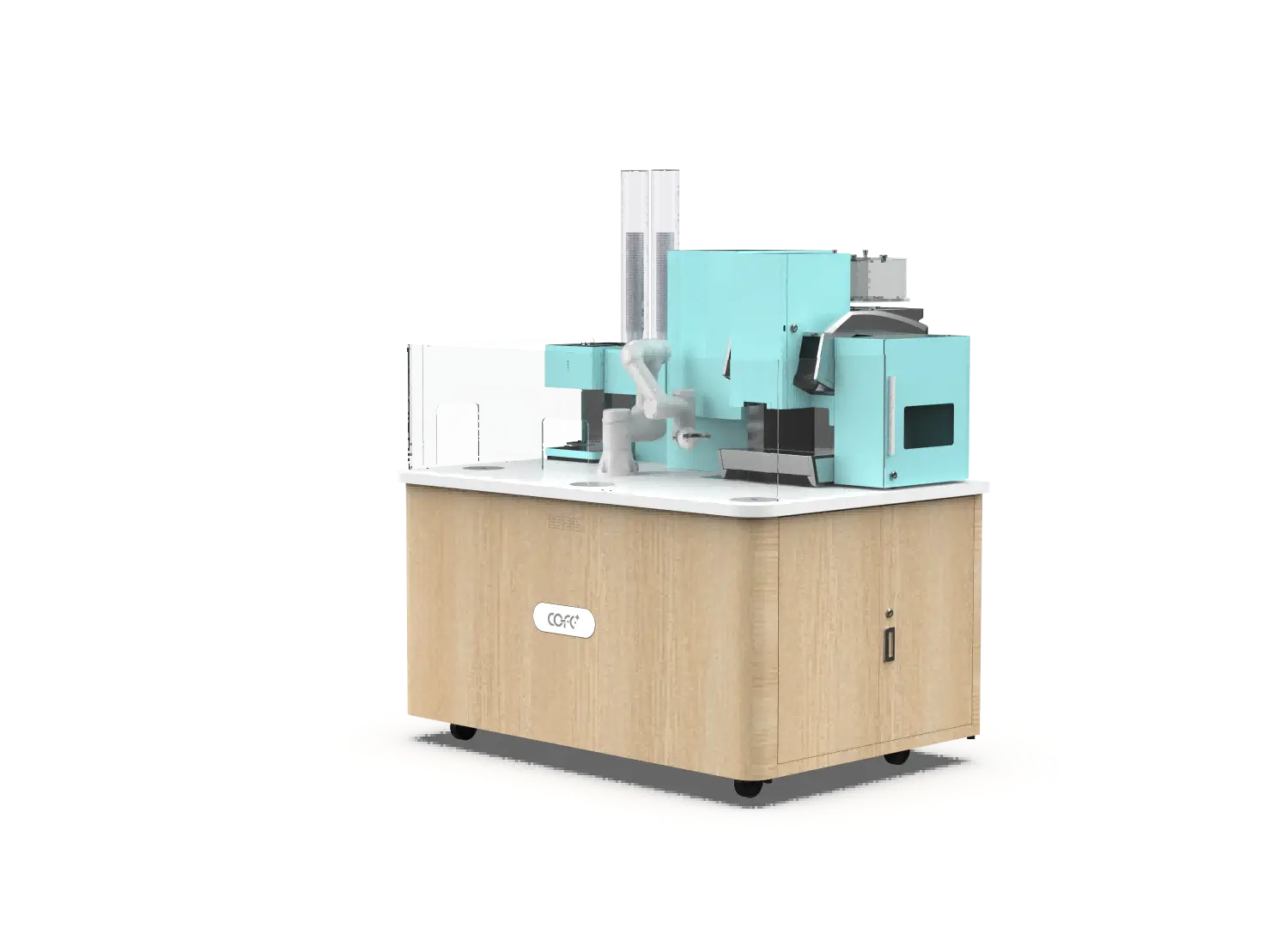
Indoor kiosks in lobbies, offices, and retail spaces need a clear service zone for cleaning and inspection access. <robot coffee kiosk indoor> covers the compact indoor format and the access points that affect daily maintenance.
Run a test drink before opening to verify cup dispensing, beverage temperature, volume, taste, lid seating, and payment flow. On machines with latte art, confirm that the printing or robotic arm movement is clean and centered. A failed test cup is a signal to troubleshoot or place the kiosk out of service rather than allowing the first customer to find the fault.
The checks above cover the daily baseline, but power, drainage, and cleaning intervals vary between indoor and outdoor machines. For a model-specific daily opening and closing plan, email sales@hi-dolphin.com or call/WhatsApp +86 131 6630 1290 and request an operations review.
The closing checklist secures the equipment, protects ingredients overnight, and records the handover to the next shift or remote operations team.
Remove spent grounds, liquid waste, and packaging waste. Clean the drip tray, cup area, nozzle assembly, and any user-visible surfaces. Sanitize high-touch areas such as the touchscreen and payment terminal. For 24/7 sites that never close, move this task to a low-traffic period and use alerts to plan when to pause service.
Check that milk and other perishable items are within the required storage temperature. Secure open packages, note expiration dates, and record low-stock items for the next refill. For outdoor kiosks in very hot or cold weather, verify that the temperature-control function remains active.
At sites that close overnight, follow the manufacturer’s shutdown sequence, then lock all access panels and secure the surrounding area. For 24-hour locations, do not power off the machine; instead confirm that overnight mode, lighting, security cameras, and remote alerts are active. If the kiosk will be unattended for several hours, verify that waste capacity and ingredient levels are sufficient.
Check the kiosk dashboard for sales, ingredient usage, temperature events, error codes, and maintenance alerts. Record any unusual event, part replacement, cleaning action, or follow-up needed. A short but consistent log is more useful than a long one because it builds a history for trend analysis and warranty support.
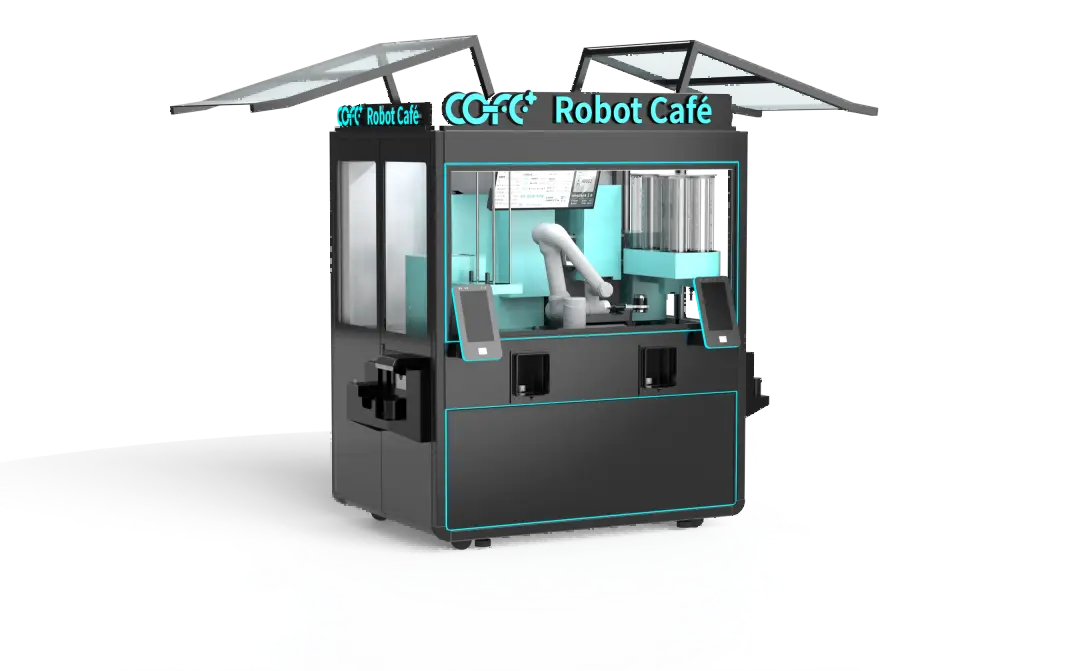
Remote stock, temperature, and fault alerts can replace several manual walkaround steps, but only if the dashboard is checked at a set time every day. <smart store brain> covers cloud monitoring and the operational data that supports a lean daily routine.
| Area | Opening | Closing |
|---|---|---|
| Exterior and perimeter | Inspect damage, leaks, pests, and drainage | Secure panels, locks, and surrounding area |
| Power and network | Verify stable power and connectivity | Confirm overnight mode or shutdown |
| Ingredients | Check stock, dates, and temperatures | Record low stock and secure perishables |
| Cleaning | Wipe and sanitize food-contact surfaces | Remove waste and sanitize high-touch surfaces |
| Drink quality | Run test cup | — |
| Payment and touchscreen | Test transaction | Clean and protect screen |
| Waste | Check bin capacity | Empty and clean waste area |
| Data and log | Review overnight alerts | Record issues and handover notes |
Escalate when the morning test cup fails, ingredient temperature is out of range, power or network is unstable, a leak is visible, or an error code cannot be cleared. Record the issue with the time, the alert shown, and the action taken.
To make the routine stick, use a simple one-page form or app. Keep checklist items limited to critical pass/fail conditions, train local staff to perform them correctly, and standardize the sequence across multiple sites so that every location reports in the same format.
Daily routines work best when they match the kiosk model, site utility setup, and local food safety requirements. Shanghai Hi-Dolphin Robot Technology Co., Ltd. supports COFE+ indoor, outdoor, counter, and bar deployments with model-specific operational guidance, cloud monitoring, and after-sales service.
The time depends on the kiosk model, the number of consumables, and whether the site uses remote monitoring. A physical walkaround, cleaning, test cup, and log entry usually require more time than a dashboard-only check, but the routine should remain short enough to be completed consistently.
Yes. For 24/7 sites, closing tasks are shifted to a low-traffic period rather than skipped. Waste removal, cleaning, ingredient checks, and log review still happen daily, while the machine remains available to customers.
Stop service, record the error or quality issue, and check the most likely causes such as ingredient levels, nozzle condition, or system alerts. Contact the service team if the issue cannot be resolved. Do not open the kiosk for customer orders until the test cup passes.
High-touch surfaces should be cleaned and sanitized at least daily, while milk lines and other perishable-contact parts follow the manufacturer’s cleaning intervals and the FDA Food Code [1].
Yes. Cloud dashboards can record temperature, stock, alerts, sales, and error codes. However, physical inspections should still verify on-site conditions because remote data will not always show spills, pest issues, or local damage.
[1] U.S. Food and Drug Administration. Food Code 2022. https://www.fda.gov/food/fda-food-code/food-code-2022
[2] European Parliament and Council. Regulation (EC) No 852/2004 on the hygiene of foodstuffs. https://eur-lex.europa.eu/legal-content/EN/TXT/?uri=CELEX:32004R0852
[3] International Electrotechnical Commission. IEC 60335-2-75: Household and similar electrical appliances — Safety — Part 2-75: Particular requirements for commercial dispensing appliances and vending machines.
[4] Occupational Safety and Health Administration. Control of Hazardous Energy (Lockout/Tagout), 29 CFR 1910.147. https://www.osha.gov/laws-regs/regulations/standardnumber/1910/1910.147
TL;DR — COFE+ is a fully automated robotic coffee kiosk that grinds fresh beans, brews espresso and lattes, creates latt……
7th-Genertion Smart Robot Coffee Kiosk Arrives at the Belt and Road Core Hub, Ushering in a New Service Era Along t……

CHICAGO, May 12, 2026 (GLOBE NEWSWIRE) – Shanghai Hi-Dolphin Robot Technology today announced the U.S. debut of its 7th‑……