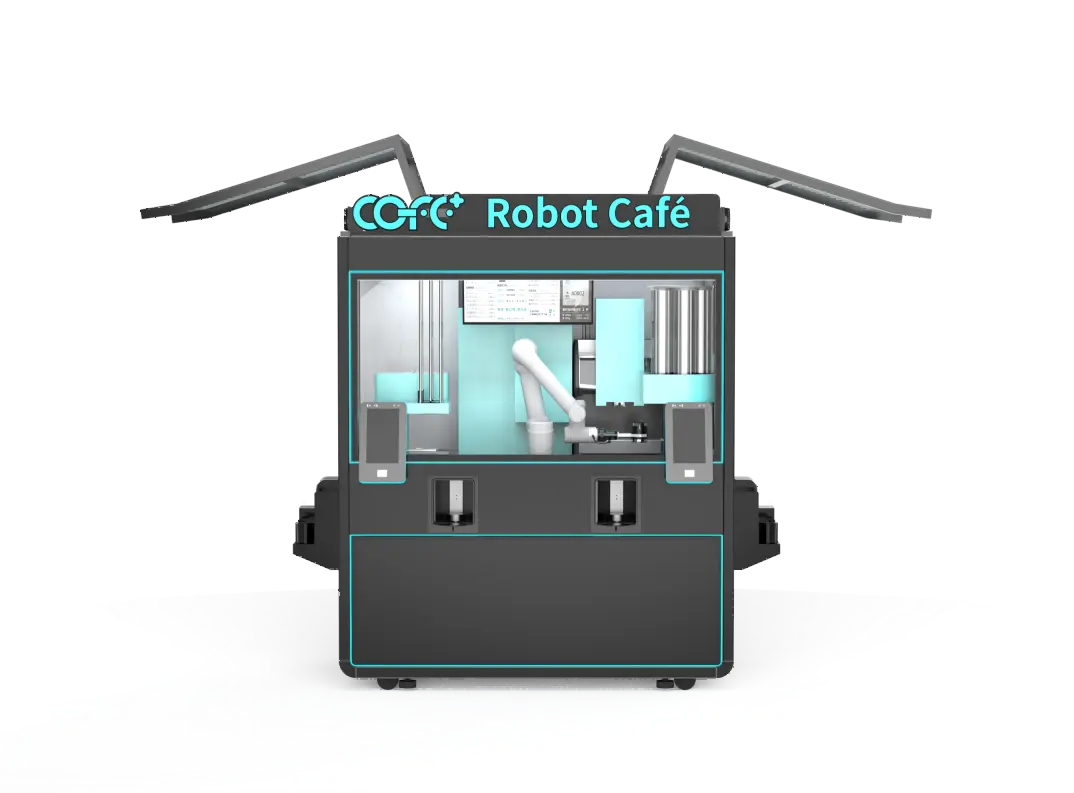
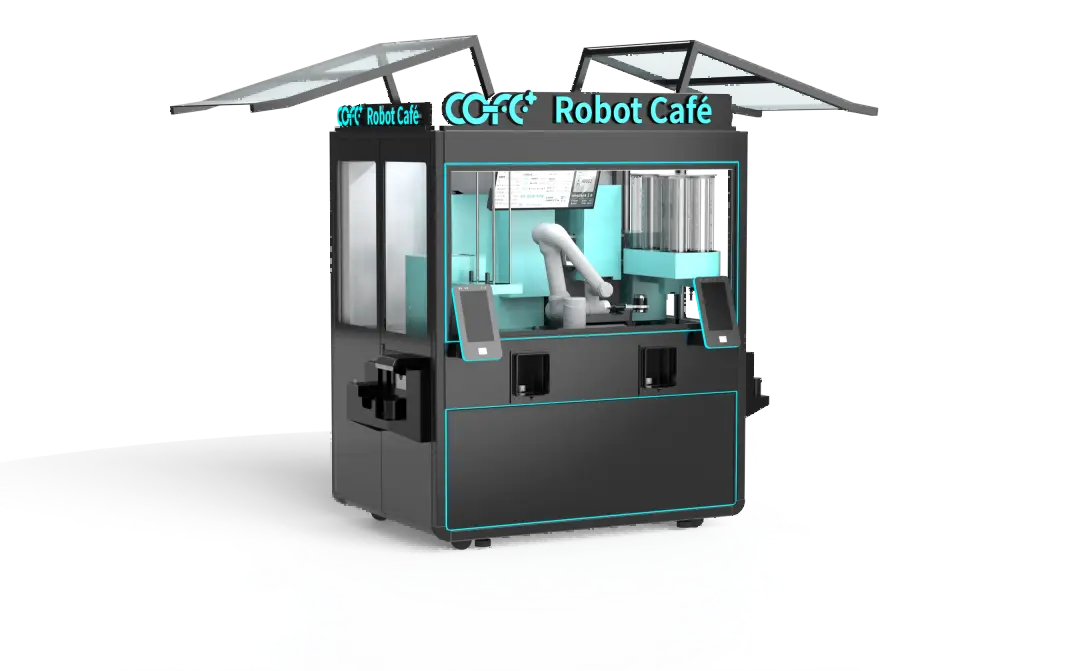
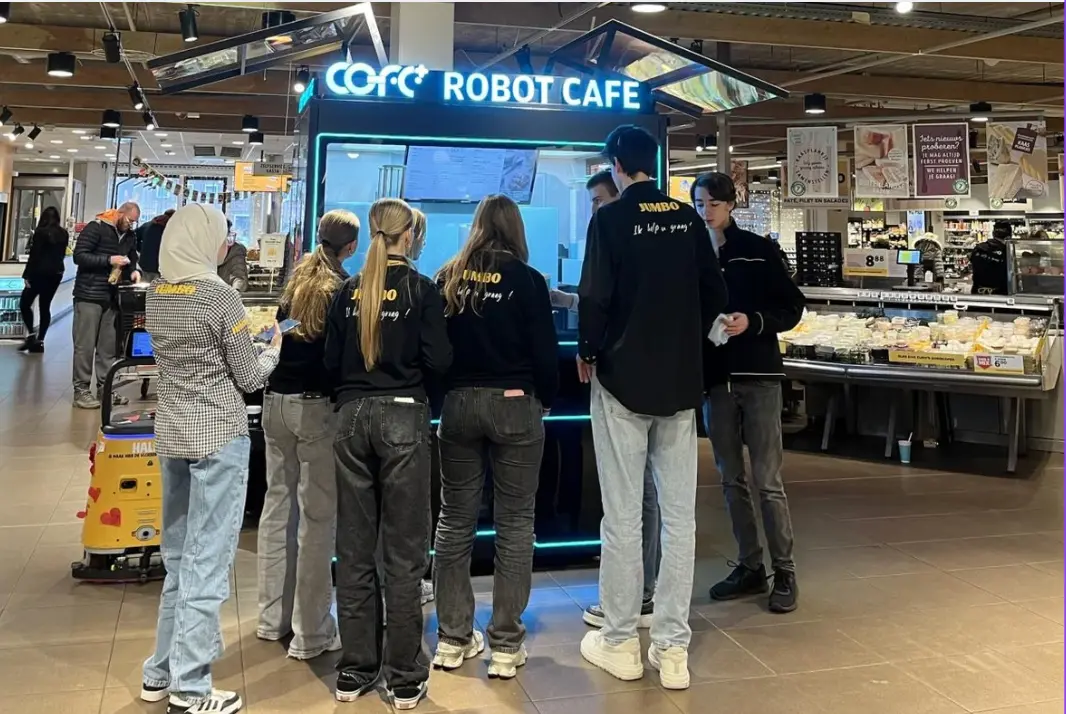
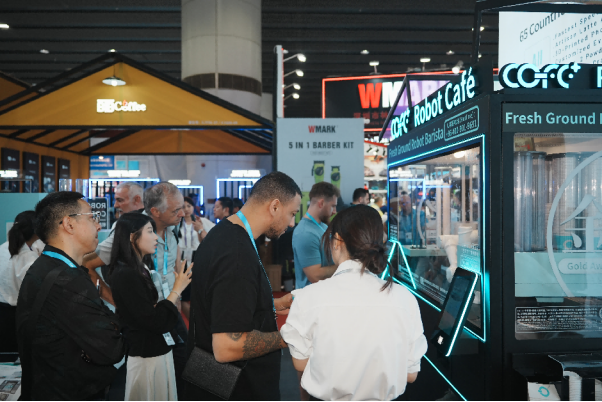
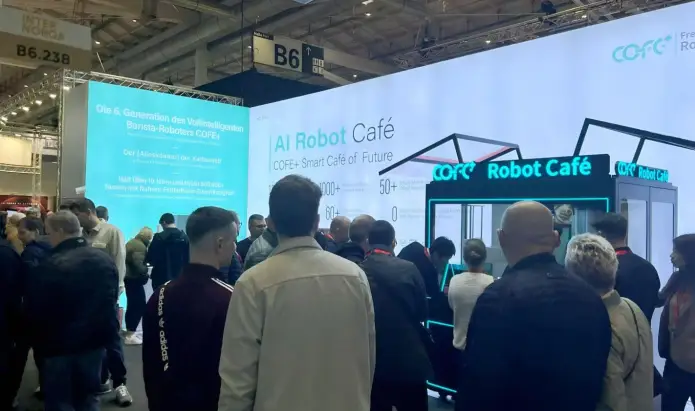
Museum operators evaluating food service face a specific constraint: most historic and art institutions lack the space, plumbing, and staffing for a full café, while visitors still expect premium coffee. A robot coffee kiosk resolves that tension by placing a compact, unattended barista station in a lobby, atrium, or gift shop corridor. At Shanghai Hi-Dolphin, the 7th generation kiosk runs on the same IoT and AI retail stack we deploy across global unattended sites, so a museum can serve café quality drinks without building a kitchen or hiring baristas. The practical decision is not whether automation can make good coffee. It is where to place the kiosk and what to verify before installation.

Why Does a Robot Coffee Kiosk Work in Museums Without a Full Café?
A full café asks a museum to solve several problems at once. Staffing is the first: barista shifts, training, and sick-day coverage. The second is space: a service counter, storage, seating, and a queue line can consume far more than the 2.35 square meters a compact kiosk occupies. Renovation is the third: commercial coffee equipment usually brings water supply, drainage, ventilation, and sometimes a grease interceptor into a building that may not tolerate those changes. A robot coffee kiosk narrows the problem to a utility-ready footprint, an ingredient inventory, and a cloud connection. The kiosk prepares drinks in 43 to 60 seconds and can run continuously, with a tested capacity of roughly 1,000 cups per day. For a museum, that means service keeps working during an exhibition opening when a three-person café crew would be overwhelmed. The economics also shift: cup cost runs about $0.30 to $0.70, so the museum is not carrying the fixed labor cost on quiet weekday mornings.
What Can a Robot Coffee Kiosk Actually Serve at Museum Quality?
Premium coffee in a museum does not require a large menu. It requires freshness, repeatable extraction, and drinks that look as considered as the surrounding building. The 7th generation kiosk grinds by dose, follows digitized recipes, and holds consistency across more than 300 consecutive cups. Visitors can choose from more than 300 drinks, 197 country-inspired recipes, and over 5,000 combinations across coffee, milk tea, matcha, chocolate, iced drinks, and plant-based milk options. The robotic arm can print a photo or logo on the foam and produce latte art patterns including tulips, hearts, and rosettas. That visual step matters in a museum because it turns a transaction into a small piece of exhibition-adjacent craft. Curators and development directors often ask whether the result feels institutional. In practice, the open view of the machine making the drink and the finish on the cup do more for perceived quality than a hidden counter ever would.
Which Museum Spaces Suit a Robot Coffee Kiosk Best?
Placement changes the financial outcome more than drink selection does. A kiosk near the entrance captures arrivals, a kiosk inside the gift shop captures dwell time after exhibitions, and a kiosk in a member lounge captures a quieter, higher-value audience. The table below matches the available form factors to museum zones.
| Format | Empreinte | Best Museum Placement | Service Style |
|---|
| Indoor robot coffee kiosk | 2,35 m² | Lobby, atrium, gift shop corridor | Self-service touchscreen |
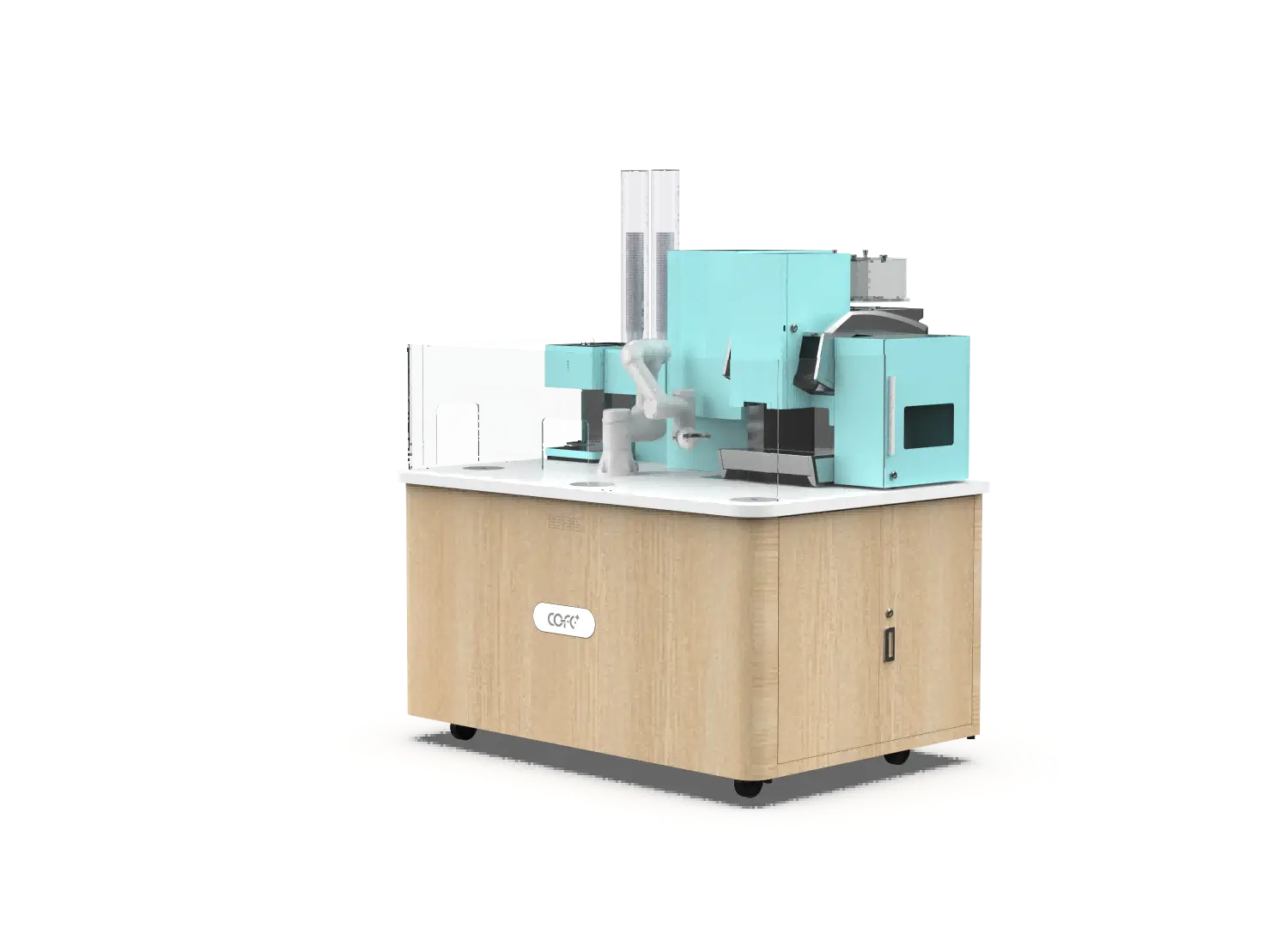
| Comptoir de café robotisé | Environ 2 m² | Reception, member lounge, gallery entrance | Built-in counter with open view |
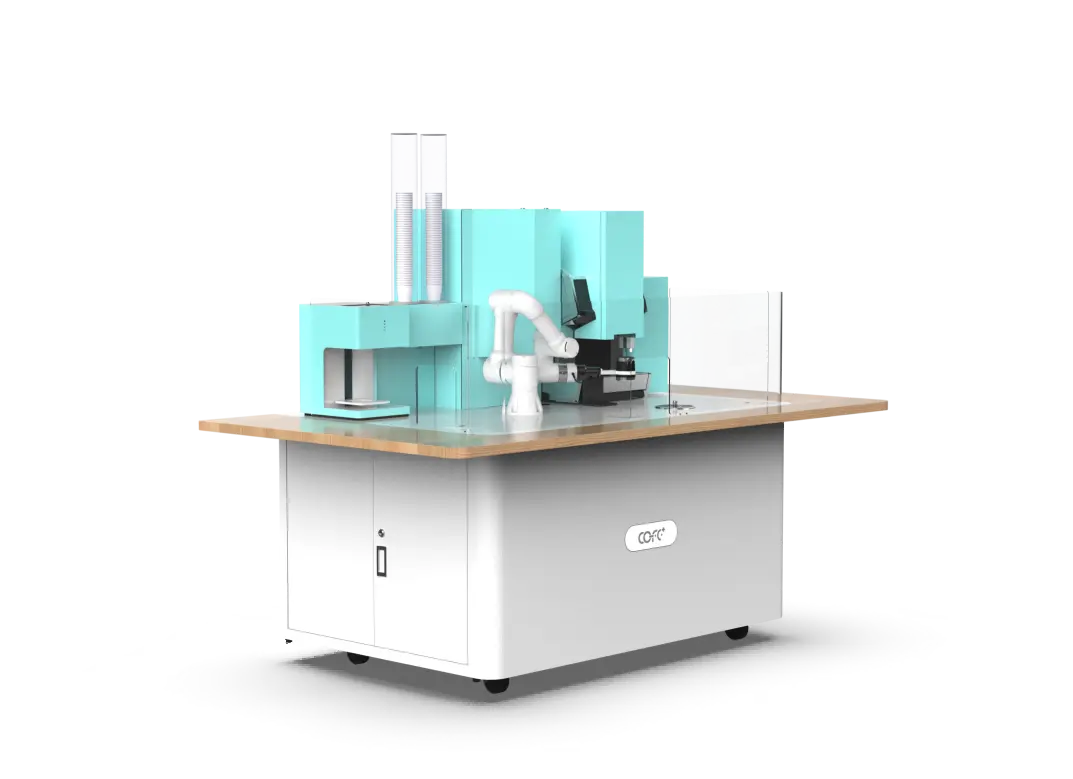
| Bar à café robotisé | About 2 m² folded, 4 seats opened | Social hub with seating near exhibitions | Self-service with seating |
A museum with a listed interior usually avantages from the counter format because it sits within existing joinery rather than standing as a freestanding unit. A high-traffic entrance benefits from the kiosk because the queue area can be managed without a seated footprint. If your building has a strict conservation review for fixed installations, a freestanding floor unit may be easier to relocate after a trial period.
If your museum has restricted water access or a listed building, confirm the inlet, drainage, and electrical supply with a site survey before choosing a format. Send your floor plan and utility notes to sales@hi-dolphin.com and we will confirm which kiosk configuration fits the space.
What Should Museum Operators Verify Before Approving a Robot Coffee Kiosk?
A robot coffee kiosk removes the barista but does not remove every facility requirement. Power comes first: the indoor kiosk is rated for 110V and 220V systems, so the circuit must match your building and the kiosk model. Water and drainage come next, and this is the point that most often decides between a lobby placement and a back-of-house placement because fresh water enters for coffee and cleaning while waste water exits through a drain line. Internet access follows, since cloud monitoring, remote diagnostics, and payment processing all depend on a stable connection. Compliance checks close the review: the kiosk carries FDA, CE, UKCA, KC, and SASO certifications, and the enclosed waste system plus automatic high-temperature cleaning addresses the hygiene concerns a museum conservation team will raise. These checks matter less as obstacles and more as site-selection filters. A compact kiosk can sit where a full café cannot, but only if the utility path is planned first.
How Do You Start a Robot Coffee Kiosk Pilot Without Disrupting Exhibits?
Museum teams usually pilot one unit before committing to multiple locations. Run the pilot as a sequence of low-risk steps. 1. Select a placement that has existing water and drainage nearby, even if that means the first unit sits in a staff or member zone rather than the main lobby. 2. Freeze the menu at a small core list, roughly 12 to 20 drinks, so inventory planning and cleaning stay simple during the first 30 days. 3. Load the digitized recipes and test bean calibration across 50 consecutive cups to confirm the extraction matches the expected profile. 4. Open quietly before a full public launch, using the first week to watch queue flow, refill cadence, and payment behavior. A controlled start protects the visitor experience more than a high-visibility launch does.
Museum operators can start the pilot by sending the proposed square footage, expected daily visitors, and available water and drainage points to sales@hi-dolphin.com or calling +86 131 6630 1290. We will confirm the appropriate kiosk format and a phased installation timeline for your building.
What Do Museum Operators Ask Before Buying a Robot Coffee Kiosk?
Can a robot coffee kiosk really match a specialty café?
Yes, if the bean and recipe calibration are treated as part of the setup. The 7th generation kiosk uses dosed grinding and digitized recipes to maintain the same extraction across more than 300 consecutive cups. That consistency is difficult for a rotating barista team to match. The difference is that a robot cannot taste and adjust in real time, so the first calibration becomes the control point. Museum operators avoid disappointment by testing the chosen beans, milk, and cup size before opening rather than changing recipes daily.
Do we need a full kitchen or ventilation system?
No. A common assumption is that coffee service requires a commercial kitchen, but a compact kiosk needs water, drainage, power, and internet rather than a hood or grease interceptor. The enclosed waste system contains grounds and liquid, and automatic high-temperature cleaning handles the internal surfaces. Some buildings will still require a drainage connection and a local plumbing review, but the facility scope is far smaller than a staffed café.
What happens outside visiting hours?
It depends on the building’s access policy. Museums that keep a lobby open for evening events can leave the kiosk running and capture after-hours demand without staffing a counter. Museums that close and secure the building can power the kiosk down in line with the main utilities. The cloud system monitors stock levels, temperature, and cleaning status either way, so a facilities manager sees the condition of the unit before the doors open.
Will a robot reduce the premium feel for donors and members?
In our deployments, the visual coffee making tends to increase dwell time rather than reduce it. The robotic arm prints foam art and images, and guests watch the process from the counter or kiosk screen. That turns a standard cup into a small piece of entertainment, which suits a museum setting better than a hidden service hatch. To protect the donor experience, place the counter format in a member lounge rather than the main queue, and keep the menu language targeted to the audience that visits that zone. If your museum has irregular visitor traffic or a restricted utility layout, share your visitor data and floor plan with sales@hi-dolphin.com so we can recommend the first test location.