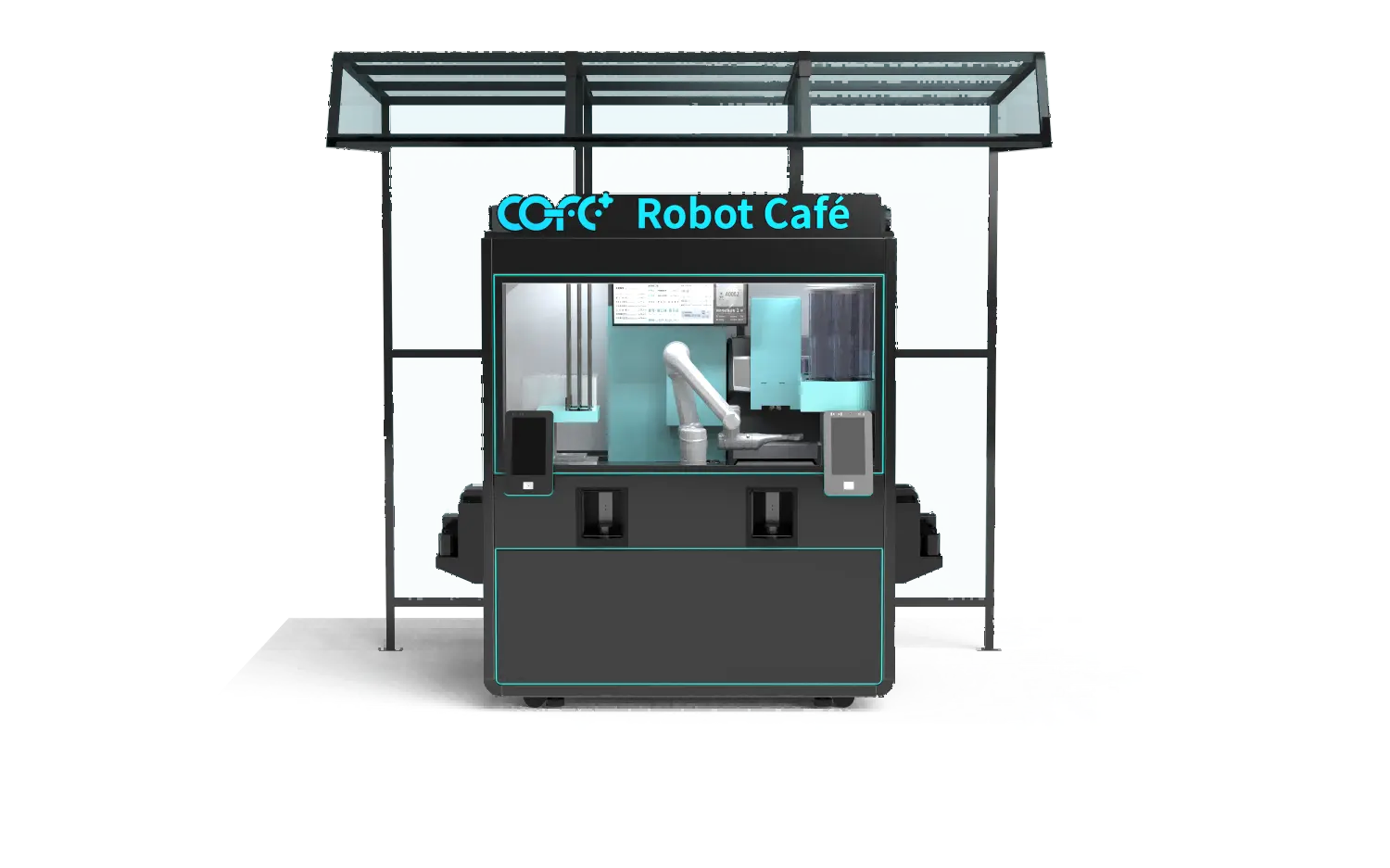
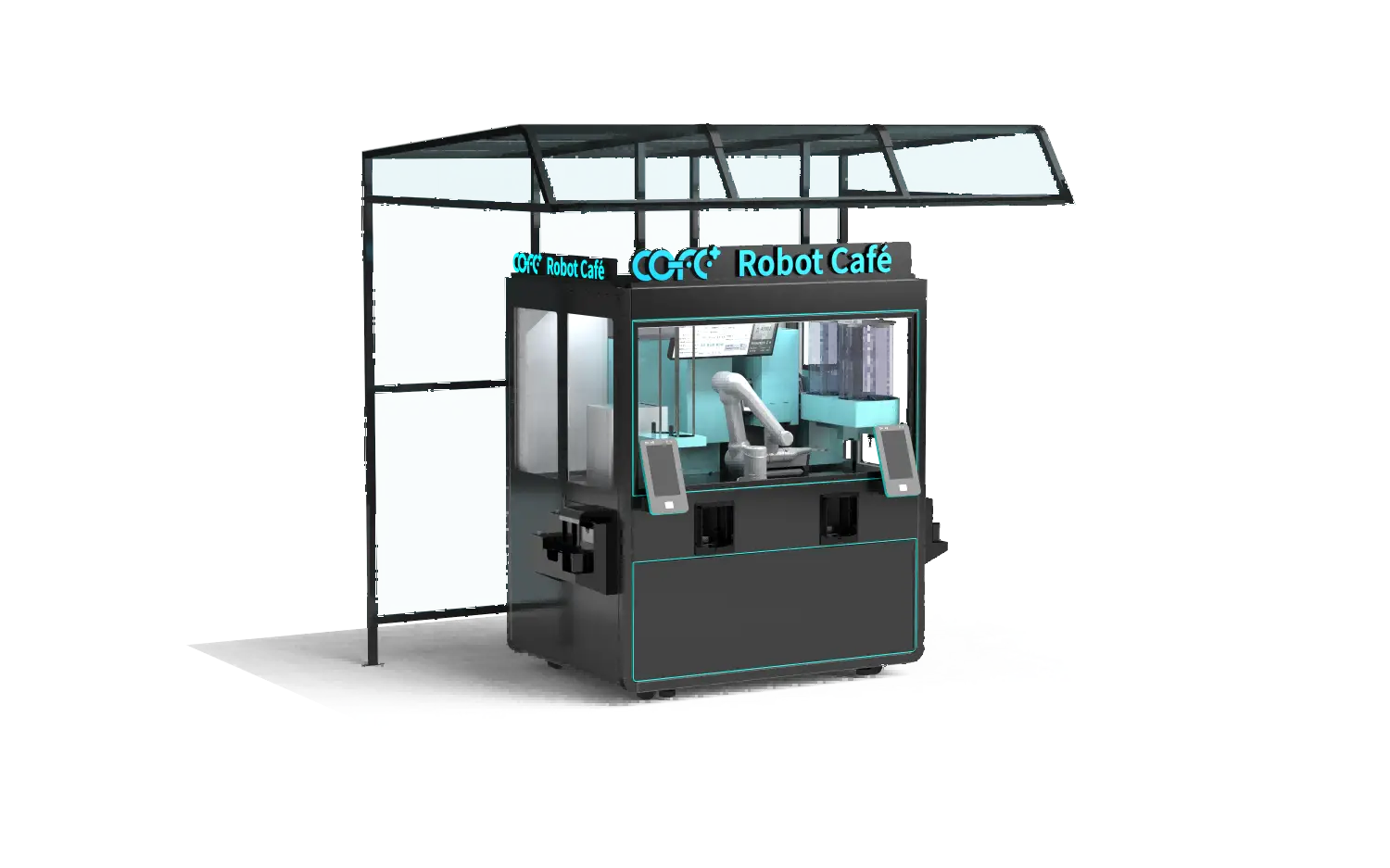
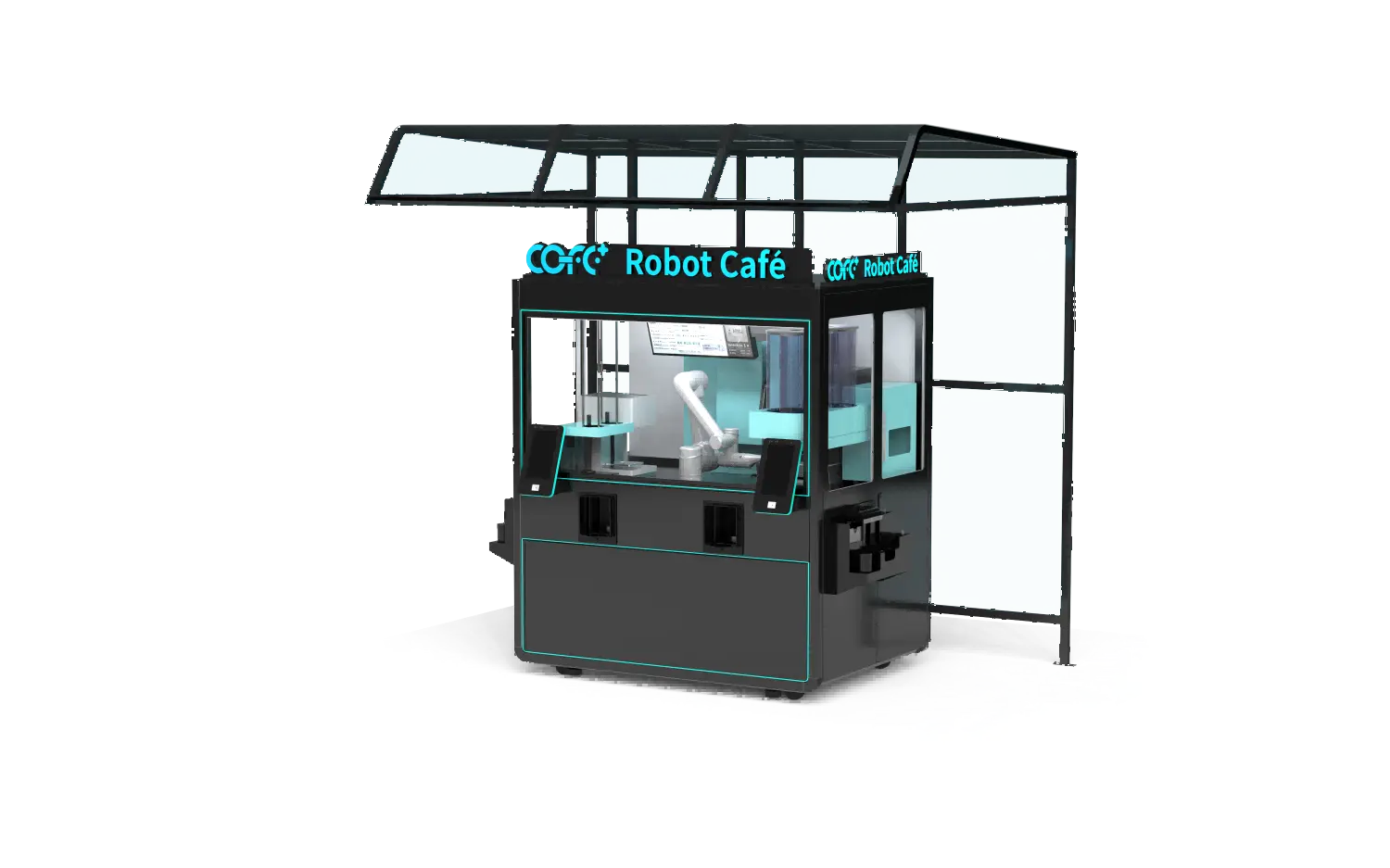
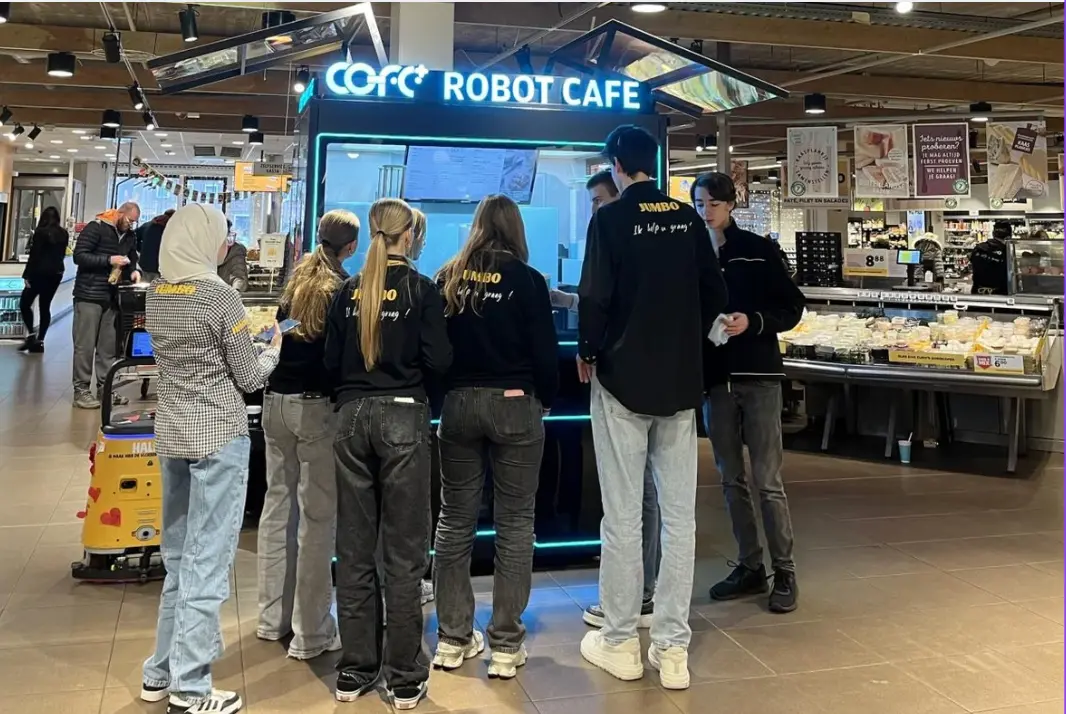
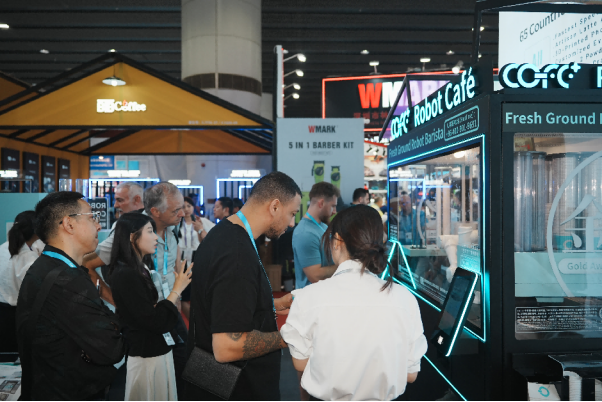
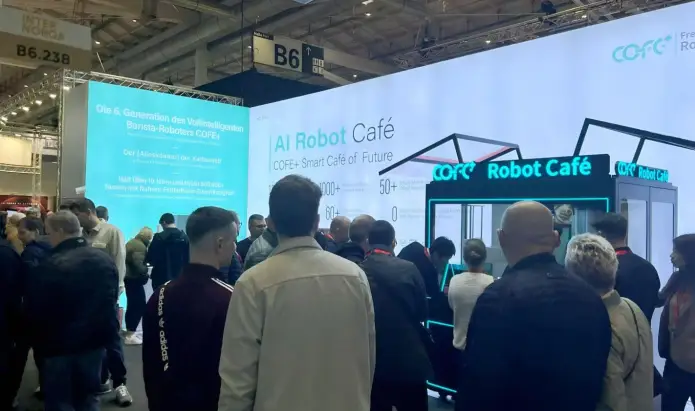
Outdoor robot coffee kiosks capture foot traffic from parks and plazas, yet many operators miss the profit potential in iced coffee because they treat the cold menu as an afterthought. That approach leaves money on the table during the hottest hours when demand spikes. Having deployed COFE+ robot kiosks in markets across over 35 countries, I’ve seen firsthand that the right iced coffee strategy turns a kiosk from a novelty into a high-margin revenue engine. This article breaks down the menu tactics that work: which cold drinks to prioritize, how to price them, when to rotate seasonal offers, and how to run the menu efficiently in an outdoor unmanned kiosk.

Understanding Outdoor Iced Coffee Demand for Robot Kiosks
Outdoor kiosks face a different demand curve than indoor cafés. When the temperature climbs past 28°C, walk-in café traffic often dips while foot traffic near a shaded kiosk in a public square actually increases. The kiosk sits exactly where people want a cold drink without detouring indoors. I’ve observed this pattern repeat across deployments in Southeast Asia, the Middle East, and southern Europe: the midday heat window between 11 a.m. and 4 p.m. can generate 55% to 65% of daily revenue if the iced coffee menu is positioned correctly.
The mistake most operators make is loading the menu with hot‑coffee staples and offering one or two iced variants almost as a concession. At several early COFE+ sites, we deliberately tested a menu that was 70% hot and 30% cold versus a 50/50 split during summer. The balanced menu consistently produced higher total sales because cold drinks increase average ticket value through add‑ons like alternative milks and flavor syrups, and the kiosk’s speed of under 60 seconds per cup keeps queues moving even when iced drinks account for half the orders. A robot kiosk does not tire or slow down in heat, so the conversion from foot traffic to cups served stays predictable.
Designing a High-Margin Iced Coffee Menu
A profitable iced coffee menu for a robot kiosk should be built around five to eight core drinks, each with a distinct margin profile, plus a short set of rotating seasonal items. Start by identifying the three highest‑margin cold formats in your market. In most locations I’ve analyzed, iced lattes with a premium syrup, cold brew, and iced mocha consistently lead on margin because the ingredient cost stays low relative to perceived value.
COFE+ kiosks hold 300‑plus drink recipes and configure over 197 country‑inspired combinations, so the machine capabilities are not the limitation. The constraint is the operational simplicity that keeps restocking cycles manageable. From our field data, sites that limited their menu to a core of six iced drinks and three seasonal specials saw fewer stock‑out events and higher per‑cup margins than sites that tried to offer every possible combination upfront.
| Iced Coffee Item | Approx. Cost per Cup | Suggested Retail | Margin per Cup |
|---|
| Classic Iced Latte | $0.35 | $3.50 | $3.15 |
| Vanilla Iced Latte | $0.38 | $4.00 | $3.62 |
| Cold Brew Black | $0.28 | $3.00 | $2.72 |
| Iced Mocha | $0.42 | $4.20 | $3.78 |
| Matcha Iced Latte | $0.40 | $4.50 | $4.10 |
| Oat Milk Iced Latte | $0.45 | $4.80 | $4.35 |
The table above reflects cost structures I’ve validated across sites using COFE+ hardware, where ingredient dispensing is precision‑metered and waste stays under 3%. The key lever is premium add‑ons: an extra syrup shot that costs $0.05 can support a $0.50 upcharge, and plant‑based milk alternatives routinely lift the ticket by $0.80 to $1.20 with only a $0.10 to $0.15 cost bump.
If your outdoor site serves a location where tourists or office workers are the main clientele, building the base iced coffee lineup to include one no‑sugar option and one plant‑based option as default choices rather than custom requests tends to increase conversion. The menu screen on a robot kiosk can display these top picks first, using the same logic a barista would apply when recommending a drink face‑to‑face.
Seasonal Iced Drinks and Local Adaptations
A static menu ignores one of the biggest advantages of a robot coffee kiosk: the digital interface can be updated across an entire fleet in minutes, without reprinting signage or retraining staff. Seasonal rotations should follow two triggers: weather data and local consumption patterns.
In hot‑dry markets like Riyadh, I’ve seen iced drinks account for over 80% of sales from April through October, with demand for extra‑cold options like blended frappé‑style beverages peaking in July and August. In humid tropical markets like Manila, lighter iced teas and fruit‑infused cold brews outperform heavy dairy‑based drinks. COFE+ kiosks already support these variations because the recipe library includes both Western classics and region‑specific drinks, and operators can activate or deactivate seasonal items remotely.
A practical approach is to rotate three limited‑time iced drinks every six to eight weeks and tie at least one release to a local flavor or ingredient. During deployment planning for a Southeast Asian rollout, we linked one seasonal slot to a calamansi‑citrus iced coffee that leveraged a taste already familiar to local consumers. The novelty of a robot barista preparing a drink with a recognizable regional twist drove higher social media shares and repeat purchases during the first month. Operators who skip local adaptation lose that word‑of‑mouth multiplier.
Operational Tips for Serving Iced Coffee Outdoors
Running an iced coffee menu in the open air introduces challenges that indoor sites never face. Ambient heat accelerates ice melt, high UV exposure can degrade milk quality if the kiosk’s internal cooling is not designed for it, and dust or insects near food‑grade surfaces demand active systems.
The outdoor COFE+ kiosk handles these issues with an IP54‑rated enclosure, UV‑resistant materials, and an anti‑condensation system that keeps internal humidity stable even when the outside temperature shifts by 20°C in a single afternoon. The 85°C high‑temperature auto‑sterilization cycle runs between preparation sequences, so hygiene stays consistent regardless of the external environment. From an operator’s perspective, the main task becomes ice management and milk replenishment scheduling. I recommend stocking enough ice to cover 120% of the projected peak‑hour iced drink volume, not 100%, because restocking a kiosk during a rush hour queue cut into sales that the robot would otherwise capture.
The remote monitoring dashboards we use flag ingredient levels and internal compartment temperatures in real time. Setting low‑ice and high‑temperature alerts to trigger a restocking dispatch when ice drops below 20% capacity avoids the worst outcome: a kiosk that cannot serve iced drinks during the exact hours when customers want them most. For multi‑site operators, clustering restocking routes around the 1 p.m. to 3 p.m. window, when demand is highest, often reduces the number of daily visits needed while keeping the kiosk fully operational through the afternoon heat.
Pricing and Upselling Strategies for Iced Coffee
Iced coffee pricing in unmanned kiosks should not mirror a café menu that bundles labor cost into every cup. The robot eliminates the barista wage, so the pricing model can be built around ingredient cost plus a location‑adjusted premium that reflects convenience and speed. Across sites we have analyzed, starting the base iced latte $0.10 to $0.30 above the hot latte signals that the cold option is a premium choice, and customers accept that differential because the iced version costs more in cup, ice, and often a larger serving size.
Upselling works differently in a robot kiosk than in a staffed shop. The touchscreen can suggest an extra syrup or an alternative milk at the point of selection with a simple “Add hazelnut syrup for $0.50?” prompt, and our data shows that roughly 35% of customers accept at least one upsell when the offer is presented as a single‑tap addition. Bundling an iced coffee with a pastry is harder in a pure coffee kiosk, but a two‑drink combo for a small discount, framed as “one for now, one for later,” can lift the average order value during morning and lunch peaks.
One underused tactic is linking the robots advertising screen to menu promotion. When the kiosk displays a rotating ad for the current seasonal iced drink, conversion rates on that item have ticked up by 12–18% in our monitored sites. The screen turns the front of the kiosk into a billboard that the machine itself pays for.
Getting Your Iced Coffee Menu Right From Day One
Deploying an outdoor robot coffee kiosk without a data‑backed iced coffee menu plan is like building a storefront and hoping the products sell themselves. The locations that performed best in our global rollout did not guess. They matched core drinks to local taste data, set pricing around margin targets, and used seasonal rotations to keep the menu fresh without overcomplicating the supply chain. Whether you are placing a single kiosk in a shopping plaza or planning a multi‑site network across a hot‑climate city, your iced coffee lineup will be the difference between a kiosk that blends into the background and one that becomes a daily destination. Send your site specs and target market details to sales@hi-dolphin.com or call +86 131 6630 1290, and we will share a recommended starting menu calibrated to your specific location and traffic profile.
Common Questions About Iced Coffee Menus for Robot Kiosks
What iced coffee drinks perform best in outdoor robot kiosks?
Iced lattes with flavor shots, cold brew, and iced mochas consistently lead sales because they balance premium pricing with fast preparation times that keep the kiosk queue short. In coastal and resort locations, iced coconut lattes and iced matcha also perform well. The common factor is that all these drinks can be built in under 60 seconds by a robot, and the ingredient combos create a natural upsell path.
How often should I rotate seasonal iced coffee offers?
It depends on your market. In year‑round hot climates with little temperature variation, rotating every 10 to 12 weeks keeps the menu fresh without confusing regular customers. In regions with four distinct seasons, align rotations with weather changes: launch summer iced specials in late spring, transition to spiced or warm‑compatible cold drinks in autumn, and scale back to a tight core menu in winter when hot drinks dominate.
Can robot kiosks handle plant‑based milks without cross‑contamination?
Yes. In our deployments, the auto‑rinse system between drinks and separate ingredient channels prevent cross‑contamination. I have confirmed this across multiple sites with strict allergen protocols. The COFE+ kiosk also stores each milk type in its own sealed, chilled compartment, so dairy, oat, almond, and soy options stay separated throughout the preparation cycle.
How do I price iced coffee to maximize profit without scaring customers?
cURL Too many subrequests by single Worker invocation. To configure this limit, refer to https://developers.cloudflare.com/workers/wrangler/configuration/#limits
cURL Too many subrequests by single Worker invocation. To configure this limit, refer to https://developers.cloudflare.com/workers/wrangler/configuration/#limits
cURL Too many subrequests by single Worker invocation. To configure this limit, refer to https://developers.cloudflare.com/workers/wrangler/configuration/#limits