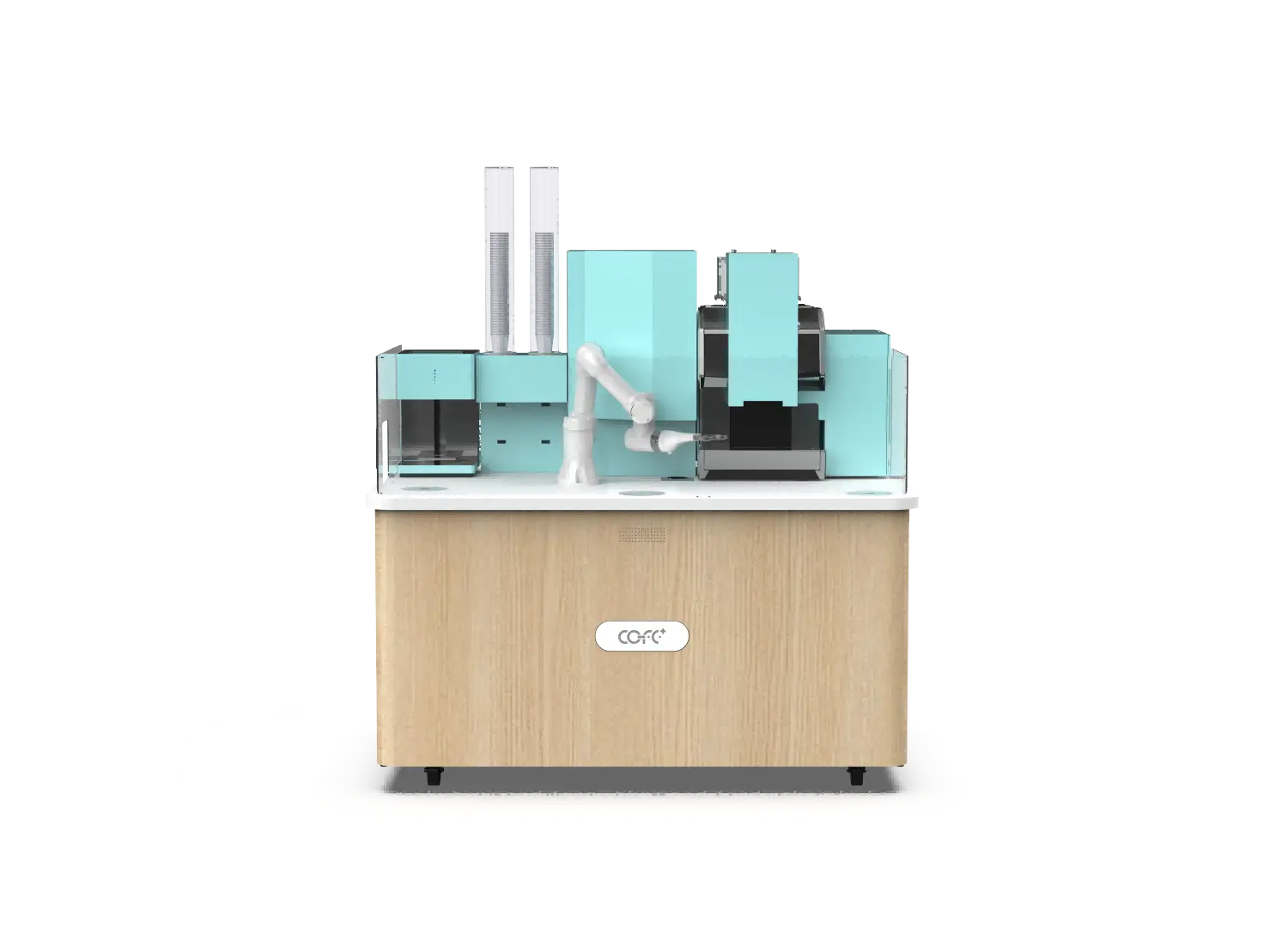
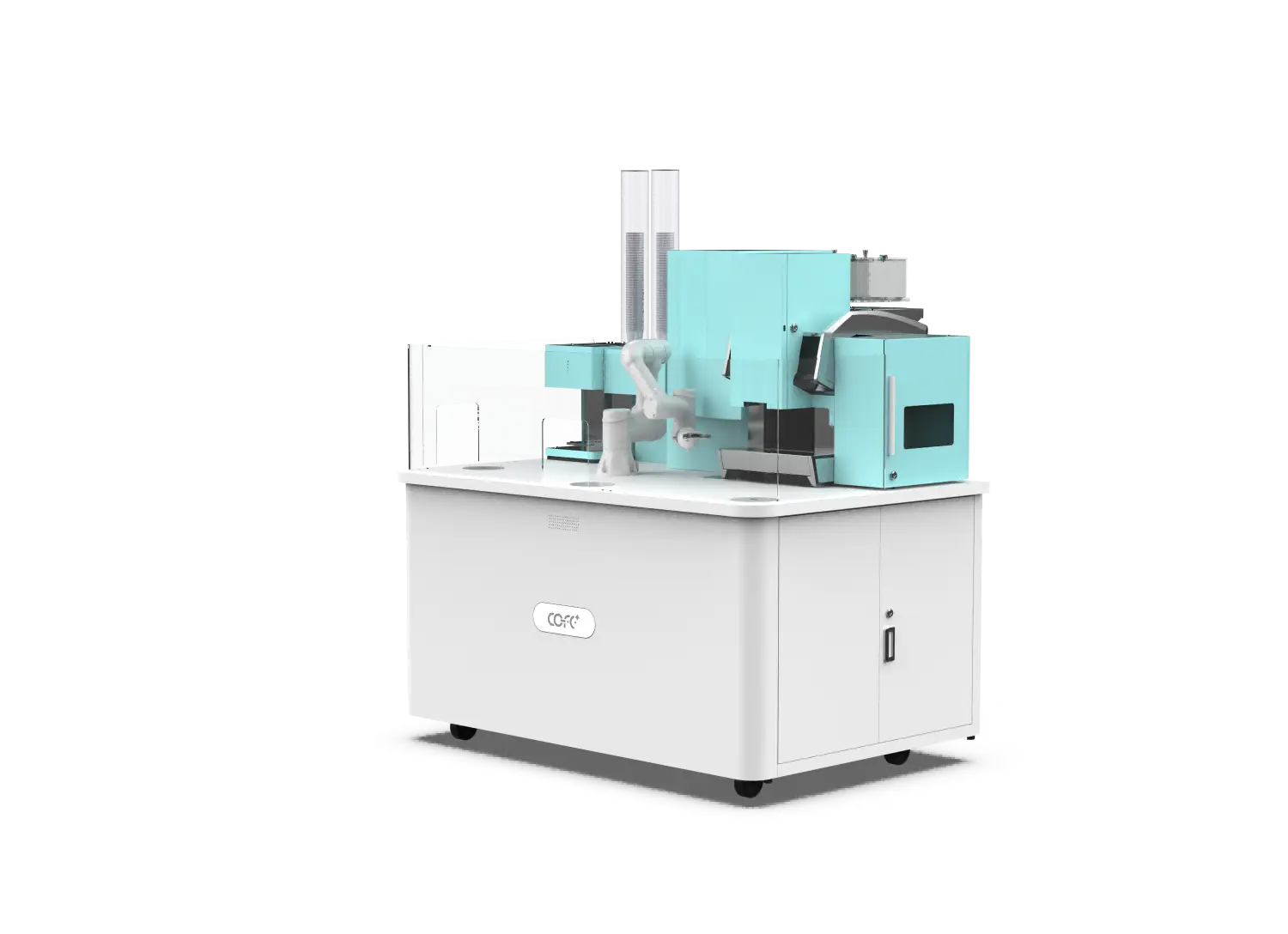
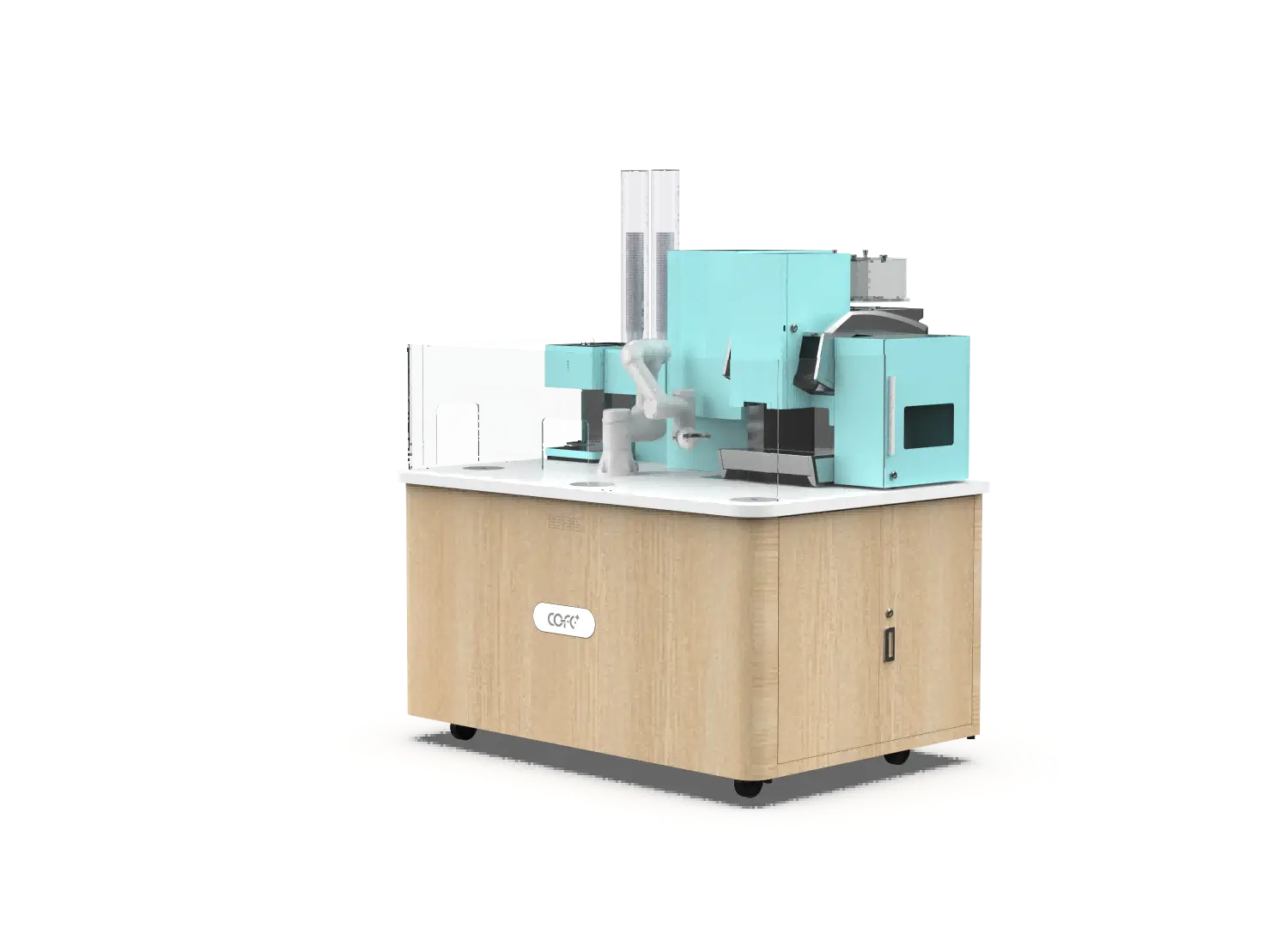
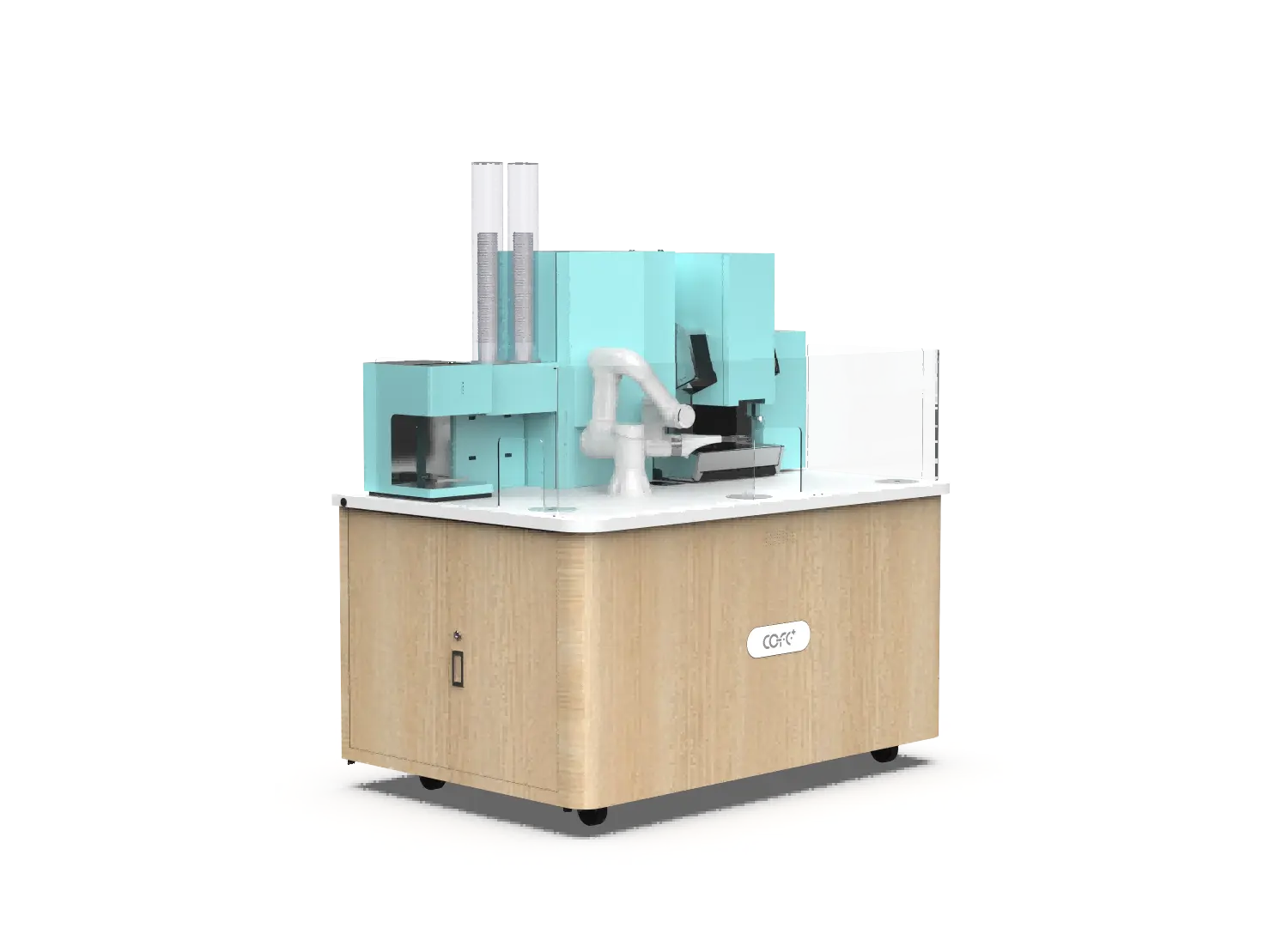
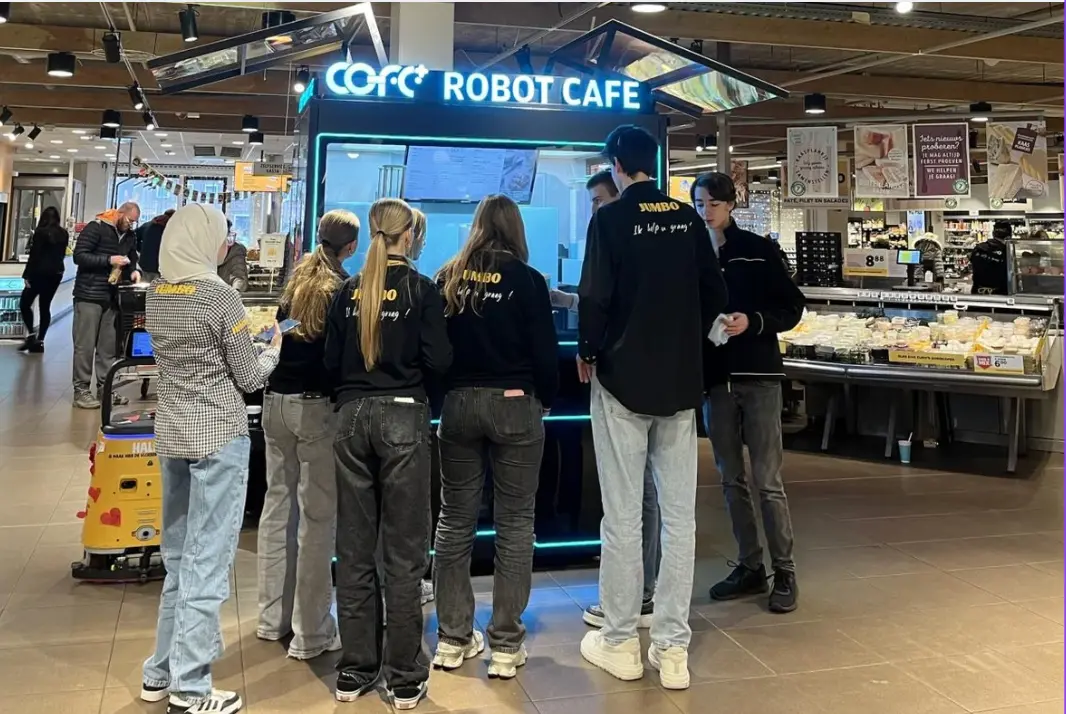
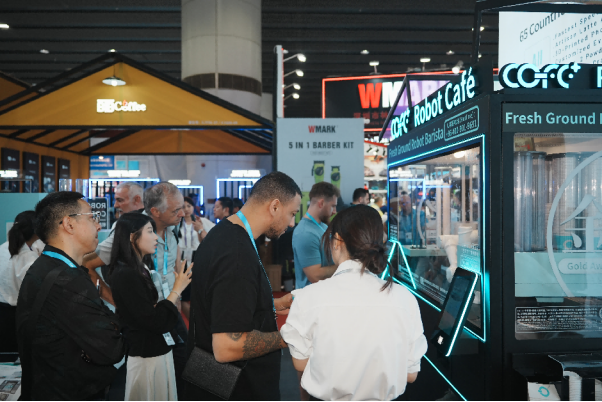
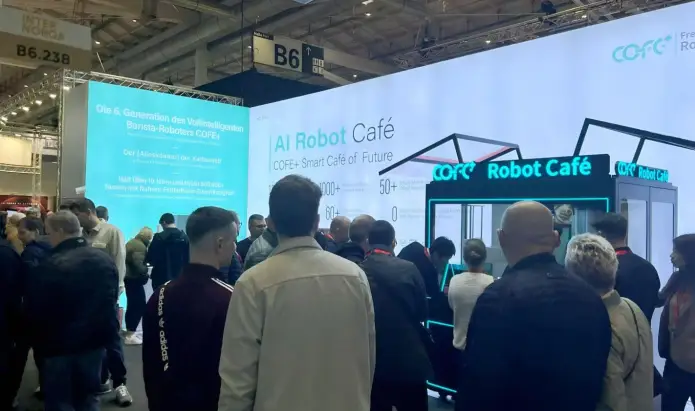
Local buyers rarely commit to an automated coffee system from a specification sheet. A robot coffee kiosk demo site shifts the conversation from claimed performance to observed performance. Prospects watch the machine grind, brew, and serve without staff, then measure the economics in their own market. I’ve seen shopping mall operators move from polite skepticism to site planning after watching a COFE+ 7th generation kiosk run during one lunch peak. The purpose is not to display hardware. The purpose is to run a low-risk commercial pilot that proves throughput, cup quality, and cashless conversion under real local foot traffic.
What Should a Robot Coffee Kiosk Demo Site Prove?
A local demo has one job: reduce the buyer’s perceived risk in the areas that decide a purchase. Repeatable cup quality comes before anything else. The COFE+ kiosk stores barista-level recipes digitally, so cup 100 should match cup 1. Operators also want proof of unattended throughput during a real rush. The 7th generation unit serves a cup in 43 to 60 seconds and can run continuously, which gives a buyer a realistic read on daily capacity instead of trusting a product sheet. Cashless conversion is the third test. If the payment flow confuses first-time users, the commercial case weakens before cup sales become the main conversation.

Which Local Locations Turn Demos Into Purchases?
Choosing a demo location by raw foot traffic alone is a mistake. A demo should sit where the champion buyer already feels ownership of the space. A mall operator will pay attention to a kiosk in their center. An office asset manager will pay attention to a unit in their lobby. The behavior we want is a local stakeholder watching the machine during their own peak period instead of visiting a distant showroom.
| Setting | What the demo should prove | Recommended COFE+ format |
|---|
| Atrium de centre commercial | Peak-hour throughput and cashless flow | Kiosque intérieur |
| Office lobby or campus | Recurring weekday sales and low staffing | Comptoir de café robotisé |
| Outdoor plaza or transit entry | All-weather operation and queue behavior | Kiosque extérieur |
| Hotel or lounge | Premium experience and visual engagement | Bar à café robotisé |
The kiosk footprint stays compact at 2.35 square meters, so it can fit without construction. For outdoor sites, the all-weather model is built for temperatures from minus 20 to 45 degrees Celsius, which matters in markets where seasonal extremes shape deployment decisions.
If your demo site includes outdoor exposure or unclear water access, it is worth confirming the enclosure rating and drainage layout before finalizing the location. Email sales@hi-dolphin.com with your site dimensions and we will confirm the right configuration for the local climate.
How Should You Set Up the Demo for Operational Proof?
Most demo problems are not robot problems. They are facility problems: power, water, drainage, and internet. A slow start caused by an overloaded circuit feeds a false impression that the machine is difficult to deploy. We ask local teams to confirm utility loads before the unit arrives. The indoor kiosk runs on 110V or 220V systems, and the compact design needs no heavy renovation. Site setup is the moment to show how fast a unit can move from delivery to first cup.
Utility and Site Readiness
Successful demos have a clear power point, a water supply plan, and a drainage route. If any of the three is unresolved, the site visit becomes a project meeting rather than a sales moment.
Menu and Inventory for the First Two Weeks
For the first two weeks, we keep the menu short: espresso, latte, americano, and one local favorite. The 7th generation platform can handle 300 plus drinks, but a demo should not turn into a menu tour. Inventory is easier to manage with fewer syrups and milk options, and operators see consistent speed.
Who Should Be On Site
The machine is unattended, but the demo is not. One person should stay nearby to answer questions and handle refills, not to operate the machine. Their job is to capture the specific objection a visitor raises, because that objection is the next sales conversation.
Which Metrics Matter Most at a Robot Coffee Kiosk Demo Site?
Total cup count can hide more than it reveals. A site that sells 200 cups on a free-sample day proves little about repeat demand. The stronger indicators are peak-hour throughput, repeat purchase rate, cashless completion rate, and downtime events. Cost per cup matters for the operator, and the COFE+ economics sit between about 30 and 70 cents per cup. That range gives the buyer a simple way to model margin after ingredient and utility costs. In my view, the metric that separates serious buyers from spectators is the repeat purchase rate. First-time curiosity converts once. A second purchase signals that speed, taste, and payment flow cleared the local threshold.
How Do You Move From a Demo Site to Local Deployments?
A demo site proves demand in one location. The next step is turning that proof into a rollout plan for the buyer’s actual portfolio. That conversation shifts from the machine to conditions: service density, certification requirements, installation timelines, and local compliance. Hi-Dolphin operates in more than 35 countries, so the local unit does not have to be managed from a blank page. If you are evaluating a demo site or ready to convert a successful pilot into a deployment plan, send your site dimensions, foot traffic estimate, and target monthly cups to sales@hi-dolphin.com or call +86 131 6630 1290. We will return an operational plan and a shortlist of configurations matched to the local market.
What Do Local Buyers Ask Before They Commit?
How long does the demo setup take?
Most site-ready demos can move from delivery to first cup within one day once power, water, and drainage are confirmed. The longer variable is site approval, not machine installation. If the landlord has not cleared the location, the demo waits on paperwork even though the kiosk itself needs a compact footprint and no heavy renovation. We keep the first-day menu short so the site starts fast and the buyer sees the operational point immediately.
Do we need a barista to run the demo?
A common worry is that an unmanned kiosk still needs a hidden operator. It does not. The machine handles grinding, extraction, latte art, and serving without staff. One person should be present to answer questions and manage refills, but that person is not making drinks. The value of the demo is precisely that a non-barista can oversee the site while the robot maintains the same sequence for every cup.
Does an outdoor demo work in extreme weather?
It depends on the local climate and the specific enclosure. The outdoor kiosk is built for all-weather use from minus 20 to 45 degrees Celsius, with an IP54 rating and an enclosed waste system. In very hot markets, shade and ventilation still matter for the surrounding area even though the machine is designed for direct use. Buyers should confirm the site’s exposure, not just the machine’s rating.
What if a local buyer wants a different format than the demo unit?
In several markets we have used a central indoor kiosk demo while the buyer’s target property needed a robot coffee counter or an outdoor unit. The core proof carries across formats because the same brewing, payment, and remote monitoring system runs the family. Buyers can inspect the demo unit for consistency and then choose the form factor that fits the site. If your portfolio mixes indoor and outdoor locations, send the site types and local service requirements to sales@hi-dolphin.com and we will confirm which configurations fit before you order.