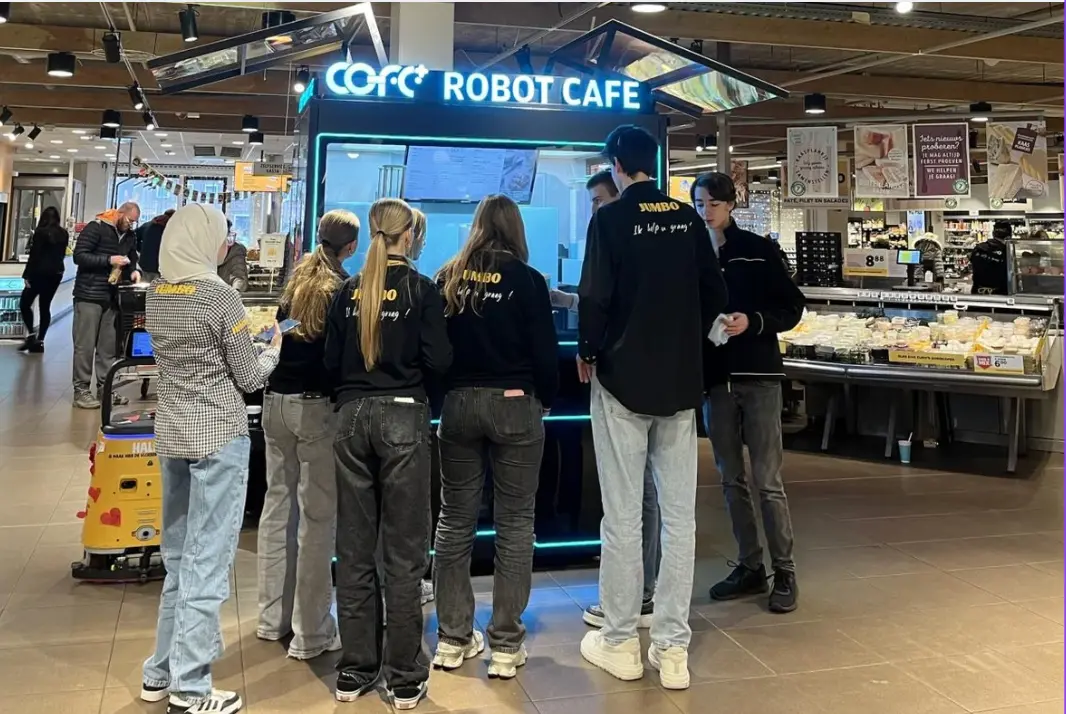
The Rise of Professional Robotic Café Technology: What COFE+ Is and Why It Matters
TL;DR — COFE+ is a fully automated robotic coffee kiosk that grinds fresh beans, brews espresso and lattes, creates latt……

A robot coffee kiosk distributor marketing plan has roughly 90 days to prove whether a territory can produce buyers. The version that works treats weeks 1 to 30 as pipeline construction, weeks 31 to 60 as buyer qualification, and weeks 61 to 90 as multi-unit conversion. The target is one anchor client and three qualified pilot commitments. That proof set can then scale into a real territory. This article maps that sequence for distributors and B2B sales teams selling COFE+ robot coffee kiosks to property owners, retail groups, and transit operators. Each section gives concrete actions, not broad theory.
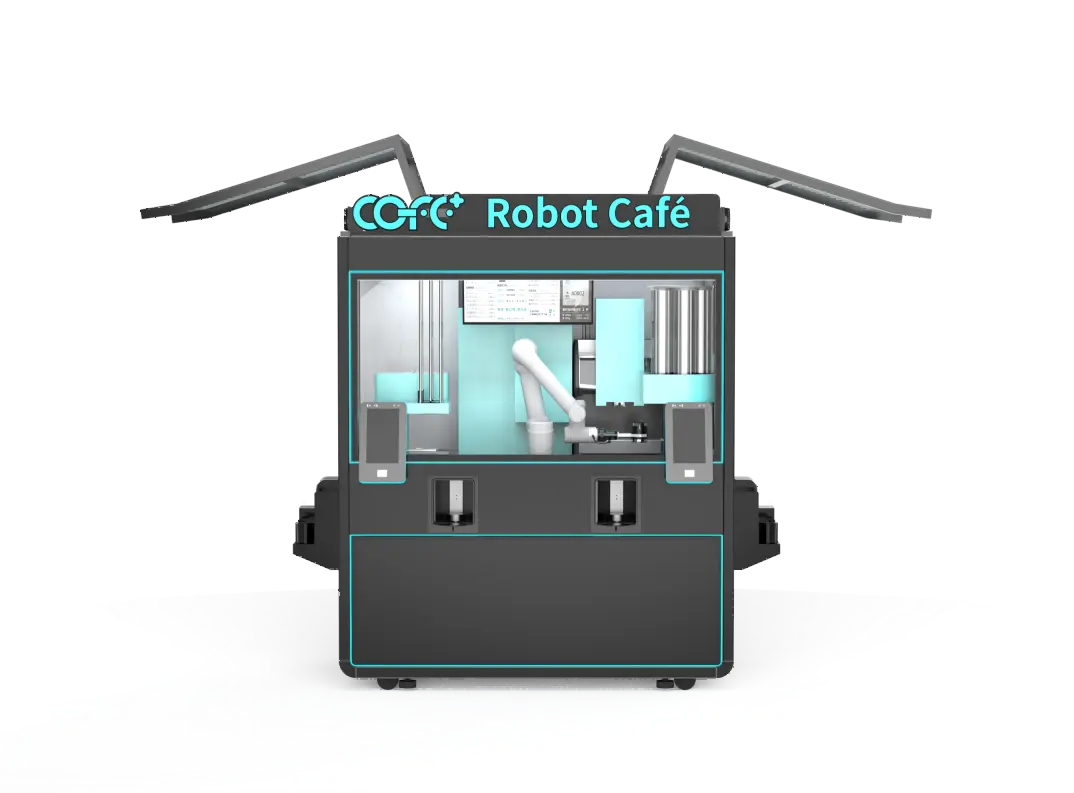
Most distributor marketing plans start with paid ads and a brand video. That is backwards for a robot coffee kiosk distributor because the first closing depends on site fit, not general awareness. Spend the first 30 days turning your territory into a qualified property list: shopping malls, transit hubs, airports, hospitals, universities, hotels, and large office campuses. For each site, record daily foot traffic, available power, water, drainage, internet access, and the landlord’s approval cycle.
By day 15, select one high visibility demo site where the operator wants a working unit, not a brochure. A strong demo can be placed near a mall entrance, a transit waiting area, or a hotel lobby. The goal is to convert a curious property owner into a pilot commitment. That gives the rest of the 90 day window a live proof point for every later sales conversation.
| Window | Primary Objective | Key Actions | Exit Criterion |
|---|---|---|---|
| Weeks 1 to 30 | Build a qualified property list | Map 50 candidate sites, select one demo site, confirm utility readiness | Three signed pilot commitments |
| Weeks 31 to 60 | Qualify buyers and avoid wasted demos | Run a five point scorecard, confirm budget authority, schedule live demos | Four qualified meetings per week |
| Weeks 61 to 90 | Convert pilots into multi-unit commitments | Review pilot data, propose multi-site rollout, negotiate territory terms | One anchor order or three additional units |
A distributor’s most expensive mistake is spending demo hours on property owners who cannot approve a purchase. In weeks 31 to 60, run every lead through a five point scorecard before scheduling a physical demo. The five points are budget authority, site approval process, expected daily cups, power and drainage readiness, and willingness to sign a pilot agreement. A lead that scores low on budget authority will stall no matter how good the demo is.
Use the first contact to ask four questions: Who signs the purchase order? How many sites do you manage? What is the highest traffic hour at the proposed location? Can the facility team provide power and water drawings within ten days? These questions do more than filter; they show the property owner that you are evaluating the site as seriously as they are.
A practical qualifier at this stage is expected volume. If a proposed location cannot realistically produce at least 80 cups per day, it may still work as a marketing showcase, but it should not consume a distributor’s best sales hours early in the quarter. Focus demo scheduling on locations where the operator controls multiple sites or has a stated expansion plan.
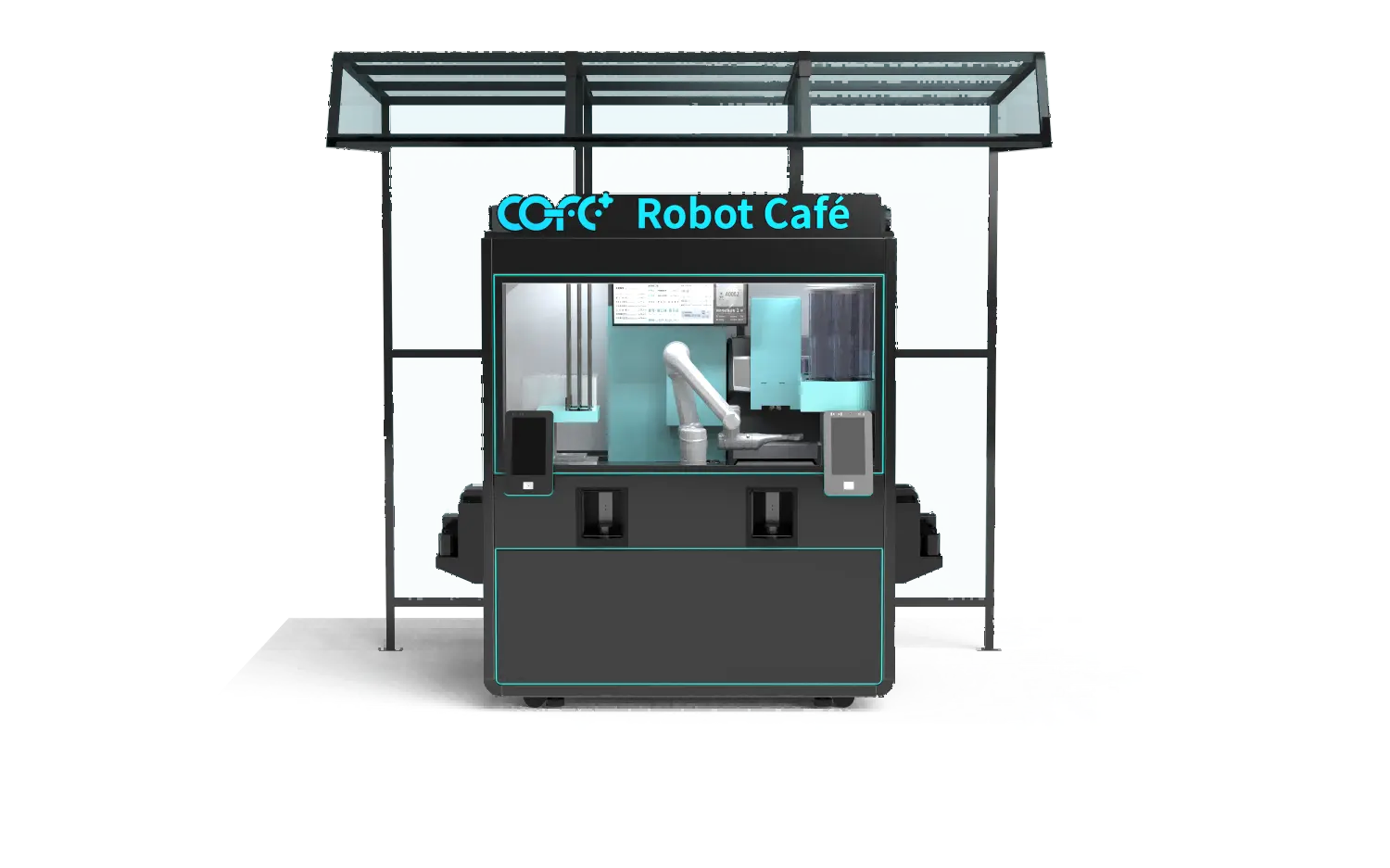
If your territory includes outdoor transit sites or locations with freezing winters, it is worth confirming the kiosk’s all-weather operating range and utility requirements before finalizing your shortlist. Send the site address, available power, and drainage details to sales@hi-dolphin.com.
The final 30 days should convert pilot performance into purchase decisions. Pull three numbers from the pilot site: cups served per day, uptime percentage, and repeat customer rate. Then put those numbers in a one page summary for the property owner. A COFE+ indoor kiosk can serve roughly 1,000 cups per day with a cycle time of 43 to 60 seconds, so underperformance is usually a location problem, not a machine problem. That distinction changes the sales conversation from product doubt to placement optimization.
For multi-unit proposals, structure the rollout by site type. A distributor should show the buyer how one model works in a shopping mall, another works in a transit hub, and a coffee bar format fits a hotel lobby. This lets the buyer commit to two or three formats without feeling locked into one footprint. It also positions the distributor as a system supplier rather than a single machine vendor.
The strongest conversion move at this stage is the 30 day pilot data packet. Include daily sales, peak hour throughput, maintenance alerts, and customer feedback. When the buyer sees stable operation and no staffing requirement, the discussion moves away from whether a robot coffee kiosk can work and toward how many sites the buyer should launch next.
Most sales cycles stall because distributors lack the right asset at the right moment. A 30 second video of the robotic arm and 3D latte art can close the novelty gap. A one page site survey covers power, water, drainage, and internet, so the landlord’s facility team can approve the plan without a second meeting. An ROI sheet tied to local cup prices turns a technical conversation into a property yield conversation.
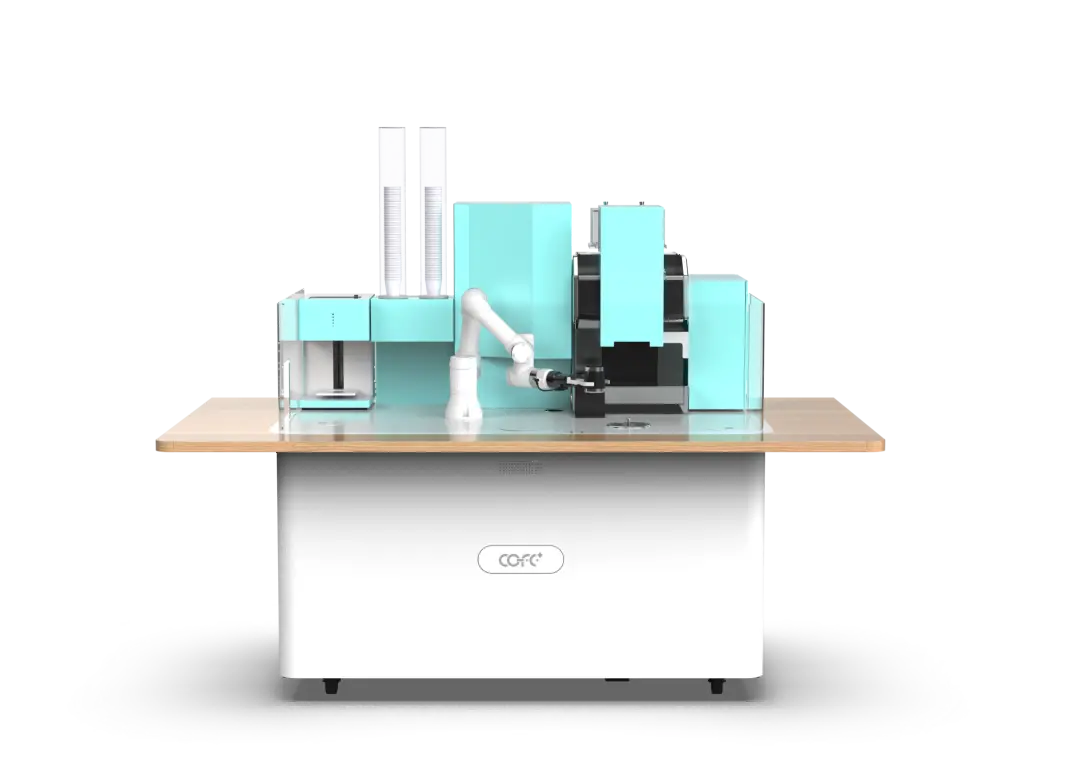
The table below gives a simple reference for matching the product format to the buyer’s site type.
| Format | Footprint | Daily Capacity | Best Placement |
|---|---|---|---|
| Indoor Kiosk | 2.35 m2 | about 1,000 cups | Shopping malls, offices, hospitals |
| Outdoor Kiosk | compact all-weather unit | about 1,000 cups | Transit hubs, parks, stadiums |
| Robot Coffee Bar | about 2 m2 folded | 24/7 unattended | Hotels, airports, co-working spaces |
| Robot Coffee Counter | about 2 m2 | 24/7 unattended | VIP lounges, showrooms, galleries |
I have seen distributors close mall operators in under three weeks when they present the utility checklist with the first site walk, because the facility team can approve the plan without scheduling a second technical visit. That is the point of a strong asset set. It removes the hidden operational questions that delay approval.
A distributor loses the first 90 days when no demo unit is available and no territory rules are defined. Hi-Dolphin supplies COFE+ demo kits, technical site survey checklists, and territory review guidance so you can open the quarter with a working kiosk in front of a real buyer. Choose one concrete next action: send your territory map and first three candidate sites to sales@hi-dolphin.com, or call +86 131 6630 1290 to schedule a product demonstration and review current distributor terms. This step converts a marketing plan into a working pipeline.
One strong demo site beats five weak site visits. Select a location with meaningful daily foot traffic and a landlord who can approve within two weeks. This single site becomes the working reference for later mall, transit, and hotel conversations. It lets a distributor show actual uptime, cup speed, and customer reaction rather than a generic product video. The key is to commit early to a site that the operator wants to activate quickly, not to spread limited setup capacity across multiple locations.
Not if the maintenance burden is handled remotely. A common assumption is that a distributor must first hire installation and service staff, but the smarter sequence is to sell one pilot and then add a technician when the second site is signed. COFE+ units include cloud monitoring, remote diagnostics, and automatic cleaning, so the first 90 days can operate with a distributor principal and one trained operator. This keeps early cost low while the territory proves which sites need more field coverage.
It depends on whether you sell units or operate the first kiosk yourself. In a unit sales model, a distributor can reasonably target one anchor order and three pilot commitments in the first quarter. In an operating model, a location selling 100 cups per day at a $1.00 contribution margin produces roughly $9,000 over 90 days before location fees. Both models depend on site quality, so the more useful measure is whether the territory has enough qualified locations to support a structured pipeline.
I have seen early exclusivity signings stall when a distributor holds rights but has no operating demo to show demand. Territory exclusivity works best after the first pilot performs, because that gives both sides a measurable basis for territory size. A better sequence is to request a short right of first refusal for the initial territory, then convert to broader rights after the demo site shows stable daily sales. If you are considering territory terms, share your target region and first three sites with sales@hi-dolphin.com and we will confirm current distributor availability.
TL;DR — COFE+ is a fully automated robotic coffee kiosk that grinds fresh beans, brews espresso and lattes, creates latt……
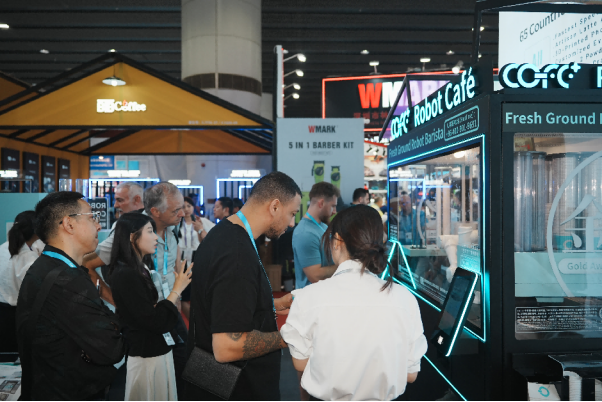
7th-Genertion Smart Robot Coffee Kiosk Arrives at the Belt and Road Core Hub, Ushering in a New Service Era Along t……
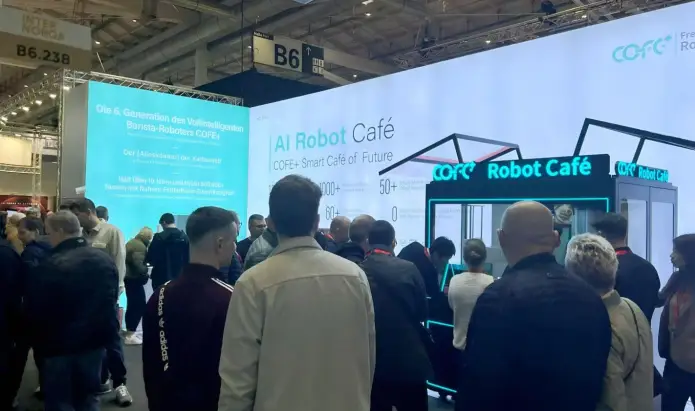
CHICAGO, May 12, 2026 (GLOBE NEWSWIRE) – Shanghai Hi-Dolphin Robot Technology today announced the U.S. debut of its 7th‑……