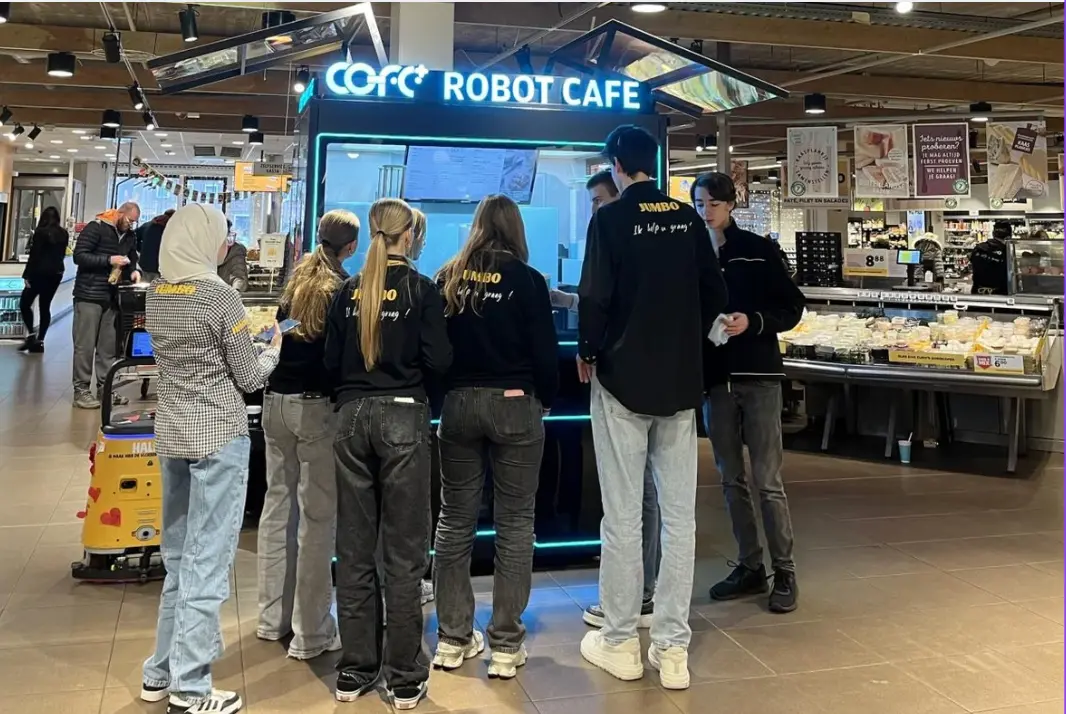
The Rise of Professional Robotic Café Technology: What COFE+ Is and Why It Matters
TL;DR — COFE+ is a fully automated robotic coffee kiosk that grinds fresh beans, brews espresso and lattes, creates latt……

Most new market pitches for robot coffee kiosks stall for a quiet reason. The sales team leads with machine capability, while the buyer is calculating personal risk. A case study closes that distance when it reflects the buyer’s next decision, not the vendor’s proudest deployment. In my work across unmanned retail rollouts, I have watched the same COFE+ specification land differently in two markets because the evidence was not translated into the local decision frame. This article explains how to build robot coffee kiosk case studies that move new market buyers from interest to action, even before a local unit exists.
A product sheet lists what a machine can do. A case study answers what happened when a similar operator chose a site, opened the service, and managed the queue. In a new market the second answer carries more weight because the buyer has no local reference to absorb risk. A facilities director who has never seen a robotic barista will not be moved by a 120-patent statement the way an early adopter might. That director wants to know whether the kiosk kept the line moving during a morning rush, what failed once, and who fixed it.
When we enter a region without existing installations, the case study becomes a pre-built answer to the buyer’s silent question: has this worked for someone whose constraints look like mine? That question is harder to answer than “is your product good,” and it is the question that moves deals. I have seen too many market entries delay because the team waited for a local testimonial that was never required. The faster move is to repackage operating evidence around the buyer’s constraints.
Strong robot coffee kiosk case studies separate operating proof from visual enthusiasm. They name the site type, daily throughput, cup cost, uptime, and the local compatibility points a buyer must verify before signing a lease or import order.
| Evidence area | Specific detail | Why it matters in a new market |
|---|---|---|
| Daily throughput | Up to 1,000 cups per day | Calibrates revenue potential without barista staffing |
| Cost per cup | $0.30 to $0.70 for ingredients and consumables | Shows margin after local supply costs |
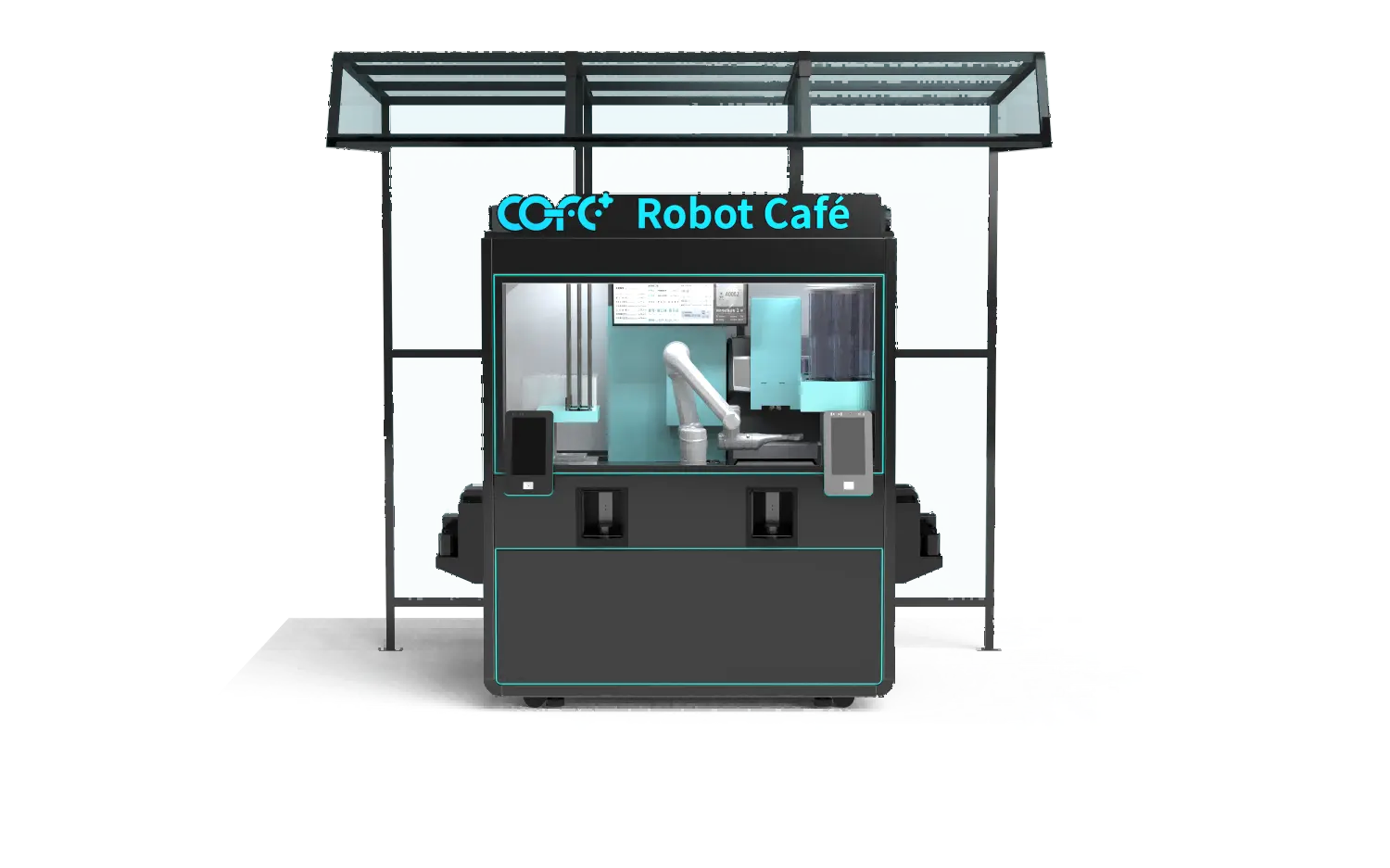
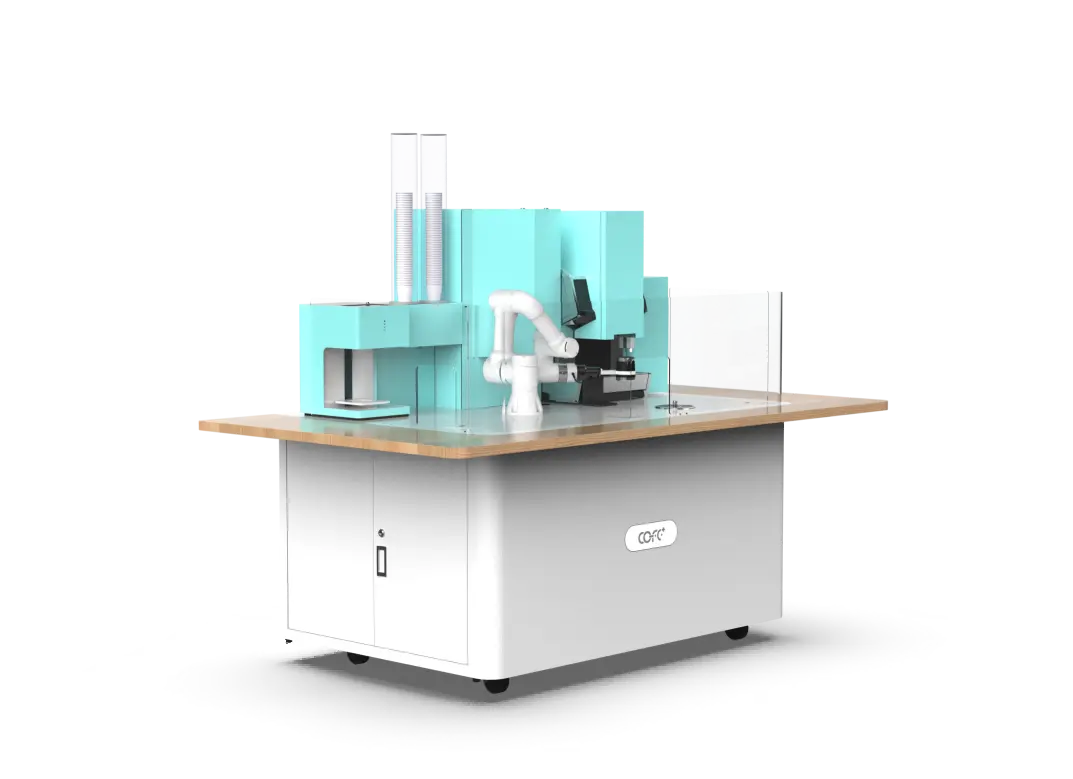
| Footprint | 2.35 m² indoor kiosk or 2 m² counter model | Confirms the space works in the available slot |
| Menu range | 300+ drinks and 197 country-inspired recipes | Reflects local taste adaptation before launch |
| Environment range | Indoor or all-weather outdoor, -20°C to 45°C | Confirms climate fit without a local pilot |
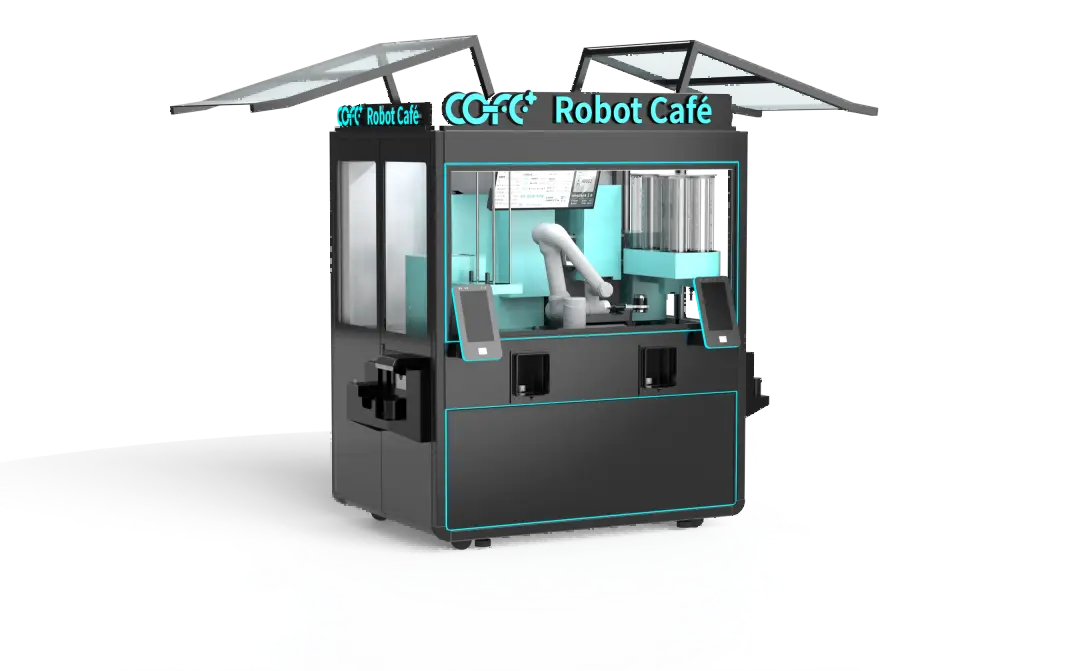
Daily throughput, cost per cup, uptime, and service latency. A buyer evaluating a train station needs to know the kiosk can serve a queue of 40 people without stalling. A hotel buyer cares more about drink consistency and visual appeal. The same evidence base can produce three different case narratives depending on which number anchors the story. I prefer to anchor every case study in at least one measured operating result rather than a percentage improvement with no source.
Payment rail, voltage, water access, drainage, and food contact materials. In one region a kiosk may need to connect to a local wallet; in another the buyer needs to know whether the unit holds CE, UKCA, KC, or SASO certification. A case study that omits these details forces the buyer to ask questions the sales team should have answered. When we build pre-deployment evidence, we map the target market’s infrastructure first.
A new market does not need a local success story before the first sale. It needs comparable evidence arranged around infrastructure, demand pattern, and payment culture. I build early-stage case studies in four steps.
If your new market has unusual electrical or payment requirements, that changes which case study evidence to emphasize. Send your site voltage and payment method to sales@hi-dolphin.com before you commit a sales narrative to it.
A case study that works for a real estate owner will lose a distributor. Both buyers face different risks. The evidence stays the same; the opening frame changes.
| Buyer | Primary concern | Case study evidence to lead with |
|---|---|---|
| Real estate owner | Revenue per square meter, idle space | Footprint, daily throughput, revenue share |
| Chain operator | Consistency across sites, labor savings | Digitized recipes, 300 consecutive cup consistency |
| Distributor | Duty, certification, serviceability | FDA, CE, UKCA, KC, SASO, remote diagnostics |
| Facility manager | Installation, utilities, uptime | Power, water, drainage, cloud monitoring, 24/7 operation |
A single robot coffee kiosk case study can be reassembled for each audience without inventing new claims. The facts stay identical. The first sentence changes. That discipline matters because new market buyers talk to each other, and inconsistent stories travel faster than consistent ones.
New market buyers rarely reject the robot coffee kiosk concept. They hesitate because they cannot yet verify the numbers in their own currency, payment system, and site type. That hesitation is not an objection to robotics. It is a request for localized evidence.
We work with operators and distributors to translate the COFE+ operating data into a market-specific model before a unit is ordered, then confirm the inputs with a pilot if needed. Send your target location type, daily traffic estimate, and local payment requirement to sales@hi-dolphin.com or call +86 131 6630 1290. We will confirm which kiosk configuration and evidence set fit the market before you commit capital.
A 7th Generation kiosk can move from site approval to first cup in roughly one to two weeks when utility connections are already in place. The exact timeline depends on site preparation, local electrical certification, and import clearance. In most market entries I have reviewed, the longest wait is not the machine installation but the site approval and payment certification. A pre-built site checklist shortens that gap.
Many teams assume they need a local case study before they can sell anything. In practice, buyers accept comparable market evidence if it matches their operating conditions. The evidence that matters is daily throughput under similar foot traffic, cost per cup with local ingredient pricing, and uptime in a comparable climate. Certification alignment is part of the same calculation because a buyer in a new market checks compliance before performance.
It depends on the region. For North America and Europe, FDA and CE are the starting points. For the United Kingdom, UKCA matters. For Korea and Saudi Arabia, KC and SASO apply. The case study should name only the certifications relevant to the buyer’s market. Listing irrelevant marks dilutes the story. A buyer who sees the right certification in a comparable deployment moves faster than one who has to ask.
Yes. The COFE+ 7th Generation menu includes more than 300 drinks and recipes inspired by 197 countries, with customization across beans, milk, syrup, roast, and cup size. In deployments I have evaluated, the local menu layer matters more than the base coffee capability. Narrowing the menu to five or six high-repeat local drinks often outperforms a larger global list. Share your menu preference and site type with sales@hi-dolphin.com and we will confirm the right configuration.
TL;DR — COFE+ is a fully automated robotic coffee kiosk that grinds fresh beans, brews espresso and lattes, creates latt……
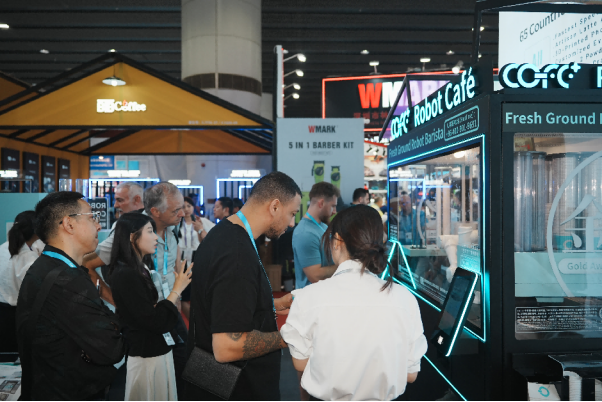
7th-Genertion Smart Robot Coffee Kiosk Arrives at the Belt and Road Core Hub, Ushering in a New Service Era Along t……
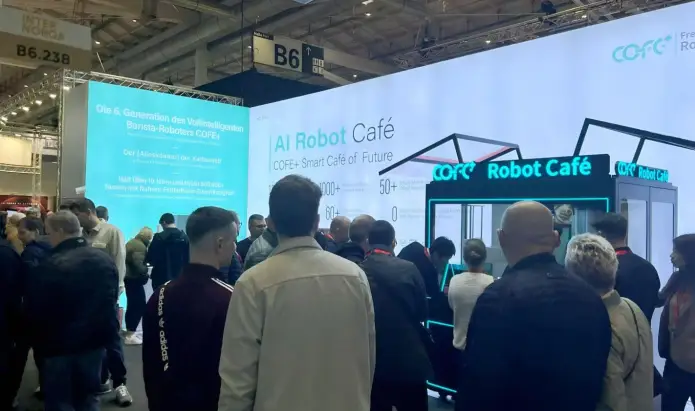
CHICAGO, May 12, 2026 (GLOBE NEWSWIRE) – Shanghai Hi-Dolphin Robot Technology today announced the U.S. debut of its 7th‑……