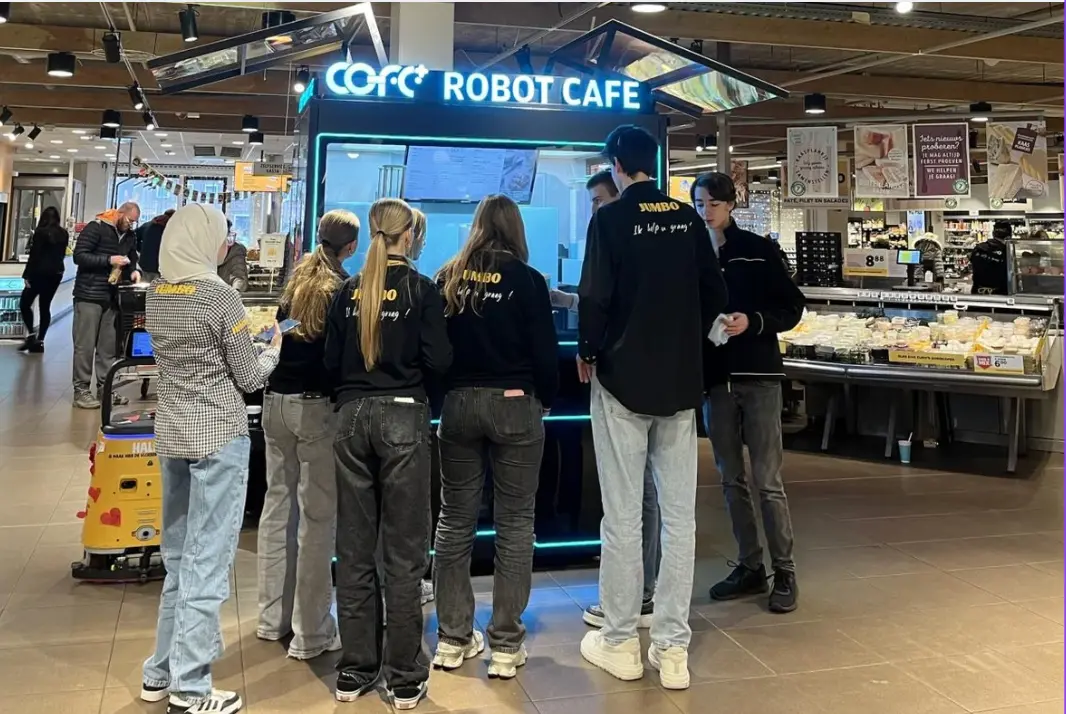
The Rise of Professional Robotic Café Technology: What COFE+ Is and Why It Matters
TL;DR — COFE+ is a fully automated robotic coffee kiosk that grinds fresh beans, brews espresso and lattes, creates latt……

Most robot coffee kiosk lead generation efforts fail because sales teams chase interest instead of economics. A prospect who finds automation intriguing is not the same as a prospect who can see a payback model in one sitting. Those two buyers convert differently. I have watched sales teams burn months on broad LinkedIn campaigns and trade show badge scans while a hospital wing sat empty with a 24/7 staff rotation. Lead generation for robot coffee kiosks has to start from the site, not the cold list, because these machines sell on unit economics a venue owner either already understands or can grasp in one clear conversation.
Before building any list, decide which buyer is worth a follow-up. The fastest conversions come from property owners and landlords who control underutilized space in venues with foot traffic: shopping malls, airports, university campuses, offices, hospitals, and transit hubs. For these buyers, a robot coffee kiosk is incremental revenue against space that currently earns nothing. The conversation is short because the budget is not new capital; it is the difference between zero and a rent share.
The second fastest group is operators who already run coffee or food service across several locations and want to open new sites without hiring baristas. They understand the operational math and respond to labor cost reduction and consistency across locations. The slowest initial conversions are channel partners and distributors, but they bring scale once territory economics are clear.
| Buyer profile | What they control | Primary trigger | Typical speed |
|---|---|---|---|
| Property landlord | Space and lease terms | Idle square meters | Fastest |
| Multi location operator | Existing locations and capex | Labor shortage and consistency | Fast |
| Facilities director | Building amenity budget | 24/7 staff service need | Moderate |
| Distributor | Local sales channel | Territory margin model | Slowest |
I have learned to push sales teams away from volume based prospecting on job titles and toward a short qualification pass on the three buyer types above. The property landlord who manages a food court corner and the distributor who wants five territories are not the same conversation, and they should not receive the same first message.
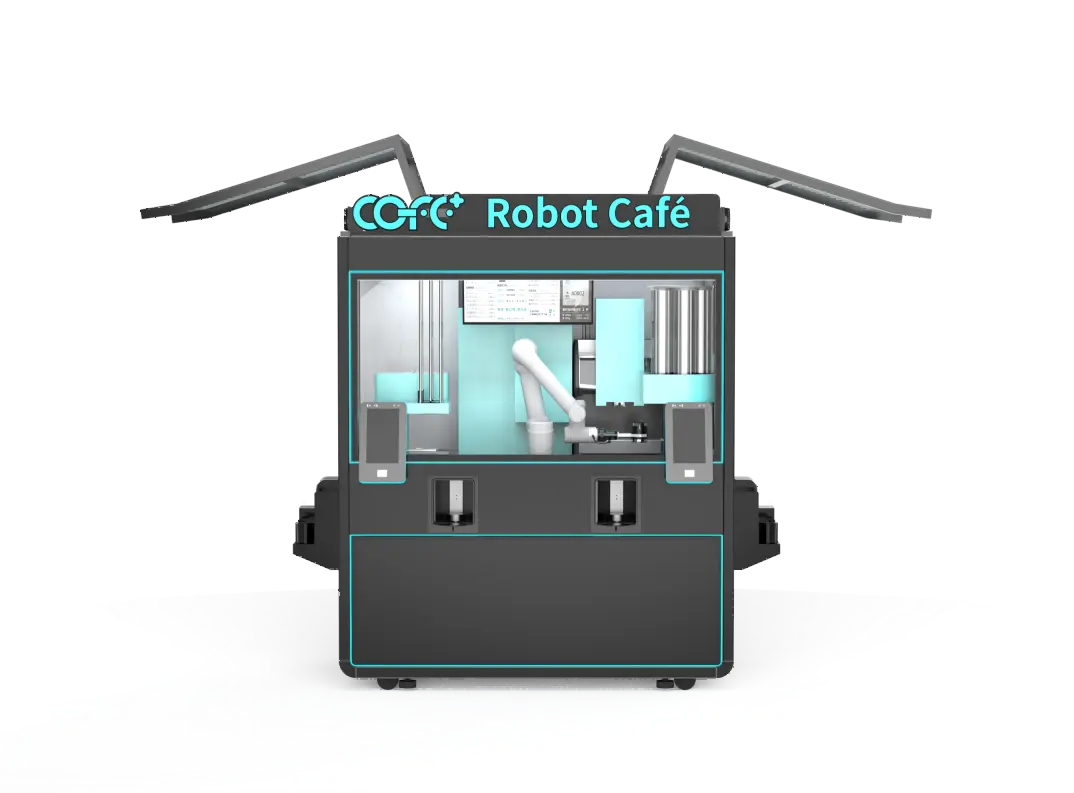
Robot coffee kiosk lead generation assets should prove payback, not advertise machinery. A property manager does not forward a brochure to a financial controller; they forward a break-even summary. The strongest lead magnet is a one page payback brief built for a specific venue type, using a cost per cup of $0.30 to $0.70, a local average ticket, and throughput assumptions from the COFE+ 7th generation kiosk: 43 to 60 seconds per cup and roughly 1,000 cups per day at full capacity.
A second format is a two minute video of a live machine in a comparable setting. Decision committees often include people who have never seen a robot barista operate, and a short clip answers questions about speed, noise, and customer reaction faster than a deck. The third format is a site qualification checklist the prospect can complete in five minutes, which filters out locations that will fail before the first call.
I would not invest in a monthly newsletter as a lead magnet. Decision makers in real estate and facilities do not circulate newsletters; they circulate payback math. Every asset should end with a single question the prospect cannot answer internally: does this specific space generate enough cups per day to clear the rent share? That question creates the inquiry.
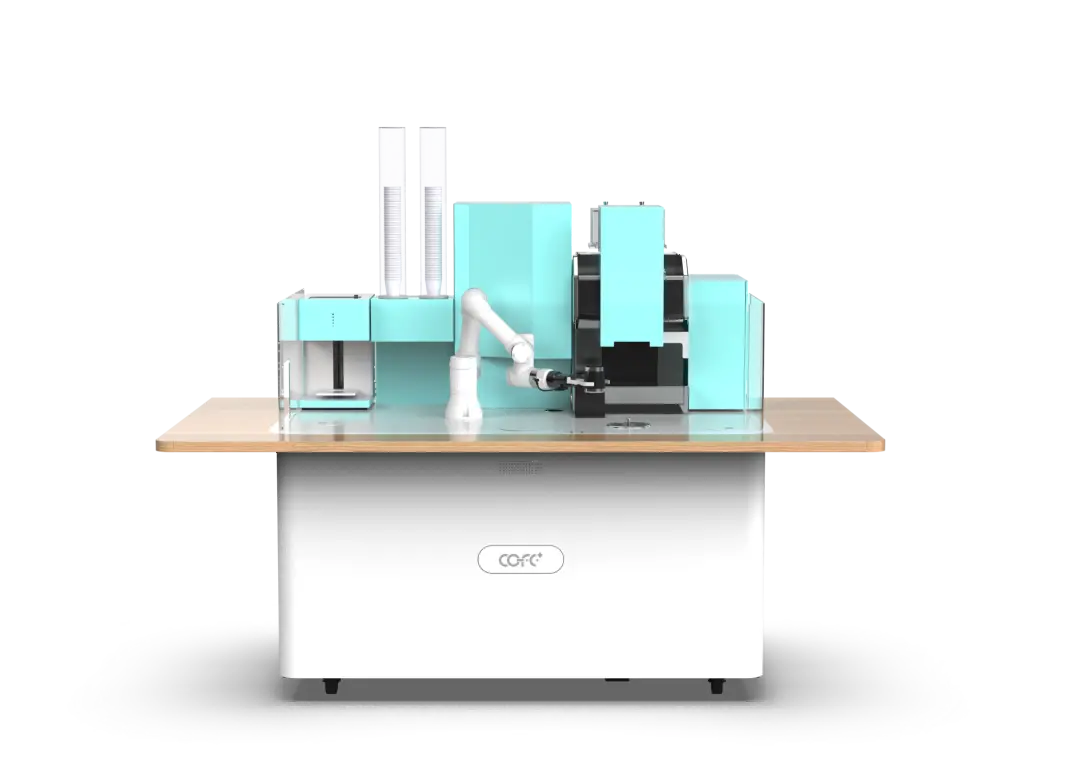
The payback brief needs four rows: cost per cup, average ticket, cups per day, and days to payback. Show cost per cup of $0.30 to $0.70 and a typical 6 to 12 month ROI window. Avoid market size claims a finance reviewer would reject. The kiosk’s compact footprint of about 2.35 square meters matters in the brief because it changes which spaces qualify.
For a mall operator, a one page payback plus a photo of an indoor machine inside a retail corner converts better than a long video. For a hospital, the certification list and contactless operation clip matter more than payback alone. For a transit hub, throughput speed and 24/7 operation belong in the first two lines. The format should match the venue owner’s pressure, not the product’s feature list.
Rather than buying lists of generic F&B decision makers, source leads from signals that a physical space is underused or about to change hands. Commercial real estate listings for small vacant units, renovation permits, new hospital wings, transit station upgrades, and campus amenity master plans all indicate a location where someone is deciding what to do with square meters. Public tender databases often carry terms like “unattended retail”, “automated F&B”, or “tenant amenity upgrade”, and those are stronger signals than a job title.
I have found that a lead list built from space signals converts at a higher rate than one built from role based prospecting, because the space signal already implies a need that exists today. A facilities director named in a renovation filing is closer to a decision than a facilities director harvested from a directory.
Practical sources include municipal building permit databases, airport and transit authority capital project pages, commercial real estate platforms with vacancy filters, and university facilities announcements. The output is a working list of specific venue names, not a segmented database of companies.
If your pipeline includes a location where water, drainage, or power access is uncertain, it is worth confirming those utilities before finalizing the lead list. Share the venue type and utility situation at sales@hi-dolphin.com and we will tell you whether the site can run a kiosk without major work.
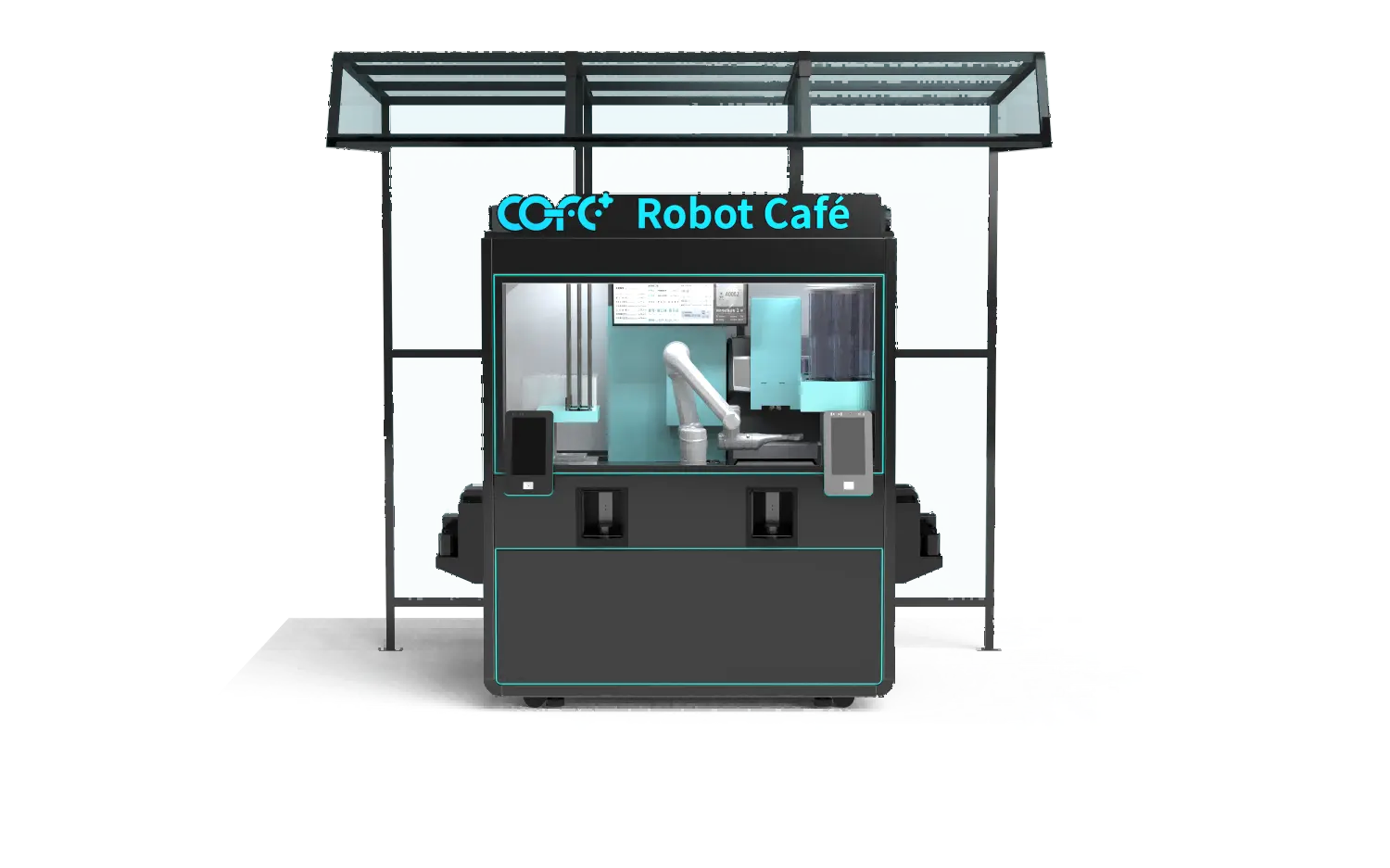
The first message has to name the venue’s actual pressure. An airport manager does not care about labor cost per cup the way an operator with several locations does; they care about serving piles of passengers between flights without adding a queue. A shopping mall operator cares about rent per square meter and dwell time. A hospital facilities director cares about hygiene, night shift access, and compliance paperwork. A university administrator cares about exam period surges without seasonal hiring.
The outreach structure stays the same across venues: open with the specific space or operational signal, attach one relevant number, and propose a 20 minute site call. For a transit hub, the number is 24/7 operation and roughly one cup every 43 to 60 seconds. For an office landlord, the number is a 2.35 square meter footprint that turns a lobby corner into an amenity. For a hospital, it is contactless operation and FDA, CE, and UKCA listed equipment.
This is where most outbound goes wrong: it starts with “we make robot coffee” instead of “your arrivals hall has an unserved 4 a.m. window.”
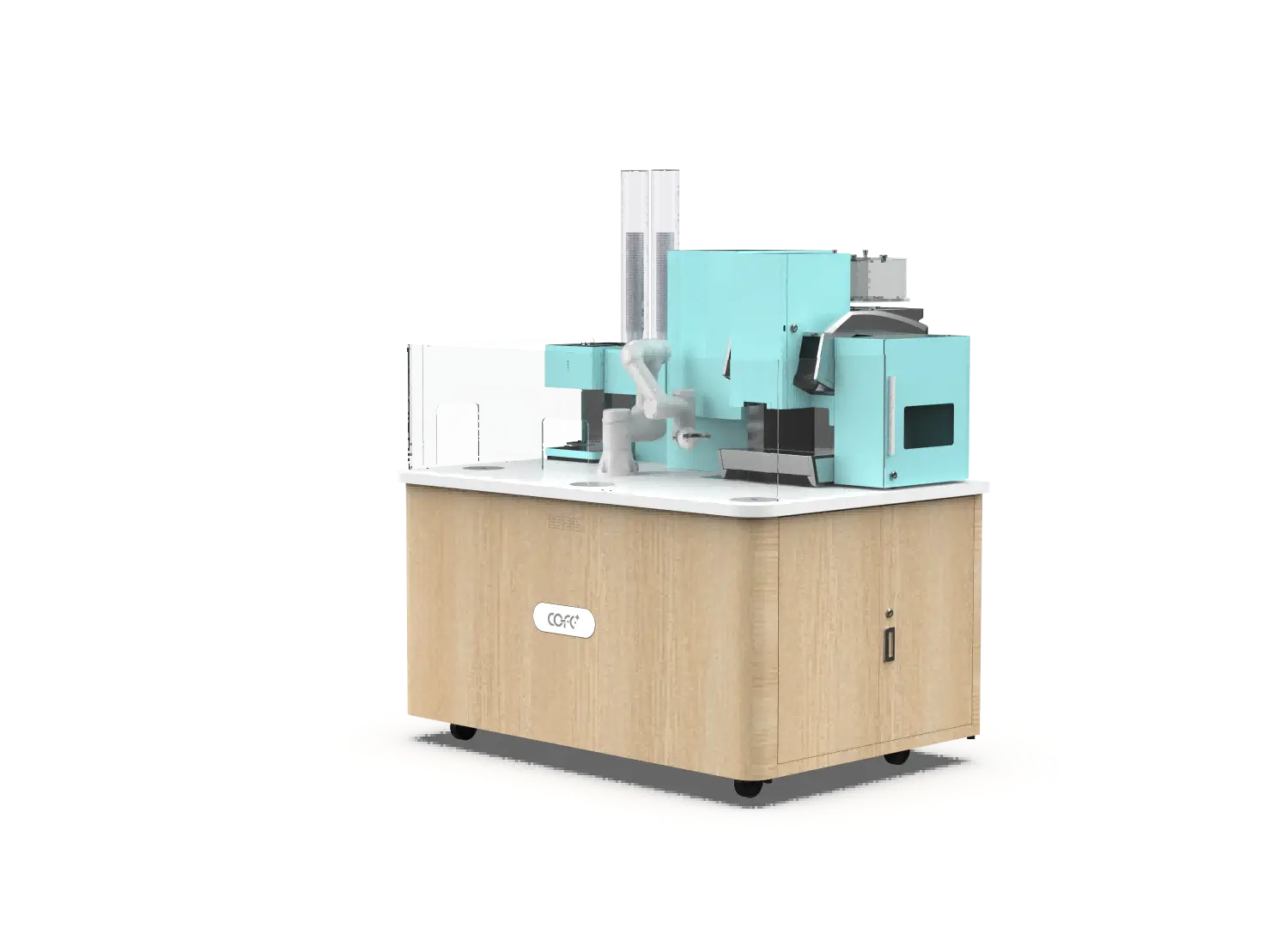
Malls want rent yield and foot traffic conversion. Transit hubs want speed and queue management. Hospitals want sterile operation, 24/7 access, and certification. Universities want capacity that flexes with exam calendars. Offices want tenant retention. Each pressure changes which proof point opens the conversation and which one closes it.
Lead with the space, not the machine. A plain opening works: “The corner unit next to Gate C has sat empty for three months; a robot coffee kiosk at 43 to 60 seconds per cup could turn it into amenity revenue.” Then present the payback number and ask for a 20 minute site walk. That structure respects the owner’s problem before introducing the product.
Qualify on site economics before spending time on demos and design work. The minimum conditions are daily foot traffic high enough to sell at least 150 to 200 cups, access to potable water, drainage, power, and internet, and a decision maker with authority to approve the space. When a site lacks drainage or has no path to a water line, the conversation stops there.
| Qualification check | Pass condition | Red line |
|---|---|---|
| Foot traffic | 1,500+ relevant passers per day estimated by venue | Footprint hidden from flow |
| Utilities | Water, drainage, power, internet reachable | No water or drainage path |
| Authority | Space approver named and reachable | Approver unknown or committee without venue power |
| Economics | Cost per cup leaves margin at local ticket | Product price below cost floor |
Qualification is a time management tool first. A sales team that qualifies badly burns its demo budget on locations that could never run a machine properly. The point is not to reject quickly out of pessimism but to spend face time where the economics already work.
If the site has no water source or drainage route, or if the space is invisible from the main pedestrian flow, the economics will not work even with strong intent. Sites with unresolved landlord permission or seasonal closures also fail. Flag these early so the pipeline only holds locations where a machine can physically and commercially operate.
When a lead passes qualification, move to a pilot rather than a purchase order. A 30 to 90 day pilot lowers the perceived risk for property owners and operators, and it gives them internal proof to show a finance committee or a landlord board. Structure the pilot around shared metrics: cups per day, uptime, gross margin per square meter, and a clear decision point at the end.
For a COFE+ kiosk, the pilot is easy to position because the machine is mobile, the footprint is about 2.35 square meters, and setup does not require renovation. A property owner can test a corner without signing a long lease; an operator with several locations can validate a new site without committing to barista hiring. That framing turns lead generation into a site experiment rather than a capital decision.
If your team is shipping qualified robot coffee kiosk leads but losing them at the proposal stage, share one specific site scenario and we will confirm the utilities, throughput, and unit economics before you invest in a demo. Tell us the venue type, estimated daily foot traffic, and whether water and drainage are reachable, and we will build a payback model for that specific location. Email the details to sales@hi-dolphin.com or call +86 131 6630 1290.
A well qualified robot coffee kiosk lead can reach a pilot agreement in two to four weeks when the venue already has foot traffic and the decision maker has space authority. Directory sourced leads that look like interest but lack a specific location often sit for three months or more because there is no immediate site to convert. The difference is not the sales rep; it is whether the lead began with a physical space problem. Leads that start with a specific square meter question move fastest, so early qualification should focus on location and authority before anything else.
It depends on whether your team needs coverage in one market or many markets at once. End users and property owners close faster per deal and give you site economics proof, so they are the right first target for most teams entering a new city. Distributors take longer to activate but can open several territories at once once the margin model is accepted. A common sequence is to win two or three direct sites, document the payback, then bring that proof to distributor conversations. Without site proof, a distributor pitch drags.
Many sales leaders assume trade shows produce the best robot coffee kiosk leads, but in my experience the badge scan list rarely beats a targeted list of venues with vacant or underutilized space. Trade shows create broad awareness and some channel interest, but the buyers who convert fastest are already managing a physical location with a service gap. The highest converting source is a space signal list built from real estate listings, renovation permits, and airport or university project announcements, because those names already have a live problem a kiosk can solve.
The more useful number is not raw leads but qualified site conversations. For this equipment, one business development person can realistically work five to eight strong site conversations per month, where the prospect has named a location, confirmed foot traffic, and introduced the space approver. Chasing thirty weak leads per month produces motion without pilots. I would rather see a rep qualify ten venues to five conversations than pass forty directory names into the pipeline, because the unit economics of this sale reward depth over volume.
In the programs we have watched convert, the fastest engagements start when the prospect can name the specific square meters and the daily flow. A property owner who says “the corner near the food court” is ready for a site model; one who says “we are evaluating automation generally” is not. Before engaging, ask the prospect to identify the location, the estimated daily passers, and who controls the space. Those three answers tell you whether the next step is a payback brief or a long education cycle. If you can describe a specific location and its utility access, send the details to sales@hi-dolphin.com and we will confirm whether the economics close.
TL;DR — COFE+ is a fully automated robotic coffee kiosk that grinds fresh beans, brews espresso and lattes, creates latt……
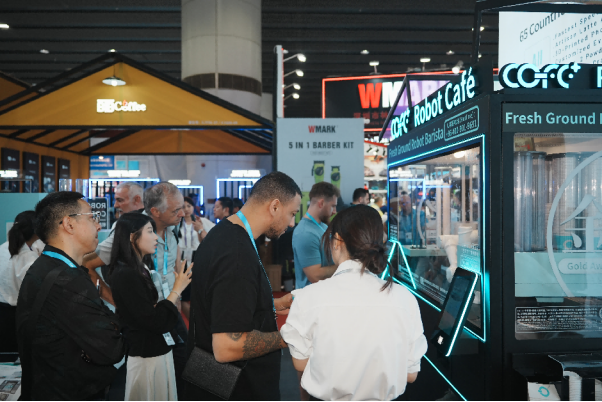
7th-Genertion Smart Robot Coffee Kiosk Arrives at the Belt and Road Core Hub, Ushering in a New Service Era Along t……
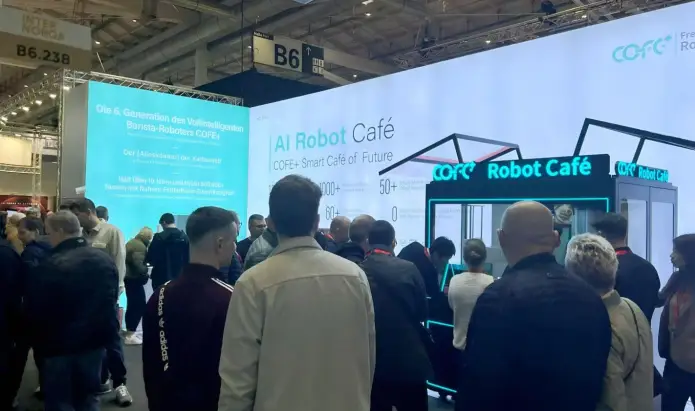
CHICAGO, May 12, 2026 (GLOBE NEWSWIRE) – Shanghai Hi-Dolphin Robot Technology today announced the U.S. debut of its 7th‑……