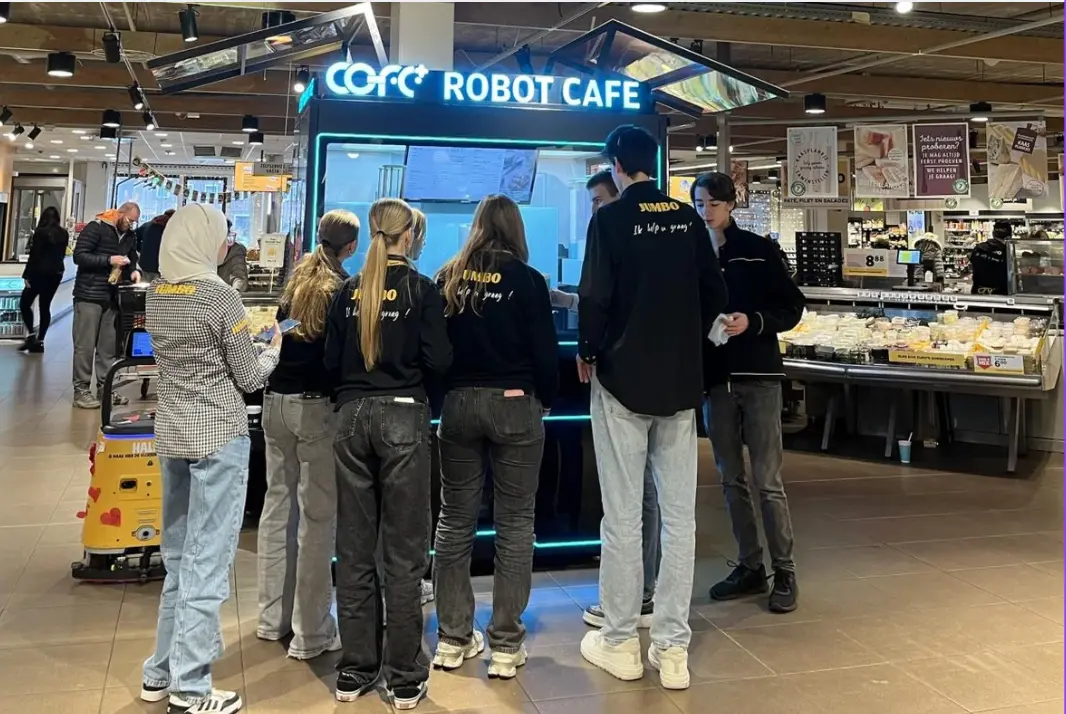
The Rise of Professional Robotic Café Technology: What COFE+ Is and Why It Matters
TL;DR — COFE+ is a fully automated robotic coffee kiosk that grinds fresh beans, brews espresso and lattes, creates latt……

Most robot coffee kiosk quote requests stall in the first clarification cycle because the buyer sends only a location type and a target price. A competitive, accurate quotation depends on much more: the physical site, utility capacity, food-safety pathway, menu complexity, service expectations, and total cost of ownership. Gathering this information before you contact a supplier shortens the sales cycle and gives you comparable numbers instead of ballpark figures.
This guide organizes the pre-RFQ process into a practical sequence. It focuses on autonomous coffee kiosks used in malls, transit hubs, office buildings, hospitals, campuses, and outdoor public spaces. The same preparation applies whether you are an operator, facility manager, landlord, franchisor, or distributor.
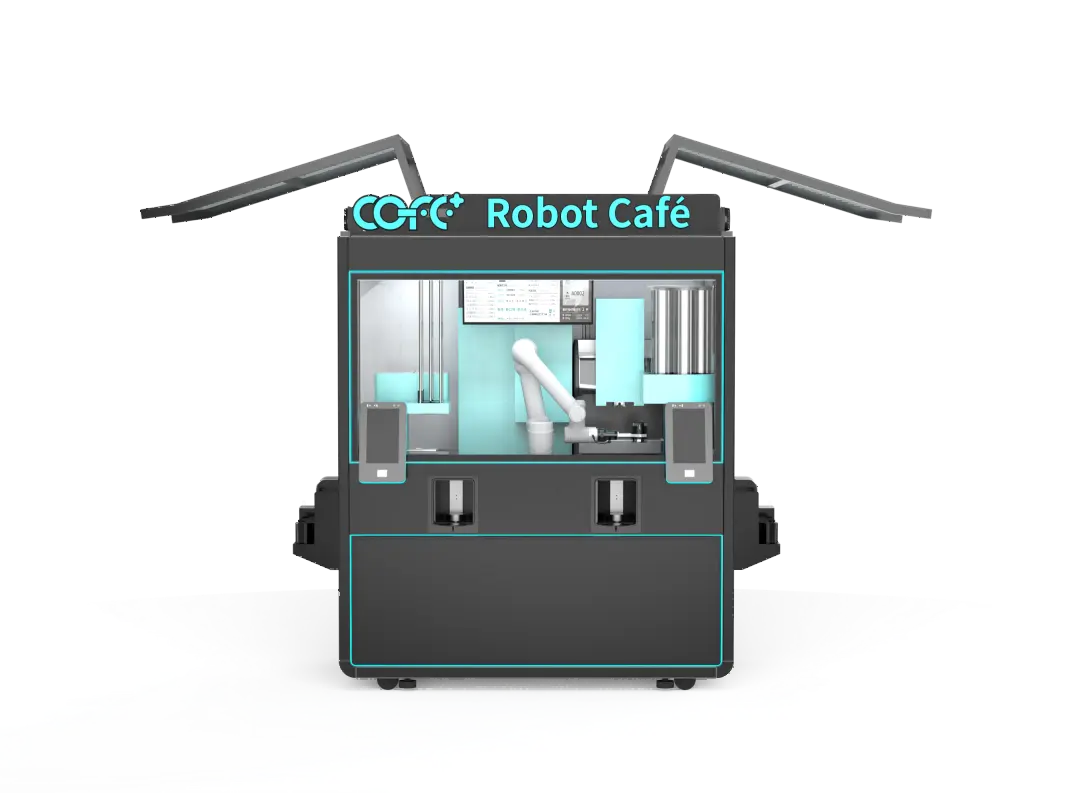
Before requesting a quote, clarify who owns the kiosk, who operates it, and how revenue flows. Common models include direct purchase, leasing, revenue sharing with a landlord, and distributor-led territory programs. Each model changes the quote structure. A landlord revenue-share project needs a share model and minimum-guarantee assumptions, while a distributor quote needs landed cost, import terms, spare-parts pricing, and training support.
Document three operating assumptions in writing:
From the supplier’s perspective, these assumptions determine machine size, cup capacity, refrigeration, and whether one unit or multiple units need to be specified.
A quote that ignores the site produces surprises during installation. Send the supplier:
For outdoor placement, confirm the enclosure ingress protection rating tested to IEC 60529 [4]. Some outdoor coffee kiosks are specified to IP54 for dust and splashing-water resistance, with an operating temperature range such as -20°C to 45°C. The precise rating should come from the model’s specification sheet, not from a general product description.
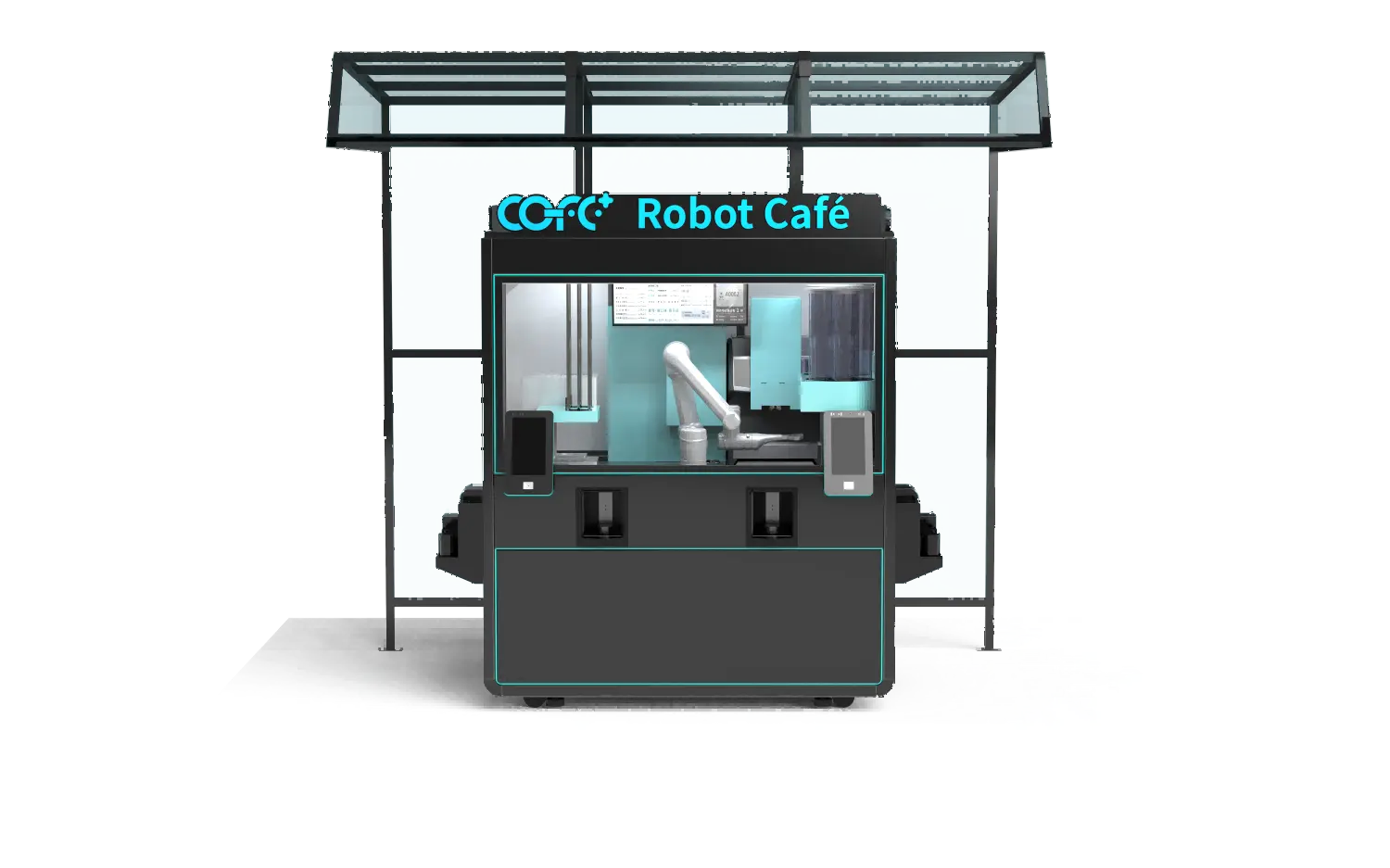
Utility readiness is the most common reason a signed quote turns into a delayed installation. Prepare these details for each candidate location:
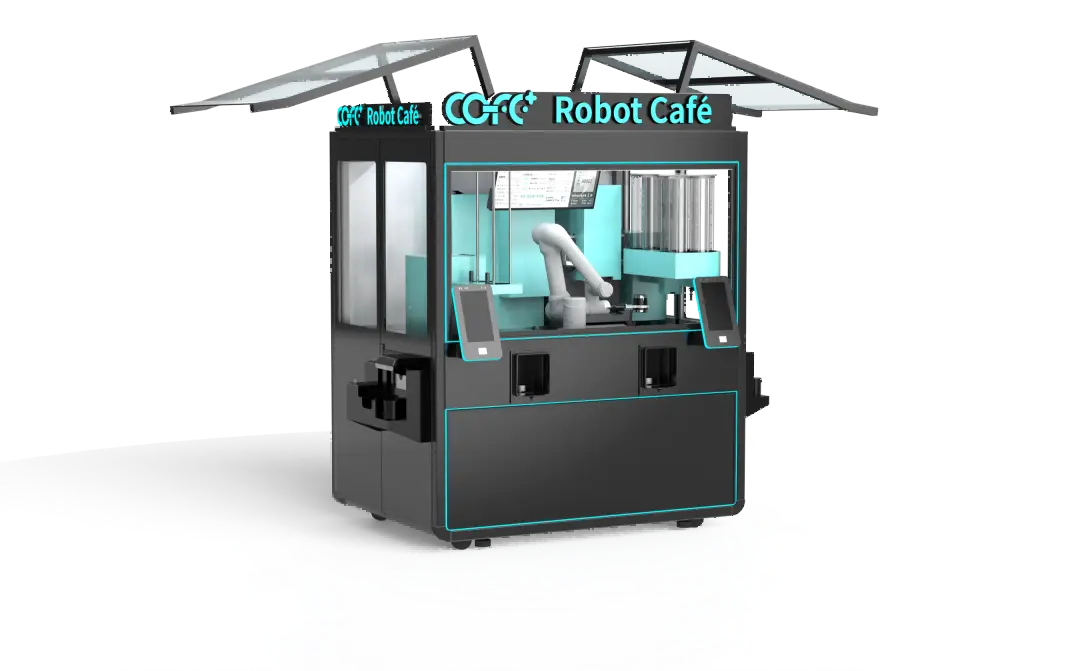
A compact indoor kiosk may use a footprint near 2.35 m², but the real space requirement includes clearance for service panels, ingredient loading, cup stock, and queue flow. Always confirm both the machine footprint and the recommended operating clearance.
Food-contact materials in beverage machines should meet the requirements of each target market. In the EU, materials and articles intended for food contact fall under Regulation (EC) No 1935/2004 [2]. In the US, relevant polymers are covered under 21 CFR Part 177 [3]. A structured food-safety management system can be aligned with ISO 22000 [1]. Ask the supplier to specify which certificates apply and which components are covered.
Electrical and machinery safety should follow the applicable directives, such as the Machinery Directive 2006/42/EC for CE-marked equipment [5]. If the machine will cross borders, request certificates by market and confirm they are current for the exact model, control system, and accessory package being quoted.
Suppliers serving global markets may hold multiple marks such as FDA, CE, UKCA, KC, and SASO. Verify the certificate numbers rather than accepting a logo on a brochure.
Menu choices affect the bill of materials, refrigeration, dosing, and packaging. Before requesting a quote, decide:
A large menu may increase machine capability requirements but should remain operationally simple enough for unattended service. Confirm how refills are detected, how recipe updates are pushed, and whether the machine can disable out-of-stock items automatically.
Unmanned does not mean maintenance-free. A quote should state the expected preventive maintenance schedule, the maximum response time, and how remote diagnostics work. Clarify:
The supplier’s ability to support a machine in your city is as important as the machine’s cup capacity. Request service terms in writing, not as a verbal commitment.
A machine price is not the project cost. Build a TCO model that includes:
As a reference point, COFE+ product documentation lists ingredient and packaging cost in the range of $0.30–$0.70 per cup, with a 10-year design life and durability testing to 500,000+ cups. Use supplier-reported data only as one input; your margin model must reflect local ingredient prices, utility rates, and site rent.
If you are preparing a site package now, a short gap-check email can save an entire quote round. Send the site address, floor plan, available power rating, and expected daily cup volume to sales@hi-dolphin.com. A focused inquiry with these four items is usually enough to determine whether the site is workable before you build the complete RFQ.
A clean RFQ contains a one-page technical summary and a short commercial template. Include:
The more precise the RFQ, the less room a supplier has to insert assumptions that later become change orders.
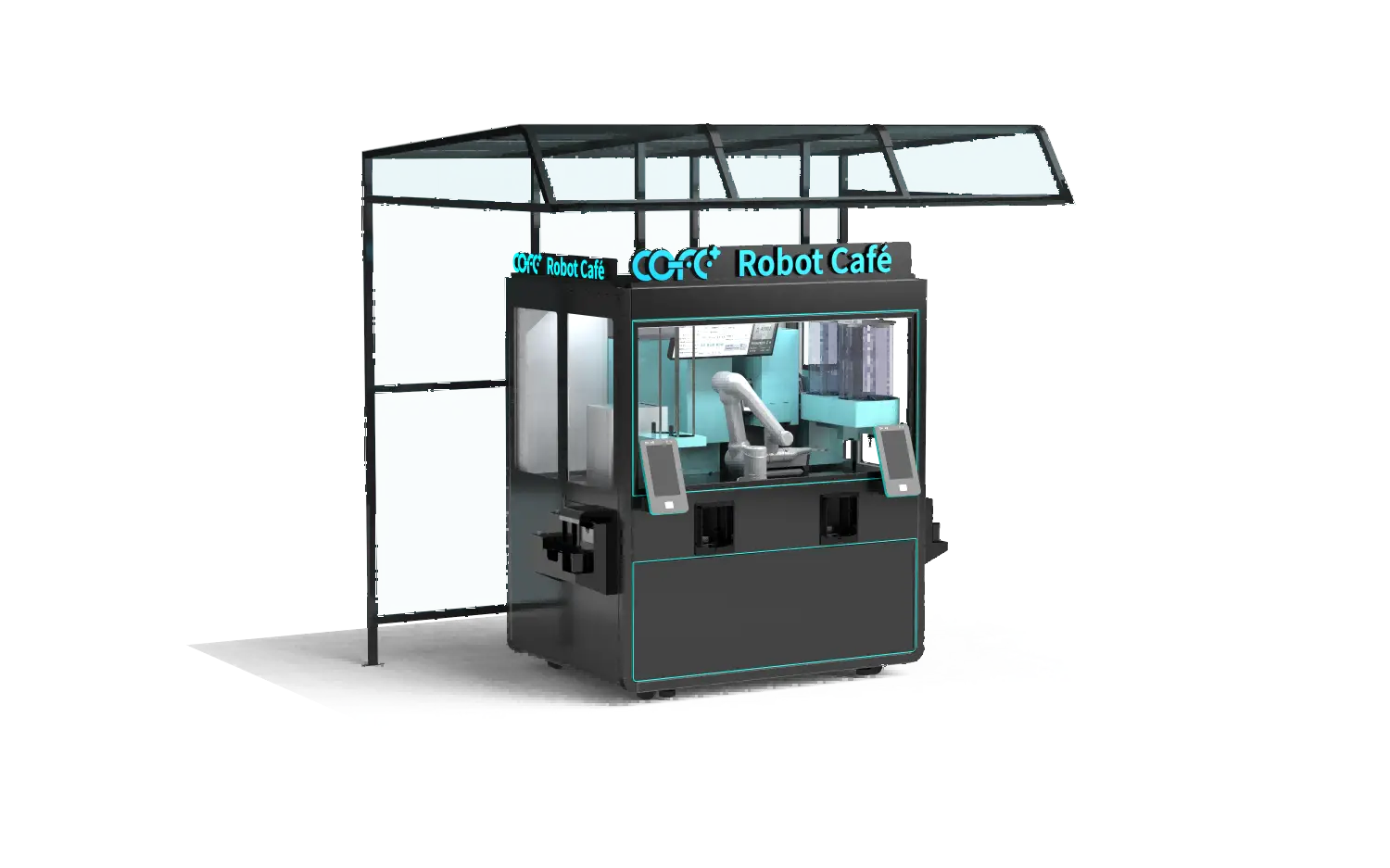
When quotes arrive, compare them on identical assumptions. A lower price that excludes drainage, installation, training, or certification is not lower; it is incomplete. Watch for these issues:
Ask every supplier to confirm the same daily cup volume, the same operating hours, and the same footprint clearance. This is the only reliable way to compare offers.
The most common delays come from avoidable gaps:
Fix these points before sending the RFQ, and the quote you receive will be closer to a final proposal than to an exploratory number.
A well-prepared RFQ returns an accurate quote faster. To request a robot coffee kiosk quote from Hi-Dolphin, prepare the following list:
Send these details to sales@hi-dolphin.com or call +86 131 6630 1290. The more complete the package, the fewer clarification cycles you will have before receiving a formal proposal.
Request the quote as soon as you have confirmed the site and utility details. Leave enough time for site evaluation, certification checks, machine production, logistics, installation, and a short pilot period. Since lead times change by region and order volume, confirm the current production and delivery schedule directly with the supplier.
A visit is not always mandatory, but photos, a dimensioned floor plan, and utility access details should be included. If a site visit is possible, it reduces installation surprises and often shortens the total project schedule.
Drainage access is the most commonly missed item. Buyers often provide power and water details but not the drain location, pipe size, or whether a pump is required. Lack of clear drainage information can force a redesign after the machine has already been specified.
Yes, if the location decision is still open. Indoor and outdoor units may differ in enclosure rating, air-conditioning or heating needs, UV protection, and waste enclosure. Comparing both early gives a cleaner decision on the final format.
Ask for food-contact material compliance relevant to your market, such as EU Regulation (EC) No 1935/2004 [2] and FDA 21 CFR Part 177 [3], plus the relevant machinery or electrical safety certifications such as CE under Directive 2006/42/EC [5]. For outdoor units, confirm the enclosure protection rating tested to IEC 60529 [4].
Autonomous coffee kiosks remove the need for a dedicated barista during normal operation, but they still require preventive maintenance, cleaning, ingredient replenishment, and occasional fault response. The operating model should specify who performs these tasks and how quickly they can reach the location.
[1] International Organization for Standardization. ISO 22000:2018 — Food safety management systems — Requirements for any organization in the food chain.
[2] European Commission. Regulation (EC) No 1935/2004 on materials and articles intended to come into contact with food.
[3] U.S. Food and Drug Administration. 21 CFR Part 177 — Indirect food additives: polymers.
[4] International Electrotechnical Commission. IEC 60529: Degrees of protection provided by enclosures (IP Code).
[5] European Parliament and Council. Directive 2006/42/EC on machinery.
TL;DR — COFE+ is a fully automated robotic coffee kiosk that grinds fresh beans, brews espresso and lattes, creates latt……
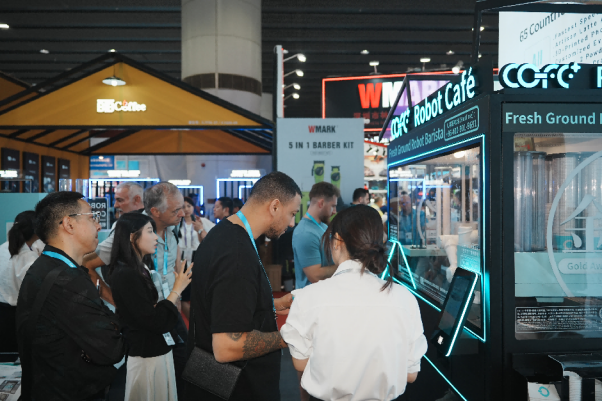
7th-Genertion Smart Robot Coffee Kiosk Arrives at the Belt and Road Core Hub, Ushering in a New Service Era Along t……
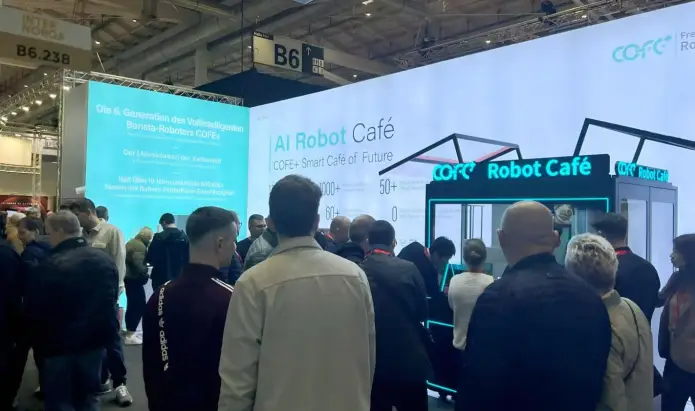
CHICAGO, May 12, 2026 (GLOBE NEWSWIRE) – Shanghai Hi-Dolphin Robot Technology today announced the U.S. debut of its 7th‑……