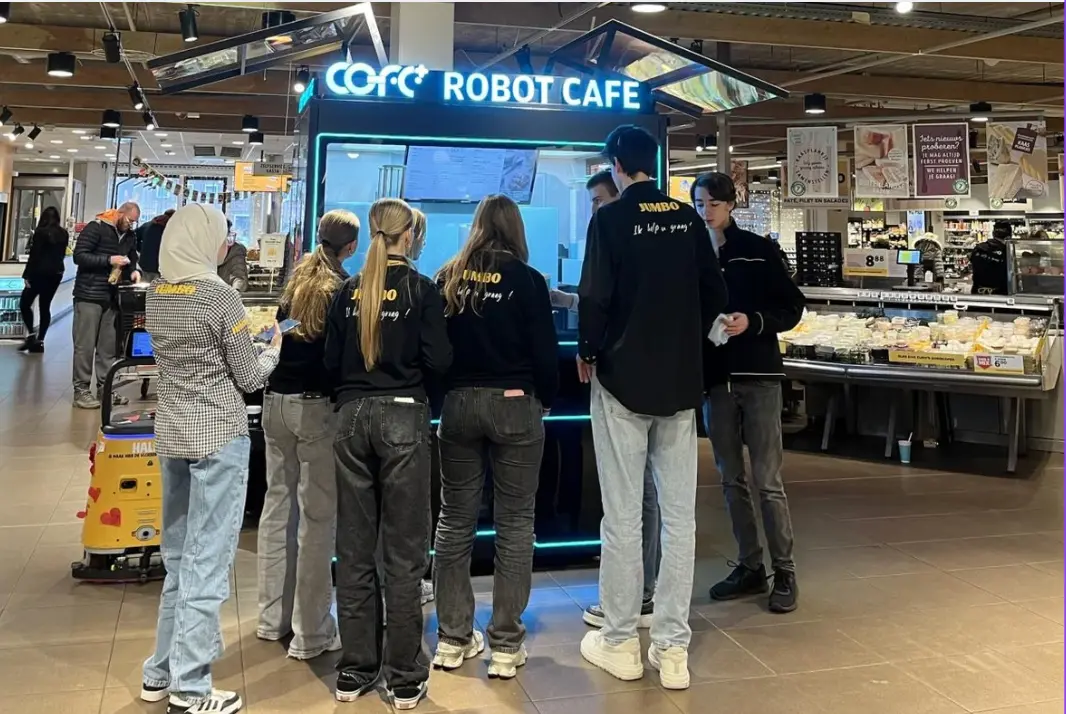
The Rise of Professional Robotic Café Technology: What COFE+ Is and Why It Matters
TL;DR — COFE+ is a fully automated robotic coffee kiosk that grinds fresh beans, brews espresso and lattes, creates latt……

Facility managers adding a robot coffee kiosk to a shopping center usually discover that the technology is the easy part—the physical site is what determines whether the kiosk reaches 800 cups a day or sits dark behind a queue barrier. A missing drain point, a breaker that trips under simultaneous heating and cooling loads, or a floor tile that cannot distribute the kiosk’s weight converts a six‑month ROI into a drawn‑out retrofit. Our work deploying COFE+ kiosks across 35 countries shows that robot coffee kiosk site preparation for shopping centers succeeds when you match the exact model footprint and utility demand to the mall’s infrastructure, not by following a generic vending‑machine checklist. The steps below cover the pre‑installation decisions that prevent the most common causes of delayed launch and lost revenue.
Start with a site walk that measures more than square footage. The 7th‑gen indoor robot coffee kiosk requires 2.35 m² of floor space, but you also need 80 cm of clearance on all service sides and 1.5 m in front for customer interaction and queue flow. Floor load is another hidden gate: a fully loaded indoor kiosk with water, coffee beans, milk, and cup stock can exceed 400 kg concentrated on four leveling feet. Ask the mall’s structural engineer for the slab rating under the proposed spot—a suspended floor above a parking deck may need load‑spreading plates.
Ventilation matters even indoors. The espresso boiler, steam wand, bean grinder, and 24/7 refrigeration generate steady heat rejection that a closed alcove will trap. Plan for at least 800‑1,200 m³/h of mechanical extraction if the unit sits in a recessed area. Outdoor kiosks manage this with built‑in HVAC, but an indoor cove without airflow will push internal temperatures past the equipment’s thermal protection limits during back‑to‑back peak hours.
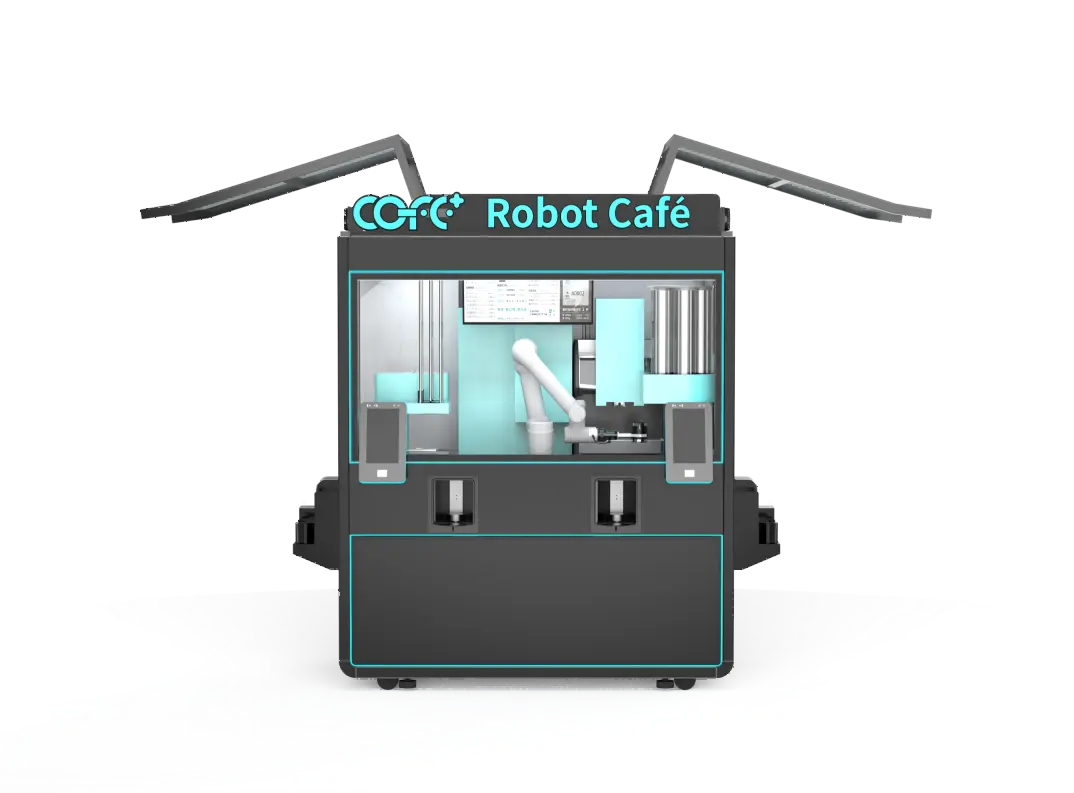
Each COFE+ model follows a similar utility envelope, with differences that affect which shopping center zones can accept the unit. The table below summarizes the mandatory connections for indoor and outdoor configurations.
| Utility | Indoor Kiosk (2.35 m²) | Outdoor Kiosk (IP54) |
|---|---|---|
| Power supply | 220‑240 V / 60 Hz or 110‑120 V / 60 Hz; dedicated 20 A circuit | Same voltage options; dedicated 25 A circuit due to HVAC and de‑icing |
| Water inlet | ½‑inch cold‑water line with 2‑4 bar pressure; particulate filter recommended | Same, with frost‑protected piping where ambient drops below 0°C |
| Drainage | 40 mm gravity drain or condensate pump to nearest sanitary stack | Integrated sump pump to reach lift station or sewer connection |
| Internet | Ethernet (RJ45) with 5 Mbps upload; 4G/5G failover modem optional | Same, with outdoor‑rated cable and PoE surge protection |
The electrical detail is the one most often under‑estimated. The circuit needs to cover simultaneous peak: the grinder motor start‑up, the boiler heating element cycling, and the refrigeration compressor. That inrush can momentarily spike to 1.8 times the running current. A shared circuit that also supplies nearby display lighting or a payment kiosk will trip during the morning rush. For malls where pulling a new conduit is difficult, we have used a dedicated feeder from the nearest electrical closet with a local sub‑panel to isolate the load. Bring your electrical contractor to the site walk early.
Water quality affects cup consistency more than most operators expect. If the incoming water hardness exceeds 150 mg/L, a compact reverse‑osmosis or softening filter at the kiosk inlet prevents scale in the boiler and preserves the taste profile. This is especially relevant in regions where the mall’s central water supply draws from boreholes or high‑mineral sources.
If the planned location is a corner spot more than 20 meters from the nearest drain riser, a small in‑kiosk condensate pump lifts wastewater to ceiling level for horizontal routing. Confirm that the pump’s discharge head rating matches the vertical rise and horizontal run; an undersized pump will clog with coffee oil and sugar residue within weeks.
The strongest electrical and plumbing setup cannot compensate for a location that hides the kiosk from impulse traffic. Shopping center corridors that feed from a main entrance, escalator, or food court create a natural dwell channel where dwell time is already accepted. Avoid dead‑end wings, back corridors near service lifts, or areas where shoppers walk with destination focus and no pause rhythm.
Clearance for the queue is the second factor. One customer ordering and one waiting creates a two‑person depth, but during lunch peaks you can expect six to eight people. A straight corridor needs at least 2 meters of queue depth plus a 1‑meter lateral buffer so that the line does not block adjacent store entrances. Where corridor width is tight, consider a corner placement that angles the queue into an open junction area. The indoor kiosk’s front‑facing screen and dispensing bay face one direction; rotating the unit 45° off the wall can double the visible approach width.
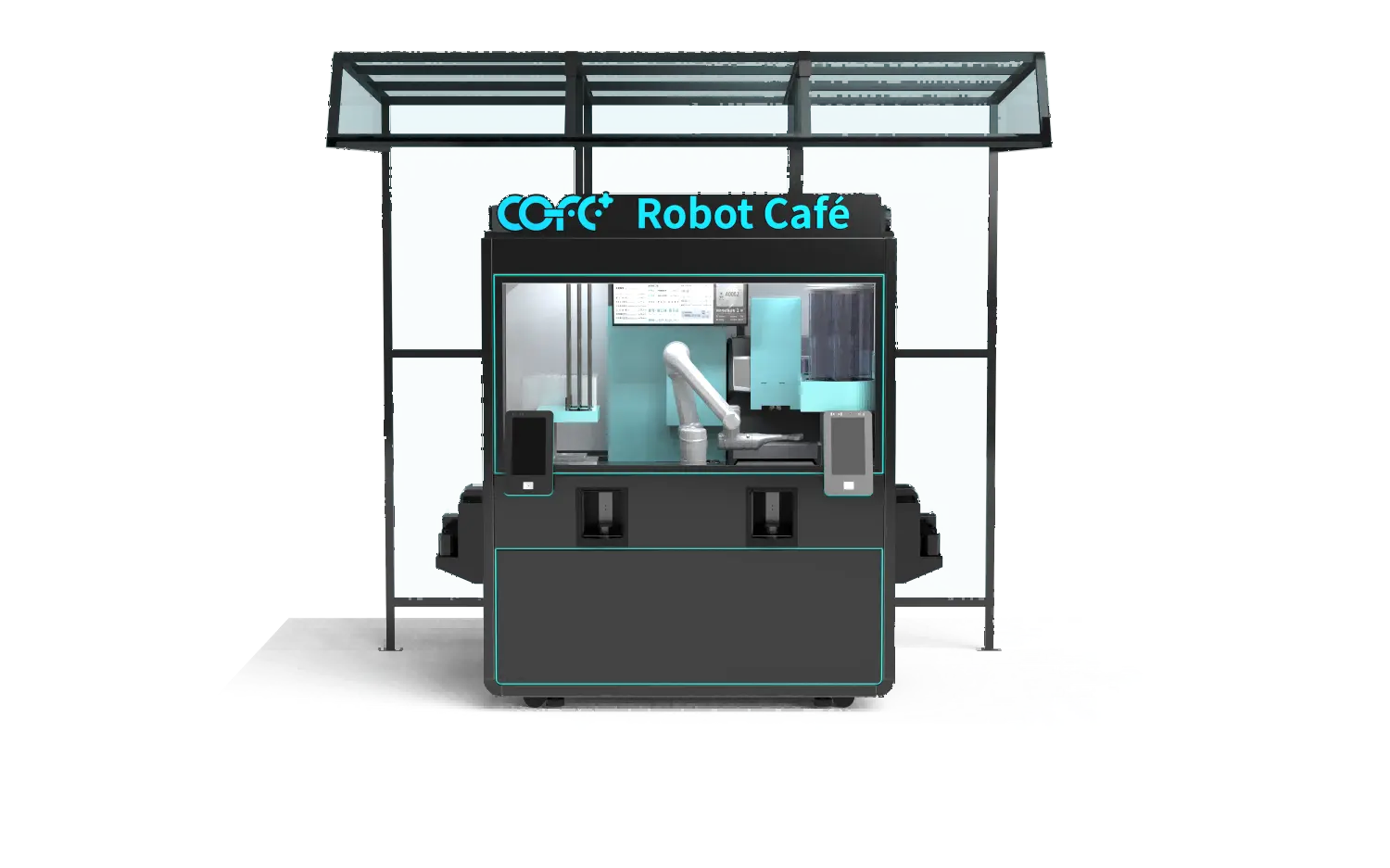
Our site‑planning process uses the mall’s hourly footfall data to model the apron area needed. A kiosk in a 50,000‑visitor‑per‑day center with 12‑second average transaction time can serve 300‑400 cups per day with a queue depth of four before abandonment rises. Matching the kiosk’s throughput to expected footfall prevents the landlord from losing amenity value because the queue blocks circulation. For the outdoor kiosk, place it along the path from parking to the main entrance, not in a distant landscaping island. Weather protection—a canopy or recessed entry—extends the serving window during rain.
A shopping center robot coffee kiosk moves in fastest when the utility rough‑in is done before the unit arrives. The typical sequence is:
Coordinate the 220‑240 V circuit shut‑off window with the mall’s peak trading schedule. A planned power interruption in a common corridor affects lighting and lifts; schedule the rough‑in during overnight maintenance hours. For the outdoor kiosk, the drainage sump pump should be tested under load by filling the internal wastewater tank before the floor finishing is completed.
Unattended coffee operation shifts the maintenance burden from staffing to proactive consumables forecasting. The COFE+ smart‑store brain monitors bean, milk, syrup, and cup levels in real time and sends restock alerts before an out‑of‑stock blocks a menu item. A high‑volume indoor kiosk in a shopping center may need bean refills every 2‑3 days and milk refills daily. Position the kiosk within 50 meters of a service access corridor to minimize the distance technicians walk with a dolly of supplies during trading hours.
Remote diagnostics reduce the need for on‑site visits. The cloud portal reports module‑level errors—grinder jam, boiler pressure drop, refrigeration compressor overcurrent—so that a local technician arrives with the right spare part on the first trip. In markets where we operate across multiple cities, the remote monitoring data also sets the preventive maintenance cadence: descaling cycles at 1,500 cups, group‑head cleaning at 500 cups, and weekly sanitization of the milk system.
Food‑contact hygiene is automated. The internal system flushes the milk line with 85°C+ water after each idle period, and the anti‑microbial stainless‑steel surfaces meet CE and FDA standards for vended beverages. Shopping center operators looking to include the kiosk in their center’s HACCP documentation can request the certification pack directly.
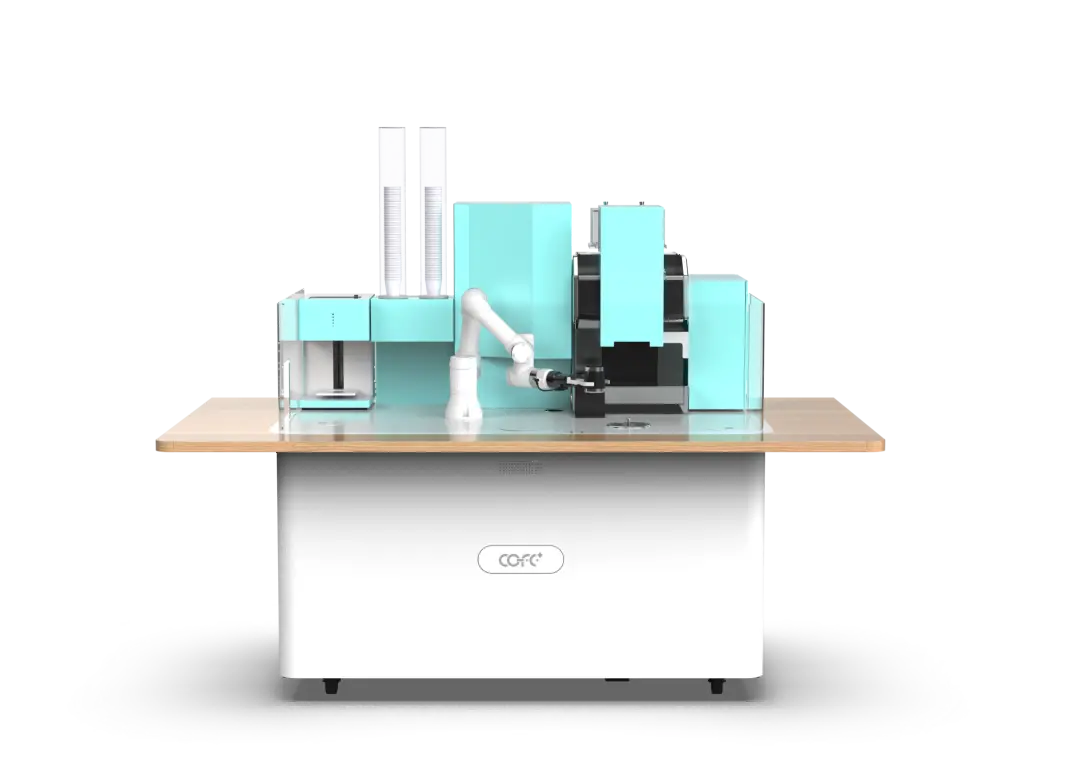
Space remains one of the biggest levers for scaling. We have seen mall operators start with one indoor kiosk, prove the revenue model, then add a coffee counter unit inside a department store and an outdoor kiosk at the drive‑through lane. Because each model shares the same cloud infrastructure, the operational complexity does not multiply with site count—the dashboard unifies inventory, error alerts, and transaction data across all locations.
With a prepared utility trench and pre‑submitted permit package, the unit can serve its first cup within five to six weeks. The longest lead item is usually the electrical permit and transformer load approval, which varies by municipality.
No, a permanent pressurized cold‑water line is required for the espresso boiler, steam wand, and automatic cleaning cycles. A bottled‑water system is not supported by the current generation because the pump depends on line pressure for consistent extraction.
The kiosk can serve drinks offline using cached recipes and local transaction records, but remote monitoring, real‑time ingredient alerts, and cashless payment reconciliation are suspended. We recommend a 4G or 5G failover modem as a secondary WAN link for locations where the mall’s public Wi‑Fi is unreliable.
Yes, because the recipe is digital. Grind size, dose weight, extraction time, and milk steaming temperature are replicated from the same program for every cup. Our 7th‑gen robot barista holds 300‑plus recipes and has been tested over 500,000 consecutive pours with cup‑to‑cup variation under 2% in total dissolved solids.
The kiosk is designed for continuous back‑to‑back production. During peak hour it can produce a drink every 50 seconds, and the queue interface supports pre‑order while the previous drink is dispensed. The real constraint is the consumable refill cadence; we work with operators to set restock thresholds that anticipate seasonal demand rather than react to it. If your center expects footfall to double during festivals, share the projected traffic data and we can recommend the right stocking schedule before the peak hits. Email your site details to sales@hi-dolphin.com or call +86 131 6630 1290, and we will arrange a preliminary feasibility review at no cost.
When the infrastructure plan matches the kiosk model exactly, the launch window shrinks and the revenue stream starts immediately. The most expensive site preparation mistake we see is treating the robot coffee kiosk like a plug‑and‑play vending machine. It is a full coffee bar, condensed into 2.35 m², and it demands dedicated power, filtered water, and drain access that a soda machine never asks for. Shopping center teams that involve their facility engineers early—during the site selection phase, not after the lease is signed—avoid the costly shutdowns that happen when a circuit trips at 8 a.m. or a drain backs up during the lunch rush.
If you are evaluating a specific location and want to confirm whether it can support a 7th‑gen robot coffee kiosk without retrofitting, share your floor plan and utility drawings with our deployment team. We review the electrical panel schedule, plumbing riser diagram, and footfall data to give you a go/no‑go recommendation before any construction starts. Reach us at sales@hi-dolphin.com or call +86 131 6630 1290.
TL;DR — COFE+ is a fully automated robotic coffee kiosk that grinds fresh beans, brews espresso and lattes, creates latt……
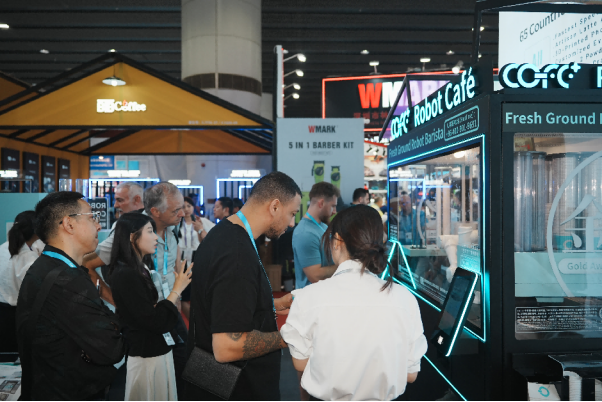
7th-Genertion Smart Robot Coffee Kiosk Arrives at the Belt and Road Core Hub, Ushering in a New Service Era Along t……
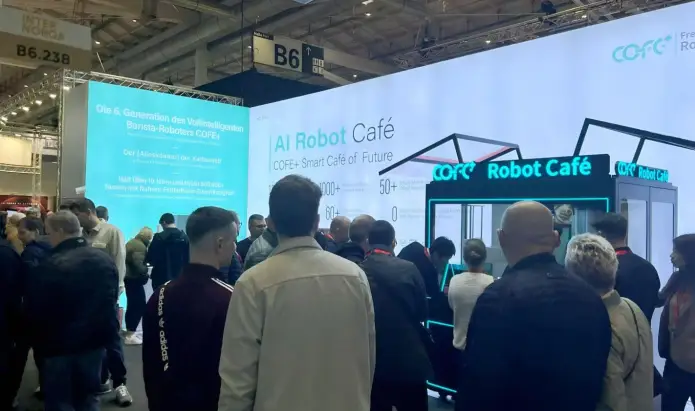
CHICAGO, May 12, 2026 (GLOBE NEWSWIRE) – Shanghai Hi-Dolphin Robot Technology today announced the U.S. debut of its 7th‑……