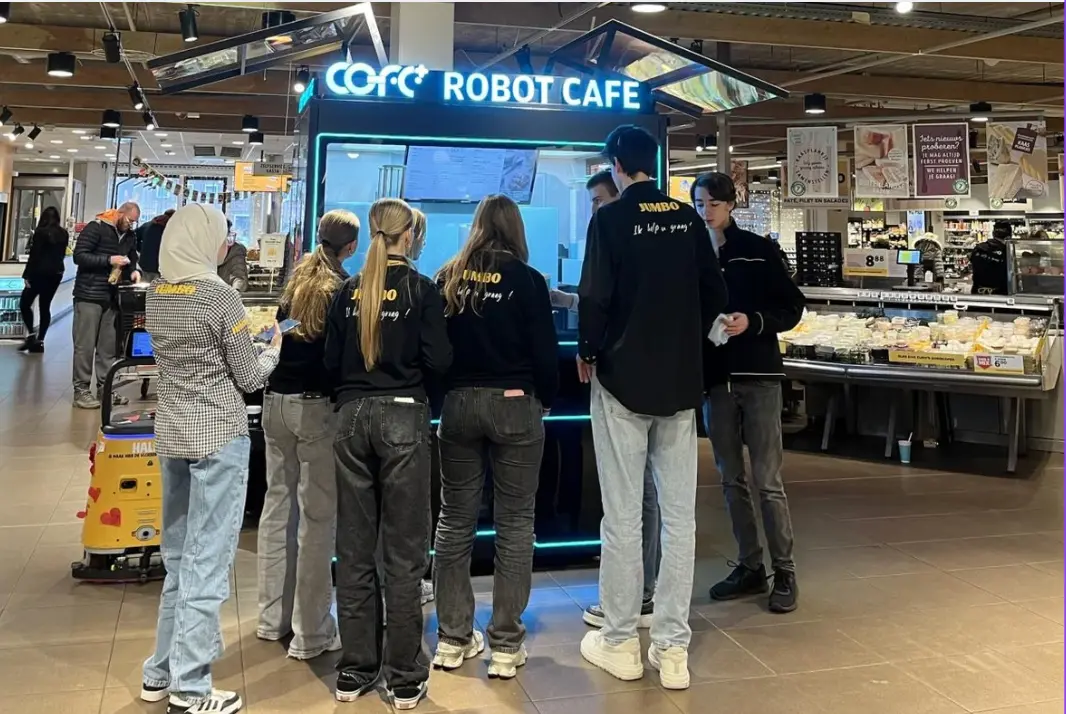
The Rise of Professional Robotic Café Technology: What COFE+ Is and Why It Matters
TL;DR — COFE+ is a fully automated robotic coffee kiosk that grinds fresh beans, brews espresso and lattes, creates latt……

Installing robot coffee kiosks at transit hubs demands more than a technical spec sheet; it requires a site-specific plan that keeps passengers moving while the kiosk goes in. Without a disruption-mitigation strategy, a well-intentioned installation can create bottlenecks that frustrate commuters and draw complaints from hub management. Over the years overseeing unmanned retail deployments in stations and terminals across more than 30 countries, I’ve seen that the difference between a smooth launch and a logistical headache lies in three areas: working around transit schedules, integrating utilities without major retrofits, and choosing a modular kiosk that minimizes on-site work.
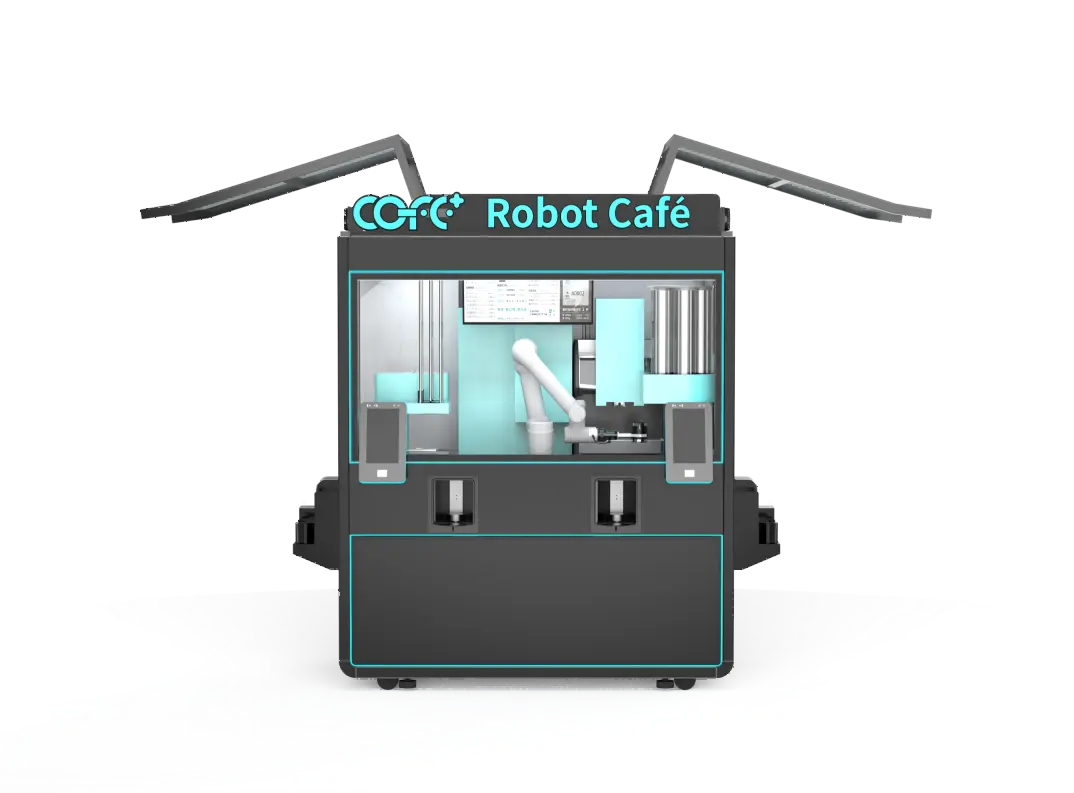
The first step isn’t choosing a machine; it’s understanding passenger movement. Walk the concourse during both peak and off-peak hours. Map where people naturally pause, queue, or pass through quickly. A robot coffee kiosk placed in a corner adjacent to a waiting area will generate steady sales without creating a pinch point. I’ve seen stations where shifting the kiosk three meters away from a ticket gate increased throughput and cut complaints about crowding.
Look at available utility access points. Where is the nearest water line, drain, and 220V power panel? If the kiosk is electric-only with a self-contained water system, your options expand. For example, the COFE+ indoor kiosk’s built-in water and waste tanks can eliminate the need for plumbing tie-ins, simplifying site approval.
Finally, check sightlines and signage. The kiosk should be visible from main walkways but not block directional signs. A simple site survey with a floor plan and passenger count data can prevent expensive repositioning later.
The most disruptive part of any installation is the physical setup, and that disruption is avoidable. I advise scheduling all on-site work during the lowest-traffic windows, typically late-night hours or pre-dawn slots. In one metro deployment, we completed the entire kiosk placement and utility hookup over two nights, using removable barriers to redirect foot traffic while keeping adjacent corridors open.
Coordinate early with the transit authority’s operations team. They know the exact schedule of closures, cleaning windows, and quiet periods. Lock in those dates before ordering equipment. A modular kiosk that arrives pre-assembled and tested at the factory can go from delivery to serving cups in under 48 hours, so the on-site labour footprint is tiny.
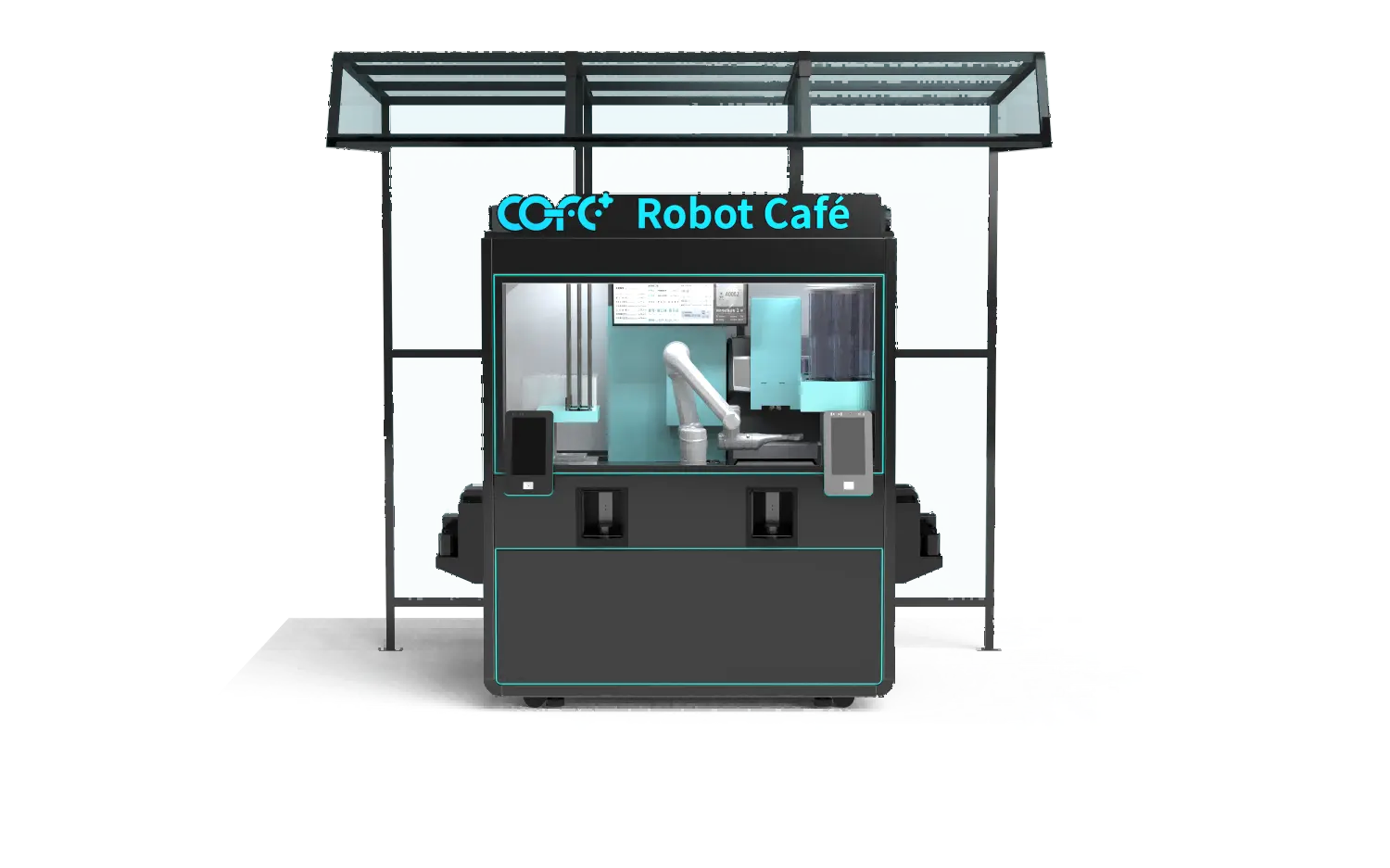
If your hub has strict rules about construction hours or noise, confirm with your supplier that installation is silent. The COFE+ indoor unit, for instance, requires no drilling into floors and connects to existing outlets, so it’s often classified as a plug-and-play fixture rather than a construction project.
Power, water, and internet are the three lifelines. At a minimum, a kiosk needs a dedicated 220V circuit; the exact load depends on the machine’s heating and cooling systems. For water, a pressurized line with a backflow preventer is standard, but if plumbing is unavailable, a self-contained water-tank + waste-tank setup works as long as you schedule refills. Internet connectivity is critical for remote monitoring and payment processing. A wired Ethernet connection is best, but 4G/5G cellular with a fixed IP works in areas without wired access.
One lesson from past installations: don’t assume the nearest utility closet can handle the extra load. Have an electrician confirm the panel capacity and run a new circuit if needed. The same goes for water pressure: if the hub’s pressure drops during peak hours, a small booster pump on the kiosk’s inlet can maintain consistency.
If retrofitting utilities seems daunting, sharing your blueprints with our engineers can clarify the connection requirements before you commit. Reach out at sales@hi-dolphin.com, and we’ll provide a utility checklist tailored to your hub’s layout.
The smaller the footprint, the less site work. A kiosk that occupies 2.35 square meters, like the COFE+ Indoor model, can slot into spaces that standard cafes cannot—think unused niches near escalators, columns, or elevator lobbies. Outdoor versions with IP54 weather protection expand the possibilities to open-air platforms and bus bays.
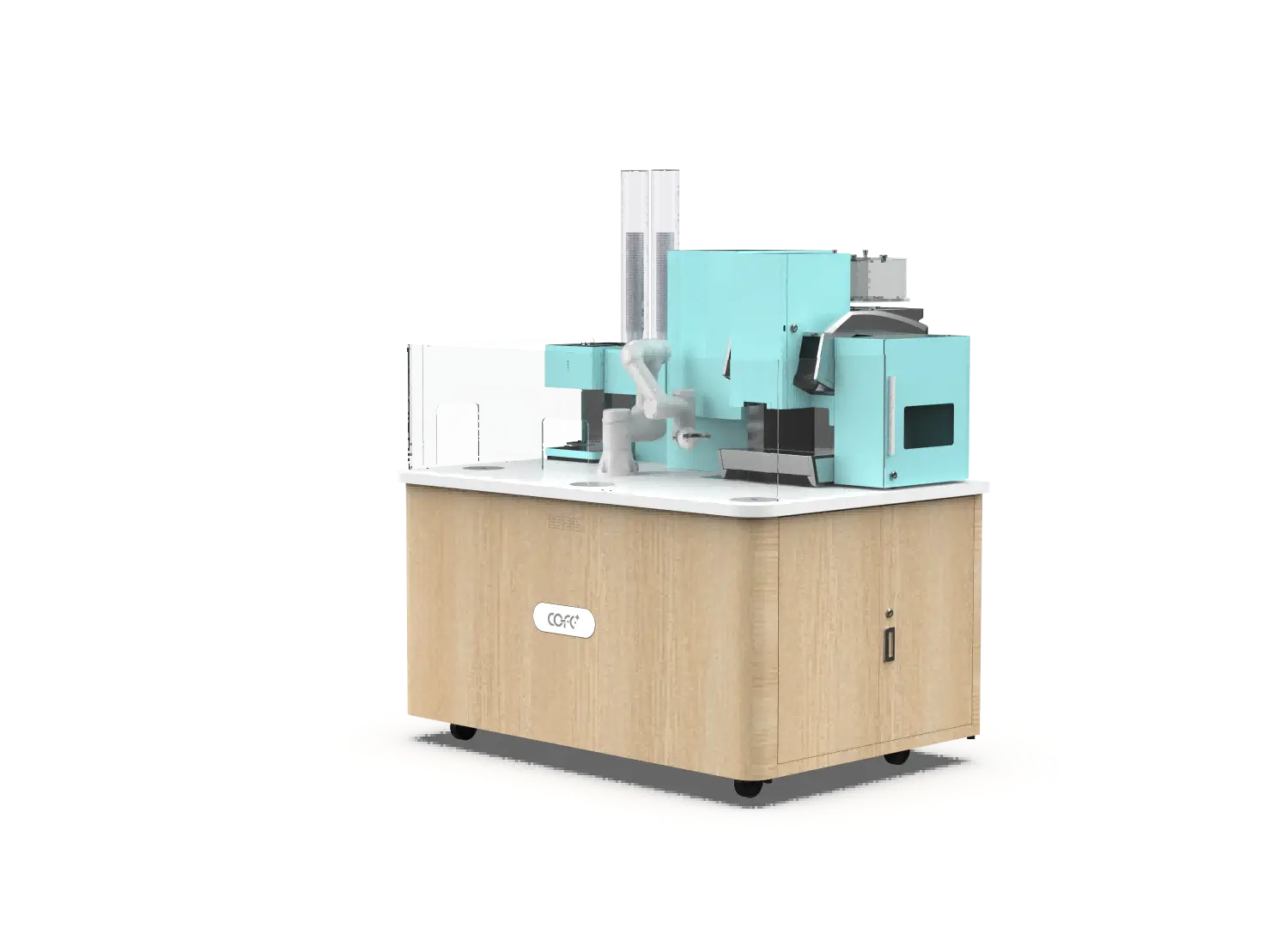
Here’s how different configurations compare for transit applications:
| Model | Footprint | Best For |
|---|---|---|
| COFE+ Indoor Kiosk | 2.35 m² | Climate-controlled concourses, indoor waiting areas |
| COFE+ Outdoor Kiosk | IP54, all-weather | Open platforms, park-and-ride lots, bus terminals |
| Robot Coffee Counter | ~2 m² integrated | Existing cafes, VIP lounges, retail kiosks |
| Robot Coffee Bar | 2 m² folded, expands to bar | Social hubs, first-class lounges |
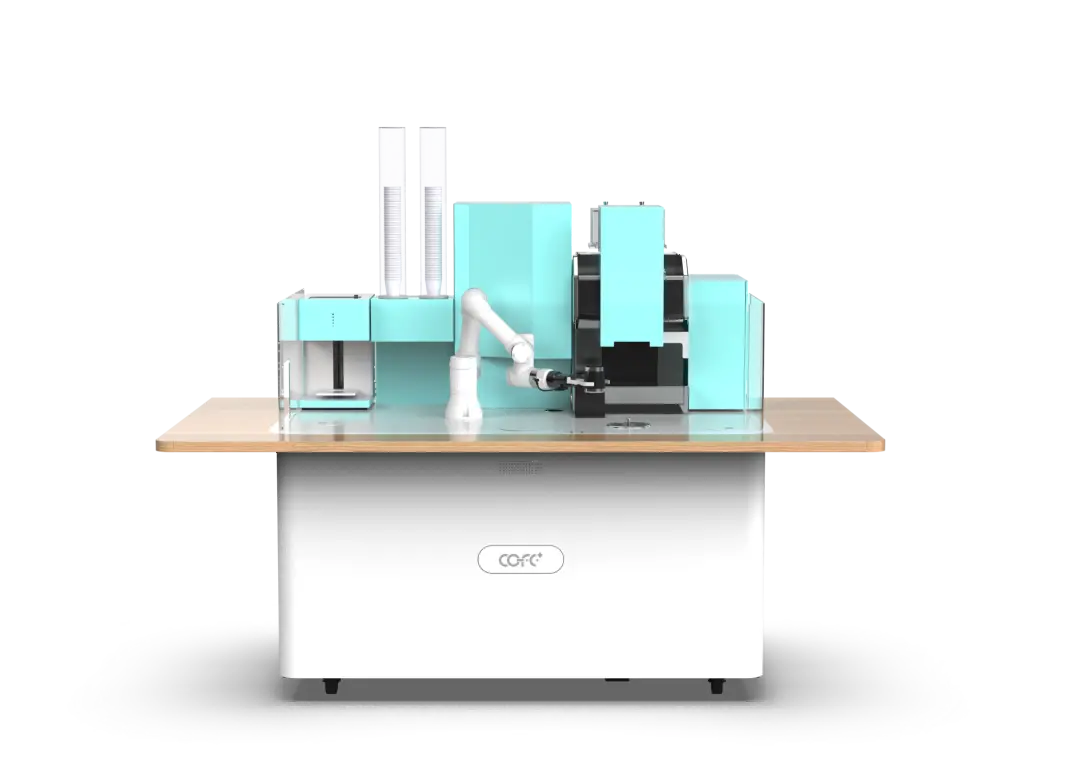
Choosing a model that matches your hub’s environment reduces installation time. Indoor kiosks can be rolled in and plugged in without weatherproofing steps. Outdoor units, while rugged, need level ground and possibly a canopy. I’ve watched an indoor kiosk start serving within 48 hours of delivery because every internal component was factory-tested, requiring only final utility connections on site.
Once the kiosk is operational, the goal shifts to keeping it that way without repeated service visits. Remote monitoring is the backbone. The COFE+ kiosk’s cloud platform tracks ingredient levels, system temperatures, and performance in real time, so you know exactly when a refill or preventive check is due. That means you can schedule service during those same off-peak windows, never during rush hour.
Automatic cleaning cycles and high-temperature sterilization reduce the need for manual cleaning. And because every drink is made to a digitized recipe, quality stays consistent whether the kiosk is serving 50 cups or 500 in a day.
Preventive maintenance visits should be planned on a fixed calendar, not triggered by failures. For transit hubs, I recommend a quarterly inspection that includes filter replacements, pump calibration, and a deep clean. With that rhythm, we’ve seen kiosks run reliably for years with near-zero unplanned downtime.
Transit hub installations succeed when the kiosk integrates into the environment without passengers noticing the setup process. If you’re planning a deployment and need a practical, disruption-free installation strategy, contact our team at sales@hi-dolphin.com or call +86 131 6630 1290. We’ll review your site, utility access, and scheduling constraints to map out a plan that keeps your station running smoothly from day one.
With proper planning, installation can be nearly invisible to passengers. By using off-peak night-time work and modular kiosks that require minimal construction, most of the physical setup is completed before the morning rush. In our deployments, we’ve successfully finished installations over two nights with temporary barriers that kept adjacent corridors open.
It’s a common misconception that you need a full building permit. In practice, a site usage agreement with the transit authority, an electrical sign-off, and sometimes a fire safety inspection cover most requirements. The exact list varies by jurisdiction, but a robotic kiosk classified as a plug-in appliance often bypasses the lengthy construction permit process.
Yes, robotic kiosks are designed for 24/7 unattended service, but the reliability depends on a solid remote monitoring and preventive maintenance program. With cloud-based alerts for ingredient shortages and system faults, you can manage the kiosk remotely and schedule human visits only for restocking and quarterly checkups.
We coordinate all service visits during the same off-peak windows used for installation. Real-time inventory alerts tell us exactly when a restock is needed, so we schedule it before a shortage occurs, usually in early morning hours. This way, the kiosk never runs out during peak traffic, and no maintenance activity ever obstructs commuters.
Limited utilities aren’t a dealbreaker. We’ve installed units with self-contained water and waste tanks that require no plumbing tie-ins, only periodic servicing. If no wired internet is available, a 4G/5G cellular connection with a fixed IP works reliably for payment processing and monitoring. Share your hub’s layout and constraints with us at sales@hi-dolphin.com, and we’ll design a configuration that fits without major infrastructure changes.
TL;DR — COFE+ is a fully automated robotic coffee kiosk that grinds fresh beans, brews espresso and lattes, creates latt……
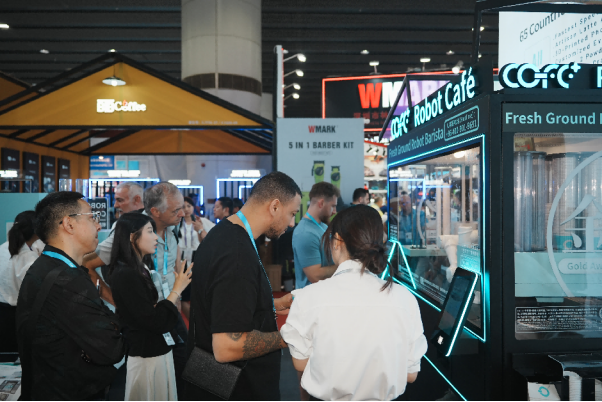
7th-Genertion Smart Robot Coffee Kiosk Arrives at the Belt and Road Core Hub, Ushering in a New Service Era Along t……
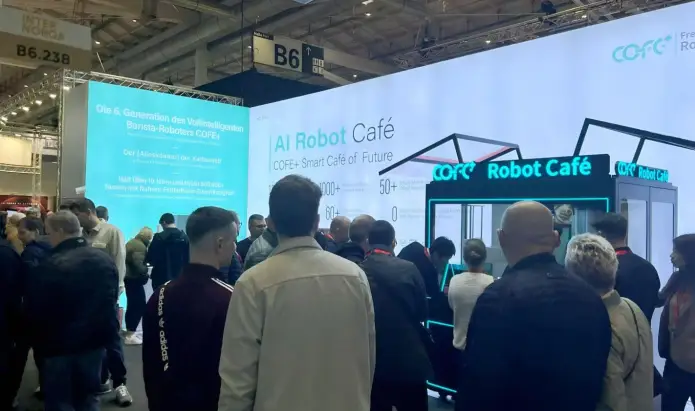
CHICAGO, May 12, 2026 (GLOBE NEWSWIRE) – Shanghai Hi-Dolphin Robot Technology today announced the U.S. debut of its 7th‑……