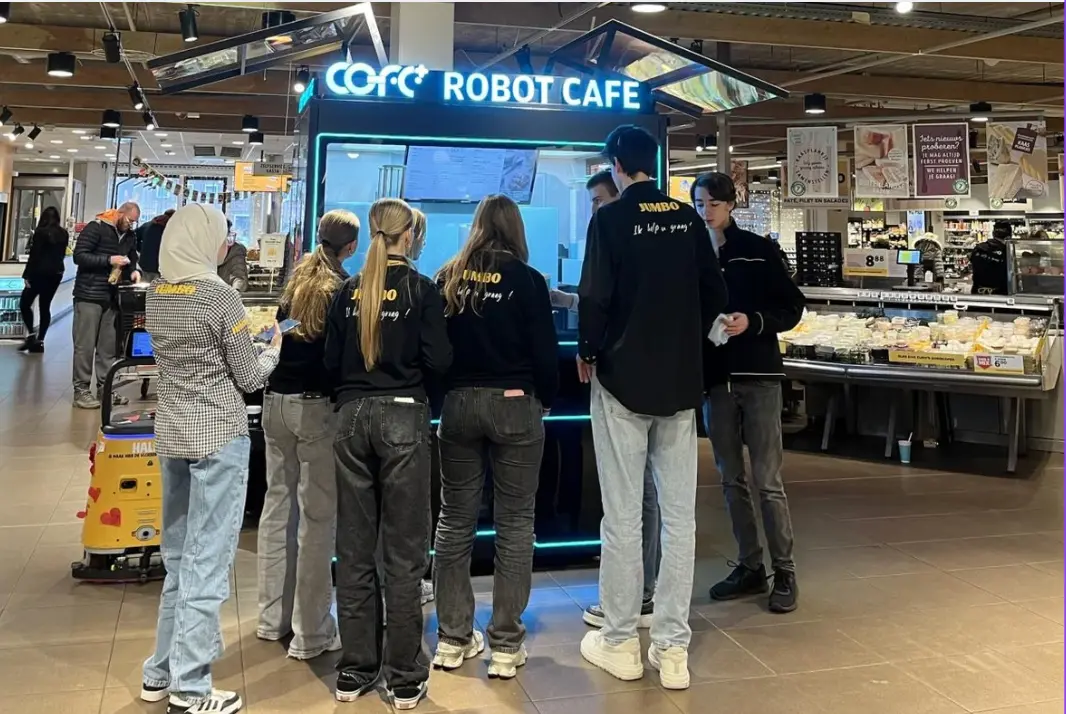
The Rise of Professional Robotic Café Technology: What COFE+ Is and Why It Matters
TL;DR — COFE+ is a fully automated robotic coffee kiosk that grinds fresh beans, brews espresso and lattes, creates latt……

Running multiple robot coffee kiosks with one operations team is a monitoring and dispatch problem, not a staffing problem. Operators who scale cleanly treat each kiosk as a remote node that sends signals, while the central team responds to exceptions instead of standing by at every machine. I have watched teams fail because they assigned one on-site attendant to each location, which erases the labor savings that make unattended coffee work. The better structure is a small central unit that owns replenishment, service coordination, and data review. That unit can manage ten locations as easily as three if the alert thresholds and replenishment routes are set before launch.
A single operations team handles five workstreams: replenishment, equipment health, cleaning verification, customer escalation, and daily performance review. None of these require the team to be standing beside a kiosk. The kiosk reports stock levels, cup counts, water pressure, drainage state, and machine temperature through cloud monitoring. The central operator reviews those signals at fixed intervals, usually twice a day, and dispatches people only when a threshold is crossed.
What changes with multiple locations is not the number of tasks but the order of response. A three site operator can drive to any location without much planning. A fifteen site operator needs route logic. I have led deployments where the local team spent more time moving between sites than solving problems. The fix is to separate response types: critical alarms that justify an immediate trip, routine refills that follow a route, and non-urgent anomalies that wait for the next scheduled stop.
This structure also changes who does what. The central team does not make coffee and does not stand behind a counter. It manages exceptions, confirms cleaning jobs, and reviews sales data by site. That division keeps one team from becoming several part-time barista crews.
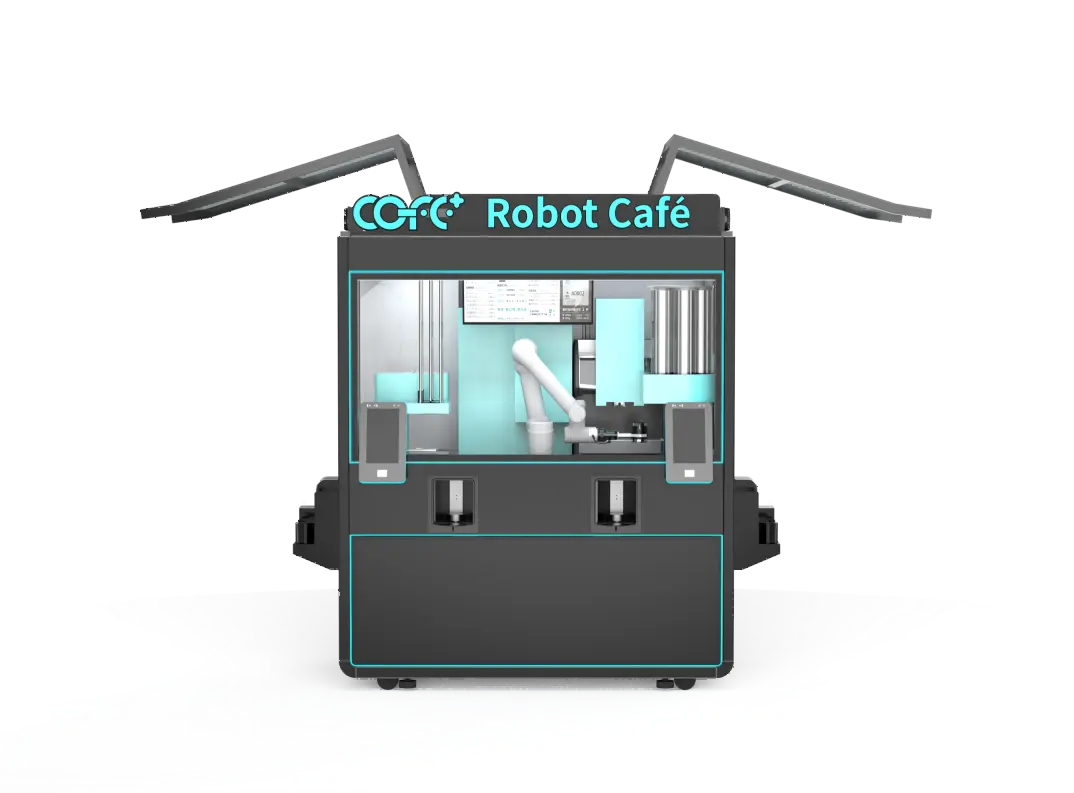
Remote monitoring only reduces labor if the alerts are ranked. Treating every notification with the same urgency creates alert fatigue, and the team stops responding to anything. I recommend three alert bands: stockout risk, quality risk, and equipment risk.
| Alert Band | Trigger | Response | Typical Action |
|---|---|---|---|
| Stockout risk | Ingredient below 20%, cups below 15% at high volume sites | Route-based | Merge refill with nearest site |
| Quality risk | Milk outside 2 to 6 degrees C, skipped clean | Remote reset then visit | Block menu item until resolved |
| Equipment risk | Drain blockage, grinder torque, payment failure | Immediate diagnosis | Dispatch technician only if reset fails |
Each band gets a different response time. Stockout alerts can follow the next replenishment route unless a bestseller item is empty. Quality and equipment alerts should trigger remote diagnosis first, then a field visit only if the module cannot be reset from the dashboard. This sequence matters because most failures do not need a person with a wrench. In the COFE+ kiosks I work with, the cloud platform can push reset commands for several modules, which avoids a service call.
When a site sells more iced drinks than forecast, the gap usually shows up first in milk and cup stock. Set the cup threshold at 15 percent at transit hubs and 10 percent at lower velocity sites. Low cup warnings should not override a fully loaded bean hopper but should trigger a same-day refill route merge with the nearest site.
Milk and cold chain failures are the quiet revenue killers. A temperature drift from 4 degrees C to 6 degrees C can spoil stock before anyone tastes a problem. Automatic 85 degree C sterilization and cleaning logs need to complete. If a cleaning cycle is skipped, the central team should block the next service window until the cycle runs.
Refill schedules should follow sales velocity, not a fixed calendar. A kiosk in a train station can run through 400 cups by noon, while an office lobby kiosk may take three days to sell the same volume. One operations team needs a demand curve for each site, updated weekly from the dashboard. The central planner can then assign two replenishment bands: high-turn sites get daily or twice-daily refills, low-turn sites get every 36 to 48 hours.
There is a harder constraint: sales hours. You do not refill during the morning rush, because opening the cabinet and loading cups creates a queue that blocks purchases. The best windows are the 20 minutes after the morning peak and the mid-afternoon lull. For 24/7 outdoor kiosks, a short late-evening refill works if the location has enough space for the operator to work without blocking access.
I also recommend carrying replacement parts on the same route. If a site shows a water filter warning or a grinder adjustment alert, the refill operator can handle it during the scheduled stop. This cuts the number of separate service trips by roughly half in multisite networks.
If your sites span different peak-hour patterns, it is worth confirming remote alert thresholds and automatic cleaning windows before you lock the replenishment calendar. Send your site list and expected daily cup volume to sales@hi-dolphin.com and we can build the monitoring plan with you.
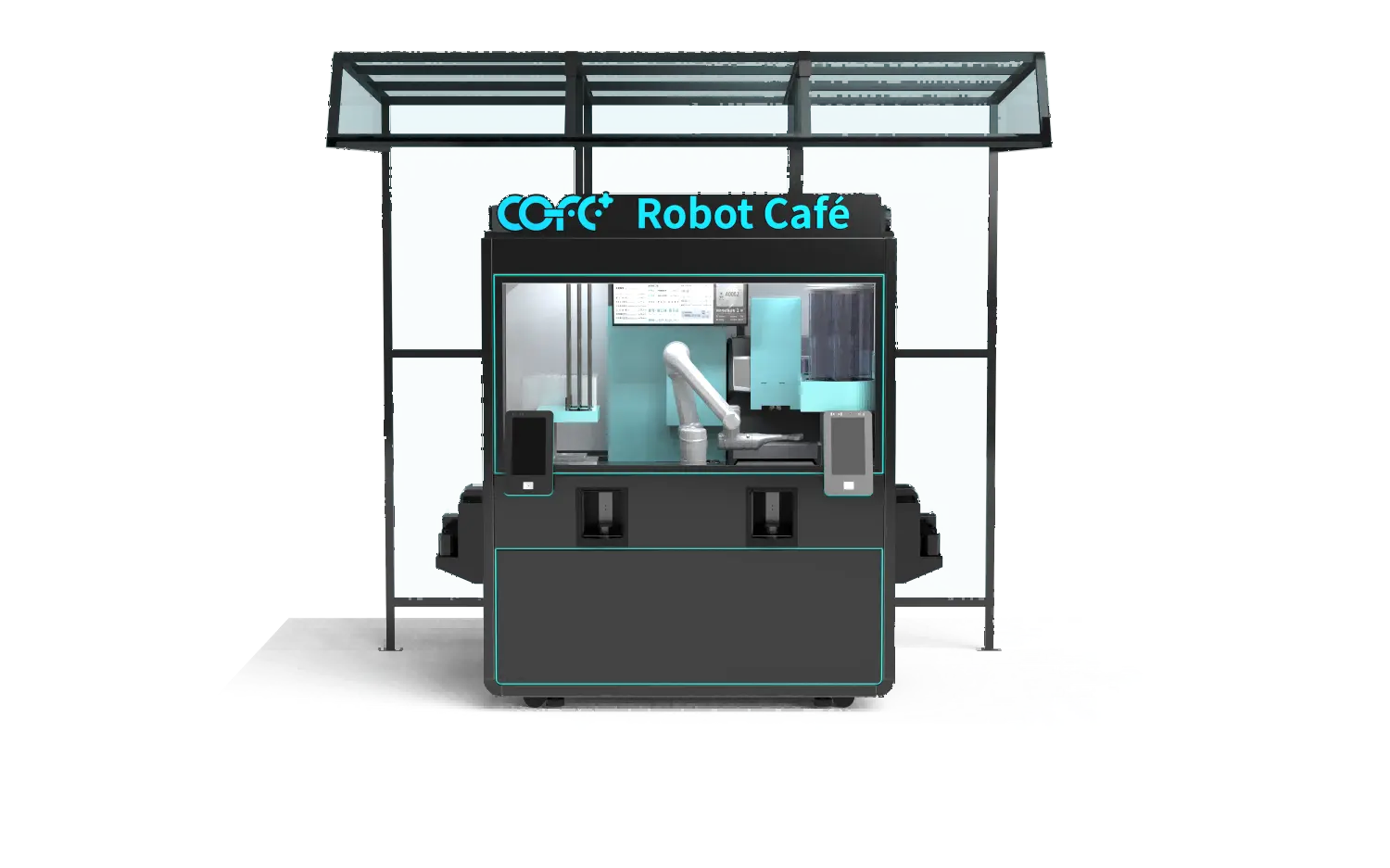
A common mistake is to hire one operator and expect that person to cover dispatch, replenishment, basic maintenance, and customer calls. That works for three sites and falls apart at seven. From day one, define three roles even if one person fills more than one of them at launch.
The first role is the central operator, who watches the dashboard, clears alerts, resets modules remotely, and logs every event. The second role is the field replenishment lead, who owns routes, ingredient loading, light cleaning, and first line mechanical checks. The third role is the service coordinator, who manages the local technician network, schedules preventive maintenance, and confirms that spare parts are in stock before a site goes down.
I have seen small operators hide the service coordinator role inside the central operator’s job to save cost. That decision shows up later as missed preventive visits and repeated emergency calls. The cleanest model is to keep the central operator remote and the field lead on route, with the service coordinator holding both accountable through a simple daily log.
The trigger is not a fixed kiosk count. It is response time. If the farthest site is more than 40 minutes from the field lead’s base, or if two critical alerts in the same hour would force the team to choose which site to serve first, you need a second hub or a regional lead.
I use a simple test: take your five busiest days from the last quarter and overlay every critical alert, refill route, and preventive maintenance task. If the same person appears in more than one location at the same time, the operating model has already failed. It just has not surfaced as a customer-facing problem yet. That is the point to split territory, not after a public complaint.
A regional lead does not need to be a barista. The role is to own site readiness in a defined area, confirm cleaning standards, and coordinate with local technicians. That one hire can keep report lines short while the central team stays focused on data and procurement.
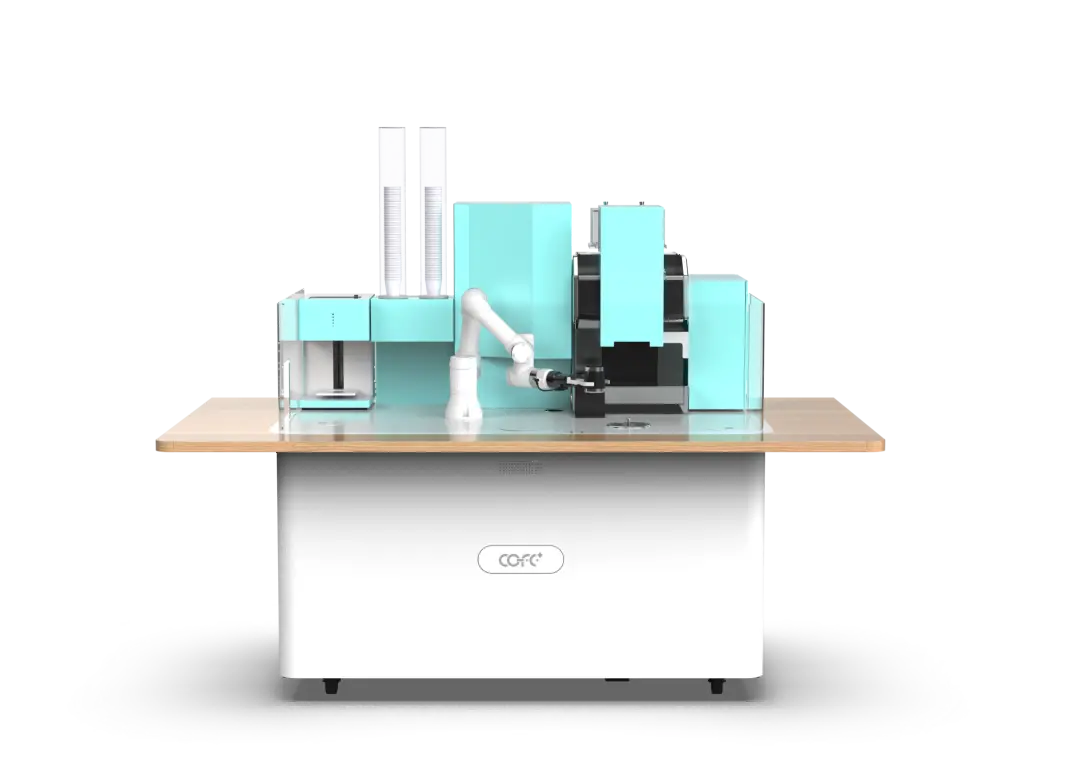
Scaling the kiosk count without scaling the operating model is how operators turn a profitable network into a collection of broken machines. The pain point is usually invisible at three sites and obvious at twelve: the daily route can no longer absorb all exceptions, and the team starts skipping quality checks to keep up. The fix is to confirm three things before adding another location. Alert thresholds should produce fewer than one false alarm per site per day. The replenishment route should absorb the new stop without shifting a peak-hour window. The local technician pool should have someone within your target response time.
If you are planning a multisite rollout, send your current site list, peak-hour demand, and target response time to sales@hi-dolphin.com or call +86 131 6630 1290. We can map the monitoring thresholds, cleaning schedules, and replenishment logic against the kiosk model you plan to deploy.
With centralized monitoring and route-based replenishment, one full-time central operator plus two field staff can typically manage 10 to 15 kiosks within a 40-minute radius. The cap is set by response time and peak refill windows, not by the number of screens to watch. Sites with heavy iced drink demand may need daily refills, which lengthens each route and reduces the total coverage area. The number only works if alerts are ranked and false alarms stay low.
No. The assumption that each unattended kiosk needs a dedicated technician defeats the labor savings. Most routine issues are resolved remotely through the cloud dashboard, from ingredient sensor resets to cleaning cycle restarts. Field visits make sense for mechanical wear items, drainage blockages, and preventive maintenance intervals. If your network is small, one local technician on a shared contract can cover several sites. The key is to reserve technician time for tasks that remote resets cannot finish.
It depends on whether the problem is demand or downtime. If sales are weak but uptime is high, audit location visibility, menu mix, and payment speed first. If uptime is weak and alerts are frequent, audit the site’s physical environment: drainage, power stability, and water pressure. In my experience, underperforming sites usually fail on infrastructure before the robot fails. Fix the location condition before changing the menu or discounting drinks.
In rollouts across several cities I have led, one central team can monitor all sites, but each city needs a local field lead or contracted route operator within the response window. The central operator still owns the dashboard and dispatch logic, while the local lead handles physical refills, cleaning checks, and first line mechanical work. This splits authority without splitting data. It works until a city grows past 8 to 10 kiosks, at which point that city often needs its own operator. Share your site map and response time targets with sales@hi-dolphin.com and we can confirm the dispatch boundaries before you sign new locations.
TL;DR — COFE+ is a fully automated robotic coffee kiosk that grinds fresh beans, brews espresso and lattes, creates latt……
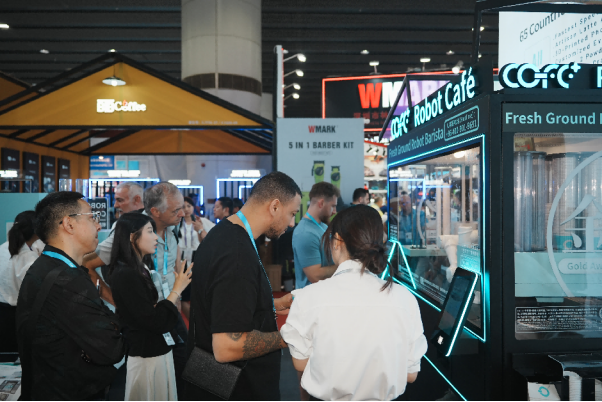
7th-Genertion Smart Robot Coffee Kiosk Arrives at the Belt and Road Core Hub, Ushering in a New Service Era Along t……
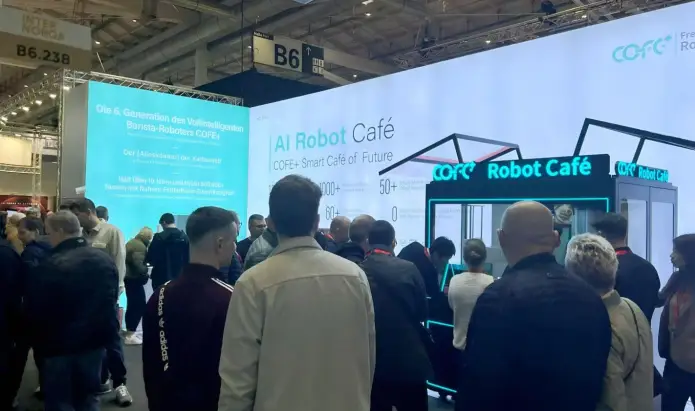
CHICAGO, May 12, 2026 (GLOBE NEWSWIRE) – Shanghai Hi-Dolphin Robot Technology today announced the U.S. debut of its 7th‑……