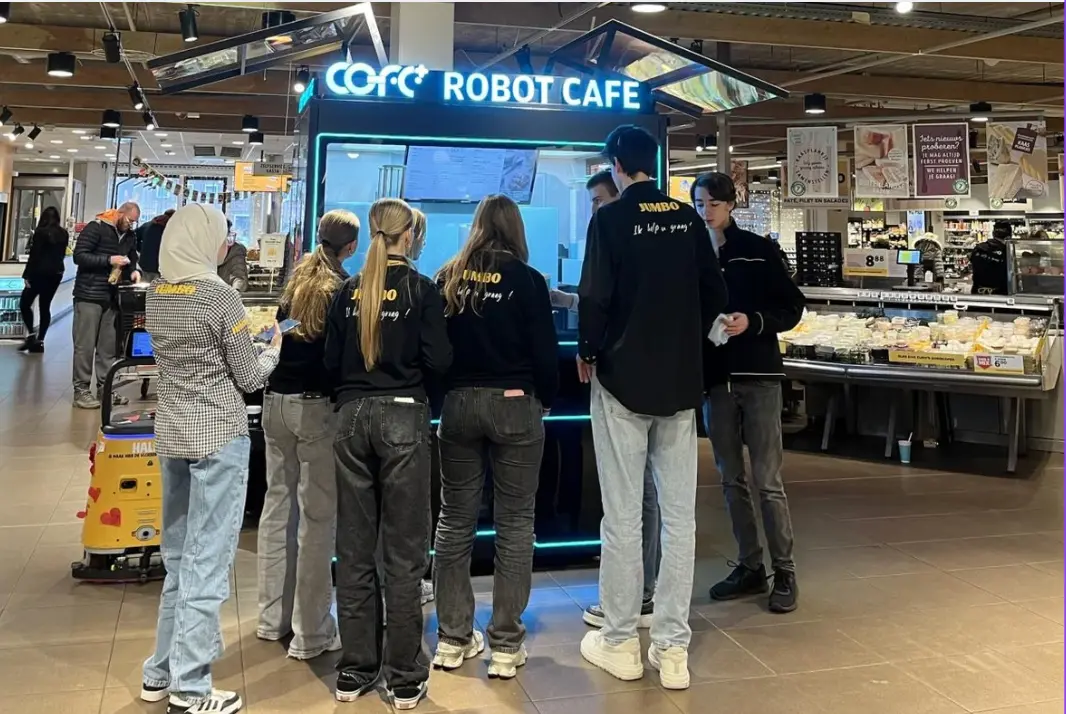
The Rise of Professional Robotic Café Technology: What COFE+ Is and Why It Matters
TL;DR — COFE+ is a fully automated robotic coffee kiosk that grinds fresh beans, brews espresso and lattes, creates latt……

Shopping mall operators constantly seek high-margin, low-overhead revenue sources that convert existing foot traffic into consistent sales. Robot coffee kiosks in malls are emerging as a compelling solution, combining 24/7 unattended service, sub-dollar per-cup costs, and a compact 2.35 m² footprint. However, simply installing a robotic barista in a hallway rarely maximizes its potential. The difference between a disappointing trial and a high-return asset lies in strategic placement, integration with mall operations, and data-driven revenue modeling. In this article, we examine how to position, operate, and profit from robot coffee kiosks in shopping malls, drawing on real product data from deployments in over 35 countries.
Malls generate concentrated, high-dwell-time traffic that traditional food and beverage retailers rely on to cover high lease and labor costs. A manned coffee counter in a busy mall might need four to six baristas just to handle peak hours, and the quality often drops during staff rotation or late shifts. A robot coffee kiosk changes that equation completely.
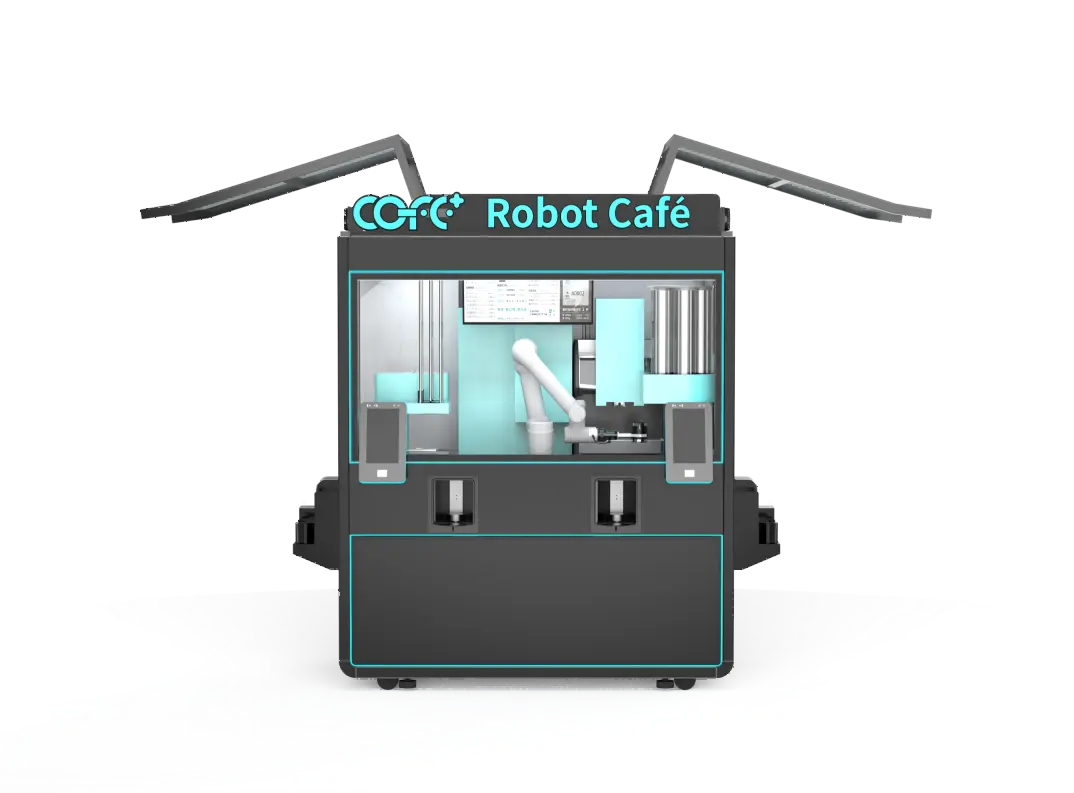
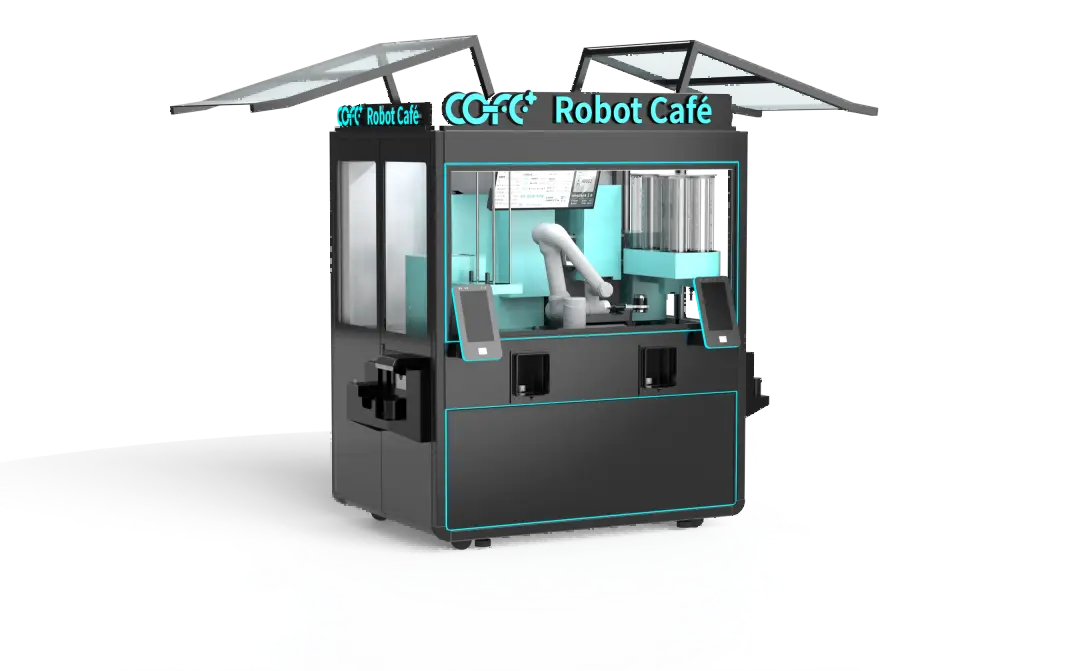
The 7th generation indoor kiosk we work with can produce up to 1,000 cups per day, at a per-cup ingredient and consumable cost averaging between $0.30 and $0.70. It never calls in sick, never over-steams milk, and never leaves a shift uncovered. For mall operators who already have the traffic, it turns an unused 2.35 m² corner into a 24/7 revenue engine. The machine’s 350-drink menu, spanning hot and iced coffees, teas, matcha, and plant-based options, covers morning commuters, afternoon shoppers, and evening cinema goers without any staff.
Where you drop the kiosk inside a mall is the single most influential decision on daily revenue. In our work with mall partners, we have seen that positions near escalator landings, food court entrances, or cinema lobbies consistently outperform quiet corridors. The mechanism is simple: impulse coffee purchases happen when people are transitioning or waiting, not when they are striding through an empty hallway.
A straightforward way to approach this is to map the mall’s daily foot traffic heatmap and overlay three primary zone types:
| Zone Type | Daily Impressions | Expected Conversion | Cups per Day (200k monthly footfall) |
|---|---|---|---|
| Entrance (main) | Very High | 1.0–1.5% | 200–300 |
| Food Court | High | 0.8–1.2% | 160–240 |
| Cinema / Anchor | Medium-High | 1.2–1.8% | 120–180 |
If your mall has a central atrium or a high-traffic intersection anchored by a department store, that location often yields the strongest impulse buys. When considering placement, share your floor plan with us at sales@hi-dolphin.com; we can model expected traffic and suggest a site that makes the most of existing pedestrian flow.
A robot kiosk should not sit as a standalone island. The malls that get the most out of these machines tie them into the building’s marketing calendar. During seasonal sales, the kiosk’s digital screens can run chocolate-themed drink promotions; on cinema release weekends, a combo discount with a nearby ticket booth works well. We have seen malls that connect the kiosk’s loyalty program to the center’s app drive noticeable repeat purchase rates.
The 24/7 nature of the machine also serves a segment that many mall coffee shops ignore: the early-morning gym goer, the 10 p.m. cinema crowd, and the maintenance staff working overnight. Because the kiosk uses cloud-based remote monitoring, stock levels and machine status are continuously visible, and the automated cleaning cycle with 85°C+ high-temp sterilization runs between service periods without human intervention. This opens consistent sales windows that a staffed kiosk simply cannot cover.
The economics of a robot coffee kiosk in a mall are compelling once the daily cup count stabilizes. Using an ingredient cost of $0.50 per cup and a retail price of $3.50 to $4.50, the gross margin per cup is roughly 85%. The daily break-even point, once the machine is in place, is typically reached within the first 50 cups. After that, almost every additional sale goes directly to profit.
Based on the deployment data from our installed base, operators who sell between 200 and 400 cups per day can expect an investment payback in 6 to 12 months. The machine itself is rated for a 10-year service life and has been tested to over 500,000 cups, so a well-placed kiosk can generate high margins for years.
A simplified monthly projection for a mid-traffic mall location:
| Daily Cups Sold | Monthly Gross Profit (est.) | Approx. Payback Period |
|---|---|---|
| 200 | ~$18,000 | 12 months |
| 300 | ~$27,000 | 8 months |
| 400 | ~$36,000 | 6 months |
These projections assume a stable average cup price and typical ingredient costs. Rents, utility fees, and localized promotion costs should be factored into detailed feasibility planning for a specific site.
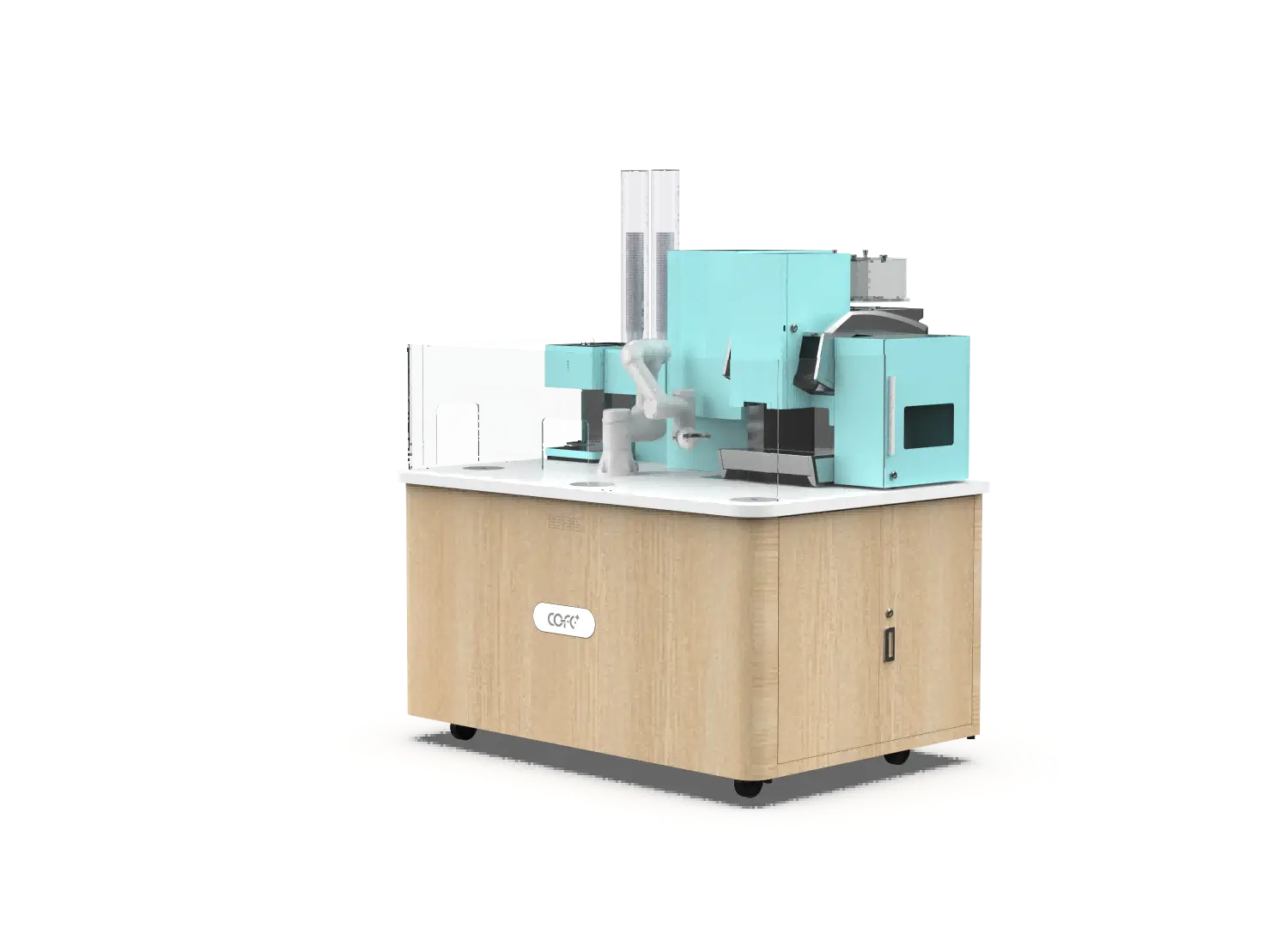
Getting a robot coffee kiosk from proposal to first pour involves fewer steps than commissioning a full café, but the process still benefits from careful coordination. The machine requires a standard 110V or 220V connection, a water supply, and internet access. At 2.35 m², it fits beneath standard mall ceiling heights and typically does not trigger extensive fire safety modifications if the structure is non-combustible and certified.
On the regulatory side, the equipment we supply carries FDA, CE, UKCA, and multiple other international certifications, which streamlines the health department review. Most mall operators spend the bulk of the setup time on lease negotiations rather than technical installation. The lease itself can often be structured as a short-term trial with a revenue-share component, which reduces the mall’s upfront risk.
A common question at this stage is about certifications. In practice, the kiosk’s enclosed, antimicrobial stainless-steel interior and automatic high-temp cleaning cycle satisfy the typical requirements of mall food-safety auditors. We provide all documentation required during the permit application, so the local health inspector sees a complete compliance package from day one.
A robot coffee kiosk addresses the core pain point that mall F&B operators face every day: the need for a consistent, high-margin offering that requires no dedicated staff and no daily management oversight. The combination of a 10-year design life, a proven capacity of 1,000 cups per day, and certified international safety standards makes it a straightforward revenue play for any mall with steady pedestrian flow.
To receive a custom placement analysis and revenue projection for your shopping center, contact our team at +86 131 6630 1290 or sales@hi-dolphin.com. We can evaluate your floor plan, daily traffic counts, and preferred coffee concepts, and return a feasibility model that shows exactly how a robot coffee kiosk would perform in your specific environment.
Leases vary widely, but most malls we work with start with a 6- to 12-month trial that includes a fixed base rent plus a percentage of revenue. This structure aligns interests because the mall benefits as sales grow. Once the kiosk proves its sales run rate, longer-term agreements with favorable revenue splits often follow.
The taste consistency of a robot coffee kiosk comes from fully digitized recipes. The machine grinds beans, extracts espresso, steams milk, and adds flavor syrups using the same recipe every time. We have validated that drink quality remains identical across more than 300 consecutive cups. The 3D latte art system also prints images and logos on foam, which is something a human barista cannot replicate at scale.
Restocking frequency depends on volume. At 200–300 cups per day, a site visit for ingredient replenishment every 24–36 hours is typical. The kiosk’s cloud dashboard sends alerts when stock drops below a set threshold, so staff never need to guess. Cleaning is automated: after a preset number of cups, the machine runs an 85°C+ hot-water cycle that sanitizes internal lines, meeting the hygiene standards expected in mall food courts.
Profitability in a lower-traffic mall still benefits from the absence of labor costs, but the revenue ceiling is tied to daily footfall. In our experience, a kiosk placed near a popular anchor store or the mall’s main restroom corridor can still generate enough impulse sales to be viable, even in a smaller center. If your mall receives under 5,000 daily visitors, we recommend a location feasibility study before committing. Share your monthly traffic data at sales@hi-dolphin.com and we will run a per-day sales estimate for your site.
TL;DR — COFE+ is a fully automated robotic coffee kiosk that grinds fresh beans, brews espresso and lattes, creates latt……
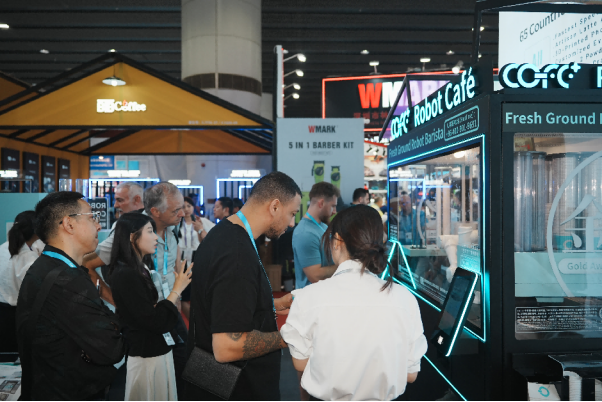
7th-Genertion Smart Robot Coffee Kiosk Arrives at the Belt and Road Core Hub, Ushering in a New Service Era Along t……
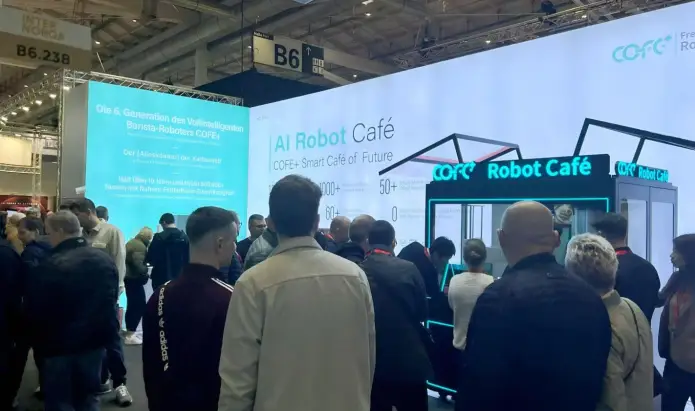
CHICAGO, May 12, 2026 (GLOBE NEWSWIRE) – Shanghai Hi-Dolphin Robot Technology today announced the U.S. debut of its 7th‑……