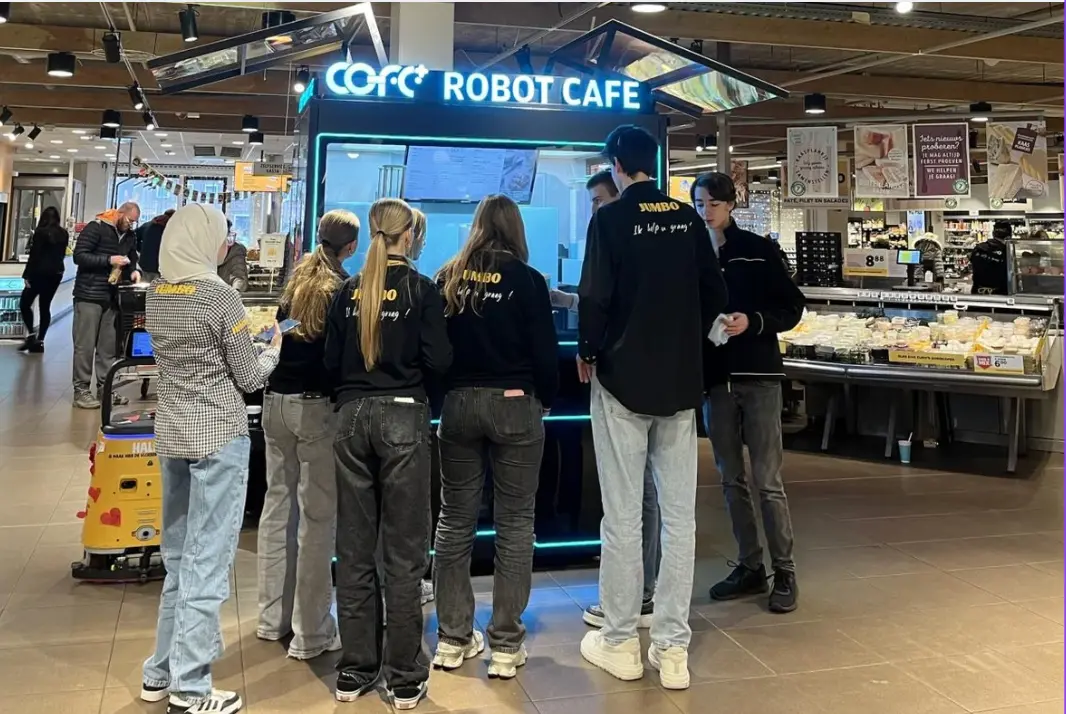
The Rise of Professional Robotic Café Technology: What COFE+ Is and Why It Matters
TL;DR — COFE+ is a fully automated robotic coffee kiosk that grinds fresh beans, brews espresso and lattes, creates latt……

Getting the per-cup price right matters more for a robot coffee kiosk than for a traditional café, because the entire unit economics shift when labor costs drop to zero and ingredient costs become the dominant variable. Robot coffee kiosk revenue per cup hinges on a pricing strategy that accounts for real-time demand data, per-cup cost structure, and the premium perception of a machine that can craft latte art and 350 drink recipes. Based on deployments across 35 countries, I’ve seen operators double their margins not by slashing prices but by using the kiosk’s smart brain to respond to customer flow and competition in ways a static menu board never could.
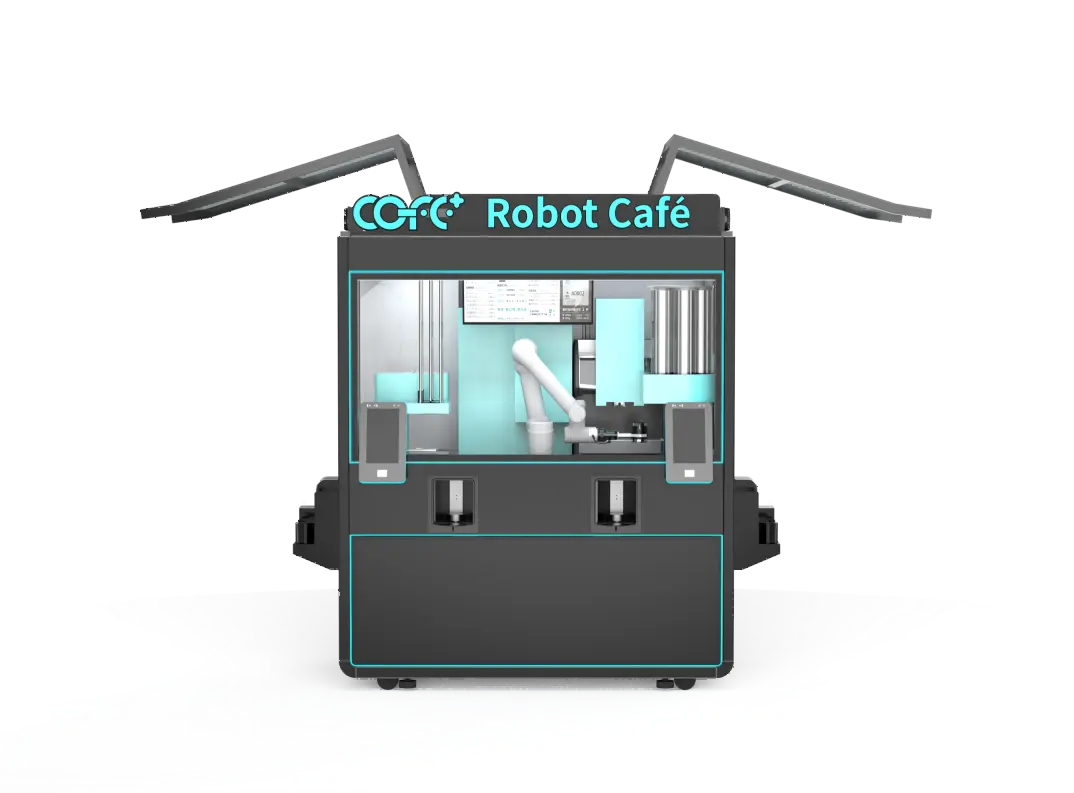
Every pricing strategy starts with knowing your actual cost per cup. On a COFE+ 7th generation kiosk, the fully loaded ingredient cost runs roughly $0.30 to $0.70 per cup, depending on coffee bean quality, milk type, cup, lid, and syrup selections. That range covers everything from a standard Americano to a customized oat milk latte with extra flavor shots. What pushes the number higher is not the base espresso, it is the premium additions: fresh dairy, plant-based milks, specialty syrups, and branded packaging.
The cost structure gets interesting when you compare the kiosk’s operational baseline to a manned coffee bar. A typical specialty coffee shop spends 25–35% of revenue on labor. That line item does not exist for a robot kiosk. You have no shifts to schedule, no barista training, no sick leave coverage. Your fixed overhead condenses to rent or placement fees, electricity, internet, and a cloud-based maintenance subscription. So your cost-per-cup floor is almost entirely materials, which means a higher proportion of every dollar charged flows to the bottom line.
For operators who buy ingredients in bulk and centralize distribution across multiple kiosks, the per-cup ingredient cost can be pushed toward the lower end of that $0.30–$0.70 band. Our team has seen centralized purchasing reduce bean and milk costs by another 15–20% for operators running more than five units in a single metro area. If your supply chain is fragmented, factor in the higher end when modeling base price.
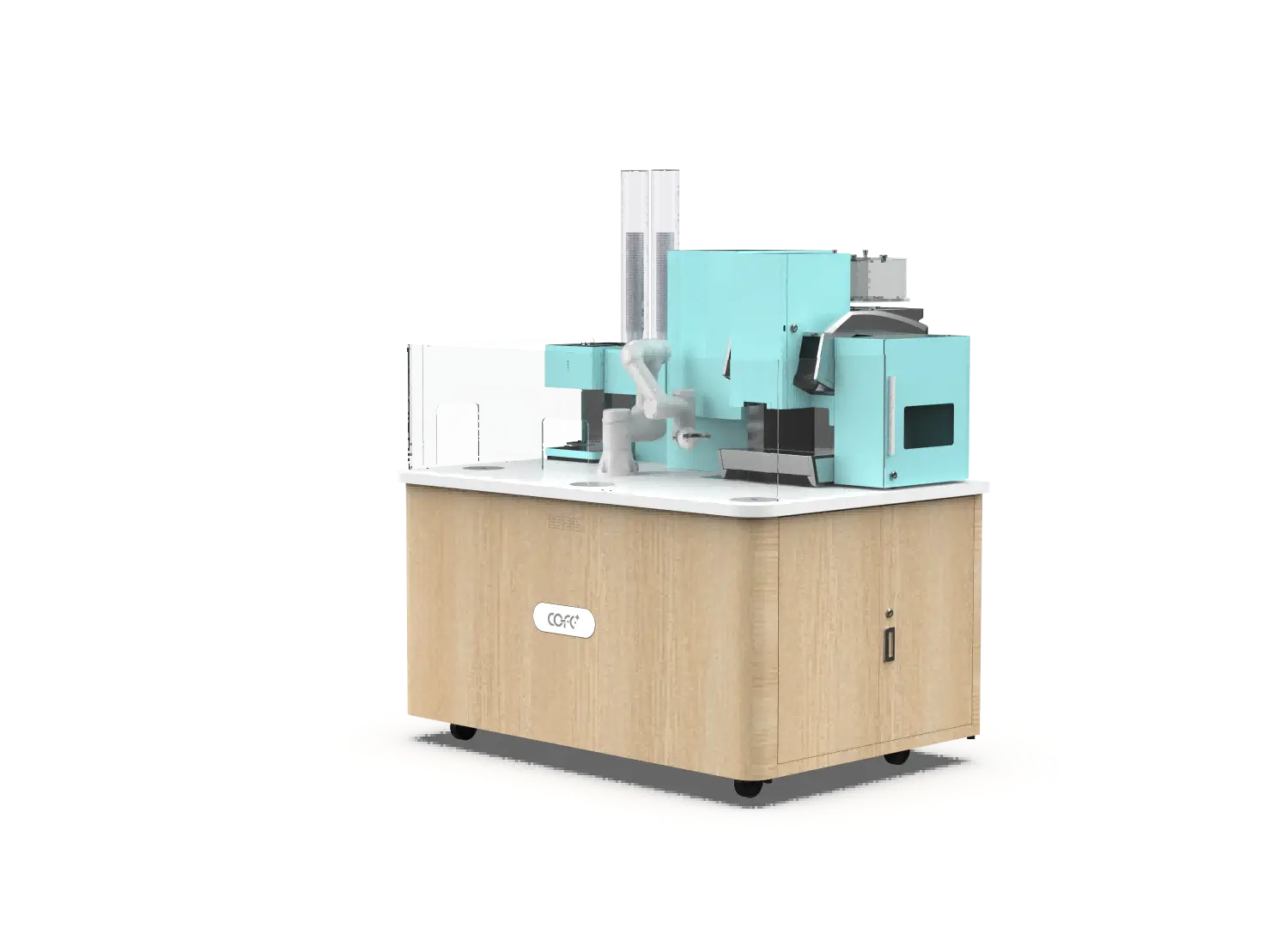
Before chasing dynamic adjustments, lock in a base price that covers cost and positions you for the right customer segment. With a $0.50 average ingredient cost and a clear price-to-quality ratio, most operators we work with set their standard espresso-based drink between $3.50 and $5.50. The upper end works in airports, transit hubs, and upscale malls. The lower end fits university campuses, corporate offices, and gym facilities.
Factor the format into the price. A compact indoor kiosk or robot coffee counter placed in a high-traffic office lobby can sustain a slightly higher base price because the convenience premium is strong. An outdoor kiosk in a park or a gas station forecourt usually needs a more aggressive entry price to pull customers out of their existing routine. I’ve seen operators test a $2.99 entry coffee and an $4.99 premium latte as a starting split, then tweak after 90 days of sales data.
Menu tiering is the fastest way to protect margins without raising the entry price. A basic drip coffee or Americano sits at the base tier. A latte and cappuccino occupy the middle tier, often 30–50% above base. Any drink with alternative milk, extra shots, or syrup customization moves into the premium tier. The 5,000-plus combination capability of a COFE+ kiosk gives you room to build tiers that feel organic to customers while increasing average ticket value across the board.
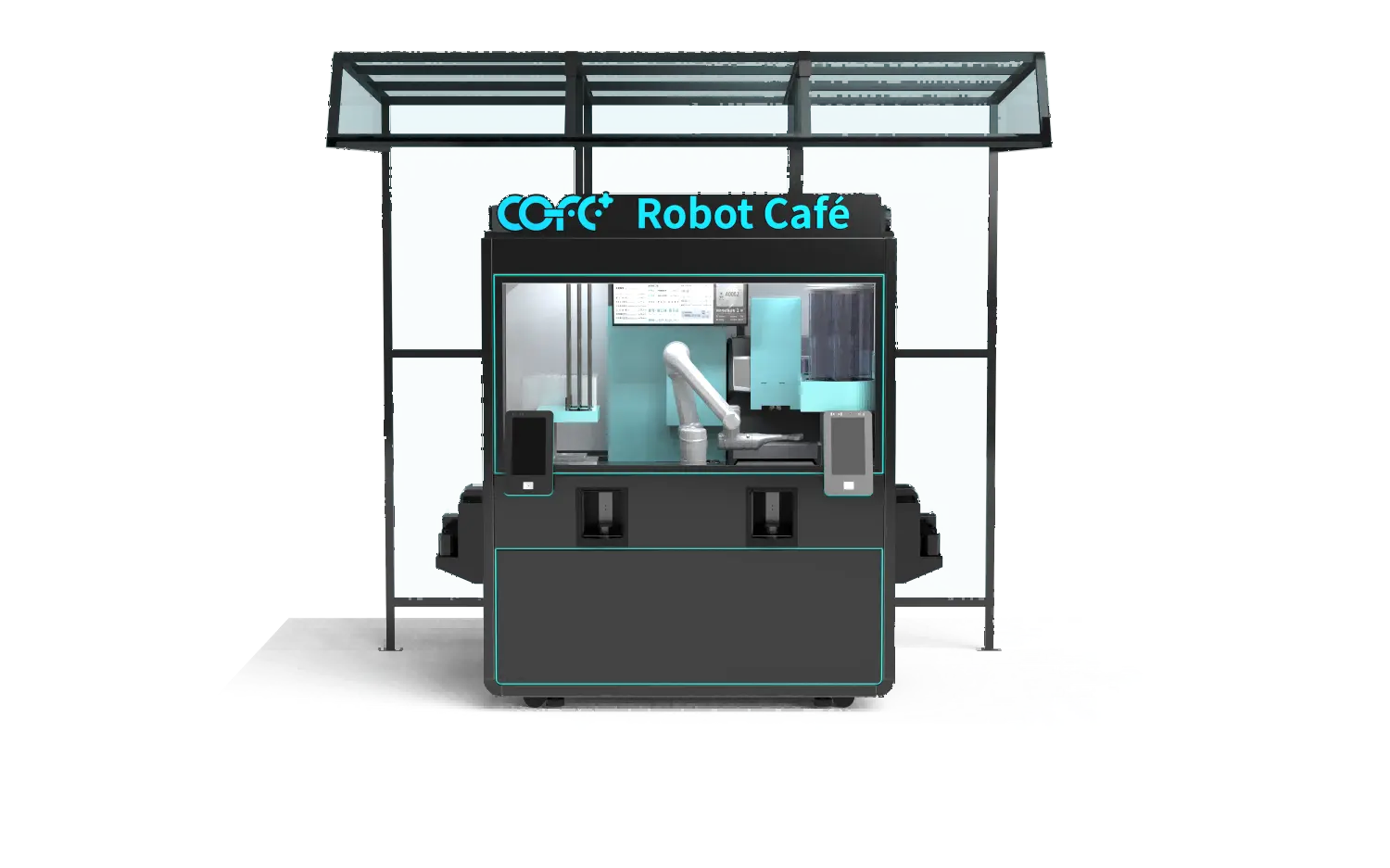
The real pricing advantage of a robot coffee kiosk is not the hardware, it is the data layer. Every COFE+ unit runs a Smart Store Brain that tracks sales per hour, item popularity, and peak demand periods. Operators who use that data to adjust prices dynamically outperform static-price locations by a visible margin.
Morning rush hour from 7:00 to 9:00 a.m. sees the highest price inelasticity. Customers want coffee fast and rarely comparison-shop. In one train station deployment, an operator raised latte prices by $0.70 during peak commute windows and saw no drop in unit volume. That single adjustment added roughly $2,100 in extra monthly per-cup revenue without any increase in ingredient cost. Conversely, during slow afternoon stretches, a temporary discount of $0.30–$0.50 often lifts volume enough to offset the lower margin and keeps the machine productive.
The key is to let the system, not your intuition, guide the timing. Set rules in the Smart Store Brain: if average wait time drops below 30 seconds for two consecutive hours, that’s a demand signal that a small price bump is safe. If the machine idles for more than ten minutes during a previously busy window, a targeted promotional price can reactivate traffic. These adjustments are automatic on the COFE+ platform once calibrated, so you do not need to sit and monitor a dashboard.
If your program spans multiple kiosk formats or spans both indoor and outdoor locations, the dynamic strategy should differ. An outdoor kiosk in a park has a narrower daily demand window but higher weekend peaks. The pricing algorithm there should swing more aggressively upward on sunny weekends and drop deeper on rainy weekdays. An indoor corporate campus kiosk follows a predictable 9-to-5 pattern and benefits from smaller, steadier adjustments. Matching the algorithm’s amplitude to the location’s demand volatility is what separates a good return from a flat one.
A robot coffee kiosk does not compete with specialty coffee shops on barista craft, it competes on speed, consistency, and an experience that surprises first-time users. When I look at pricing data across locations in North America, Europe, and the Middle East, the successful operators price slightly below a premium chain like Starbucks but above a standard bean-to-cup vending machine. That places the standard latte in a $3.50–$4.50 window, which consumers perceive as fair for fresh-ground coffee with a visual latte art show.
Do not undercut yourself to match a traditional vending machine. A robot kiosk produces fresh ground coffee with a robotic arm and 3D foam printing. That is a fundamentally different value proposition than a freeze-dried canister machine. I’ve seen price tests where an operator set a basic black coffee at $2.00, matching a nearby vending unit. Volume was high but the machine’s premium perception eroded. When the price moved to $2.80, per-cup revenue increased without a proportional drop in cups sold, and the location started attracting customers who stayed for the visual experience and upgraded to higher-margin drinks.
New customers often need a reason to try the machine the first time. A launch discount of 20–30% for the first two weeks, combined with visible signage about the robot’s capabilities, works well. After the trial period, normalizing the price to the target range keeps the customer base you built while maintaining margin. A few operators I’ve supported placed a permanent “happy hour” price between 2:00 and 4:00 p.m. to create a word-of-mouth habit, and it performed better than any permanent price reduction.
A plain cup of coffee rarely generates the per-cup revenue an operator needs. The path to higher average ticket value on a robot kiosk runs through customization and visual premium features that feel personal even though they are automated.
The COFE+ 7th generation unit can print a customer’s photo, a logo, or a pet image onto the foam surface and execute handcrafted-style latte art via robotic arm. For a surcharge of $0.80–$1.50 per cup, this feature converts a standard latte into a personalized experience that people photograph and share. Even without a human barista, the visual theater creates a value perception that supports a meaningful upcharge. Operators who promote this option via an on-screen prompt after a standard drink selection see uptake rates around 15–25%, directly lifting per-cup revenue without incremental ingredient cost.
Specialty syrups, alternative milks, and extra espresso shots follow the same logic. Program the ordering interface to present these as one-tap add-ons rather than buried menu layers. A customer who selects a vanilla oat milk latte with an extra shot might pay $6.50 or more, and each of those modifiers carries a margin of 70–80%. The per-cup ingredient cost might rise by $0.15, but the selling price jumps by $1.20 or more. If just one in five customers takes an upsell, your daily revenue per cup moves up measurably.
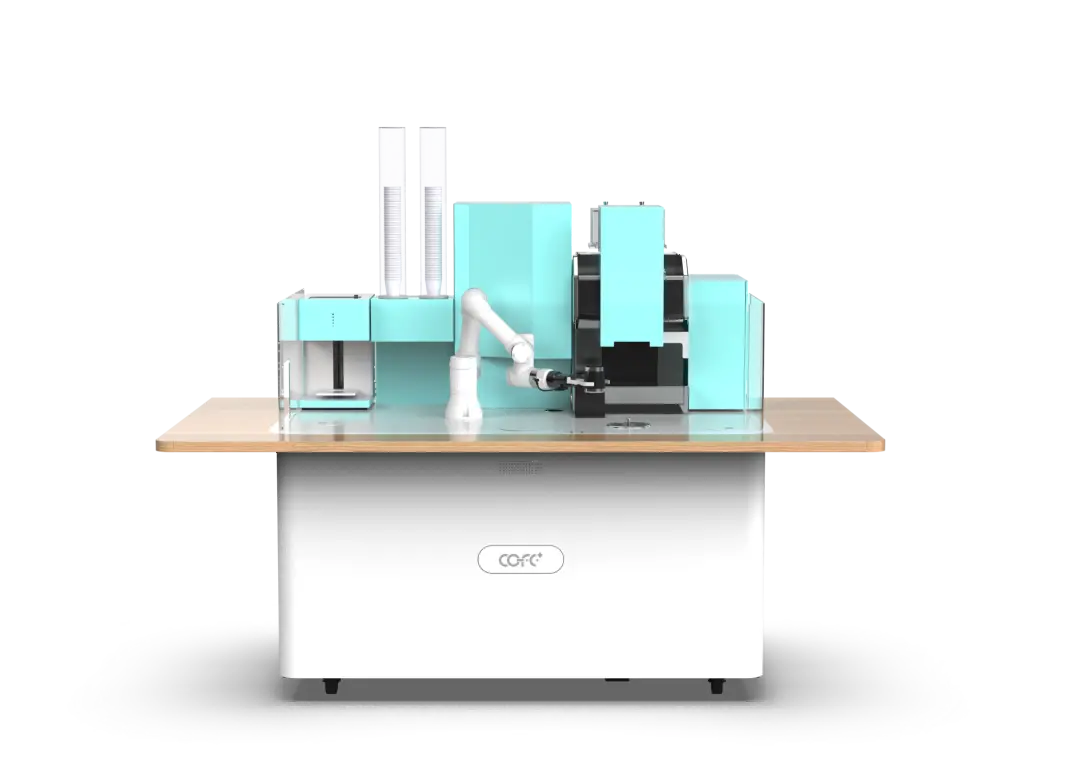
Your per-cup profit is not just price minus ingredient cost. Three different levers pull the actual profit number in opposite directions, and operators who ignore them leave money on the table.
Ingredient cost is the most visible lever. Switching to a slightly cheaper coffee bean blend can lower per-cup cost by a few cents. That may sound trivial, but across 800 cups per day, a $0.03 reduction adds over $700 per month. The trade-off is whether your customer base detects the difference. In locations where customers are not coffee connoisseurs, such as transit stations where speed dominates, a mid-range bean performs well. In a luxury hotel lobby or premium co-working space, a single-origin specialty bean justifies a higher price and protects the customer experience.
Cup and lid costs add another layer. Biodegradable or premium double-wall cups can cost $0.08–$0.12 each, while standard paper cups run $0.03–$0.05. If your location has a strong sustainability-conscious customer base, the higher-cost cup can be bundled into the price as a premium differentiator. Some operators actually use the eco-friendly cup as a branded feature to support a $0.30 price premium on every drink, turning the higher per-cup material cost into a net revenue gain.
The third lever is waste. A manned coffee bar often wastes 5–10% of milk and coffee from mistakes, over-pours, and unsold batch brew. A robot kiosk doses precisely by weight and grinds per order, which reduces waste to nearly zero. That alone recovers a few cents per drink before you change any price. Factor in the waste savings when modeling profitability, because it effectively lowers your true per-cup cost below what a traditional café would calculate.
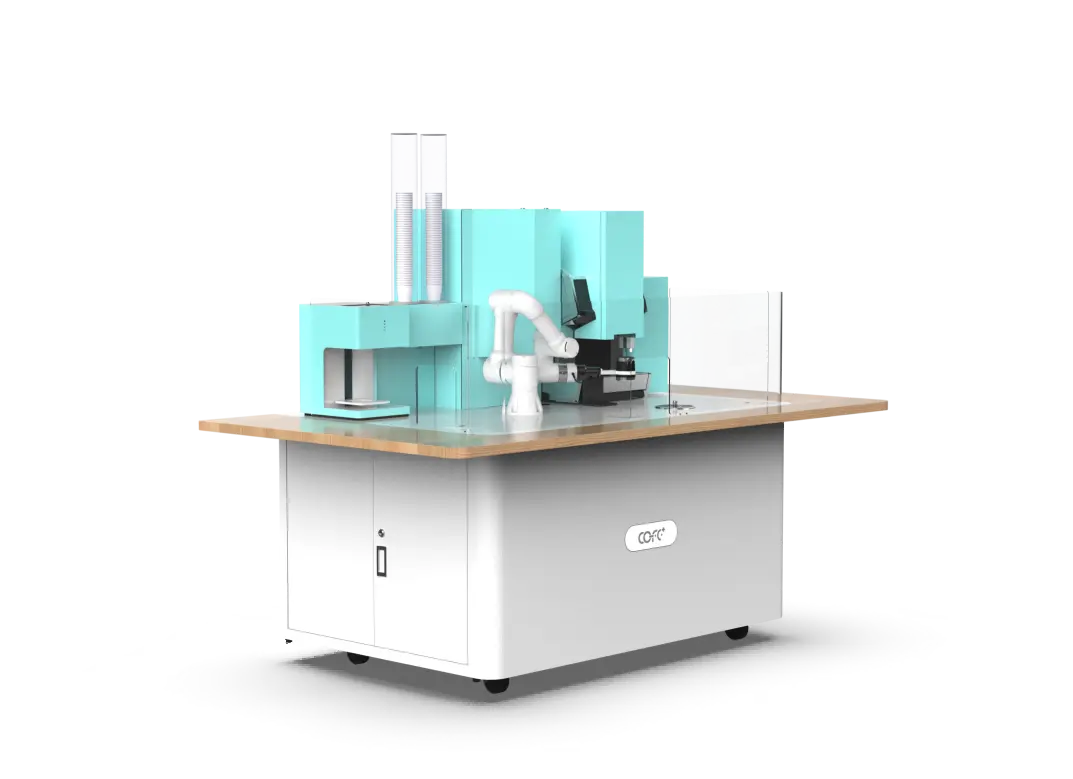
If your pricing model still feels like guesswork after running these numbers, the fastest way to get a firm baseline is to share your location type and target customer profile with someone who has seen cross-market data. Reach our team at sales@hi-dolphin.com or call +86 131 6630 1290, and we can map the per-cup economics to your specific scenario.
Yes, and you can automate it. The COFE+ Smart Store Brain lets you pre-set price rules based on time blocks, weekday versus weekend patterns, or even real-time demand signals. I’ve seen operators run three pricing bands: standard, peak, and promotional, with smooth transitions that avoid confusing customers. Once the rules are configured, no manual intervention is required unless you want to override for a special event.
If the changes are large and frequent, they might. But most operators implement subtle adjustments. A $0.30 difference on a latte between 8:00 a.m. and 2:00 p.m. rarely raises questions. Customers are accustomed to surge pricing in other industries, from ride-hailing to airline tickets. The key is to pair any price increase with visible value, like faster service or a loyalty promotion, so the transaction still feels fair.
Watch the order abandonment rate on the kiosk’s digital interface. If customers browse the menu and leave without ordering, that suggests price resistance. Also track day-part unit volume: if your morning peak underperforms compared to comparable locations, test a small price reduction on the top three selling drinks and measure the volume response over two weeks. The Smart Store Brain logs all this, so you are not working blind.
That depends on your fixed costs, notably placement rent and financing. With ingredient costs around $0.50 per cup and a typical kiosk placing $3.50–$5.50 per drink, the contribution margin per cup is $3.00–$5.00. At 200–400 cups per day, many operators reach full payback within 6–12 months. I recommend building a simple spreadsheet that subtracts per-cup ingredient cost from your average ticket, then dividing your monthly fixed costs by that number to find your daily break-even volume. If your location and footfall put that number within reach, the economics usually work well.
Yes. The COFE+ system supports multi-currency display and payment processing out of the box. If you are placing units across different countries, you can set local currency pricing and adjust tax rules for each market. Our team can help configure tax-inclusive or tax-exclusive pricing so your per-cup revenue calculation stays clean. Share your deployment regions and we’ll confirm the setup details.
TL;DR — COFE+ is a fully automated robotic coffee kiosk that grinds fresh beans, brews espresso and lattes, creates latt……
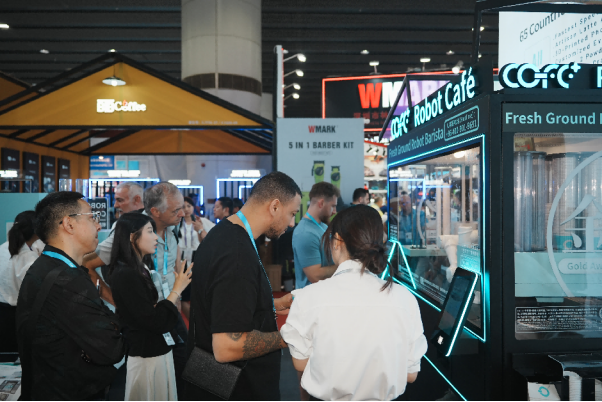
7th-Genertion Smart Robot Coffee Kiosk Arrives at the Belt and Road Core Hub, Ushering in a New Service Era Along t……
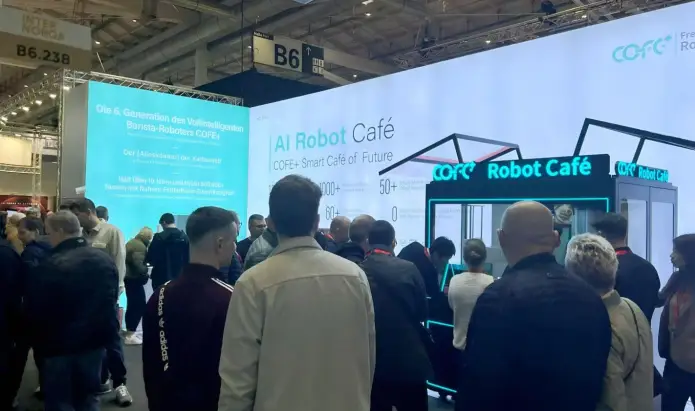
CHICAGO, May 12, 2026 (GLOBE NEWSWIRE) – Shanghai Hi-Dolphin Robot Technology today announced the U.S. debut of its 7th‑……