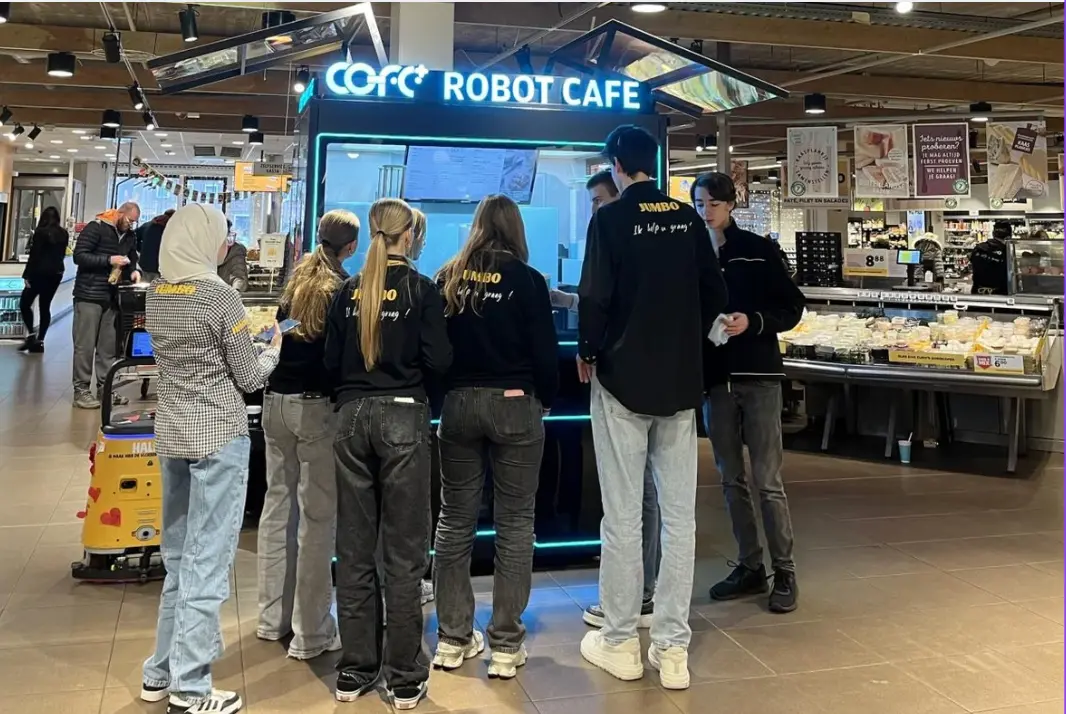
The Rise of Professional Robotic Café Technology: What COFE+ Is and Why It Matters
TL;DR — COFE+ is a fully automated robotic coffee kiosk that grinds fresh beans, brews espresso and lattes, creates latt……

The shift from barista-staffed counters to autonomous coffee service is not a future trend — it is an active reconfiguration of food service economics. Robot coffee kiosks are eliminating the single largest variable cost in coffee retail while solving the consistency problem that chains spend millions trying to manage. What most coverage misses is that the hardware itself is only half the equation; the deployment format — indoor kiosk, outdoor kiosk, built-in counter, or transformable bar — determines whether the unit generates a six-month payback or becomes an underutilized asset. Drawing from our work deploying robotic kiosks across 35 countries, this article examines what operators need to know before committing to a format.
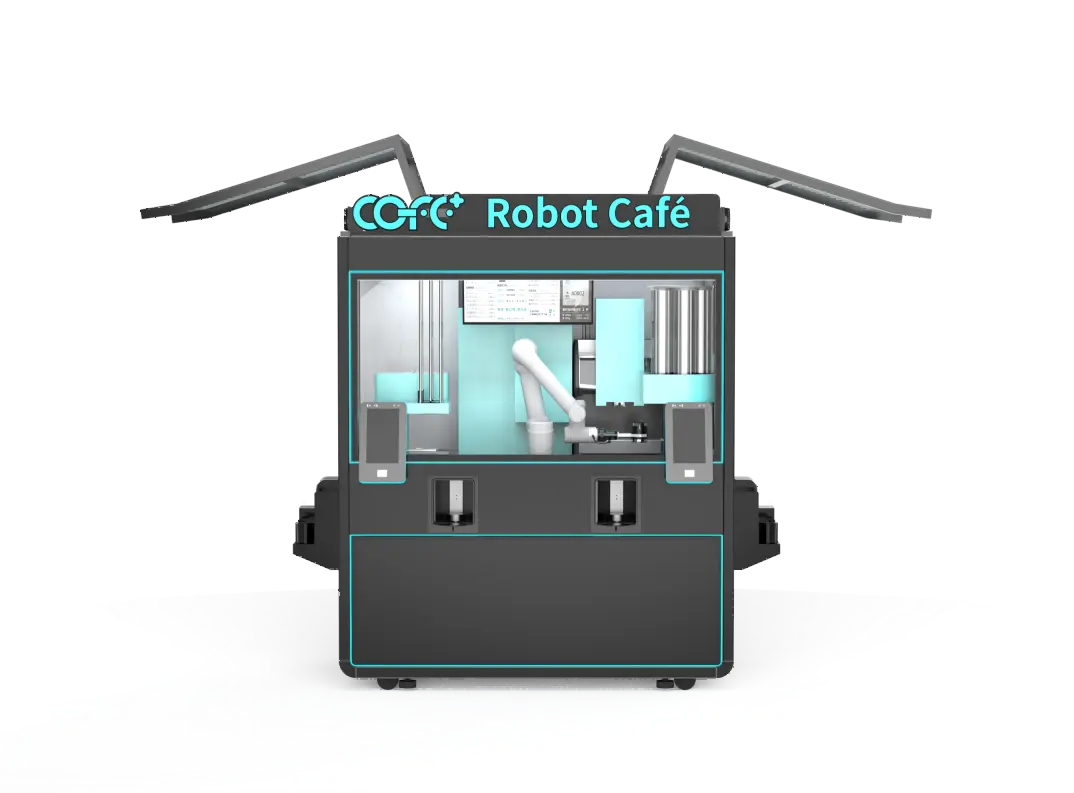
A conventional café carries four structural costs that robotic kiosks eliminate entirely: hourly labor across all shifts, the site-selection gamble that comes with long-term leases, quality drift between staff members, and the revenue ceiling imposed by closing hours. In a staffed setup, even a lean operation needs 3–4 baristas to cover a full day, and that number climbs when you factor in sick days, training, and turnover. A single robot coffee kiosk runs 24 hours without a shift change, without a sick day, and without the calibration drift that happens when a new barista pulls shots differently from the one who trained them.
We have seen operators underestimate the site-selection advantage. A traditional café commits you to a fixed location for years — if the footfall shifts, the lease does not adjust with you. A robotic kiosk with a 2.35 m² footprint can be repositioned inside a mall, moved to a different concourse in an airport, or tested in a corporate lobby for three months before committing. That portability changes the risk equation entirely. You are not betting on a location; you are validating it at low cost.
The overnight revenue window is the other piece that traditional cafés simply cannot capture. A 24-hour kiosk in a hospital, university library, or transit hub continues generating revenue while staffed competitors are closed. At a cost of roughly $0.30 to $0.70 per cup, those off-peak sales carry exceptionally high margins.
The skepticism we hear most often from café operators is about consistency. A trained barista adjusts grind size, tamping pressure, and milk texture based on ambient humidity, bean age, and dozens of micro-variables. The assumption is that a machine cannot match that sensitivity. In practice, a robotic system with digitized recipes eliminates the variable that causes the most inconsistency: the human.
A seventh-generation robotic coffee kiosk does not approximate a barista’s movements — it digitizes them. Extraction time, water temperature, grind coarseness, and milk frothing duration are stored as precise parameters for each of 300-plus drink recipes. When a customer orders a flat white, the system does not interpret the recipe; it executes it identically to the last 300 flat whites it made. That reproducibility is what chain cafés spend heavily on training and calibration to approximate, and it is what independent shops lose when their head barista leaves.
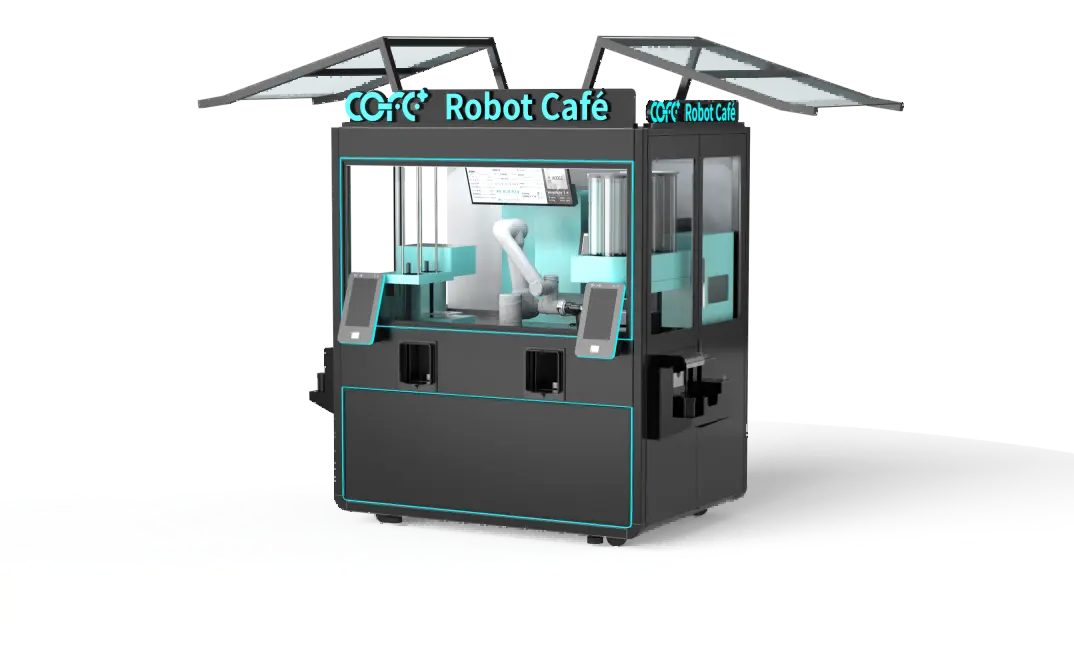
The robotic arm handles what a barista’s hands do — tamping, portafilter positioning, and even latte art. We are talking about tulips, rosettas, and hearts drawn by a programmed arm that never rushes, never fatigues, and never has an off day. For operators who want branded presentation, the 3D foam printing system can render a company logo or a customer’s photo on the surface of a latte. None of this is a gimmick when you are running a hotel lobby bar at 3 AM with zero staff — it is the difference between a guest remembering the experience and not noticing it at all.
The hardware underneath supports this consistency over a 10-year design life, rated for over 500,000 cups. That durability figure matters because it changes the depreciation math. A machine that needs replacement at 100,000 cups has a fundamentally different unit economics profile than one engineered for five times that throughput.
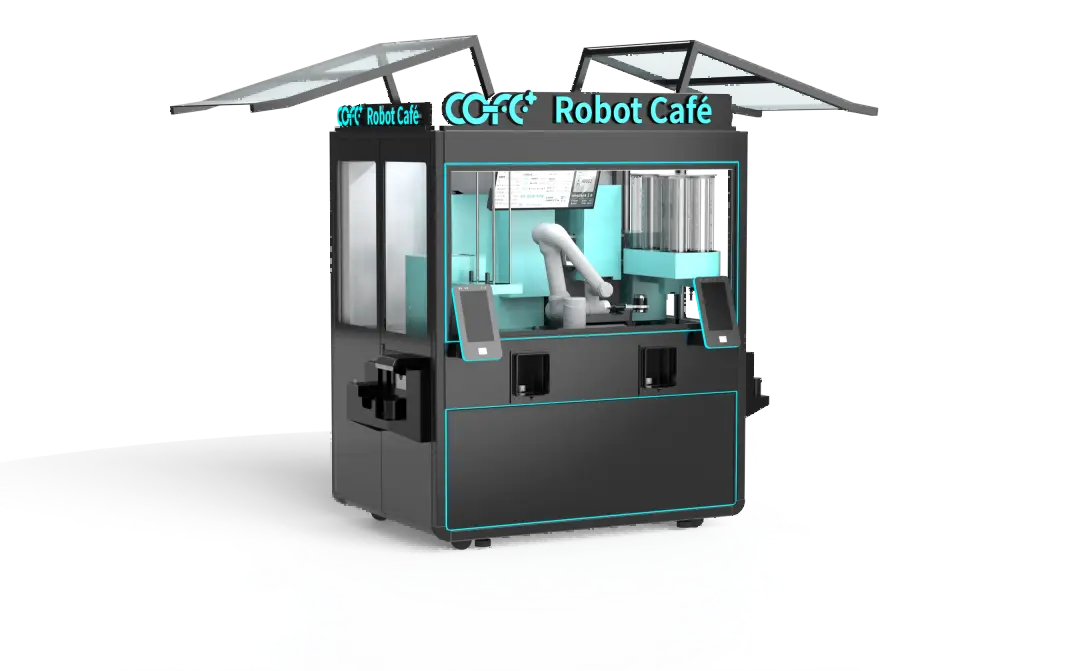
Choosing between an indoor and outdoor robotic coffee kiosk is not about preference — it is about the environmental load the machine must handle and the customer behavior at the deployment site. The two formats share a core robotic system but differ in enclosure engineering, climate tolerance, and maintenance requirements.
| Feature | Indoor Robot Coffee Kiosk | Outdoor Robot Coffee Kiosk |
|---|---|---|
| Operating temperature | Standard indoor range | -20°C to 45°C |
| Weather protection | Basic enclosure | IP54-rated, UV-resistant, anti-condensation |
| Sanitation system | Auto-cleaning, high-temp sterilization | Enclosed waste system, anti-microbial interior, 85°C+ sterilization |
| Footprint | ~2.35 m² | ~2.35 m² |
| Ideal locations | Malls, airports, offices, universities | Parks, streets, stadiums, gas stations, tourist sites |
| Certification coverage | FDA, CE, UKCA, KC, SASO | FDA, CE, UKCA, KC, SASO |
The outdoor model costs more upfront because the enclosure engineering is substantially more demanding. It needs to manage condensation in humid climates, dust ingress in arid environments, and thermal stress in regions that swing from freezing to direct sunlight within hours. What you gain is access to high-traffic outdoor locations where no staffed kiosk would be economical — a gas station forecourt at midnight, a theme park pathway, a beach boardwalk in off-season.
We have seen outdoor units in the Middle East operate reliably through summer afternoons where ambient temperatures exceed 40°C, which is a test that no standard vending machine passes. The IP54 rating is not a marketing specification; it is what determines whether the machine runs uninterrupted during a dust storm or a heavy rain.
For operators unsure which format fits, the question to answer first is: where are your customers when they are not indoors? If the answer includes transit platforms, open-air retail zones, or tourism paths, the outdoor model opens revenue windows the indoor model physically cannot serve.
Beyond the standalone kiosks, there is a category of robotic coffee solutions designed to integrate into existing interiors — hotel lobbies, corporate lounges, membership clubs, and high-end retail spaces. These built-in formats turn unused floor space into a coffee service point without the operational footprint of a staffed bar.
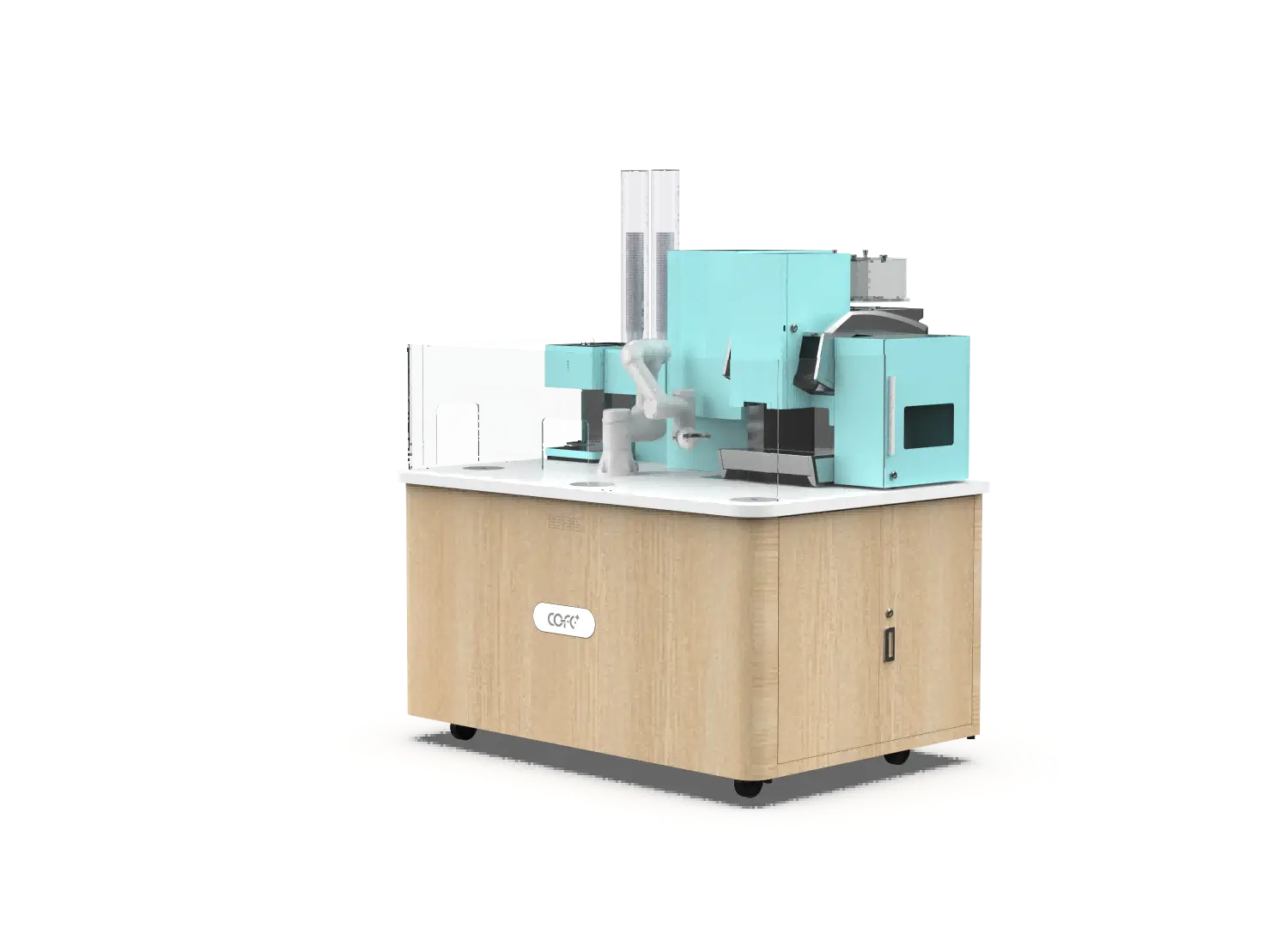
The robot coffee counter is the most space-efficient of the three, occupying roughly 2 m² and designed to blend into an existing bar counter, reception area, or lounge. It operates as an open-view setup — guests watch the robotic arm prepare their drink, which transforms a transactional coffee moment into what we describe as coffee theater. Luxury hotels use this format to extend coffee service into hours when a full barista station would sit idle, particularly late-night and early-morning windows.
The robot coffee bar takes a different approach. When folded, it presents as a sleek self-service counter. When extended, it becomes a four-seat coffee bar where customers sit and watch the robot prepare drinks — a social hub rather than a grab-and-go point. This format works well in co-working spaces, airport lounges, and university common areas where dwell time is part of the value proposition. The transformation from counter to bar is mechanical and takes under a minute, which means the operator can adapt the format to peak and off-peak traffic.
The mini robot coffee shop compresses a full café experience into under 5 m² — essentially a complete unmanned coffee store with equipment, menu display, and serving area in a compact footprint. This is the format for high-traffic commercial streets, shopping mall corridors, and transit concourses where space commands a premium and a staffed café would require 10 to 20 times the square footage.
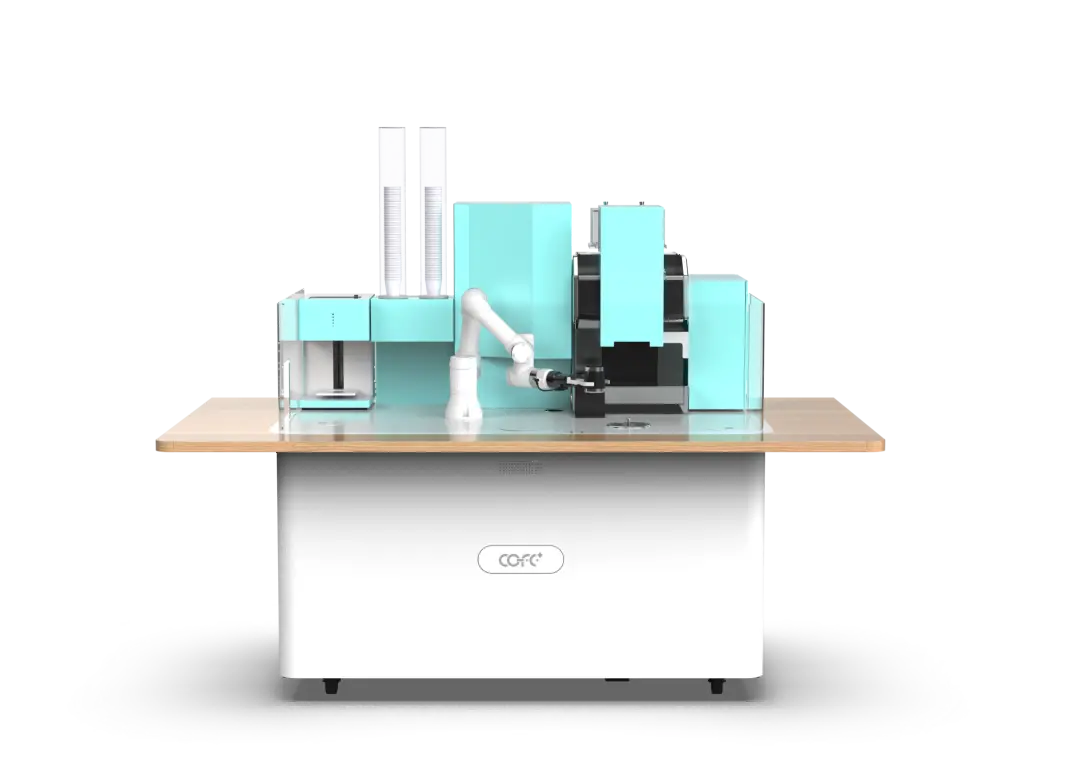
The common thread across all three built-in formats is that they do not require renovation, plumbing modifications beyond standard connections, or dedicated ventilation. Deployment time is measured in days, not months, and the capital commitment is limited to the equipment itself — not the leasehold improvements that make traditional café build-outs expensive to exit.
The math that makes robotic coffee kiosks compelling is straightforward but often miscalculated. Operators focus on the hardware price and miss the three operational variables that determine actual payback: cup cost, utilization rate, and service pricing relative to the local market.
A seventh-generation robotic kiosk produces coffee at roughly $0.30 to $0.70 per cup in consumables — beans, milk, syrups, cups, and lids. If your local market supports a $3.50 to $5.00 price point for specialty coffee, the gross margin per cup sits between 80% and 90%. The variable is not whether the margin exists; it is how many cups per day the location moves.
At 100 cups per day — conservative for a transit hub or busy office lobby — and a $3.00 average net per cup after consumables, daily gross revenue runs around $300. Over 30 days, that is $9,000. The hardware investment for a robotic kiosk typically recovers within 6 to 12 months at these volumes, after which the primary ongoing cost is consumables, basic maintenance, and the space lease or revenue share with the venue.
The labor comparison sharpens the picture. Six baristas across shifts, even at modest wages, cost a café operator $12,000 to $18,000 per month in most developed markets. One robotic kiosk eliminates that line item entirely — replacing it with remote monitoring, periodic ingredient replenishment, and a maintenance contract. The staff reduction alone can exceed 90% of labor cost.
If your operation involves multiple locations, the savings compound. Our deployments across 35 countries have shown that the operators who reach break-even fastest are those who place units in locations with high footfall, limited existing coffee competition, and a customer base that values speed and consistency over barista interaction. Theme parks, university libraries, hospital lobbies, and transit stations consistently perform in the top quartile.
If you are modeling a specific location and unsure about the utilization assumptions, it is worth sharing your site characteristics and expected daily traffic. We can provide comparison data from similar deployments to tighten the forecast before you commit capital. Reach our team at sales@hi-dolphin.com or +86 131 6630 1290.
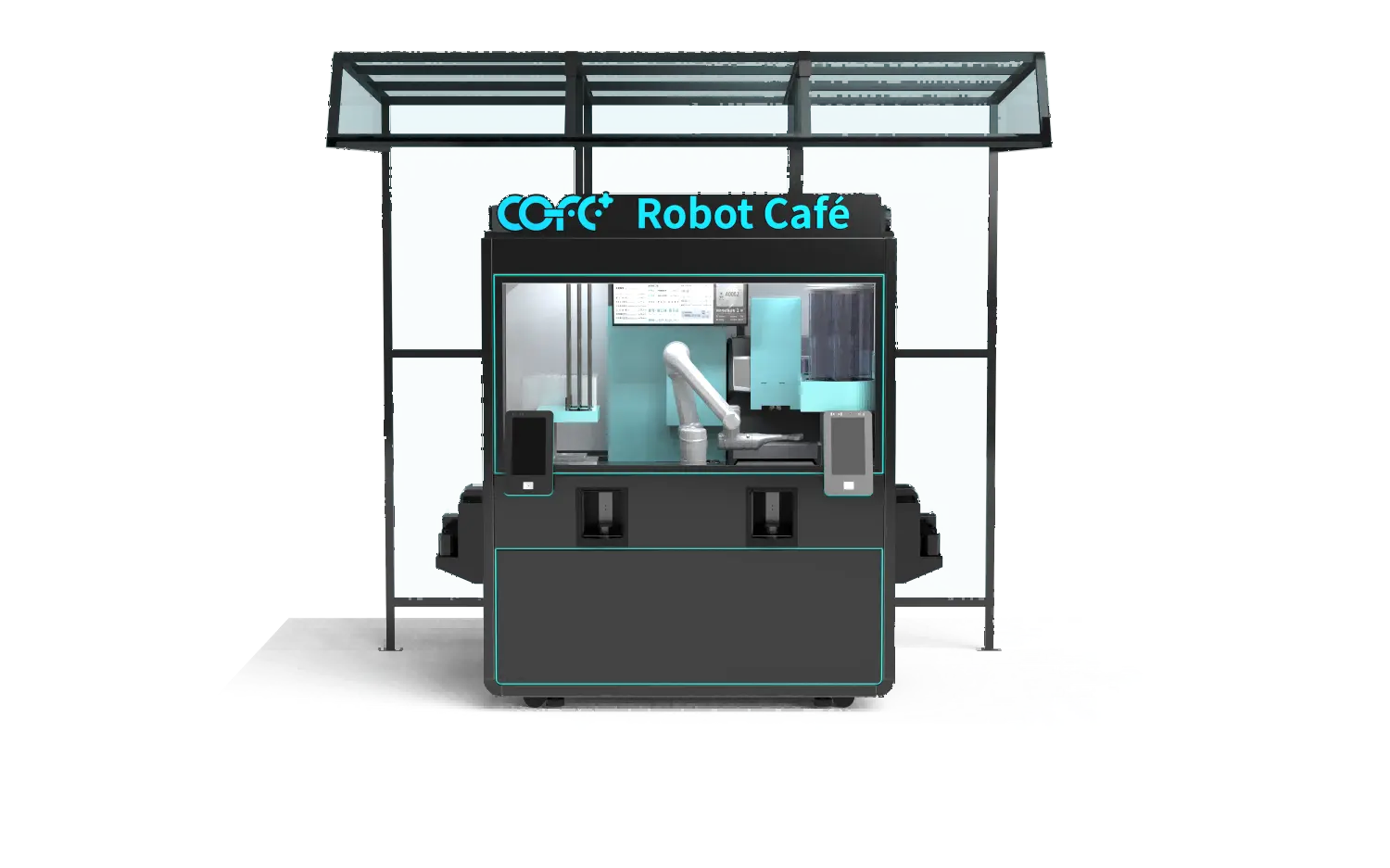
Food safety certification is the variable that separates a robotics demonstration from a commercially deployable asset. A coffee kiosk that lacks FDA, CE, or equivalent certification for your target market is not a business tool — it is a liability waiting for its first inspection.
The certification landscape for unmanned food service equipment is more demanding than for traditional café equipment because the machine operates without human oversight. Every component that contacts food — brewing chambers, milk lines, syrup dispensers, water tanks — must pass material safety standards that vary by jurisdiction. The automatic 85°C-plus high-temperature sterilization cycle is not just a hygiene feature; it is the mechanism that satisfies health authority requirements for unattended food preparation.
Our kiosks carry FDA, CE, UKCA, KC, and SASO certifications, covering markets across North America, Europe, the Middle East, and Asia. That portfolio of over 50 certifications across 18-plus developed countries was not achieved through a single testing pass — it required separate compliance processes for each regulatory regime. For operators planning multi-country deployment, the certification question should be among the first asked, not discovered during import clearance.
The practical implication is that a kiosk without the right certifications can be held at customs, rejected by venue operators who require compliance documentation, or shut down by local health authorities upon inspection. We have seen competitors sell uncertified equipment into markets where the buyer only discovers the gap when the machine is already in transit. The cost of that discovery — storage fees, re-export logistics, and delayed revenue — erases the initial price difference.
For operators evaluating suppliers, the certification list is a hard filter. If the manufacturer cannot produce a valid certificate for the specific regulatory body governing your deployment country, the conversation should stop there. No feature set compensates for a unit that cannot legally operate.
A seventh-generation robotic coffee kiosk can serve approximately 1,000 cups in a 24-hour cycle, with the limiting factor being ingredient replenishment rather than mechanical throughput. The bean hopper, milk reservoir, syrup cartridges, and cup stack are sized for high-volume continuous operation. In practice, most operators schedule one daily service visit to restock and perform a visual inspection, which takes under 15 minutes. The remote monitoring system tracks ingredient levels and alerts the operator before any component runs out, so you are not relying on a schedule — you are responding to actual consumption data.
The question assumes taste is subjective and therefore unreachable by a machine, but specialty coffee scoring uses objective parameters — extraction yield, total dissolved solids, and temperature stability — that a robotic system controls more precisely than a human. The robot does not have an off day, does not rush during a queue, and does not drift from the recipe. What it cannot replicate is a barista’s ability to chat with a regular customer. For operators where consistency and speed drive revenue more than conversation, the robotic system outperforms. For venues where the barista interaction is central to the experience, the robot coffee counter format — where guests watch the preparation — bridges the gap.
Remote diagnostics are embedded in the system. Most faults are detected by the cloud monitoring platform before the customer notices — a pressure sensor reading outside range, a temperature deviation in the milk chiller, or a mechanical anomaly in the grinder. The system can often self-correct or switch to a reduced menu while flagging the issue. For faults that require physical intervention, the remote monitoring platform dispatches a technician automatically, and service partners in over 35 countries provide local response. The machine is designed with modular components, so most repairs are a swap rather than a field rebuild.
A contactless preparation process eliminates the primary vector for contamination in coffee service — human hands. The enclosed brewing system, automatic high-temperature sterilization cycle, and anti-microbial stainless-steel interior mean the food contact surfaces are sanitized on a programmed schedule, not when someone remembers to do it. For hospitals, airports, and food-service environments where hygiene audits are routine, the automated cleaning log provides documentation that a manual cleaning checklist cannot match in reliability. The fully enclosed waste system on outdoor models also prevents the pest and odor issues that open bins create.
The entry point depends on the format — an indoor kiosk, outdoor kiosk, counter, bar, or mini shop — and the certification requirements for your country. Rather than quoting a number without understanding your deployment environment, I would suggest sending your target location type, expected daily footfall, and the country of operation. We can provide a format recommendation and a detailed cost breakdown that includes hardware, shipping, import duties if applicable, and first-year maintenance. Share your requirements with us at sales@hi-dolphin.com or call +86 131 6630 1290, and we will return a quote calibrated to your specific deployment scenario rather than a generic price sheet.
TL;DR — COFE+ is a fully automated robotic coffee kiosk that grinds fresh beans, brews espresso and lattes, creates latt……
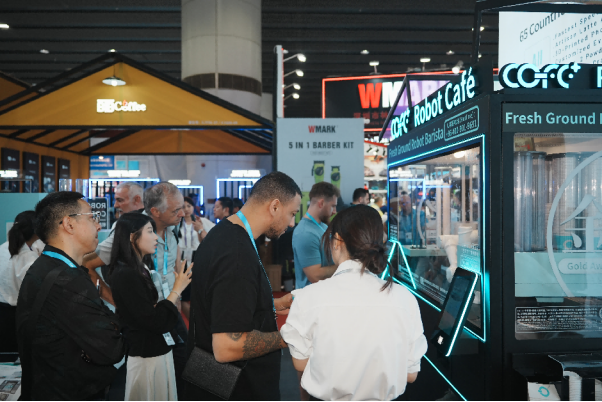
7th-Genertion Smart Robot Coffee Kiosk Arrives at the Belt and Road Core Hub, Ushering in a New Service Era Along t……
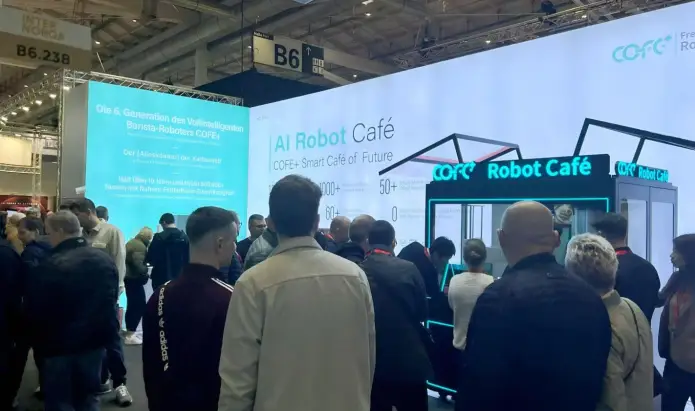
CHICAGO, May 12, 2026 (GLOBE NEWSWIRE) – Shanghai Hi-Dolphin Robot Technology today announced the U.S. debut of its 7th‑……