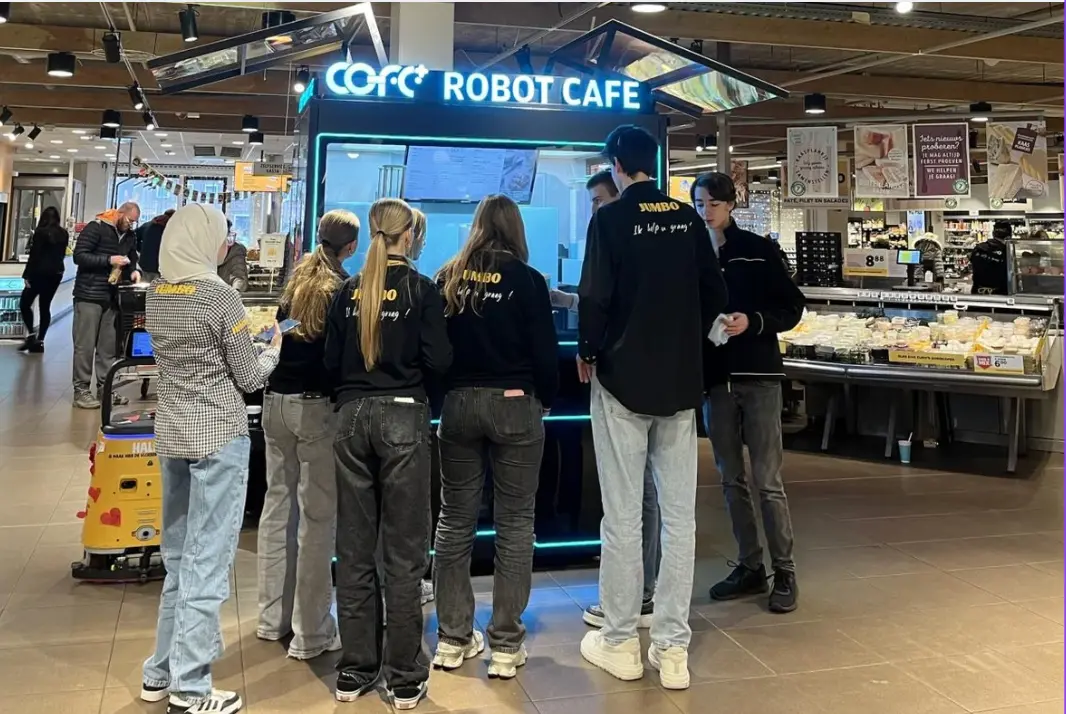
The Rise of Professional Robotic Café Technology: What COFE+ Is and Why It Matters
TL;DR — COFE+ is a fully automated robotic coffee kiosk that grinds fresh beans, brews espresso and lattes, creates latt……

Convention center coffee demand does not arrive as a smooth curve. It arrives as a wall when a keynote ends and thousands of attendees step into the concourse at once. A robot coffee kiosk is built for that pattern because it serves continuously and never clocks out during a session break. But the machine alone does not fix peak event traffic. The difference between a short line and a lost crowd comes down to placement, menu rules, and pre-session stock planning. Operators who treat the kiosk as a fixed asset rather than an active queue tool will undercut its throughput.
Convention centers combine several demand patterns that retail stores rarely see. Attendees move on schedule lines set by keynotes, workshops, and exhibit hours. When an opening session releases, a large share of the hall wants coffee within 15 minutes. That spike can run three to five times the volume of a mid morning lull. A traditional café inside the venue can staff for the average and still fail the peak, or staff for the peak and lose money for the rest of the day.
A robot coffee kiosk removes that labor scheduling conflict. It waits idle without cost during low periods and reaches capacity exactly when the concourse fills. The unit can serve 24/7 at a cycle time of 43 to 60 seconds per drink, which makes it easier to absorb a sharp rush without adding shifts.
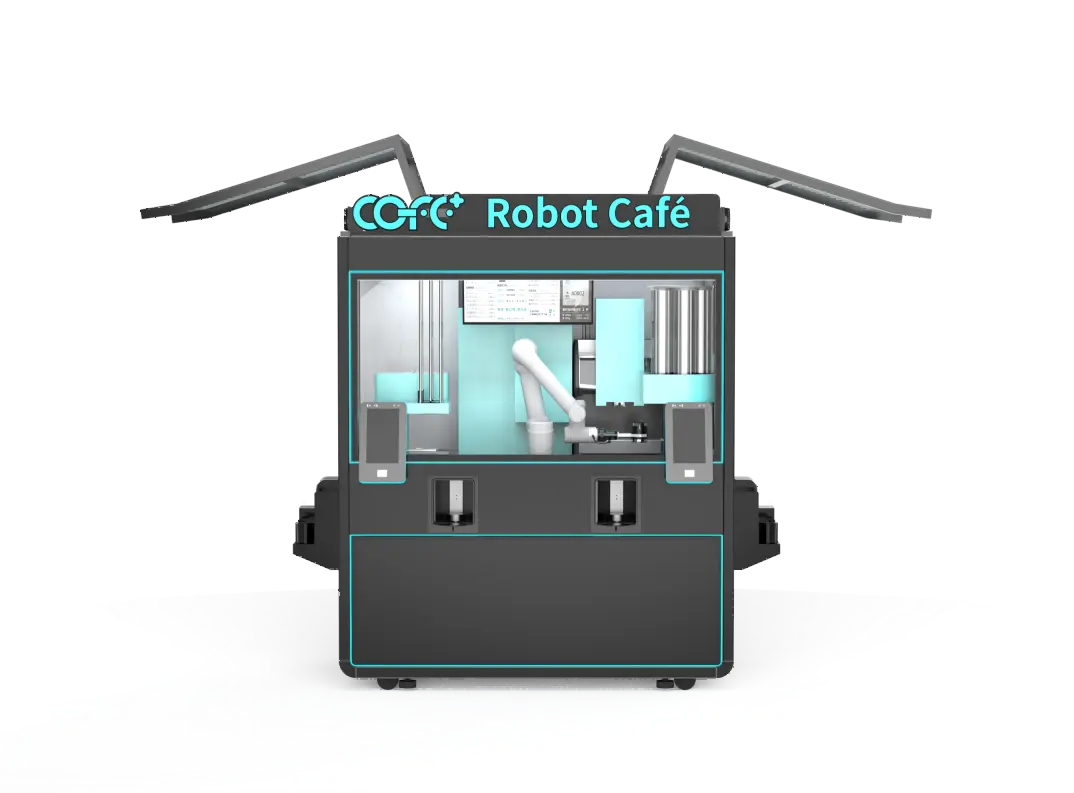
The practical speed starts with cycle time, not the robotic arm. The 7th generation indoor unit produces a drink in 43 to 60 seconds and runs around the clock. Across a full day, that adds up to roughly 1,000 cups, but convention centers care more about the queue rate during a 15 minute session break. A robot coffee kiosk clears 60 or more cups per hour when the menu is controlled and the payment flow stays simple.
| Event window | Demand behavior | Kiosk response |
|---|---|---|
| Session end | Sharp 10 to 15 minute surge | One-tap bestsellers, latte art turned off |
| Exhibit hall open | Gradual but steady volume | Full menu with iced and specialty drinks |
| Lunch break | High volume, short attention | Preloaded milk and cups, spare waste path |
| Mid afternoon | Scattered orders | Standard speed, cleaning between cycles |
| Evening event | Another sharp rise | Express signage, second unit if crowd exceeds 2,000 |
These rules matter more than raw cup speed. In a layout review for a multi-day expo, we found that one machine placed well could handle the opening surge, but two machines split across the main corridor produced shorter queues and higher total capture. The bottleneck was not the brewing cycle. It was the queue path and the menu depth during the first 10 minutes.
If your convention center routinely runs session breaks above 2,000 attendees, it is worth confirming the unit count and corridor placement before finalizing floor space. Send your event schedule to sales@hi-dolphin.com.
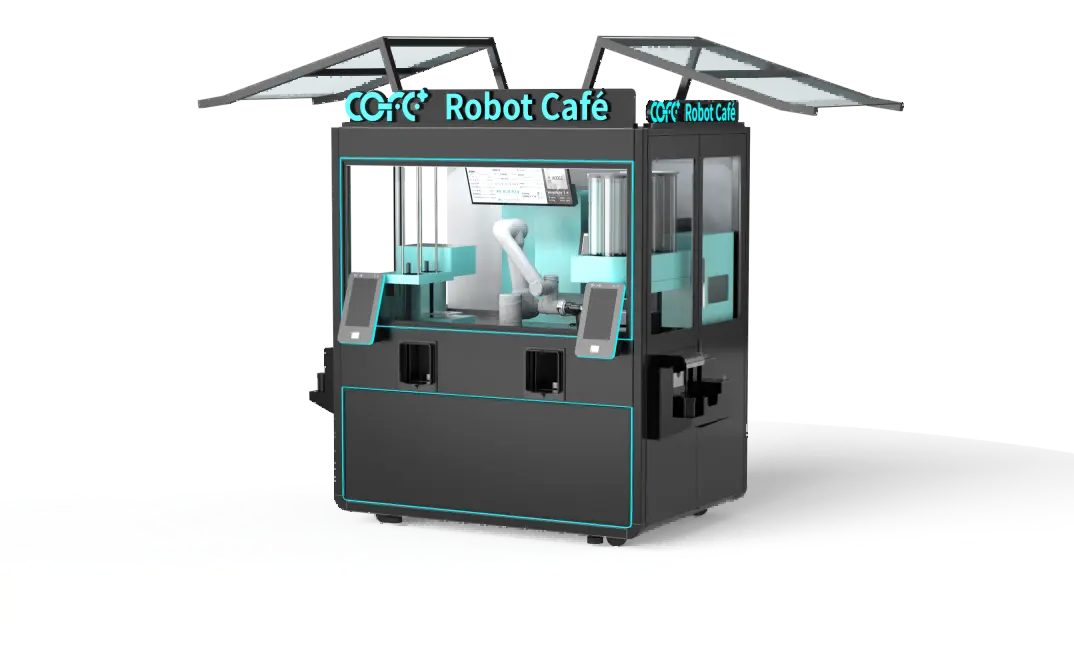
Placement should follow crowd lines, not empty square footage. The strongest positions sit between a session exit and an exhibit entrance, where attendees have a short wait and a clear view of the machine. Island placement works for wide concourses because it opens two queue sides. Wall-side placement suits narrower corridors but limits the serving front to one side. Corner placement can work near registration or lounge zones, though it usually performs better as a secondary unit than a primary rush point.
The indoor kiosk occupies about 2.35 square meters (25 square feet), so it fits into concourse pockets that cannot host a staffed coffee bar. Avoid hiding a single unit behind a column or at the end of a dead hallway. If attendees cannot see the kiosk when the session doors open, they will pass it before the coffee aroma reaches them.
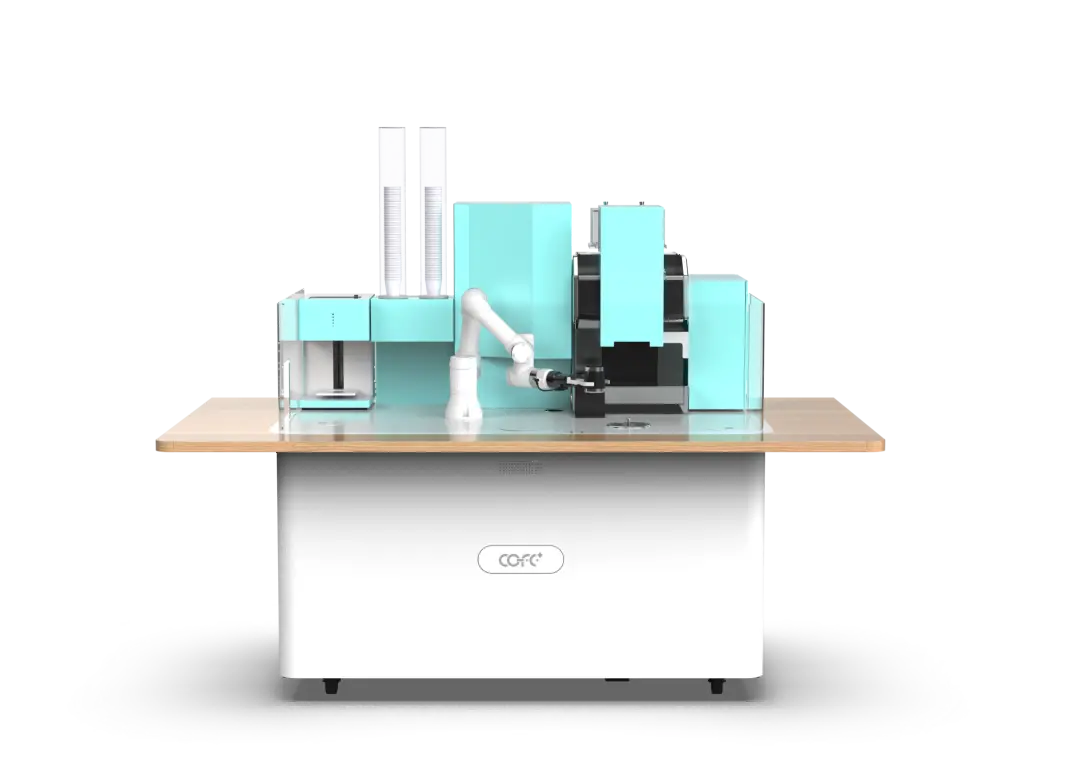
Peak readiness is settled before the crowd arrives. Three items carry the highest failure cost: milk, cups, and waste capacity. The kiosk tracks these through cloud monitoring and sends low-stock alerts, but a local runner still has to reach the unit before the buffer empties. We set restocking thresholds on the assumption that a session break can begin 20 minutes early. Carrying extra stock is the safer choice, because losing a full segment of buyers costs more than the inventory.
Before a high-attendance opening, confirm cold-chain ingredient temperatures, check cup and lid levels, and clear the waste bin. The automatic high-temperature cleaning cycle runs on its own, but its schedule should not collide with the first rush. For multi-day shows, run the deep clean after the final evening wave and complete a quick surface check before the morning session.
The unit is built for public exposure, with FDA and CE marks, an antimicrobial stainless interior, and a 500,000-cup tested lifespan. Venue safety teams reviewing a high traffic concourse tend to ask about those items first.
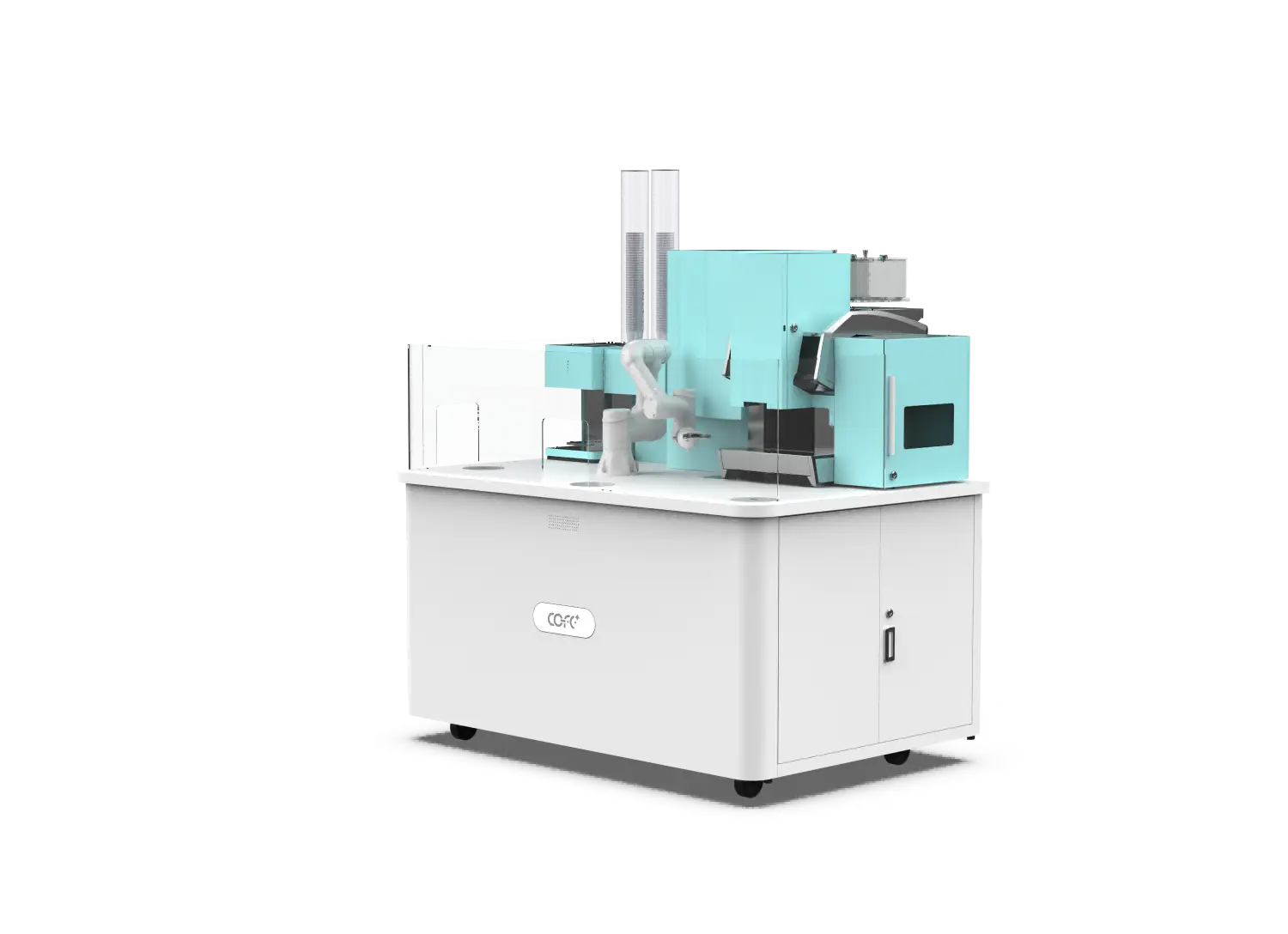
Most convention center coffee problems show up as a line. The line is really a queue design problem with three variables: how many units serve the breakout zone, how fast the menu converts an attendee into a paid order, and whether ingredients can survive the surge. If any one of those is wrong, the event peak becomes a revenue loss.
Hi-Dolphin works with venue operators to match the kiosk configuration to the event calendar. Tell us your peak session times, hall layout, and expected attendance, and we will confirm the machine count and placement before the next show. Send the schedule to sales@hi-dolphin.com or call +86 131 6630 1290. We will return a unit and placement plan that includes restocking intervals and queue path options for your convention center.
One indoor unit can produce a drink every 43 to 60 seconds, which works out to roughly 60 cups an hour under steady use. Over a full show day, capacity approaches 1,000 cups when ingredients and waste routes are managed. The more useful figure for convention centers is the burst rate. A single machine handles a steady queue well, but a 15 minute session break with 300 attendees forces a second or third unit unless the menu and queue are tightly controlled.
The common assumption is that unmanned means zero attention. In practice, the kiosk brews and serves on its own, but a venue runner still checks stock, clears waste, and wipes surfaces before high-attendance windows. The machine monitors temperature, cup levels, and component status through its cloud system, so one operations person can cover several machines across a large exhibit hall. During peak days, that person should work a defined interval, not wait for an alarm.
It depends on how the menu is prepared. If every attendee selects a fully customized drink with 3D latte art, cycle time rises and the queue slows. If the operator loads one-tap event drinks and turns off the most time-consuming finish options during session breaks, throughput stays near the 43 second floor. The kiosk itself can run 24/7, so the limit is rarely the machine. It is almost always the menu complexity and the number of units placed near the breakout area.
In deployments we have planned for event venues, the failure point is usually not the pump or the grinder. It is the gap between the last restock and the next crowd. The kiosk sends an ingredient alert before the milk, bean, or cup buffer reaches zero, but a runner must be close enough to act. We set the threshold conservatively for convention centers because a 20 minute shortage during a session break loses more revenue than the cost of carrying extra stock. Share your session schedule at sales@hi-dolphin.com and we will confirm restocking thresholds and unit count.
TL;DR — COFE+ is a fully automated robotic coffee kiosk that grinds fresh beans, brews espresso and lattes, creates latt……
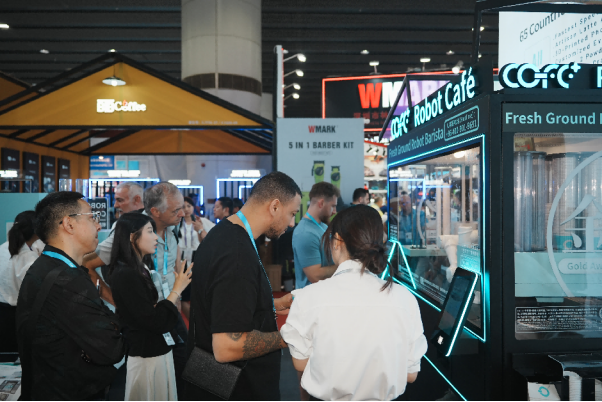
7th-Genertion Smart Robot Coffee Kiosk Arrives at the Belt and Road Core Hub, Ushering in a New Service Era Along t……
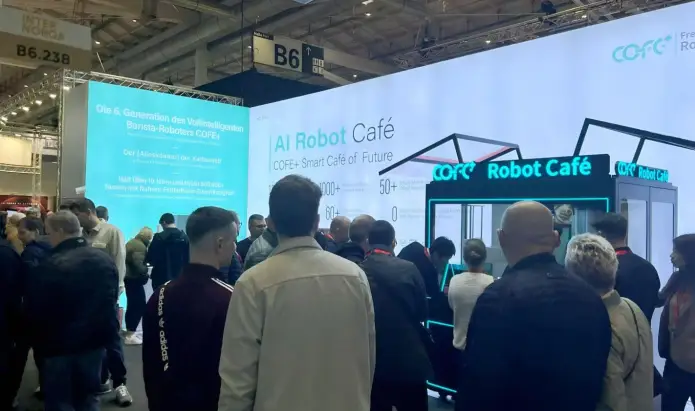
CHICAGO, May 12, 2026 (GLOBE NEWSWIRE) – Shanghai Hi-Dolphin Robot Technology today announced the U.S. debut of its 7th‑……