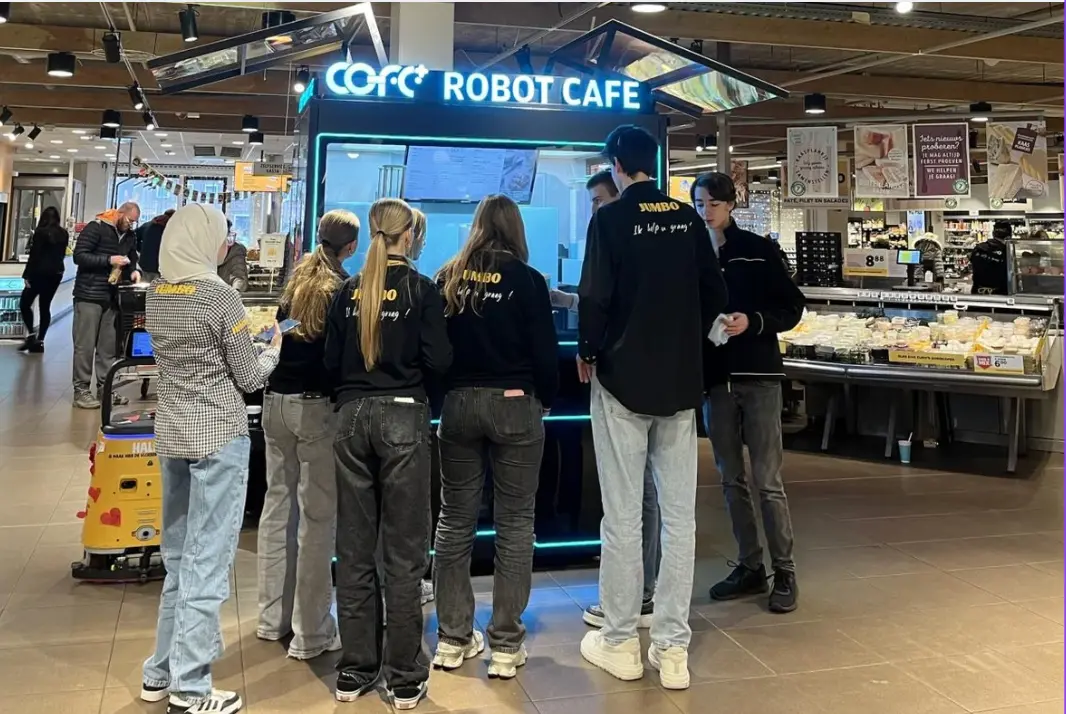
The Rise of Professional Robotic Café Technology: What COFE+ Is and Why It Matters
TL;DR — COFE+ is a fully automated robotic coffee kiosk that grinds fresh beans, brews espresso and lattes, creates latt……

Robot coffee kiosk payment options decide whether a site opens smoothly or stalls at the first transaction. Many operators buy the machine first and treat payments as a checkbox, then discover that a terminal certified for one market cannot legally settle in another. Payment architecture belongs in the deployment plan from day one, not after hardware arrives. An AI retail strategist working across more than 60 country rollouts learns to treat payment rails, regional schemes, and certification as a single system that either protects throughput or erodes it.
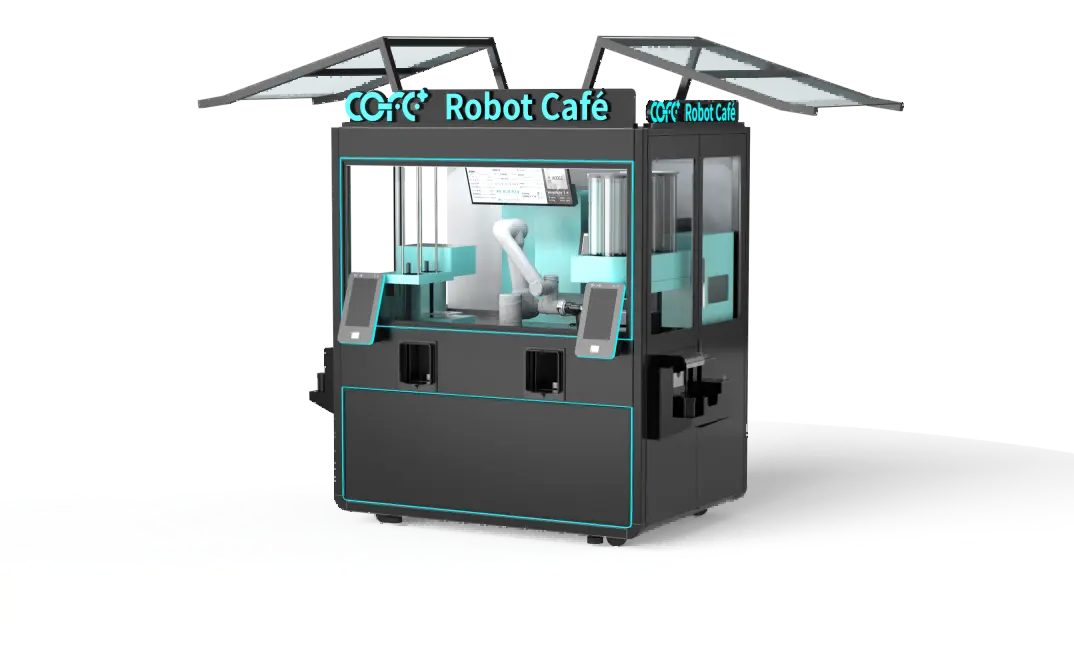
A global kiosk payment stack has three layers: international card rails, NFC wallets, and local QR or bank schemes. International card rails mean EMV contactless acceptance for Visa, Mastercard, and American Express, which serves as the fallback for international travelers. NFC wallets such as Apple Pay and Google Pay ride the same contactless terminal with tokenized credentials, so adding them is rarely a separate hardware decision. The harder layer sits at the local level: WeChat Pay and Alipay in China, GrabPay and GCash in Southeast Asia, mada and KNET in Gulf states, Pix in Brazil. A kiosk that accepts only global cards will miss a large share of daily traffic in markets where consumers default to local apps.
Regional preferences change more than which logos appear on the screen. They decide whether the terminal must be certified by a local acquiring bank, whether tax invoice handling sits in the payment flow, and whether the UI should lead with QR scanning instead of tapping a card. A kiosk designed for London can underperform in Bangkok if QR is buried behind a card-first prompt.
| Region | Primary payment behavior | Local scheme to add | Operational impact |
|---|---|---|---|
| Southeast Asia | QR wallets plus contactless cards | GrabPay, GCash, DuitNow | QR-first UI, local acquirer settlement |
| China | QR wallets | WeChat Pay, Alipay | Both schemes required; card rails secondary |
| Europe | EMV contactless cards | Girocard and local debit networks | Strong customer authentication flow |
| GCC | Cards and local bank apps | mada, KNET, Benefit | Central bank terminal certification |
| North America | Cards and NFC wallets | Interac in Canada | Tip and loyalty flows add screen steps |
| Latin America | Cards plus local bank apps | Pix, Mercado Pago | Installment options can lift basket size |
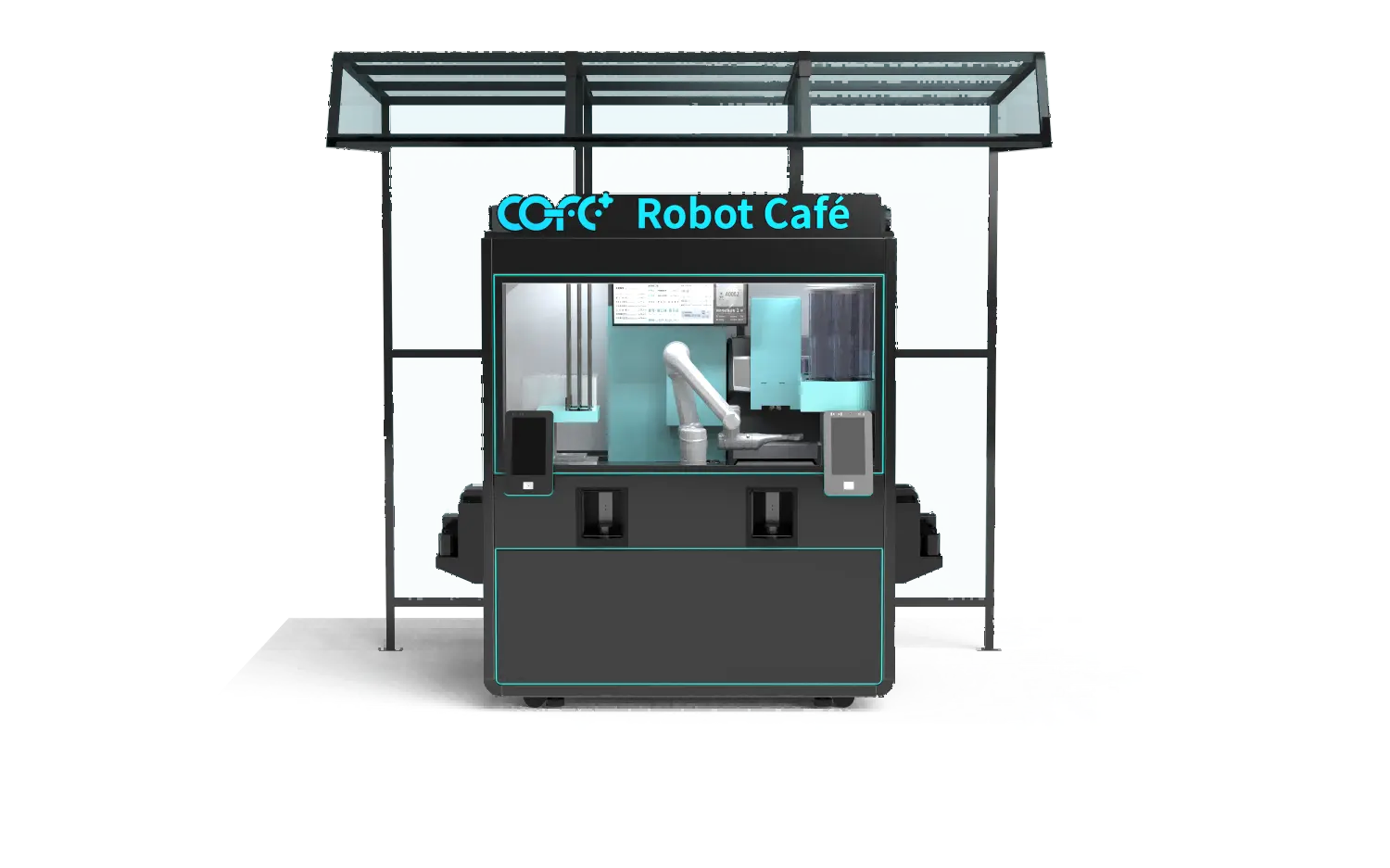
International terminals cover travelers, but daily repeat traffic comes from local payment behavior. In China, WeChat Pay and Alipay account for ordinary beverage purchases much more than bank cards. If the kiosk does not present those options first, conversion falls before the first brew. Terminal certification also matters because local schemes do not always ride a global terminal approval.
A QR-first market changes flow. The kiosk screen should show QR payment as the lead option, with a printed or on-screen code for scanning. The robot then waits for the wallet’s confirmation before starting the brew. Card-first design still works, but it adds steps that slow throughput during peak hours.
In multi-country deployments, the physical kiosk usually clears faster than the payment terminal. Local acquiring banks often require their own terminal certification before the kiosk can settle transactions. A terminal certified for Europe may need additional approval in Saudi Arabia, Kuwait, or Brazil. The kiosk software has to integrate with that certified terminal and pass network end-to-end tests. I have watched experienced operators lose four to six weeks on a single local scheme approval while the coffee robot itself sat ready.
CE, UKCA, and KC certifications cover electrical safety and product compliance. They do not replace acquiring bank terminal approval, which remains a separate step in each country. The practical fix is to choose a kiosk platform that separates the payment rail from the core machine and keeps a documented terminal inventory. Ask hardware providers for a payment rail matrix showing which countries are cleared for Visa, Mastercard, WeChat Pay, Alipay, and local schemes. If a vendor cannot answer, the gap will appear later as site delay. Chip and pin flows, offline transaction limits, and receipt printing also need testing at this stage.
If your rollout includes Europe or GCC markets, confirm local acquiring bank certification and strong customer authentication readiness before finalizing hardware. Send your market list to sales@hi-dolphin.com and we can review the terminal path first.
Security does not have to mean lengthy authorization. Point-to-point encryption and tokenization keep card data off the kiosk controller, so a breach at the screen level gives almost nothing useful. The payment terminal handles the sensitive data; the kiosk sees a token and a result. Operators can split compliance scope that way. But response time still depends on the terminal’s network path. A poorly configured router adds two to four seconds before the robot begins brewing. On a drink cycle of 43 to 60 seconds, that is meaningful. We treat payment latency as part of the throughput equation, not a separate IT concern.
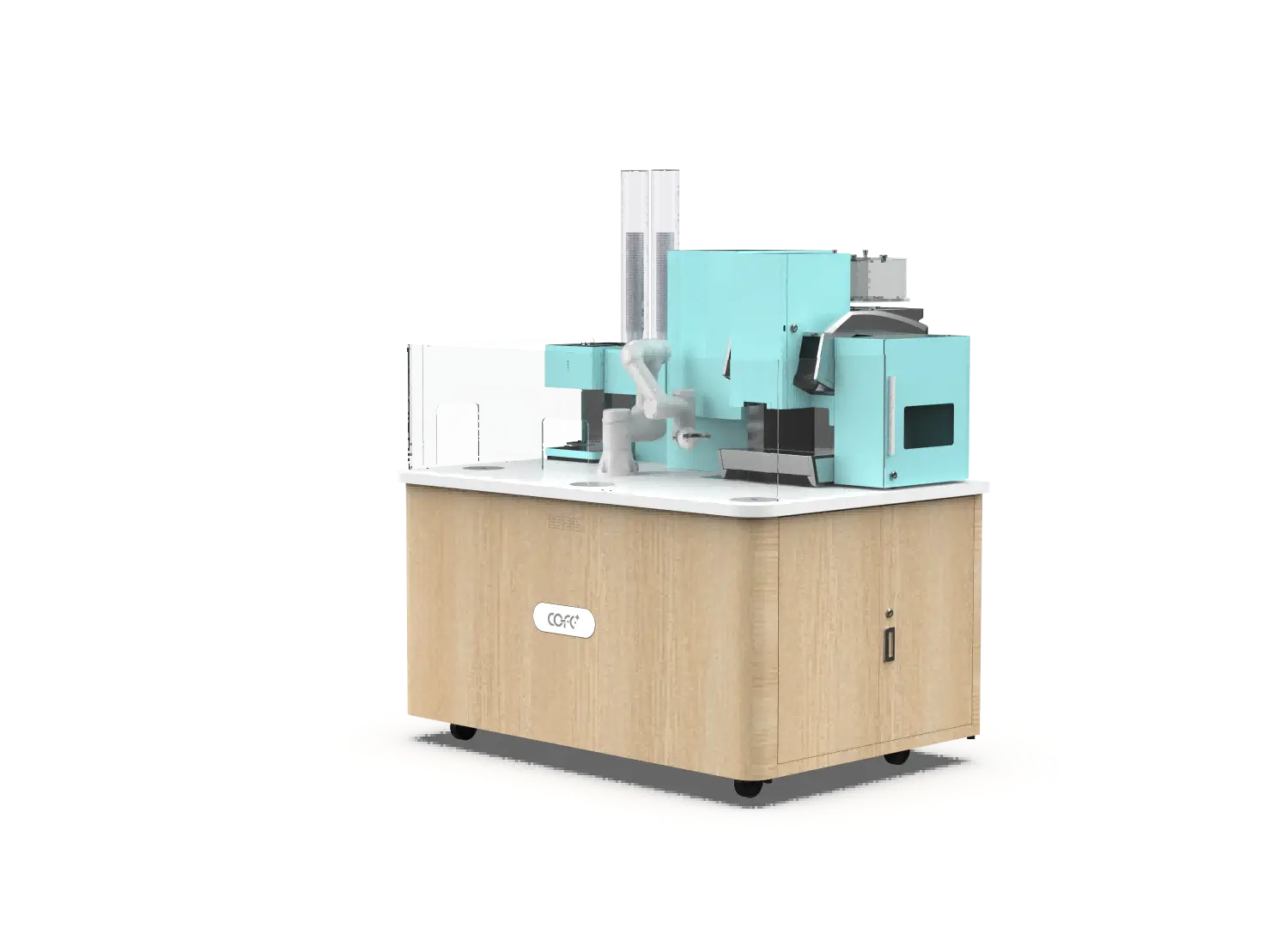
The kiosk should also process offline or store-and-forward if the network drops, then settle later when connectivity returns. This keeps a 24/7 unattended site operating through mobile network instability. The tradeoff is that a small number of offline transactions can be accepted within issuer limits, but expired or revoked card checks happen at settlement. Operators need to know that balance before deploying in transit hubs or outdoor locations.
Starting with the wrong payment stack is expensive. Operators discover after signing that their first three markets need three different local certifications, or that the kiosk terminal cannot handle QR-first screen flows. The kiosk should already have international rails cleared and a documented local scheme coverage list. Ask for a payment rail matrix, a terminal certification list, and a test transaction plan for each target country before you finalize hardware.
Send your target markets and payment requirements to sales@hi-dolphin.com or call +86 131 6630 1290, and we will confirm the kiosk payment options with the right terminal path before deployment.
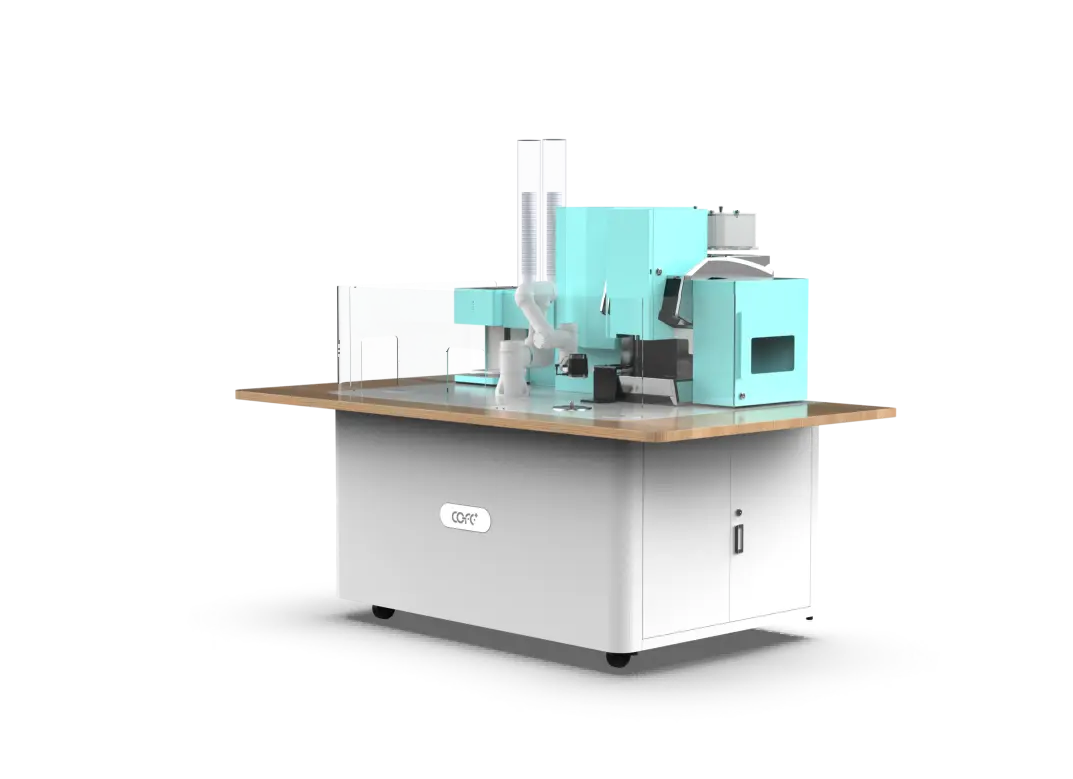
Yes, but only when the terminal stack is configured for each market before shipment. The kiosk can share a single user interface while the certified terminal underneath routes transactions differently by country. In China, for example, the flow should lead with WeChat Pay and Alipay, while a London site leads with contactless cards. Configuring this at the factory avoids the worst local rework and keeps a single kiosk model viable across regions.
Many operators assume contactless always wins. In practice, the difference depends on customer behavior and local screen design. A tap takes a few seconds, but a QR flow in a QR-first market can feel faster because the user knows the sequence and the kiosk shows the code immediately. If QR is hidden behind a card-first menu, it becomes slow. The right design is market-specific, not universal.
It depends on how the payment architecture is packaged. If the terminal uses point-to-point encryption with tokenization, the kiosk operator’s card data scope shrinks, and most validation work sits with the terminal provider. If card data touches the kiosk controller, the operator takes on a heavier burden. That distinction should be written into the vendor contract before deployment.
In the unattended rollouts I have worked on, the most common failure is a timeout between the kiosk and the local acquirer, not a rejected card. The screen usually shows a failed authorisation and returns to the menu, while the kiosk writes a log entry for remote diagnosis. Operators need a fallback path, which may mean a second acquirer or an offline mode for small transactions. Share your target markets and payment requirements, and we will confirm the right terminal and fallback path for your sites.
TL;DR — COFE+ is a fully automated robotic coffee kiosk that grinds fresh beans, brews espresso and lattes, creates latt……
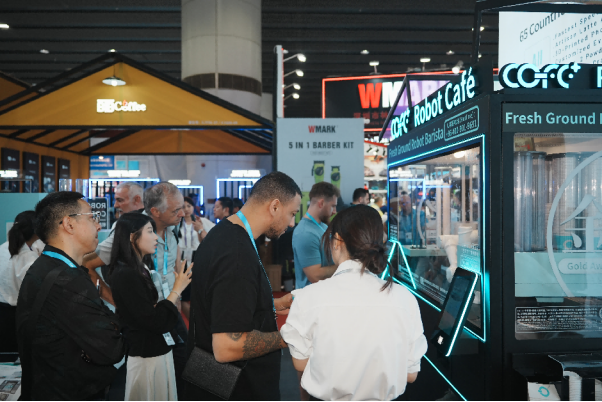
7th-Genertion Smart Robot Coffee Kiosk Arrives at the Belt and Road Core Hub, Ushering in a New Service Era Along t……

CHICAGO, May 12, 2026 (GLOBE NEWSWIRE) – Shanghai Hi-Dolphin Robot Technology today announced the U.S. debut of its 7th‑……