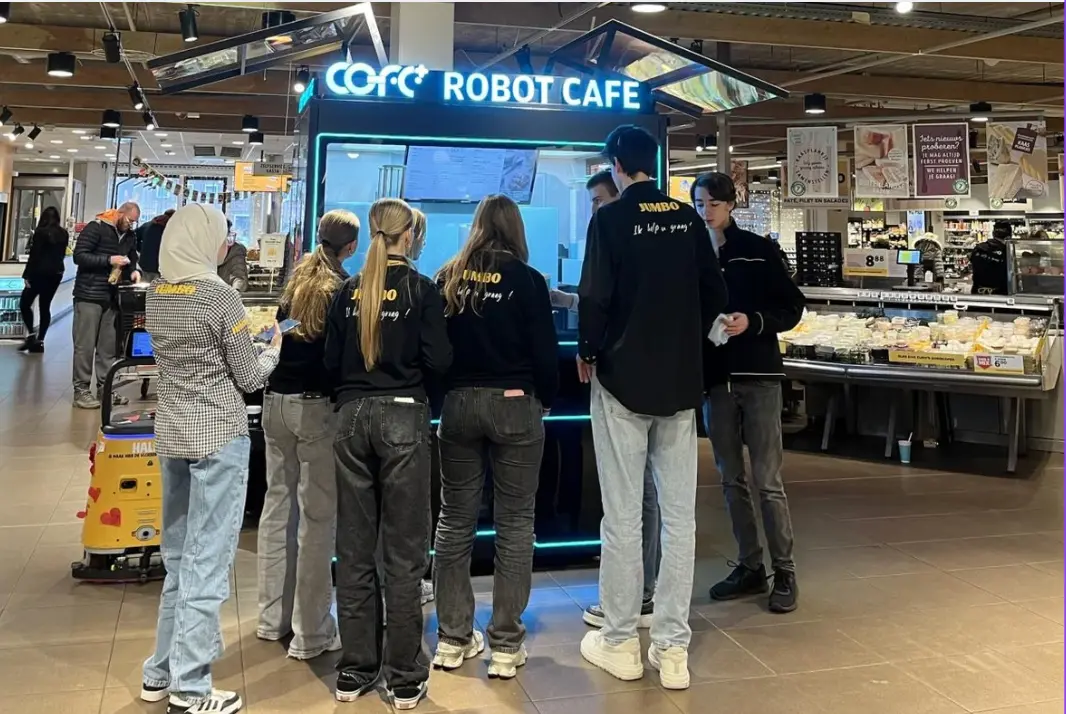
The Rise of Professional Robotic Café Technology: What COFE+ Is and Why It Matters
TL;DR — COFE+ is a fully automated robotic coffee kiosk that grinds fresh beans, brews espresso and lattes, creates latt……

Robot coffee kiosk cybersecurity is a physical, financial, and network problem rolled into one cabinet. A kiosk that accepts card payments, stores transaction logs, and connects to cloud monitoring creates three separate attack surfaces that a traditional café never exposes. We treat those surfaces as design requirements, not afterthoughts, because a compromised vending terminal can move from a single lost payment to a persistent presence on a mall network. The objective is to isolate cardholder data, segment the kiosk from the site network, and verify the whole chain before deployment.
Most site owners treat robot coffee kiosk cybersecurity as a set of IT checkboxes. In practice, a coffee robot is a networked point of sale with a robotic arm and a permanent outbound connection. The cabinet holds three overlapping security problems. The payment terminal processes card data at the counter. The controller stores recipes, transaction counts, and sometimes loyalty identifiers. The cloud link carries operational telemetry, stock levels, and remote maintenance commands. If any one of those layers is left open, the other two inherit the exposure.
We learned early in deployment planning that the question is not whether a coffee robot is a target. The question is how much lateral movement a compromised unit permits once it is inside a building network. A kiosk should sit in its own network segment, with outbound-only paths for telemetry and no inbound access from the public internet. That single decision limits the blast radius.
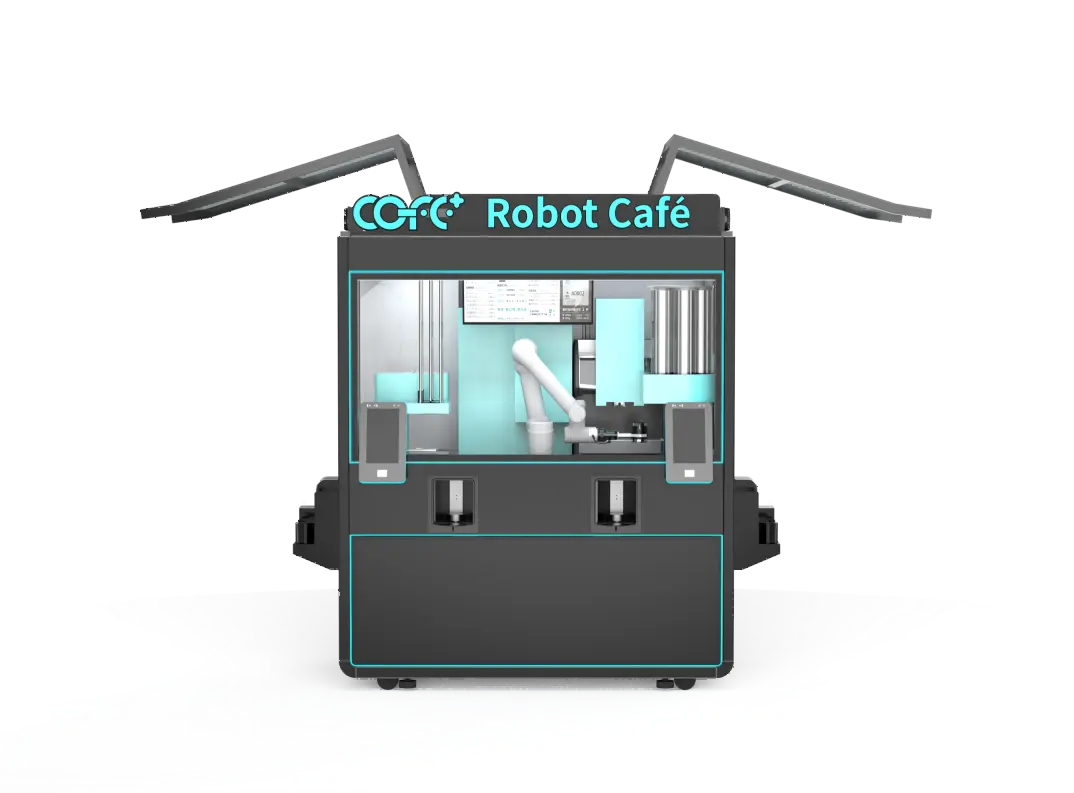
Payment risk concentrates at the first point where card data enters the system. On a staffed counter, an employee can watch for skimmers. On an unmanned kiosk, the machine has to reject tampering on its own. The three controls that matter most are a validated payment terminal, end-to-end tokenization, and physical separation of the card reader from the main controller.
| Threat vector | What it can expose | Control to verify |
|---|---|---|
| Integrated card reader without point-to-point encryption | Card data between reader and processor | PCI PTS validated reader with tokenization |
| Shared Wi-Fi or open LAN port | Payment traffic visible to other tenants | VLAN isolation, WPA2 or WPA3, no default credentials |
| Unlocked service panel | USB or debug access to main board | Tamper-evident seals, logged service events |
| Cloud telemetry without TLS | Credentials, stock data, operational feeds | TLS 1.2 or newer, certificate validation |
| Local transaction logs with personal data | Names, timestamps, order details | Minimal retention, encrypted storage |
If a deployment involves 24-hour unattended payment, it is worth confirming how the kiosk separates cardholder data from operational telemetry before the site checklist is signed. Send your deployment requirements to sales@hi-dolphin.com.
A certification list can look impressive and still say nothing about payment security. CE, UKCA, KC, and SASO marks tell a buyer that the hardware complies with electrical safety, radio, and market access rules for specific regions. FDA and food-contact documentation address the ingredient path. Our COFE+ seventh-generation platform carries these certifications, and they matter for import clearance and site approval. They do not, by themselves, mean the payment stack has been hardened.
Payment security is a separate track. The card reader should carry its own PCI PTS validation, and the payment flow should use tokenization so that the kiosk never stores card numbers. For multi-country operators, data privacy rules add another layer. GDPR in the EU, and similar frameworks elsewhere, restrict what the kiosk can log and how long the operator may keep it. A security discussion that stops at certifications misses the point. Operators need to ask which standard protects the specific data type, not which wall plaque is already attached to the door.
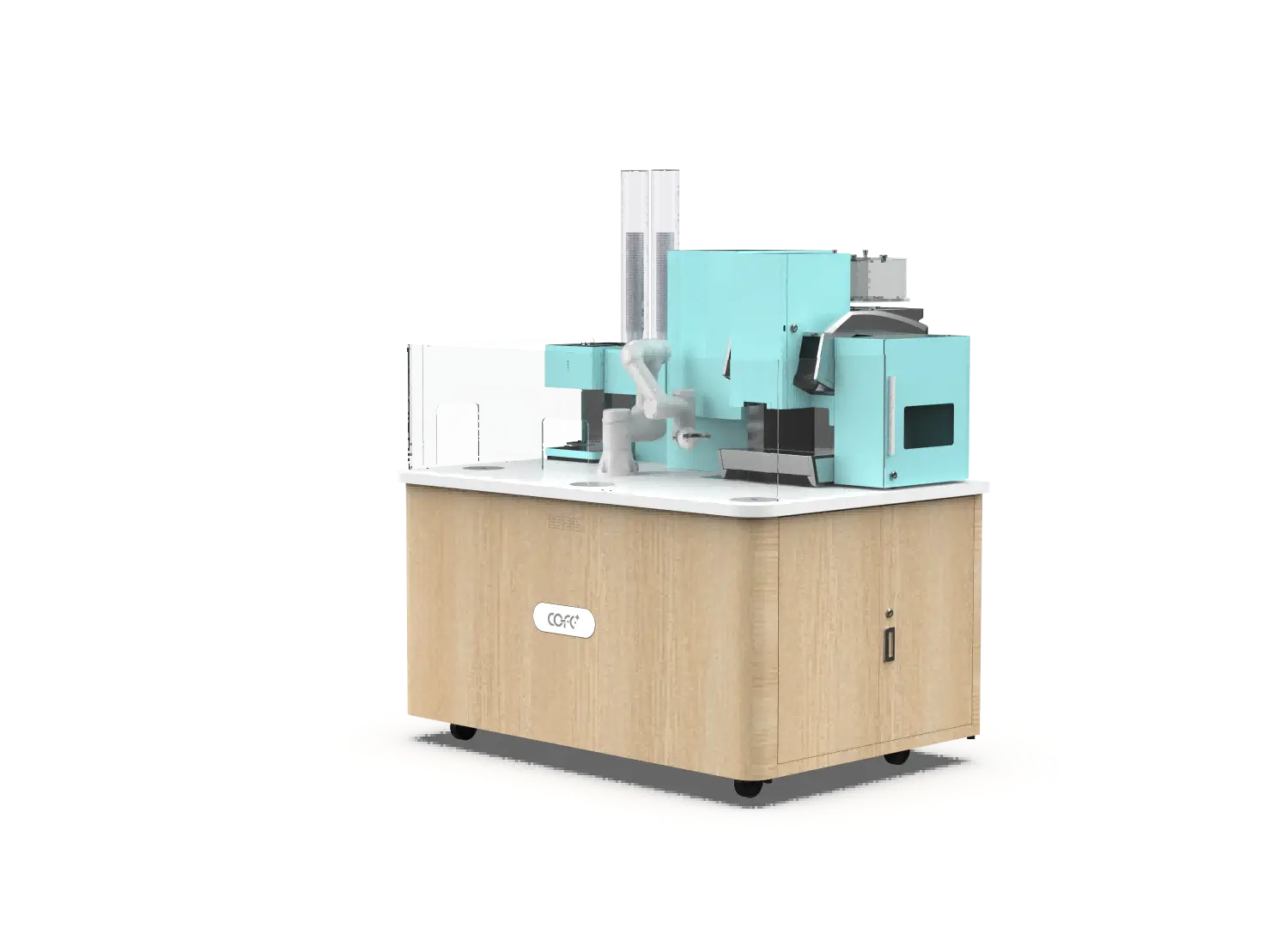
Remote monitoring does double duty. On the operations side, a cloud feed reports stock levels, cup output, temperature, and system status. It lets one team manage a fleet without visiting every site. On the security side, the same telemetry path can expose early signs of tampering: an unexpected service panel opening, a firmware version that does not match the fleet baseline, or repeated failed login attempts on the local interface.
The risk runs in the other direction as well. Remote diagnostics and over-the-air updates reduce service cost, but they create a remote access channel that must be locked down. We treat remote access as a privilege, not a convenience. Credentials are tied to individual technicians, sessions are logged, and firmware updates are signed before a kiosk accepts them. A property team should ask who can open the cabinet, what credentials they use, and whether that access can be revoked after a service visit ends.
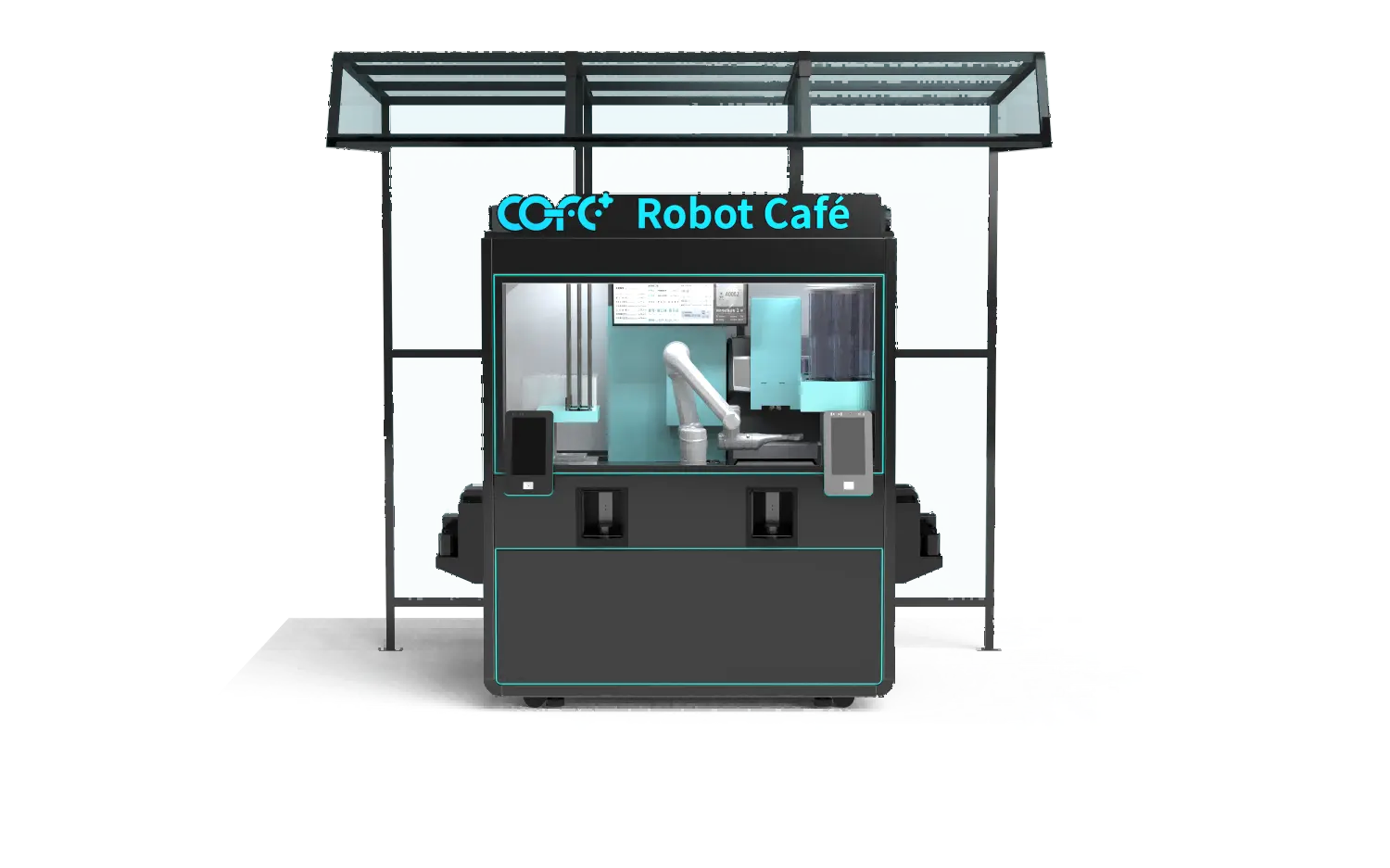
Property owners inherit operational pressure when a kiosk goes live, but security responsibility often gets lost between the landlord and the operator. The right questions force that responsibility into the open. Ask whether the kiosk joins a separate VLAN or sits on the same network as the building management system. Ask what happens to transaction logs after a sale, who can remotely access the machine, and whether firmware updates are signed. Ask for the payment terminal’s PCI validation, not just a general certificate list.
A supplier should be able to answer those questions without hesitation. At Shanghai Hi-Dolphin Robot Technology Co., Ltd., we treat security as part of the site approval package, because an unmanned coffee unit should not become the weakest node in a building network. If you need a security checklist for a specific site type, send your location and volume requirements to sales@hi-dolphin.com or call +86 131 6630 1290.
It should not. A correctly configured payment stack uses tokenization at the reader, so the kiosk receives a token rather than the primary account number. The token has no value outside the acquiring relationship. Operators should still verify this with the payment provider and the kiosk supplier before launch, because some integrated systems log more data than needed. The safest position is to refuse any deployment that stores raw card data on the main controller, even for offline fallback.
The common assumption is that guest Wi-Fi is safe because the traffic is encrypted, but the encryption only protects data in transit between the kiosk and its server. It does not stop other devices on the same network from probing the kiosk itself. A kiosk on a flat guest network is visible to every phone and laptop in the food court. Operators should insist on a dedicated VLAN or a private cellular connection with no inbound ports exposed.
It depends on where the unit operates. In the EU, GDPR restricts what customer data the kiosk can store and requires a legal basis for processing. Other markets impose data residency rules that may block telemetry from leaving national borders. Payment rules also shift, since acquiring banks and card schemes set different terminal requirements in each country. An operator expanding into a new region should review the data flow before the first site survey, not after the kiosk clears customs.
The question is too broad. Responsibility follows the contract, but contracts often leave security in the gap between the hardware supplier, the payment provider, and the site operator. Narrow the issue into three pieces: who controls the network segment, who controls the payment terminal, and who controls the telemetry path. Each party should carry liability only for the layer it manages. If your program has unattended payment and multi-tenant locations, it is worth confirming which security documentation applies before ordering. Send your location type and payment requirements to sales@hi-dolphin.com and we will confirm the relevant compliance documentation.
TL;DR — COFE+ is a fully automated robotic coffee kiosk that grinds fresh beans, brews espresso and lattes, creates latt……
7th-Genertion Smart Robot Coffee Kiosk Arrives at the Belt and Road Core Hub, Ushering in a New Service Era Along t……

CHICAGO, May 12, 2026 (GLOBE NEWSWIRE) – Shanghai Hi-Dolphin Robot Technology today announced the U.S. debut of its 7th‑……