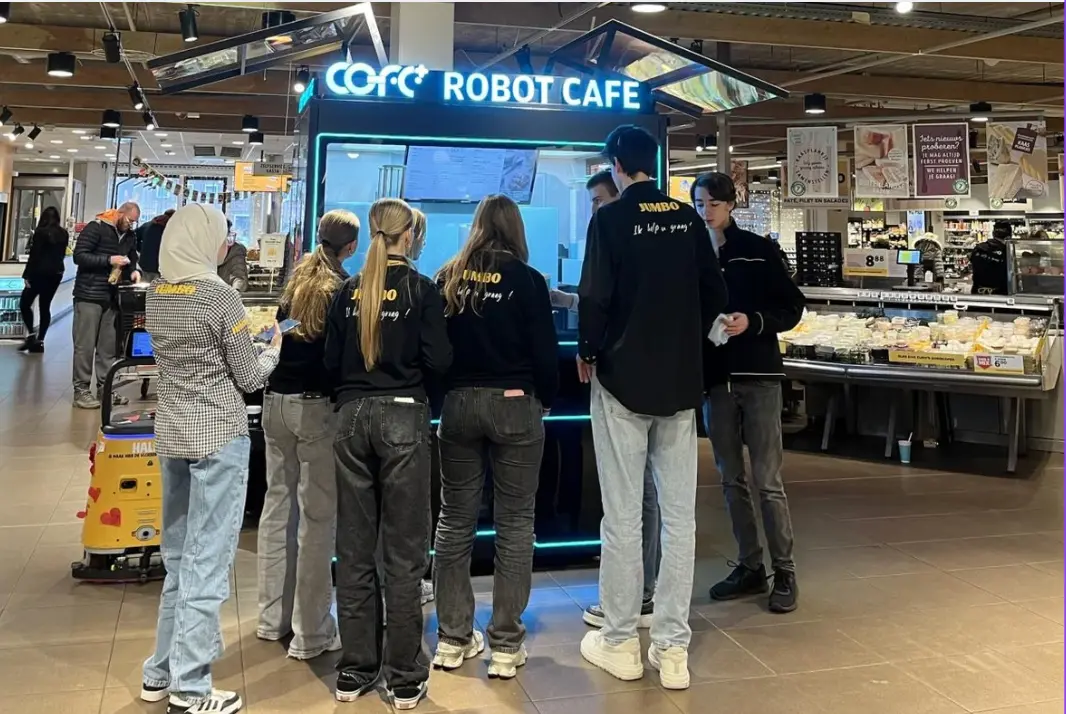
The Rise of Professional Robotic Café Technology: What COFE+ Is and Why It Matters
TL;DR — COFE+ is a fully automated robotic coffee kiosk that grinds fresh beans, brews espresso and lattes, creates latt……

Robot Coffee Kiosk Anti-Vandalism Design decides whether a public kiosk becomes a reliable 24/7 asset or a recurring repair bill. I have reviewed kiosk deployments in transit hubs, parks, and street-facing retail, and the damage patterns are consistent: scratched panels, forced cup doors, blocked drains, and cut sensor cables. Public placements fail less from mechanical faults than from predictable human contact. This piece covers the design and placement choices that keep unattended coffee service operational in public spaces, using COFE+ outdoor kiosk specifications as the reference baseline.
An unsupervised machine in a public space faces a different risk profile than one in an office lobby. Water spray, dust, casual leaning, and deliberate tampering are normal exposure, not edge cases. The first requirement is an enclosure that does not need a staff member standing beside it. For the COFE+ outdoor kiosk, that means an IP54-rated cabinet, UV-resistant exterior panels, and an anti-condensation system that keeps internal electronics stable from -20°C to 45°C.
Public damage risk can be grouped into a few layers.
| Risk Layer | Design Response | Operational Effect |
|---|---|---|
| Liquid spray and dust | IP54-rated sealed cabinet | Keeps internal components free of contaminants |
| Impact to service areas | Locked service access and enclosed mechanisms | Slows tampering and shields moving parts |
| Waste tampering | Fully enclosed waste system | Prevents spills, blockages and pest attraction |
| Extreme temperature shifts | All-weather operation from -20°C to 45°C | Preserves seals, fluid lines and display performance |
The same principle applies to material selection. A glossy decorative panel that photographs well may not survive repeated contact. We specify non-porous, easily cleaned surfaces and place component status monitoring behind the enclosure so that most incidents are detected before the next customer arrives.
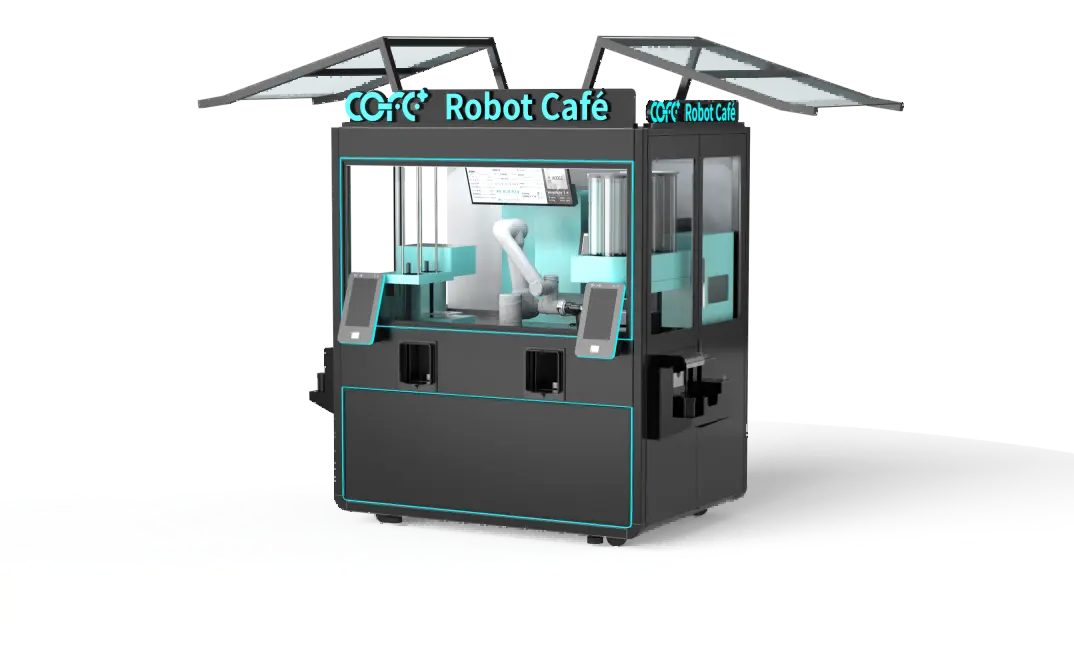
Physical hardening starts with the points a passerby can reach. Cup dispensing doors, syrup ports, waste drawers, and touchscreens receive the most handling and the most abuse. On the COFE+ outdoor robot coffee kiosk, the waste path is fully enclosed and the interior uses anti-microbial stainless steel, which keeps both tampering and hygiene under control. Access to ingredients and mechanical modules sits behind locked panels, not open trays.
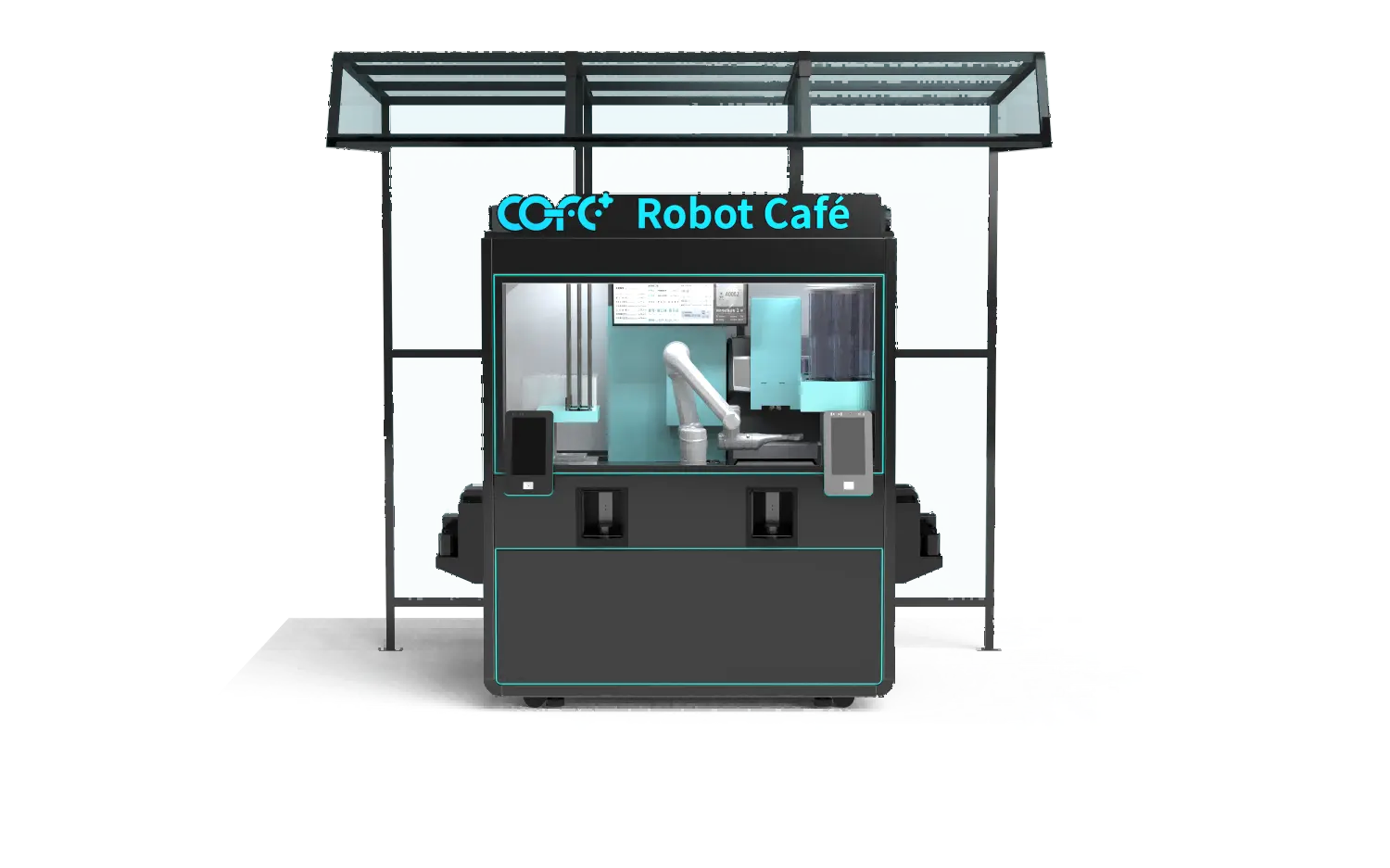
Material choice alone does not stop a determined vandal, but it changes the cost and speed of recovery. A scratched panel is cosmetic; a broken cup door stops sales. Operators should review the kiosk from the customer’s standing height and mark every surface that can be struck, pulled, or pried. If any of those surfaces exposes wiring or a sensor, the supplier should add a cover or relocate the component before delivery.
Public kiosks fail quietly when no one is watching. A small leak or a forced door may not stop the machine immediately, but it will degrade performance and create a safety issue. The relevant design layer is not just physical, it is the cloud monitoring loop. COFE+ kiosks track stock, temperature, system status, and diagnostics remotely. Out-of-range readings trigger alerts that operators can act on before a minor fault becomes a night-long shutdown.
Without a remote operations desk, alerts are just messages. The ones that matter most for public sites are door-open faults, temperature drift, water ingress warnings, and repeated impact events registered by onboard sensors. A forgotten syrup refill is a routine restocking issue; a forced cabinet door is a security event. We advise operators to route security-related alerts to a different escalation path than inventory alerts so the response is faster.
If your planned site has visible nighttime access or previous vandalism history, confirm which alert thresholds and sensor positions ship as standard before you finalize the purchase. Send the site plan to sales@hi-dolphin.com and we will check the configuration against your location.
Placement matters as much as materials. A kiosk pushed into a dark corner becomes a target; a kiosk placed in a well-lit, actively observed zone often never gets tested. The strongest anti-vandalism measure is sightlines. Public machines should sit where pedestrians, staff, or cameras have a clear view of the front panel and the service side.
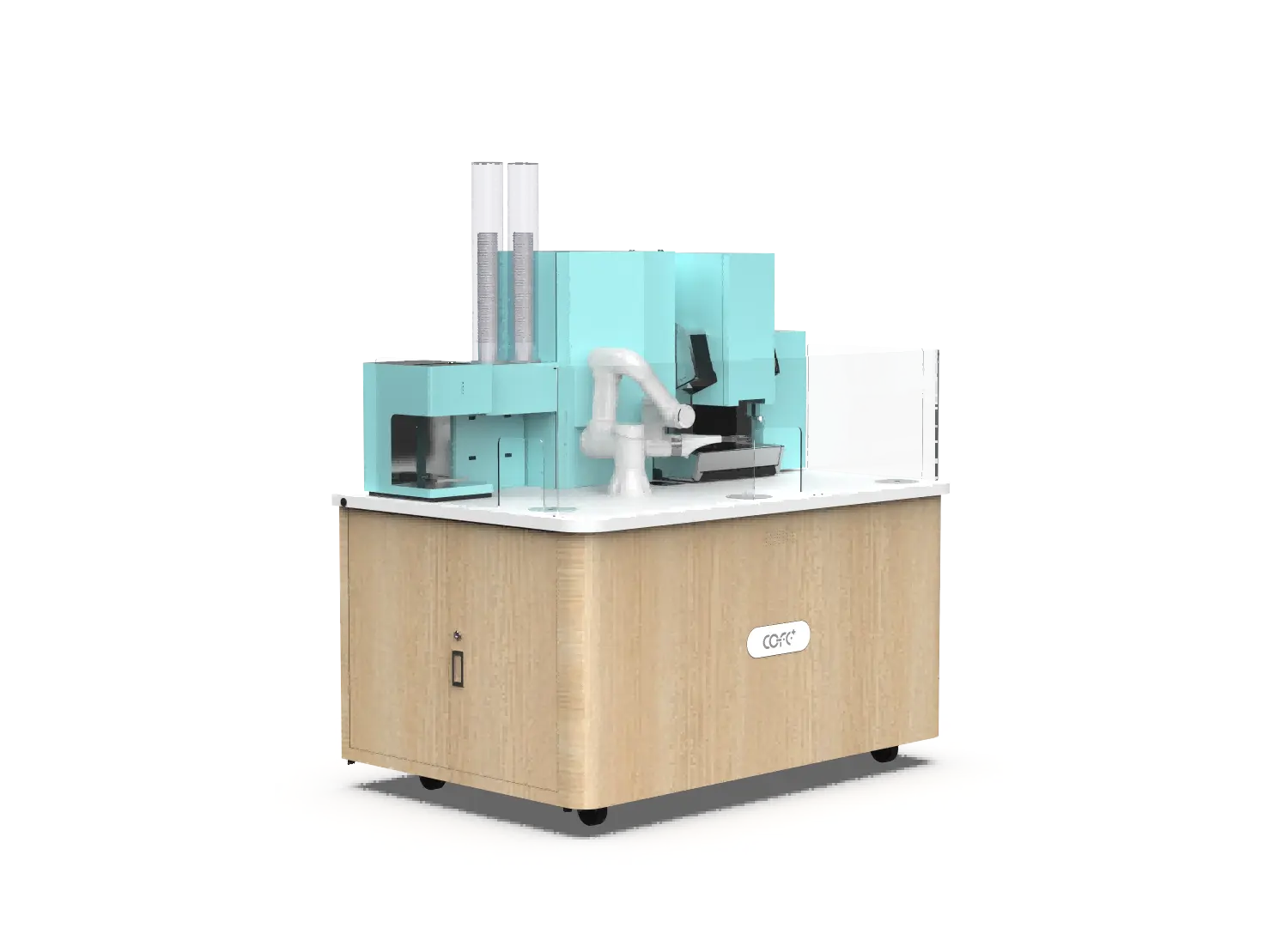
Wall-side placement protects the rear and simplifies power and drainage, but it can hide service access. Island placement gives 360-degree visibility and customer flow, yet exposes all four faces. Corner placement is a compromise: it shields two sides and preserves a strong front-facing presence. For transit hubs and street-facing sites, we recommend wall-side or corner placement first, with island placement reserved for broad plazas with continuous daytime foot traffic.
A visible placement also improves recovery when something does happen. Passersby usually report damage faster than a sensor loop when the machine is in open view.
Public kiosk operators often do not discover the real anti-vandalism gaps until after the first incident. That delay costs sales hours and repair visits. Before you commit a site, confirm three things: the enclosure IP rating, the list of monitored fault alarms, and the recommended placement profile for the location.
The COFE+ outdoor kiosk is built for continuous public use, with IP54 protection, fully enclosed waste handling, and remote diagnostics that cut response time. Send your site plan, expected daily traffic, and previous vandalism history to sales@hi-dolphin.com or call +86 131 6630 1290, and we will confirm which enclosure, sensor, and placement package fits before you finalize your order.
The enclosure rating is the first thing to check. An indoor cabinet moved to a covered walkway still faces dust, moisture, and wider temperature swings. If the original unit does not meet IP54 or an equivalent outdoor protection level, the upgrade starts with a sealed enclosure and covered service access, not cosmetic changes. Bring the machine up to public exposure requirements first, then add monitoring and placement controls.
No. IP54 protects against limited dust and water spray, not pressurized washing or prolonged heavy rain. The first digit 5 keeps out most dust, while the second digit 4 guards against splashing water from any direction. Operators in exposed sites should still specify a canopy or side shielding and confirm that drainage stays clear of leaves and trash.
It depends on the module damaged. A scratched display or blocked cup door can be handled by a scheduled technician visit, while the machine may continue limited service. A forced ingredient door or cut sensor cable should trigger a remote shutdown and a field dispatch. The COFE+ system is built for auto repair dispatch and remote diagnostics, so most incidents become a single targeted visit rather than an open-ended failure.
In site reviews I have led, the fastest approvals came when operators submitted three details together: the kiosk footprint and service clearance, the enclosure protection rating, and the proposed placement with clear sightlines. Landlords care about water drainage, floor load, and whether the machine blocks emergency access. If your landlord has specific risk concerns, send the site dimensions and photos to sales@hi-dolphin.com and we will confirm which anti-vandalism documentation applies.
TL;DR — COFE+ is a fully automated robotic coffee kiosk that grinds fresh beans, brews espresso and lattes, creates latt……
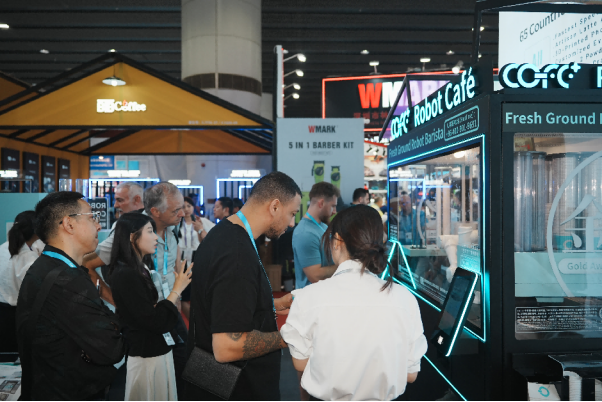
7th-Genertion Smart Robot Coffee Kiosk Arrives at the Belt and Road Core Hub, Ushering in a New Service Era Along t……
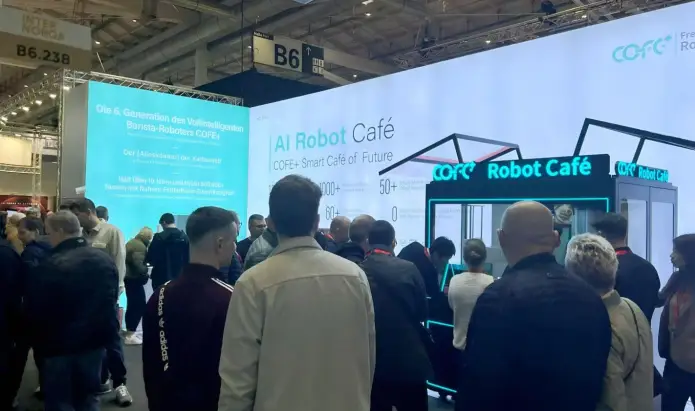
CHICAGO, May 12, 2026 (GLOBE NEWSWIRE) – Shanghai Hi-Dolphin Robot Technology today announced the U.S. debut of its 7th‑……