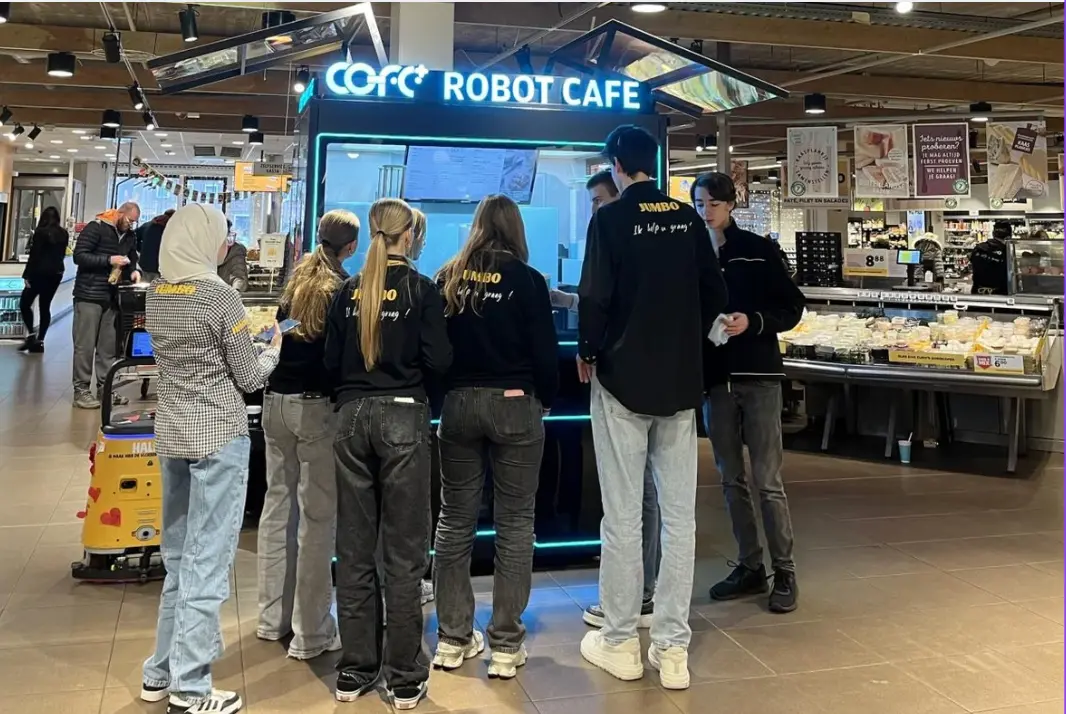
The Rise of Professional Robotic Café Technology: What COFE+ Is and Why It Matters
TL;DR — COFE+ is a fully automated robotic coffee kiosk that grinds fresh beans, brews espresso and lattes, creates latt……

Most robot coffee kiosk distribution plans fail before the first machine ships. A robot coffee kiosk distributor business model works only when equipment margin, recurring consumables revenue, and local service coverage are designed as a single system. I have seen operators underprice their first installs to win a landmark account, then discover they cannot fund the technical training and spare parts pipeline that the territory actually requires. This article breaks down the revenue mechanics, territory economics, and demo strategy that separate sustainable distributors from short-lived resellers.
The core financial model has three connected streams. Equipment sales carry the first margin and fund initial market entry. Consumables such as beans, milk, syrups, and cups create repeat orders every operating week. Service and maintenance agreements turn the installed base into recurring income while protecting the machine’s 10-year design life.
A distributor that treats the operation as a hardware-only resale will stay thin. A COFE+ kiosk runs at roughly $0.30 to $0.70 per cup in ingredient and operating cost, which leaves room for pricing that works for both the operator and the distributor. But that margin only becomes dependable revenue when the distributor controls replenishment and first-line service. We look for territories where a single distributor can reach 30 to 50 active machines within two years. Below that number, the fixed cost of a technician and a small spare parts inventory is hard to sustain. Above it, the recurring revenue becomes predictable enough to justify the initial training investment.
One metric I track before recommending a territory is the ratio of repeat consumables orders to new machine sales. If a distributor reports two new placements but no reorders within the first 60 days, the issue is usually not the equipment. The issue is that the site operator never understood the replenishment schedule or the remote monitoring alerts. A trained distributor fixes this during installation, not after the first out-of-stock event.
Exclusive territory rights change the distributor’s behavior. With a protected area and a realistic quota, a distributor can afford to run a demo site, train a local technician, and build a pipeline instead of chasing every inbound request. Without exclusivity, the conversation reduces to price, which compresses service quality and eventually erodes the brand.
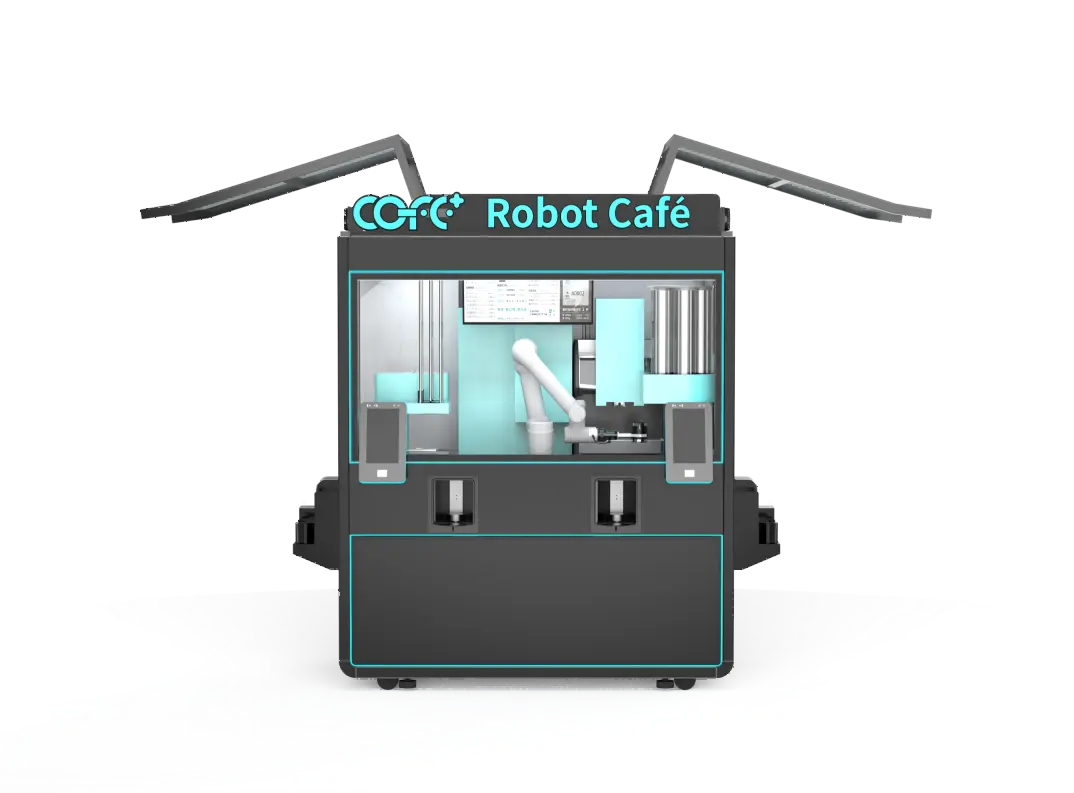
| Format | Footprint | Best Venue | Serving Model |
|---|---|---|---|
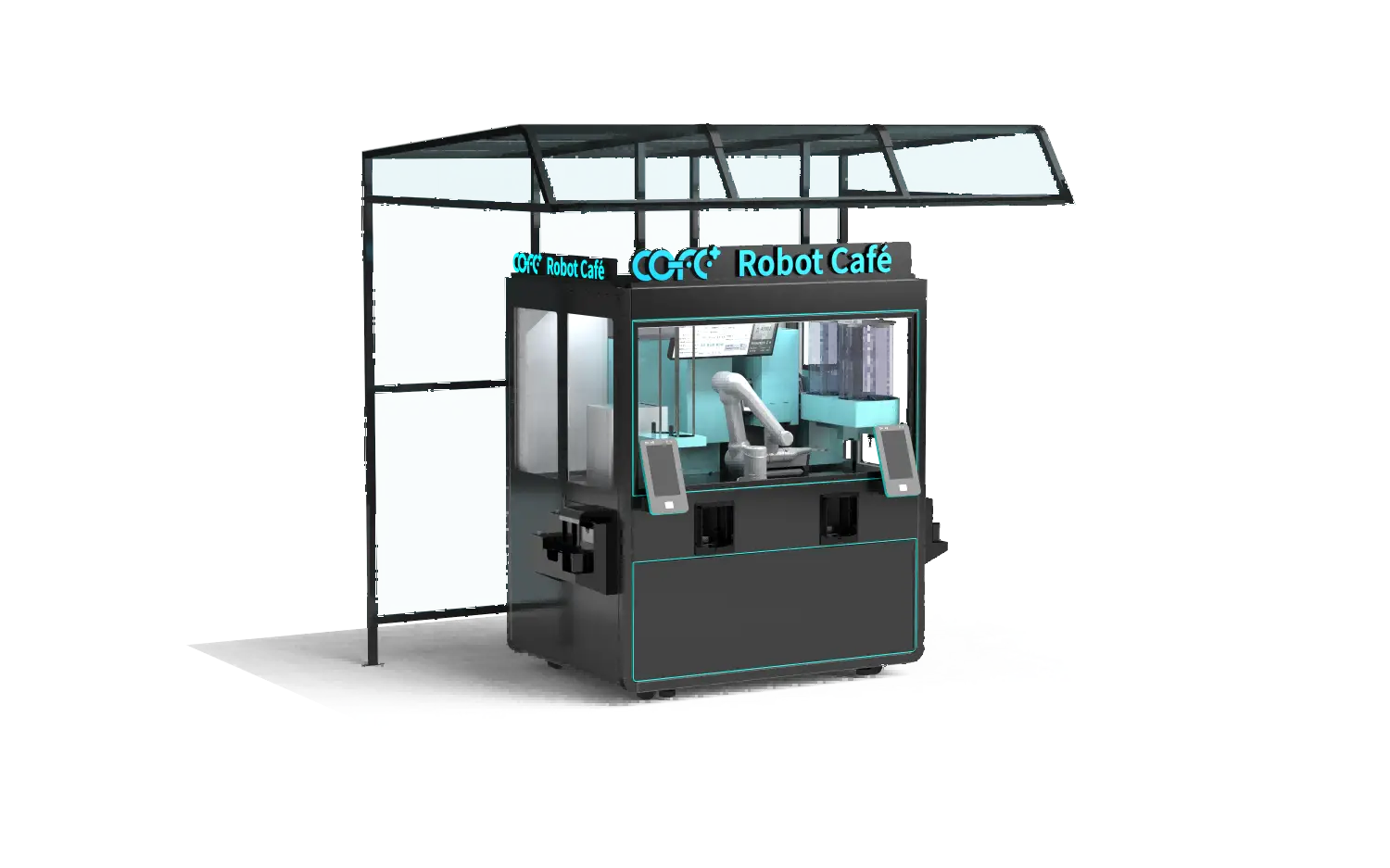
| Smart Coffee Kiosk Indoor | 2.35 m² | Malls, offices, transit hubs | Fully unattended kiosk |
| Smart Coffee Kiosk Outdoor | 2.35 m² | Parks, gas stations, stadiums | All-weather unattended kiosk |
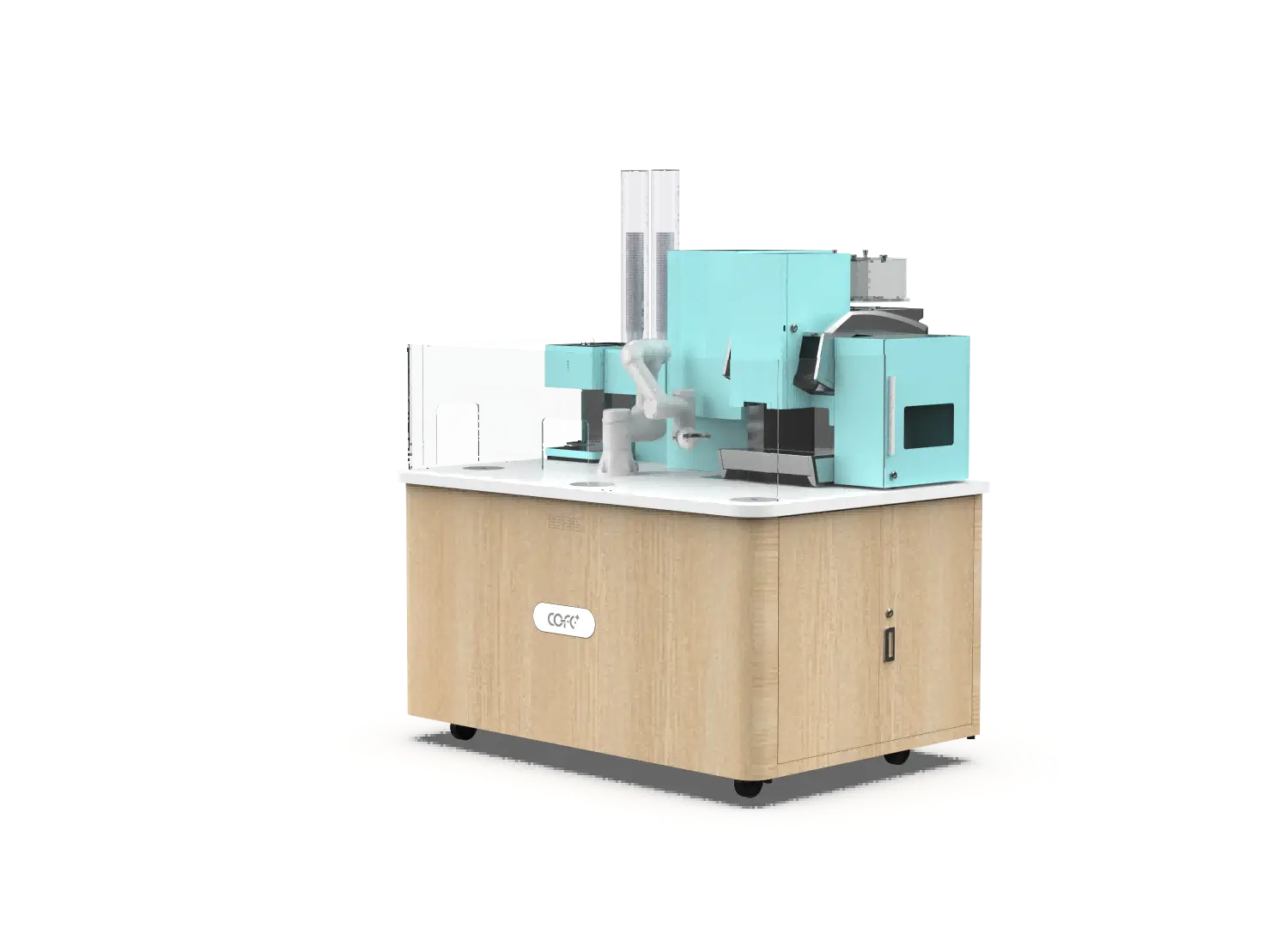
| Robot Coffee Bar | 2 m² when folded | Hotels, airports, co-working spaces | Foldable counter with seating |
| Robot Coffee Counter | 2 m² | VIP lounges, showrooms | Built-in counter |
Margins also move when the form factor changes. An outdoor machine must carry IP54 protection, anti-condensation, and temperature management from minus 20 to 45 degrees Celsius, which adds cost but opens high-traffic locations that indoor units cannot serve. We advise distributors to set different floor prices for indoor and outdoor units rather than blending them into one rate card. Blended pricing hides the value of the outdoor engineering and leaves money on the table in sites where the buyer has no alternative.
Capital planning should cover three buckets before the first sale. The first is one to two demo units with installation. The second is a small spare parts buffer and a technician training budget. The third is 60 to 90 days of consumables inventory for the first placements. We have seen distributors run out of runway not because sales were slow but because they treated the demo unit and first reorder stock as miscellaneous expenses instead of core capital.
The most overlooked line item is local service. The kiosk is designed for unattended operation, but it is not a maintenance-free vending box. Cloud monitoring and remote diagnostics can identify an error and sometimes dispatch a repair automatically. On-site fixes still require someone close enough to arrive within the service window, and that means the distributor needs a technician network before signing the fifth site.
One pattern I have seen in multi-site deployments is quiet margin loss. Cup sales stayed healthy, but each service visit required a five-hour drive, and the travel cost removed the profit from several small towns. The fix was a hub-and-spoke model with a trained technician in the primary city and scheduled preventive visits in secondary cities. That kept response times down without placing a full-time technician everywhere.
High-traffic sites should follow a preventive service rhythm, not a reactive one. For a kiosk doing several hundred cups a day, we schedule a quarterly cleaning and calibration visit, with remote alerts for ingredient levels and temperature handled daily by the cloud platform. This keeps peak-hour availability high because maintenance happens during planned low-traffic periods. The alternative is an emergency call during the morning rush, which costs more and damages the landlord’s confidence.
If your territory includes outdoor sites with seasonal temperature swings, it is worth confirming the IP54 and anti-condensation configuration before finalizing your first order at sales@hi-dolphin.com.
A functioning demo kiosk converts property owners faster than a specification sheet. Standing next to the machine, the owner can watch a drink dispensed in under a minute, ask about the drainage connection, the electrical load, and the internet requirement, and see how the queueing area actually behaves. None of that translates through a PDF.
I have seen a single airport demo close three follow-on placements in adjacent cities without a formal pitch. The buyers watched a cup dispense in roughly 45 seconds during a morning rush and then asked the questions that only matter after purchase: who refills the milk, what happens if the payment system goes offline, and how we handle a temperature alarm. A demo site answers those questions in a way a slide deck cannot.
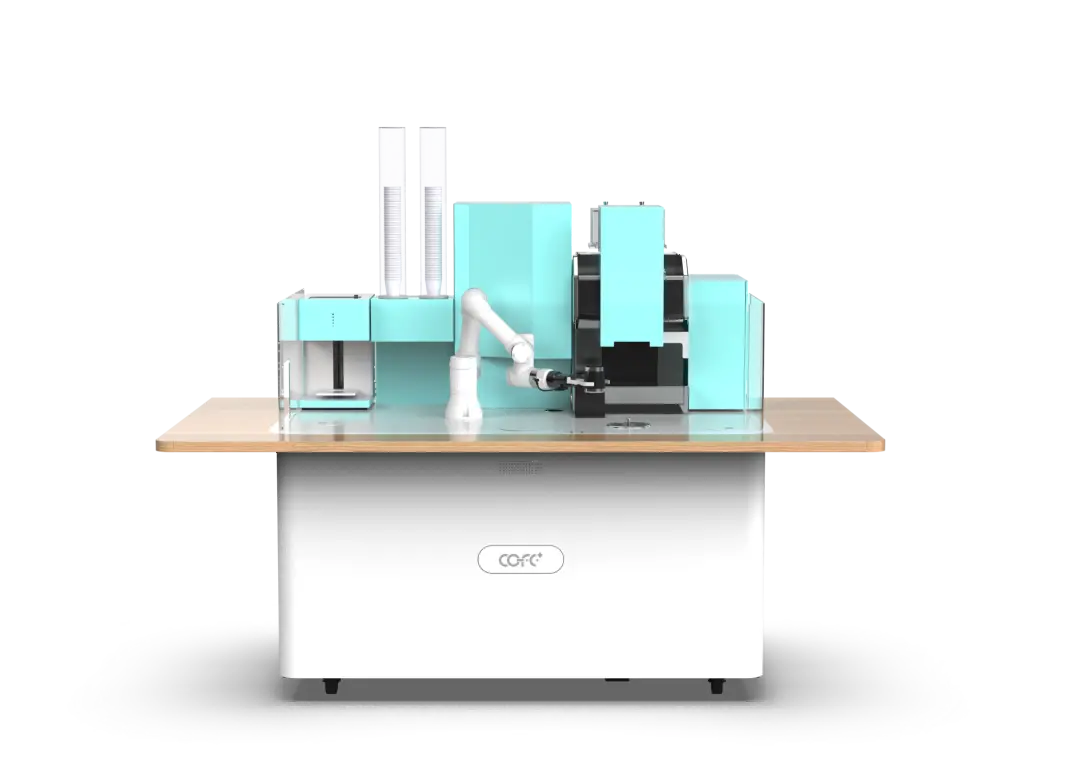
The final mistake is signing a territory agreement that covers only equipment pricing. If the document does not specify service response times, spare parts access, certification documentation, and training responsibilities, those costs will surface later in the worst possible place, during a machine stoppage at a high-traffic site. A distributor agreement should define what the manufacturer covers remotely and what the distributor delivers locally.
That is why we structure an initial package around three things: two product formats for indoor and outdoor placement, a defined service and training sequence, and a group of prequalified site profiles to validate demand. The goal is not to push hardware across the ocean. The goal is to make the local operation self-sustaining by the time the demo site reaches its first 30 days of steady output.
Send your territory plan and the first three site profiles to sales@hi-dolphin.com, or call us at +86 131 6630 1290. We will confirm the right configuration, certification documents, and a realistic service training schedule before you commit capital.
Target three streams from the first quarter: equipment margin, consumables replenishment, and first-line service revenue. A healthy baseline is a unit margin that covers installation and local training plus a repeat order cycle that begins within 60 days of each placement. If the equipment margin is too thin, the distributor has no room for a demo unit, and if the consumables margin is too thin, the business becomes a one-time hardware resale. We recommend testing the numbers on two to three sites before setting a final rate card.
Most first-time distributors underestimate working capital because they focus on the machine price and forget the site preparation, freight, initial consumables, and a spare parts buffer. A realistic plan includes the cost of one to two demo units, 60 to 90 days of cups, beans, and milk for the first placements, and a local technician training budget. Without those reserves, a distributor can win a site and then struggle to keep it running. The working capital requirement typically exceeds the equipment invoice by a meaningful margin, not by a rounding error.
Warranty and spare parts handling depends on the territory and the agreement, not on a single global rule. Remote diagnostics cover most software and calibration issues, but the distributor still needs a local technician for mechanical or electrical repairs. We document the warranty terms before shipment and stage a limited set of high-wear parts in the territory so response times stay short. If the distributor is appointed in a country with specific certification requirements, we confirm the documentation for that market before the first placement.
In the distribution programs we have run, the strongest first year usually comes from a mix of one indoor and one outdoor demo unit. The indoor unit proves the model in a climate-controlled venue with predictable traffic. The outdoor unit proves all-weather operation in heat, cold, or humidity and opens locations that competitors avoid. If your territory includes transit hubs, gas stations, or parks, it is worth confirming the IP54 and temperature certification documentation before ordering. Share your first three site profiles with sales@hi-dolphin.com and we will confirm which format, certification set, and service plan fit each location.
TL;DR — COFE+ is a fully automated robotic coffee kiosk that grinds fresh beans, brews espresso and lattes, creates latt……
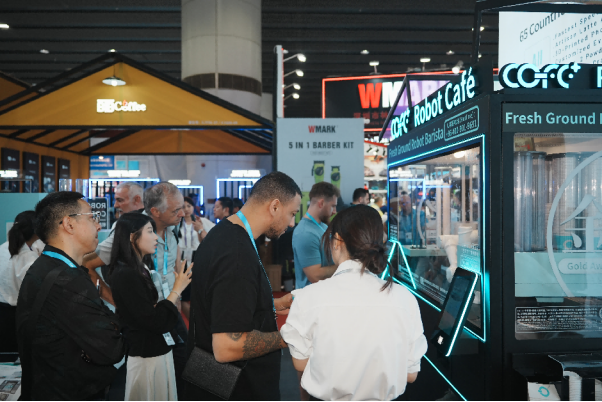
7th-Genertion Smart Robot Coffee Kiosk Arrives at the Belt and Road Core Hub, Ushering in a New Service Era Along t……
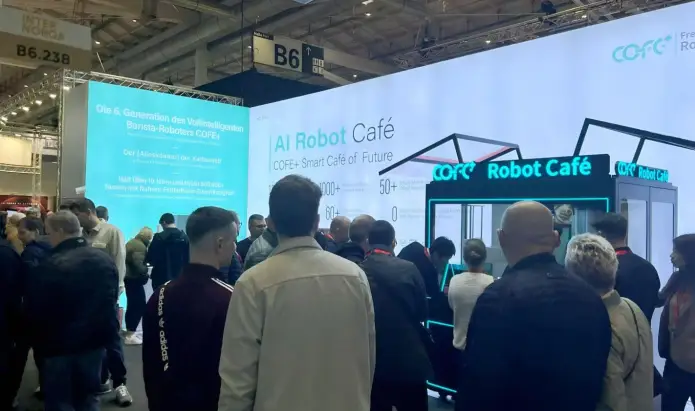
CHICAGO, May 12, 2026 (GLOBE NEWSWIRE) – Shanghai Hi-Dolphin Robot Technology today announced the U.S. debut of its 7th‑……