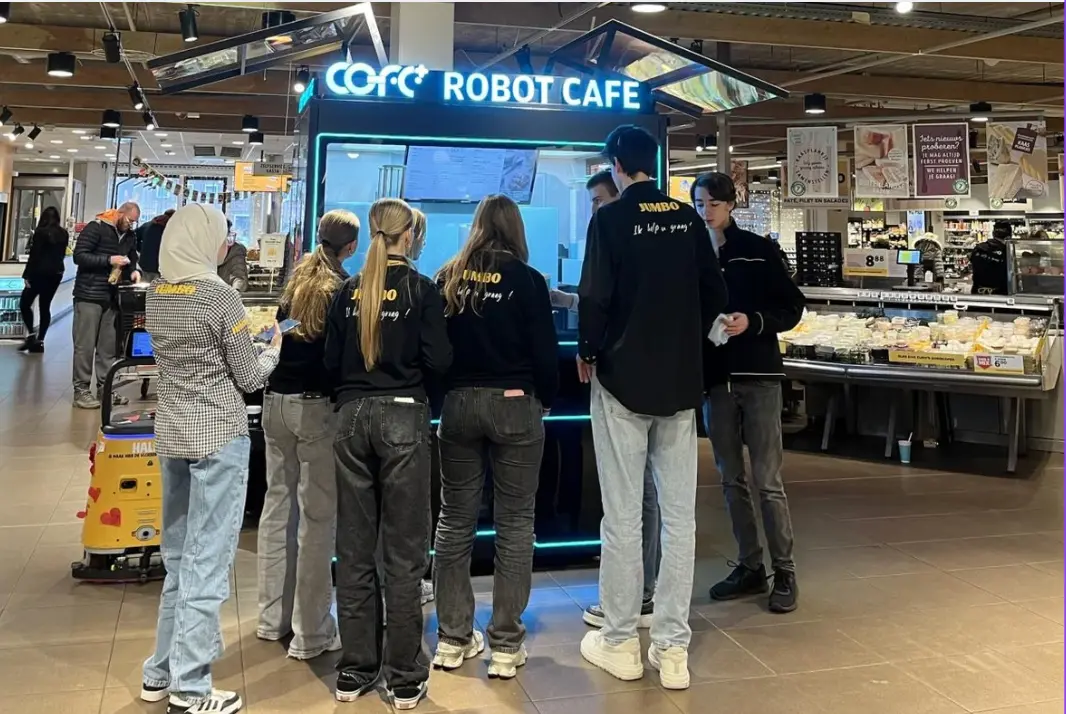
The Rise of Professional Robotic Café Technology: What COFE+ Is and Why It Matters
TL;DR — COFE+ is a fully automated robotic coffee kiosk that grinds fresh beans, brews espresso and lattes, creates latt……

Many businesses exploring automated coffee solutions get stuck deciding between a robot coffee kiosk and a traditional coffee vending machine. The choice is not just about upfront cost — it determines the quality of every cup, your daily operating margins, and how customers perceive your brand. Jason Liu, AI retail strategist at Shanghai Hi‑Dolphin Robot Technology, has seen operators choose a vending machine to save money, only to realize it cannot deliver the premium experience or long‑term ROI of a robotic barista. This comparison breaks down the real differences in technology, drink quality, cost, and certification that most spec sheets leave out, so you can make an informed business decision.
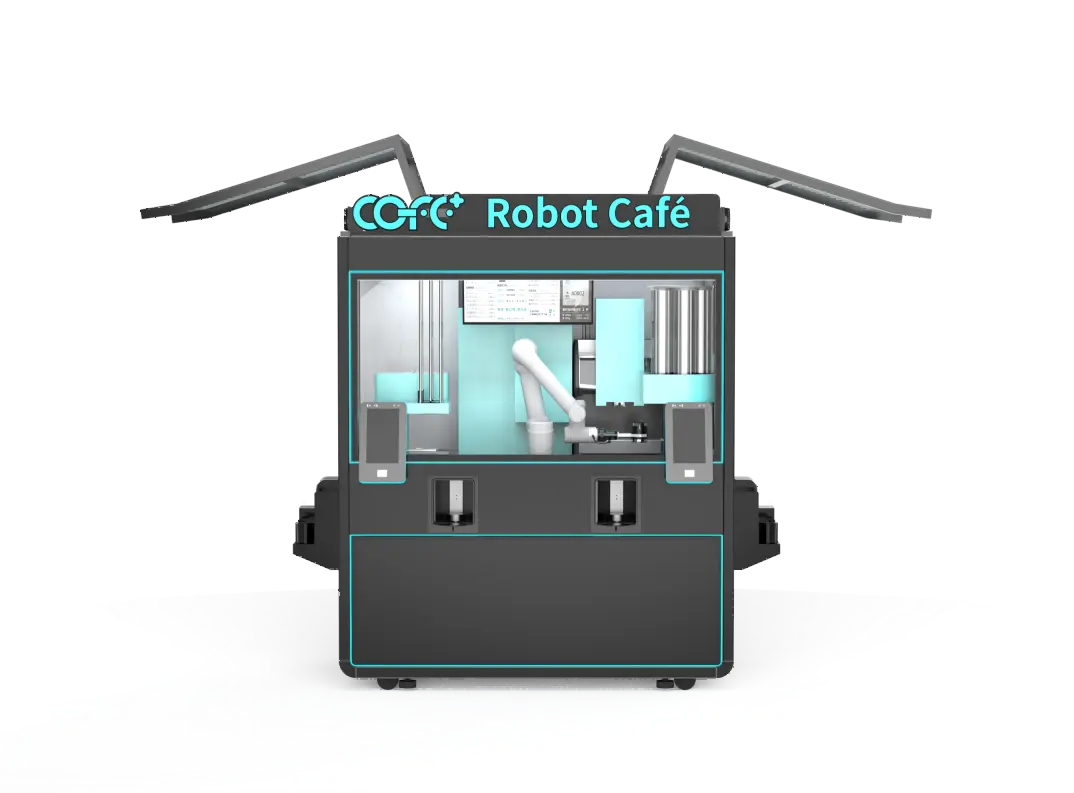
A coffee vending machine is a self‑contained appliance that mixes pre‑ground coffee or instant powder with hot water, dispensing a limited range of drinks at the push of a button. It requires periodic refilling of ingredients and basic maintenance, but no daily staff. A robot coffee kiosk, like the 7th‑generation Hi‑Dolphin system, is an AI‑driven, IoT‑connected system with a robotic arm that grinds fresh beans, brews espresso, steams milk, and prints latte art. The kiosk operates fully unattended, 24/7, and can manage complex drink menus with thousands of customizations. The fundamental difference is that a vending machine automates dispensing, while a robot coffee kiosk automates the entire coffee‑making process, delivering a barista‑level experience without human labor.
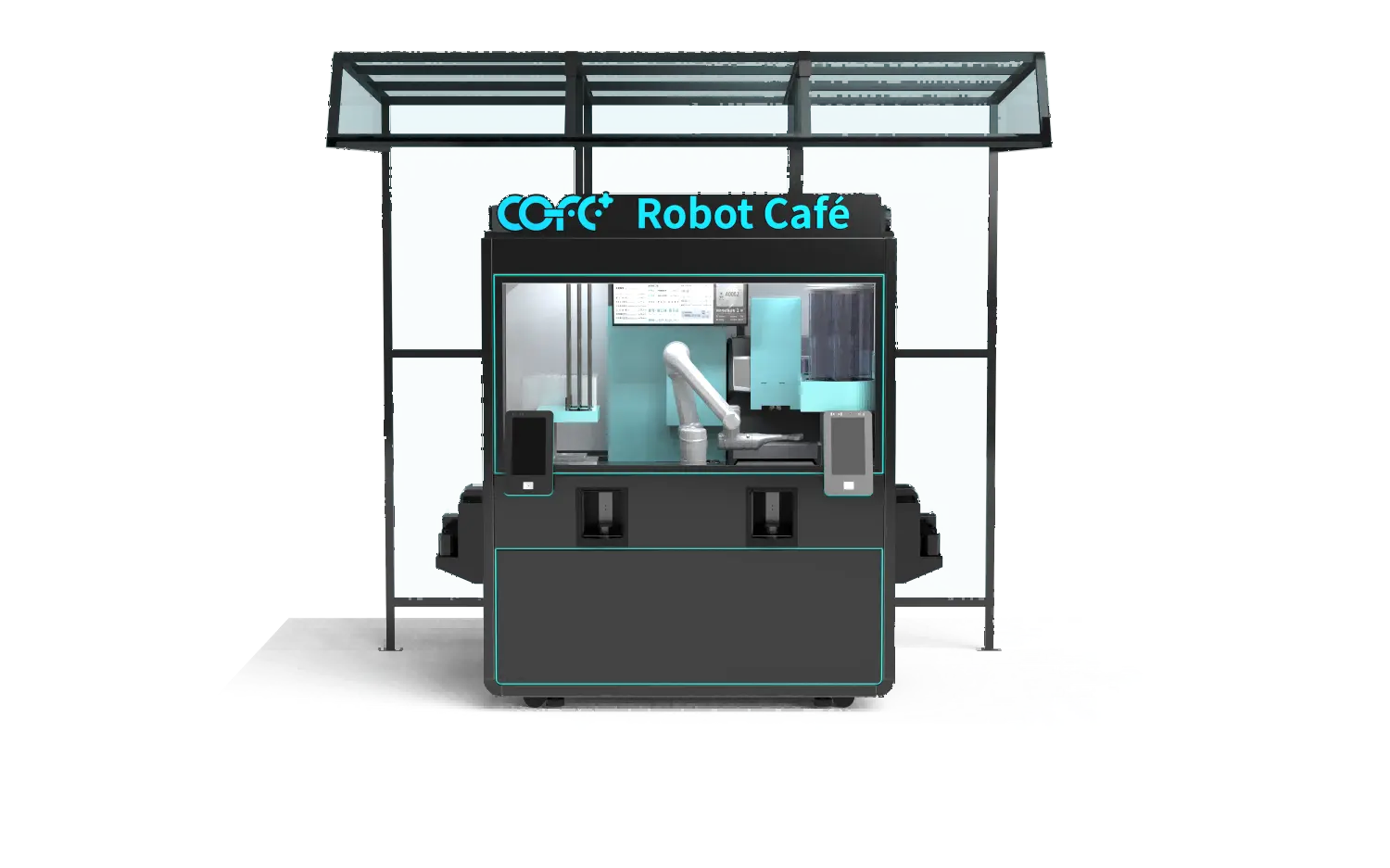
Drink quality is where the gap widens significantly. Standard vending machines typically use instant coffee or pre‑ground soluble powder. The result is a hot beverage that satisfies convenience but rarely meets the taste expectations of a specialty coffee customer. Customization is minimal — you get black coffee, maybe a latte with pre‑mixed powder, and perhaps hot chocolate.
A robot coffee kiosk starts with whole beans, grinds on demand, and controls every extraction variable — water temperature, pressure, grind size — exactly as a skilled barista would. For example, my company’s own machines deliver over 300 drink recipes inspired by flavors from 197 countries, with more than 5,000 combinations of beans, milk types, syrups, roasts, and cup sizes. It can produce 3D latte art printed from a photo or a classic tulip pattern executed by the robotic arm.
This level of customization transforms the coffee purchase from a transactional moment into an experience. I have observed at deployments in airports and universities that customers will wait in line for a robot‑made cappuccino with custom art, while a standard vending machine next to it gets bypassed. The difference is not incremental — it is a strategic shift in what you are offering your customers.
| Feature | Typical Coffee Vending Machine | Robot Coffee Kiosk (e.g., Hi‑Dolphin) |
|---|---|---|
| Coffee base | Instant powder or pre‑ground | Fresh whole beans, on‑demand grind |
| Drink variety | 5–15 basic options | 300+ recipes, 5,000+ customizations |
| Milk preparation | Powdered milk or pre‑mixed | Fresh milk, steamed by robotic arm |
| Latte art | None | 3D printed and robotic handcrafted |
| Speed per cup | 30–50 seconds | 43–60 seconds |
| Consistency | Varies with powder settling | Digitized recipes, consistent across 300+ cups |
Vending machines are often marketed as a low‑cost entry point. A typical unit might cost a few thousand dollars, with ingredient packs yielding per‑cup costs around $0.50–$1.00. Labor is zero for daily operation, but someone must restock, clean, and collect cash or deal with payment issues. Throughput is moderate, usually 100–200 cups per day in a well‑located spot.
A robot coffee kiosk has a higher upfront investment — a COFE+ unit starts higher — but the operating economics invert quickly. Per‑cup ingredient cost drops to roughly $0.30–$0.70 because you buy beans and milk in bulk rather than proprietary pods or powders. With no staff needed, labor cost is eliminated, and because the machine can serve around 1,000 cups per day, revenue potential is far greater. A single kiosk can replace up to 6 baristas, and many operators achieve ROI within 6–12 months.
From a business standpoint, the vending machine is a cost‑saving tool; the robot coffee kiosk is a revenue‑generating asset. If your location can drive volume, the kiosk’s higher throughput and premium pricing (customers will pay $3–$5 for a fresh latte with art versus $2 for a powdered coffee) quickly surpass the vending machine’s thin margins.
If your program involves high‑traffic areas or premium customer expectations, it is worth confirming your projected daily cup volume and per‑cup margin before comparing machine costs — reach out at sales@hi-dolphin.com to get a customized ROI projection.
Hygiene and compliance are often overlooked until a health inspection or a customer complaint. Vending machines typically have basic cleaning cycles but rely on manual sanitation of internal components between service visits. Over time, residue builds up in brew groups and milk lines, which can lead to off‑flavors or bacterial growth, especially if maintenance is infrequent.
Robot coffee kiosks designed for global deployment integrate automatic high‑temperature sterilization (85°C+), anti‑microbial stainless‑steel interiors, and fully enclosed waste systems that prevent spills and pests. The system runs self‑cleaning cycles without human intervention. Critically, Hi‑Dolphin’s machines have passed FDA, CE, UKCA, KC, and SASO certifications, meaning they meet food safety standards in over 18 developed countries. A vending machine purchased from a local supplier may not carry this breadth of compliance, which becomes a major liability if you plan to scale across regions or locate in health‑sensitive environments like hospitals or corporate campuses.
I have seen operators struggle to retrofit a vending machine with the documentation needed for a cafe permit in a new market. With a certified robot kiosk, you get a complete compliance package from day one. This is not a minor detail — it can be the deciding factor in whether you can even open in your target location.
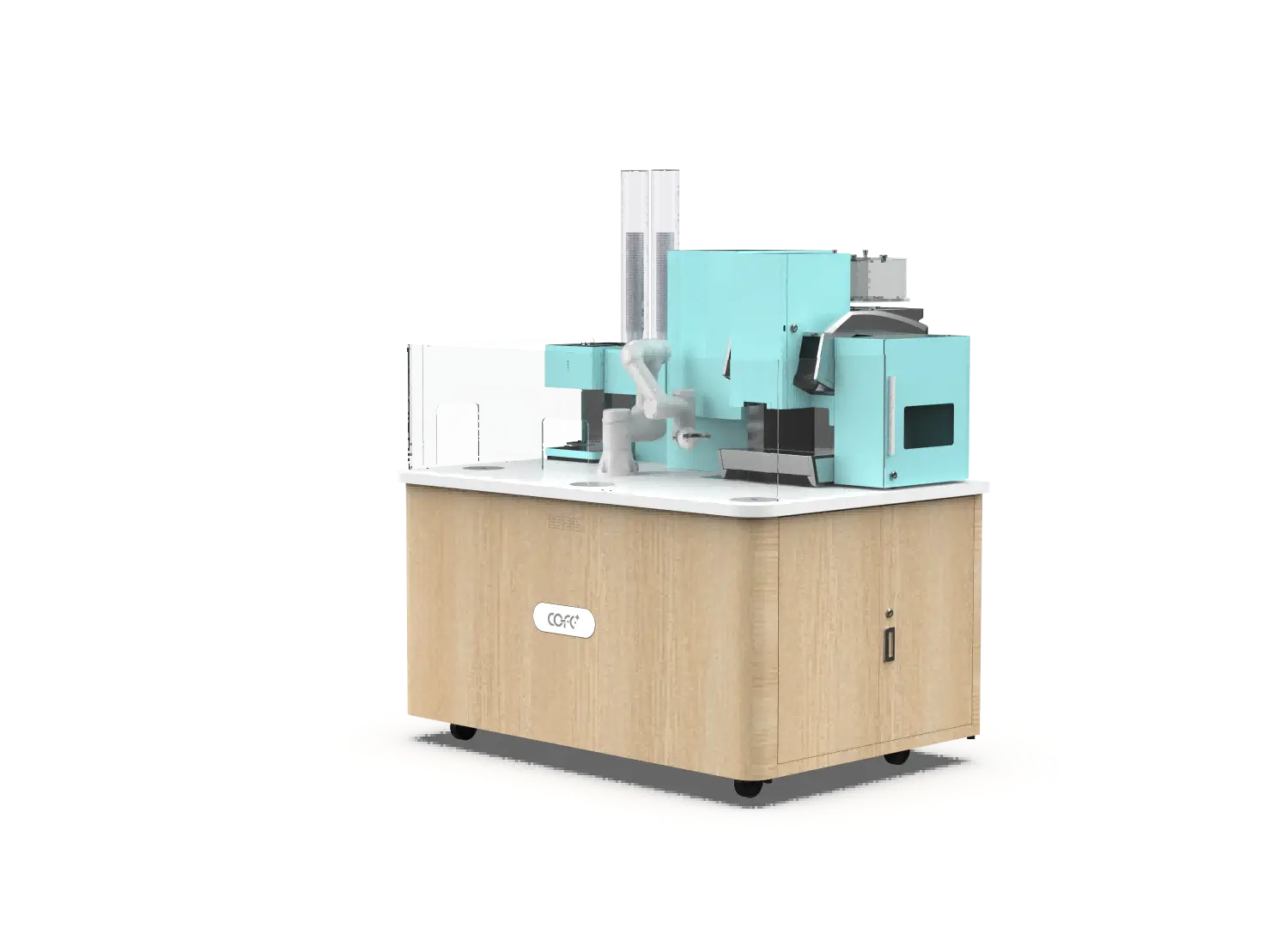
The final decision depends on your business goals, not just the machine specs. If you need a simple, low‑investment solution for a breakroom with low foot traffic, a vending machine may be sufficient. But if you aim to create a branded coffee experience, attract customers, and maximize revenue per square foot, the robot coffee kiosk is the strategic choice.
In high‑traffic sites — shopping malls, airports, university campuses, transit hubs — the robot kiosk’s high capacity, premium offering, and 24/7 operation lead to significantly higher total revenue. In lower‑utilisation spaces like a small office with 20 employees, a vending machine might be more appropriate. However, even in offices, many corporate clients are now opting for robot coffee counters as an employee benefit that reinforces a tech‑forward brand image.
Ultimately, the comparison between a robot coffee kiosk and a coffee vending machine is not merely about coffee output; it is a choice between a commodity appliance and an intelligent retail system that connects to your business’s IoT ecosystem, generates usage data for optimisation, and can become a destination rather than a backdrop.
The decision to upgrade from a vending machine to a robot coffee kiosk often comes down to the recognition that standard automated coffee leaves money and brand value on the table. A robotic barista can deliver craft‑quality beverages at scale, without the staffing headaches, while simultaneously strengthening your location’s appeal and compliance standing. Before committing to any machine, we recommend you share your expected daily volume and location type with our team. We will provide a detailed comparison that covers the specific ROI, certification requirements, and integration support for your case. You can reach our strategists directly at sales@hi-dolphin.com or call +86 131 6630 1290.
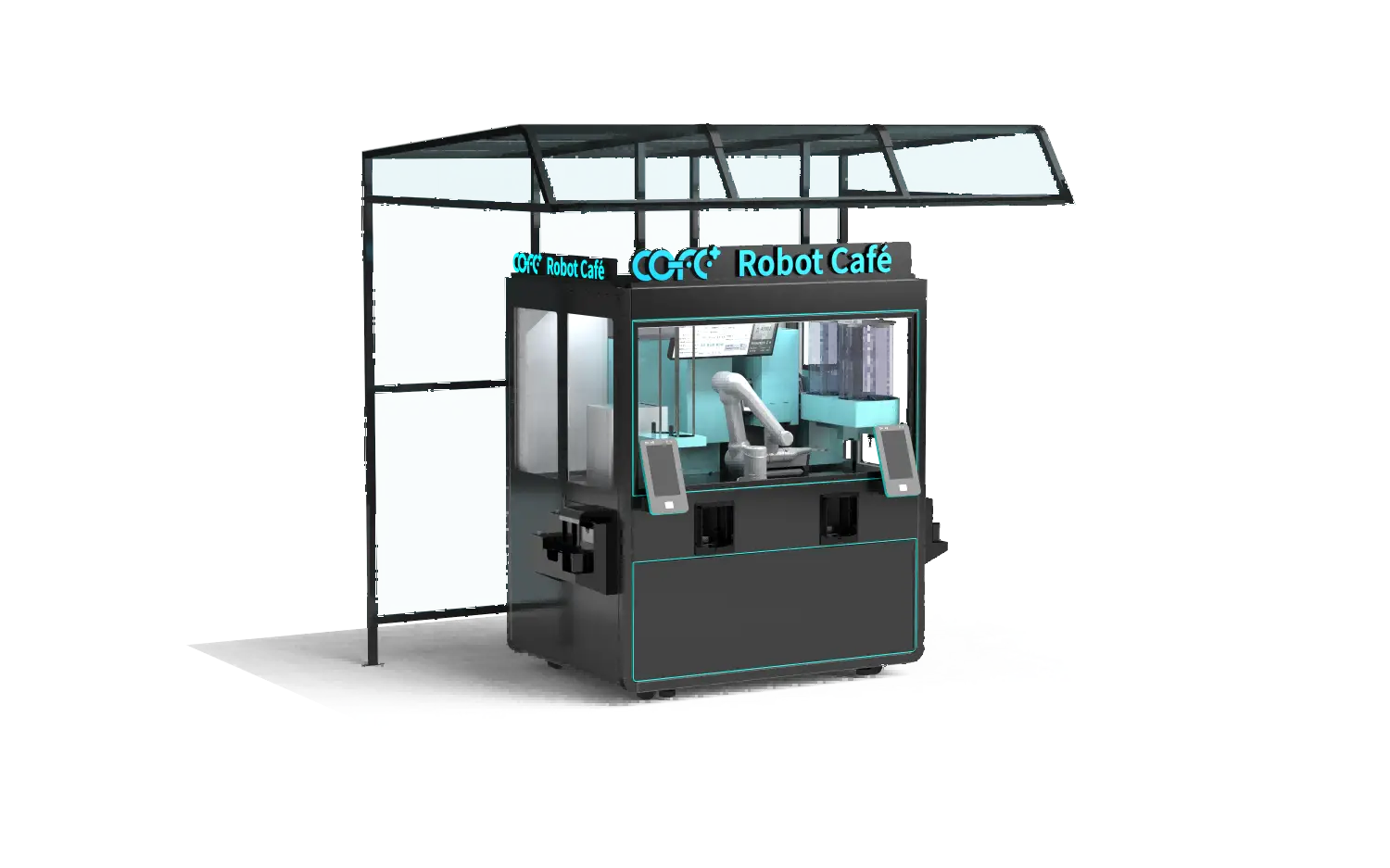
Maintenance costs differ in structure. A vending machine requires frequent restocking and manual cleaning, but parts are generic and easy to source. A robot coffee kiosk has more sophisticated components — grinder, robotic arm, IoT sensors — that are designed for high‑volume durability. For example, our machines are tested for over 500,000 cups and engineered for a 10‑year service life. While a single technical repair may cost more than a vending machine component, the overall maintenance burden is lower because the machine self‑diagnoses, deep‑cleans automatically, and requires minimal on‑site visits. Most operators find total maintenance cost per cup is comparable, but uptime is higher.
No. Fresh espresso requires grinding beans immediately before extraction, dosing precisely, and controlling water temperature and pressure — all functions that a standard vending machine does not have. Some high‑end vending machines use fresh milk and ground coffee, but they still lack the robotic arm’s tactile control over tamping, milk texturing, and art, the elements that define the final cup quality. If your customers expect specialty coffee, only a robot kiosk with bean‑to‑cup capability will meet that standard.
Most locations treat both as automated food service equipment, but a robot kiosk often requires a higher standard of food safety documentation. Because the kiosk handles fresh milk and whole beans, health departments may request proof of auto‑cleaning cycles and temperature logs. Hi‑Dolphin’s machines come with full documentation, including FDA and CE certifications, which typically satisfy permit requirements across the U.S., Europe, Asia, and the Middle East. A no‑name vending machine may lack this paperwork, causing delays. If your site is in a regulated environment, confirm your provider’s certification packet before purchase.
Profitability depends on location traffic and pricing. In a busy location selling 300–500 cups per day, a robot kiosk can achieve payback in 6–9 months, compared to 12–18 months for a vending machine, because of lower per‑cup costs and higher average ticket price. Even at lower volumes of 100 cups per day, the premium pricing on fresh coffee reduces the break‑even gap. We typically run a free ROI simulation for prospective operators. Share your location details and expected traffic, and we will provide projected payback comparisons. Contact sales@hi-dolphin.com or +86 131 6630 1290 to request yours.
TL;DR — COFE+ is a fully automated robotic coffee kiosk that grinds fresh beans, brews espresso and lattes, creates latt……
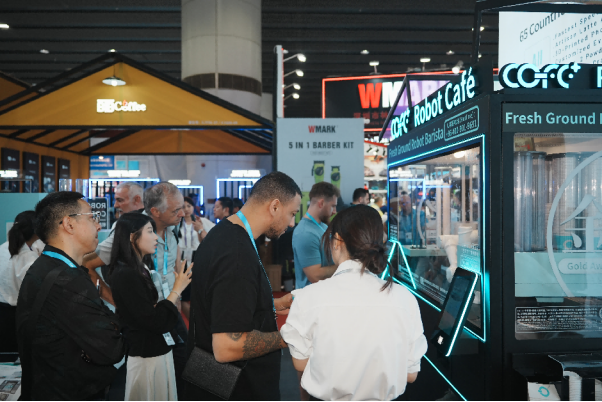
7th-Genertion Smart Robot Coffee Kiosk Arrives at the Belt and Road Core Hub, Ushering in a New Service Era Along t……
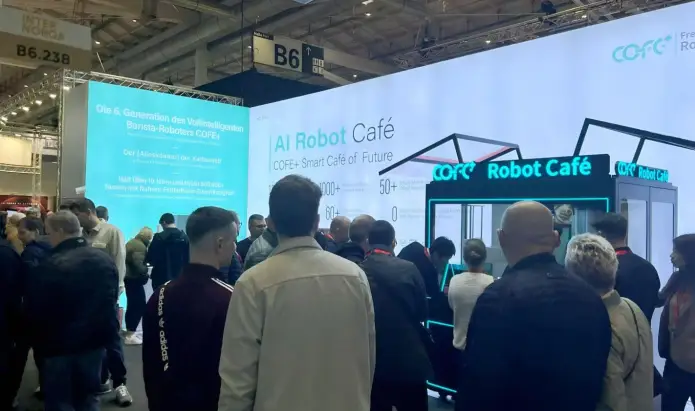
CHICAGO, May 12, 2026 (GLOBE NEWSWIRE) – Shanghai Hi-Dolphin Robot Technology today announced the U.S. debut of its 7th‑……