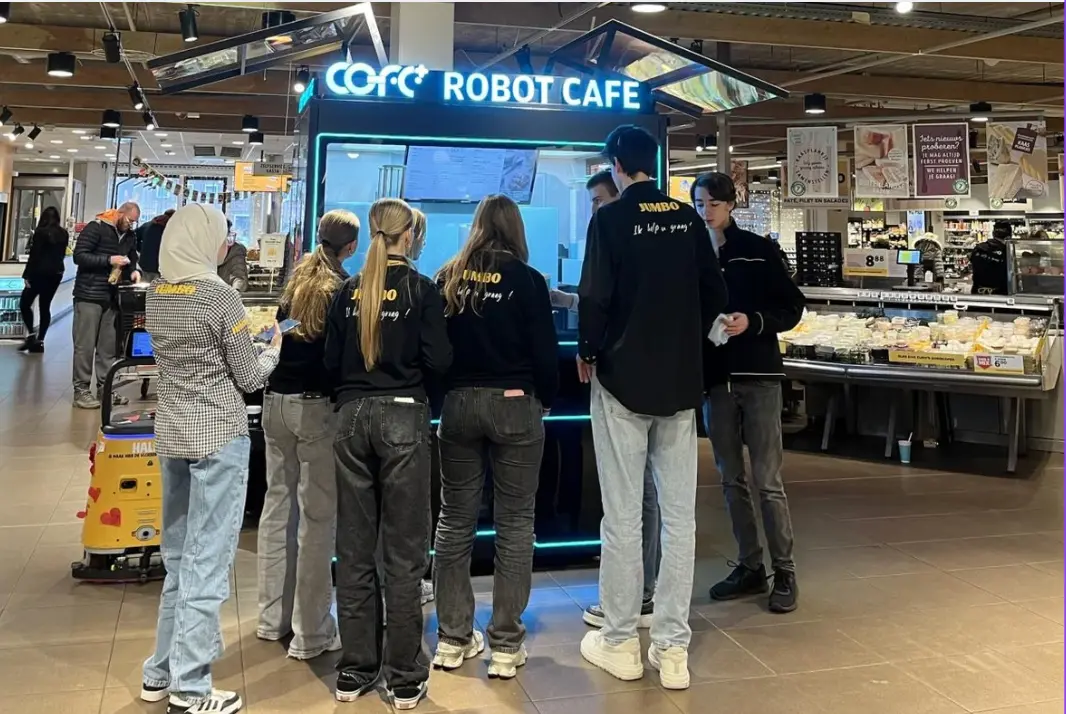
The Rise of Professional Robotic Café Technology: What COFE+ Is and Why It Matters
TL;DR — COFE+ is a fully automated robotic coffee kiosk that grinds fresh beans, brews espresso and lattes, creates latt……

A robot coffee franchise can look compelling on a pitch deck. Recurring revenue, zero barista wages, and 24/7 operation promise a clean path to profitability. But the gap between a franchise that performs and a machine that sits idle comes down to the partner behind the hardware. I have spent years evaluating unmanned retail systems and working with AI-driven coffee robotics deployed in over 35 countries, and I have watched operators overlook the same handful of factors. Technology maturity, certification depth, and whether the manufacturer genuinely understands franchise unit economics matter far more than the revenue projections on page seven of the brochure. Here is what to examine before you commit.
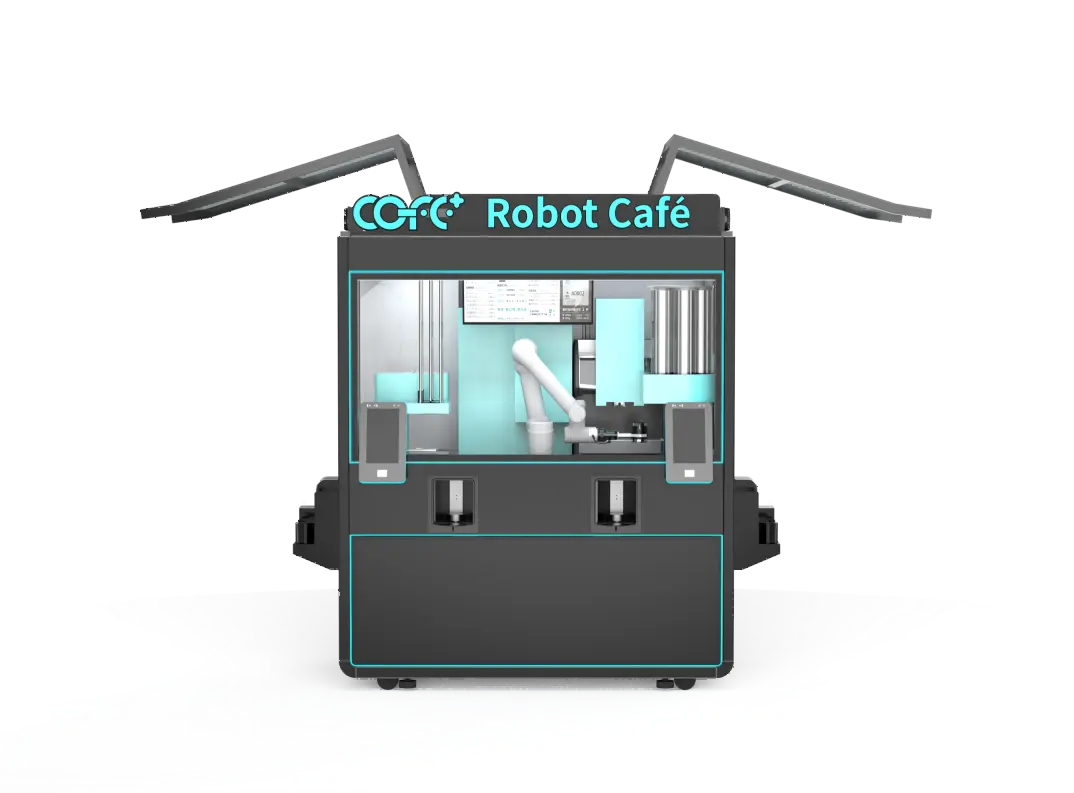
A coffee vending machine dispenses powdered mix through a spout. A genuine robot barista grinds fresh beans, pulls calibrated espresso shots, steams milk to temperature, and pours latte art. The two are not in the same category, yet I regularly encounter franchise pitches that blur this line.
Ask the manufacturer to demonstrate the full preparation cycle in real time. Watch the grinder adjustment mechanism. Look at how the machine handles milk: is it fresh milk stored at safe temperature with automated purging and cleaning cycles, or a powdered substitute that sidesteps refrigeration complexity? A real robotic barista uses fresh ingredients, manages multiple bean types, and adjusts extraction parameters by recipe. The COFE+ 7th generation system, for example, runs over 300 drink recipes across coffee, milk tea, matcha, chocolate, and plant-based options, with each recipe pulling from digitized barista parameters for grind size, dose weight, extraction time, water temperature, and milk texture. That level of parameter control is what produces consistency across hundreds of cups per day.
Also check the generation of the hardware. A first or second generation machine with limited field data is a different risk profile from a seventh generation platform that has already cycled through half a million test cups and incorporated field feedback from dozens of countries. Longevity matters: ask about design life expectancy and whether the manufacturer publishes durability testing results. You want a machine rated for a decade of commercial use, not a prototype that needs replacement in three years.
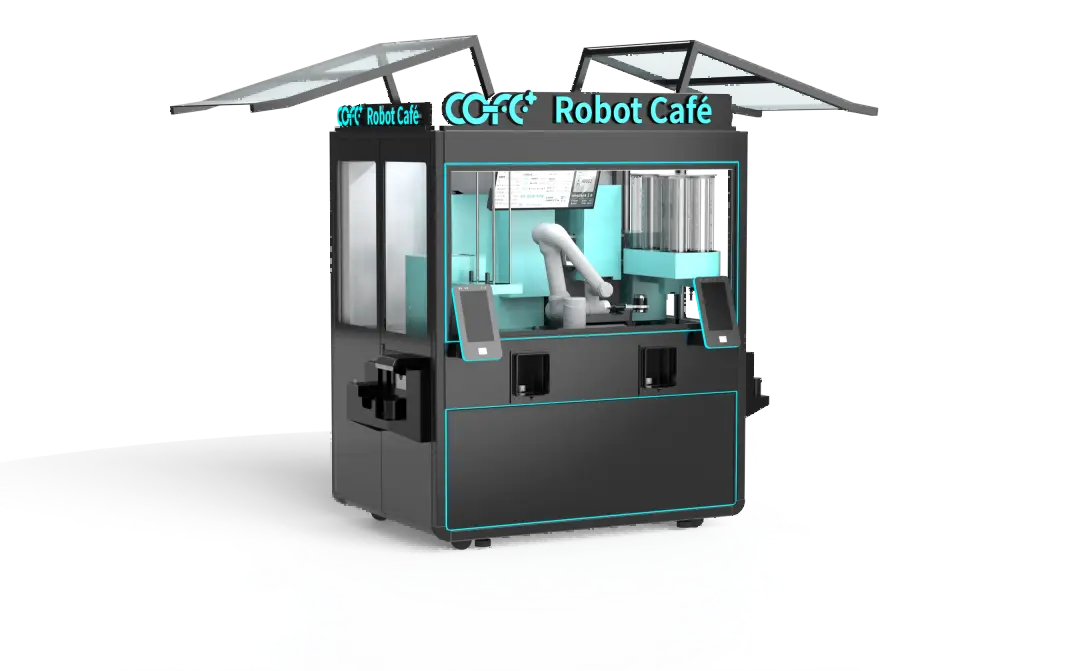
Food safety is not optional and it is not universal across manufacturers. A robot handling milk, water, and consumables in an unattended environment introduces hygiene risks that a staffed café does not face. If the milk line is not fully purged and sanitized between cycles, if the brew group retains moisture overnight, if the waste system is not sealed, you are buying a liability.
Look for internationally recognized certifications. FDA, CE, UKCA, KC, and SASO each represent a different regulatory regime and a different set of testing requirements. A manufacturer that holds all five has passed safety evaluations across North America, Europe, the UK, South Korea, and the Middle East. That breadth signals something important: the engineering was built to meet the strictest standard among them, not the easiest.
Pay attention to the automation of hygiene. The best systems run high-temperature sterilization cycles automatically at defined intervals—85°C and above is the threshold where microbial risks drop sharply. The interior should be antimicrobial stainless steel, not painted surfaces that harbor bacteria. The waste system should be fully enclosed to prevent odors, spills, and pest access. These are not luxury features; they are the minimum for unattended food service. Shanghai Hi-Dolphin Robot Technology Co., Ltd. has passed evaluations conducted by domestic and international food safety expert organizations and holds more than 50 certifications meeting standards across over 18 developed countries. That kind of compliance infrastructure is what you want behind your franchise investment.
If you are evaluating a franchise partner and the manufacturer cannot produce certification documents on request, or only holds a single regional mark, treat that as a red flag. Your local health authority will not care about the pitch deck. They will care about the paperwork.
A prototype in a showroom proves the concept works under controlled conditions. Units deployed across multiple countries in real commercial environments prove the concept survives reality. Ask for the installed base count, the geographic distribution, and the total cups served across the fleet.
Deployment density reveals more than deployment count. One hundred units in a single city with a dedicated service team is a different story from ten units scattered across five countries. A franchise partner worth your money has machines operating in diverse conditions: humid coastal cities, cold northern climates, high-traffic transit hubs, quiet office lobbies. Each environment surfaces different failure modes, and a manufacturer that has already addressed those failures has hardened the platform on someone else’s time and budget.
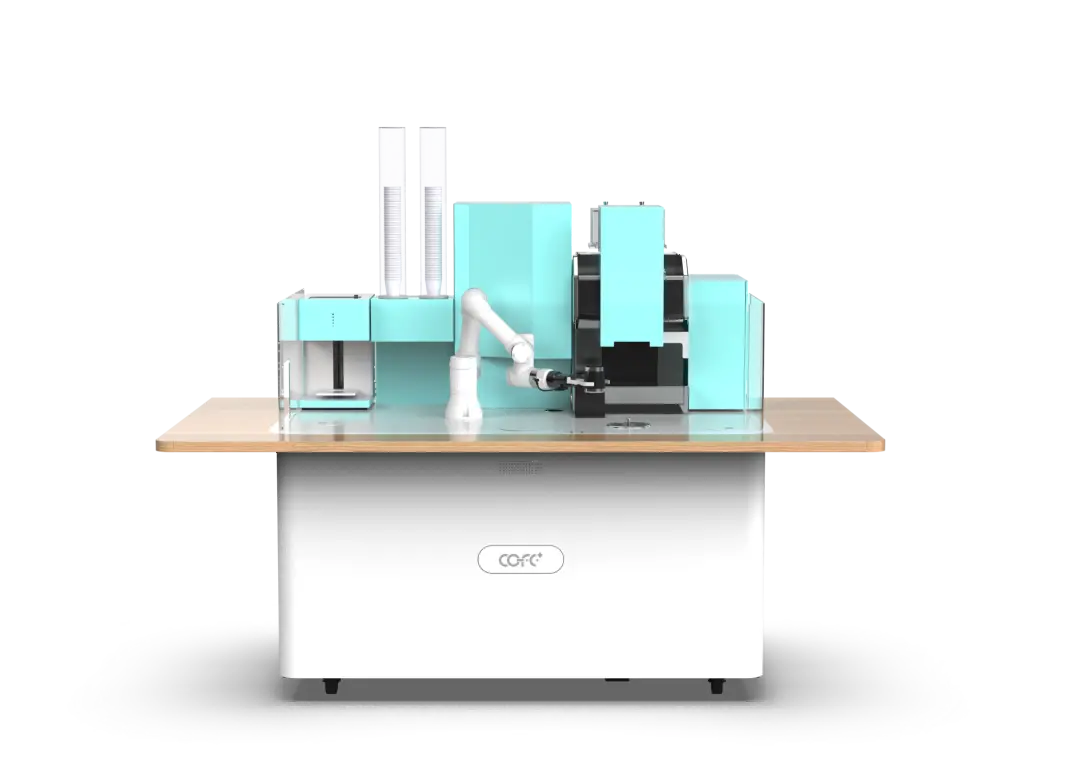
Ask about after-sales infrastructure directly. Where is the nearest service center? What is the guaranteed response time for a machine-down situation? Does the system support remote diagnostics and over-the-air updates, or does every issue require a technician visit? Cloud-based remote monitoring that tracks stock levels, component health, and operational metrics in real time should be table stakes at this point. COFE+ machines, deployed in over 65 countries on the latest hardware, use cloud monitoring and automatic repair dispatch to minimize on-site maintenance. That operational model only works if the manufacturer invested in the backend infrastructure before scaling deployments. If your prospective partner cannot show you a monitoring dashboard during the evaluation, they do not have one.
A robot that only makes espresso and Americano limits your revenue to the black coffee drinkers in your catchment area. A robot that makes 300 drinks spanning coffee, milk tea, matcha, chocolate, iced beverages, and plant-based options can serve the morning commuter, the afternoon dessert crowd, and the evening non-coffee drinker from the same footprint.
The more important question is whether the franchise partner allows recipe customization. Regional taste preferences are real: sweetness levels, milk types, flavor profiles, and even cup sizes vary by market. A rigid menu that cannot be adjusted locks you out of local optimization. Ask whether you can create custom drink recipes, adjust ingredient ratios, and tailor the menu to your location. Also ask about white-label capabilities if you intend to build your own brand rather than operating under the manufacturer’s name. The ability to customize drink names, cup branding, and menu layouts turns a generic kiosk into your franchise, not theirs.
COFE+ systems handle over 5,000 drink combinations and allow operators to adjust beans, milk type, syrup, roast profile, and cup size per recipe. That flexibility is what lets a single machine format serve a university campus in Malaysia and a corporate headquarters in Germany without menu overlap complaints. When evaluating a partner, do not accept a fixed menu with no path to local adaptation.
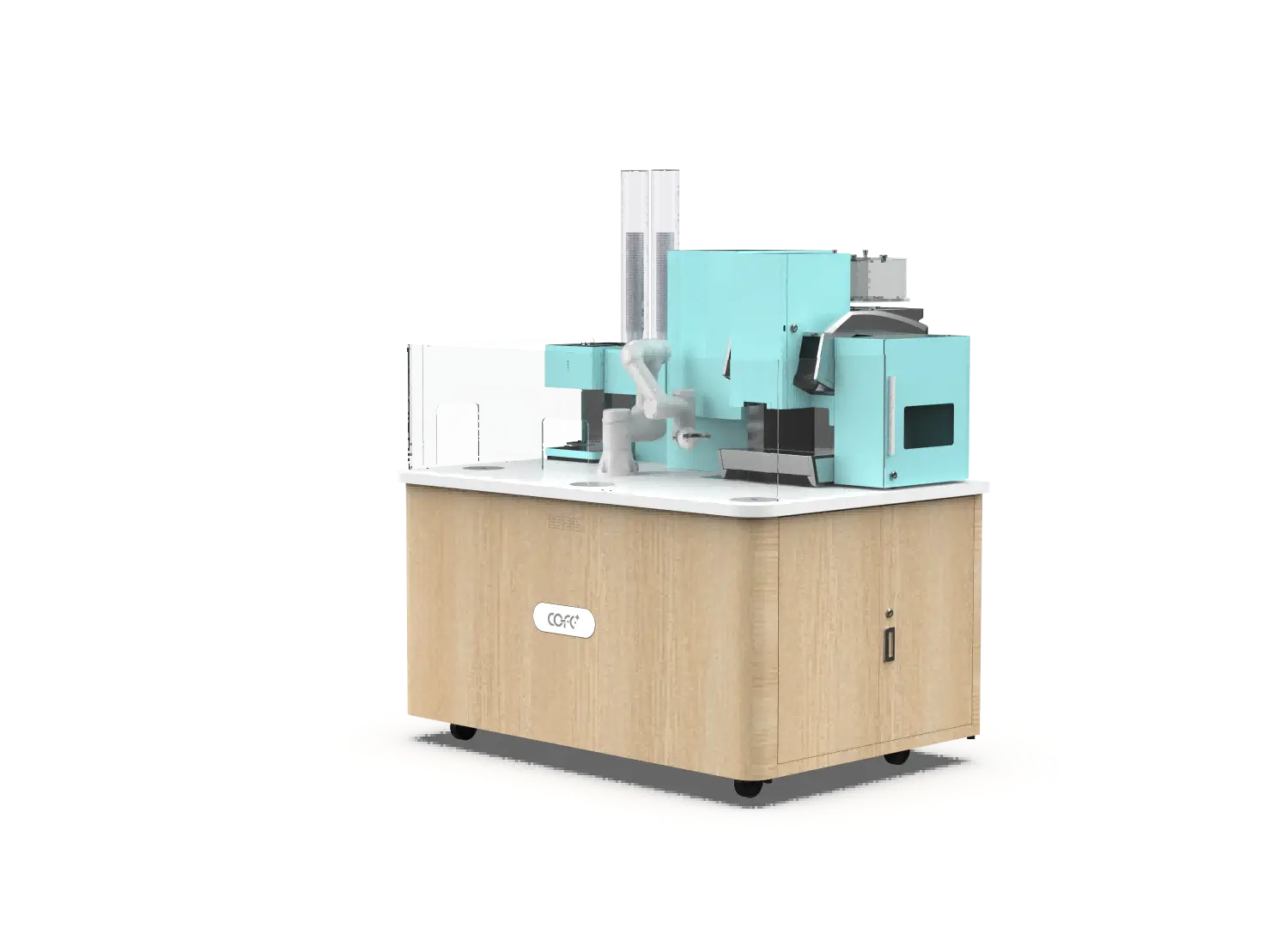
Most franchise decks include an ROI slide. The slide typically shows a revenue curve that goes up and to the right and a payback period somewhere between six and eighteen months. Do not accept that slide at face value. Ask for the assumptions behind it.
What is the assumed cost per cup? If the manufacturer quotes $0.30 to $0.70 per cup for ingredients and consumables, that should include coffee beans, milk, syrups, cups, lids, and cleaning supplies. If any of those line items are missing, add them back in. What cup price is assumed for the revenue side? Is it benchmarked against local coffee shop pricing or pulled from an optimistic best-case market? What daily cup count is assumed, and is that number backed by traffic data from actual deployed units in comparable locations?
Here is a framework for evaluating the numbers:
| Assumption | What to Verify |
|---|---|
| Cost per cup ($0.30–$0.70) | Confirm ingredient, consumable, and cleaning costs are all included |
| Selling price per cup | Benchmark against 3 local competitors at the same quality tier |
| Daily cup count | Ask for real average data from deployed units in similar venue types |
| Labor savings | Compare against full staff cost including benefits, training, turnover |
| Maintenance cost | Get annual service contract pricing and spare part costs upfront |
| Machine lifespan | Confirm design life (10 years is achievable with proper engineering) |
The labor savings calculation deserves particular scrutiny. A robot kiosk eliminates barista wages, shift management, training costs, and turnover churn. That can represent a 90% reduction in labor cost per cup served. But those savings only materialize if the machine runs reliably enough to avoid supplemental staffing. If you still need someone on site to troubleshoot constant jams or refill ingredients twice a shift, the labor arbitrage shrinks.
A realistic robot coffee franchise achieves payback in roughly 6 to 12 months at moderate foot traffic locations, assuming a per-cup cost under $0.70 and a selling price aligned with local specialty coffee norms. If the manufacturer’s projections show payback faster than six months, press them on the assumptions. If the projections extend beyond eighteen months, the unit economics may not justify the franchise fee and ongoing royalty structure.
If your investment model involves a specific venue type such as airports, shopping malls, or corporate campuses, it is worth confirming that your partner has operational data from that exact environment. Traffic patterns, peak hours, and customer willingness to pay differ meaningfully across venue categories. Share your target locations and timeline with our team at sales@hi-dolphin.com, and we can run the numbers against comparable deployments in our network.
Franchise partnerships do not end at delivery and installation. The ongoing relationship determines whether the machine stays profitable or becomes a source of frustration. Clarify the following before signing:
Remote monitoring is the baseline. The manufacturer should have a cloud platform that tracks every machine’s inventory levels, component health, temperature compliance, and error logs. You should have access to a simplified version of that dashboard for your own units. If the partner describes monitoring as “periodic check-ins” rather than real-time telemetry, they do not have the IoT infrastructure to support a franchise network.
Spare parts availability is non-negotiable. Ask where parts are warehoused, typical shipping times to your region, and whether common wear items are field-replaceable by your staff or require a certified technician. A machine that is down for two weeks waiting on a pump replacement from a single overseas warehouse is a machine losing revenue.
Training matters less for the end customer, who interacts with a touchscreen, than for the franchisee and any support staff. You need to understand ingredient management, basic troubleshooting, cleaning protocol compliance, and how to read the operational dashboard. The manufacturer should provide documented training materials and, ideally, a train-the-trainer program if you are deploying multiple units.
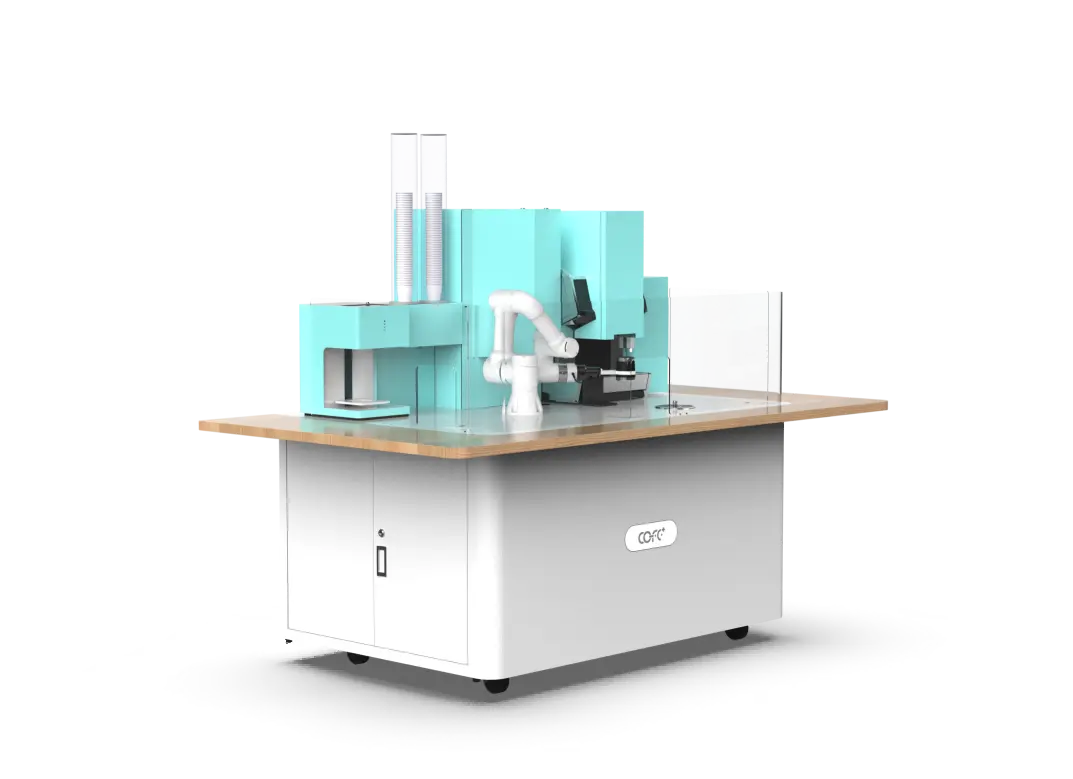
Ask whether software updates are included in the franchise agreement and how frequently they ship. A machine that improves over time through feature updates and recipe additions is a different asset from one that runs the same firmware it shipped with. Menu expansion, payment system integrations, and operational efficiency improvements should arrive over the air without requiring a technician visit.
Robot coffee is not a novelty category anymore. The market is maturing, and with maturity comes consolidation around manufacturers that have multi-country certifications, proven durability, and a real after-sales infrastructure. The operators who enter now with a qualified partner will capture prime locations and build brand recognition before the space gets crowded.
The partners worth betting on share a common profile: they invest in R&D and hold substantial patent portfolios rather than assembling off-the-shelf components, they pursue and maintain international food safety certifications even when not strictly required by their home market, and they deploy their own machines at scale rather than selling a handful of units and calling it a franchise program. Over 120 patents and certification coverage spanning North America, Europe, Asia, and the Middle East signal a serious engineering commitment that distinguishes a long-term partner from a short-term vendor.
Your franchise decision should ultimately rest on what the partner has already built, not what they promise to build next quarter. Proven hardware, verifiable certifications, deployed units generating real revenue, and a support infrastructure that answers the phone when a machine goes down at 11 p.m. Those are the things to look for. If the partner can show you all of them, you have found a franchise opportunity worth pursuing. If they deflect to marketing language when you ask for specifics, keep looking.
If you are evaluating a robot coffee franchise partner and want to discuss what technology maturity and certification infrastructure look like in practice, reach out at sales@hi-dolphin.com or call +86 131 6630 1290. Share your target market and venue type, and we will walk through the factors that matter for your specific deployment.
Fresh grinding, real milk steaming, and calibrated extraction separate a robotic barista from a vending machine. A vending machine typically uses instant powder or liquid concentrate and hot water. A robot barista handles whole beans, grinds per order, tamps and extracts espresso, steams fresh milk to temperature, and can produce latte art. The ingredient quality, drink variety, and per-cup consistency are in completely different categories. Ask any manufacturer to let you taste the output side by side with a human-made specialty coffee. The gap should be narrow to nonexistent.
Request the certification documents directly. Each certification, including FDA, CE, UKCA, KC, and SASO, comes with a certificate number and issuing body that you can verify independently. A manufacturer with nothing to hide will provide these documents during evaluation without requiring an NDA first. Also check whether the certifications cover the specific model you are buying or a different product in their lineup. Certification portability between models is not guaranteed.
It depends on your location’s demographic mix. A single drink type might work at a transit hub where speed dominates purchasing decisions. But in a mixed-use environment such as a shopping mall, university campus, or corporate lobby, menu breadth captures the afternoon non-coffee drinker, the evening tea customer, and the weekend family crowd. A 300-drink menu that includes milk tea, matcha, and chocolate options effectively competes with multiple specialty beverage shops from one machine footprint. The revenue uplift comes from serving more dayparts and more customer segments.
This is the question that separates franchise-ready manufacturers from equipment vendors. Ask for the guaranteed response time in your region, the nearest spare parts warehouse location, and whether remote diagnostics can resolve issues without a site visit. Insist on seeing the remote monitoring dashboard during evaluation. A manufacturer with cloud-based telemetry can often detect, diagnose, and sometimes resolve issues before the franchisee notices a problem. If after-sales support means emailing a distributor and waiting, factor that downtime into your revenue projections. For franchise operators evaluating after-sales infrastructure, share your deployment region with us at sales@hi-dolphin.com and we can confirm current service coverage and response commitments for your area.
TL;DR — COFE+ is a fully automated robotic coffee kiosk that grinds fresh beans, brews espresso and lattes, creates latt……
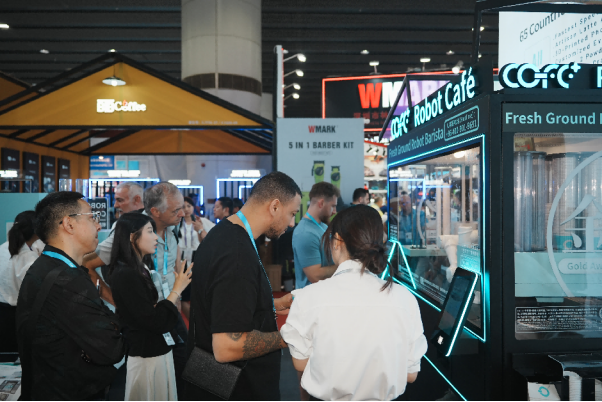
7th-Genertion Smart Robot Coffee Kiosk Arrives at the Belt and Road Core Hub, Ushering in a New Service Era Along t……
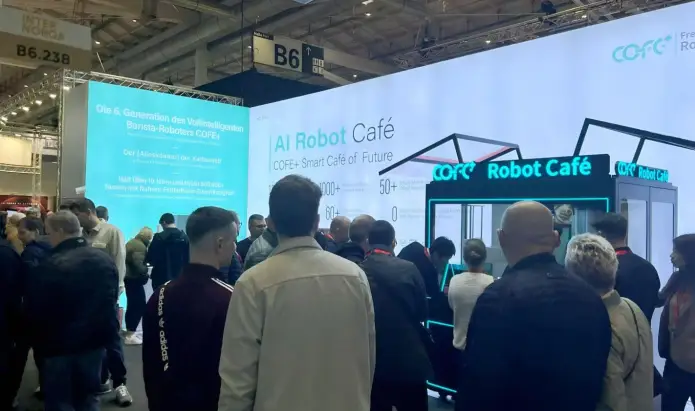
CHICAGO, May 12, 2026 (GLOBE NEWSWIRE) – Shanghai Hi-Dolphin Robot Technology today announced the U.S. debut of its 7th‑……