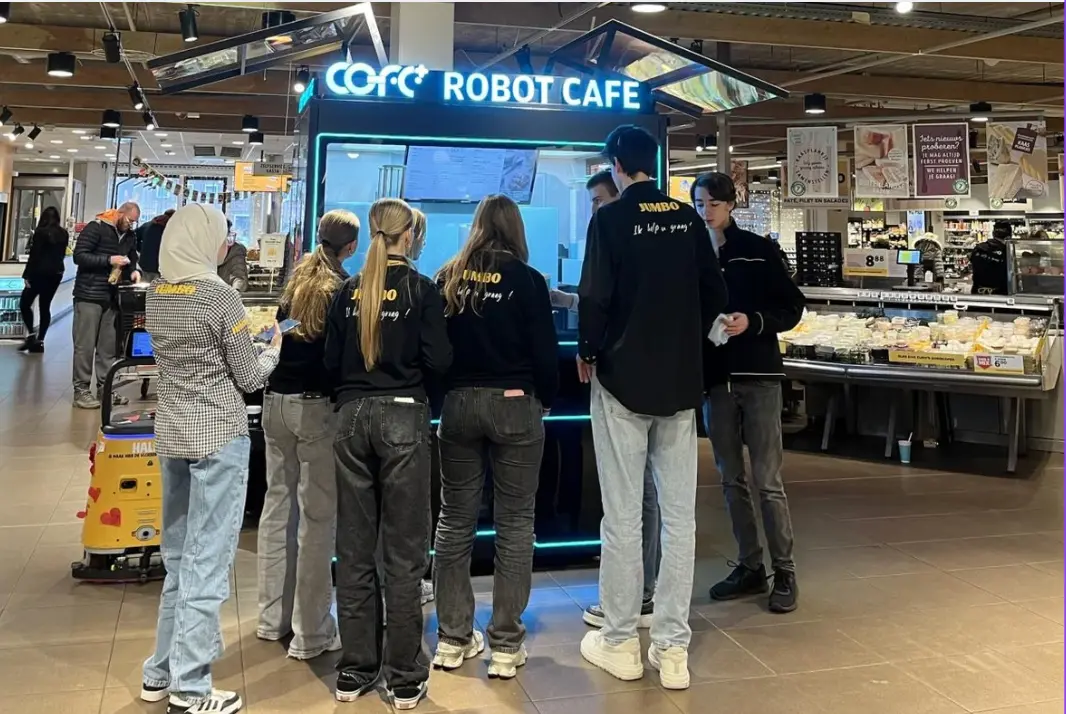
The Rise of Professional Robotic Café Technology: What COFE+ Is and Why It Matters
TL;DR — COFE+ is a fully automated robotic coffee kiosk that grinds fresh beans, brews espresso and lattes, creates latt……

Choosing a robot coffee kiosk manufacturer in China is not about finding the lowest price—it is about identifying a partner with verifiable certifications, proven after-sales infrastructure, and a global deployment track record that matches your operational environment. Drawing on my experience as an AI retail technology strategist working with operators across more than 50 countries, I have seen the difference between a supplier that delivers a machine and one that builds a scalable business with you. This article gives you a structured evaluation framework: what to demand in certifications, how to verify product quality, why real-world deployment history signals reliability, and how to align the right kiosk model with your location and financial goals. By the end, you will have a clear set of criteria to shortlist and negotiate with manufacturers confidently.
Any manufacturer you consider must demonstrate compliance with the safety and performance standards of your target market. At a minimum, look for CE marking for European markets, FDA registration for the U.S., and UKCA for the United Kingdom. In the Middle East, SASO certification is often required; Korea demands KC approval. A credible manufacturer will have passed evaluations by recognized food safety organizations and will provide documentation of each certification upon request, not just a logo on a brochure.
We have seen cases where a supplier lists a certificate that belongs to a component supplier or an expired test report. The only way to protect yourself is to request the certificate number and issuing body, then verify it independently with the authority. At Shanghai Hi-Dolphin Robot Technology, each of our robot coffee kiosk models has been tested by international food safety expert organizations and holds more than 50 certifications covering over 18 developed countries. That kind of breadth is a strong signal that the engineering team understands what regulators require across different voltage systems, food contact material rules, and hygiene protocols.
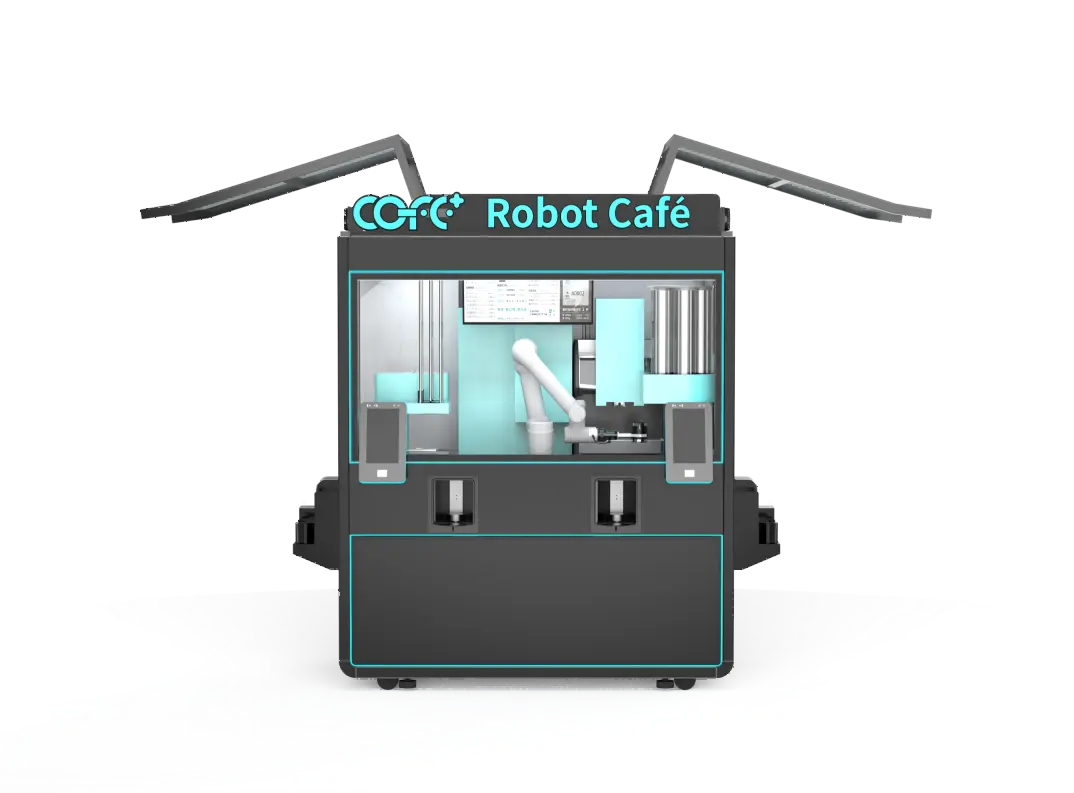
A certification document tells you that a machine passed a test. It does not tell you whether it will hold up after pouring 500,000 cups. To assess build quality, start with the chassis material and sealing: look for anti-microbial stainless-steel interiors, IP-rated enclosures for outdoor units, and fully enclosed waste systems that prevent pest and odor issues. Ask for the total number of cups the machine has been tested to deliver—meaningful numbers are in the hundreds of thousands, not tens of thousands.
The automation system is equally important. A true robotic barista should dose, grind, tamp, extract, steam, dispense, and even clean without human intervention. In the COFE+ 7th generation robot coffee kiosk, the entire sequence runs in as little as 43 seconds, and the recipe engine supports 300+ drinks with 5,000+ customization points across bean type, roast, milk variety, syrup, and cup size. That level of programmability makes it possible to tailor the menu to local preferences in one market without redesigning the machine. When we work with operators in the Middle East and Southeast Asia simultaneously, for example, the same hardware runs completely different drink libraries.
Finally, check durability transparently: what is the design life? Ten years is a benchmark we target; a manufacturer should be able to show accelerated life test data or field service records, not just a warranty promise.
A robot coffee kiosk that works flawlessly in an air-conditioned mall in Shanghai may struggle with condensation in a humid park in Costa Rica or dust at a gas station in Saudi Arabia. A manufacturer’s international footprint is a direct proxy for real-world adaptability. Machines that have been deployed across multiple climates, voltage systems, and regulatory regimes have already encountered and solved the issues that a single-market operator would be the first to face.
Look for specifics: how many countries does the manufacturer serve? How long has the oldest unit been operating? Can they share the types of venues their kiosks are running in—hotels, airports, university campuses, transit hubs? Shanghai Hi-Dolphin’s robots are currently operating in more than 50 countries, covering indoor retail, outdoor stadiums, corporate offices, and hospital lobbies. That range is not a marketing claim; it is a practical stress test. If a manufacturer can only name one or two export markets, assume you will be paying the learning costs to make the machine work in yours.
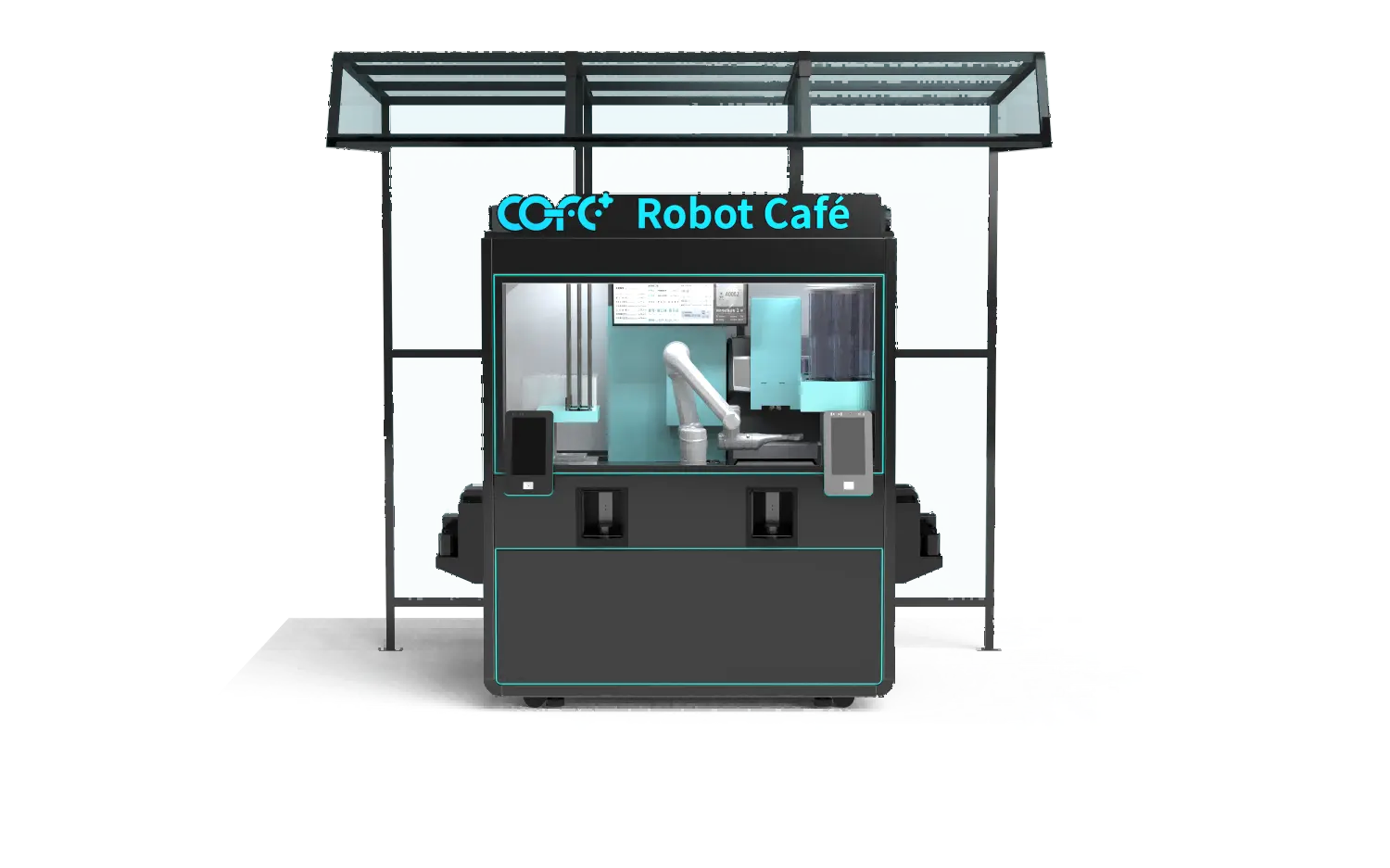
Robot coffee kiosk is not a single form factor. The choice between an indoor kiosk, an outdoor kiosk, a built-in coffee counter, or a full coffee bar directly impacts customer throughput, planning permissions, and the kind of experience you create. Use the table below to map your location to the appropriate model.
| Model | Footprint | Daily Capacity | Best For |
|---|---|---|---|
| Indoor Robot Coffee Kiosk | 2.35 m² | ~1,000 cups | Shopping malls, office lobbies, universities |
| Outdoor Robot Coffee Kiosk | 2.35 m² | ~1,000 cups | Parks, gas stations, stadiums, outdoor tourist sites |
| Robot Coffee Counter | ~2 m² | ~300+ cups | Hotel lounges, VIP clubs, corporate reception areas |
| Robot Coffee Bar | ~2 m² | ~500 cups | Co-working spaces, airports, event venues |
Outdoor units must be IP54-rated for dust and water resistance, and engineered to operate from -20°C to 45°C with anti-condensation systems. Indoor units can focus more on aesthetics and interior integration. If your venue has high-traffic outdoor flows, investing in an outdoor-rated kiosk from the start avoids the equipment failure that comes from placing an indoor machine under an awning and hoping it survives.
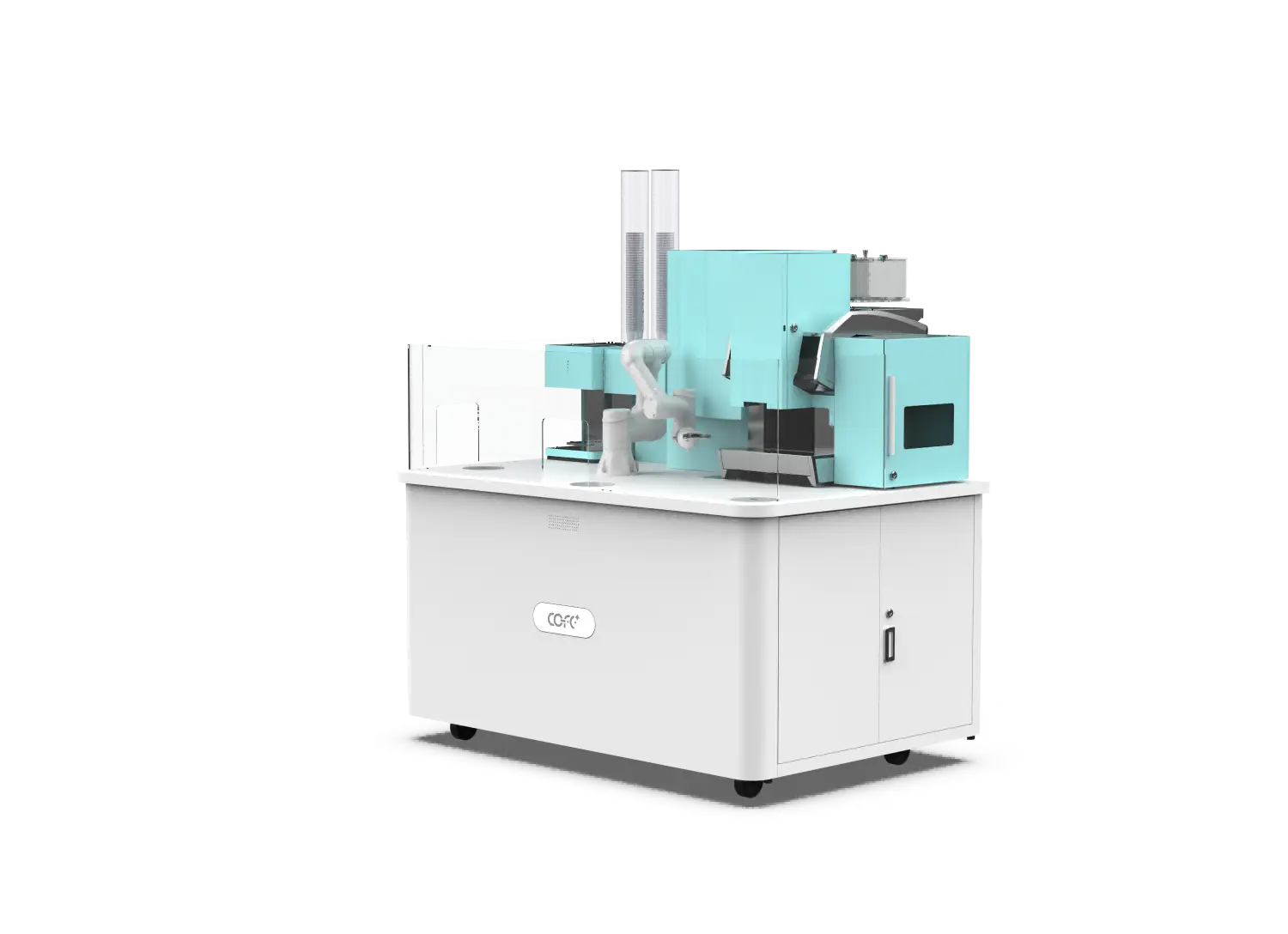
Price varies considerably depending on configuration, customization, shipping, and import duties, so a single published figure is rarely meaningful. Instead, ask the manufacturer for the cost structure: what is included in the base price? What is charged separately—shipping, installation, training, commissioning? Request a breakdown of consumables: the cost per cup for beans, milk powder, and cleaning supplies. In our deployments, that cost typically runs between $0.30 and $0.70 per cup, leaving substantial margin even at a retail price of $3.50 to $5.00 for a freshly prepared specialty coffee drink.
The more important number is daily throughput. A robot coffee kiosk that can serve 1,000 cups per day and operates 24/7 can replace multiple shifts of baristas. At a conservative 300 cups per day with a $3.00 net margin per cup, an operator can recover the initial investment in 6 to 12 months. That payback period shortens in high-traffic locations like airports and train stations. Before finalizing your business plan, ask the manufacturer for usage data from a similar deployment site, not a spreadsheet projection.
The biggest risk in buying a robot coffee kiosk from a distant manufacturer is not the initial quality—it is what happens 18 months later when a sensor drifts or a pump loses pressure. You need to know that a remote diagnostics team can access the machine immediately, that the cloud platform provides live stock monitoring and fault alerts, and that spare parts can be dispatched to your location without weeks of downtime.
Insist on a written service-level agreement that covers response time, 24/7 remote monitoring access, and the availability of local service partners. The COFE+ smart store brain, for instance, continuously monitors over 200 operational parameters and can initiate diagnostics and dispatch before the on-site operator even notices an anomaly. When a machine in the Middle East flags a temperature fluctuation, our Shanghai engineering team sees it within seconds. That kind of infrastructure is not an optional extra—it is what separates a reliable unmanned operation from one that quietly loses revenue while waiting for a technician.
If your program involves deployment across multiple cities or outdoor environments with variable weather conditions, it is worth confirming the manufacturer’s spare parts network and escalation path before finalizing your order. Share your deployment plan and location specifications, and we will outline the support model we use for similar multi-site operations—send an email to sales@hi-dolphin.com or call +86 131 6630 1290.
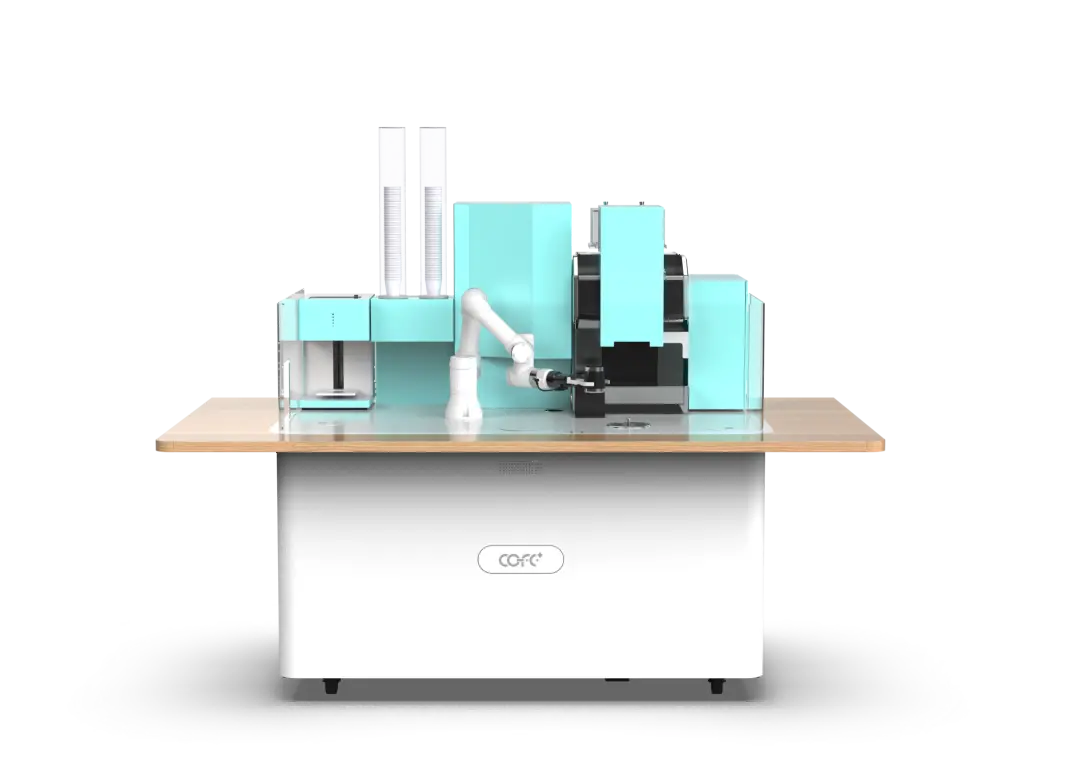
Lead times vary by configuration and customization, but a standard robot coffee kiosk typically ships within 8 to 12 weeks after order confirmation. This includes production, integration of any custom branding or menu programming, quality testing, and packaging for export. Shipping and customs clearance add additional transit time depending on the destination. Plan for 14 to 18 weeks from order to on-site commissioning as a realistic timeline, though standard configurations can move faster.
Yes, most manufacturers offer white-label options or custom branding packages. This can include exterior wraps, branded screen interfaces, and even custom cup sleeves with your logo printed in-house, depending on the machine’s capabilities. The COFE+ system also supports 3D-printed latte art, which means your brand logo can appear on top of every coffee. Confirm with the manufacturer what the minimum order quantity is for custom elements and whether there is an additional charge for design work.
A reputable manufacturer will provide 24/7 cloud-based remote monitoring that detects faults early. Minor issues can often be resolved through remote software updates or guided troubleshooting with on-site staff. For hardware repairs, the manufacturer should either have a local service partner or be able to ship replacement modules that can be swapped by the operator without specialized engineering support. Ask for the average remote-fix rate and the maximum downtime allowed in the service agreement.
Factory visits and live demonstrations are the most common ways to verify performance, but if travel is not practical, request video calls showing real-time operation, unedited customer interaction footage, and access to reference operators in your region who are already using the machine. We routinely connect potential buyers with existing operators in similar venues so they can ask practical questions about daily performance and maintenance without the manufacturer in the room.
A manufacturer’s certifications must be recognized by the regulatory authorities in your specific country. A CE mark alone does not guarantee acceptance in all non-European markets. We regularly provide certification documentation to operators for their local import and health department approvals. Share your target market and regulations you need to meet, and we will confirm which certifications we can supply and whether any additional local testing would be required—reach out at sales@hi-dolphin.com.
TL;DR — COFE+ is a fully automated robotic coffee kiosk that grinds fresh beans, brews espresso and lattes, creates latt……
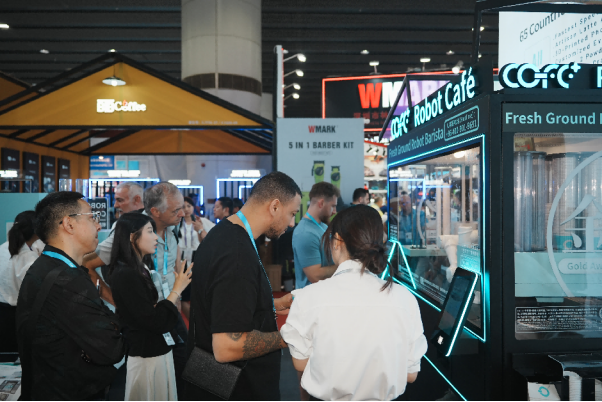
7th-Genertion Smart Robot Coffee Kiosk Arrives at the Belt and Road Core Hub, Ushering in a New Service Era Along t……
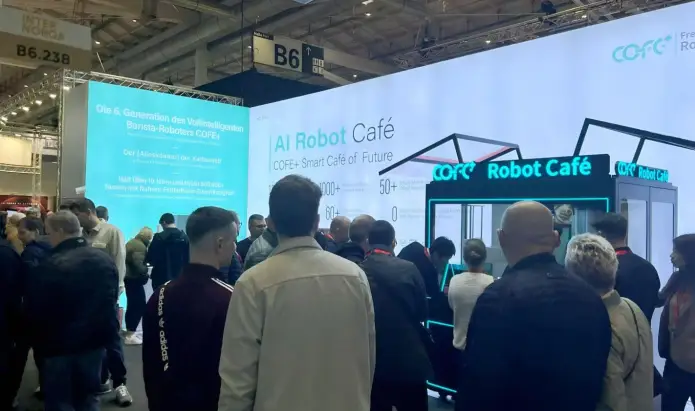
CHICAGO, May 12, 2026 (GLOBE NEWSWIRE) – Shanghai Hi-Dolphin Robot Technology today announced the U.S. debut of its 7th‑……