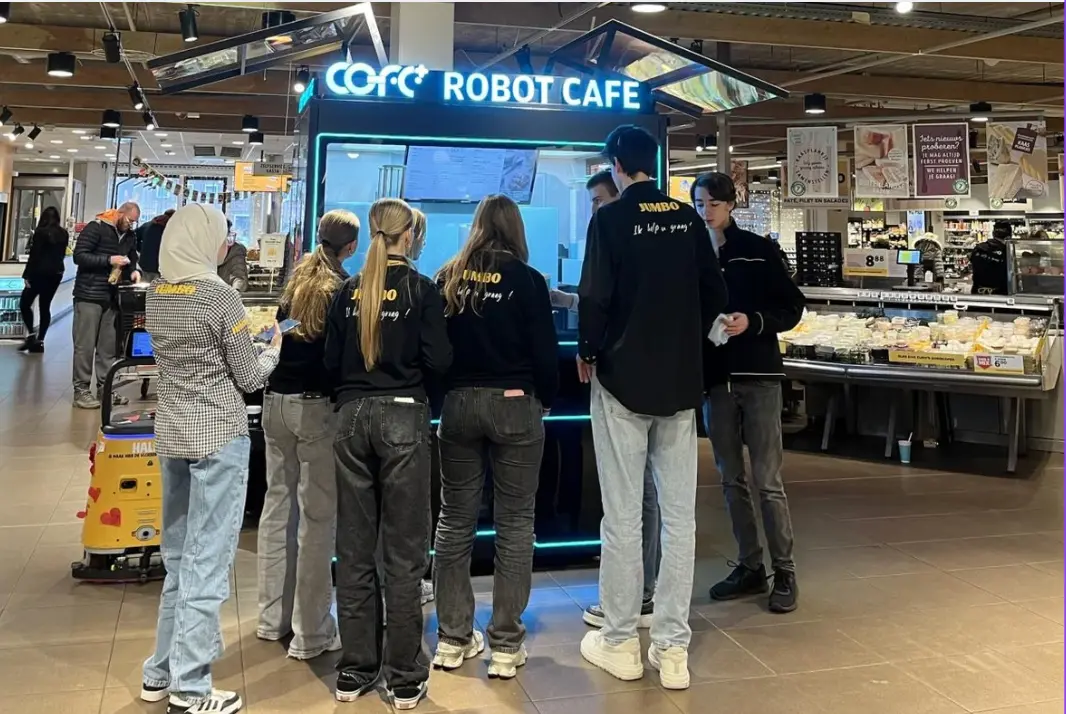
The Rise of Professional Robotic Café Technology: What COFE+ Is and Why It Matters
TL;DR — COFE+ is a fully automated robotic coffee kiosk that grinds fresh beans, brews espresso and lattes, creates latt……

Robot Coffee Kiosk Utility Requirements determine whether a site is ready on day one or stuck waiting for a retrofit. In my work with shopping malls, transit hubs, and campus operators, the same pattern repeats: the machine is specified, the contract is signed, and only later does someone discover the nearest drain is on the other side of the concourse or the only available circuit feeds a refrigerator. That oversight delays first pour and erodes operator confidence. This article walks through power, water, drainage, and internet as four connected decisions, and gives facility teams a practical order to confirm them before installers arrive.
Power is the first utility to confirm because it is the easiest to get wrong on a floor plan. A machine that runs a grinder, boiler, touchscreen, refrigeration, and robotic arm does not behave like a snack vending machine. I have seen operators assume an existing light-duty circuit is enough, then trip breakers during the morning rush when the boiler and grinder cycle together. The safer planning baseline is a dedicated circuit with enough rated current for the kiosk’s maximum draw, not just its average draw. The COFE+ 7th Generation specification sheet lists operation on 110V and 220V systems, so the site team must match the circuit voltage to the regional machine configuration and confirm the exact amperage before ordering switchgear.
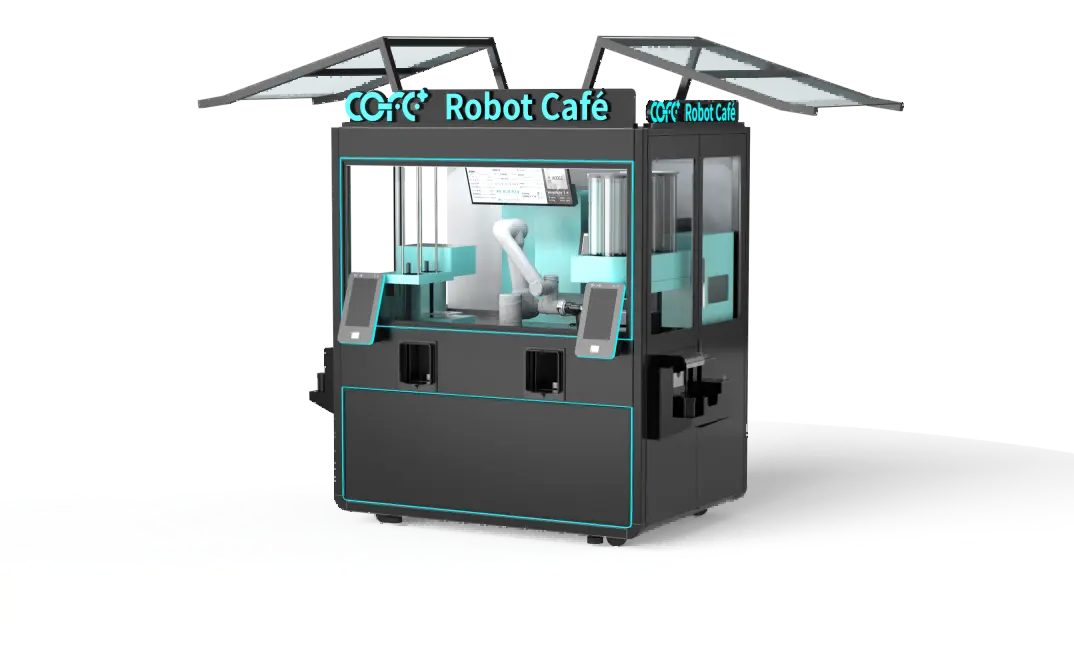
Total wattage tells you the steady-state load; it does not tell you what happens at startup. The grinder motor and boiler heating element cycle at different times, and their combined inrush current is what trips a shared breaker. A dedicated circuit removes that variable by isolating the kiosk from other building equipment. If the site only has a shared circuit, run the numbers with the supplier rather than assuming a breaker upgrade is optional.
COFE+ units accept both 110V and 220V systems, which simplifies multi-country rollouts but still requires a clean match at each site. A 220V machine plugged into a 110V supply will not perform, and the reverse creates a safety risk. Facility teams should confirm the exact plug and outlet configuration, not just the voltage.
| Utility factor | Indoor site | Outdoor site |
|---|---|---|
| Power connection | Dedicated circuit on 110V or 220V | Dedicated circuit with weather-rated outlet |
| Grounding | Standard building ground | Ground rod or verified building ground |
| Water exposure | Low | IP54-rated enclosure with sealed openings |
| Circuit accessibility | Accessible panel | Lockable disconnect near kiosk |
Water quality and pressure shape both cup consistency and component life. The kiosk uses potable water for brewing, steam, and automated cleaning, so a line that runs through old galvanized pipe can introduce scale into the boiler. I have seen locations with acceptable pressure but high mineral content, and the result is descaling calls within the first quarter. For planning, the water line should be within reach of the kiosk inlet, with a shutoff valve and a sediment filter installed upstream. Pressure must be stable within the range on the machine’s inlet label; if the building supply runs above that range, add a pressure-reducing valve.
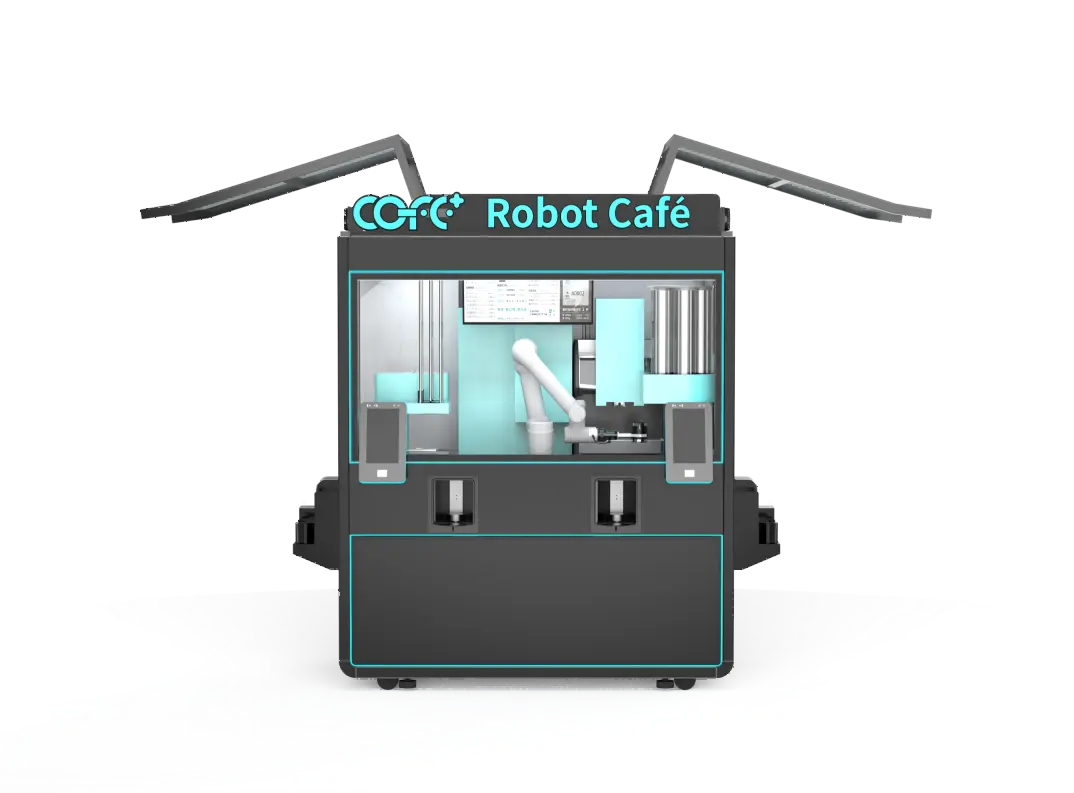
Filtration and backflow prevention are not optional extras once a line connects to a public water supply. Local plumbing codes in most regions also require a backflow preventer for food equipment. The exact filter specification depends on water hardness, which a site water test will determine.
Low pressure produces weak extraction and slow steam cycles, and it may trigger a low-water alarm during peak service. The fix is not always a larger pump; sometimes the building supply is fine but the line is too narrow or the sediment filter is clogged. Confirm the static and dynamic pressure at the kiosk inlet before finalizing the water plan.
Drainage is the utility most often underestimated. Indoor sites need a route for wash water, drip tray overflow, and cleaning cycles. Outdoor sites may use a sealed waste tank inside the kiosk, which removes the need for a direct floor drain but adds a service routine. The COFE+ outdoor unit has a fully enclosed waste system to prevent spills, odors, and pests, and its IP54 rating keeps the waste path protected from weather. On several site surveys, I have found floor drains marked on drawings that turned out to be behind locked doors, and the rerouted waste line delayed opening by weeks. Drainage should be confirmed on the physical site, not just on the plan.
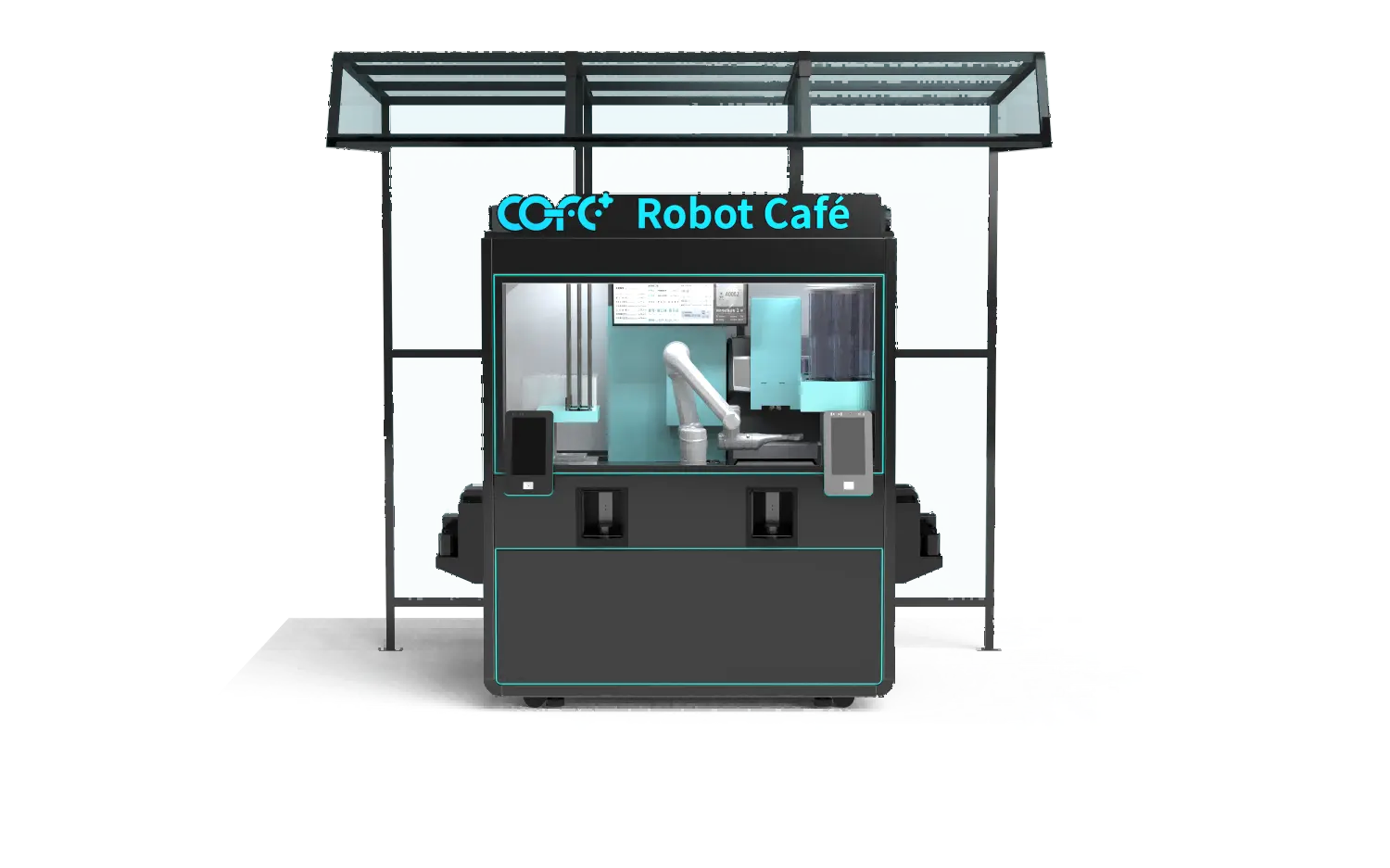
Indoor sites without a nearby floor drain can bridge the gap with a small pump and collection tank, but that decision should be made before the lease is signed. Outdoor units also need a location where condensation from an anti-condensation system can drain or evaporate without pooling.
An unmanned kiosk depends on connectivity for payments, remote diagnostics, inventory alerts, and recipe updates. The kiosk’s cloud monitoring reads stock, temperature, and system status, and the operator dashboard depends on that data reaching the back end. Wired Ethernet is the most reliable option where the facility can run a cable. In high-traffic public sites, a 4G/5G router with a weatherproof enclosure works when wired infrastructure is not available. I would not rely on shared public Wi-Fi: it is usually throttled, captive-portal protected, or overloaded during events, and a payment terminal that cannot reach the network stops sales.
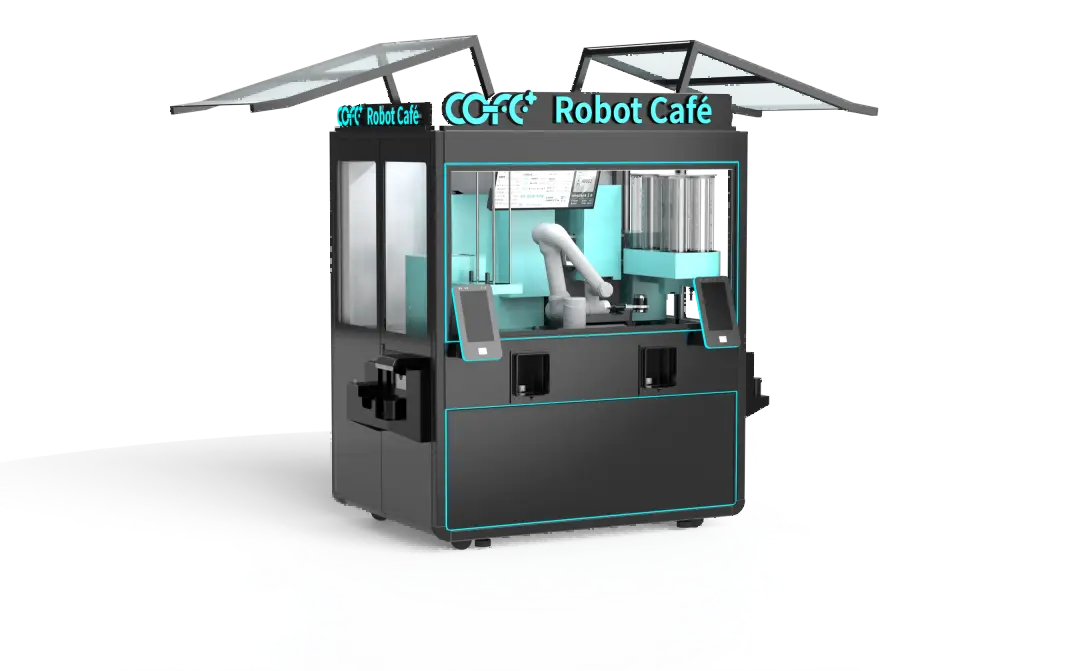
For a single kiosk, one good connection is enough. For multi-site operators, redundancy matters because a network outage at one location should not require a technician visit. A dual-path setup, wired Ethernet with 4G failover, keeps the kiosk online without manual intervention. Confirm the antenna location and signal strength before installation, not after.
Utility retrofits after lease signing are where schedules slip. The fastest way to avoid that is to turn the four utility points into a single site survey question: does this location have a dedicated circuit, filtered water at the right pressure, a drain route, and stable internet within the kiosk’s reach? If the answer is yes on all four, installation can move quickly. If not, the next step is to understand what a fix costs before the lease is final.
Send your site address, floor plan, and utility point locations to sales@hi-dolphin.com, or call +86 131 6630 1290. We will review the four requirements against the COFE+ specification sheet and tell you whether the site is ready, what modifications are needed, and what they usually cost to implement.
Yes, it can, but the water source then becomes a serviced container. A kiosk set up with a built-in tank needs regular refills and a planned route for waste if there is no drain. That approach works for short-term placements, events, or sites where plumbing is not available, but it changes the operating routine. For permanent 24/7 operation, a direct potable water line with a shutoff valve and filtration stays the more cost-effective option because it removes refill labor and reduces the risk of running dry during peak hours.
A common assumption is that every coffee machine needs a floor drain directly underneath it. The real question is how wash water and drip tray overflow leave the kiosk. Indoor units can use a gravity drain, a pump line to a nearby drain, or a collection tank that is emptied on a schedule. Outdoor units with a sealed waste system can run without a direct drain connection. The right choice depends on the distance to the existing waste route and whether the lease permits the required pipework.
It depends on the site. If the location has a weatherproof network cabinet and a routed fiber or Ethernet line, wired remains the most stable option. If not, a 4G/5G router with an external antenna installed high on the kiosk or a nearby pole is the practical choice. Shared public Wi-Fi is not a reliable payment network, particularly in parks, stadiums, or seaside locations where signal load shifts with visitor traffic. Confirm the signal strength at the exact installation point.
In projects we have reviewed, the first sign of poor water quality is usually a descaling alert or a change in extraction consistency before the machine fails. Hard water deposits build in the boiler and narrow the flow path, which shifts temperature and pressure. That is why the first fix is a site water test and a filtration package matched to hardness and sediment levels. For high-mineral supplies, a softener or reverse osmosis unit may be required upstream. The kiosk’s cleaning cycles should never fight untreated water long term.
The question is less about how early and more about which milestone. Utility planning should start before the lease or purchase agreement is final, because the cost of a new circuit, drain line, or network drop can change the site economics. If you have a floor plan and utility drawings ready, share them with our team and we will confirm the four requirements against the COFE+ specification sheet. Send the site address and utility point locations to sales@hi-dolphin.com and we will respond with a readiness check.
TL;DR — COFE+ is a fully automated robotic coffee kiosk that grinds fresh beans, brews espresso and lattes, creates latt……
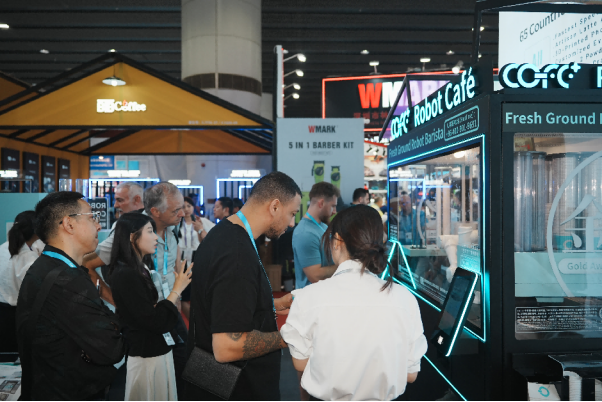
7th-Genertion Smart Robot Coffee Kiosk Arrives at the Belt and Road Core Hub, Ushering in a New Service Era Along t……
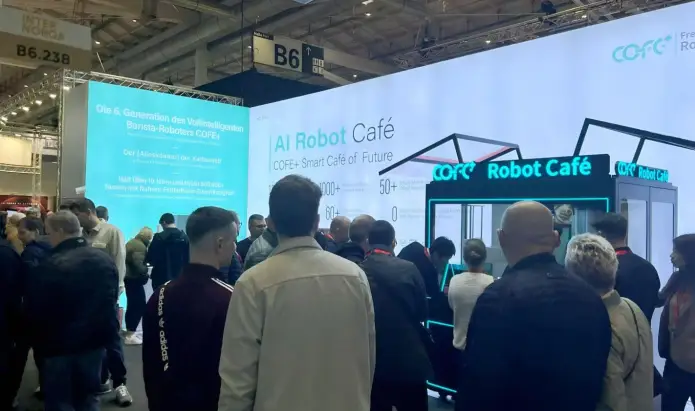
CHICAGO, May 12, 2026 (GLOBE NEWSWIRE) – Shanghai Hi-Dolphin Robot Technology today announced the U.S. debut of its 7th‑……