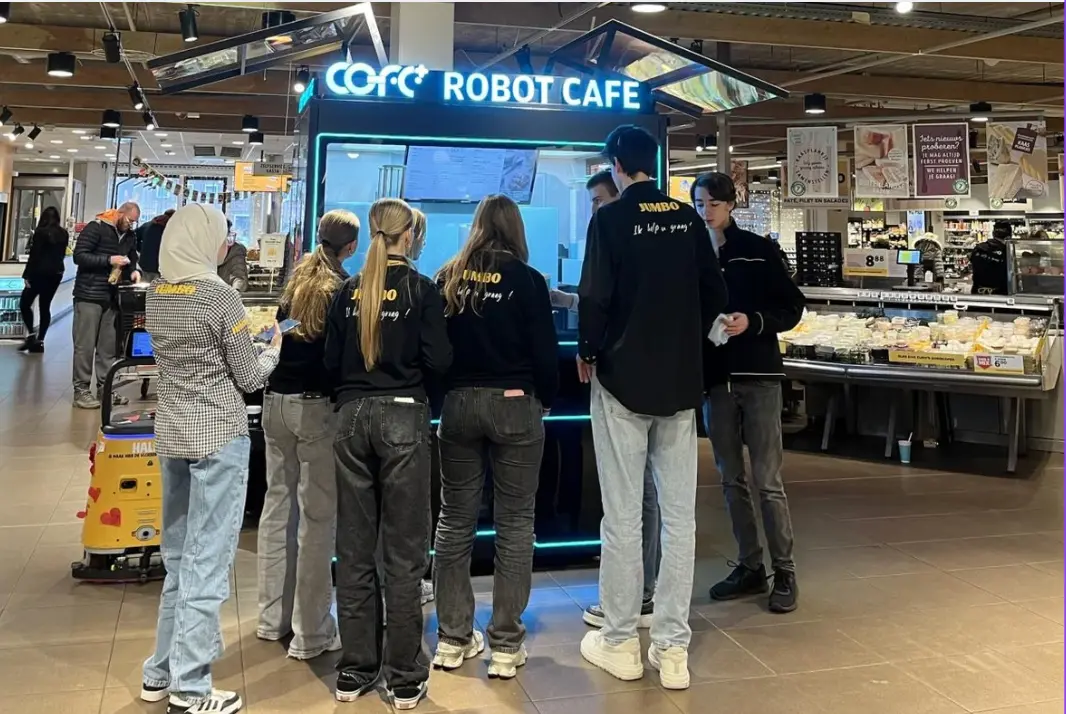
The Rise of Professional Robotic Café Technology: What COFE+ Is and Why It Matters
TL;DR — COFE+ is a fully automated robotic coffee kiosk that grinds fresh beans, brews espresso and lattes, creates latt……

A robot coffee kiosk RFQ fails when it reads like a price request. Franchisees and distributors who ask only for unit cost and delivery date end up comparing machines that look similar on paper but behave differently in a live site. The template matters because it forces vendors to state their assumptions about power, drainage, service response, food safety documentation, and ongoing software costs before the quote arrives. We have reviewed dozens of these documents from operators across Asia, Europe, and the Middle East. The strongest ones treat the RFQ as a specification filter, not a formality, and that is the approach this guide follows.
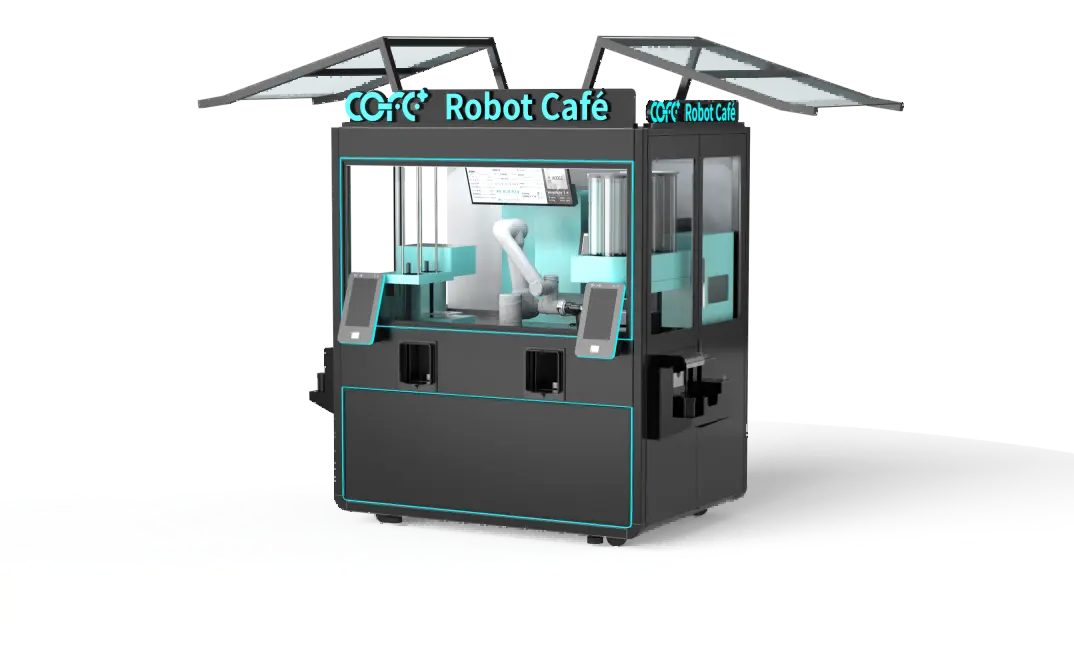
Most RFQs start with delivery terms. That is the wrong first question. A robot coffee kiosk combines fresh milk handling, hot water, robotic arms, payment terminals, and cloud diagnostics in one cabinet, so the document must separate performance, compliance, site readiness, and service commitments. Without that separation, the quote is not comparable across suppliers.
| RFQ block | What to state | Why it changes the quote |
|---|---|---|
| Cup output | Drinks per day and peak-hour demand | Determines bean, milk, water tank and waste tank sizing |
| Site services | Voltage, water pressure, drainage and internet type | Decides indoor, outdoor or custom installation cost |
| Menu scope | Hot, cold, plant-based and specialty drink count | Controls calibration and consumables planning |
| Certification | Target country and food contact requirements | FDA, CE, UKCA, KC or SASO documentation affects lead time |
| Service | Required response time and spare parts location | Changes remote diagnostics and local technician scope |
A workable RFQ names a daily cup target and a peak-hour spike. A kiosk rated for about 1,000 cups per day will not recover a site that only sells 80 cups. Be direct about cold drink demand because it changes water purification and ice handling if the menu includes iced drinks. If you expect half of orders between 7:30 and 9:00, state that timing; it determines whether the machine should hold extra cups or a second milk canister.
Voltage is the first filter. The COFE+ 7th generation platform runs on both 110 V and 220 V systems, but the vendor must know which one applies before specifying the compressor and heating load. Drainage is the second filter: a shopping mall kiosk with floor drainage is a different installation from a library corner with no water line. Internet type matters too. The kiosk can operate with cloud diagnostics, but a site with unstable Wi-Fi needs a wired or 4G fallback plan.
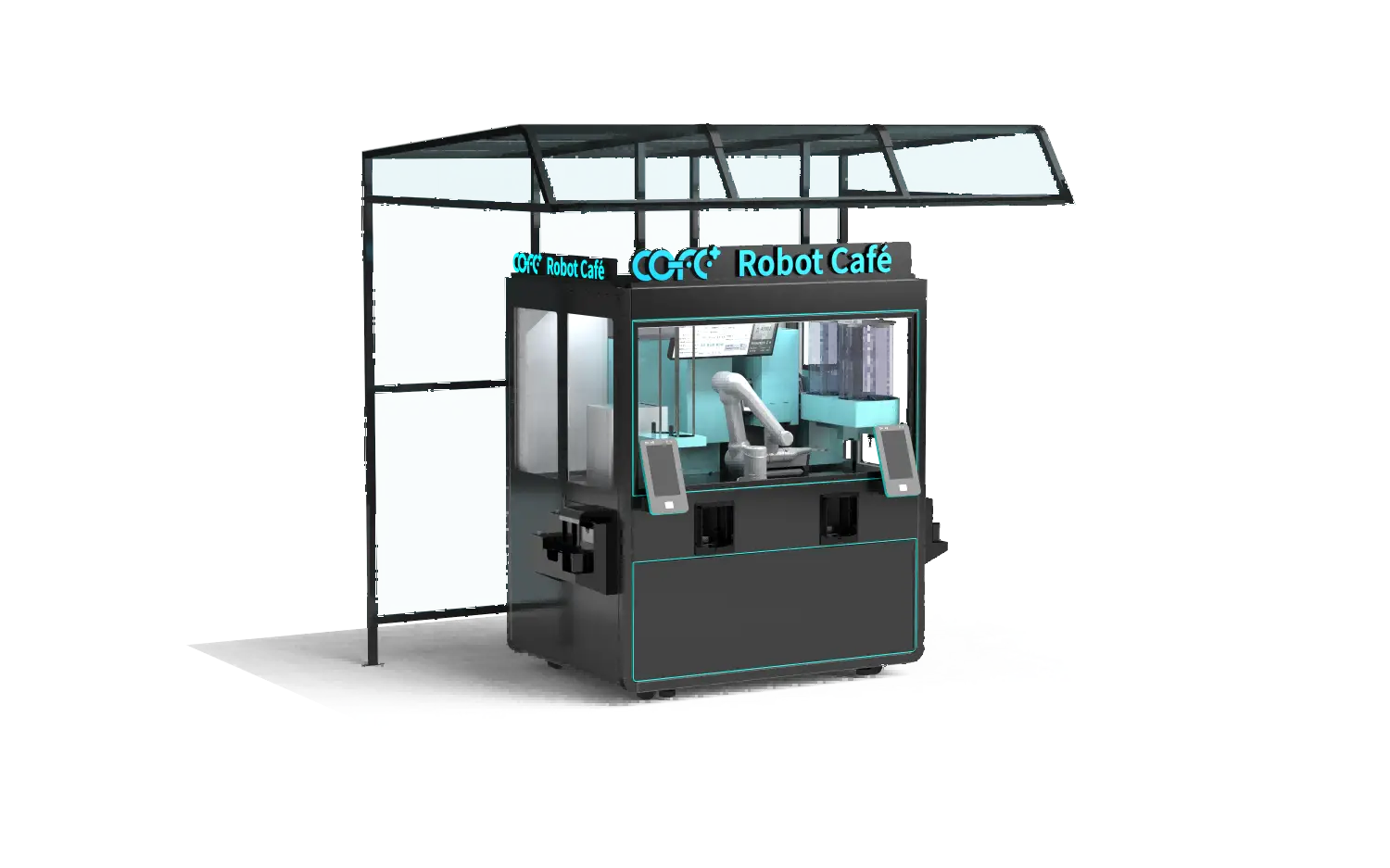
Franchisees tend to lock menu width before anything else. That order causes later delays. The hardware footprint, electrical load, water input, and waste handling are harder to change than the menu, so those belong in the first version of the RFQ. A 2.35 m² indoor kiosk gives enough space for a full robotic arm and 300+ drink recipes, but it still needs clearance around the sides for cleaning, waste removal, and air intake. State your usable floor area and ceiling access early. If the site is outdoor, the specification changes faster: the outdoor enclosure is IP54 rated, operates from -20°C to 45°C, and uses an anti-condensation system. That level of protection should be written into the RFQ as a pass/fail line, not left to the vendor to assume.
Certification questions change the evaluation as much as the hardware. A franchisee operating in Saudi Arabia needs SASO evidence, not just CE. A distributor selling into Europe needs CE, UKCA if the unit enters the UK, and food contact material documentation for the components that touch milk and cups. Ask the vendor to name the exact certificates and share the testing scope. Hi-Dolphin’s kiosk line holds FDA, CE, UKCA, KC, and SASO certifications, which shortens that review for multi-country distributors. If the supplier cannot produce a certificate matching your market, the RFQ should not advance to price negotiation.
Distributors should submit one master RFQ with a clear site matrix, not a separate document per location. A matrix tells the factory which kiosk formats are needed, where the first demo unit will run, and how many units may follow. Without that structure, the vendor prices each machine as a one-off, and volume discounts or service packages become harder to negotiate. Start with a pilot plan: identify three initial sites with different traffic profiles and mark them as the first installation wave. Then attach the site matrix with voltage, water, drainage, internet, and estimated cups per day for each.
If your rollout mixes indoor and outdoor sites, confirm whether one platform can cover both without a second spare parts program. Send your preliminary site list to sales@hi-dolphin.com to check voltage and IP-level requirements before you finalize the RFQ.
| Format | Footprint | Best deployment |
|---|---|---|
| Indoor kiosk | 2.35 m² | Malls, offices and showrooms |
| Outdoor kiosk | Compact all-weather | Open squares, streets and parking areas |
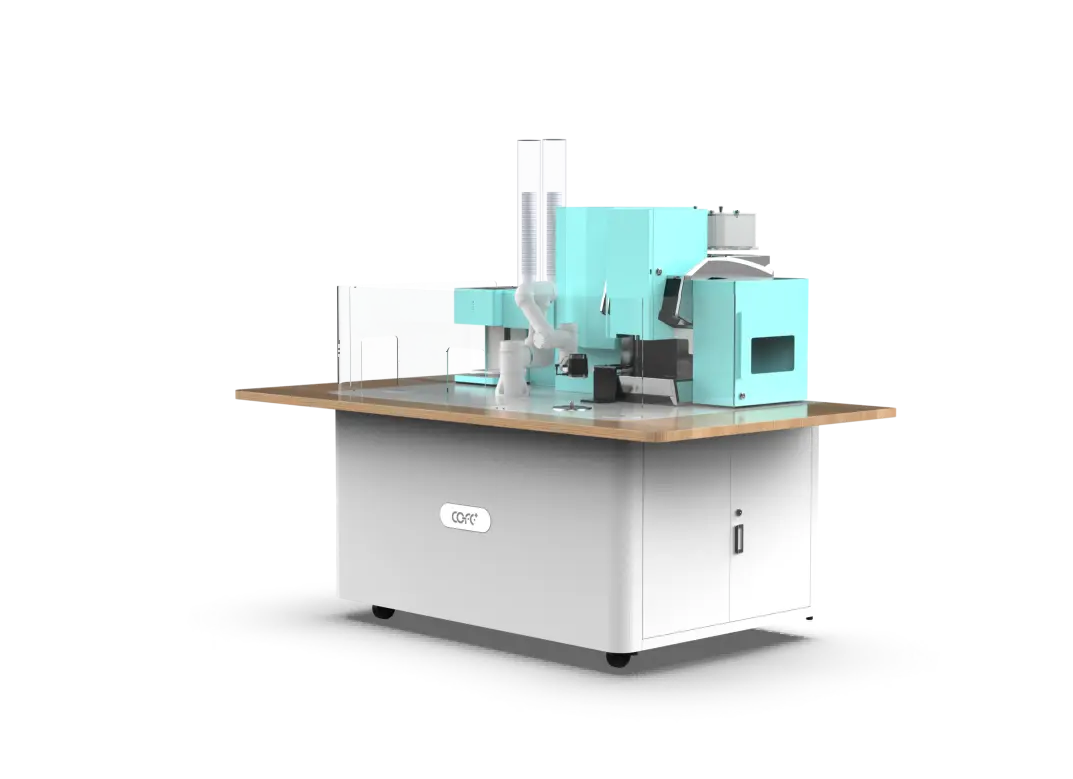
| Robot coffee bar | About 2 m² folded | Hotels, airports and co-working spaces |
| Robot coffee counter | About 2 m² built-in | Premium lounges, receptions and retail interiors |
Keep the RFQ format separate from the master terms. The cost per cup, consumables cost, software license, and spare parts package should be quoted for the pilot wave and for the annual volume target. If the distributor commits to a territory, the RFQ should also ask for territory exclusivity terms, demo unit pricing, and local service training. Those items cost more in a single-unit quote than in a structured multi-unit request.
Hardware is the easiest line to compare. Service is where two similar machines diverge. A kiosk with remote diagnostics, cloud monitoring, and automatic cleaning reduces the number of site visits, but only if the supplier has a process for spare parts and local technicians in your country. Ask how the error alerts are prioritized and whether the manufacturer can dispatch a technician from a local partner or ship a replacement module to a trained distributor. The COFE+ line includes remote diagnostics and auto repair dispatch, which means the RFQ response should specify response-time tiers rather than a generic warranty line.
List three service levels in the RFQ: preventive, corrective, and emergency. For each, ask for maximum response time and the location of spare parts. A distributor in Southeast Asia cannot run a kiosk if every replacement board ships from one warehouse in Europe. The RFQ should ask whether critical modules are available from a regional hub or from distributor stock. Also confirm whether the software updates are included for the full warranty period and what happens when the warranty expires. These questions change the total cost more than the initial unit price.
A thin RFQ gets a thin quote. When the manufacturer has to guess your site conditions and volume, the pricing either includes hidden contingency or excludes the items you will discover later. The fastest way to a comparable quote is to attach three things: a short site description with photos, the target daily cup volume, and your market certification requirement. If you are a distributor, add the territory map and your pilot site count. If you are a franchisee, add the lease terms and available utility connections. Send those details to sales@hi-dolphin.com or call +86 131 6630 1290, and specify whether you are evaluating indoor, outdoor, bar, or counter formats. The response can then focus on configuration, lead time, spare parts availability, and pricing that matches your actual site.
Start with a one-page specification summary plus a three-line site description. You do not need full engineering drawings at the first stage, but you do need the daily cup target, voltage, water access, drainage, and internet type. Without those five facts, the supplier cannot confirm whether the standard kiosk fits or whether a custom outdoor enclosure is required. List one market certification and the number of drinks you expect at peak hour. That is enough for a preliminary quote and a configuration comparison, and it keeps the process moving.
Many distributors assume a larger unit count automatically lowers the hardware price. The real cost difference comes from the service architecture, not the machine count. If the RFQ asks only for quantity discounts and ignores response time, spare parts locations, and local training, the quote may price the hardware aggressively but leave the distributor absorbing field service costs later. Ask for two pricing lines: one for the pilot wave and one for the committed annual volume with a named spare parts hub and training scope.
It depends on the site. If the location has floor drainage, 220 V power, and standard interior climate, the standard indoor kiosk is usually cheaper and faster. If the site is outdoor, exposed to dust or freezing temperatures, include the IP rating, operating temperature range, and anti-condensation requirement in the first RFQ. The outdoor kiosk is designed for all-weather operation from -20°C to 45°C, so asking early prevents a later surprise when the selected machine cannot sit outside. Customization should follow site facts, not lead the conversation.
In projects we have supported, the delay is rarely the manufacturing lead time. The slower steps are site approval, utility connection, and certification confirmation. A clean RFQ shortens the middle part because it lets the factory begin the electrical and water configuration while the lease is still being finalized. Once the site survey clears, installation of a standard indoor or outdoor kiosk can often happen within days rather than weeks. Share your target market and site drawing with sales@hi-dolphin.com, and we will confirm the lead time for your deployment.
TL;DR — COFE+ is a fully automated robotic coffee kiosk that grinds fresh beans, brews espresso and lattes, creates latt……
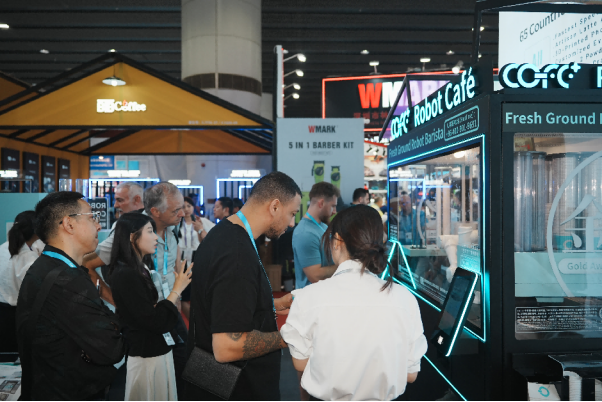
7th-Genertion Smart Robot Coffee Kiosk Arrives at the Belt and Road Core Hub, Ushering in a New Service Era Along t……
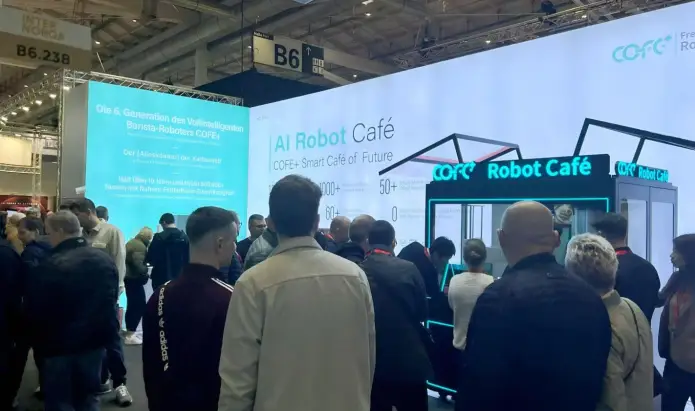
CHICAGO, May 12, 2026 (GLOBE NEWSWIRE) – Shanghai Hi-Dolphin Robot Technology today announced the U.S. debut of its 7th‑……