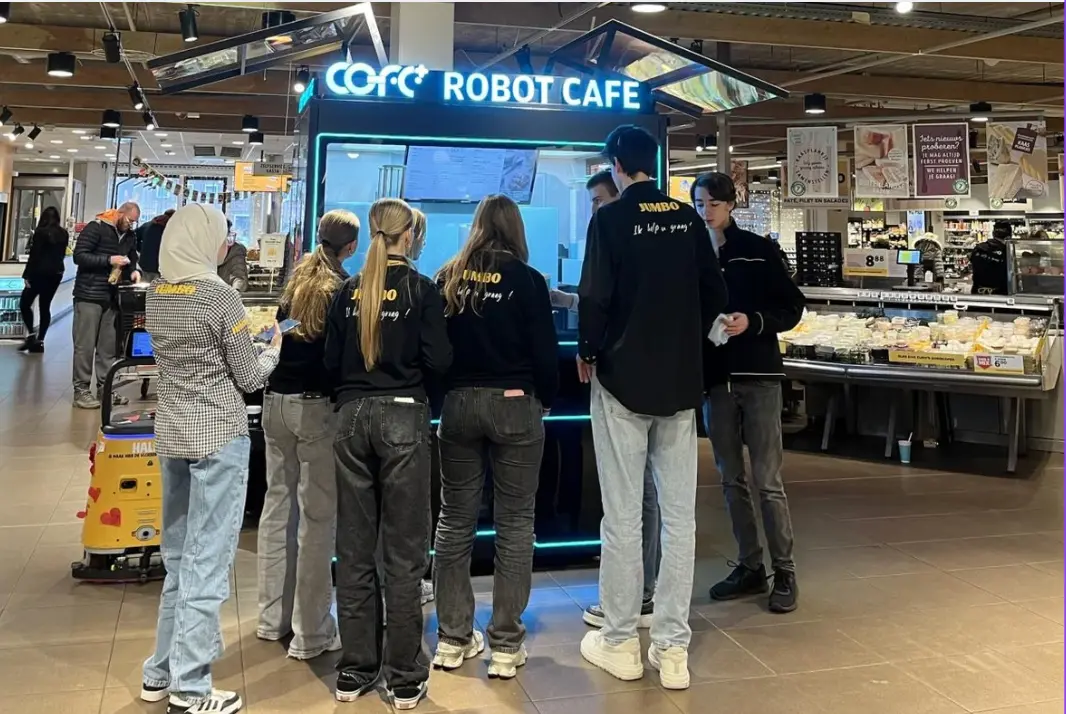
The Rise of Professional Robotic Café Technology: What COFE+ Is and Why It Matters
TL;DR — COFE+ is a fully automated robotic coffee kiosk that grinds fresh beans, brews espresso and lattes, creates latt……

Factory acceptance tests often feel like a formality until a robot coffee kiosk arrives at your site with the wrong electrical rating or a cleaning cycle that trips during peak hours. A properly run robot coffee kiosk factory acceptance test is not a showroom demo; it is a controlled pass or fail sequence that protects your deployment timeline and service budget. I have sat through enough pre-shipment inspections to know the checks buyers skip are usually the ones that produce the longest downtime. Verify the machine under its real operating load before it leaves the factory, and your first week on site gets much shorter.
Before any drink test, ask for the certificate file matched to the destination market. A kiosk with CE and UKCA documentation may still need KC for South Korea or SASO for Saudi Arabia. I prefer to open the acceptance test with the document set on the table, because a missing certificate is easier to catch in Shanghai than in a customs holding area. For the COFE+ seventh-generation kiosk, the compliance stack includes FDA, CE, UKCA, KC, and SASO entries, and the unit is rated for 110V and 220V systems. Confirm the exact model number on each certificate matches the serial plate, then check that the destination voltage configuration is actually installed, not just listed as an option.
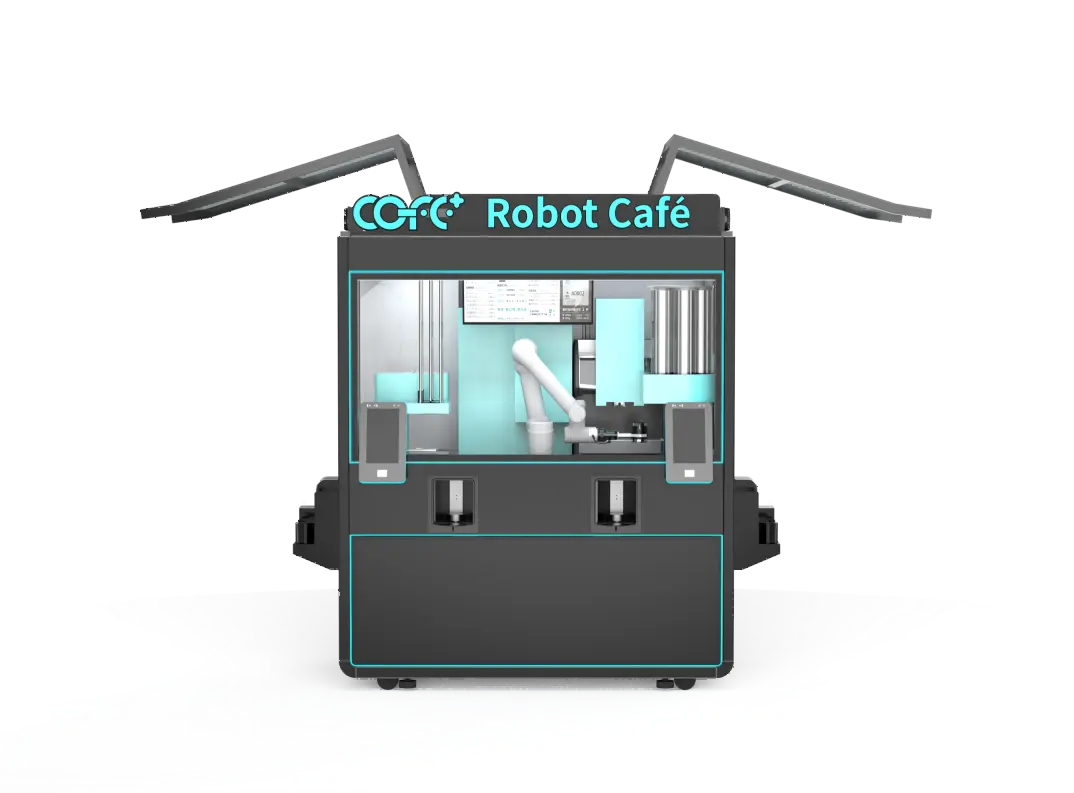
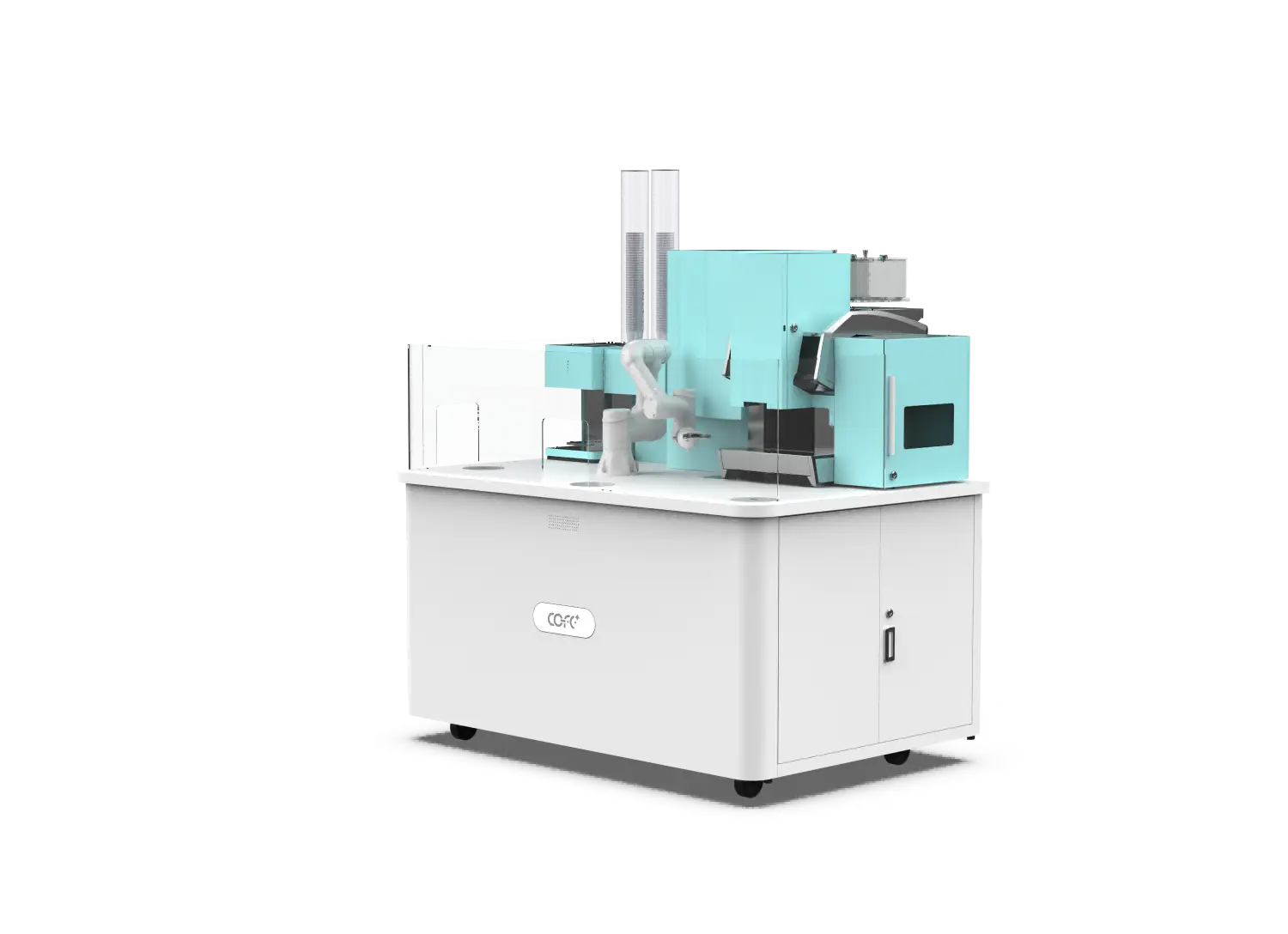
The factory may quote a 43 to 60 second cup time, but that number only matters across consecutive cycles. Ask the technician to run the same drink order 15 to 20 times without stopping. Watch for temperature drift, cup misalignment, or steam wand errors after the tenth cycle. The seventh-generation kiosk is rated for roughly 1,000 cups per day and is tested for more than 500,000 cup cycles, so a 20-cup acceptance sequence is a modest demand. I also check whether the grinder calibration stays stable across the run. If the extraction time starts moving after cup eight, the machine is not ready for a full site launch.
Electrical, water, and drainage issues are the least glamorous part of a robot coffee kiosk acceptance test and the most common source of first-week failures. Run the machine at the actual voltage your site supplies, not the factory bench voltage. If your building uses 220V but the test bench is set to 110V, ask for a switchover demonstration.
| Verification point | Passing condition | Why it matters |
|---|---|---|
| Power system | Stable operation at the site’s actual voltage | Prevents breaker trips and control faults |
| Water pressure | Minimum inlet pressure matches your building supply | Avoids weak extraction and pump errors |
| Drainage | Wastewater flows by gravity or pump without backup | Keeps spills and odor alarms out of daily service |
| Ambient temperature | Outdoor unit starts after soak at 45°C and minus 20°C | Confirms the IP54 all-weather claim holds |
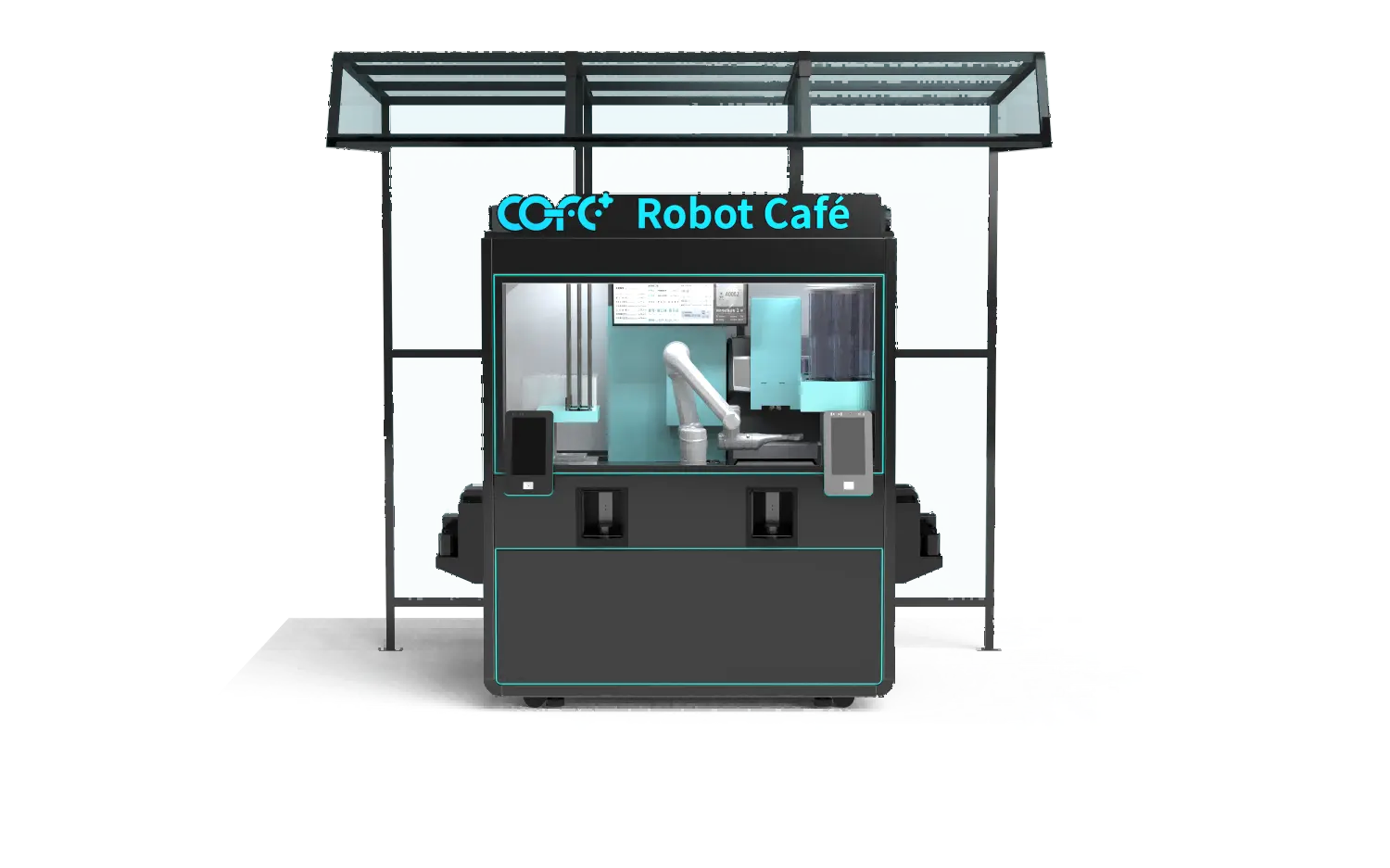
An outdoor kiosk should be tested at both ends of its rated operating window, not just in a climate-controlled warehouse. The COFE+ outdoor model is specified from minus 20°C to 45°C with IP54 protection. If your site routinely sits near either limit, put the temperature test in the punch list.
If your program involves a site outside a standard 10°C to 30°C indoor range or unstable voltage, confirm the load profile with sales@hi-dolphin.com before finalizing your acceptance checklist.
The cleaning system is one place where factory demos stay performative. Ask the technician to run a full cleaning cycle while you watch the touchscreen. Confirm the machine heats water to 85°C or above during sterilization and that the waste bin level sensor triggers a real alert. The seventh-generation kiosk uses automatic high-temperature sterilization and a fully enclosed waste system on outdoor units. I pay more attention to the alert log than the demo cup, because a sensor that does not trip at the factory will not trip on site. Ask what happens when a user opens the door mid-brew or when the drain line kinks, because these are the exact events that dominate service calls.
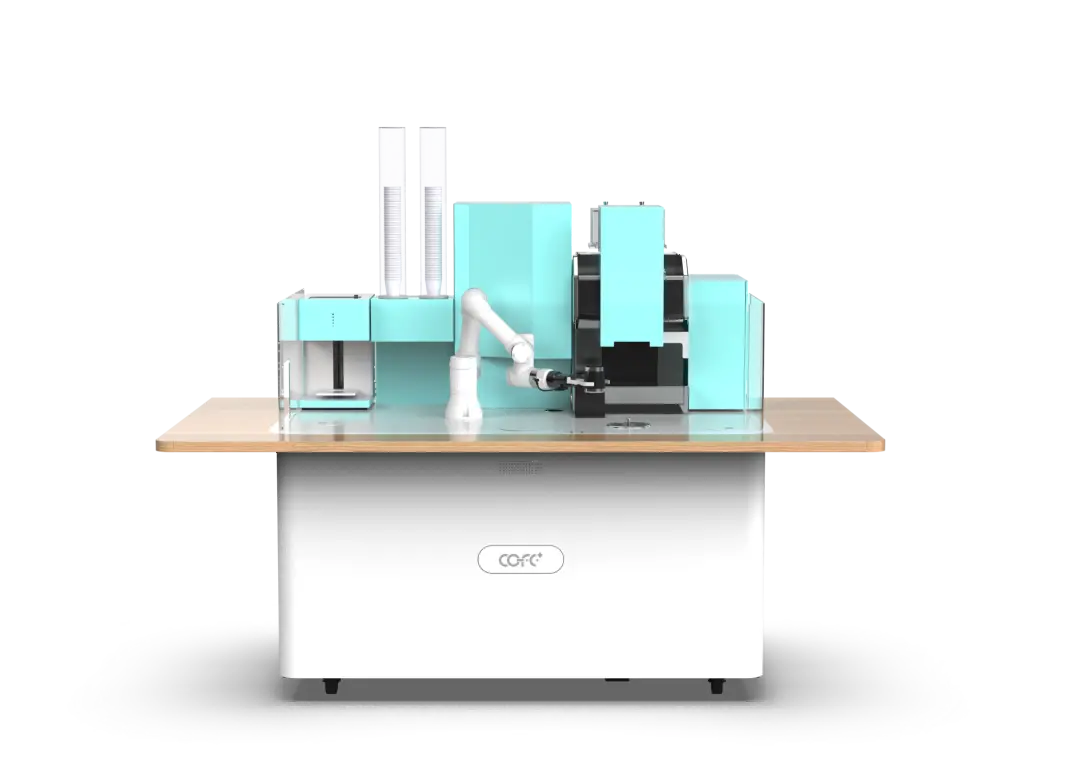
A kiosk that passes in a controlled test bay can still struggle in a humid coastal site or a transit hub with dirty power. Send your electrical load, water pressure, and drainage plan to sales@hi-dolphin.com before the acceptance test date. The extra hour of document review keeps the punch list short and the test relevant. For a direct conversation with the pre-shipment team, call +86 131 6630 1290 and specify whether you are testing an indoor or outdoor kiosk. The goal is not to make the test harder; it is to make the first day on site boring.
Plan for one full day if the machine is already staged, or two days if the test includes voltage conversion and site-specific configuration. The drink cycle run should be the longest single block, but the document review and cleaning test also need unbroken time. I prefer to block the full day rather than compress everything into a morning, because a rushed test hides exactly the issues you flew there to find. Remote attendees can observe the same checks with a camera feed, but the schedule still belongs to the person signing the release.
Remote attendance works only if the test protocol is defined before the camera switches on. Ask the factory to pin the camera to the serial plate, the touchscreen, and the waste area, not just the latte art. You also need a named contact who will stay in the test bay and reposition the camera when you ask. If the factory cannot commit to that, send a local inspector or reschedule the shipping date. The pass or fail decision should not be made from a marketing cutaway shot.
Factory acceptance testing confirms the machine is built correctly. Site acceptance testing confirms it was installed correctly in your location. In practice, FAT should catch configuration errors, missing certificates, and component failures before any container leaves. SAT covers local power quality, water chemistry, ambient conditions, and network access. If you skip FAT, some of those defects migrate to SAT and become much more expensive to repair, because now they are happening on your floor with customers watching.
I start with the destination market’s mandatory marks, not the factory’s full certificate wall. FDA, CE, UKCA, KC, and SASO are the common reference points for the seventh-generation kiosk, but the specific set depends on where the unit will operate. Ask for a certificate matrix that names the model, serial number, and testing laboratory for each mark. If a certificate is pending or expired, decide before the test whether that blocks shipment. If your destination market has a specific requirement, share the full document list and we will confirm which evidence is available before the factory acceptance test date.
TL;DR — COFE+ is a fully automated robotic coffee kiosk that grinds fresh beans, brews espresso and lattes, creates latt……
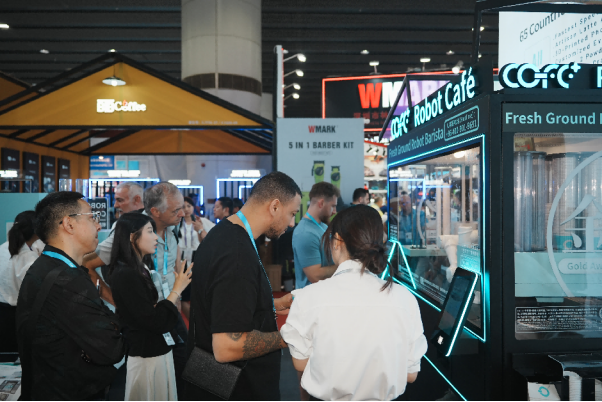
7th-Genertion Smart Robot Coffee Kiosk Arrives at the Belt and Road Core Hub, Ushering in a New Service Era Along t……
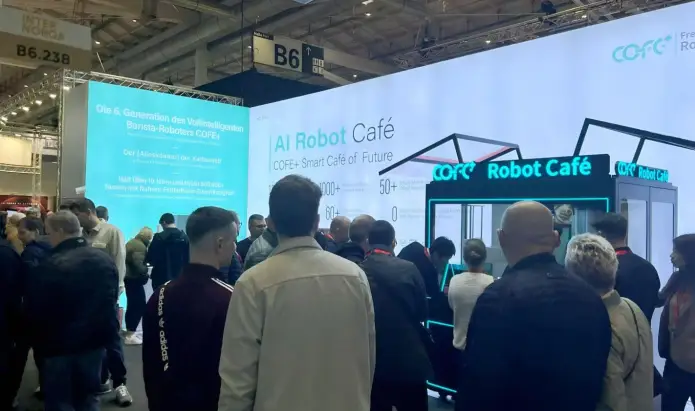
CHICAGO, May 12, 2026 (GLOBE NEWSWIRE) – Shanghai Hi-Dolphin Robot Technology today announced the U.S. debut of its 7th‑……