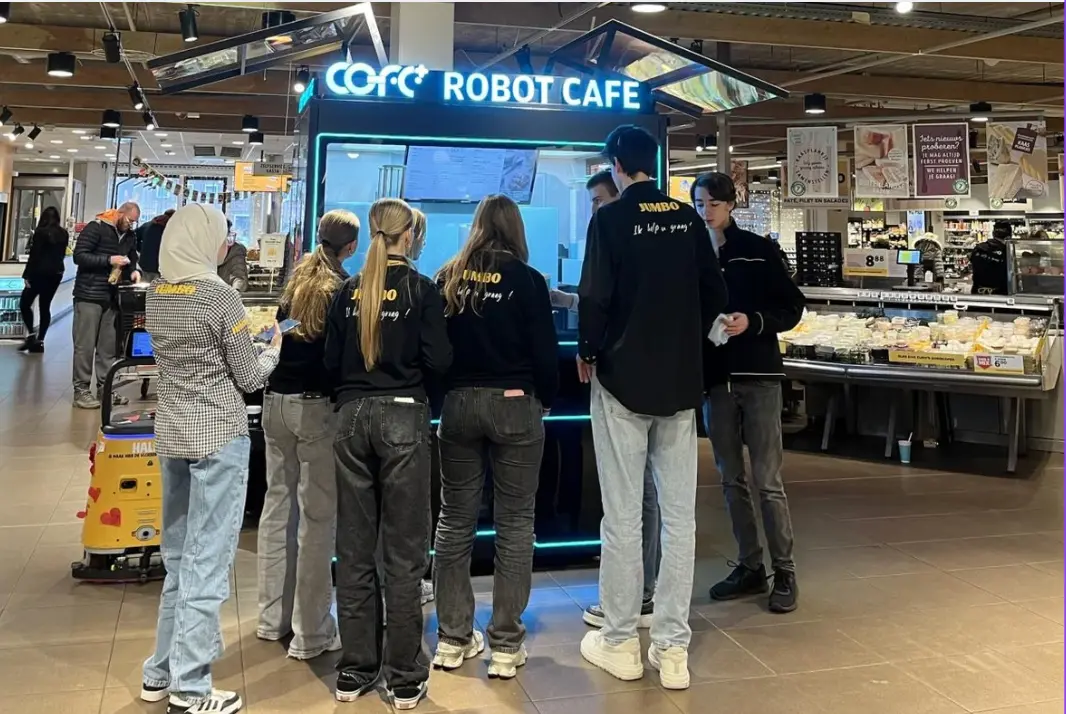
The Rise of Professional Robotic Café Technology: What COFE+ Is and Why It Matters
TL;DR — COFE+ is a fully automated robotic coffee kiosk that grinds fresh beans, brews espresso and lattes, creates latt……

A robot coffee kiosk installation timeline is decided long before the unit arrives. Site approval, utility readiness, and a clear commissioning sequence matter more than the physical move. We have seen operators compress the window from approval to the first cup to under two weeks by sequencing the right pre-work, and we have seen a missing drainage route add weeks. The machine itself does not cause most delays. What changes the schedule is whether installation is treated as a four-stage logistics process rather than a single delivery event. Those stages are site approval, utility preparation, delivery and placement, and commissioning.
Site approval is not a formality. It fixes the earliest possible start date because every downstream task waits on the signed permit and the confirmed placement. Operators who treat this stage as a checklist finish it in days. Operators who treat it as an email thread watch the schedule slip.
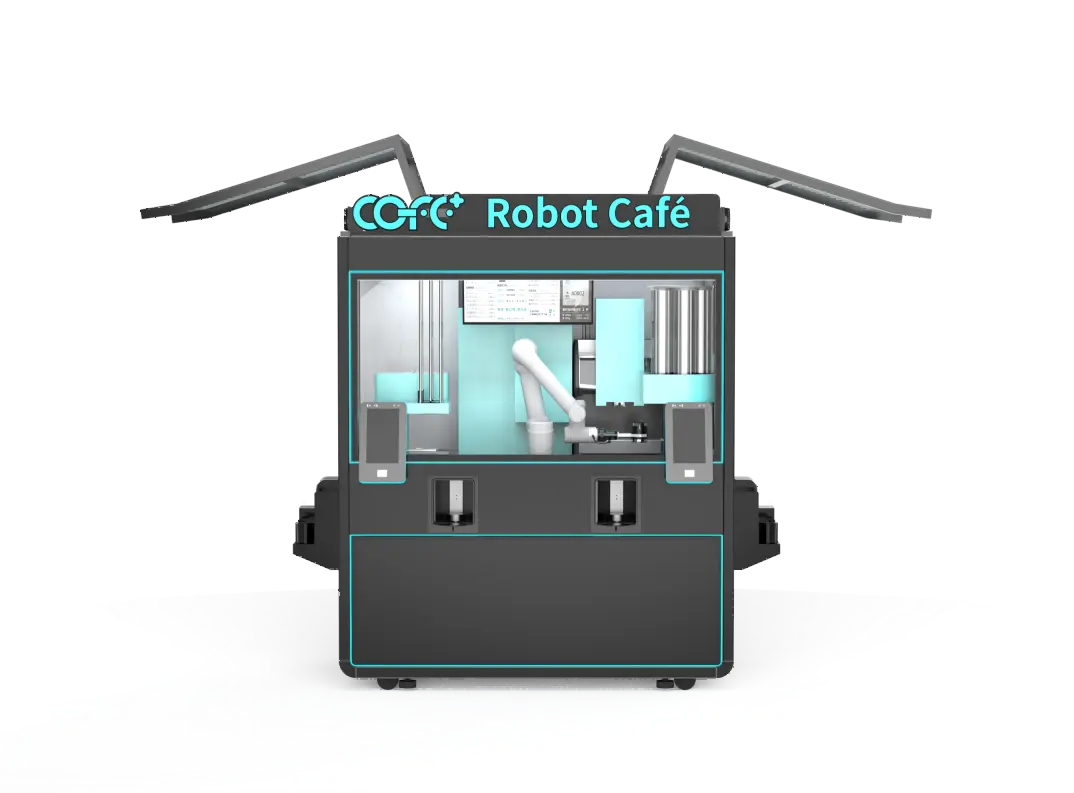
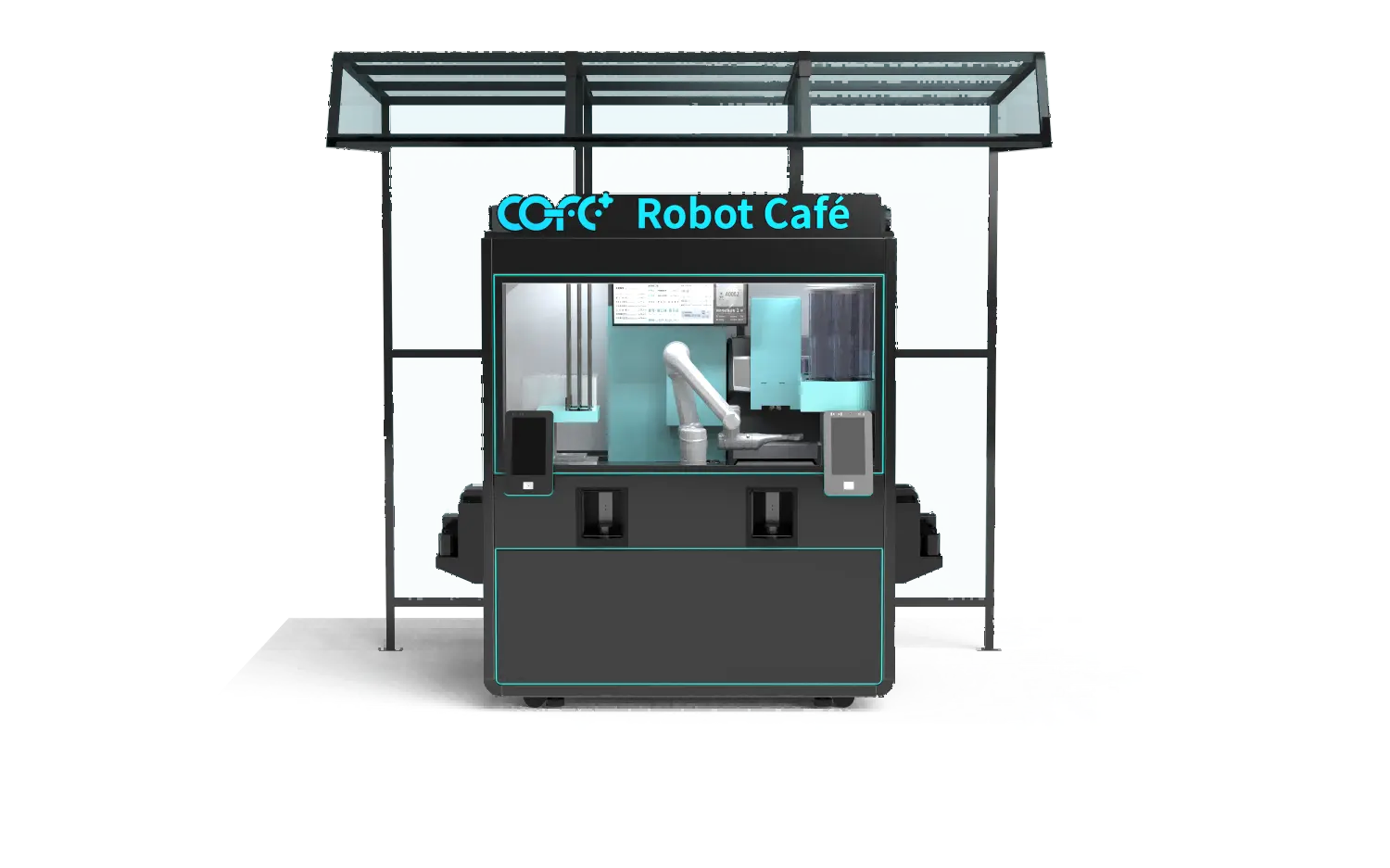
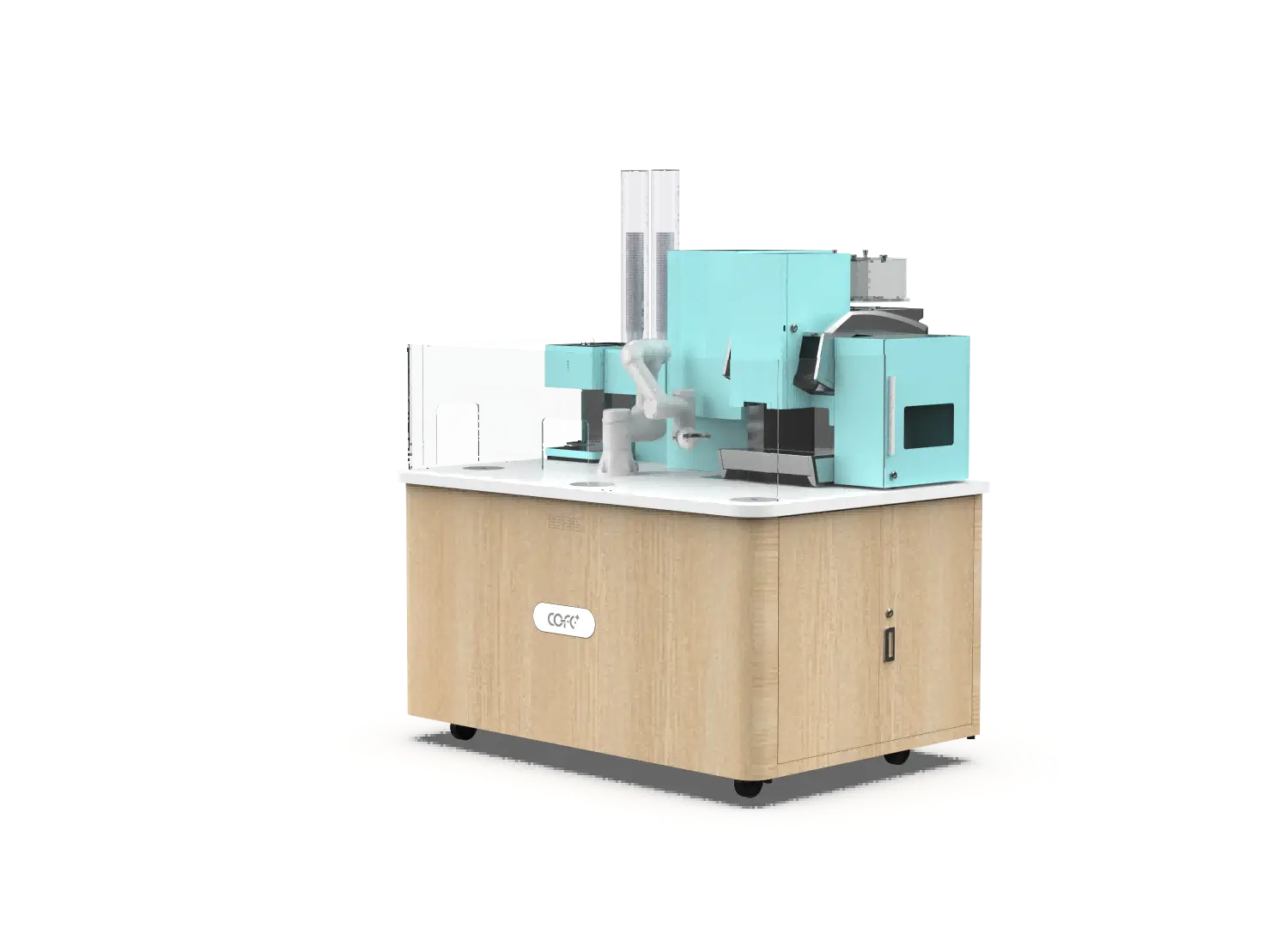
Three items belong in the approval record before an order is released: the placement type, the site survey, and the landlord sign-off. The indoor kiosk occupies roughly 2.35 square meters and fits lobbies, malls, and office floors. The outdoor model runs from minus 20 to 45 degrees Celsius with IP54 protection, so it can hold up in transit areas, plazas, and parks. The bar and counter formats fold into smaller spaces and suit lounges, hotels, and showrooms. The site survey records floor load, access path width, clearance around the unit, and the nearest power, water, drainage, and network points. The landlord sign-off sets the placement, service hours, and who pays for utility connections.
The common failure we see in rollout planning is a site agreement that does not resolve drainage routing before the machine ships. The commissioning team then arrives and finds no legal path to discharge water. That single gap can push the first cup back by a week even when the unit is already on site.
Utility preparation is the longest controllable stage in most timelines. The physical machine placement is fast. What takes time is lining up electrical, water, drainage, and network work with the property manager and local trades.
If your program includes several locations with different power or drainage rules, confirm each utility plan before finalizing the order. Send the site drawings and your target go live date to sales@hi-dolphin.com and we will flag the utility items most likely to delay commissioning.
For a COFE+ unit, delivery follows the same sequence whether the site is a lobby, a transit hall, or a park. The format changes the footprint, not the logic of the process. Placement itself is usually the shortest stage, but only when the earlier utility work is complete.
The table below shows how the four configurations differ on footprint and the site conditions they suit.
| Configuration | Footprint | Ideal placement | Signature strength |
|---|---|---|---|
| Indoor kiosk | 2.35 m² | mall, lobby, office | 300+ drinks, 43 to 60 second service |
| Outdoor kiosk | 2.35 m² | park, plaza, transit | IP54, minus 20 to 45°C |
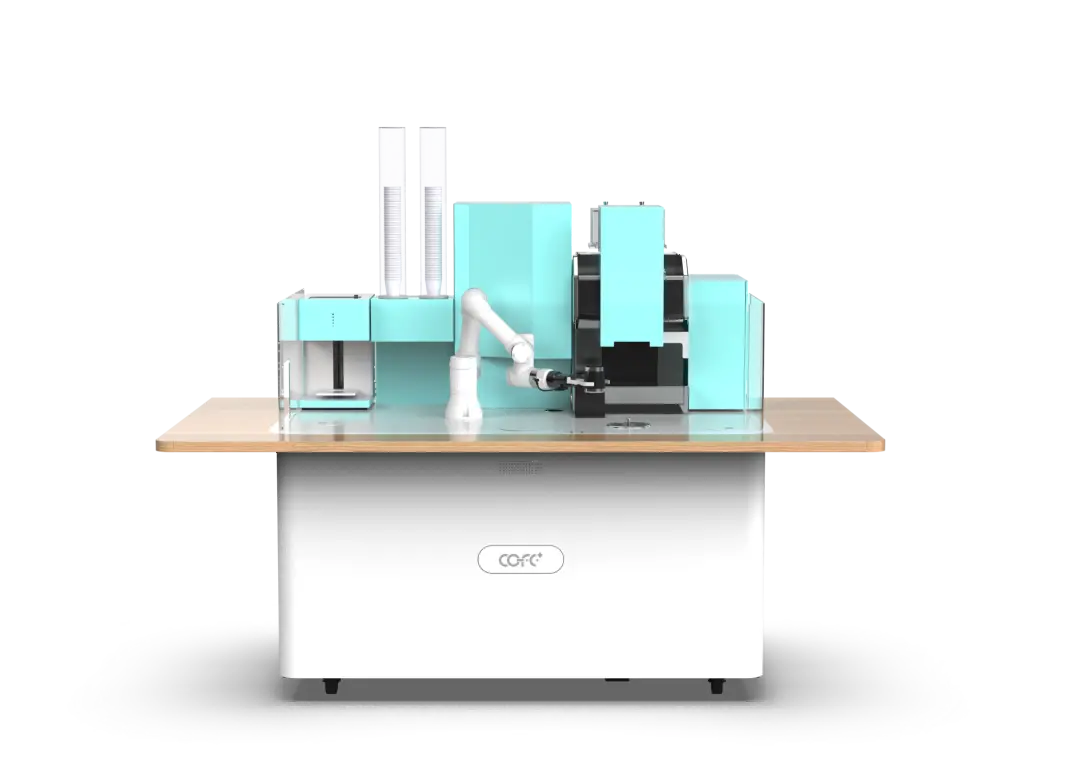
| Robot coffee bar | 2 m² folded | hotel, airport, event venue | folds into a four-seat bar |
| Robot coffee counter | 2 m² | lounge, showroom, reception | counter-integrated format |
Commissioning turns a placed machine into a verified service point. A kiosk that can serve a cup in 43 to 60 seconds still needs a completed test sequence before revenue begins. We treat the first served cup as the final test, not the first day of normal operation, because a skipped check here becomes a service call later.
At this stage the schedule stops being a plan and becomes an operating asset. The operations dashboard begins tracking stock, temperature, and system status, which gives the operator a live view of every cup and every alert from the first day.
Site approval and utility sign-off are where most installation timelines stall. Once those are clear, physical placement and commissioning can move quickly. We review site drawings, utility points, and target go live dates before any order ships, so the on-site team arrives with a workable plan rather than a list of open questions. Send your site address, floor plan, and target start date to sales@hi-dolphin.com, or call +86 131 6630 1290 to confirm the installation sequence for your location.
After a complete site approval and utility sign-off, the physical placement and commissioning usually take one to three days. The range depends on how many utility connections are already in place. A site with power, water, drainage, and network terminated at the footprint can often be commissioned within a day. A site where those connections still need trade work will take longer, but that work sits outside the machine installation itself and can usually run in parallel with delivery scheduling.
The answer depends on whether the site permits plumbing. If it does, a potable supply and a drainage connection keep daily operation simple and reduce manual steps. If direct plumbing is not permitted, the unit can run with manual fills and waste collection, but the operator must commit to a daily service route. The trade-off is labor, not feasibility. The plumbing decision should be settled during site approval because it changes both the installation scope and the long-term service cost.
A common assumption is that outdoor sites automatically add a week. That is only true when drainage and shelter are not prepared in advance. The outdoor kiosk is built for open-air operation with IP54 protection and a working range from minus 20 to 45 degrees Celsius. What takes extra time is usually the site around it: a stable base, a protected power point, and a drainage route. Prepare those during site approval and the outdoor timeline becomes nearly identical to an indoor placement.
In our planning work the most common delay is not the machine. It is a power or drainage point that was assumed during the site survey rather than confirmed. The site drawing says a drain exists, but nobody checked the fall direction, or the electrical panel is shared, or the access path is too narrow for the delivery route. Those gaps show up at commissioning and are harder to fix than if they had been caught earlier. Share your site drawings and we will confirm which utility checks apply to your footprint.
TL;DR — COFE+ is a fully automated robotic coffee kiosk that grinds fresh beans, brews espresso and lattes, creates latt……
7th-Genertion Smart Robot Coffee Kiosk Arrives at the Belt and Road Core Hub, Ushering in a New Service Era Along t……

CHICAGO, May 12, 2026 (GLOBE NEWSWIRE) – Shanghai Hi-Dolphin Robot Technology today announced the U.S. debut of its 7th‑……