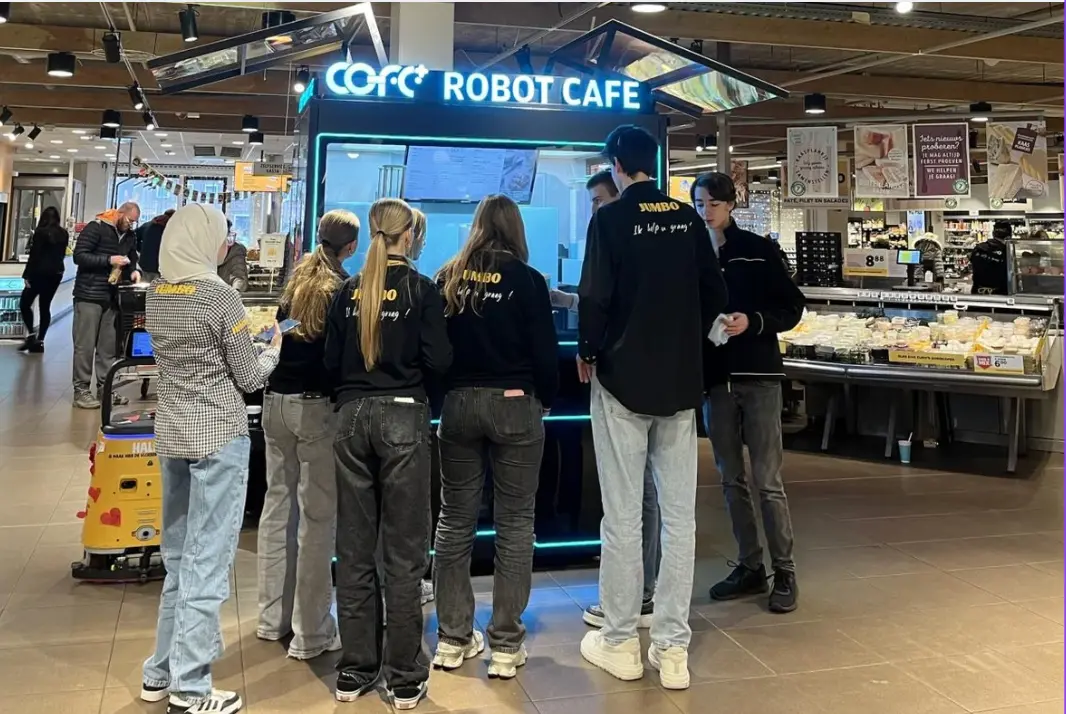
The Rise of Professional Robotic Café Technology: What COFE+ Is and Why It Matters
TL;DR — COFE+ is a fully automated robotic coffee kiosk that grinds fresh beans, brews espresso and lattes, creates latt……

Robot coffee kiosk revenue sharing succeeds only when the agreement splits traffic risk and operating risk cleanly. Most conversations stop at a headline percentage split, but that number never covers who pays for power, water, drainage, ingredients, cleaning, or downtime. Landlords bring the location and customer flow. Operators bring the machine, remote monitoring, and daily service burden. A durable model ties the split to actual cup volume and assigns each cost to the party best positioned to control it. Without that structure, a flat 50/50 split quietly transfers risk to whoever has less control.
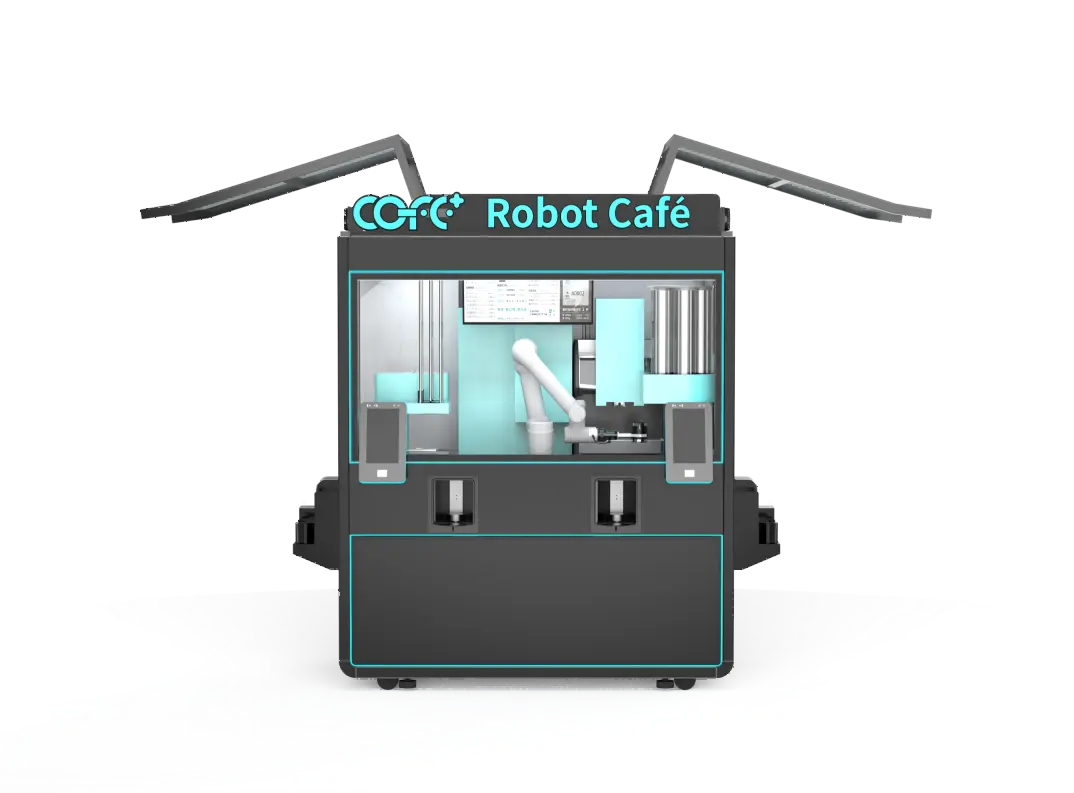
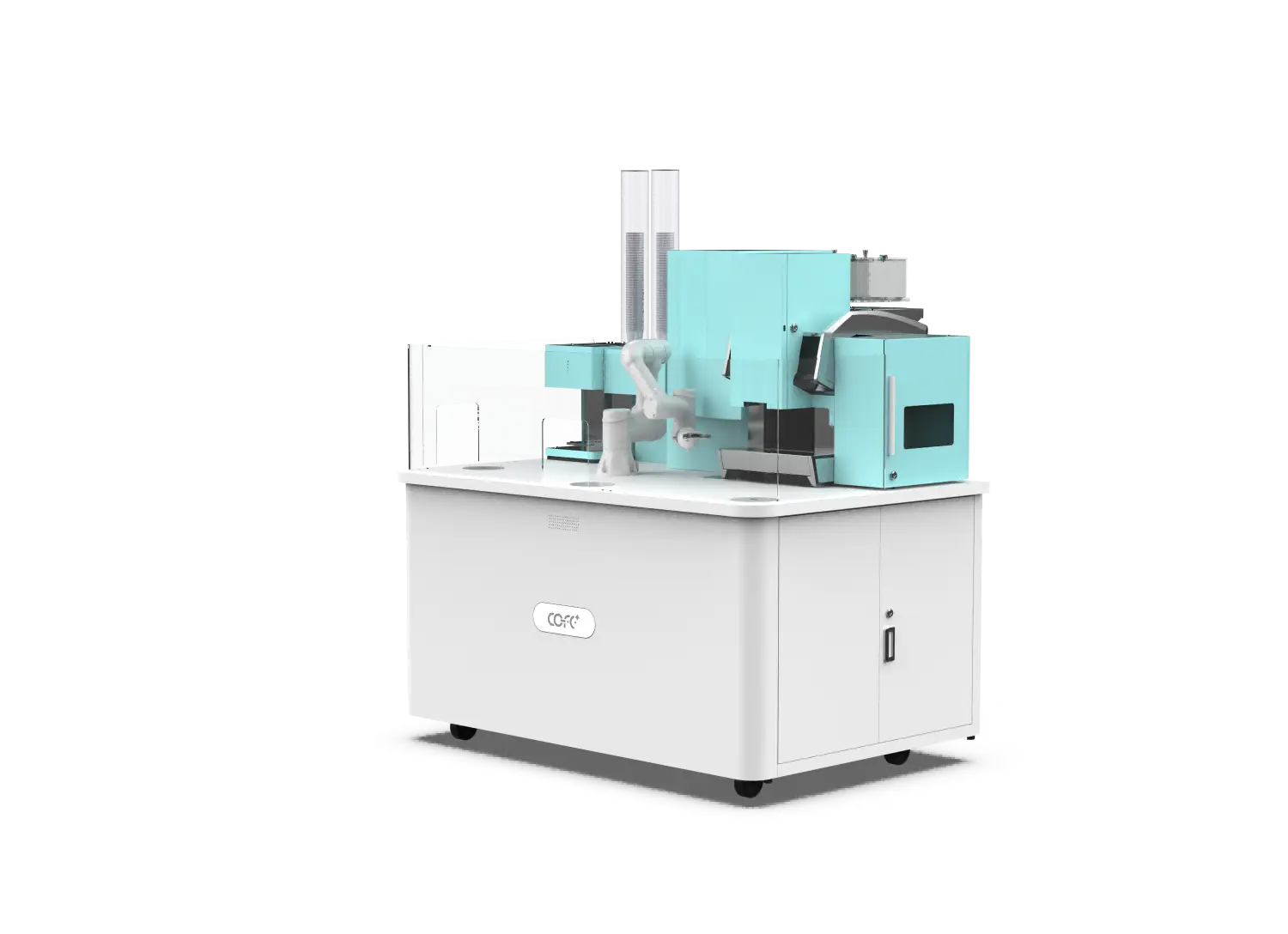
A revenue share agreement lets a landlord monetize underused space without adding staff or taking on coffee operations. A fixed café lease demands seating, storage, plumbing, and a tenant who can survive slow months. A robot coffee kiosk removes most of that burden. The indoor robot coffee kiosk occupies 2.35 square meters, so a dead corner near a lift lobby or a stretch of corridor can become an active beverage point.
The economics work because the unit’s cost per cup runs between $0.30 and $0.70, while the kiosk serves drinks around the clock. That spread leaves enough margin for the operator to cover ingredients, cleaning and remote monitoring, and still leaves a meaningful share for the landlord. A flat café lease normally requires the tenant to reach a much higher daily revenue before the landlord sees any performance upside.
In the negotiations I have led, the landlords who get the most from this model think less about the percentage and more about the customer behavior they control. A landlord can improve cup volume by placing the kiosk near waiting zones, keeping signage visible, and confirming the network connection is stable. When those elements work, the split feels secondary because the total pool grows. When placement is treated as a passive asset, no percentage structure can repair weak throughput.
Most disputes in a revenue share deal start with costs, not percentages. The agreement needs a clear answer for rent, utilities, ingredients, cleaning, maintenance and waste. If these are left in general language, the party without control picks up the cost.
| Cost category | Who usually controls it | How a clean agreement treats it |
|---|---|---|
| Base rent | Landlord | Convert to a lower monthly floor plus percentage rent |
| Electricity, water and drainage | Landlord or facility team | Meter separately or pass through at actual cost |
| Ingredients and consumables | Operator | Operator absorbs cup cost from its revenue share |
| Cleaning, waste and maintenance | Operator | Operator covers these through remote monitoring and service visits |
| Uptime and repairs | Operator | Operator carries the uptime clause and spare parts |
| Revenue split | Both | Tiered percentage tied to verified cup volume |
Placing the base rent into a monthly floor protects the landlord when traffic disappoints. Passing utility costs through at actual usage protects the operator when a site has unexpectedly high air conditioning or water demand. This separation prevents a common failure where the operator signs a high percentage and later discovers the landlord expects a full market rent on top.
The table above is a starting point. In shopping centers, landlords may also attach a marketing fund or common area charge. Those should be limited to the kiosk’s actual footprint, not the full leasable area, because a 2.35 square meter machine does not consume the same common areas as a full café. Without that limit, the revenue share becomes a disguised full lease.
Flat percentage splits reward volume, but they create wrong incentives at the edges. If the landlord takes 30 percent regardless of output, the operator has every reason to push volume. That sounds positive until slow months arrive. A low volume month with the same percentage can make the operator’s cup economics negative, which invites corner cutting on cleaning or ingredient quality.
Tiered structures solve this by separating the floor from the upside. One workable setup gives the landlord a higher share below 3,000 cups per month and a lower share above 6,000 cups. The higher low band covers the site cost when traffic is thin. The lower high band rewards the operator for driving volume, which is exactly where the operator’s daily execution matters most.
Performance tiers should also include a time element. A 24/7 kiosk in a transit hub may produce strong monthly cups but concentrated in two peak hours. If the landlord wants more balanced foot traffic, the agreement can tie a small bonus or marketing contribution to off-peak volume. This keeps both parties focused on building the total pattern rather than harvesting existing peaks.
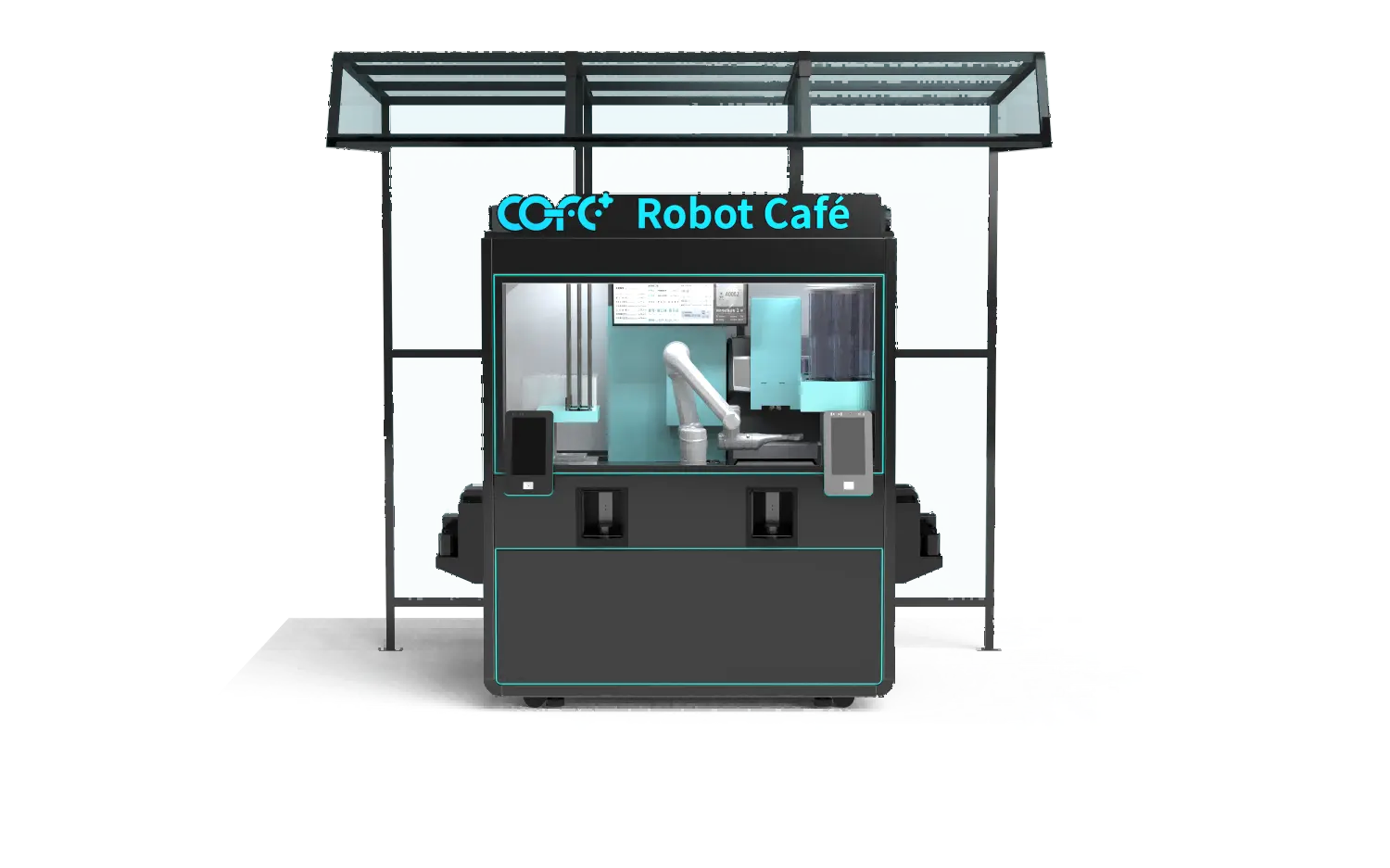
If your property has sharp peak traffic instead of steady all-day flow, it is worth confirming the kiosk’s power draw, water point, and waste handling before you fix the percentage tier. Send your site’s hourly foot traffic pattern to sales@hi-dolphin.com and we will model the likely cup volume band.
Under a revenue share, the operator carries the parts of the business that used to require a café manager. That starts with the machine itself. The COFE+ 7th generation kiosk is built for 24/7 service, with a 43 to 60 second drink cycle and the ability to run around 1,000 cups per day. The menu can hold more than 300 drinks and 197 country inspired recipes, which gives the landlord a broader offering than a manual coffee cart without any staffing requirement.
Delivery also includes cloud monitoring, automatic cleaning, and remote diagnostics. The operator can see ingredient levels, temperature status, and equipment faults from a dashboard, then dispatch a technician before a failure becomes an outage. That operational visibility is the practical asset a landlord buys into when they choose a revenue share rather than a vending machine lease.
Food safety matters in unattended retail. The indoor and outdoor kiosks are certified to FDA, CE, UKCA, KC, and SASO standards, and the cleaning process runs at 85 degrees Celsius or higher for sterilization. A landlord should expect the operator to share uptime data and cleaning logs in the same dashboard, not as a separate report that arrives late.
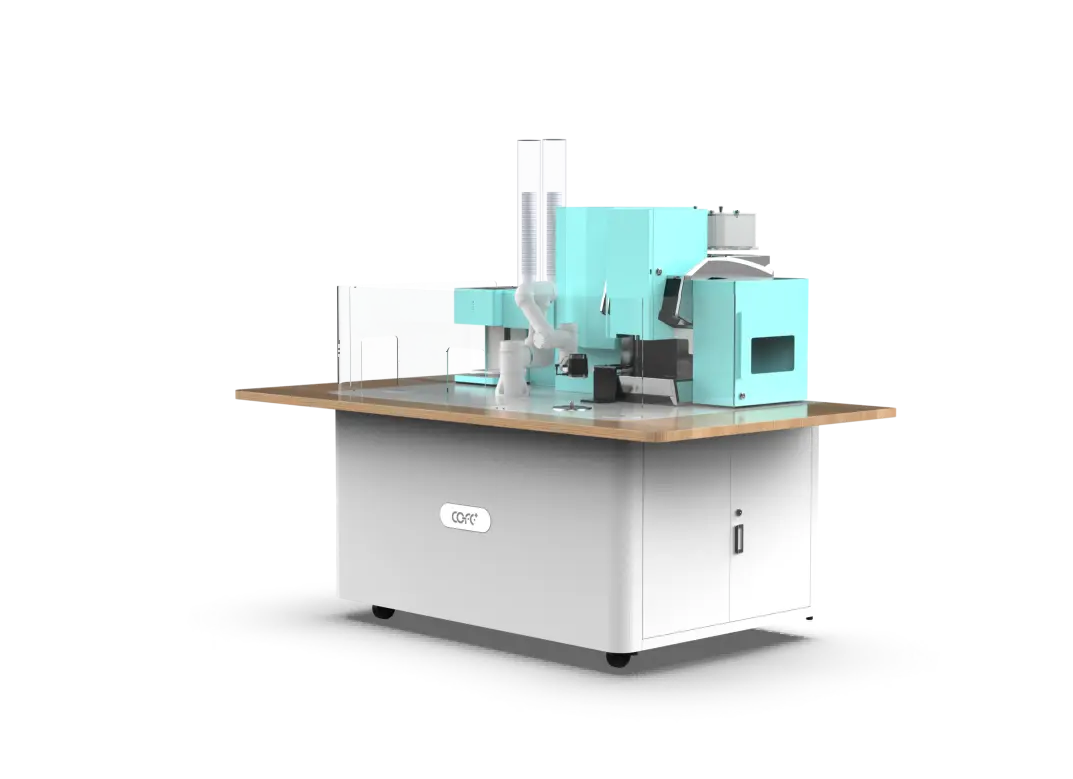
Start with a pilot before signing a long term agreement. The pilot should confirm three points in this order: real foot traffic converts to paid cups, the available power and water point can handle the kiosk, and the operator can hold uptime without daily involvement from the building team. If any of the three fails, the structure changes before either side sits through a five year contract.
Set a pilot window of 60 to 90 days. In that window, both parties look at the same dashboard metrics: cups per day, peak hour volume, ingredient stockout incidents, cleaning cycles, and downtime minutes. The landlord should not need to visit the machine to know how the pilot is performing. That single requirement separates a real operating model from a machine that happens to sit on the floor.
After the pilot, the revenue share band gets adjusted against actual data. A site that produces 180 cups per day earns a different structure than one that produces 420. The pilot gives both parties a factual basis for that conversation instead of a negotiation based on projections.
Before you fix a split, send your site address, daily foot traffic estimate, and available power and drainage details to sales@hi-dolphin.com. Include the square meters you can dedicate and whether the location runs 24 hours. Our systems team at Shanghai Hi Dolphin Robot Technology will confirm the right kiosk format and a revenue share band for your site. You can also call +86 131 6630 1290 for a first review.
It depends on whether the location can clear its variable costs. If the site cannot clear 100 cups a day, most robot coffee kiosk sites will struggle under any split. If the site can produce 150 to 200 cups per day, a structure with a lower monthly floor and a performance tier can still work. The key is to match the landlord’s base return to the site’s realistic volume, not to a downtown flagship target. Operators should also check power and water access before accepting a low traffic site, because hidden infrastructure costs can make a weak location worse.
Machine ownership typically stays with the operator. The operator also carries maintenance, spare parts, remote software, and the daily service obligations. The landlord licenses the location and receives the agreed revenue share. This split makes sense because the operator controls the equipment, while the landlord controls customer access. In outright purchase deals, the landlord buys the machine and takes more operating responsibility, which weakens some of the no staffing benefit that brought the landlord to the model in the first place.
Many landlords assume a fixed percentage will protect them, but a percentage of a low number is still a low number. A well structured agreement adds a monthly floor payment, so the landlord receives a base amount while the operator keeps the business running during a slow month. The floor is usually set below market rent and may carry a recovery period, where stronger months make up part of the shortfall. The alternative, no floor, puts all traffic risk on the landlord and creates pressure to move the machine after one bad quarter.
In site reviews I have run, an empty café space usually works, but it needs more than a machine drop. The team must confirm power, water, drainage, waste access, and clearance around the unit before finalizing a revenue share. Existing café plumbing often speeds up the timeline, but old drainage lines and grease traps can add cost. If you have a specific unused space, send the dimensions and a few photos to sales@hi-dolphin.com and we will confirm whether the space works for a kiosk without structural changes.
TL;DR — COFE+ is a fully automated robotic coffee kiosk that grinds fresh beans, brews espresso and lattes, creates latt……
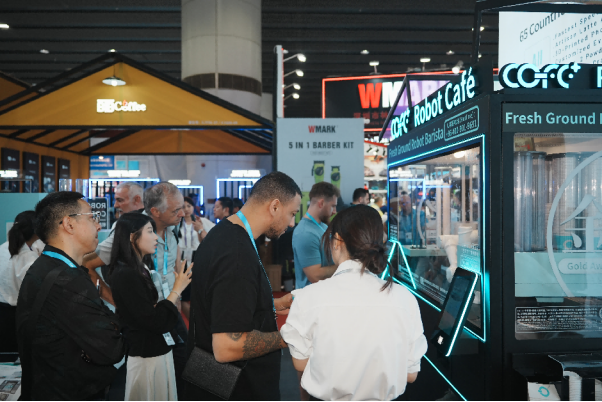
7th-Genertion Smart Robot Coffee Kiosk Arrives at the Belt and Road Core Hub, Ushering in a New Service Era Along t……
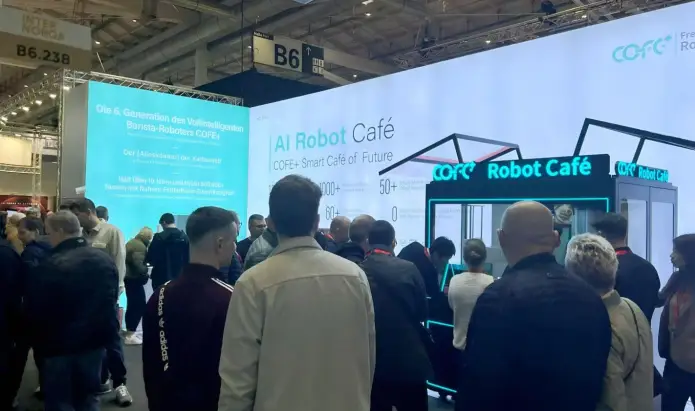
CHICAGO, May 12, 2026 (GLOBE NEWSWIRE) – Shanghai Hi-Dolphin Robot Technology today announced the U.S. debut of its 7th‑……