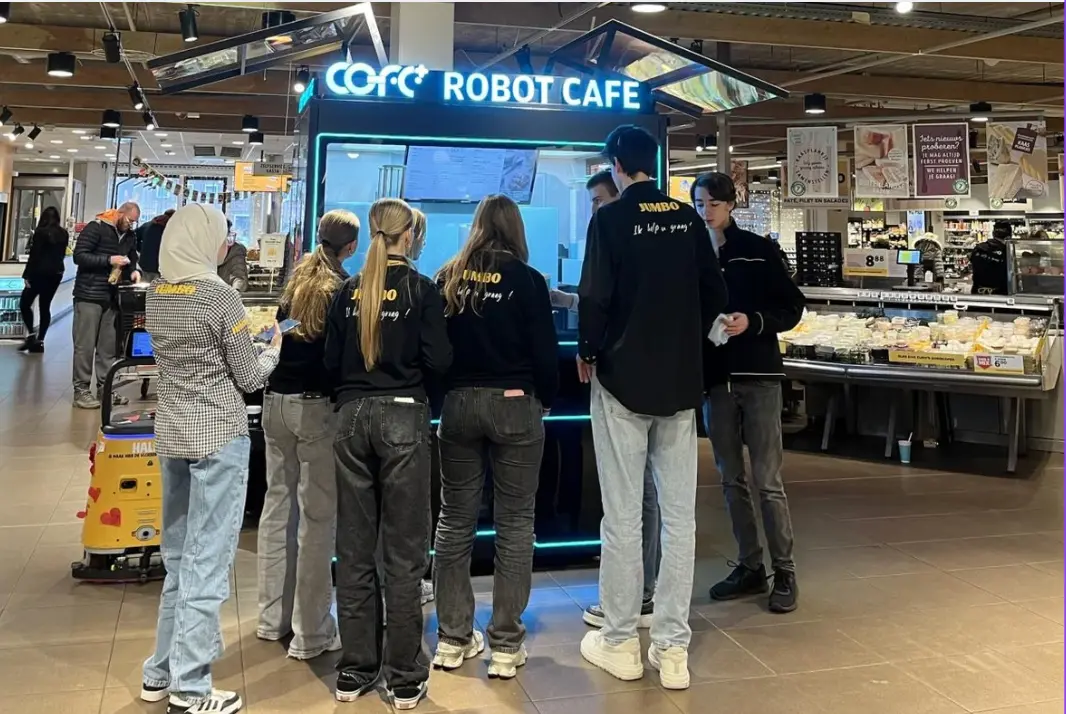
The Rise of Professional Robotic Café Technology: What COFE+ Is and Why It Matters
TL;DR — COFE+ is a fully automated robotic coffee kiosk that grinds fresh beans, brews espresso and lattes, creates latt……

A lobby corner that holds only a bench, or a retail bay left vacant between anchor tenants, produces nothing. A robot coffee kiosk changes that arithmetic because it turns a small footprint into a 24 hour retail point without adding barista payroll. I have seen property owners dismiss these machines as a novelty, then realize that a 2.35 square meter unit with a per cup cost of roughly $0.30 to $0.70 competes directly with a manned café that needs far more space and staff. For owners evaluating idle square meters, the practical question is not whether automation is interesting, but where the first unit fits.
The strongest placements are spaces that already have foot traffic but no service offer. Office lobbies, residential amenity floors, hotel reception areas, campus common rooms, transit waiting zones, and airport satellite lounges all qualify. Outdoor plazas and covered walkways can also work when the machine is specified for all weather use.
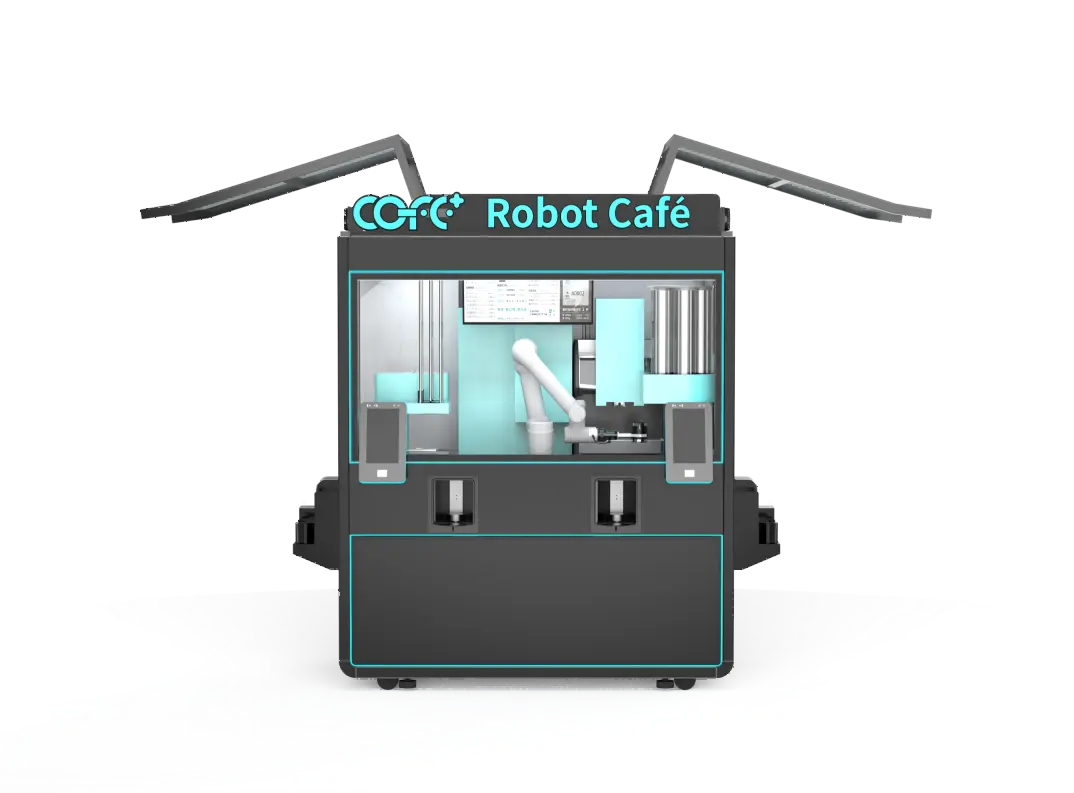
Two physical facts make the format useful. The indoor version occupies about 2.35 square meters, roughly 25 square feet, and its mobile design lets a property owner move it if a location underperforms. The outdoor version carries an IP54 rating and operates from minus 20°C to 45°C, which removes the temperature objection for open air sites. That said, not every empty footprint is a good site. A quiet back corridor with no line of sight to a destination will not perform like a visible corner near an elevator or entrance.
Revenue depends less on the machine than on the location. The unit can serve about 1,000 cups per day and produces a cup in 43 to 60 seconds, so the ceiling is set by demand, not staffing. For a property owner, the relevant comparison is not against a traditional café’s gross sales but against what the same square meters produce today, which is often zero.
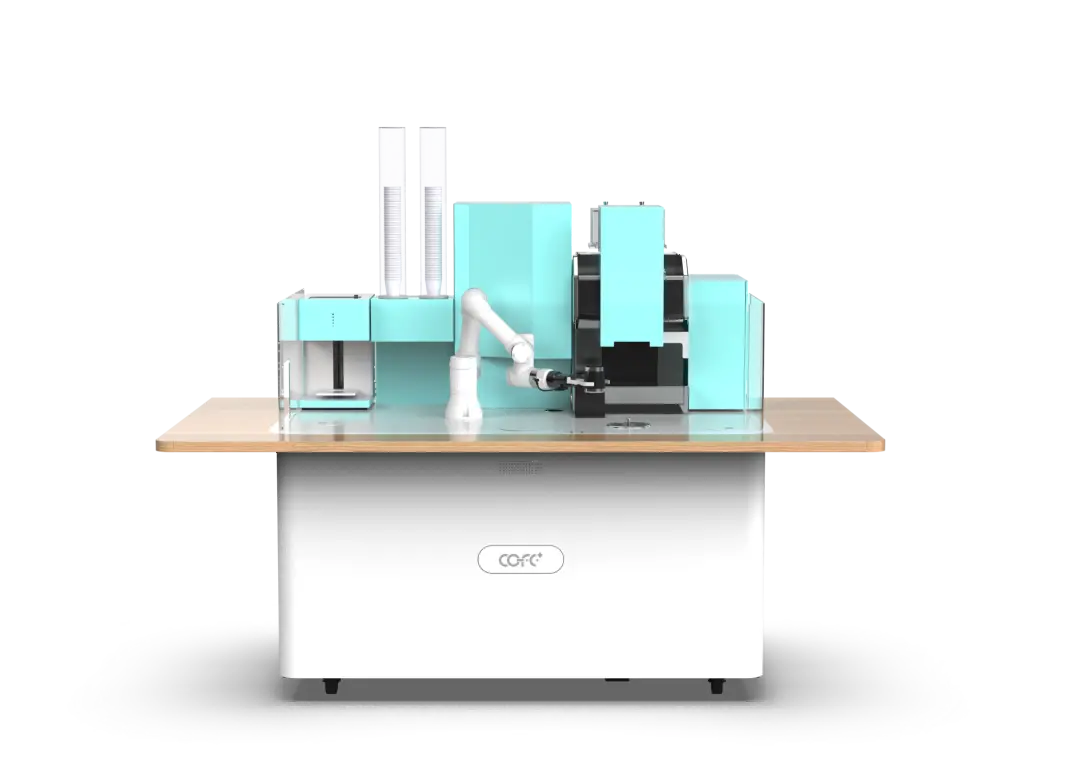
The four formats available give owners a range of participation models.
| Format | Footprint | Best Placement | Distinguishing Feature |
|---|---|---|---|
| Indoor Kiosk | 2.35 m² | Lobby, mall, office, campus | Mobile self-service unit with 300+ drink menu |
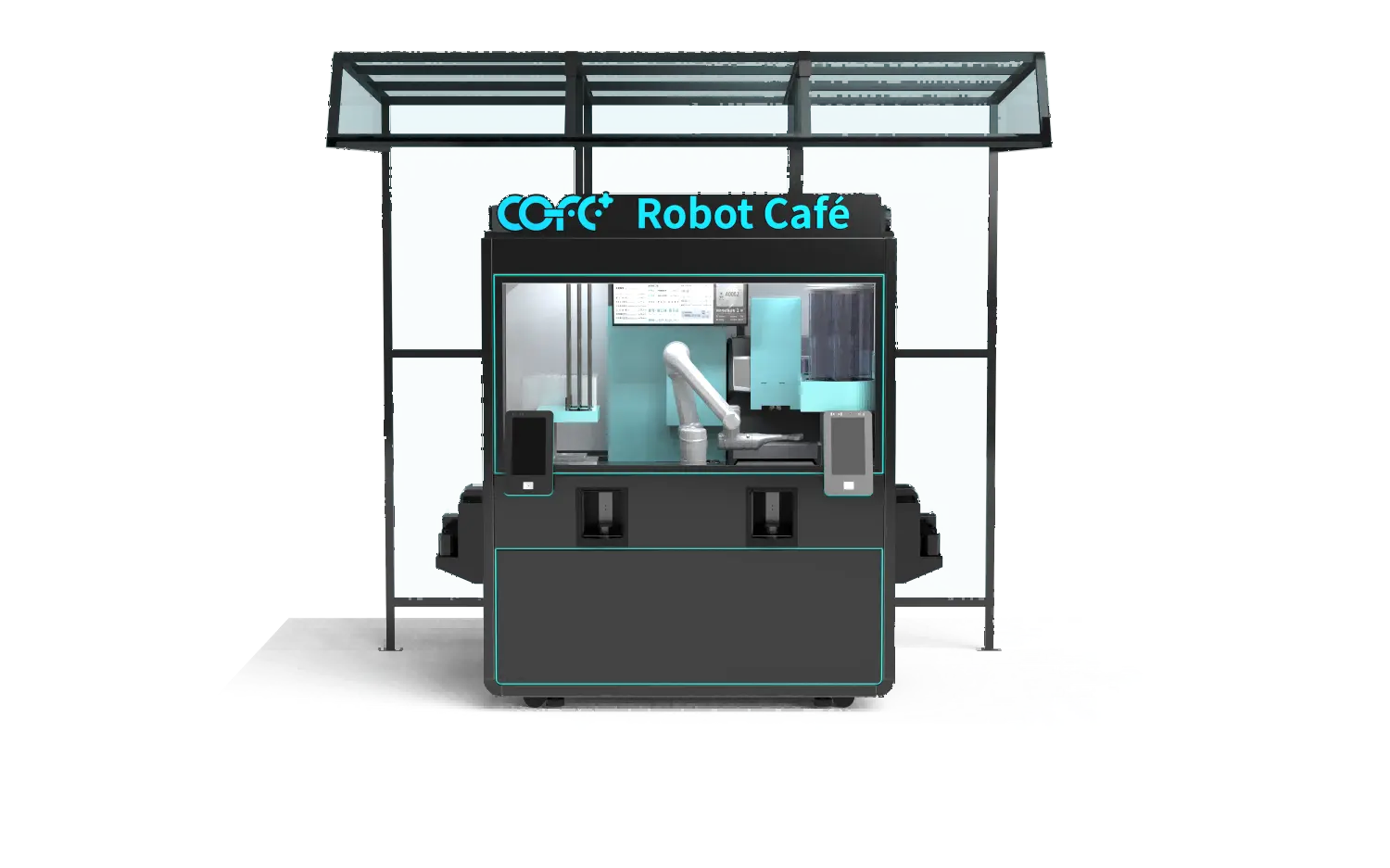
| Outdoor Kiosk | Compact outdoor unit | Plaza, park, stadium, rest area | IP54 all-weather rated for minus 20°C to 45°C |
| Robot Coffee Bar | About 2 m² folded | Hotel, airport, event venue | Expands into a four seat social coffee bar |
| Robot Coffee Counter | About 2 m² | VIP lounge, gallery, showroom | Built-in counter form for premium interiors |
If your space has an unusual utility or access layout, it is worth confirming the electrical load and water connection before you commit to a revenue share structure. Email your site plan to sales@hi-dolphin.com and we will check the configuration against the machine’s specifications.
The unit supports 110V and 220V systems, which covers most commercial properties. A stable internet connection matters because cloud monitoring tracks stock, temperature, and system status, and remote diagnostics allow service issues to be identified before a technician travels to the site.
Fresh water supply and drainage are the main fixed requirements. The machine includes a fully enclosed waste system, which prevents spills, odors, and pests, but the site still needs an accessible wastewater connection. Food contact safety is handled through an automatic high temperature sterilization process and an antimicrobial stainless steel interior.
The kiosk needs clearance around the service side for restocking and maintenance, plus a customer approach path that does not block emergency routes. Signage and lighting matter more than square meters once the basic utility points are in place.
The launch sequence is simpler than a traditional café because no barista, cashier, or renovation team is required. The steps follow the same logic as installing any service utility.
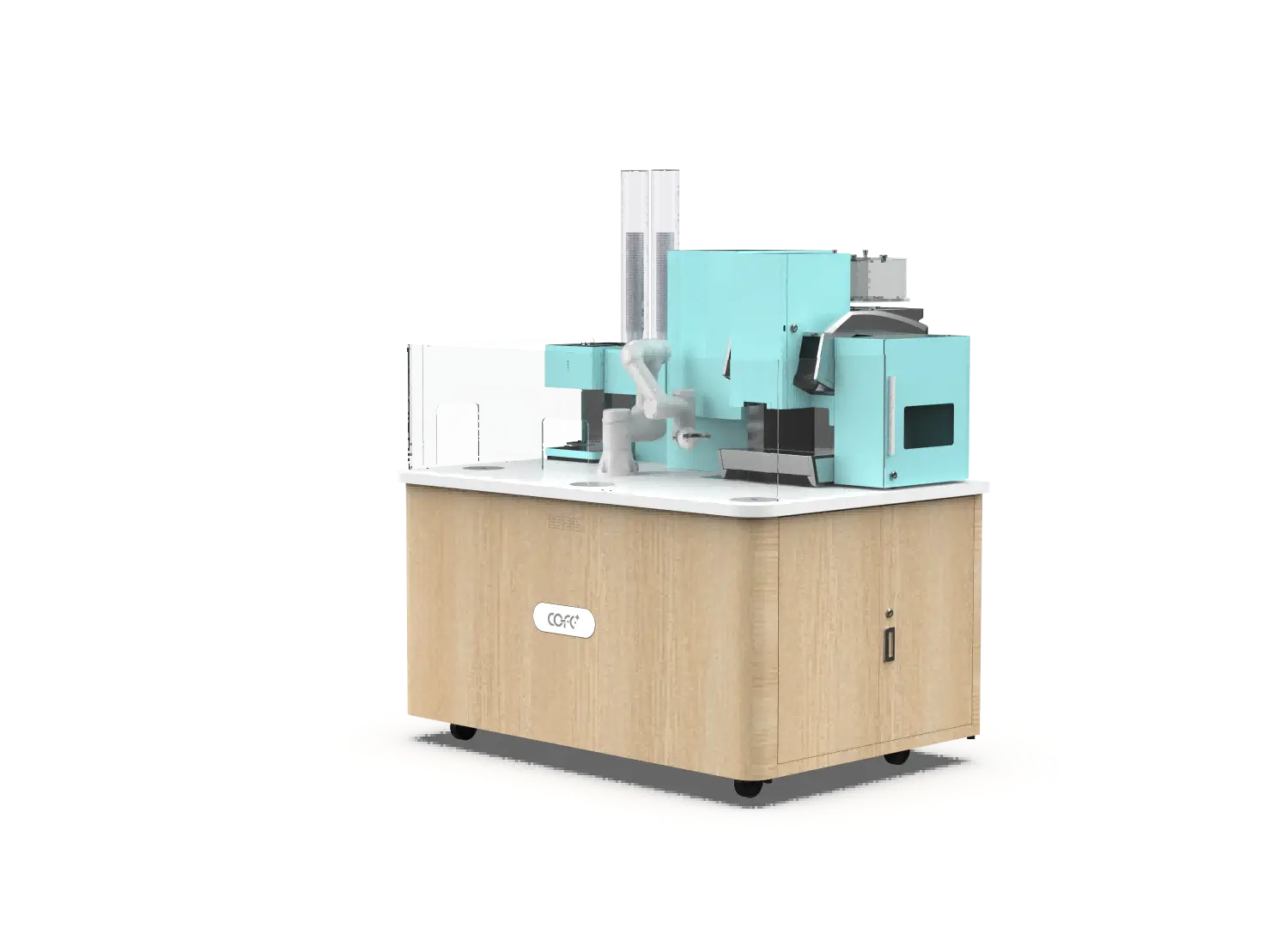
After installation, the machine handles payment, grinding, extraction, latte art, and serving. Restocking and cleaning follow a schedule rather than a shift roster, and the remote monitoring system sends alerts when ingredients or maintenance are needed. For a property owner, the operational burden sits closer to a vending program than a food service lease.
Idle square footage stays empty while tenants hesitate and cafés avoid locations that cannot justify full staffing. A robot coffee kiosk removes the two objections that keep those spaces dark because the footprint is small and the labor requirement is eliminated. The result is a service point that can run all day in a corner that currently generates no income.
If you have a specific floor plan or site in mind, send the dimensions, power access, and expected daily foot traffic to sales@hi-dolphin.com and we will confirm which Hi-Dolphin configuration fits and what the projected payback looks like. You can also call +86 131 6630 1290 to discuss a site before committing to any lease or revenue share structure.
A 2.35 square meter footprint is usually enough, but the service clearance matters more than the machine itself. The site should allow a technician to access the rear or side panels for restocking and maintenance without moving the unit. Add a customer waiting zone large enough to avoid blocking circulation paths, and most lobby corners or underused retail bays become workable. The compact footprint is less of a constraint than the availability of power and drainage.
Many property owners assume a robot coffee kiosk is only suitable for climate controlled lobbies. The outdoor version is designed for all weather operation from minus 20°C to 45°C, with an IP54 dust and water resistance rating and an enclosed waste system. It has been built for open public spaces such as plazas, stadiums, and rest areas. The main site consideration is drainage and protection from direct flooding, not seasonal temperature variation.
It depends on the remote monitoring setup and the refill schedule. The machine tracks ingredient levels and sends alerts before stock reaches zero, so a restocking visit can be scheduled without interrupting sales. High volume sites need daily or every other day service, while lower traffic locations may run several days between refills. The key is assigning a local service partner who can respond without a long travel time.
In the installations I have evaluated, the most practical setup is a local service partner plus remote diagnostics. The kiosk monitors its own system status and can trigger a service dispatch without waiting for a customer complaint. Routine cleanliness is automated to a large degree, while consumables and periodic mechanical checks are handled on a defined schedule. If your site has a specific utility layout or traffic pattern, share your drawings and we will confirm whether a robot coffee kiosk fits without modification.
TL;DR — COFE+ is a fully automated robotic coffee kiosk that grinds fresh beans, brews espresso and lattes, creates latt……
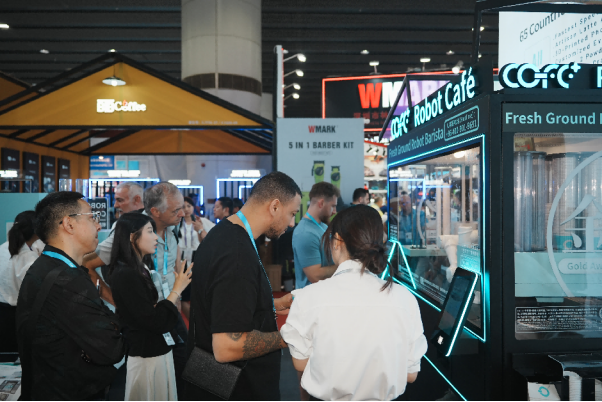
7th-Genertion Smart Robot Coffee Kiosk Arrives at the Belt and Road Core Hub, Ushering in a New Service Era Along t……
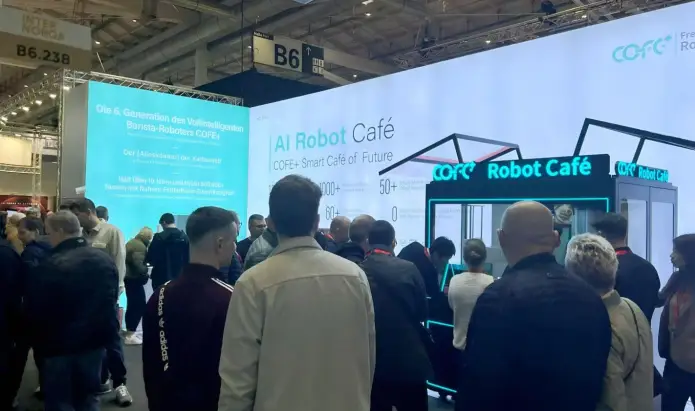
CHICAGO, May 12, 2026 (GLOBE NEWSWIRE) – Shanghai Hi-Dolphin Robot Technology today announced the U.S. debut of its 7th‑……