The Rise of Professional Robotic Café Technology: What COFE+ Is and Why It Matters
TL;DR — COFE+ is a fully automated robotic coffee kiosk that grinds fresh beans, brews espresso and lattes, creates latt……

Robot coffee kiosks for libraries solve a basic conflict that full-service cafés cannot. A library needs continuous beverage access without the noise, staffing, and layout disruption of a traditional counter, especially after hours and during exam weeks. The better answer is a compact, unattended coffee kiosk placed near the entrance or break area, not a staffed café inside the reading space. Quiet operation, 24/7 availability, and predictable restocking decisions matter more than barista theatrics. Planners should evaluate placement, power, water, drainage, and local maintenance before signing a site agreement, because those details determine whether the service stays reliable.
Libraries are one of the few public spaces where acoustic behavior changes the entire experience. A coffee counter can succeed in a mall or transit hub because movement and conversation already dominate. In a library, the same machine must operate next to study tables and quiet reading rooms, where a loud grinder or a clattering cup dispenser would draw complaints within a day.
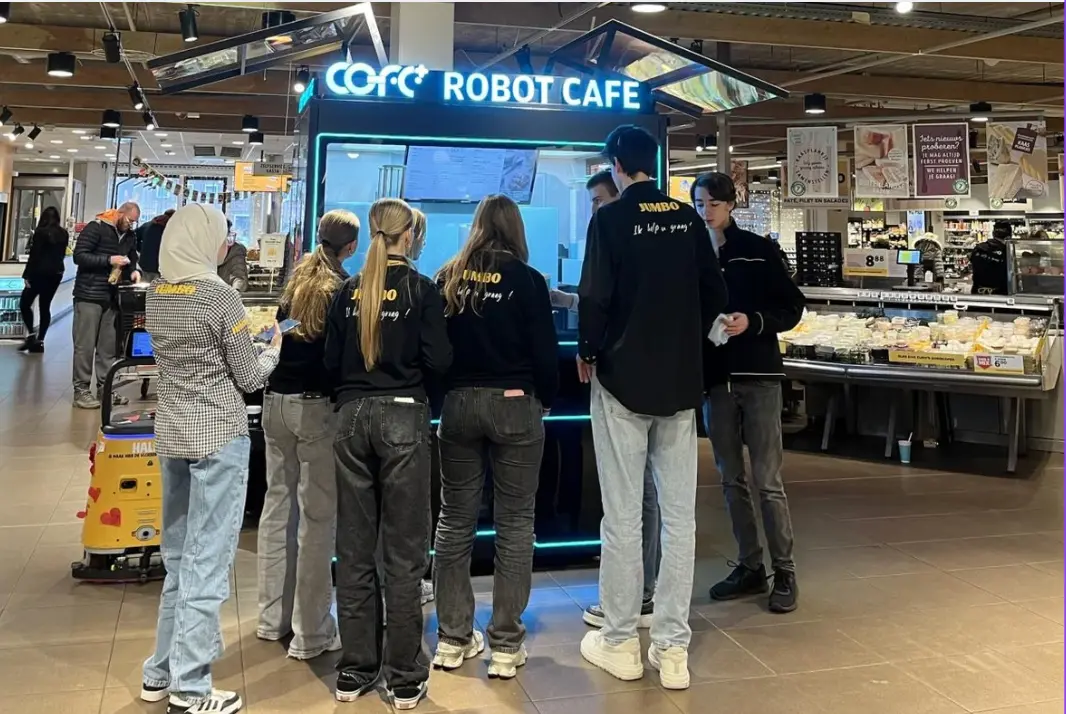
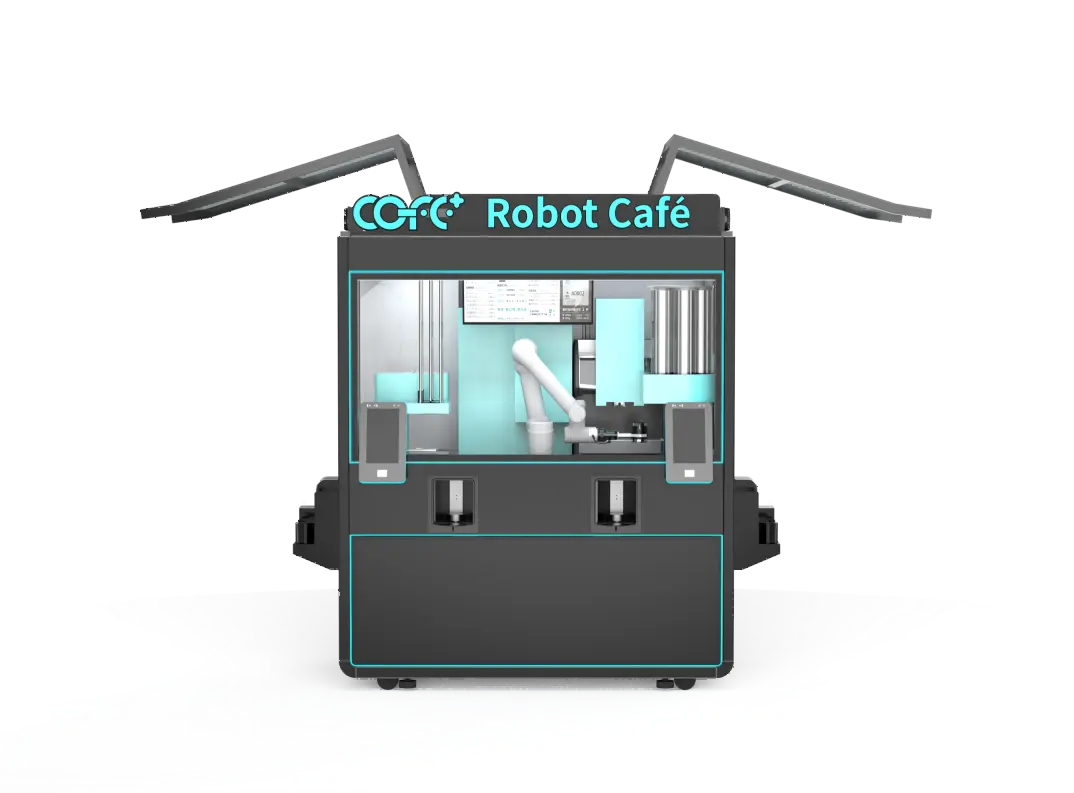
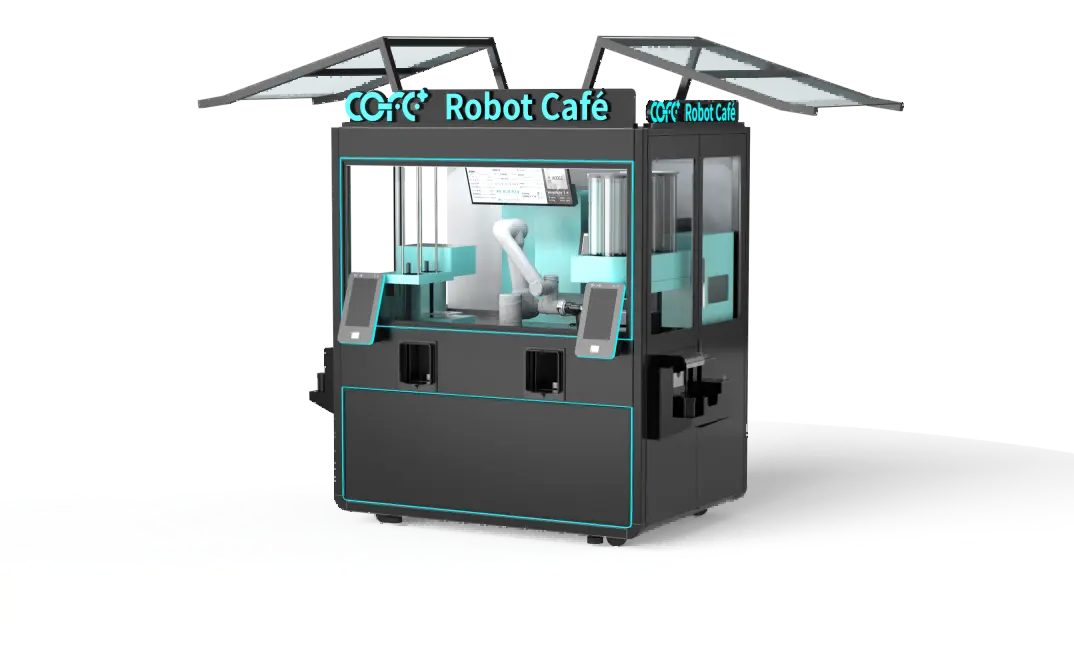
A robot coffee kiosk fits because it is designed for unattended operation inside a compact footprint. The COFE+ 7th Generation indoor kiosk occupies about 2.35 square meters and runs without a barista, cashier, or shift schedule. That removes the staffing cost and the labor coordination problem. More important for libraries, it removes the loud service interaction that a staffed counter creates. Ordering happens through a touchscreen, the machine grinds and pours inside an enclosed cabinet, and the pickup point stays clear.
In my work on unattended retail systems, I have found that libraries ask about acoustic impact before they ask about price. That is the right sequence, because a kiosk that cannot hold a low sound profile during extraction and cup dispensing will generate complaints within days even when the coffee is good.
Placement matters more than equipment choice in a library. The kiosk should sit near an entrance, a break area, or a main circulation hall, not inside a designated silent reading room. This keeps sound contained and makes restocking easier for staff.
An indoor unit works best against a wall or in a corner with enough front clearance for a short queue. Avoid narrow corridors where one waiting patron blocks through traffic. Avoid placing the kiosk behind a security gate where staff must escort visitors. The ideal location has visible signage, moderate foot traffic, and power and water access within a practical run.
The difference between a good library placement and a poor one often shows up during exam season. Demand spikes in the evening and late night, when cafeteria service has already closed. A kiosk near the reading area can absorb that spike without sending patrons outside the building. A kiosk buried in a basement or staff-only zone cannot.
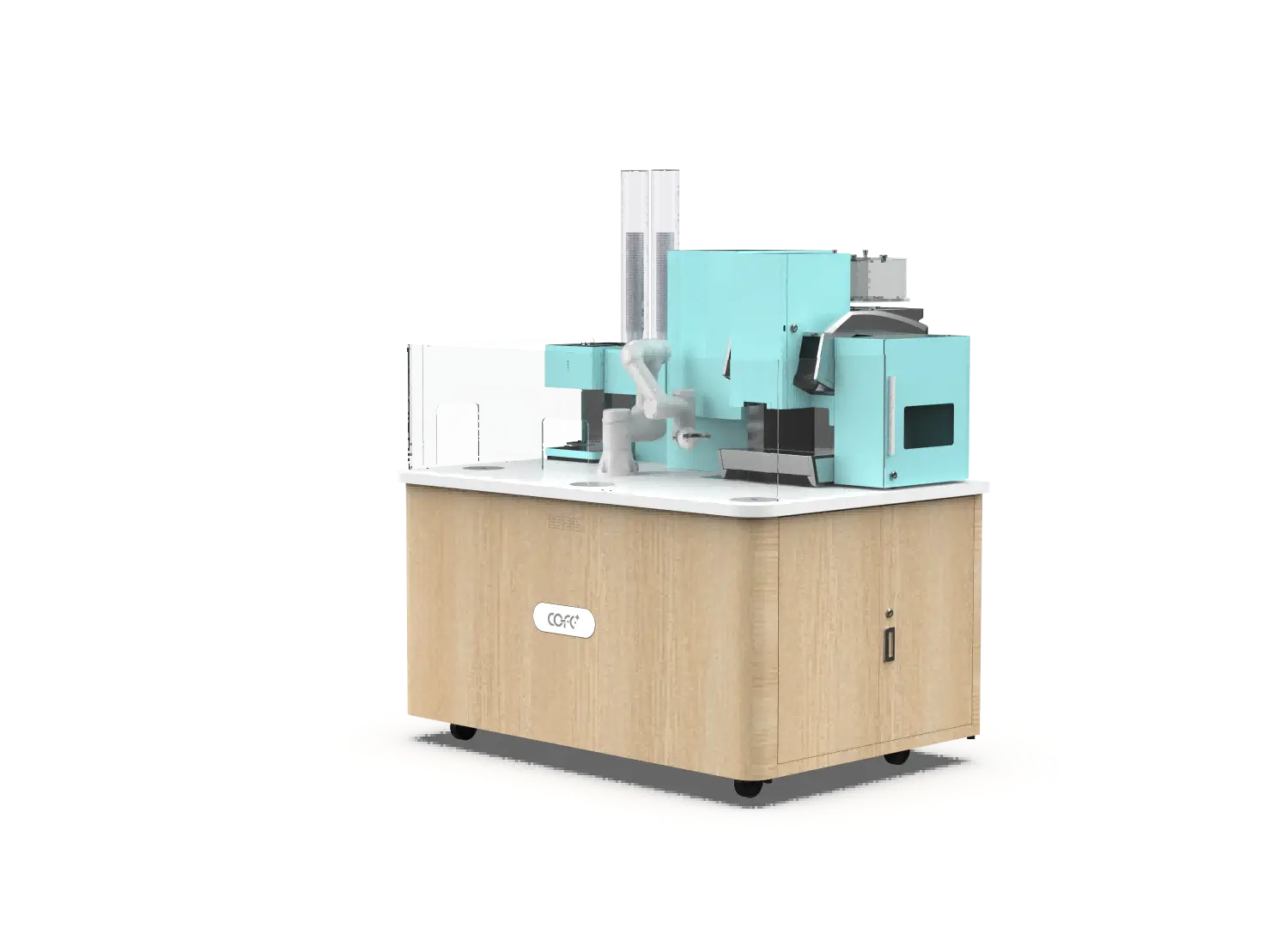
The COFE+ indoor kiosk reduces noise at the source. It uses an enclosed grinding and extraction path, and the brewing system follows digitized barista-level recipes. This means the machine repeats the same shot parameters cup after cup without human variation. The output is about one cup in 43 to 60 seconds and roughly 1,000 cups per day at full duty.
Consistency is not only about taste. The kiosk handles bean grinding, extraction, milk texturing, and cup dispensing within a closed cabinet. Automatic cleaning and cloud-based remote diagnostics run between service cycles. If a component drifts outside tolerance, the system flags the issue before a customer sees an error screen. For a library, that reduces the worst case: a broken machine sitting in the lobby with no one on site to explain the fault.
This is the point where a library should confirm the acoustic and electrical profile before committing to a specific spot. If your project involves a strict decibel limit or shared utility panels, confirm the actual sound output and electrical load for your chosen model. You can reach sales@hi-dolphin.com with your floor plan and operating hours, and we will check the fit.
Libraries often have stricter utility rules than retail sites, so the installation check should happen before lease or site agreement.
The unit requires a stable power supply. Indoor COFE+ systems work with 110V and 220V power configurations, and the exact circuit load should be confirmed against the library panel. Water supply and drainage are the next constraint. The kiosk handles fresh water intake and wastewater disposal through a closed system, but the site still needs service lines within a reasonable distance. Internet access is required for remote monitoring, payment processing, and stock alerts, so a wired or stable wireless connection must reach the unit.
A library also needs a restocking route. Beans, milk, syrups, and cups have to move from a loading area to the kiosk without crossing silent study zones during peak hours. Staff or a service technician should be able to reach the unit with a small cart.
Testing and certification matter in public institutions. The indoor kiosk carries FDA, CE, UKCA, KC, and SASO references in its specification sheet, which simplifies compliance discussions with facilities and procurement teams.
A library has two realistic options from the COFE+ range. The 7th Generation indoor kiosk works as a freestanding amenity near an entrance or lobby. The 7th Generation robot coffee counter takes up less space and integrates into an existing counter or lounge. Both run the same menu logic and unattended service model.
| Consideration | Indoor Kiosk | Robot Coffee Counter |
|---|---|---|
| Footprint | About 2.35 square meters | About 2 square meters |
| Placement | Freestanding, entrance or lobby | Built into existing counter or reception |
| Menu capacity | 300+ drinks, 197 recipes, 5,000+ combinations | 300+ drinks, same recipe range |
| Output | 43 to 60 seconds per cup, about 1,000 cups per day | Same core output |
| Visual feature | 3D printed latte art and robotic foam art | 3D printed latte art and robotic foam art |
For most libraries, the indoor kiosk is the stronger starting point. It lands as a visible, recognizable amenity and does not require the library to modify an existing counter. The coffee counter makes sense when a library already has a staffed café or a reception desk with a defined service area.
The move from plan to first cup follows a short sequence: measure the site, confirm power, water, and drainage, select the kiosk or counter format, then set menu permissions and remote alerts. Because the kiosk operates 24/7 and uses cloud monitoring, the launch does not depend on recruiting baristas or building a café.
Libraries often delay coffee service because they assume an unattended kiosk requires the same plumbing, staffing, and acoustic treatment as a café. The more direct path is to treat the kiosk as a modular amenity: confirm power and water at one chosen location, place the unit, and let cloud monitoring handle stock and maintenance alerts. COFE+ 7th Generation systems operate unattended across a 10-year design life and have been tested for more than 500,000 cups. Share your floor plan, operating hours, and utility access with us at sales@hi-dolphin.com or +86 131 6630 1290, and we will confirm the quietest model and placement before you commit to a site.
A freestanding indoor kiosk needs about 2.35 square meters, plus clearance in front for a short queue and side access for refills. The robot coffee counter is smaller at roughly 2 square meters and works as a built-in service point. Neither format requires a separate back room, but the site needs a restocking route through the building. Libraries with tight historic floor plans should confirm turning radius and cart access before choosing a location.
The assumption that a coffee robot is noisy comes from older vending equipment with loud compressors and cup drops. A current indoor kiosk encloses grinding, extraction, and cup dispensing inside a sealed cabinet, so the sound level is much lower and typically acceptable near a lobby or break area. A silent reading room remains the wrong spot, but placement near an entrance works. Libraries can request a sound profile for the specific model before site approval.
The staffing model depends on whether the library closes at night. A 24/7 site needs a local technician or trained staff member on call, while a daytime-only library can schedule refills during regular operations. The kiosk uses automatic cleaning and cloud monitoring to send stock alerts before an ingredient runs out. That narrows the labor to check and fill, rather than operate. Most sites schedule preventive service in off-peak windows so sales hours remain intact.
In unattended retail deployments I have worked on, ingredient variety matters less than menu stability. The COFE+ system carries over 300 drinks, 197 country recipes, and 5,000 combinations, including plant-based milk options, iced drinks, matcha, and chocolate. A library can start with a conservative core menu and activate seasonal or local flavors after the first month. That approach keeps inventory simple while still giving patrons enough choice to return. If your library is comparing kiosk and counter formats, share your floor plan and hours with sales@hi-dolphin.com, and we will confirm the quieter fit.
TL;DR — COFE+ is a fully automated robotic coffee kiosk that grinds fresh beans, brews espresso and lattes, creates latt……
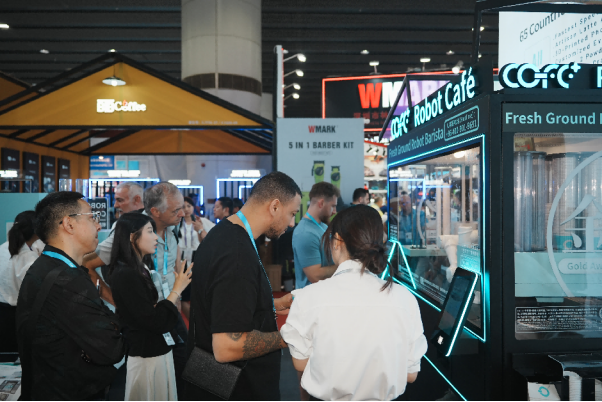
7th-Genertion Smart Robot Coffee Kiosk Arrives at the Belt and Road Core Hub, Ushering in a New Service Era Along t……
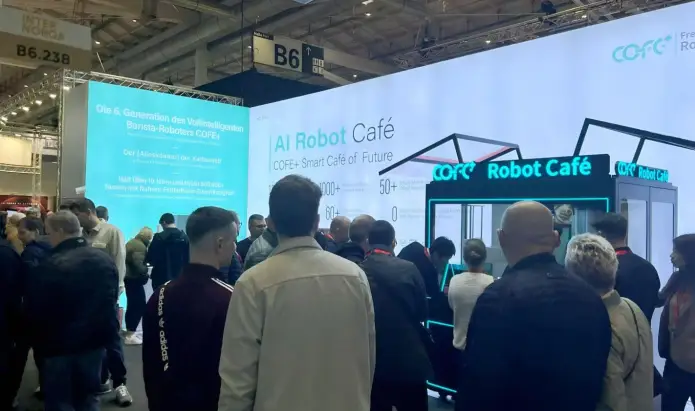
CHICAGO, May 12, 2026 (GLOBE NEWSWIRE) – Shanghai Hi-Dolphin Robot Technology today announced the U.S. debut of its 7th‑……