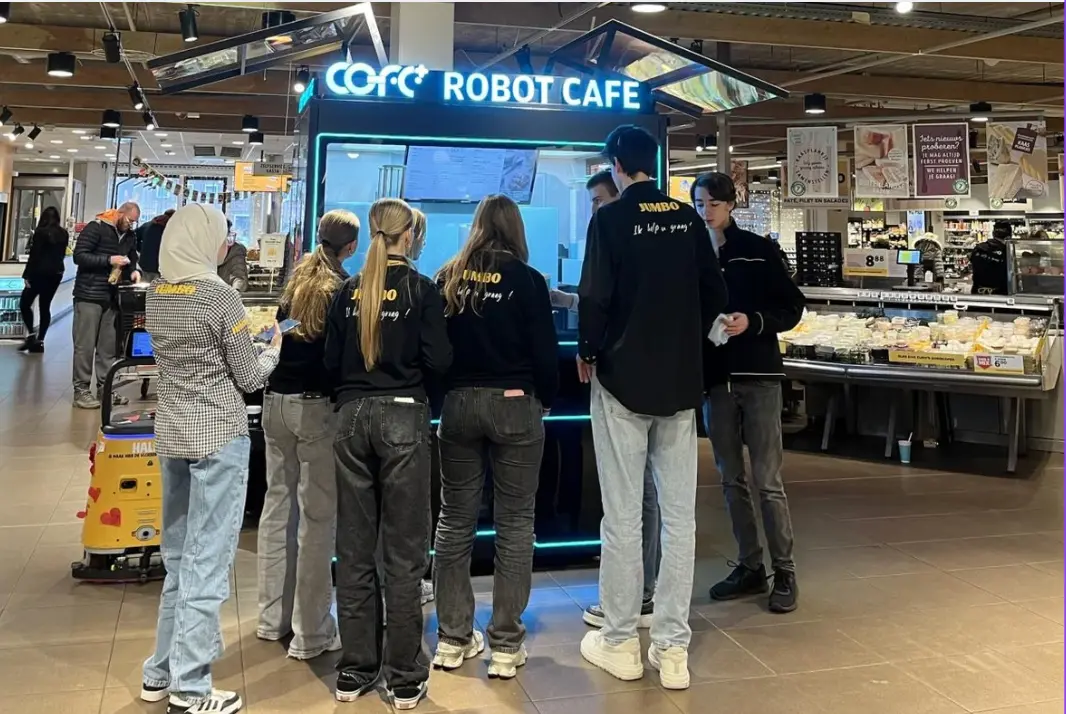
The Rise of Professional Robotic Café Technology: What COFE+ Is and Why It Matters
TL;DR — COFE+ is a fully automated robotic coffee kiosk that grinds fresh beans, brews espresso and lattes, creates latt……

Most robot coffee kiosk comparisons stop at the purchase price and miss the decision that determines whether the asset pays for itself. The real question is which structure survives a site that underperforms, a season that drops, or a lease renewal that fails. Robot coffee kiosk leasing vs buying is not about which option is cheaper on paper; it is about who carries the technology risk and how fast you can move. I recommend a simple rule: lease first for unproven sites, buy only after a location has posted stable demand through two full seasons. That position, not the financing rate, should anchor the rest of the analysis.
A robot coffee kiosk lease replaces the upfront purchase with a monthly or quarterly obligation covering the hardware, cloud platform license, and part of the service bundle. That structure preserves working capital for site preparation, permits, and initial beans, milk, and cups. On a COFE+ 7th Generation unit, operating cost per cup runs about $0.30 to $0.70, so the lease can be sized against expected cup volume rather than the full machine price. The tradeoff is that no ownership equity builds, and the lease term usually locks in a minimum period even if a site underperforms. Operators should confirm before signing whether a lease covers relocation without penalty and whether software updates and remote diagnostics stay included.
Most standard leases include hardware maintenance, remote diagnostics, and scheduled preventive service. Consumables are separate. Confirm whether the lease includes the cloud platform and menu updates, not just the physical machine, before comparing offers.
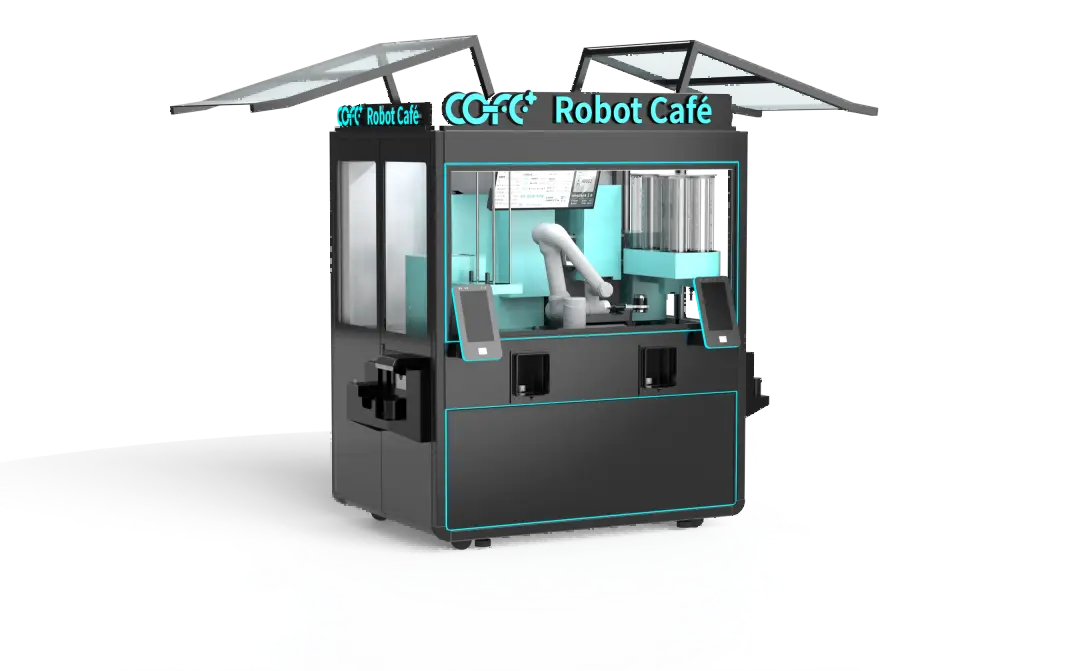
Buying turns a variable operating expense into a fixed capital asset. When throughput is predictable, the payback case is strong: an indoor 7th Generation kiosk produces a cup in 43 to 60 seconds and can serve around 1,000 cups a day, returning the investment in roughly 6 to 12 months for sites with proven foot traffic. After the machine is paid down, the remaining costs are ingredients, maintenance, and the space, so margins improve sharply. The risk runs the other way. If a site loses traffic or a landlord changes terms, the operator still owns the machine and must store it, sell it, or pay to move it. That exit cost rarely appears in a purchase forecast. For operators running sites in several countries, FDA, CE, UKCA, KC, and SASO certification coverage also removes a hidden compliance cost.
The largest hidden cost is exit. A purchased machine can be relocated, but logistics, reinstallation, and calibration are the owner’s responsibility. Buyers should budget those costs before celebrating a short payback period.
| Decision factor | Leasing | Buying |
|---|---|---|
| Upfront capital | Lower; monthly or quarterly commitment | Higher; full machine cost |
| Ownership at end of term | Return, upgrade, or extend | You keep the asset |
| Technology refresh | Often negotiated at renewal | Your capital decision |
| Site relocation | Check for transfer terms | You pay and manage the move |
| Cash flow per cup | Same machine economics plus financing | Lower after payback |
| Balance sheet treatment | Operating expense | Fixed asset with depreciation |
In practice, the robot coffee kiosk leasing vs buying choice comes down to this risk split, not the monthly payment. Leasing transfers obsolescence risk to the financing provider if renewals include next-generation equipment. Buying transfers that risk to the operator. The bigger gap is speed of response. A leased machine is easier to reposition while a site is still unproven. A purchased machine rewards operators who hold stable, long-term locations and do not want a financing charge on every cup.
If your traffic pattern is uneven by season or daypart, do not commit to a purchase before you have two full demand cycles on record. The financing decision should follow site data. Send your expected monthly cup volume and location type to sales@hi-dolphin.com and we can compare lease and purchase payback for your first three sites.
Robot coffee kiosk leasing vs buying changes break-even timing in ways a sticker price comparison misses. If a cup sells for $3.00 and the machine cost per cup averages $0.50 before financing, the gross contribution is $2.50. Leasing adds a fixed monthly obligation that becomes easier to cover as volume rises. Buying removes that obligation after the loan closes. The crossover depends on how long the location can hold its traffic. I have evaluated ledgers from multi-site operators and found that purchase models outperform leasing only when each site clears at least two full seasons of stable cup volume. Below that, the flexibility of a lease nearly always outweighs the equity advantage.
Start with the same cup volume and sell price for both structures, then compare the total three-year cash outlay and the exit options. A slightly higher monthly lease can still win if it includes relocation or an upgrade at renewal.
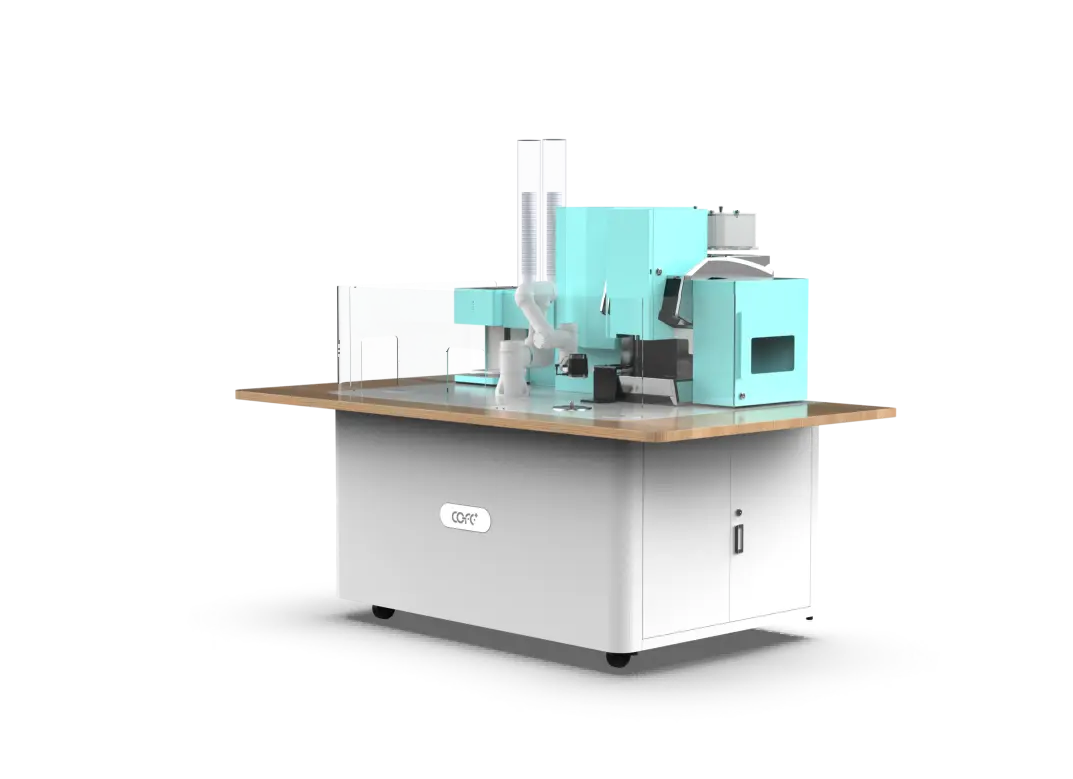
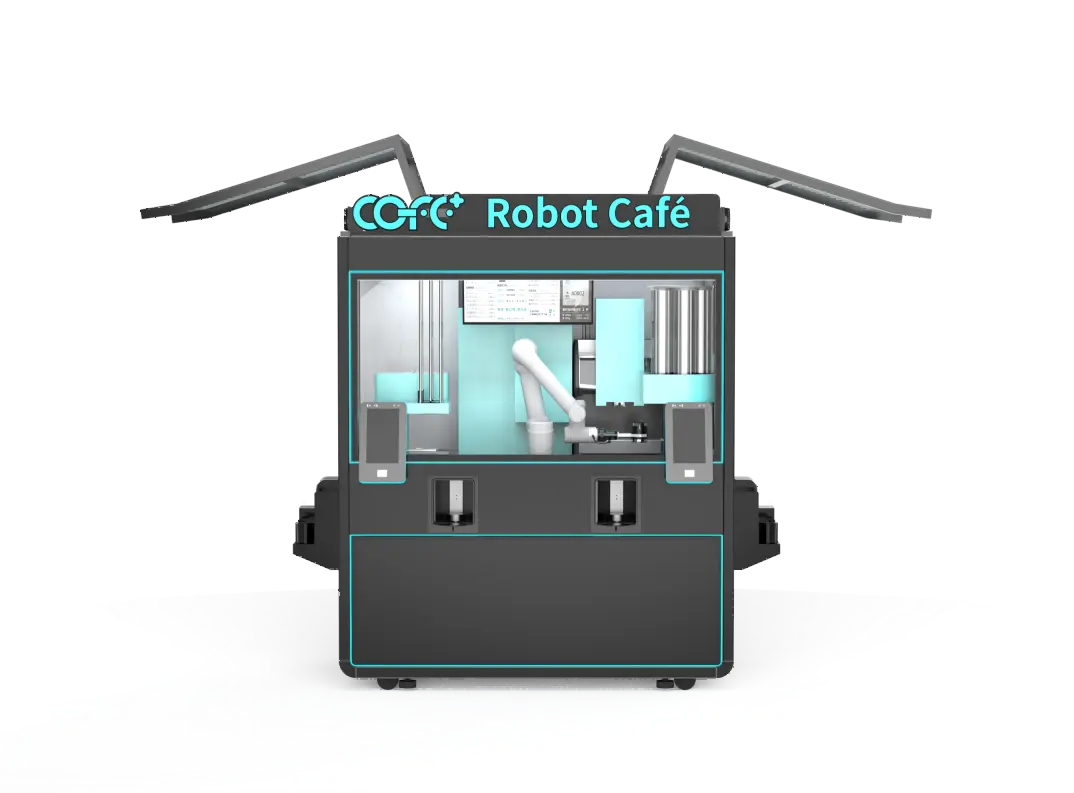
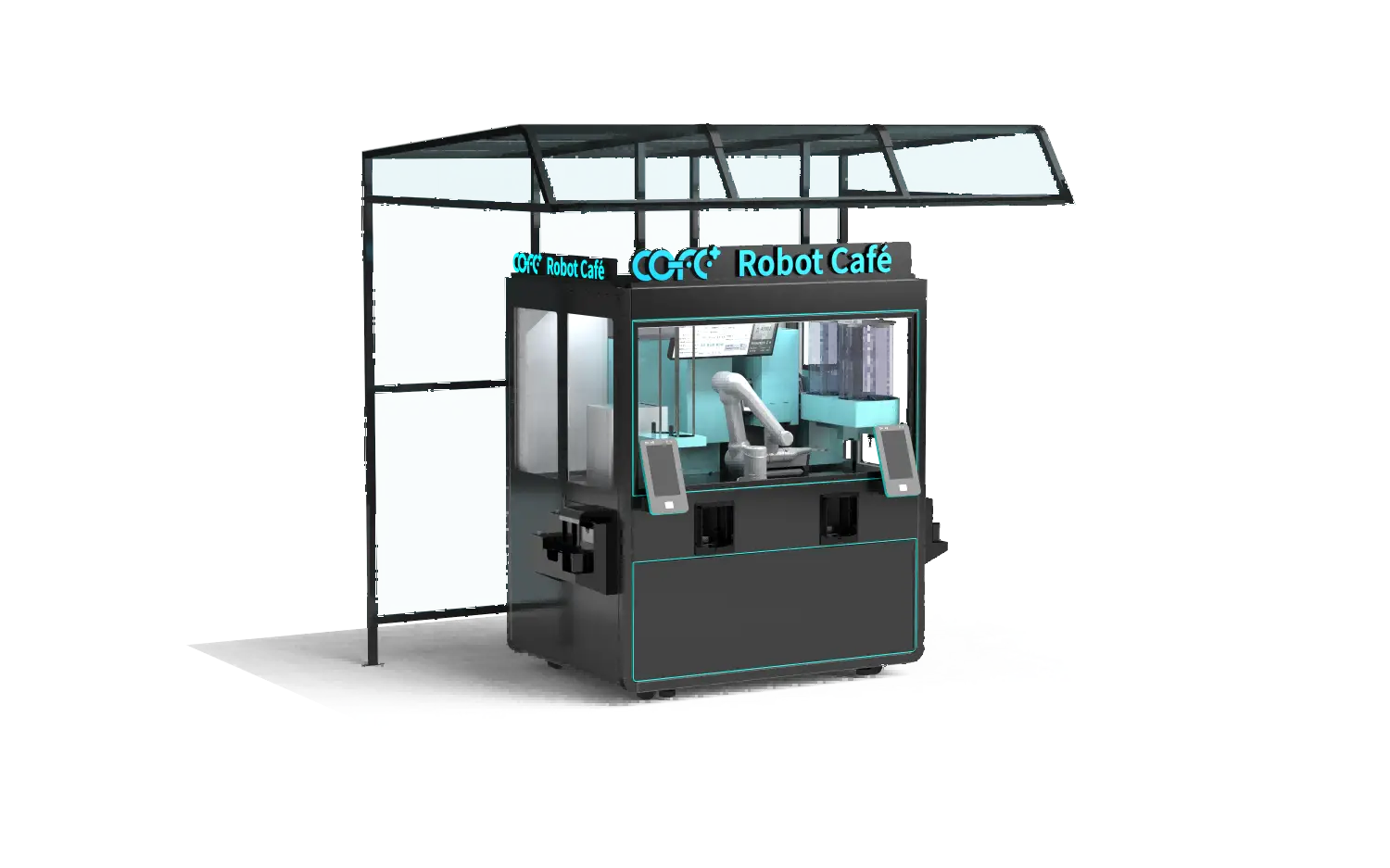
For unproven sites, lease first. The robot coffee kiosk indoor unit has a 2.35 m² footprint, which makes relocation practical when a location underperforms. For fixed outdoor placements, a robot coffee kiosk outdoor unit rated for -20°C to 45°C and IP54 protection makes buying more defensible because the hardware is built for the site, not for trial. A mixed first three-site plan often works best: lease two unproven locations, buy one high-confidence location, then convert leases after the data clears seasonal risk.
Few operators regret starting with a lease on a new location. The expensive mistake is buying equipment for a site that has not been validated, then paying to move or store it when the landlord changes the deal. If you are choosing between leasing and buying a robot coffee kiosk, send your site list, expected daily cups, and target payback to sales@hi-dolphin.com or call +86 131 6630 1290 and we will model the structure against your actual operating assumptions.
No. Leasing is safer when a location has not produced stable demand through two full seasons. If you buy too early, you carry the equipment even if a landlord reduces access, traffic falls, or a nearby competitor opens. A lease preserves working capital and usually offers an upgrade path when the term ends. The exception is a site with proven throughput and a long lease, where owning removes financing cost from every future cup.
Buying makes sense when two conditions hold: the location has delivered predictable daily cup volume for at least two consecutive seasons, and the operator controls the lease or license long enough to recover the purchase. In busy transit hubs, stadiums, or university campuses with fixed contracts, ownership usually wins because payback is short and the asset keeps producing after break-even. If either condition is missing, lease first.
Most people assume the machine simply returns at the end of a lease, but the renewal, upgrade, and purchase options matter more than the return itself. Standard agreements let you extend the lease, return the equipment, or buy it at a residual value. Before signing, confirm whether the residual value is fixed or calculated at term, and whether service and software updates continue through the transition. These terms determine whether a lease is a trial period or an expensive rental.
In the programs I work on, that is exactly the default sequence. Start with a lease to validate demand, then buy once the site clears the seasonal risk. This approach reduces the cost of a wrong location decision and speeds up correction because you are not trying to sell or store a machine while negotiating the next site. If you are planning a pilot, share your site profile and expected cup volume with sales@hi-dolphin.com and we can confirm which lease structure keeps the pilot capital efficient.
TL;DR — COFE+ is a fully automated robotic coffee kiosk that grinds fresh beans, brews espresso and lattes, creates latt……
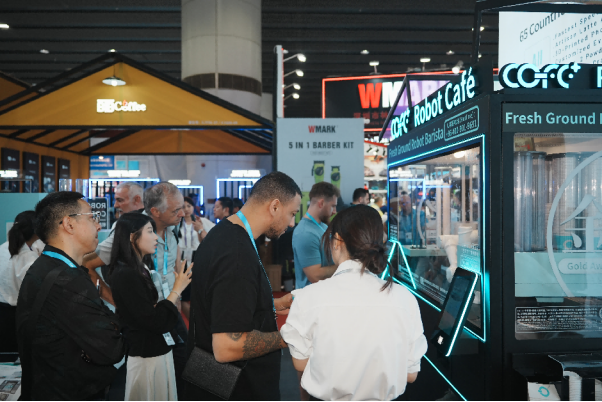
7th-Genertion Smart Robot Coffee Kiosk Arrives at the Belt and Road Core Hub, Ushering in a New Service Era Along t……
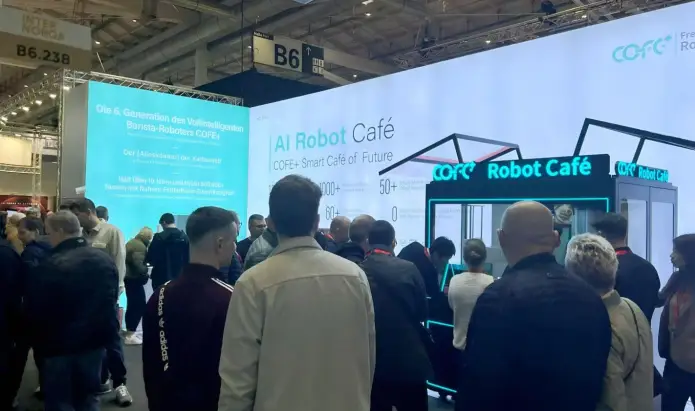
CHICAGO, May 12, 2026 (GLOBE NEWSWIRE) – Shanghai Hi-Dolphin Robot Technology today announced the U.S. debut of its 7th‑……