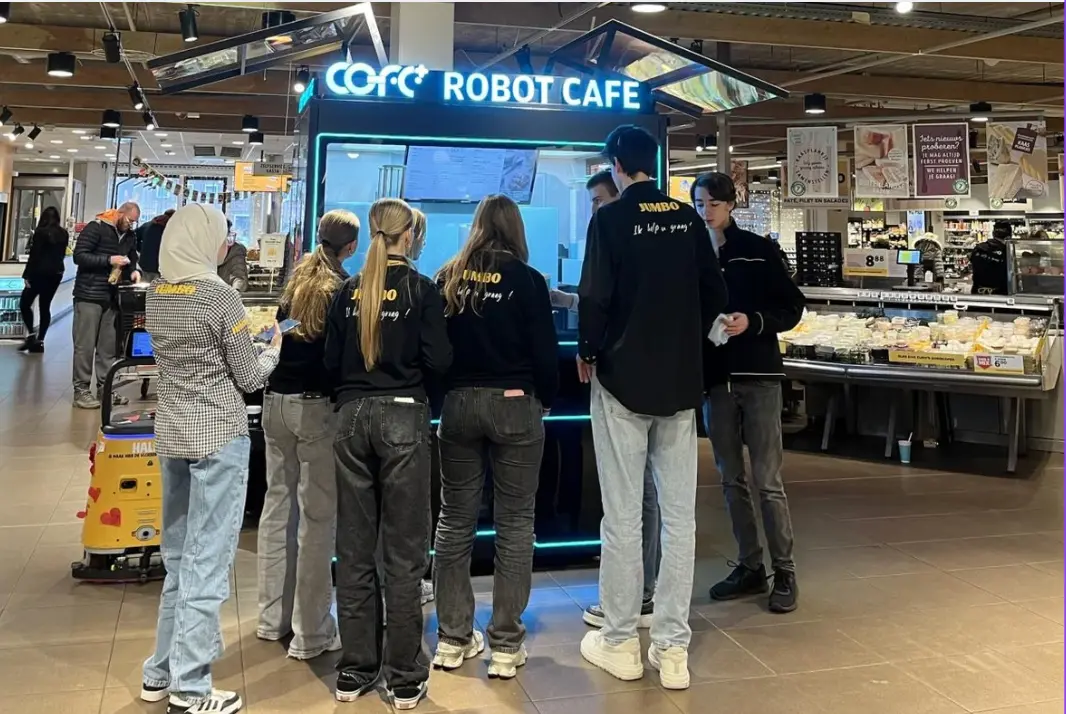
The Rise of Professional Robotic Café Technology: What COFE+ Is and Why It Matters
TL;DR — COFE+ is a fully automated robotic coffee kiosk that grinds fresh beans, brews espresso and lattes, creates latt……

A robot coffee kiosk relocation checklist should not begin by calling a mover. In most weak sites I review, the real problem is the mismatch between foot traffic, dwell time, and the machine’s service profile. A COFE+ 7th generation kiosk can produce a drink every 43 to 60 seconds and run around 1,000 cups a day, so a location selling 30 cups daily rarely has a capacity problem. Before you book a truck, decide whether the site needs a fix, a reposition, or a full relocation. That choice determines the steps that follow.
Underperformance follows a pattern. The most common case I see is a high traffic corridor with a 40 second walking window. People notice the robot, but they do not stop because the ordering screen is behind the flow of pedestrians and the drink takes roughly 50 seconds. By the time the first cup would appear, the customer is already moving toward the exit. That is not a machine fault. It is a dwell time fault.
A second pattern is hidden operational friction. A kiosk placed in a mall atrium may look busy, but if the water line is a temporary hose and the drainage requires a daily bucket change, the unit will be offline for cleaning and refill during peak hours. Operators then read the lost hours as weak demand when the real issue is service access. A third pattern is menu mismatch, such as hot milk drinks dominating a sun exposed outdoor site in a warm region. Sales stay low because the offer does not match the moment, not because the location is wrong.
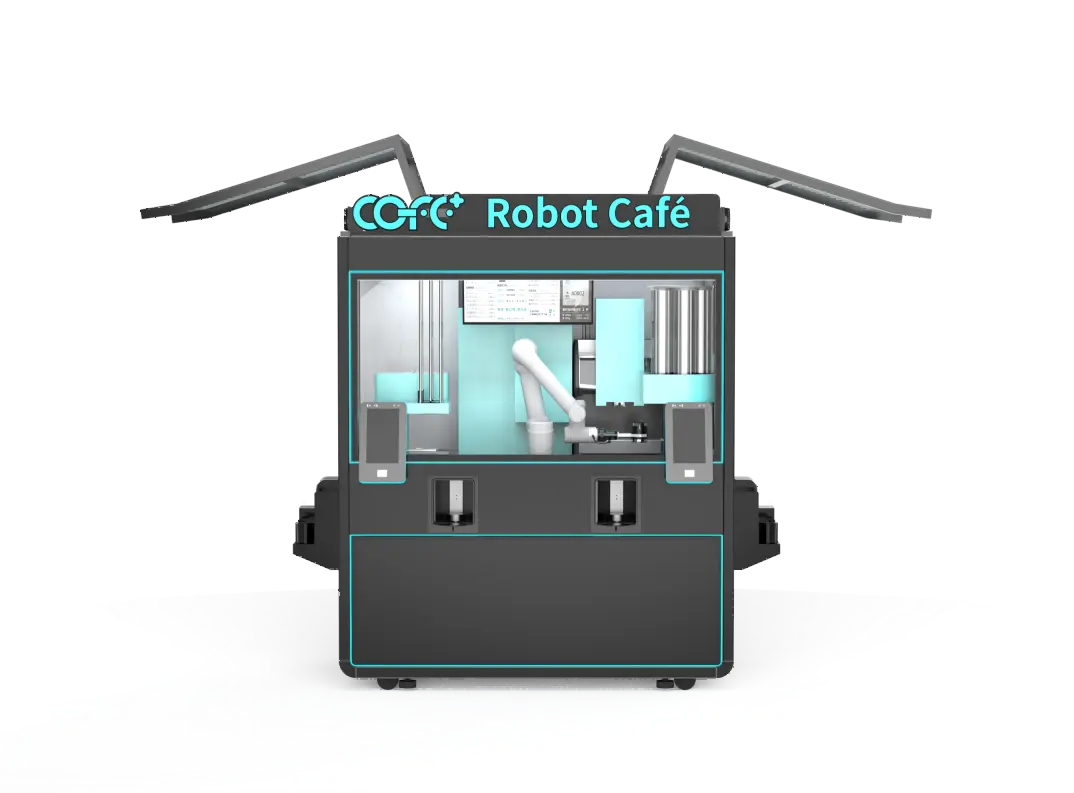
I look at idle time first. A machine that serves 50 cups in 14 hours has a utilization rate near 2 percent if it can produce 1,000 cups a day. When I see that number, I do not ask whether the robot works. I ask whether the site has a reason for someone to pause for 90 seconds. Most relocation decisions should be made only after that question is answered honestly.
A robot coffee kiosk relocation checklist has to answer one question before a mover arrives: fix the site or leave it. Relocation is the right call when the site fails operations, not when the menu is wrong. I rank three conditions above traffic volume: unworkable utilities, denied service access, and a confirmed movement pattern that cannot be changed from within the space.
If water, drainage, or a dedicated circuit cannot be confirmed, move. A robot coffee kiosk needs a continuous water supply, controlled waste, and stable power. Without those, no amount of menu tweaking will recover the location. If the landlord cannot give a route for ingredient restocking during operating hours, the site will keep losing sales at the same time every week. If the pedestrian flow hides the ordering screen or forces people to double back against a queue, repositioning inside the same site is often impossible. Fix those only when the physical condition can be corrected without construction delays.
There is a more common trigger: the 30 day flatline. After two menu adjustments and a reposition inside the same footprint, if the daily average remains below 30 percent of the modeled baseline and the machine is available for service, the location is the constraint. At that point, moving is cheaper than continuing to spend labor on a site that cannot hold an audience.
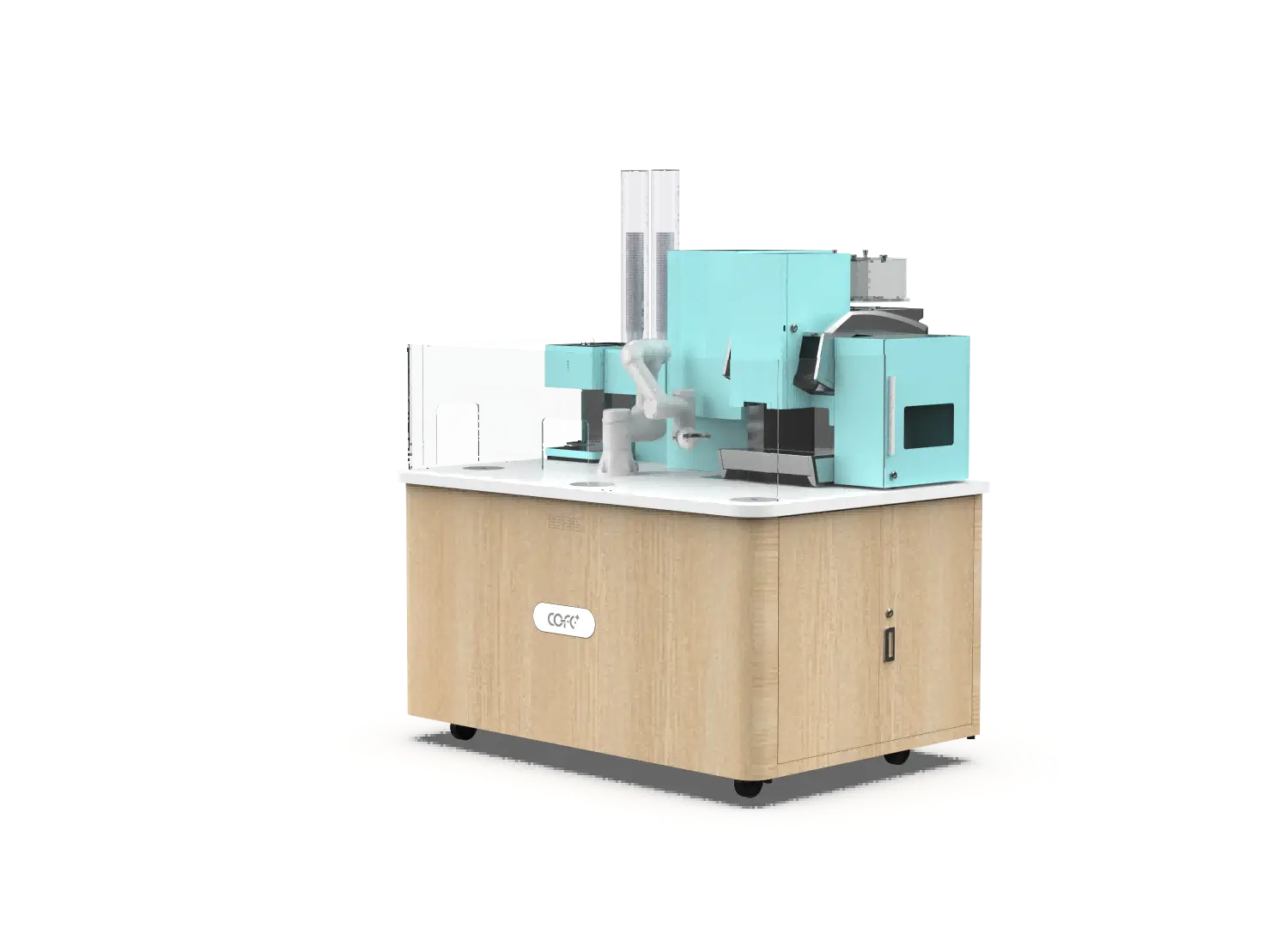
The robot coffee kiosk relocation checklist I use has to produce a decision, not a pile of observations. I build it around six checks.
This sequence prevents the most expensive mistake: moving a machine when the real defect is a menu or a queue layout.
After that, compare the current site to the candidate using the same measurements. The table below is the format we use for quick triage.
| Check | Current site | Candidate site | Decision signal |
|---|---|---|---|
| 30 day average cups | 22 | Above 80 | Candidate wins |
| Peak queue length | None | 3 to 5 people | Candidate wins |
| Water and drainage | Temporary hose, daily refill | Fixed line and drain | Candidate wins |
| Power | Shared circuit, trips occasionally | Dedicated circuit | Candidate wins |
| Restocking access | Loading gate closes at 6 pm | 24/7 access | Candidate wins |
If your machine has sat below 25 cups a day across four straight weeks after a menu and placement reset, send the daily counts, utility notes, and candidate address to sales@hi-dolphin.com before you sign a move order. That review usually separates a location fault from a configuration fault.
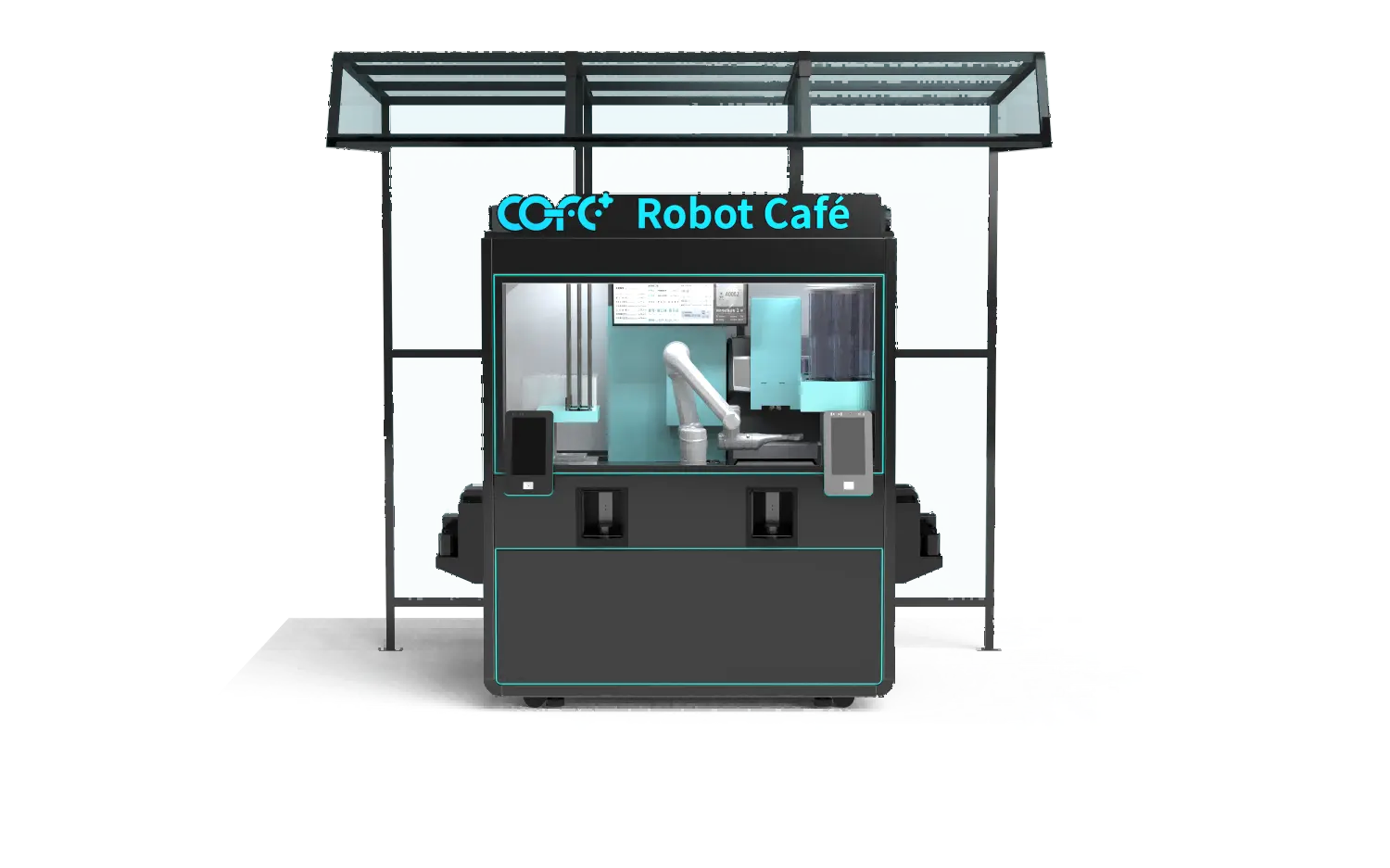
Do not compare candidate sites by visitor count alone. I score each site on four variables: dwell time, shift coverage, utility access, and service route. A corridor with heavy pass-through and a short dwell window will usually lose to a smaller location where people wait, because the second audience has time to order and receive a cup.
For outdoor placements, check whether the unit can handle the climate. The COFE+ outdoor kiosk is IP54 rated and operates from minus 20°C to 45°C, but it still requires a stable power supply and a contained waste path. For indoor locations, confirm the 2.35 square metre footprint leaves enough queuing space without blocking a fire exit or main corridor.
Service access matters more than most operators expect. If a technician and a refill cart cannot reach the machine without closing a walkway, every maintenance event becomes a revenue shutdown. I would rather place a kiosk in a slightly lower traffic zone with a clean service route than in a high traffic spot that forces daily disruptions.
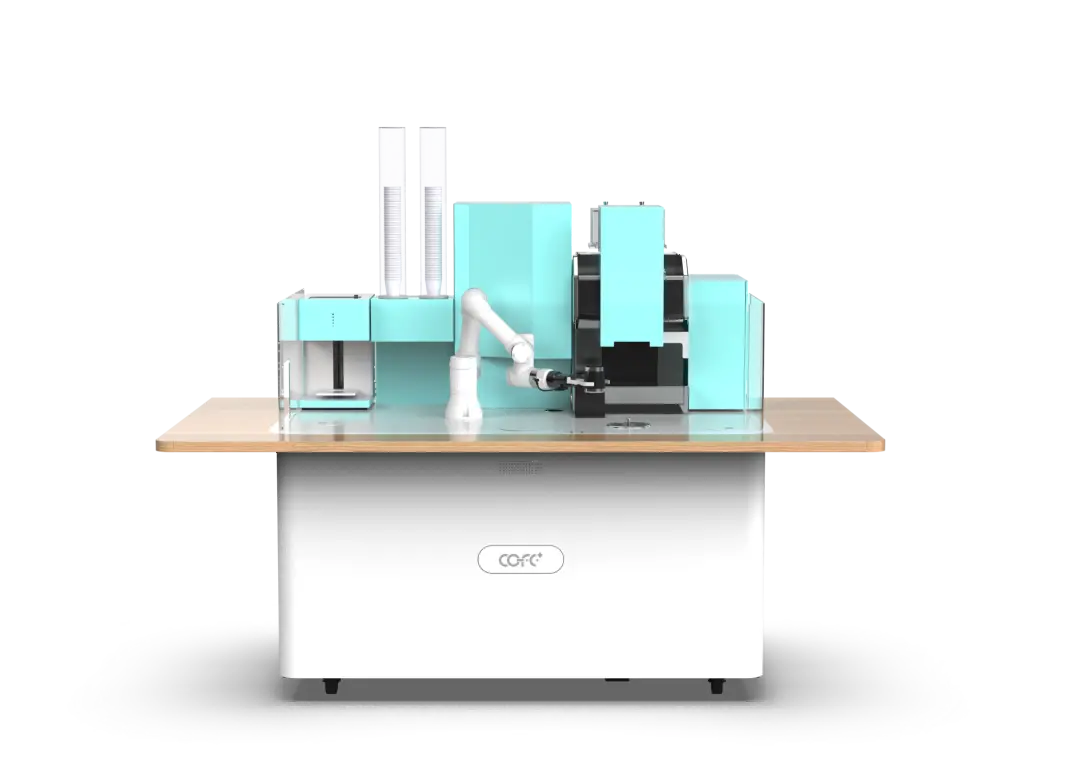
The most expensive relocation is the one that carries the same mismatch to a new address. Before you commit, confirm the new site has a dedicated circuit, a fixed water line or a planned refill cadence, a drainage path, and a service window that matches the kiosk’s operating hours. If the property manager cannot confirm those items in writing, the second site will underperform on the same clock.
This is where a second read on the numbers pays off. If you have a candidate site and a 30 day throughput report from the current location, send the site plan, traffic estimate, utility points, and machine model to sales@hi-dolphin.com or call +86 131 6630 1290. Share the address and the daily foot traffic pattern, and we will check the layout against the kiosk’s power, water, drainage, and service requirements before you sign. This is not a sales pitch; it is a site feasibility filter.
A planned move usually costs one to three days of lost sales, including disconnect, transport, reinstallation, and test cups. The exact figure depends on distance and whether water and drainage are already in place. The bigger risk is not downtime. It is committing to a new site before the utility and service route are verified. That turns a short move into weeks of debate.
No. Even though the unit looks self contained, it contains water lines, pumps, a grinder, and robotic actuators that need to be secured and recalibrated. A common mistake is treating the machine like a vending unit that two people can slide onto a truck. Unbolting the wrong panel or tilting the frame too far can damage the brewing system and void warranty terms. Use a trained installation team.
It depends on who does the work and how the move is documented. If an unauthorized technician moves the machine and a pump or robotic arm later fails, the cause is often traced to transport. If the manufacturer or an approved local team handles the move and records the pre and post move checks, warranty coverage usually stays intact. Confirm the exact terms before scheduling the truck.
Rather than asking about a fixed date, ask whether the candidate site has enough dwell time to convert visitors into buyers. A high traffic corridor that passes the kiosk in 30 seconds can take months to recover, while a workplace location with a 10 minute pause may recover cost per cup quickly. Send the candidate site’s traffic pattern and your current cup counts to sales@hi-dolphin.com and we will check whether the projected payback is realistic.
TL;DR — COFE+ is a fully automated robotic coffee kiosk that grinds fresh beans, brews espresso and lattes, creates latt……
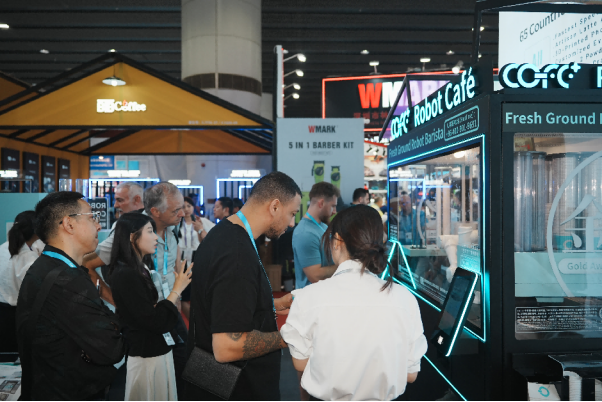
7th-Genertion Smart Robot Coffee Kiosk Arrives at the Belt and Road Core Hub, Ushering in a New Service Era Along t……
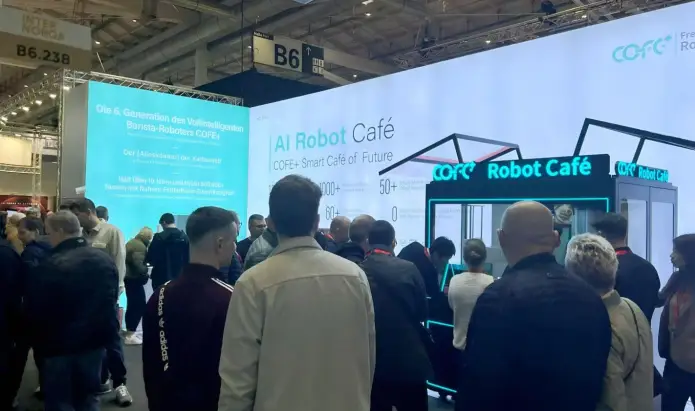
CHICAGO, May 12, 2026 (GLOBE NEWSWIRE) – Shanghai Hi-Dolphin Robot Technology today announced the U.S. debut of its 7th‑……