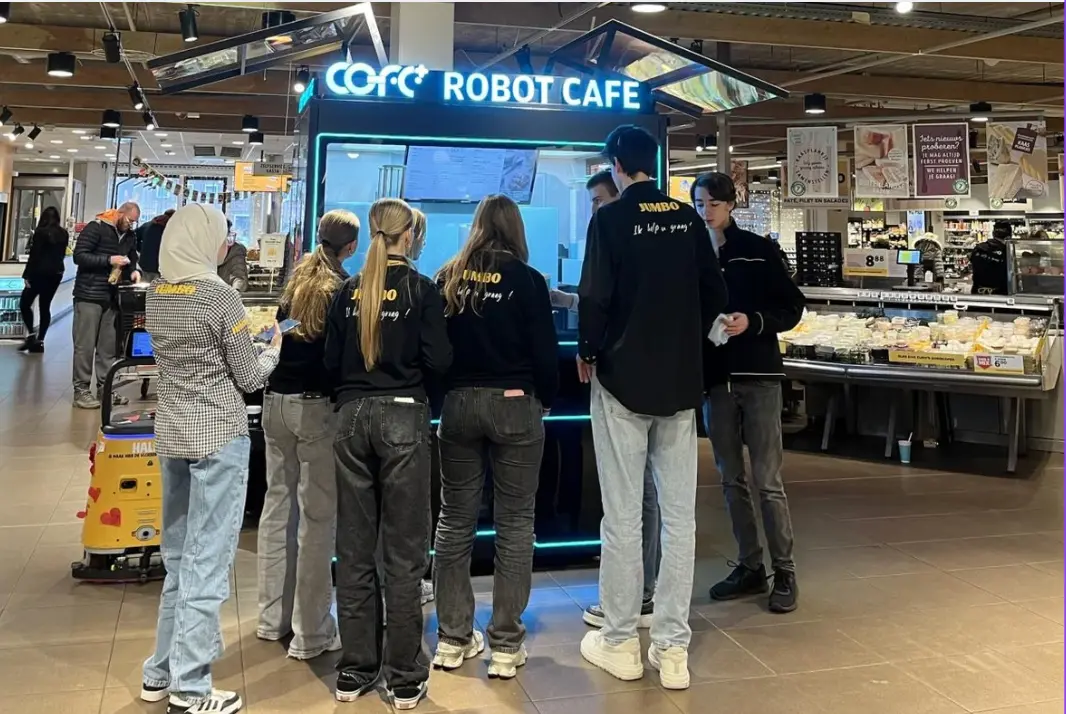
The Rise of Professional Robotic Café Technology: What COFE+ Is and Why It Matters
TL;DR — COFE+ is a fully automated robotic coffee kiosk that grinds fresh beans, brews espresso and lattes, creates latt……

When most operators first model the economics of a robot coffee kiosk, they fixate on one number: cups sold per day. That single metric distorts the real profitability picture. A smart robotic kiosk generates income through multiple channels—digital advertising displays, data insights, lower operating costs through unattended automation, and partnership models—that together produce returns well beyond the direct coffee transaction. I’ve seen this pattern in deployments across more than 30 countries: operators who treat the machine as a full business platform consistently reach break-even faster and sustain higher margins than those who count cups alone.
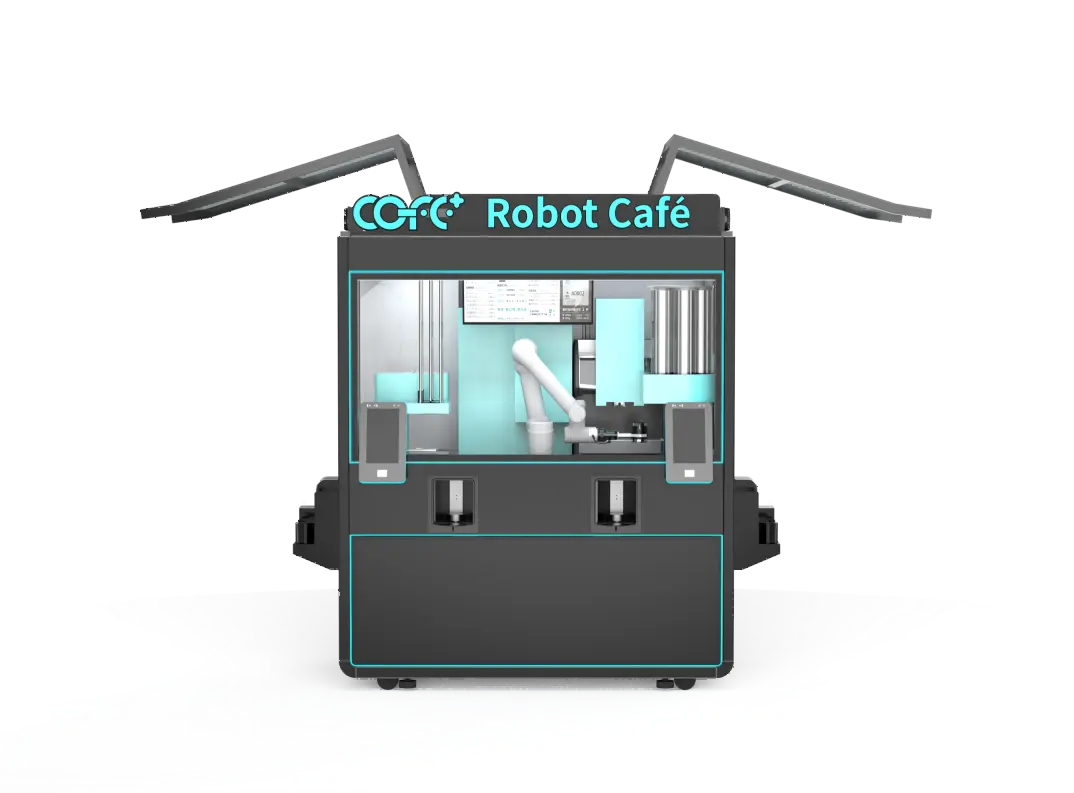
Traditional coffee shop economics are dominated by two line items: labor and rent. A robotic kiosk eliminates the first and reduces dependency on the second by fitting into spaces that would never support a manned café. The COFE+ 7th generation indoor kiosk occupies just 2.35 square meters, operates on standard 110V or 220V power, and can serve up to 1,000 cups per day without a single employee on site.
The per-cup cost structure tells the story clearly. Ingredient costs for a high-quality coffee—including fresh-ground beans, milk, syrups, and cup—run roughly $0.30 to $0.70 depending on recipe complexity and local ingredient pricing. There is no barista wage, no shift scheduling, no overtime, and no training expense. Maintenance is minimal: the system has a tested lifespan of 500,000-plus cups, automated 85°C high-temperature sterilization, and cloud-based remote diagnostics that identify issues before they cause downtime.
| Cost Item | Traditional Café (Monthly) | Robot Coffee Kiosk (Monthly) |
|---|---|---|
| Barista labor | $2,500–$4,000 | $0 |
| Manager/owner time | $1,000–$2,000 | $200–$400 |
| Rent (prime space) | $3,000–$8,000 | $500–$2,000 |
| Consumables | $1,500–$3,000 | $1,000–$2,500 |
| Maintenance | $300–$800 | $100–$300 |
| Utilities | $400–$800 | $200–$500 |
These numbers shift the break-even calculation fundamentally. A single kiosk can recover its investment in six to twelve months at moderate traffic volumes, and the absence of labor means margins stay stable regardless of how many cups are poured.
Most financial projections stop at the coffee cup. That leaves significant money on the table. A modern robot coffee kiosk is a connected digital asset, and its revenue potential extends into areas that traditional coffee shop operators rarely consider.
The built-in high-resolution display screens serve as digital advertising inventory. In a shopping mall or transit hub with daily foot traffic in the thousands, those screens can run paid promotions for nearby retailers, real-time deals, or branded content. Some operators fund a meaningful portion of their lease costs purely through advertising revenue. The COFE+ platform supports full-screen video and static display formats, making it straightforward to plug into existing mall or municipal advertising networks.
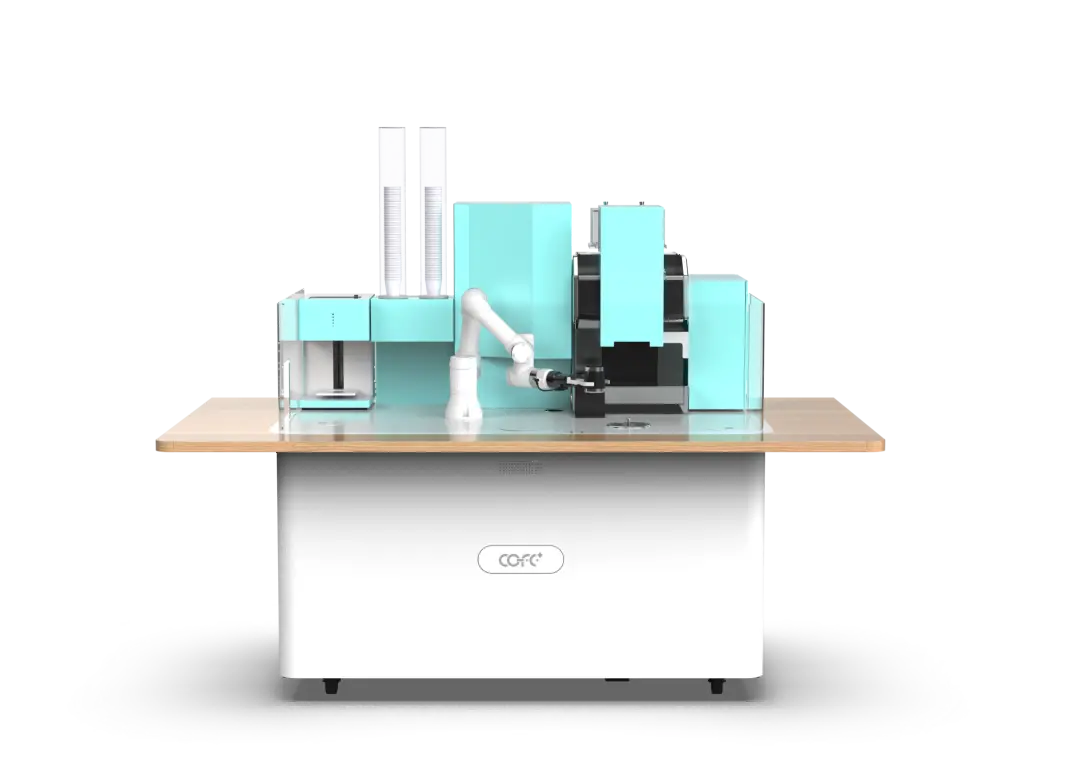
Premium customization commands higher per-cup prices without adding labor cost. The kiosk’s 3D photo and logo printing on milk foam turns a $3 latte into a $5 personalized experience—especially effective at tourist sites, corporate events, and branded installations. Robotic arm latte art (tulips, hearts, rosettas) creates visual moments that customers photograph and share, generating organic social media exposure worth far more than paid advertising.
The machine also collects anonymized consumption data: peak hours, drink preferences, weather-correlated demand patterns. For multi-location operators, this data enables smarter inventory planning, menu adjustments, and site selection for future deployments. While not an immediate cash line, better data-driven decisions compound profitability over time.
A coffee shop that closes at 8 p.m. leaves twelve hours of potential revenue untouched. A robot kiosk serving 24/7 captures the early-morning commuter, the late-night shift worker, the overnight traveler—all without labor cost scaling with operating hours.
The system replaces approximately six baristas per machine. That savings alone often exceeds $80,000 annually in developed markets. But the margin multiplication goes beyond headcount. Cloud-based remote monitoring keeps tabs on ingredient levels, system temperature, and component health across an entire fleet of kiosks from a single dashboard. When a parameter drifts outside normal range, the system alerts the operations team before customers notice any drop in quality.
Automated sterilization cycles run at 85°C or higher, eliminating the manual cleaning routines that consume hours of staff time in a conventional café. Inventory tracking is equally hands-off: the kiosk monitors bean, milk, syrup, and cup levels in real time and can trigger reorder alerts, keeping out-of-stock risk near zero without daily site visits.
If your location involves variable traffic patterns with distinct peak and off-peak periods, modeling the full 24-hour revenue curve is essential before locking in a deployment plan. Send your site details to sales@hi-dolphin.com and we’ll produce a time-segmented utilization forecast for your specific location.
Single-unit sales tell only part of the profitability story. Smart operators build income through structured partnership models that generate ongoing returns from each deployment.
Revenue-sharing agreements with property owners create a low-barrier entry point. Instead of a fixed monthly lease, the operator and landlord split sales proceeds—typically with a base guarantee plus a percentage above certain thresholds. For landlords, this turns idle lobby or atrium space into an income-producing asset without construction or staffing costs. For operators, it reduces upfront rent obligations and aligns incentives for maximized foot traffic.
The distributor model layers another profit stream. Companies like Hi-Dolphin grant territory rights that enable distributors to earn margins on equipment sales, consumables supply, and after-sales service contracts. With deployments in over 35 countries and across 15 Chinese provinces, the infrastructure already supports multi-language interfaces and compliance with FDA, CE, UKCA, KC, and SASO certifications—simplifying market entry for local partners.
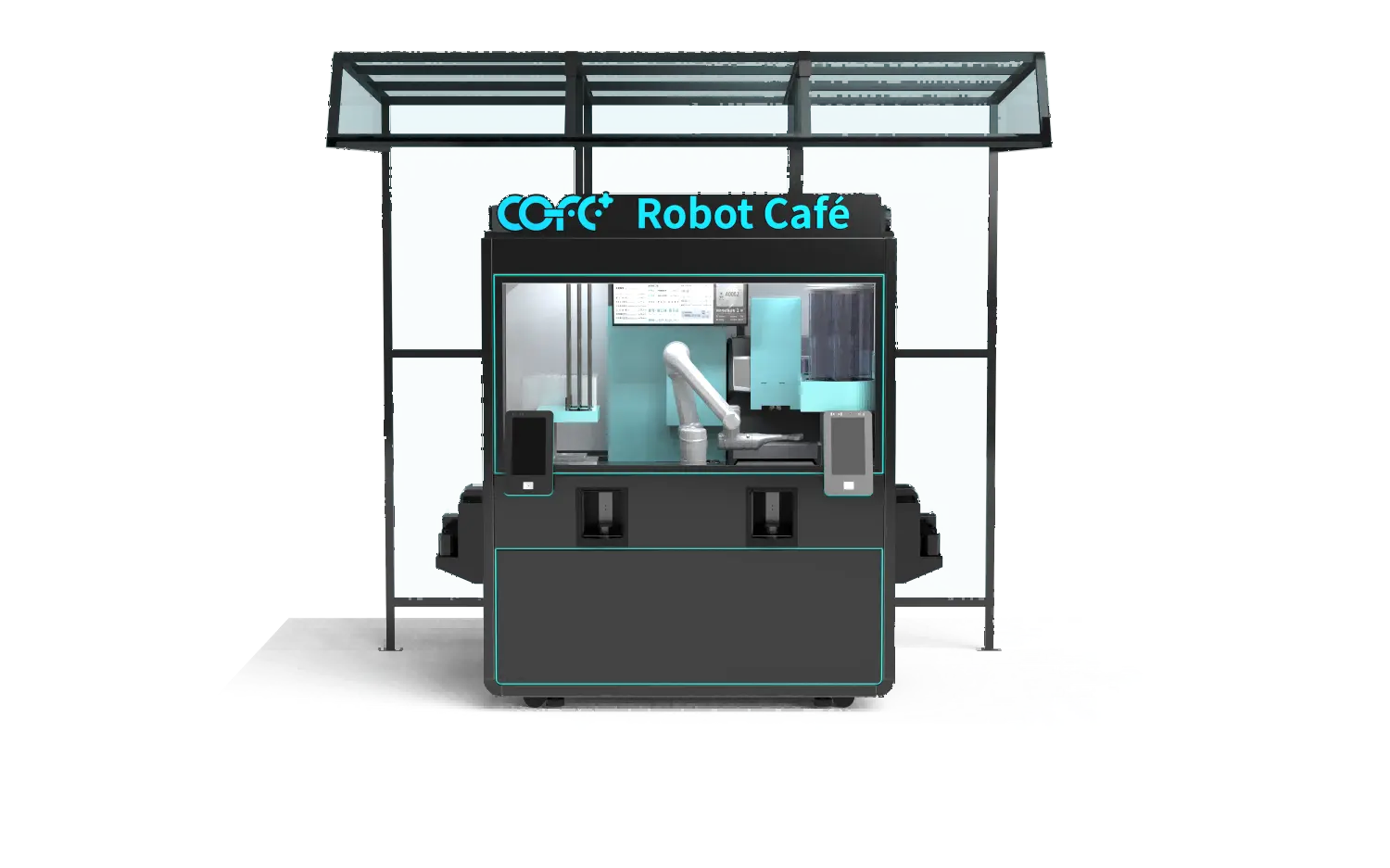
White-label customization opens yet another door. Corporations, hotel chains, and branded retail environments can commission kiosks featuring their own logo, color scheme, and custom menu items. The operator earns a premium on the hardware and often secures an ongoing consumables supply agreement, generating recurring revenue long after the initial sale.
The economics become even more attractive as the network grows. A single operations dashboard manages multiple kiosks across different locations, tracking sales, inventory, and system status from one interface. Adding a fifth kiosk increases management workload marginally—not fivefold—because the cloud infrastructure scales without adding headcount.
Centralized ingredient procurement yields per-unit cost reductions that single-location operators cannot match. Ordering beans, milk, and consumables for ten machines instead of one typically lowers supply costs by 15 to 25 percent, directly expanding the margin on every cup sold.
Maintenance also scales efficiently. Rather than employing a dedicated technician for each location, a regional service hub can handle preventive maintenance and occasional repairs across multiple sites. Remote diagnostics identify failing components before breakdowns occur, so technicians arrive with the right parts and resolve issues quickly, minimizing downtime across the network.
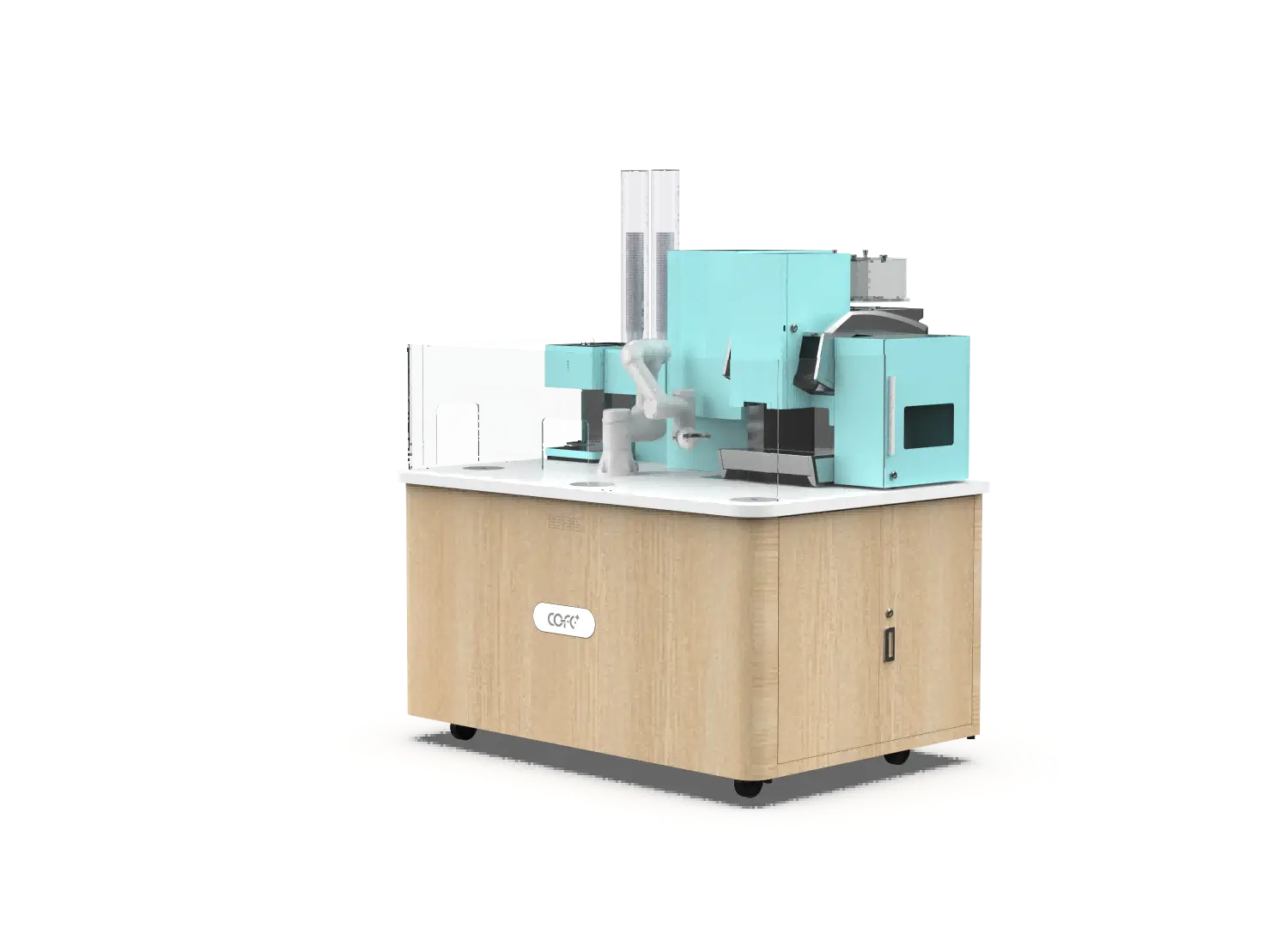
Training costs virtually disappear. There is no barista to train, no recipe drift to manage across locations, and no seasonal hiring surge to absorb. Digital recipe control ensures that a latte in City A tastes identical to one in City B, maintaining brand consistency that customers trust.
Calculated on paper, the numbers are compelling. In practice, profitability hinges on site-specific factors that no generic model can capture: pedestrian flow direction, screen sightlines for ad viewing, local price sensitivity, even the seasonal tourist cycle. The operators who reach payback fastest are those who run a structured site evaluation before installing a single machine.
If you are modeling a robot coffee kiosk deployment and want a profitability projection that includes advertising, customization, partnership, and scaling revenue—not just cup sales—email your location specifications to sales@hi-dolphin.com or call +86 131 6630 1290. We’ll outline the most profitable configuration for your specific site.
Most operators recover their full investment within six to twelve months, assuming moderate foot traffic and a mix of revenue sources. Sites that rely solely on cup sales and have lower daily volumes may stretch to fourteen months. The key accelerators are advertising income, premium customization revenue, and 24-hour operation at no additional labor cost. A site that captures overnight demand while also running display ads will typically beat a daytime-only, cup-only location by a wide margin.
It depends heavily on the screen’s position, pedestrian sightlines, and area demographics, but in high-traffic transit hubs and shopping malls, integrated display revenue can cover 30 to 50 percent of the monthly lease. Operators who negotiate screen placement during the site approval process—facing main pedestrian flow, free of obstructions—see meaningfully higher CPMs than those who treat the screen as an afterthought. The display hardware supports standard video and static formats compatible with most digital ad networks.
No on-site technical staff is required. The platform runs fully unattended, managed through cloud-based monitoring that tracks inventory, system health, and performance metrics remotely. Automated cleaning and sterilization run on schedule without human intervention. For occasional maintenance—replacing a worn seal, recalibrating a dispenser—a trained local technician can handle the work. The remote diagnostics system identifies issues early and provides fault codes, so service visits are targeted and fast rather than exploratory.
Operators with multiple venues can negotiate volume-based pricing on equipment and consumables. A single dashboard manages all units from one interface, and regional service hubs handle maintenance across the network. The real advantage comes from data consolidation: consumption patterns across locations reveal insights—which drinks sell best in which environments, what price points work, how seasonality affects demand—that inform better decisions for every unit. If you’re planning a multi-site rollout, discuss territory volume pricing and support infrastructure with our team; share your target locations and we’ll map a deployment plan.
TL;DR — COFE+ is a fully automated robotic coffee kiosk that grinds fresh beans, brews espresso and lattes, creates latt……
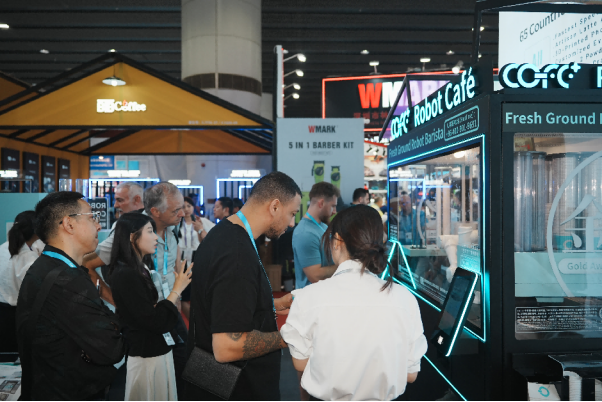
7th-Genertion Smart Robot Coffee Kiosk Arrives at the Belt and Road Core Hub, Ushering in a New Service Era Along t……
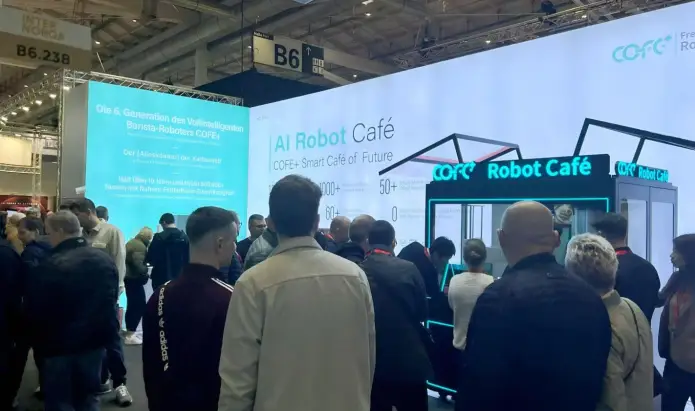
CHICAGO, May 12, 2026 (GLOBE NEWSWIRE) – Shanghai Hi-Dolphin Robot Technology today announced the U.S. debut of its 7th‑……