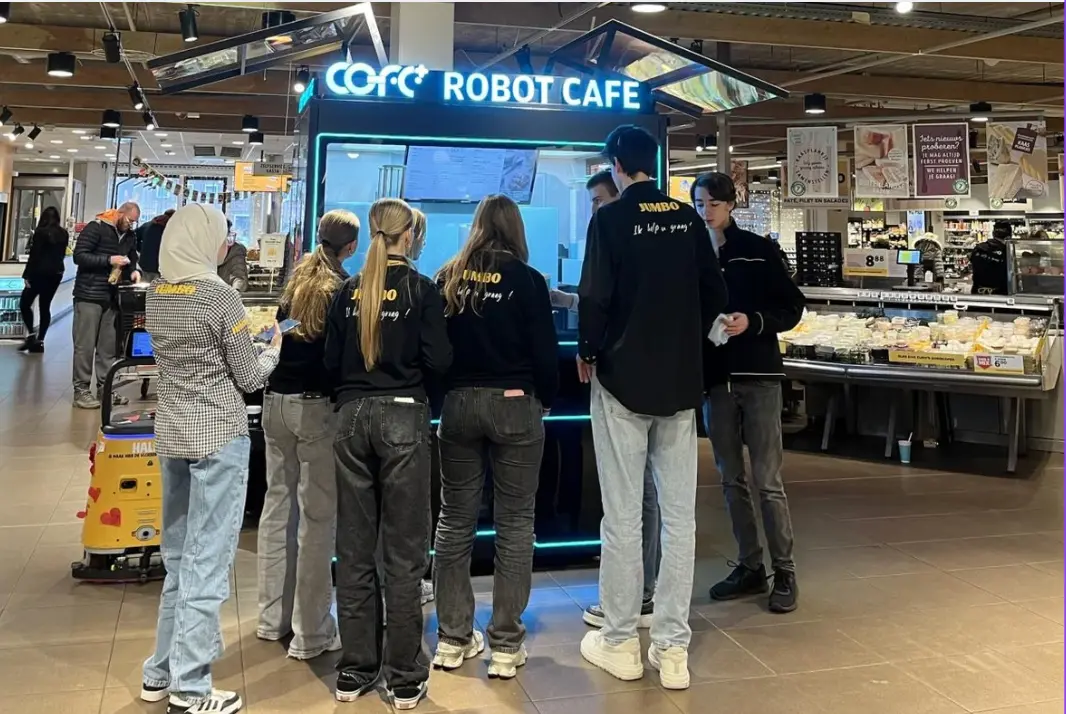
The Rise of Professional Robotic Café Technology: What COFE+ Is and Why It Matters
TL;DR — COFE+ is a fully automated robotic coffee kiosk that grinds fresh beans, brews espresso and lattes, creates latt……

Choosing the first three robot coffee kiosk locations is the highest‑stakes decision in building a network, because a strategic mix validates demand across multiple use cases while a random selection wastes capital and delays scale. Most location guides overlook the fact that a robot kiosk cannot simply be dropped where a traditional café would work; unmanned operation introduces a distinct set of criteria. Drawing from deployments across 35 countries, I’ve seen that the sites that succeed share a common technical readiness and demand profile. This framework walks through the site factors, survey process, and validation metrics that separate successful first‑three rollouts from costly experiments.
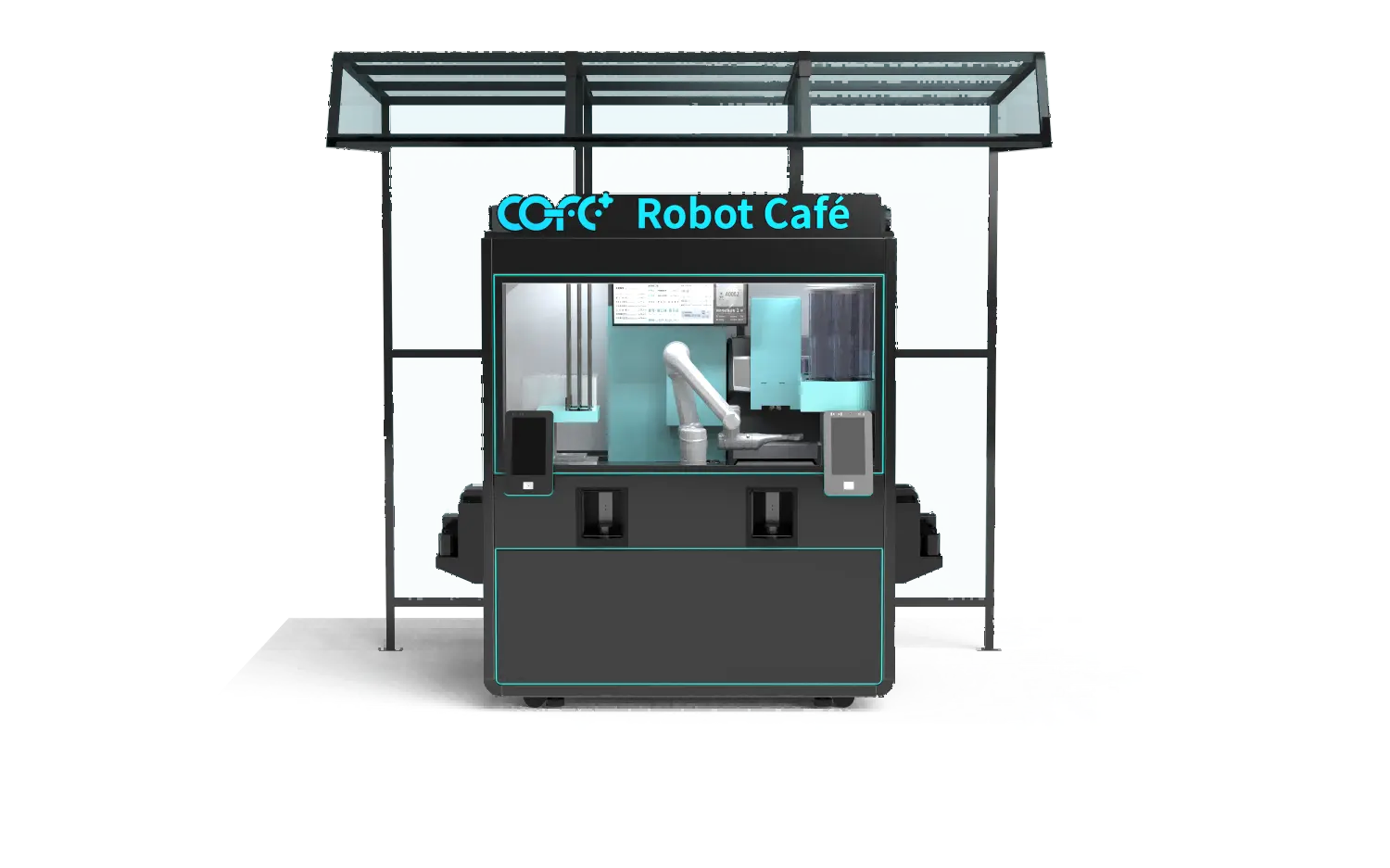
Foot traffic and demographics still matter, but a robot‑operated kiosk adds layers that traditional cafés never face. Unattended service means electricity, water, drainage and internet connectivity must be stable 24‑hours‑a‑day with zero on‑site staff to intervene. An indoor unit might sit in an air‑conditioned mall without weather exposure, while an outdoor installation has to survive temperature swings, dust and humidity. Matching the kiosk model to the environment is the first filter.
| Specification | Indoor Model (COFE+ 7th Gen) | Outdoor Model (COFE+ 7th Gen Outdoor) |
|---|---|---|
| Footprint | 2.35 m² | 2.35 m² |
| Climate capability | Controlled indoor only | -20 °C to 45 °C, IP54‑rated |
| Power | 110 V / 220 V compatible | 110 V / 220 V compatible |
| Water | Standard plumbing | Standard plumbing with frost protection |
| Certifications | FDA, CE, UKCA, KC, SASO | FDA, CE, UKCA, KC, SASO |
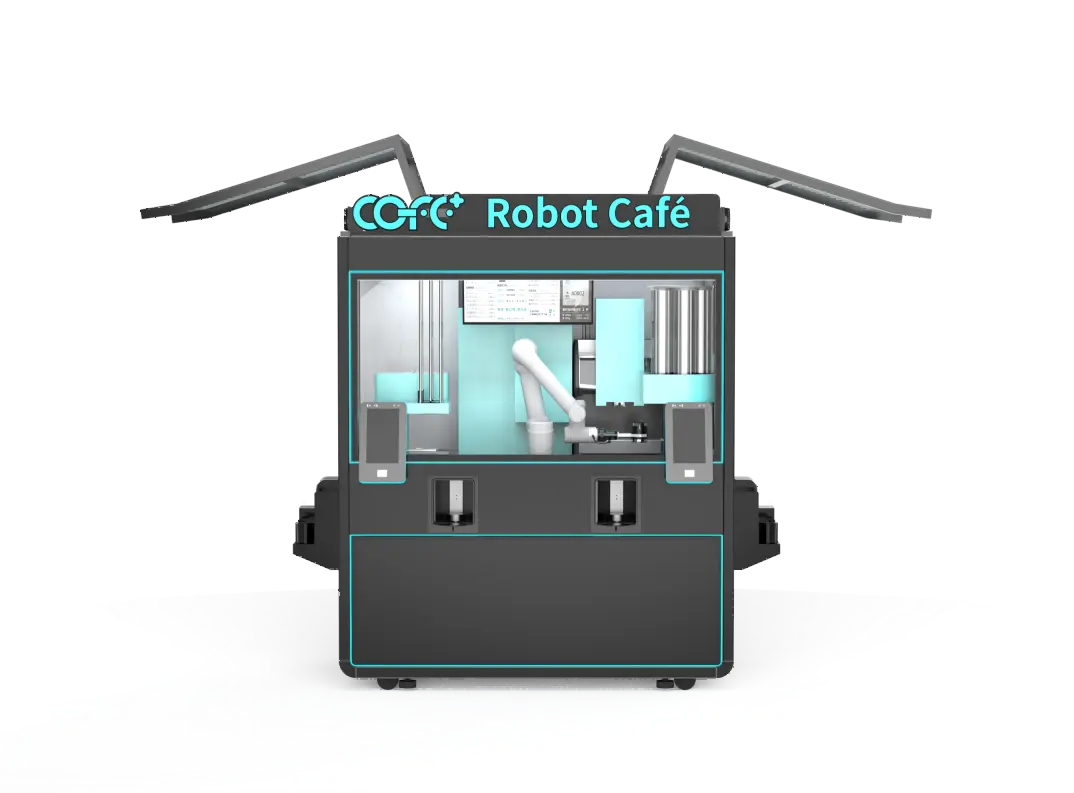
Beyond the spec sheet, security and vandalism risk rise when no one watches the machine. Locations with CCTV coverage or natural surveillance from nearby shops reduce that exposure. The right site balances technical feasibility, customer flow, and physical safety.
A structured site survey catches the hidden blockers that kill a launch. Our global rollout teams work through the same sequence every time:
At minimum the site must supply single‑phase 110 V or 220 V power within reach of the unit, a potable water line with adequate pressure, a drain or approved waste‑water solution, and an internet connection with uptime above 99 %. An outdoor location additionally needs the IP54‑rated model and protection from standing water or direct high‑temperature sun that exceeds the 45 °C limit. Sites missing any of these fundamentals cannot support unmanned operation safely.
Running this survey on every candidate spot produces a ranked shortlist instead of a gut‑feel bet.
Diversifying the initial three sites is the single most effective way to learn what works without betting the entire network on one customer type. I recommend picking:
This mix generates three parallel data streams: peak‑hour throughput, weather‑driven pattern changes, and weekday‑versus‑weekend loyalty. If the mall kiosk prints 600 cups a day and the university kiosk flat‑lines, you know whether the problem is location type or the business model itself.
Yes, but only with the right hardware. The indoor robot coffee kiosk depends on climate‑controlled surroundings. For outdoor deployment, the IP54‑rated model with the extended temperature range is non‑negotiable. Using the indoor version outdoors leads to condensation, electronic faults and food‑safety violations.
The maximum design throughput is roughly 1 000 cups per 24‑hour period. Real‑world output clusters around 400–700 cups in busy indoor venues, 250–500 cups at outdoor public sites, and 150–400 cups in captive‑audience settings. The range matters less than the consistency a multi‑format mix provides; even the lower‑volume site often delivers the highest profit per cup because consumption is less price‑sensitive.
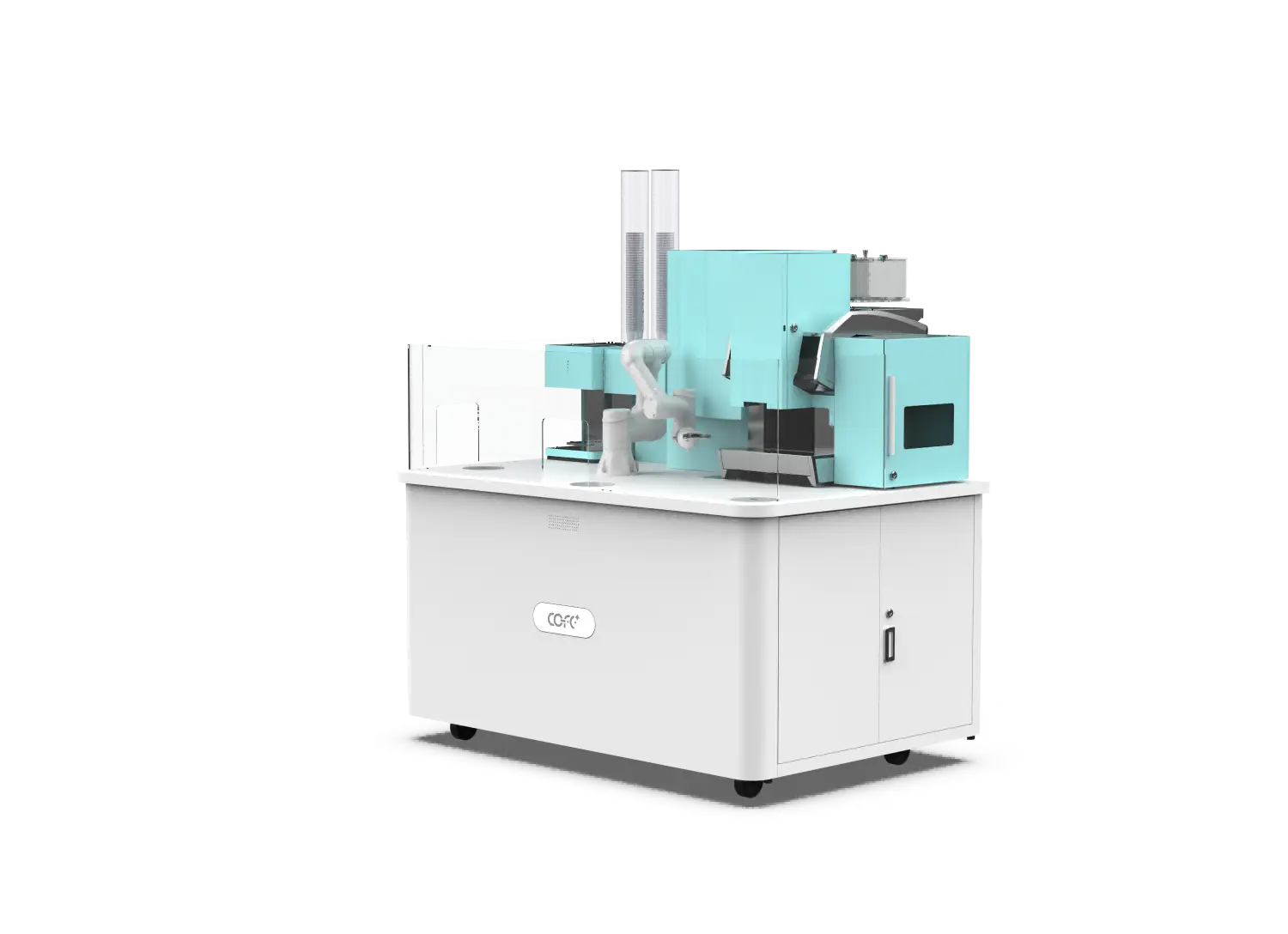
The benefit of a captive‑audience venue is margin predictability. A campus kiosk serving mostly espresso‑based drinks at a moderate cup count often earns as much gross profit as a high‑volume transit hub that sells more lower‑margin long drinks.
A 30‑ to 60‑day pilot strips away assumptions. During that window we track four metrics: average cups sold per day, system uptime, ingredient waste percentage and cost per cup against target. The COFE+ platform streams all of this data to the operator’s dashboard, so you spot a trending decline on day 15 rather than at the month‑end report.
Most locations reach stable consumption patterns after about three weeks. If uptime dips below 95 % or daily cups stay under the break‑even threshold by day 45, the site is flagged for review. The cloud‑based diagnostic layer often identifies the root cause before a technician even arrives; a failing water pump or intermittent internet, for example, is visible remotely.
If your planned location involves unusual utility conditions or a high‑security environment, it is worth confirming the exact power, water and connectivity specs before committing. Reach out at sales@hi-dolphin.com to discuss your specific site parameters.
The ability to move a kiosk with minimal construction changes the economics. A site that underperforms after the test period can be relocated in under a day, preserving the hardware investment.
Expansion makes sense after all three locations show consistent profitability for two to three consecutive months and the operational workflow—ingredient restocking, remote monitoring, local service—is running without firefighting. The next wave should clone the highest‑performing location type in nearby geographies while adding one new format to widen the demand picture.
Managing multiple kiosks becomes practical when the operator uses a unified cloud‑management tool that consolidates inventory alerts, sales data and maintenance logs. A smart store brain cuts the daily operations load per site as the network grows, because alerts and replenishment schedules become centralised instead of site‑by‑site.
Scaling also shifts the economics of consumables. Bulk purchasing of beans, milk and cups across four or five units typically lowers the per‑cup cost well below the $0.30–$0.70 range of a single unit, improving network‑level margins even if some individual units perform at the lower end.
Even with a strategic location plan, selecting the right sites involves technical details that are hard to quantify without expert input. Our team at Hi‑Dolphin has evaluated hundreds of sites globally and can help you avoid the common pitfalls that delay network launches. Share your location ideas or requirements at sales@hi-dolphin.com or call +86 131 6630 1290, and we will provide a tailored site assessment based on deployment experience across 35 countries.
They treat it like a traditional café and ignore utility and security requirements. A spot with strong foot traffic but inconsistent power or no drainage will fail quickly. Before signing any lease, verify every item on the technical checklist—missing even one utility can make unmanned operation impossible.
No. While power and water are essential, you also need a reliable internet connection, ambient temperatures within the machine’s operating range and physical security. Outdoor sites require the IP54‑rated model and should be protected from direct sun that pushes temperatures above 45 °C. A full site survey confirms all these factors, not just the visible utilities.
Typically 30 to 60 days. The first two weeks are for calibration and consumer awareness; after that, demand stabilises. Track daily cups, average order value and downtime minutes. If a location fails to reach break‑even volume by day 60, the site profile often mismatches the local audience or the menu needs adjustment.
Yes. The indoor COFE+ model is built for controlled environments without weather exposure. The outdoor version carries IP54 protection, an anti‑condensation system and a temperature rating of -20 °C to 45 °C. Using an indoor unit outdoors invites condensation, electronic failure and food‑safety risk.
Relocate it. Robot coffee kiosks are mobile by design and can be repositioned in less than a day. If after 60 days the numbers do not work, use the performance data to pick a new site nearby. The low per‑cup operating cost means even a moderate performer can break even, so persistent losses usually signal a fundamental site mismatch. If the replacement site also sits in a grey zone, send the details to sales@hi-dolphin.com—our team can help evaluate the technical and demand fit before you move.
TL;DR — COFE+ is a fully automated robotic coffee kiosk that grinds fresh beans, brews espresso and lattes, creates latt……
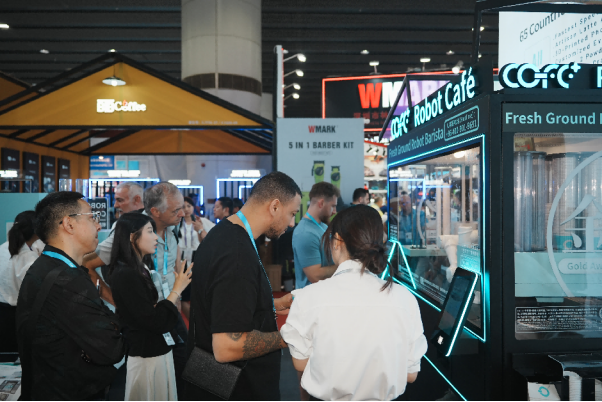
7th-Genertion Smart Robot Coffee Kiosk Arrives at the Belt and Road Core Hub, Ushering in a New Service Era Along t……
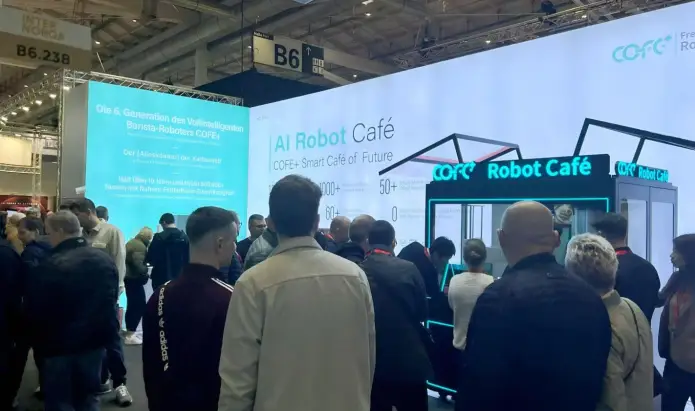
CHICAGO, May 12, 2026 (GLOBE NEWSWIRE) – Shanghai Hi-Dolphin Robot Technology today announced the U.S. debut of its 7th‑……