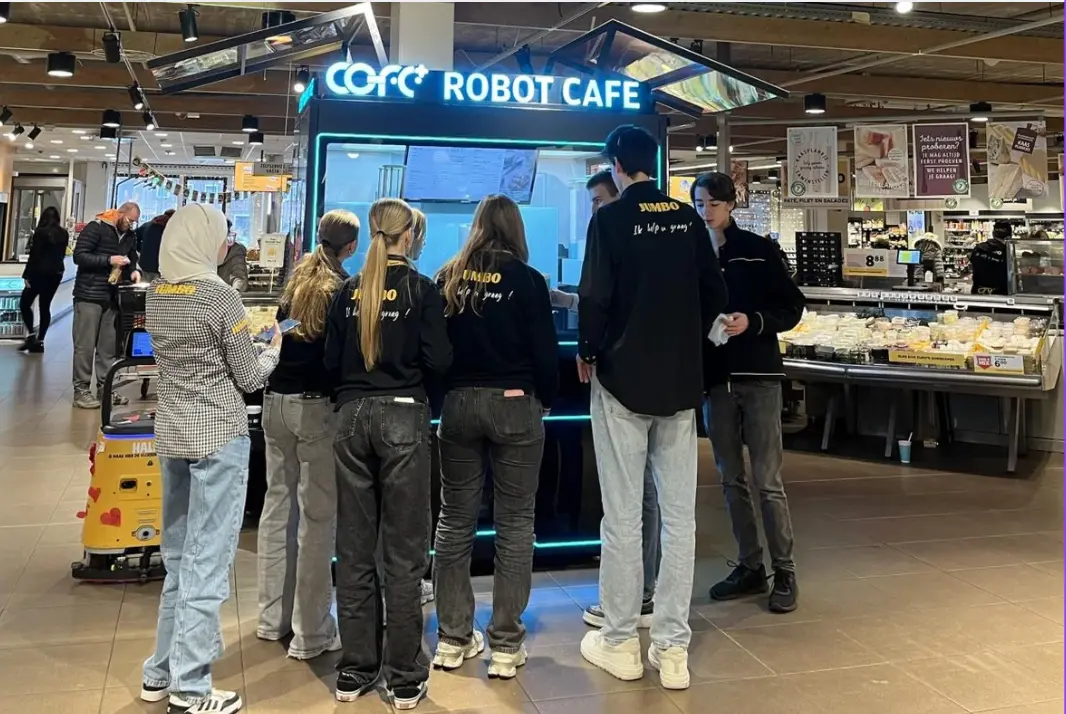
The Rise of Professional Robotic Café Technology: What COFE+ Is and Why It Matters
TL;DR — COFE+ is a fully automated robotic coffee kiosk that grinds fresh beans, brews espresso and lattes, creates latt……

Most robot coffee kiosk launch delays are created during procurement, not after installation. The hardware may work correctly in a factory, but the site still sits idle because power, water, drainage, certification, or local service planning was left too late. A kiosk is only ready to sell when the unit, the location, the compliance route, and the support team are confirmed together. This guide walks through the procurement mistakes that most often push back the first cup and shows how to check each item before signing.
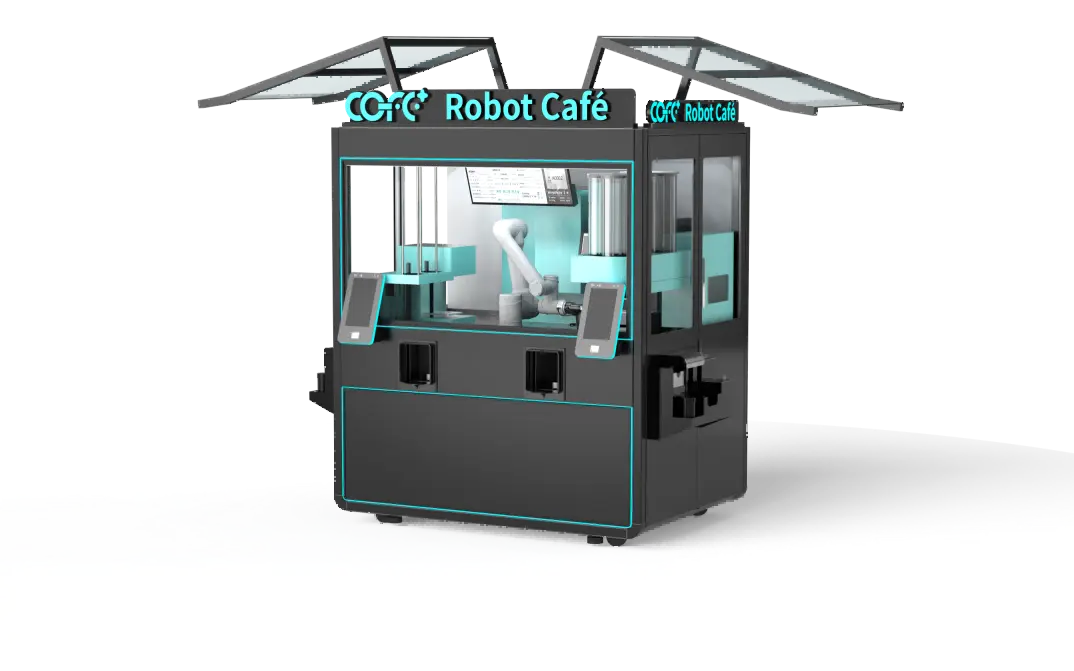
Buyers often select the machine first and ask the site team to adapt later. Power, water, drainage, internet, and floor load are much harder to change once a lease area has been approved. An indoor coffee kiosk may need a dedicated water inlet and drain point, while an outdoor unit also needs weather protection, condensation control, and a stable network uplink for remote monitoring. Confirm the actual power phase, breaker capacity, water pressure, drain route, and network availability before the model is locked. If the space cannot support the unit without construction, that construction becomes part of the launch critical path.
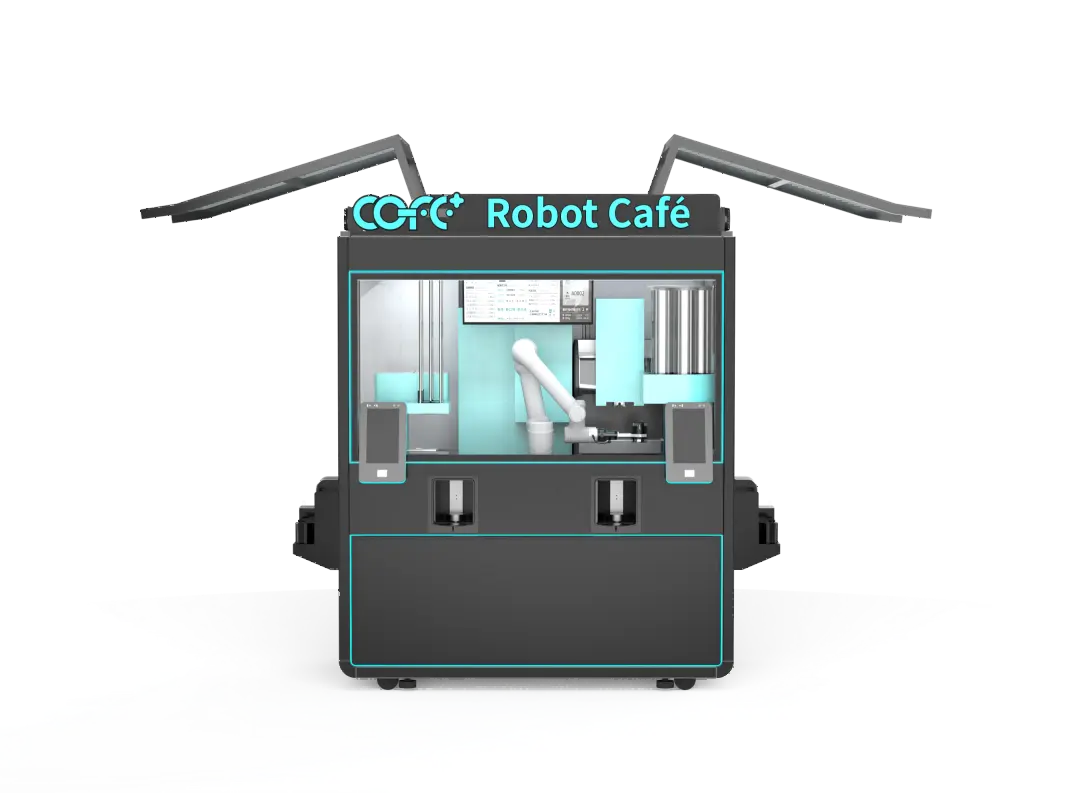
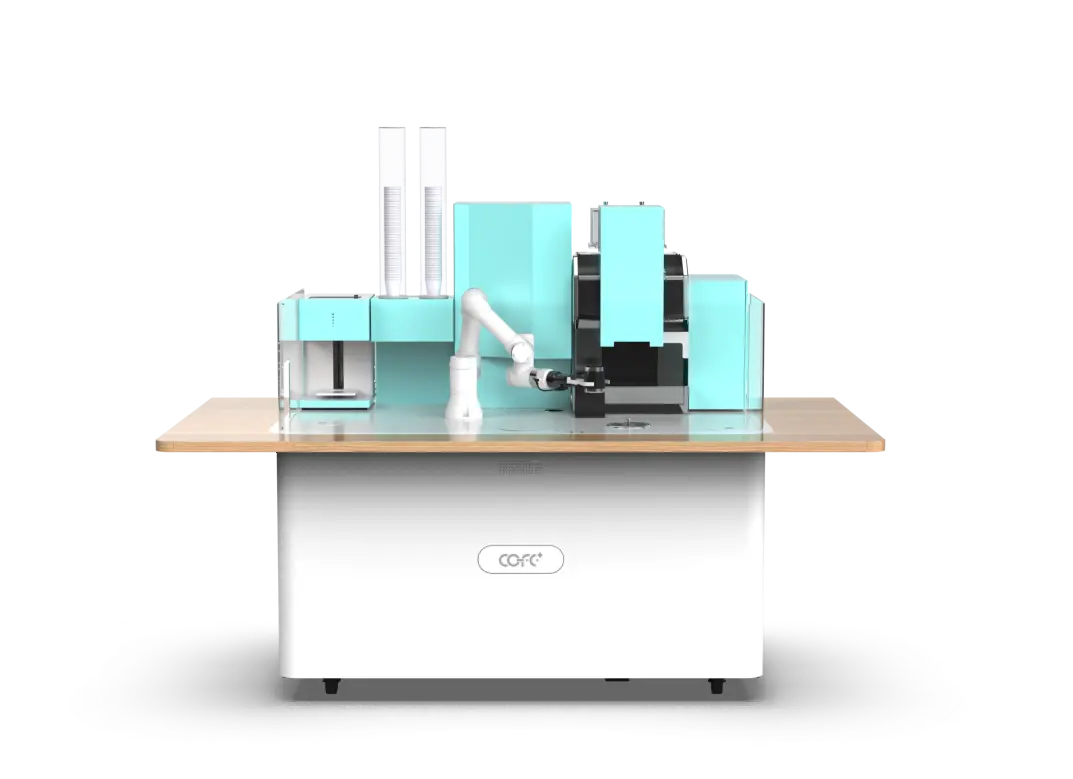
Throughput matters, but a model chosen for an airport does not automatically fit an office lounge or a public park. Hi-Dolphin’s 7th generation COFE+ line separates indoor kiosks, outdoor kiosks, robot coffee bars, and built-in counters by form factor and placement logic. The right question is not only how many cups the machine can produce, but also how people will approach it, queue around it, and use the surrounding space.
| Model format | Footprint and placement | Better site fit | Key site check |
|---|---|---|---|
| Indoor robot coffee kiosk | About 2.35 square meters, mobile footprint | Malls, retail areas, office buildings, transit interiors | Power, drainage, queue area, landlord approval |
| Outdoor robot coffee kiosk | All-weather public-space unit, IP54 rated | Parks, forecourts, stadium entries, tourism areas | Water and drain access, thermal range, anti-condensation |
| Robot coffee bar | Foldable format that opens into a four-seat counter | Hotels, airports, lounges, coworking spaces | Customer flow, seating clearance, visual access |
| Robot coffee counter | Built-in unit of about 2 square meters | VIP lounges, premium retail, restaurants, clubs | Counter integration, open-view placement, service access |
A high-output outdoor unit may be able to serve about 1,000 cups per day, but that capacity only becomes revenue if the site has continuous foot traffic and reliable utility connections. Confirm the location profile before being impressed by the daily production figure.
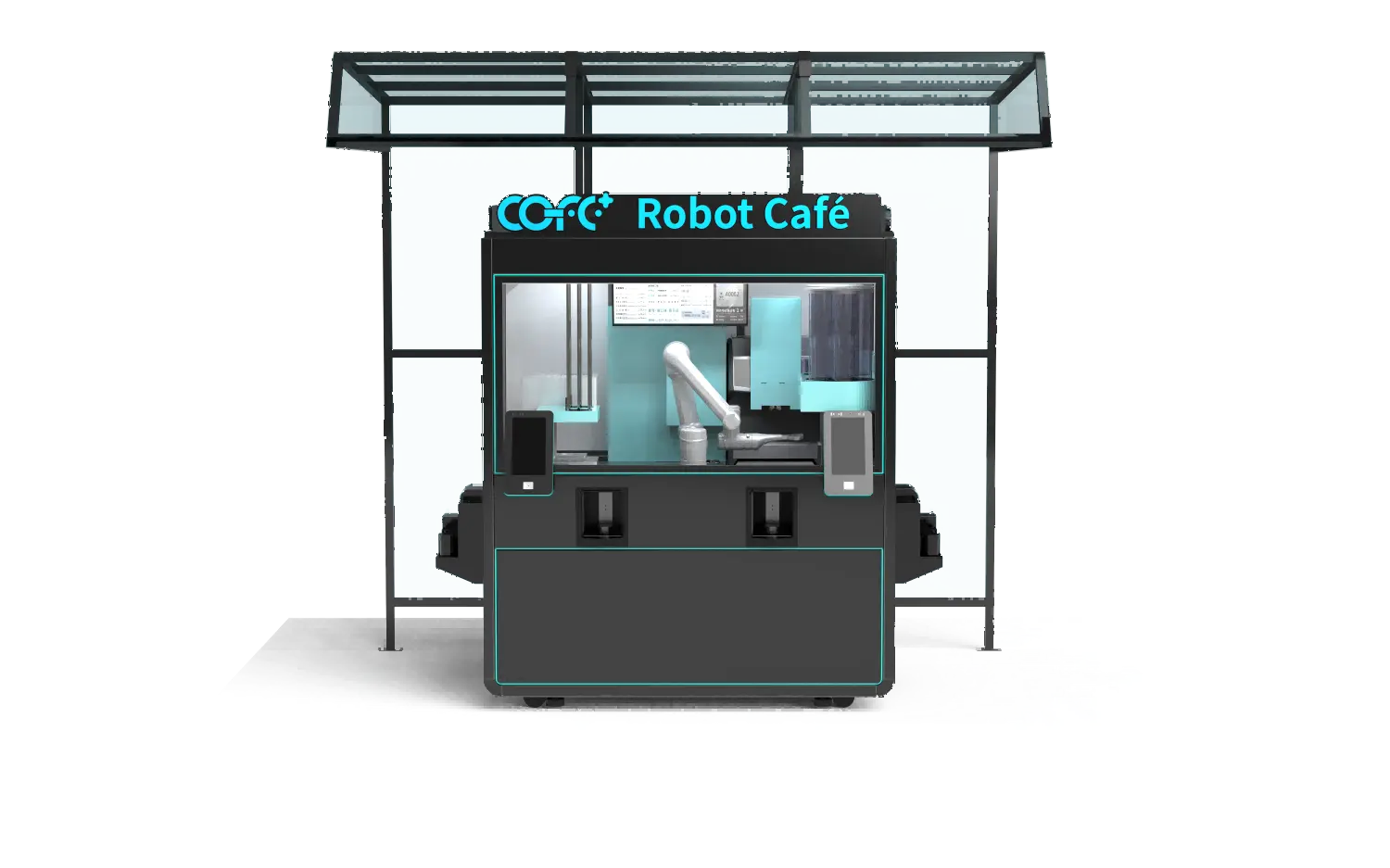
Certification is a market entry requirement, not a document to request after the machine ships. A kiosk may carry strong global test reports, but the buyer still needs to confirm that the exact model, voltage, frequency, and software version are covered for the deployment country. Ask for the current certificate list and match it to the local authority or landlord requirement before committing payment.
The COFE+ line is supplied with certifications including FDA, CE, UKCA, KC, and SASO, and supports 110V and 220V systems. That is useful baseline information, but the buyer should verify the certificates against the receiving market and the specific unit configuration. A missing local mark can stop customs clearance or site approval even when the machine itself is ready.
A vague quote request produces a price without a launch plan. The RFQ should force the supplier to confirm the items that actually delay first-day service. Use the fields below as a starting structure.
| RFQ field | What to request | Why it matters for launch |
|---|---|---|
| Site interface | Power voltage, phase, water inlet, drain type, network connection | Prevents last-minute facility changes |
| Environmental range | Indoor or outdoor operating temperature and IP rating | Avoids placing the wrong unit in an exposed location |
| Certification | Exact certificates, voltage frequency, and target country | Reduces customs and landlord approval delay |
| Service scope | Local technician availability, remote diagnostics, spare parts lead time | Limits downtime after the machine goes live |
| Launch support | Site acceptance checklist and first-week support | Prevents operator errors during the busiest period |
| Consumables plan | Bean, milk, syrup, cup capacity, and refill frequency | Keeps the kiosk stocked for continuous operation |
One clarified RFQ can replace several weeks of back-and-forth after the order is already in production.
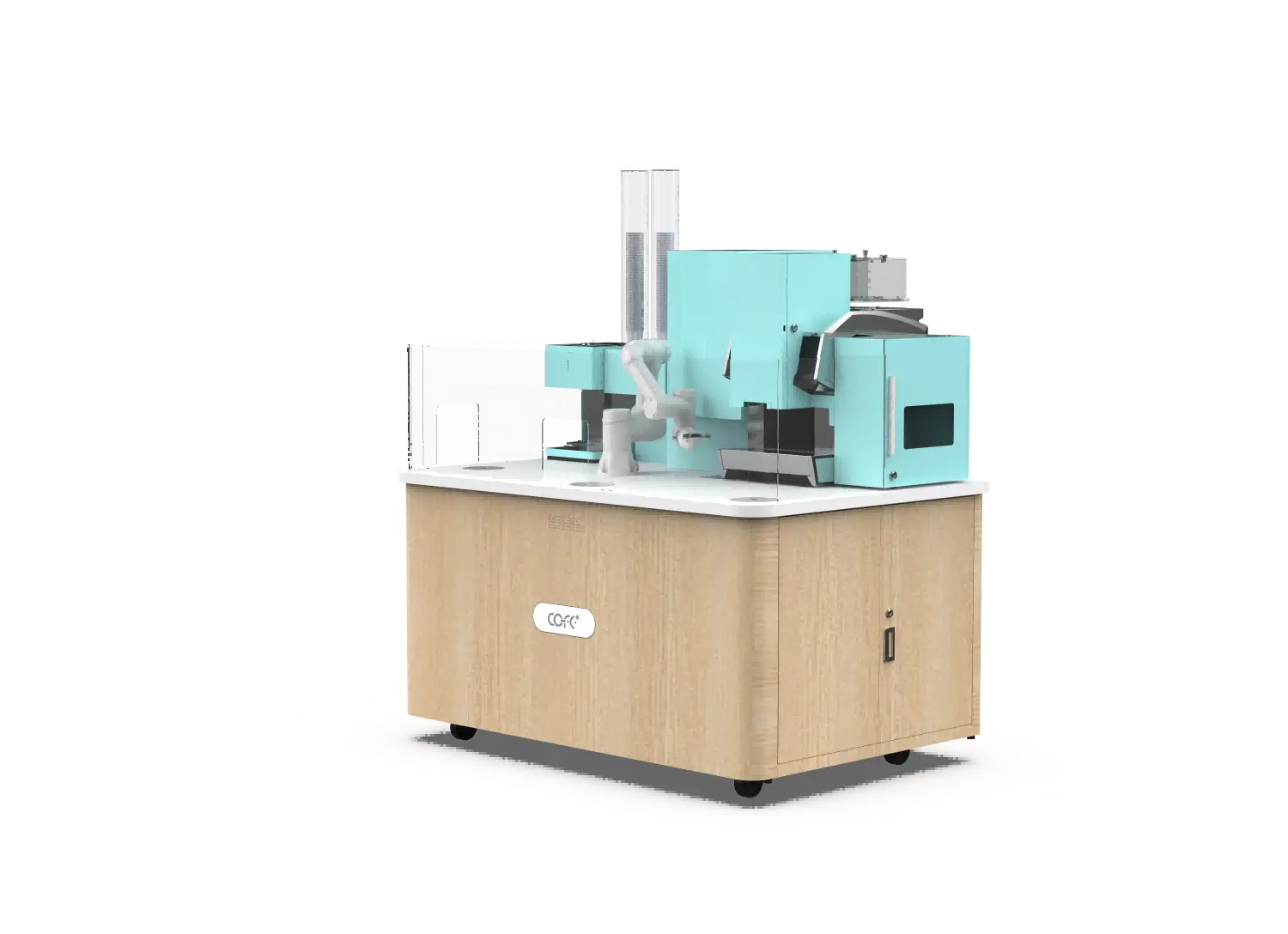
Factory acceptance is not launch readiness. It confirms that the unit left the supplier in working condition, but it does not confirm that the site can receive the machine, connect it, or keep it running. Buyers should run the final site survey, landlord approval, utility connection, payment setup, and local service training in parallel with production rather than after delivery.
For a multi-location pilot, the availability of a local technician network can matter more than a small machine discount. An unresolved fault at an unmanned kiosk stops revenue for every idle hour. Remote diagnostics help identify the problem quickly, but someone still has to reach the site to replace a part or clear a physical issue.
The procurement schedule should run backward from the intended live date. A clear sequence makes the missing items visible early.
When each stage has an owner and a completion date, the kiosk does not wait for a forgotten approval item after delivery.
A kiosk quote becomes a launch plan only when site conditions, certification, service support, and first-week stock are defined together. Send the site type, utility constraints, deployment country, and expected daily volume for a configuration review. Contact the Hi-Dolphin team at sales@hi-dolphin.com or +86 131 6630 1290.
The critical path usually comes from site and compliance work rather than from machine production alone. Start with the site survey, utility confirmation, and certification check before the order, because those items often take the longest and can block installation if they wait until after shipment.
Most fresh-coffee robots need a water supply and a drain route. Confirm the inlet pressure, drain location, and whether the unit supports a water tank option before site approval. An outdoor or indoor placement may also need different drainage arrangements depending on local building rules.
Factory acceptance confirms that the unit was assembled and tested before shipment. Launch readiness includes the site, utilities, certifications, network, payment system, local service plan, and first-week consumables. A machine can pass factory acceptance and still be delayed by a missing local approval or drain connection.
Choose an indoor unit when the machine will operate in a controlled environment such as a mall, office, or transit interior. Choose an outdoor unit for public spaces, parks, or weather-exposed locations. The outdoor COFE+ kiosk is rated for IP54 protection and an operating range from minus 20 degrees Celsius to 45 degrees Celsius, but the site still needs proper water, drainage, power, and network access.
TL;DR — COFE+ is a fully automated robotic coffee kiosk that grinds fresh beans, brews espresso and lattes, creates latt……
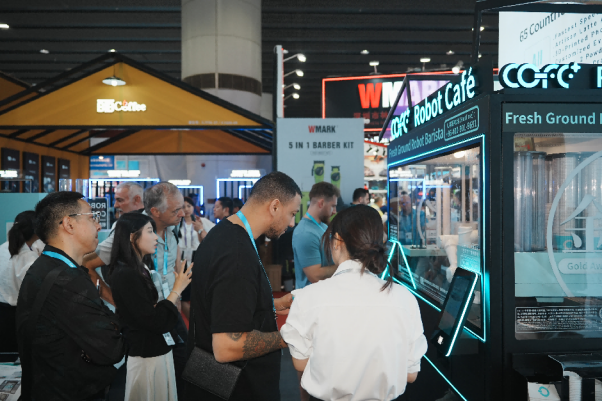
7th-Genertion Smart Robot Coffee Kiosk Arrives at the Belt and Road Core Hub, Ushering in a New Service Era Along t……
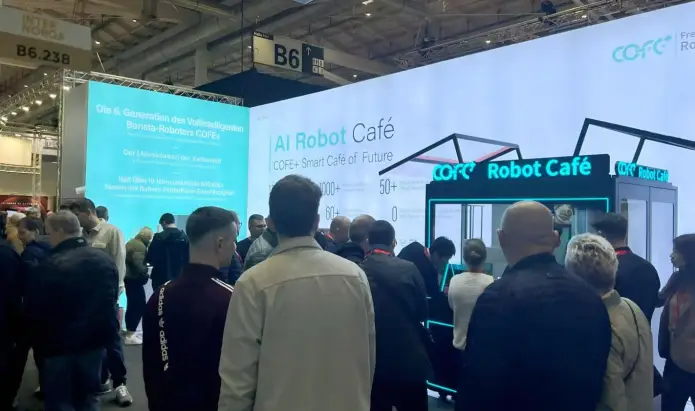
CHICAGO, May 12, 2026 (GLOBE NEWSWIRE) – Shanghai Hi-Dolphin Robot Technology today announced the U.S. debut of its 7th‑……