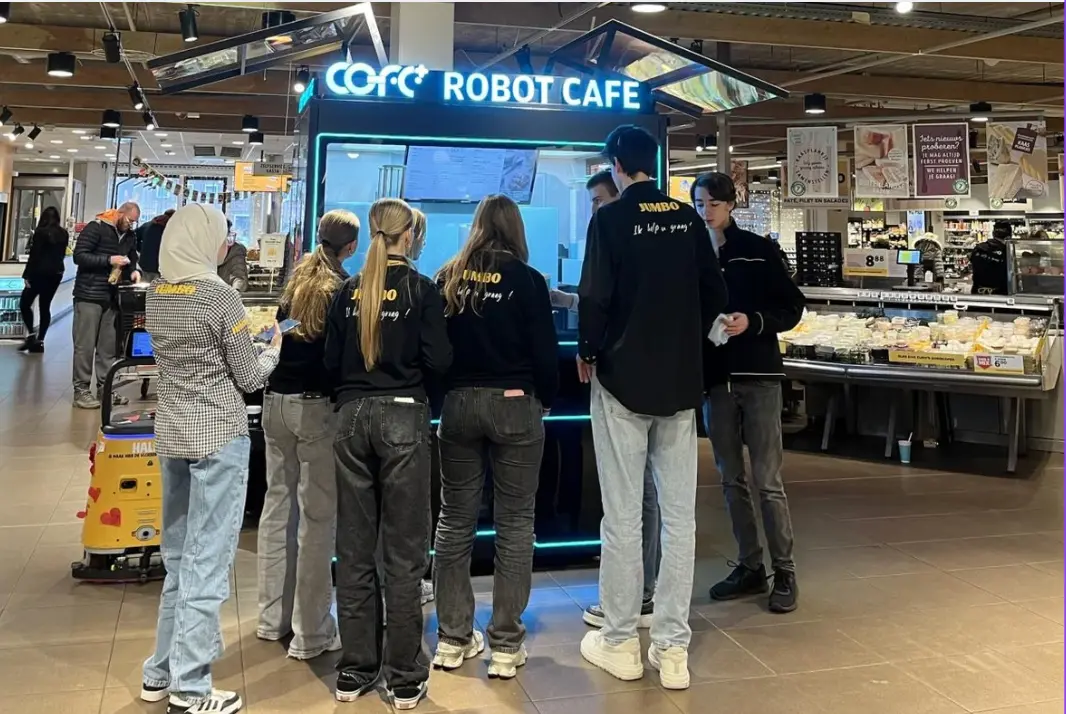
The Rise of Professional Robotic Café Technology: What COFE+ Is and Why It Matters
TL;DR — COFE+ is a fully automated robotic coffee kiosk that grinds fresh beans, brews espresso and lattes, creates latt……

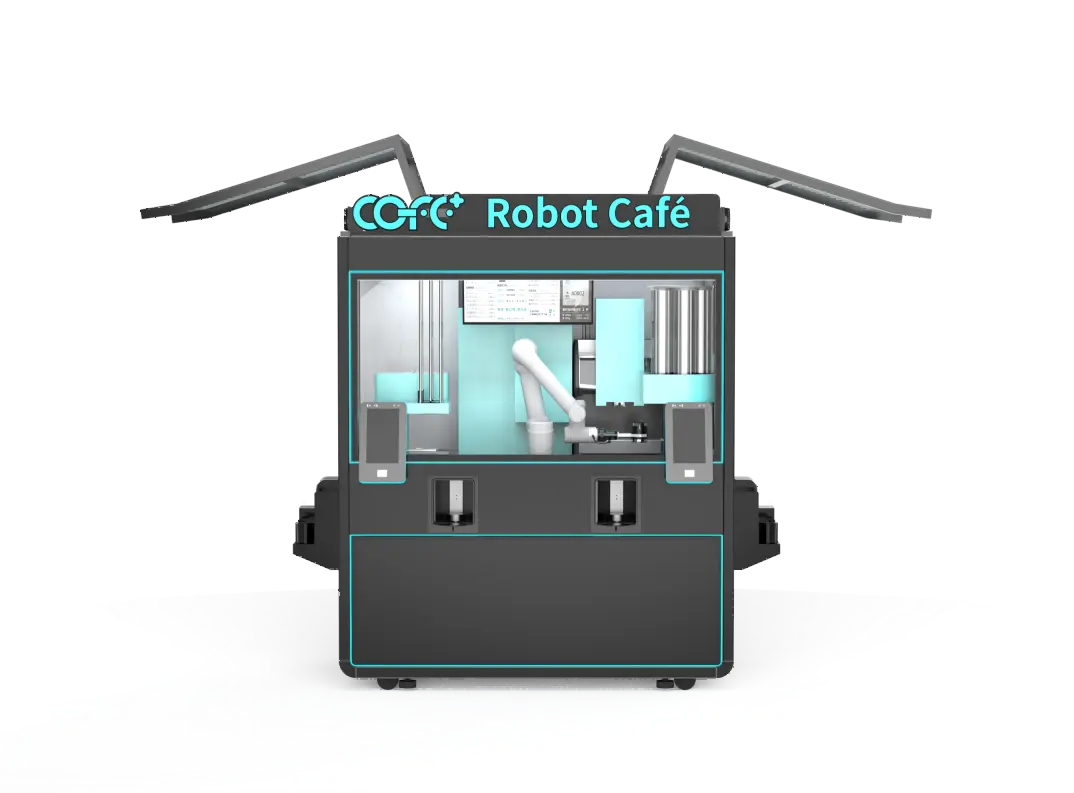
Many robot coffee kiosk operators assume a bigger menu means more revenue. That assumption is expensive—it drives up ingredient SKUs, inventory complexity, and service inconsistencies when the machine’s ingredient handling can’t keep pace. I’ve audited kiosk deployments across 30 markets, and the most profitable sites rarely have the longest menus. Instead, they engineer their menu to deliver maximum perceived choice from a compact ingredient list. Robot coffee kiosk menu design isn’t about how many drink names you display; it’s about how intelligently you combine coffee bases, milk types, syrups, and toppings to create variety without adding operational drag.
Each new ingredient in an automated kiosk adds hidden operational weight. Every syrup flavor, milk alternative, or topping slot demands space in the inventory system, a feed line in the dispensing mechanism, regular refill checks, and a cleaning cycle to prevent cross-contamination. In an unmanned environment where no barista can adapt on the fly, a kiosk with 12 syrups will face more frequent stock-outs during peak hours and higher waste from slow-moving flavors. I’ve seen operators reduce their syrup SKUs from 12 to 6 while rerouting base drinks and milk variations, and they actually grew sales because customers could navigate the menu faster. The experience taught me that menu complexity often hurts conversion more than it helps.
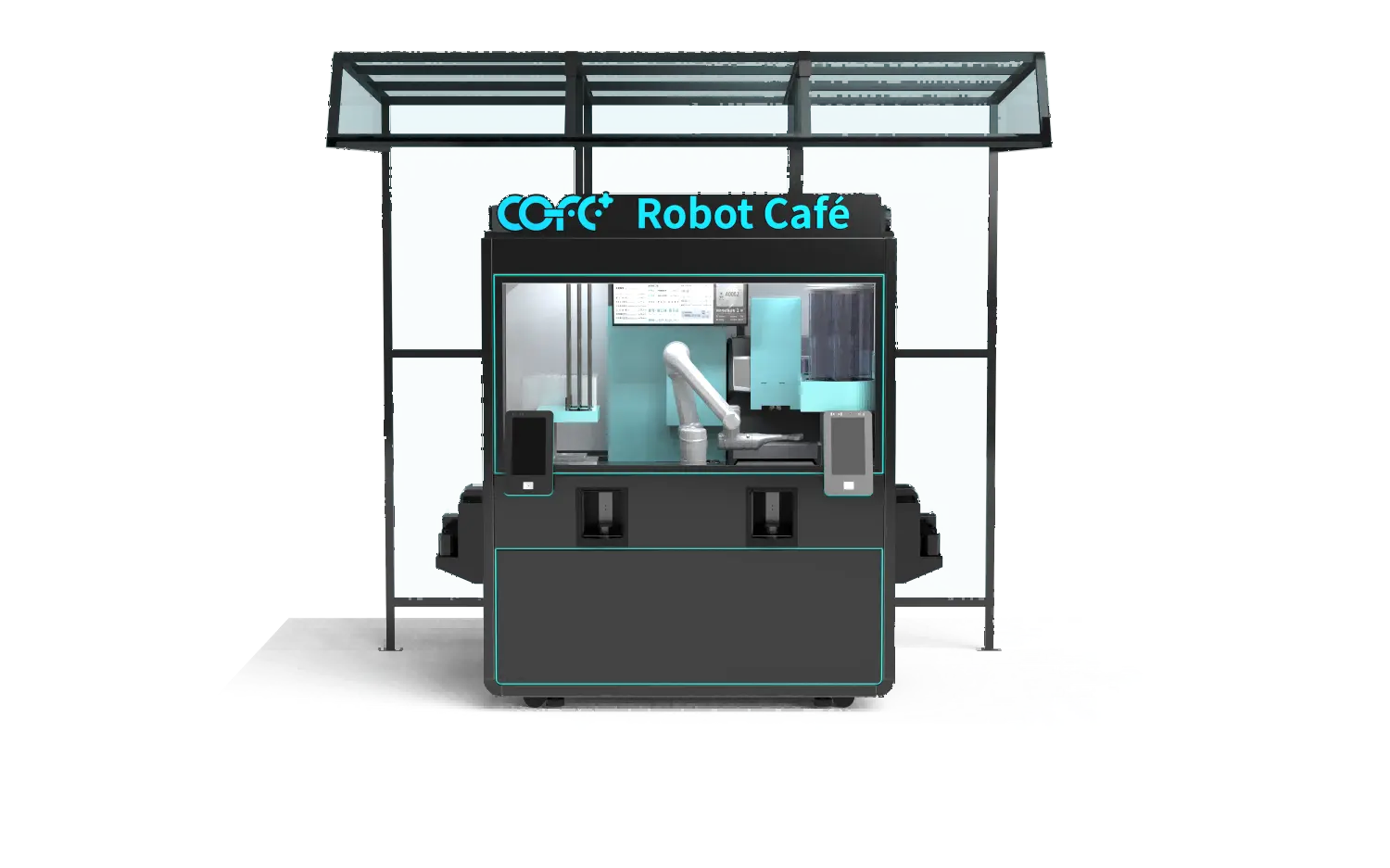
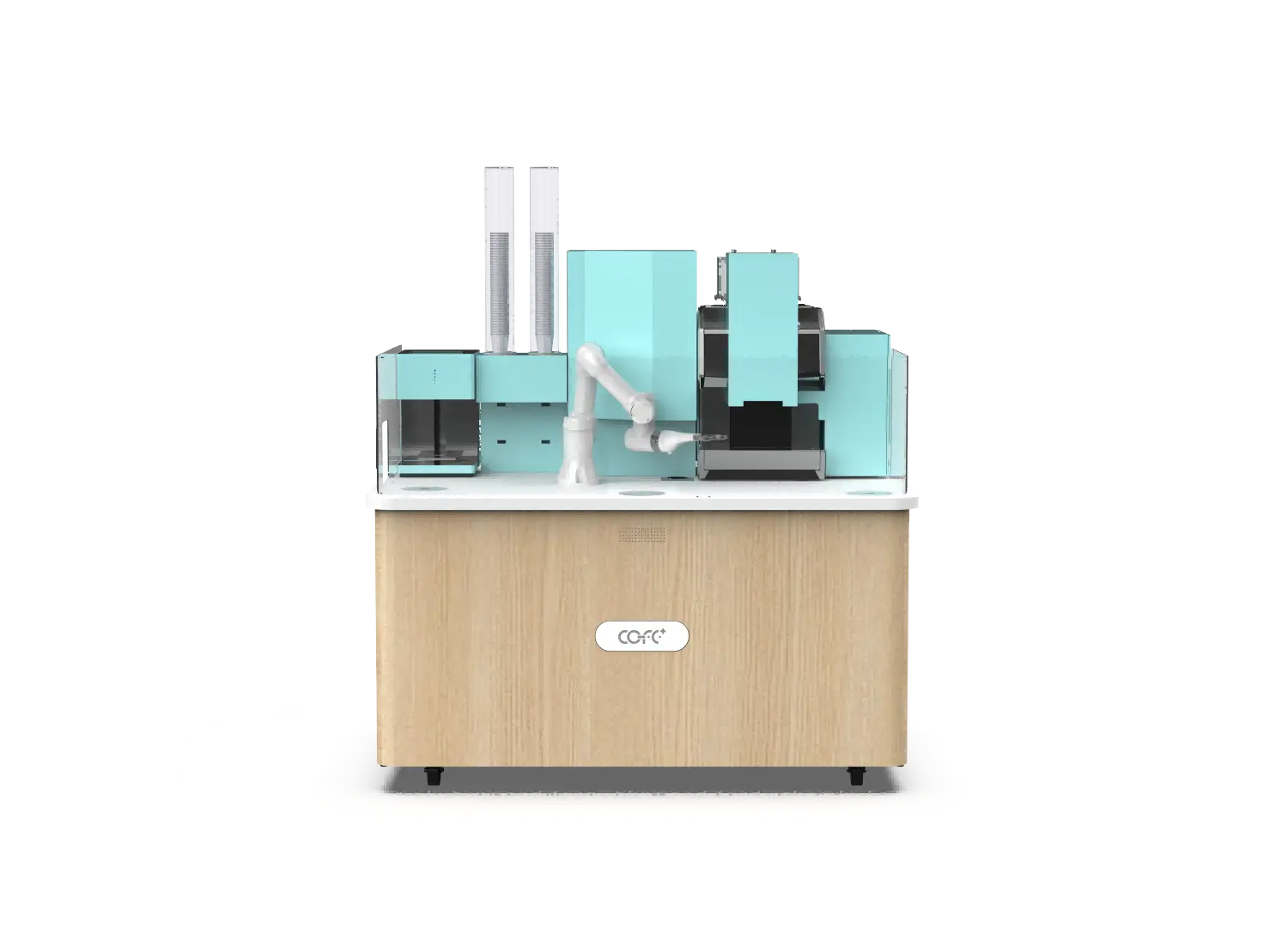
The most profitable kiosks use what I call a modular recipe architecture. Instead of adding new supplies for every drink name, you maximize permutations within your existing ingredient set. A single espresso base, two milk options, and three syrups can produce dozens of recognizable beverages by varying shot counts, milk ratios, and topping combinations. The COFE+ robot coffee platform demonstrates this at scale: it delivers over 300 drink types and 5,000+ custom combinations from a compact, standardized ingredient rack, without slowing down. The robotic arm and brewing modules execute each recipe in 43 to 60 seconds regardless of complexity because the entire sequence is digitally prescripted.
Speed in a robot barista does not depend on menu breadth but on the mechanical throughput of grinding, extraction, and dispensing. As long as the ingredient stations are properly stocked and the cleaning cycles are automated, a kiosk can offer hundreds of variations while maintaining a steady cup-per-minute rate. COFE+ consistently hits around 1,000 cups per day in high-traffic deployments because the system design separates flavor assembly from core brewing time, so adding a syrup or oat milk does not extend the total cycle.
The highest-leverage ingredients are those that combine widely: one high-quality espresso base, two milk choices (whole and oat), three core syrup flavors (vanilla, caramel, hazelnut), and a chocolate powder. These six inputs can generate a full café-style menu, from lattes to mochas to iced drinks, as shown below.
| Base | Milk | Syrup/Additive | Resulting Drink |
|---|---|---|---|
| Espresso (hot) | Whole milk | Vanilla syrup | Vanilla Latte |
| Espresso (hot) | Oat milk | Caramel syrup | Caramel Oat Latte |
| Cold brew | Whole milk | Hazelnut syrup | Iced Hazelnut Cold Brew |
| Espresso shot | – | Chocolate powder | Mocha |
| Espresso (hot) | Oat milk | None | Espresso Macchiato |
Adding more categories like cold-brew or matcha expands the set further with minimal new inventory, because these base ingredients are shelf-stable and use the same dispensing lines.
If your kiosk will serve a mixed tourist-commuter site, it’s worth testing menu configurations against actual demand patterns before going live. Reach out to our team for a demonstration of how Hi-Dolphin’s smart store brain simulates menu performance by location, so you can see expected attachment rates and ingredient turnover before committing.
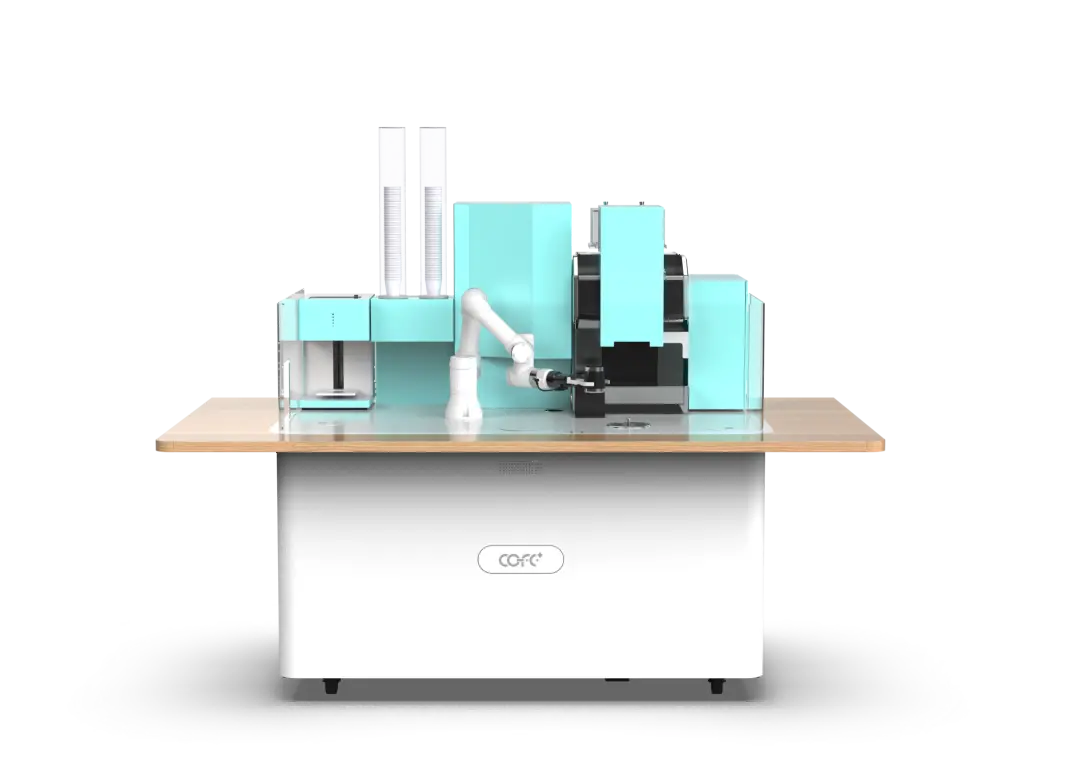
The smart store brain embedded in COFE+ kiosks is a live analytics engine that tracks every transaction, ingredient draw, and screen navigation path. That data eliminates guesswork. I’ve advised operators who pulled afternoon iced-drink sales forward by simply reordering the touchscreen layout after the system highlighted a midday drop-off. In a deployment near a university, the kiosk automatically recommended meal deals that combined a hot latte with a pastry from an adjacent machine, lifting average order value by 12% within two weeks.
Priority metrics are sales count per drink variant, ingredient waste percentage, screen abandonment rate, and attachment rate on syrup and topping upsells. Track these weekly. If a syrup accounts for less than 3% of total syrup pours after a 30-day pilot, it’s a candidate for removal. The COFE+ operations dashboard presents these figures pre-aggregated, so no manual logging is needed.
Location dictates taste. In a transit hub with international travelers, offer a multilingual interface and a focused selection of globally recognized drinks like cappuccino, latte, and Americano. Near corporate offices, emphasize quick-serve hot coffee and oat milk options. Some COFE+ operators in university settings swap in fruit tea modules during summer to capture non-coffee drinkers. Use the smart store brain’s A/B testing feature to trial demographic-specific menus for two weeks and let the data make the final call.
A diverse menu only works if the back-end logistics stay lean. COFE+ kiosks are designed for just that: fully enclosed ingredient bays, automated 85°C high-temp sterilization between sessions, and cloud-based inventory alerts that fire when a syrup bottle or milk carton drops below a preset threshold. We’ve tracked operators who switched from fixed calendar restocks to demand-based replenishment and saw ingredient spoilage drop by roughly 15 to 20 percent. The system’s predictive ordering module uses trailing 4-week consumption data to suggest order quantities for each SKU, which is invaluable when managing multiple sites with different menu configurations.
Beyond cup volume, the key performance indicators for a robot coffee kiosk menu are attachment rate, net ingredient cost per cup, and order completion time. An ideal menu structure pushes the attachment rate above 30 percent by making syrup upgrades and milk alternatives visible early in the ordering flow, without adding steps. If one drink variant consumes a disproportionate amount of slow-moving ingredients, the menu should either retire it or repackage it with a bundle that moves those same ingredients faster. I encourage operators to run a structured 30-day trial for every new ingredient and cut it decisively if it fails to reach the defined threshold. A static, never-changing menu built on data from opening week will underperform.
Designing the right menu is the biggest single lever for profitability in unmanned coffee kiosks, but it’s also where many new operators get stuck. At Shanghai Hi-Dolphin Robot Technology, our COFE+ platform is engineered to turn that challenge into a data-driven advantage. Send your site profile and target customer segments to sales@hi-dolphin.com or call +86 131 6630 1290. We’ll work with you to configure a menu architecture that matches your location’s demand patterns and is fully supported by the smart store brain’s real-time optimization tools.
A robot coffee kiosk can turn a profit with as few as 15 to 20 core drinks if its location and pricing are right. Profitability hinges more on ingredient utilization than on menu length. A tightly engineered 20-drink list built from five shared ingredients often outperforms a 50-drink menu that stretches inventory thin. The key is that each added drink should pull from ingredients already onboard. When we evaluate operator menus, we first check whether a new item introduces a new SKU; if it does, we model the extra gross profit against the added restocking frequency and waste risk before approving it.
That depends on your customer profile. A stable office-park kiosk can refresh its menu every quarter with seasonal promotions while keeping a consistent core lineup. In high-traffic tourist areas, monthly specials create urgency, but they should be built from the core ingredient set to avoid supply chain disruptions. Some operators we support rotate just one featured drink slot every four weeks while leaving the rest static, which balances novelty and operational control.
Yes. Oat and almond milk are the most requested plant-based options, and they integrate into the kiosk without extra equipment because they ship in standard cartons and run through the same dispensing system as dairy milk. The COFE+ platform handles all milk lines with automatic purging and high-temperature sterilization, so cross-contamination is not a practical concern. We’ve seen locations where adding oat milk increased total sales by 6 to 8 percent simply by capturing customers who would have walked away.
It rarely does, contrary to what many new operators believe. When kiosk screens list more than five syrup options, customers can experience decision fatigue and default to a plain coffee or leave. We’ve seen higher attachment rates when the screen highlights three core syrups and a limited-time flavor, rather than a long scrolling list. The COFE+ interface lets you prioritize placement so the most popular syrups are tapped first, nudging customers toward higher-margin add-ons without overwhelming them.
Treat seasonal ingredients as a test, not a separate supply chain. If a pumpkin spice syrup sells well in October, you can keep it year-round if your supplier provides consistent lead times, or you can swap it out for a peppermint variant in December. The smart store brain tracks consumption on each seasonal item, and its auto-reorder module adjusts order quantities based on actual draw, so you don’t end up with excess inventory when the season ends. For first-time seasonal launches, start with a small batch and let the data decide whether to restock or retire. If you’re introducing a seasonal ingredient that requires additional supplier approvals, send your product specification to sales@hi-dolphin.com and we can help confirm ingredient compatibility with the kiosk’s dispensing and sterilization systems before you commit.
TL;DR — COFE+ is a fully automated robotic coffee kiosk that grinds fresh beans, brews espresso and lattes, creates latt……
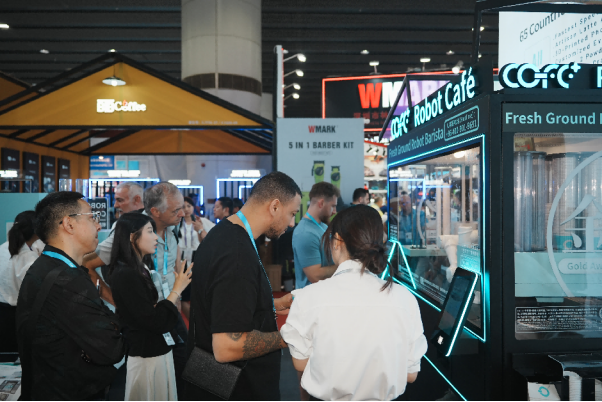
7th-Genertion Smart Robot Coffee Kiosk Arrives at the Belt and Road Core Hub, Ushering in a New Service Era Along t……
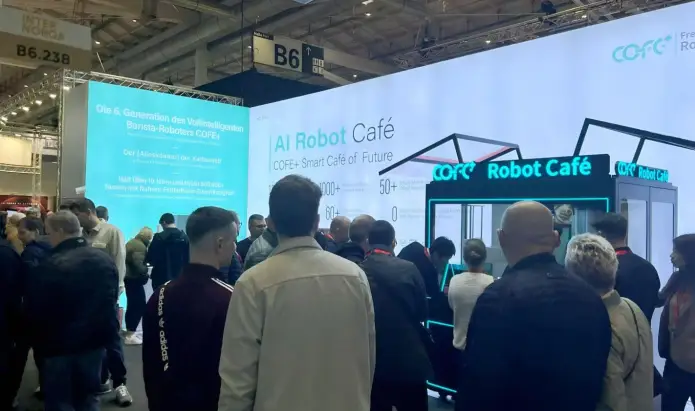
CHICAGO, May 12, 2026 (GLOBE NEWSWIRE) – Shanghai Hi-Dolphin Robot Technology today announced the U.S. debut of its 7th‑……