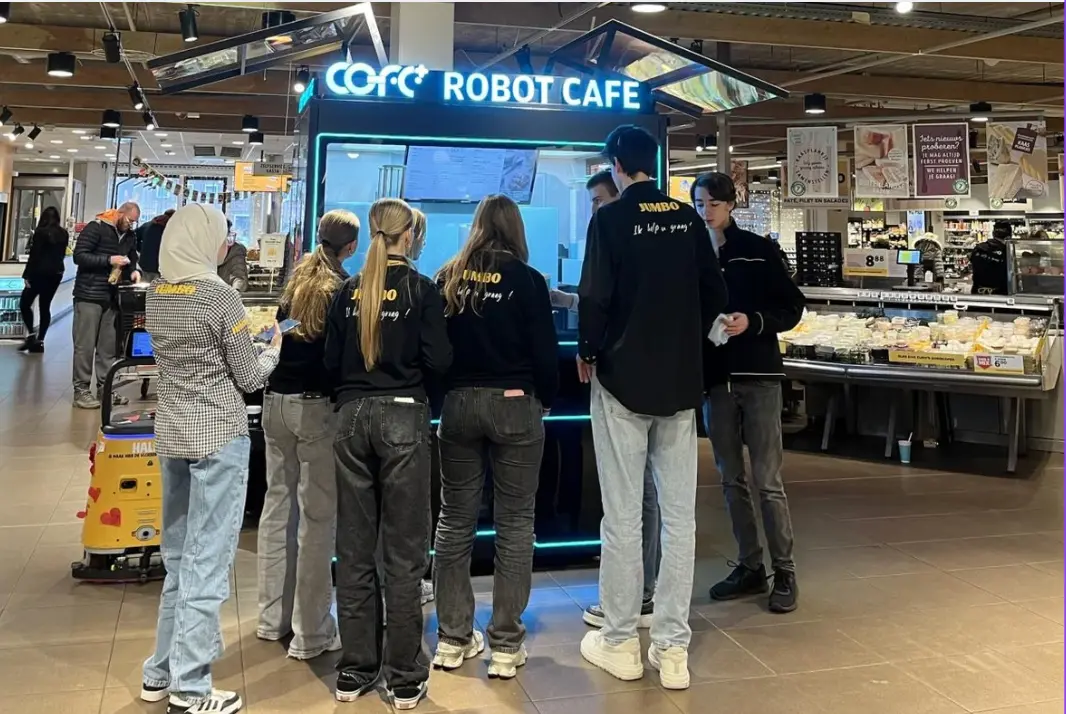
The Rise of Professional Robotic Café Technology: What COFE+ Is and Why It Matters
TL;DR — COFE+ is a fully automated robotic coffee kiosk that grinds fresh beans, brews espresso and lattes, creates latt……

A standard cup of coffee vanishes from a customer’s hand in minutes. A cup with a detailed leaf pattern or the customer’s own face printed on the foam gets three photos taken before the first sip. That gap between consumption and sharing is real revenue that most unmanned kiosk operators leave on the table. Latte art in a robot coffee kiosk does not just make the drink look better. It changes the unit economics by turning every serving into a potential social media post, which drives discovery without a single dollar of ad spend. Operators who treat latte art as an aesthetic afterthought miss the single most cost-effective customer acquisition channel built into a modern robotic kiosk.
How Visual Drinks Convert Bystanders Into Customers
Ambient foot traffic in a shopping center or airport concourse will walk past a coffee machine unless something stops them. A robotic arm moving with precision, building a tulip or rosetta on the surface of a latte, creates that pause. People pull out their phones. They capture the motion. They post it. What the operator gets is not just a coffee sale but an impression delivered by a satisfied customer to that customer’s entire social network.
I have watched this pattern repeat across deployments in over 35 countries. The machines that produce visual output consistently generate a queue that feeds itself. The machines that produce plain brown coffee do not. The data is observational but consistent: a robot coffee kiosk with visible latte art capability converts far more passersby into first-time buyers than one without it.
The two visual mechanisms available on the COFE+ 7th generation platform illustrate the operational range. The 3D photo and logo printing system applies edible ink to the foam surface, reproducing a headshot, a pet, or a brand logo with enough fidelity to trigger a photo. The robotic arm latte art function draws classic patterns (tulips, hearts, rosettas) using the pour itself, which reads as craftsmanship even when performed by a machine. Both mechanics work because the customer’s reflex to photograph novel visual output is almost universal across demographics and geographies.
Technology Requirements for Latte Art in Unmanned Operations
Not every robotic kiosk can produce latte art that photographs well. Operators evaluating equipment should look beyond the marketing language and check three specific technical conditions.
The first is foam stability. A pattern that dissolves into the crema in forty seconds will not survive the time it takes to open a camera app. The machine needs a milk steaming system that produces microfoam with sufficient density and protein structure to hold definition. COFE+ units deliver this through a closed-loop steam wand with digital pressure and temperature control calibrated to milk type, whether whole dairy, oat, or soy. The result is foam texture consistent across hundreds of consecutive cups, which is the prerequisite for any repeatable visual output.
The second condition is motion precision. Whether printing or pouring, the end effector must position itself within sub-millimeter tolerance across the entire cup surface. A lag or drift in the servos will produce distorted images that customers delete rather than post. The robotic arm in the 7th-gen kiosk executes movement paths stored as digitized barista recipes; those paths have been validated over 500,000-plus cups of testing. That matters because the difference between a recognizable tulip and an amorphous blob is less than a millimeter of pour angle over a sixty-second sequence.
The third condition is contaminant isolation. A shared nozzle that pulls espresso, dispenses milk, and then attempts to print foam art will always produce off-colors and smearing. The COFE+ architecture separates these fluid paths so that the milk delivery and the printing head do not cross-contaminate. This is an engineering detail, not a marketing point, but operators who skip it will field complaints about grey-tinted rosettas within the first month.
Comparing Latte Art Capabilities Across Kiosk Models
Different deployment scenarios call for different levels of visual output. The table below maps the relevant options against common operator goals.
| Kiosk Model | Latte Art Mode | Ideal For | Visual Impact |
|---|---|---|---|
| Indoor Robot Coffee Kiosk | 3D foam printing + robotic arm | Shopping malls, offices, universities | Photo sharing, brand placement |
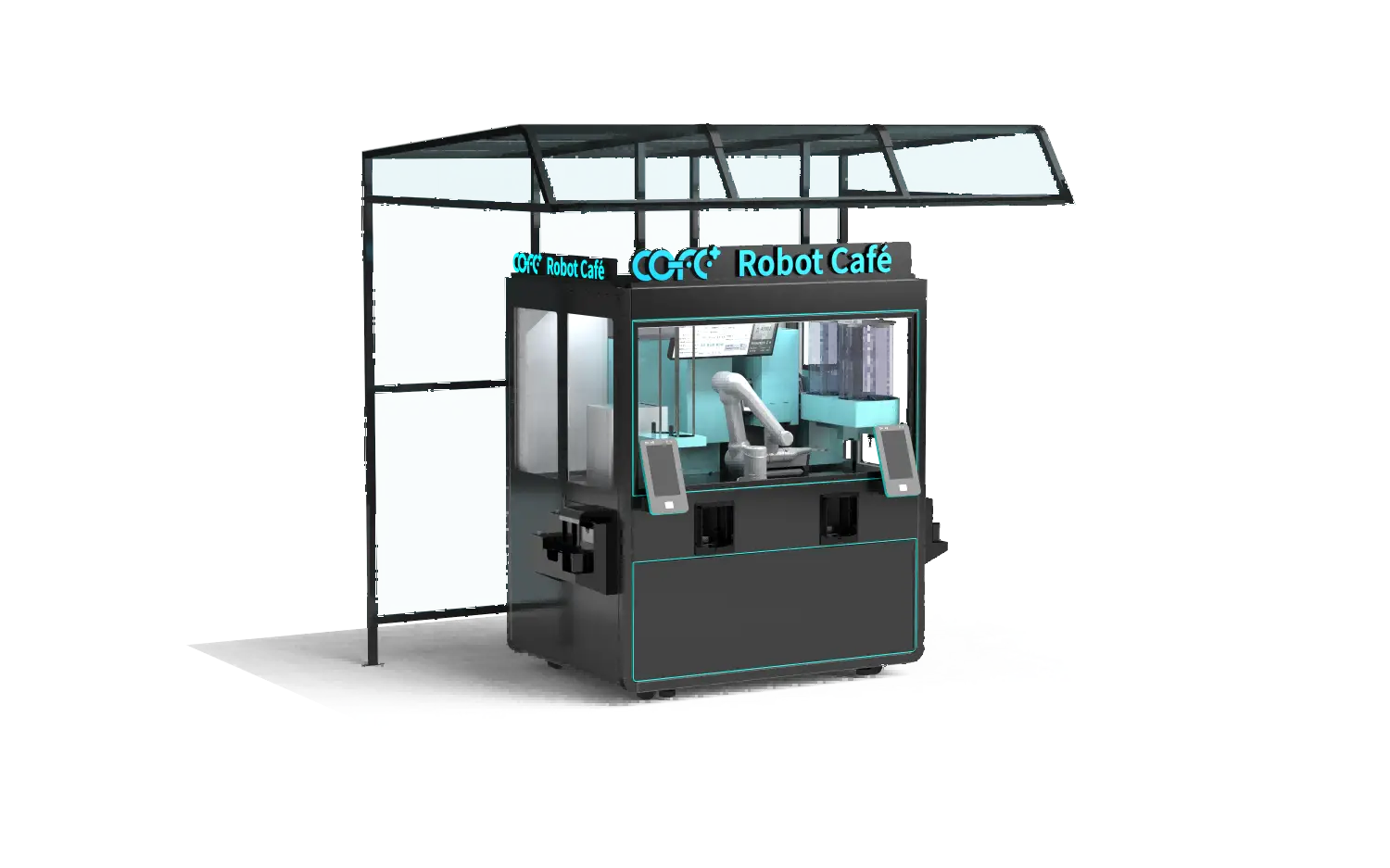
| Outdoor Robot Coffee Kiosk | Robotic arm pattern drawing | Parks, transit hubs, stadiums | Motion video content |
| Robot Coffee Bar | 3D printing + handcraft-style pours | Hotels, airports, co-working | Premium social media asset |
| Robot Coffee Counter | Full visual suite | VIP lounges, luxury retail | Guest experience amplification |
Outdoor deployments benefit especially from motion-based visual output. The robotic arm performing a pour against a cityscape or park backdrop becomes content that mixes product experience with location context, which social platforms reward with higher organic reach.
Integrating Latte Art Into a Revenue Strategy
Adding a visual drink capability costs almost nothing per cup beyond the initial hardware selection. The incremental consumables for a 3D print run well under a cent, and the robotic arm pours use no extra ingredients. So the margin on a visually enhanced latte is identical to a plain latte. What changes is the sell-through rate of the higher-priced menu items.
In practice, operators can structure menu pricing so that the visual premium drink becomes the default upsell. A base latte at $4.00 and a signature latte with photo print at $5.50 creates a $1.50 margin lift on every upsell conversion. If one in three customers chooses the visual option, the machine generates an additional $0.50 per average transaction with zero additional labor or ingredient cost. Over 500 daily cups, that is $250 in daily incremental revenue, or roughly $91,000 annually from a single unit. This is not a theory; it is arithmetic built from the COFE+ pricing model of $0.30 to $0.70 cost per cup and menu flexibility across 300-plus drink types.
The social sharing multiplier amplifies this further. A single customer photo that generates a walk-in sale from someone in the same building or terminal represents a customer acquisition cost of essentially zero. Traditional retail coffee spends between three and eight percent of revenue on marketing. A visual-drink kiosk earns its marketing through the product itself, which is the most durable advantage in high-rent locations where every square meter of customer attention must pay for itself.
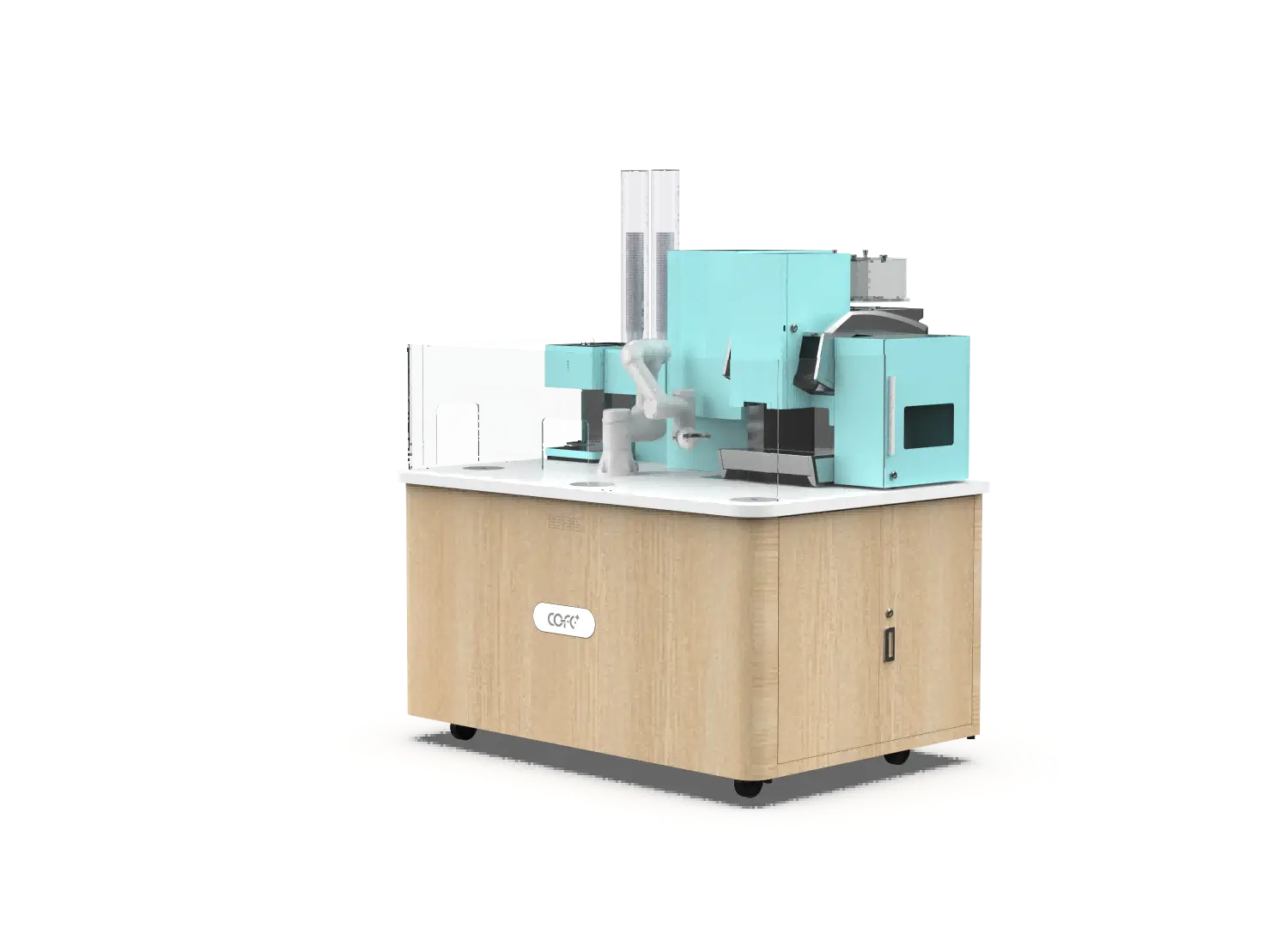
Operational considerations for latte art consistency are minimal but specific. The milk temperature must remain within a two-degree Celsius range for stable foam. The 3D print cartridge must be replaced roughly every 1,200 prints, a number that the cloud monitoring system tracks and alerts before depletion. The robotic arm requires no recalibration outside scheduled preventive maintenance cycles, which are typically six-month intervals. All of this is manageable within the same remote monitoring dashboard that tracks bean inventory and cup stock.
Practical Steps for Operators New to Visual Drinks
If you are deploying a robot coffee kiosk and want latte art to contribute to revenue from day one, start with the following sequence.
One, collect three to five high-resolution images that represent your location’s likely audience. A university kiosk should test a campus logo or mascot. An airport kiosk should test a simple destination-themed graphic. Tourist locations respond to location-specific prints such as a local landmark outline. Upload these into the cloud management interface and designate them as loyalty rewards or social media contest submissions.
Two, set your menu structure so that the visual drink is the second item displayed after the house espresso. Customers scroll sequentially on a touchscreen. The visual option must appear before they commit to a plain latte. Pricing should place the visual drink roughly thirty percent above the base latte, not fifty or one hundred percent, because steep premiums suppress trial among first-time machine users.
Three, configure the order confirmation screen to display a short encouragement: “Take a photo before you drink.” This prompt alone increases social post rates measurably, and it costs nothing to implement across the entire fleet.
Four, assign one operations team member to review the review-images channel once per month. The cloud system can capture quality snapshots of each print before the cup is served. Spot-checking these images catches any print-head drift or foam quality degradation before a customer reports it on social media, which is a far more expensive correction path.
What Operators Often Overlook When Adding Latte Art to a Kiosk
The physical placement of the robotic arm relative to the customer viewing angle determines how much video content gets created. A kiosk positioned so that the arm is visible from the main walking path will generate more social media content than a kiosk where the arm faces a wall. Island placement almost always outperforms wall-side placement on social impression generation, even if wall-side placement offers slightly more floor efficiency. The difference in organic reach often outweighs the square-meter cost of island positioning.
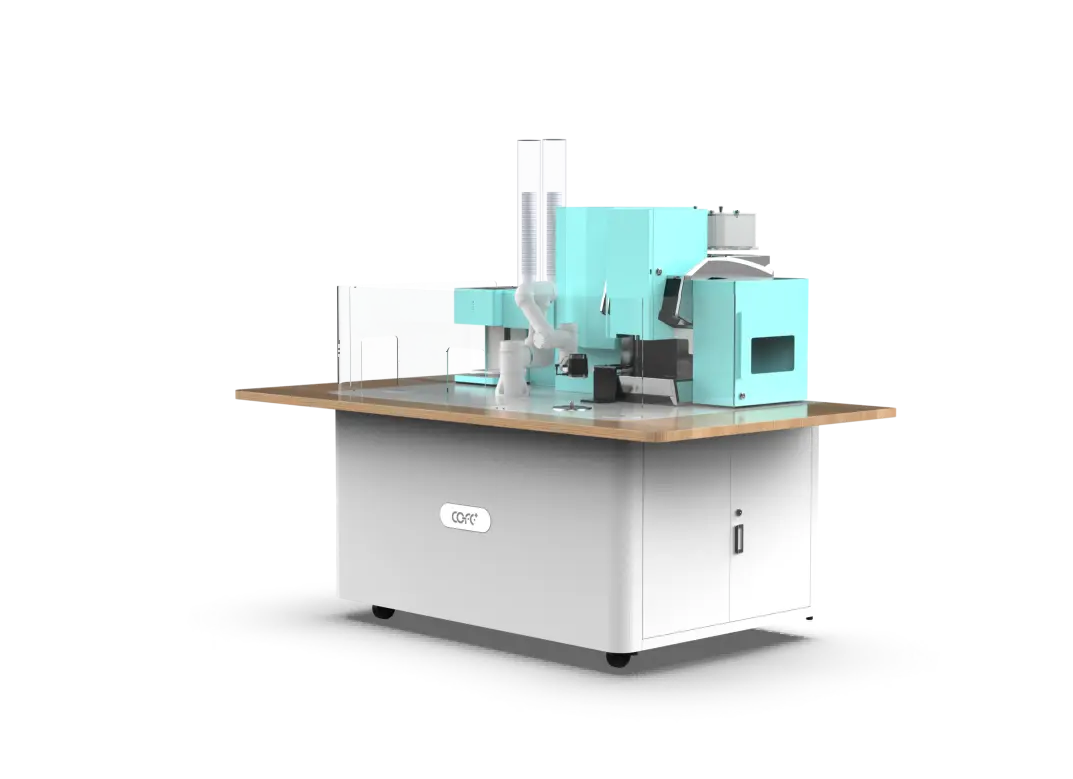
Another oversight is language configuration. In tourist-heavy locations where customers speak multiple languages, the menu prompt that encourages photo-taking must appear in at least the top two visitor languages. The COFE+ system supports multi-language interface switching, and setting this up during commissioning takes under fifteen minutes. Operators who ship a Chinese-language prompt to a location serving primarily Arabic or Spanish speakers leave social share volume on the table for no reason other than an incomplete setup checklist.
Food safety compliance also intersects with visual output in ways that matter to multi-country operators. The inks and milk products used in the latte art process must meet the food contact material standards of the jurisdiction. The COFE+ platform carries FDA, CE, UKCA, KC, and SASO certifications that cover the full fluid path including the print head. Any operator buying a kiosk without verifying that those certifications extend to the visual output subsystem is taking a regulatory risk that will surface during import clearance or a health inspection. This is one area where the cheapest supplier invariably costs more over the deployment lifetime.
Frequently Asked Questions About Robot Coffee Kiosk Latte Art
What type of latte art generates the most social shares?
Photos of a customer’s own face or pet printed on the foam outperform abstract patterns by a factor of about three to one in observed share rates. The customer has personal investment in the image, and tagging themselves or the person whose face appears on the cup extends the post’s reach to that person’s network. Logo prints work differently; they are effective for brand accounts and operators who run loyalty programs but generate fewer organic reposts from individual customers.
Does latte art slow down the service speed?
The robotic arm pour adds approximately fifteen to twenty seconds to the total cycle time compared to a standard latte without art. The 3D print adds twenty-five to thirty seconds. Both are well within the tolerance for an unmanned kiosk serving an average of one thousand cups per day, because the customer is watching the process and perceives the wait as entertainment rather than delay. The throughput constraint on a COFE+ unit in high-density environments is almost always the payment and pickup sequence, not the beverage preparation time.
Can the latte art function be disabled remotely if it is not performing?
Yes. The cloud management dashboard allows per-machine toggling of the visual output features. If a print head needs replacement or the milk supply at a particular location is not producing stable foam, the operator can switch the machine to standard latte mode remotely. This avoids service calls for cosmetic issues and keeps revenue flowing. Real-time foam quality metrics are available in the data stream for machines that have the sensor array activated.
If your program involves multiple kiosks across different countries and you need to confirm which certifications cover the visual output subsystems for each target market, reach out with your planned deployments and we will verify the documentation against the relevant regulatory requirements. Send your location list to sales@hi-dolphin.com or call +86 131 6630 1290.
TL;DR — COFE+ is a fully automated robotic coffee kiosk that grinds fresh beans, brews espresso and lattes, creates latt……
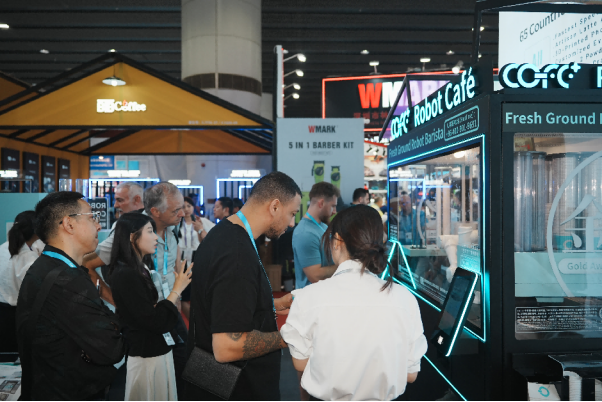
7th-Genertion Smart Robot Coffee Kiosk Arrives at the Belt and Road Core Hub, Ushering in a New Service Era Along t……
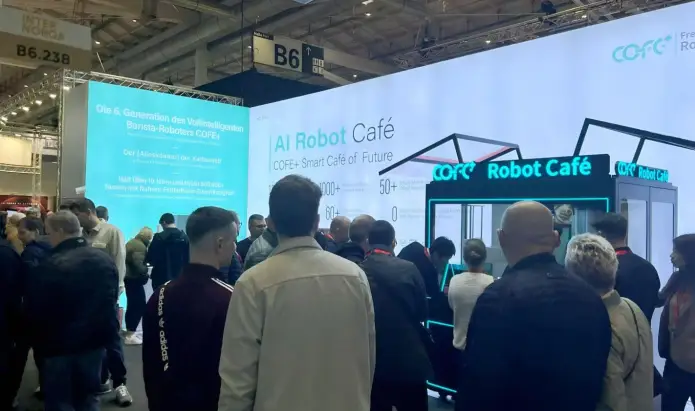
CHICAGO, May 12, 2026 (GLOBE NEWSWIRE) – Shanghai Hi-Dolphin Robot Technology today announced the U.S. debut of its 7th‑……