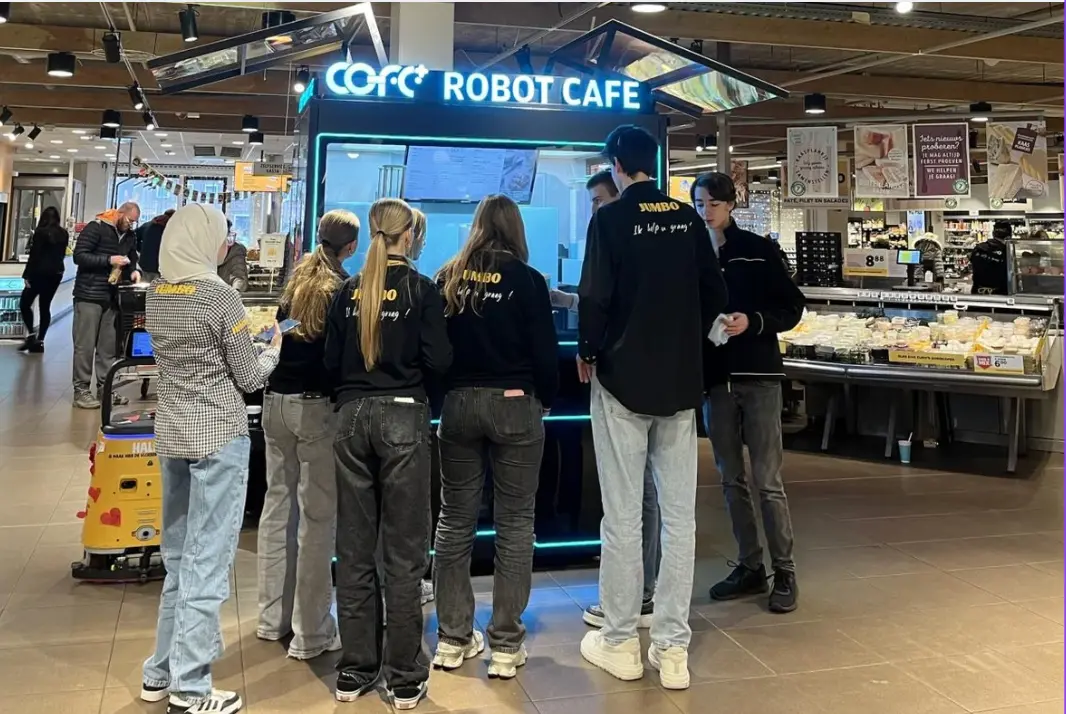
The Rise of Professional Robotic Café Technology: What COFE+ Is and Why It Matters
TL;DR — COFE+ is a fully automated robotic coffee kiosk that grinds fresh beans, brews espresso and lattes, creates latt……

A robot coffee kiosk for co-working spaces works best when operators stop treating it as a vending machine and start managing it as a flexible amenity that runs across member hours. A fixed barista counter adds labor that most shared offices do not use outside the morning peak, so the counter rarely covers its own staffing cost. My view as a retail automation strategist is that the strongest setup is a compact robot coffee format matched to how members actually move through the space. That choice determines whether the machine becomes a daily ritual or an overlooked corner.
Co-working operators face a mismatch between member expectations and the cost of meeting them. Members want fast, good coffee throughout the day. Building management usually limits open flame and plumbing work, which rules out full coffee bars in many multi-tenant buildings. A barista station also follows a peak-heavy demand curve. In a 400 seat co-working floor, demand concentrates between 8:30 and 10:00, then drops to a slow trickle after lunch.
Staffing that kind of demand is expensive. A barista arriving for the morning rush costs a full or partial shift even if only two hours are busy. After the rush, the same person waits through afternoon lulls. Lounges that choose a self-service pod or a traditional vending machine save labor but lose quality, and members notice. I have seen shared office users accept a vending machine for cold drinks but not for espresso. The gap is not coffee availability. It is consistent quality without a standing payroll line.
A robot coffee kiosk changes the economics by removing the two variables that make cafe service unstable in shared offices: labor scheduling and idle hours. The machine grinds, extracts, steams milk, and serves without a shift rota. It can operate 24/7, so early members and late night teams get the same menu instead of a locked pantry. For the operator, per cup costs in automated retail systems like the COFE+ seventh generation machine run from about $0.30 to $0.70 depending on ingredients and packaging, compared with a barista wage that repeats daily regardless of sales.
The visible result in a co-working space is not only lower labor cost. It is an amenity that stays consistent. When a member orders the same oat milk cortado at 7:30 am and a visitor orders a matcha latte at 9:00 pm, both cups follow the same sequenced recipe. That consistency matters more than most operators expect, because shared space users compare the amenity against the cafe they could have worked from instead. A member who receives a poor cup once will blame the building, not just the machine.
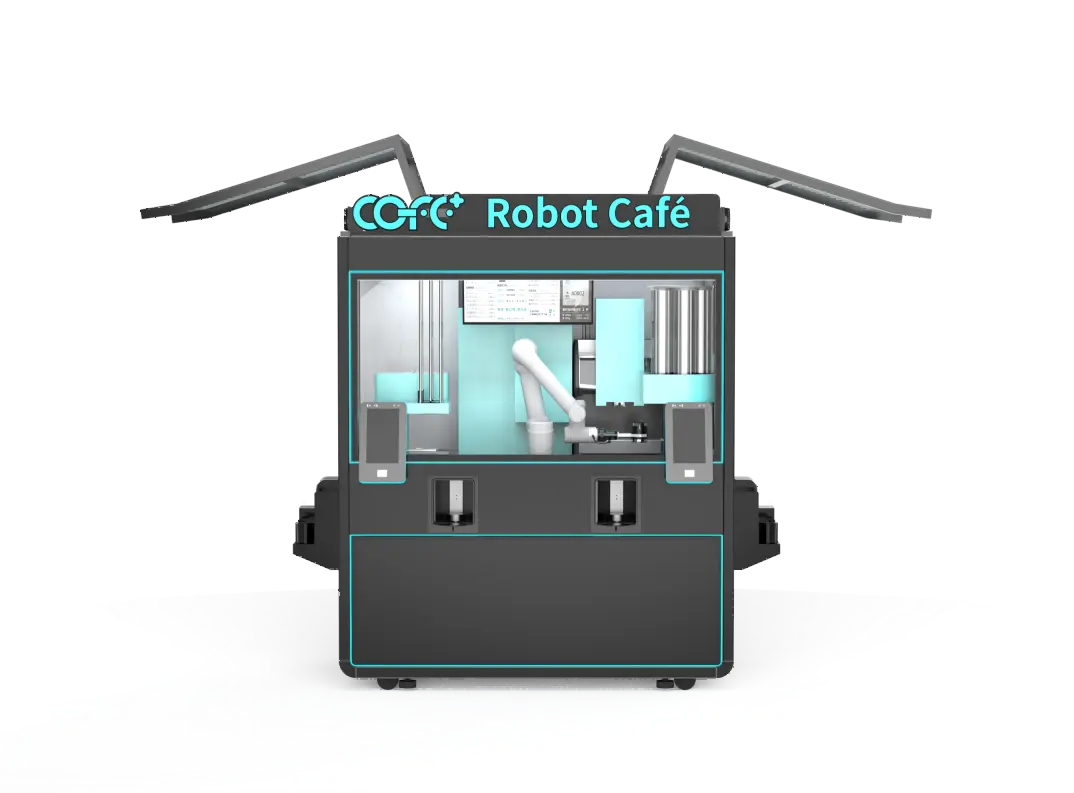
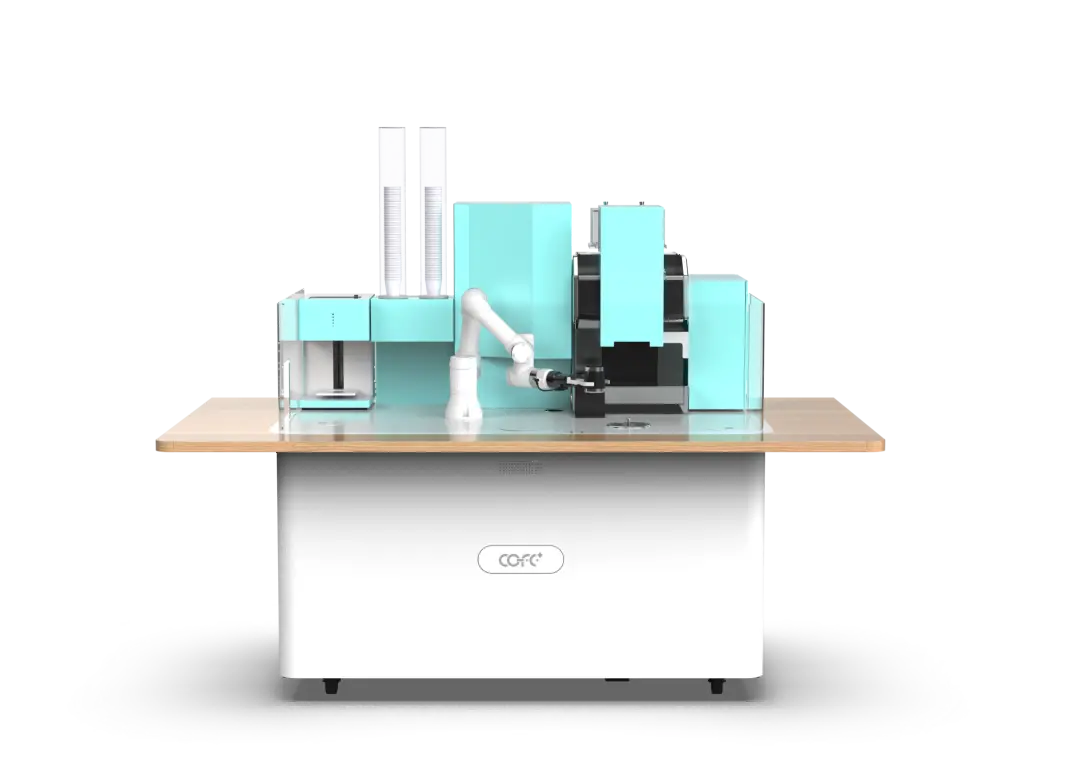
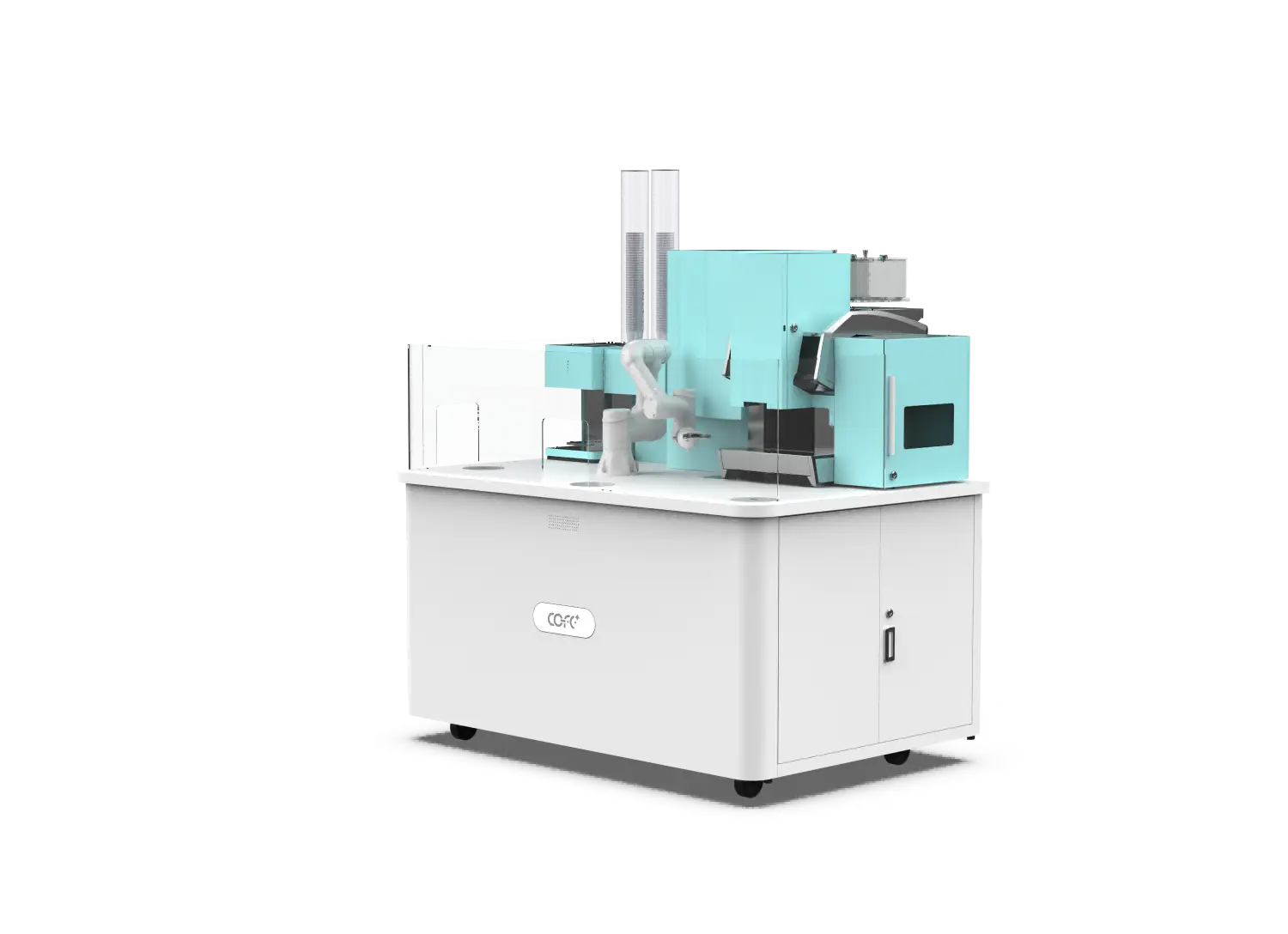
The right format depends on where the machine sits in the member journey. A high volume open floor with rapid grab-and-go traffic fits a freestanding indoor kiosk. A lounge with seating near the entrance often performs better with a robot coffee bar that folds open into a four seat counter. A reception or premium break room usually needs a built-in robot coffee counter that blends into the interior. The table below compares the practical differences for co-working use.
| Machine format | Footprint | Best co-working placement | Serving style |
|---|---|---|---|
| Indoor kiosk | 2.35 m² | Open amenity zone with high footfall | Freestanding, grab and go |
| Robot coffee bar | About 2 m² folded | Lounge or social area near seating | Folds open into a four seat bar |
| Robot coffee counter | About 2 m² | Reception or premium break room | Counter integrated, open view |
A freestanding robot coffee kiosk is the strongest choice when the co-working floor has enough open common area and member density to keep it busy from morning through evening. The 2.35 m² indoor model is rated by the manufacturer for continuous operation and roughly 1,000 cups per day at full capacity, which is beyond most shared office demand. But if the machine is placed too far from desks or behind a closed door, it will underperform even with that capacity. Placement drives more value than machine speed.
If the co-working space sells community and dwell time, a robot coffee bar or counter is usually a better fit. The bar folds from a compact self-service counter into a four seat social hub, which turns coffee collection into a place where members stop and talk. A built-in counter fits a reception lounge where a freestanding kiosk would feel intrusive. These formats do not just dispense drinks. They create a small coffee theater that makes the amenity visible to visitors without requiring permanent staffing.
Co-working operators generally treat coffee as either an included member perk or a paid service. The first question is not machine price. It is unit economics. If the machine’s ingredient cost per cup lands around $0.30 to $0.70 and you price a standard latte at $3.50 to $4.50, the margin absorbs the equipment cost faster than most operators assume. Payback periods in automated coffee deployments often land between six and twelve months when the machine clears a consistent daily volume. Below that volume, the machine still removes staffing cost, but the capital recovery stretches.
But pricing too low can create an entitlement effect. Members who receive free coffee often consume more cups, drink less from outside shops, and crowd the machine during peaks. A better structure is to bundle a capped number of drinks into the membership tier and charge for extras. That keeps the amenity valuable without making every cup a cost center.
If you are comparing lease and purchase models, confirm first whether your site has stable water, drainage, power, and internet. Those four utilities affect both installation cost and whether the machine can run overnight. Email sales@hi-dolphin.com with your daily member count and seating layout, and we will confirm the best format for your cost model.
A robot coffee kiosk is not a plug and play appliance. The most common delay in co-working installations comes from site readiness, not the machine itself. Before ordering, operators should check power supply, water connection, drainage, and a stable internet uplink. Most units need access to a potable water feed and a drain point for rinse and cleaning cycles. Otherwise staff must refill and empty tanks, which quietly removes the unattended advantage.
The exact electrical load varies by unit, so the building team should review the manufacturer specification sheet before signing a lease. In general, the kiosk needs a dedicated circuit sized for heating and refrigeration components, a water feed with adequate pressure, and a drainage path. Internet connection carries cloud monitoring, remote diagnostics, and payment processing. Our site surveys for co-working spaces normally flag one of these four utilities as the item that delays launch. That is the point to confirm first.
The machine itself may only occupy 2.35 m², but the service envelope is larger. Leave enough clearance for cup pickup, screen interaction, ingredient refilling, and waste access. A busy co-working floor needs at least a small queue area so the machine does not block corridors or fire exits. Building codes often require clear egress widths, and these rules override a visually convenient corner. I have seen more than one site shift location during sign off because the landing team did not confirm the clearance early. It is easier to move a paper floor plan than a delivered kiosk.
Most co-working operators get stuck on utility access and daily member flow, not on choosing the machine. If you are evaluating an unattended coffee setup, send your floor plan and expected member count to sales@hi-dolphin.com or call +86 131 6630 1290. We will confirm which format, utility set, and service plan fit the site before you commit.
Most shared offices should not model against the machine’s maximum capacity. A realistic first month target depends on member count, visitor traffic, and whether drinks are included in memberships. A closed member only floor will sit well below the 1,000 cup ceiling, while a building with heavy visitor flow and drink credits will perform higher. Planning against 1,000 cups per day leads to oversized expectations. Start with daily member count, assume only a modest share will buy, and adjust after the first 30 days. That gives you a defensible break-even number without treating the kiosk like a high street coffee shop.
Many operators assume fully unattended means no one ever looks at the machine. That is not quite true. Day to day, the kiosk runs without staff, but it still needs ingredient restocking, waste removal, and periodic cleaning. Most co-working spaces assign these tasks to an existing front desk or maintenance shift for 10 to 20 minutes per day. The unit’s remote monitoring handles stock alerts and fault reporting, so no dedicated hire is required. The key is assigning ownership of the small daily check before installation, not after.
It depends on the stock alert setup and how quickly someone can respond. A well-configured machine watches inventory in real time and sends an alert before an item reaches zero. If a refill can happen within a short walk inside the building, the customer sees little disruption. If the kiosk is alone in an entry lobby with no nearby storage or assigned responder, a missed alert becomes a closed service. Back up the cloud alert with a named staff member and store consumables near the machine.
In the co-working installations I have reviewed, the machine installation itself is usually measured in days, not weeks. The longer part is site readiness: power, water, drainage, internet, and clearances. Once the landing team confirms those and the machine is positioned, commissioning and first test drinks can happen quickly. Operators who delay utility checks usually delay launch. If you want to compress the timeline, share your floor plan and utility details with us early at sales@hi-dolphin.com and we will confirm the fastest realistic schedule for your site.
TL;DR — COFE+ is a fully automated robotic coffee kiosk that grinds fresh beans, brews espresso and lattes, creates latt……
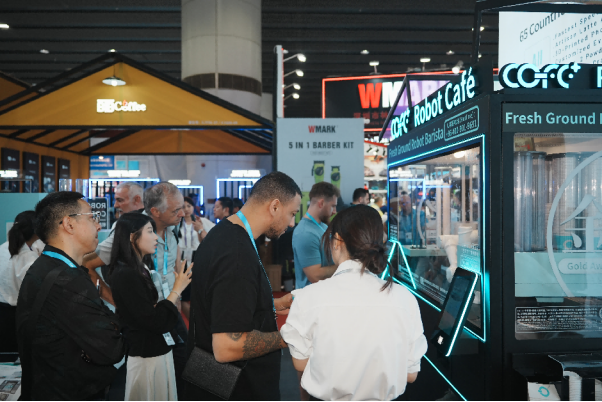
7th-Genertion Smart Robot Coffee Kiosk Arrives at the Belt and Road Core Hub, Ushering in a New Service Era Along t……
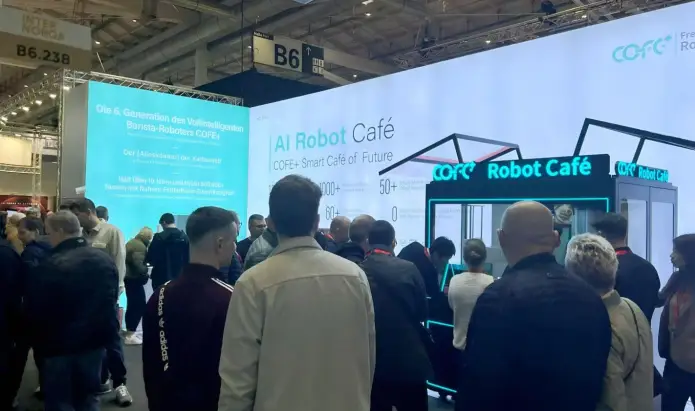
CHICAGO, May 12, 2026 (GLOBE NEWSWIRE) – Shanghai Hi-Dolphin Robot Technology today announced the U.S. debut of its 7th‑……