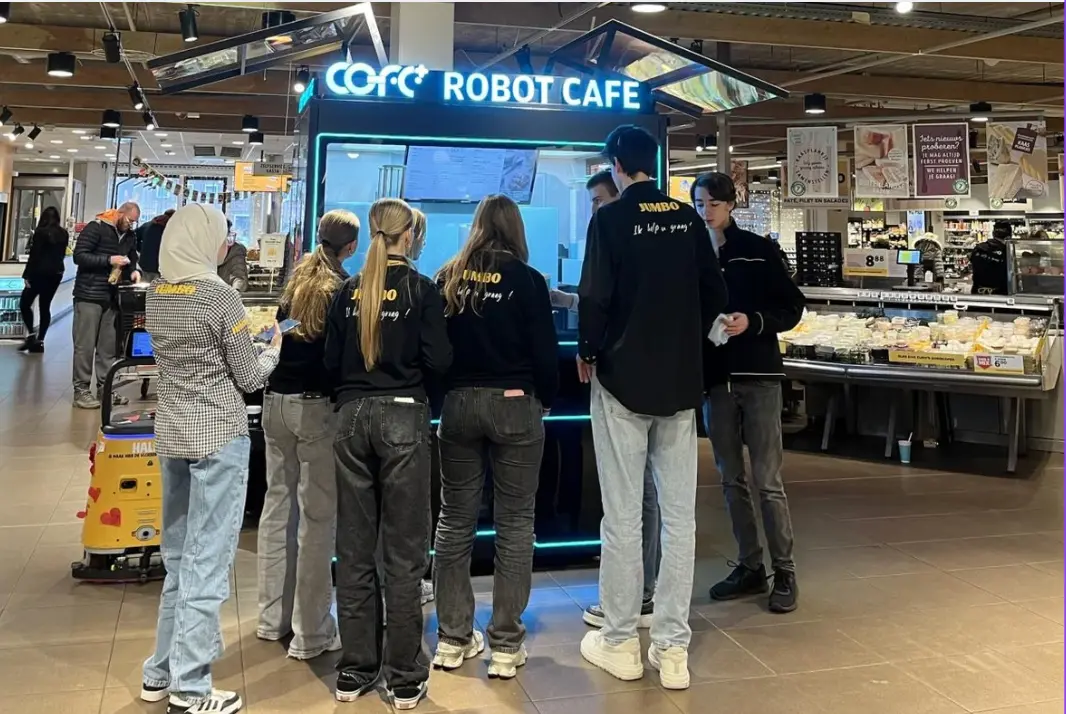
The Rise of Professional Robotic Café Technology: What COFE+ Is and Why It Matters
TL;DR — COFE+ is a fully automated robotic coffee kiosk that grinds fresh beans, brews espresso and lattes, creates latt……

Apartment residents now expect café-quality coffee without leaving the property, and most buildings still offer a vending machine that satisfies nobody. A robot coffee kiosk for apartment communities changes that equation by turning an underused lobby corner into a 24-hour amenity and a measurable revenue stream. I see this as a service-layer decision, not a vending purchase: the revenue appears once placement, menu pricing, and refill routines are designed around how residents actually move. The right system needs no barista, no lease complication, and no additional staffing, yet can serve hundreds of cups per day.
Coffee is one of the few amenities residents use every day, not once a month. A fitness center matters at lease signing, but a morning coffee ritual matters every single day of the lease term. Property managers I speak with say the same thing: the café across the street creates friction, the lobby vending machine creates disappointment, and neither one builds resident retention.
A robot coffee kiosk sits between those two options. It delivers fresh-ground coffee, milk tea, matcha, chocolate, and iced drinks without a staffed café. The machine handles grinding, extraction, and serving on its own, so residents can order at 6:00 a.m. or 11:30 p.m. without waiting for a shop to open. The menu depth is the part most property managers underestimate. A kiosk is not limited to a single black coffee option; it can carry hundreds of drink recipes and thousands of customization combinations, which means one machine can serve a building with very different resident preferences.
The amenity value is not abstract. A building that offers fresh coffee in the lobby gives residents one fewer reason to leave the property for a daily purchase. That changes the relationship between the building and the resident from rent collection to daily service. It also gives leasing teams something concrete to show during tours, especially in markets where competing buildings have similar floor plans and similar rent ranges.
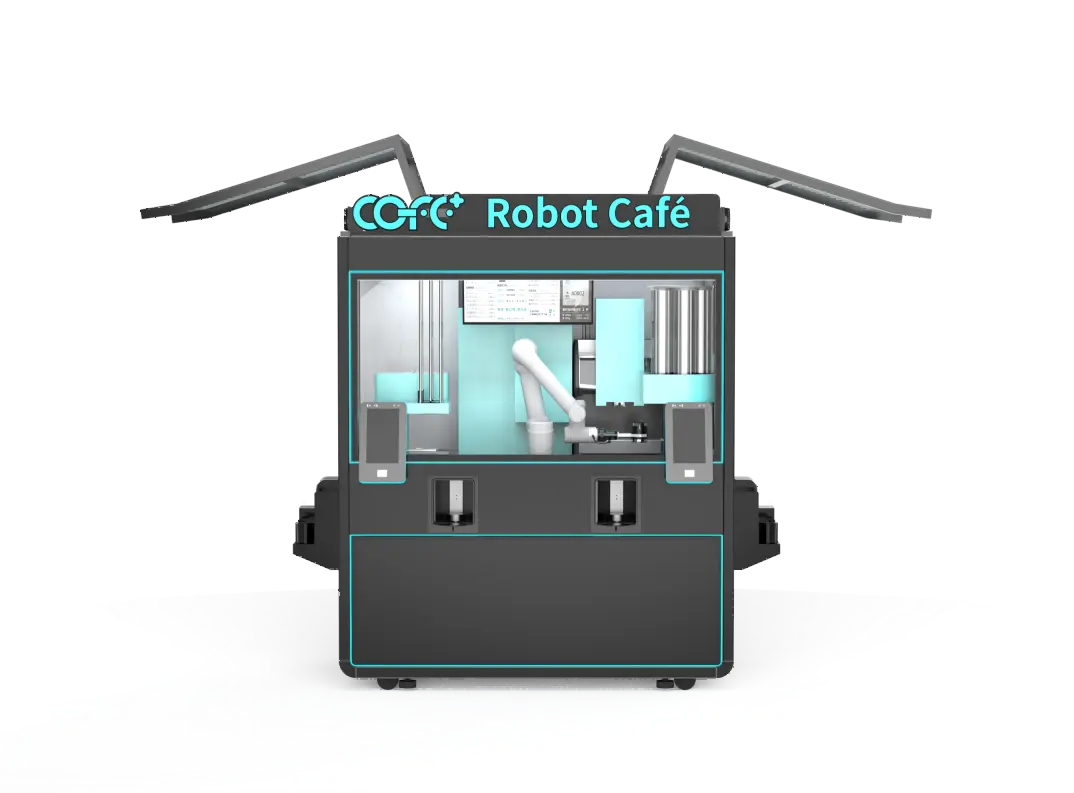
The unit economics are direct. Ingredient and cup costs run between $0.30 and $0.70 per drink, depending on the recipe and local sourcing. A resident price of $2.50 to $4.00 is common for fresh coffee in a residential setting, and the gross margin before utilities and any revenue share is substantial. What matters more than the per-cup margin is whether the building generates enough daily traffic to make the machine worth the space.
| Line item | Planning range |
|---|---|
| Ingredient and cup cost per drink | $0.30 to $0.70 |
| Typical resident price per cup | $2.50 to $4.00 |
| Gross margin before utilities and revenue share | roughly 75% to 85% |
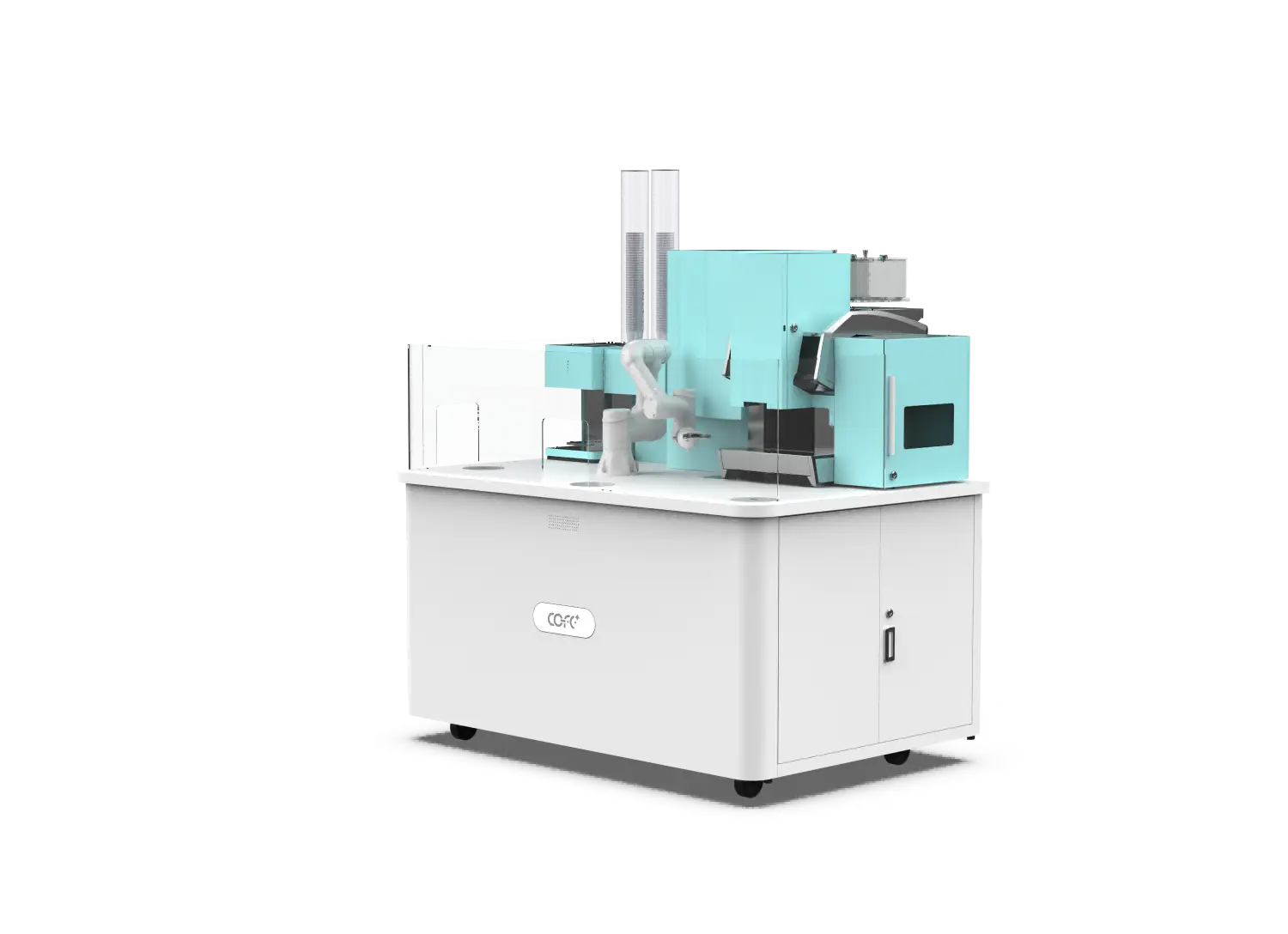
| Machine footprint | 2.35 m² for indoor kiosk |
| Rated capacity | about 1,000 cups per day |
Those figures should be read as planning inputs, not guarantees. An apartment kiosk rarely runs at rated capacity because demand follows resident routines, not the machine’s maximum speed. The realistic question is not whether the machine can produce 1,000 cups, but whether 150 to 400 residents will pass the unit on a normal day. That is why placement and pricing matter more than machine speed in an apartment deployment.
Payback is also site-dependent. The hardware itself can pay back in six to twelve months in high-traffic locations, but a quiet lobby kiosk may take longer or need a revenue-share structure to make sense for the property owner. Our team sizes the menu differently for a 300-unit building than for a 900-unit complex because the demand curve is not linear. A smaller building may need fewer menu categories and a simpler refill plan; a larger building can support more specialty drinks and a higher average ticket.
The worst placement is the spot that is easy for the property team but invisible to residents, such as a back hallway near the management office. The best placement is on the path residents already walk. Elevator lobbies, package rooms, mail areas, co-working lounges, and gym entrances all work because residents pass them repeatedly without needing a reason to detour.
The kiosk should be visible from the main entry or the primary waiting area. A resident waiting for an elevator is far more likely to order than a resident who has to go looking for coffee. Line of sight matters because the machine is its own advertisement: the robotic arm, the latte art printing, and the drink preparation are visible proof that this is not a standard vending machine. That visual moment creates trial in the first weeks, which is exactly what a new amenity needs.
Utilities and access are the other filter. Every robot coffee kiosk needs power, water, drainage, and a stable internet connection. In many apartment lobbies, power is simple, but water and drainage are not always nearby. The site survey should confirm the path for water supply and wastewater before the property team commits to a specific corner. Relocating a kiosk later is possible, but it costs time and creates downtime that residents notice.
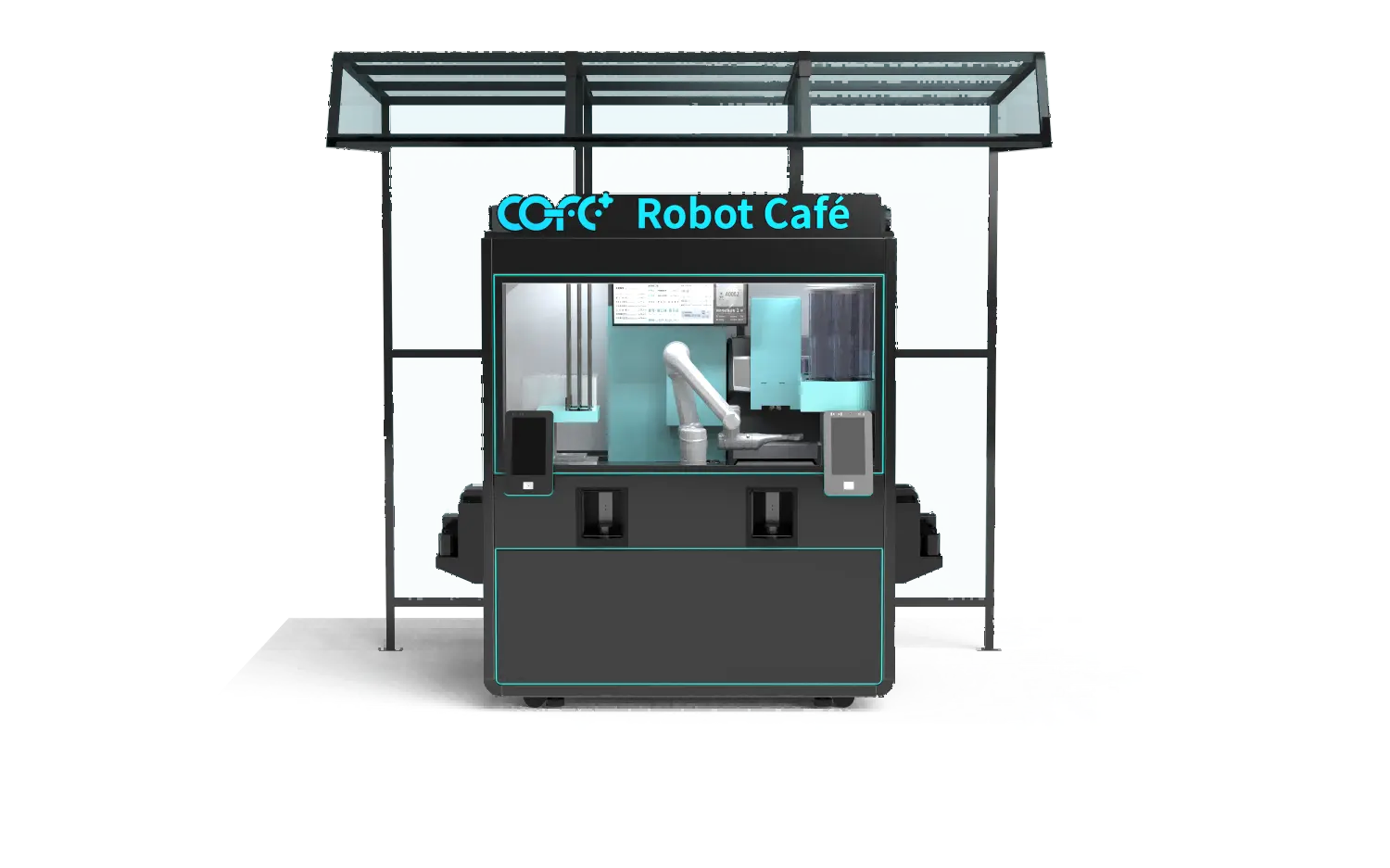
If the building has a pool deck or a courtyard, an outdoor robot coffee kiosk can extend service to amenity areas without opening a staffed stand. The outdoor unit is built for all-weather operation and can handle temperature swings and humidity, which means the amenity does not disappear during summer months.
The staffing model is the reason this works in an apartment setting. The kiosk is not a café and should not be treated like one. There is no barista to schedule, no register to staff, and no daily open-close routine. The machine is designed for unattended operation, with cloud monitoring that tracks ingredient levels, temperature, and system status.
The property team’s job is refill and reset. Beans, milk, syrups, and cups need to be restocked before they run out, not after. In apartment deployments, the realistic approach is to fold refill checks into the existing porter or maintenance route. A morning refill pass and an evening visual check are enough for most buildings. The kiosk can send ingredient alerts remotely, so the team does not need to open the machine to know what is low.
Cleaning is automated. The system runs high-temperature sterilization cycles and keeps the contact zones enclosed, which limits the mess that would normally come with a coffee bar. The waste system is contained, so there is no open grounds drawer or spill tray for residents to see. That matters in a lobby because a dirty coffee area looks worse than no coffee area.
Remote diagnostics reduce the number of on-site repair visits. Many faults can be identified from the cloud before a technician is dispatched, and some can be cleared without an on-site call. The property team should still have a local technician relationship and a clear service response plan, especially if the kiosk sits in a building with no on-site engineering staff.
If your building has fewer than 200 units or a lobby with limited daily foot traffic, it is worth confirming resident movement patterns and refill routing before finalizing a revenue-share agreement. You can send the building’s unit count and a rough traffic description to sales@hi-dolphin.com and we will confirm whether the unit economics work.
The approval should not be based on a brochure. A serious robot coffee kiosk proposal for an apartment community includes four things: a site layout that shows where water and drainage will run, a revenue projection based on the actual unit count and traffic pattern, a service plan for refills and remote monitoring, and a clear answer on what happens when the machine needs repair.
Ask the supplier to walk the site, not just send a spec sheet. The right indoor kiosk can fit in a 2.35 m² lobby footprint, but the actual placement depends on how residents move through the building. A supplier that skips the site visit is guessing. Ask for a breakdown of what the property team will handle day to day and what the supplier handles remotely. The goal is an operating model that does not add another staff function to the property team.
For some buildings, a robot coffee counter or a robot coffee bar may fit better than a full kiosk. A counter can integrate into an existing lounge or reception area, while a bar format opens into a small seating arrangement for a more social coffee moment. The format decision should follow the space, not the other way around.
Send your building profile, including unit count, available lobby or amenity space, and expected daily traffic, to sales@hi-dolphin.com or call +86 131 6630 1290. We will return a placement layout and a unit-economics projection for your specific property, not a generic brochure.
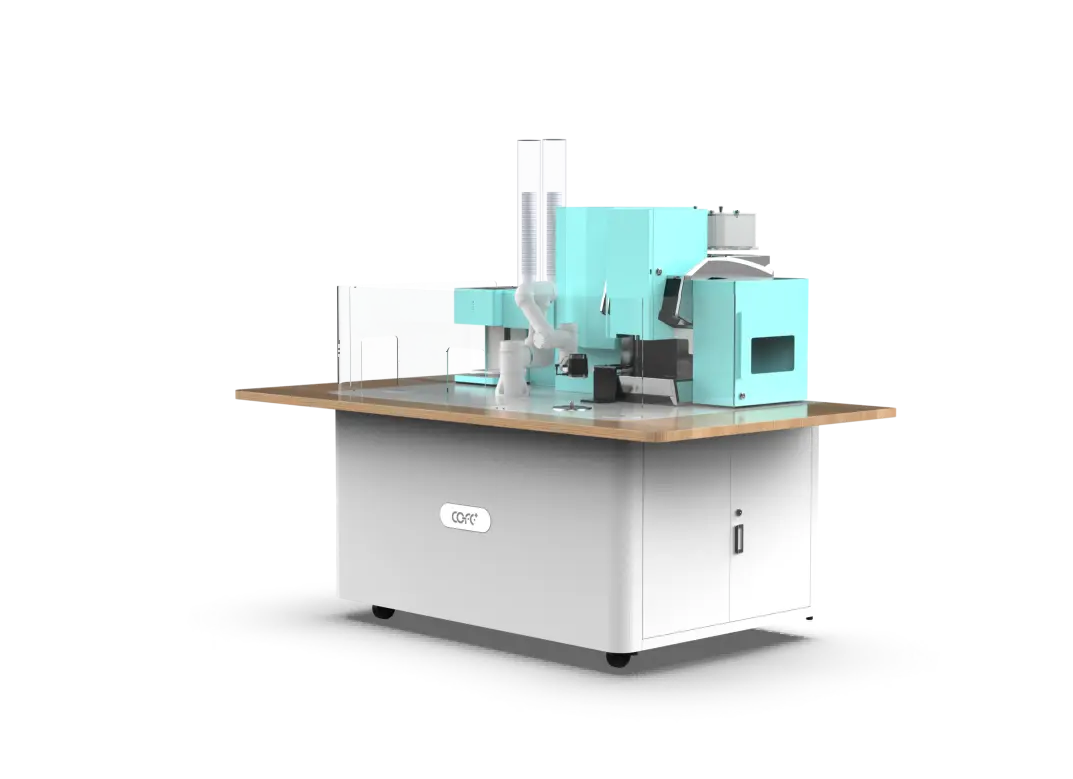
The indoor kiosk format occupies about 2.35 m², but the practical space requirement is larger because residents need room to order and wait. A footprint of six to eight square meters typically gives enough clearance for queueing without blocking the lobby path. The exact requirement depends on whether the machine sits against a wall, in an island, or in a corner. The site survey should measure not just the machine outline but the walking path around it.
The kiosk tracks ingredient levels in real time and can send low-stock alerts before an outage occurs. The property team still needs a refill plan. In a 24-hour building, a morning restock and an evening check are usually enough. If the machine does run out, it simply stops offering the affected drink category until the ingredient is refilled. Remote monitoring makes the stockout window much shorter than it would be with a traditional vending machine.
Yes. A robot coffee kiosk can carry hundreds of drink recipes, including coffee, milk tea, matcha, chocolate, iced drinks, and plant-based options. The menu can be localized by building, so a property with many residents who prefer oat milk or a specific regional flavor can adjust the offering. The key is to keep the menu broad enough for variety but simple enough that refill inventory stays manageable.
A mobile design means the kiosk can be relocated, but it is not a plug-and-play move. Power, water, drainage, and internet must be available at the new location, and the unit should be recalibrated after relocation. Property managers should treat the first placement as semi-permanent and choose the site carefully. If your building has a short-term pop-up opportunity or a seasonal amenity area, share the site details and we will confirm utility and relocation requirements for your configuration.
TL;DR — COFE+ is a fully automated robotic coffee kiosk that grinds fresh beans, brews espresso and lattes, creates latt……
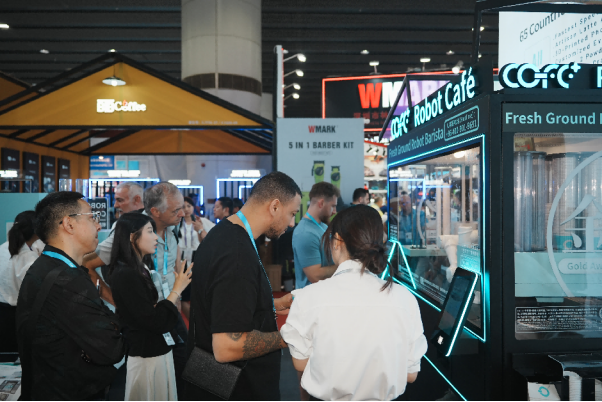
7th-Genertion Smart Robot Coffee Kiosk Arrives at the Belt and Road Core Hub, Ushering in a New Service Era Along t……
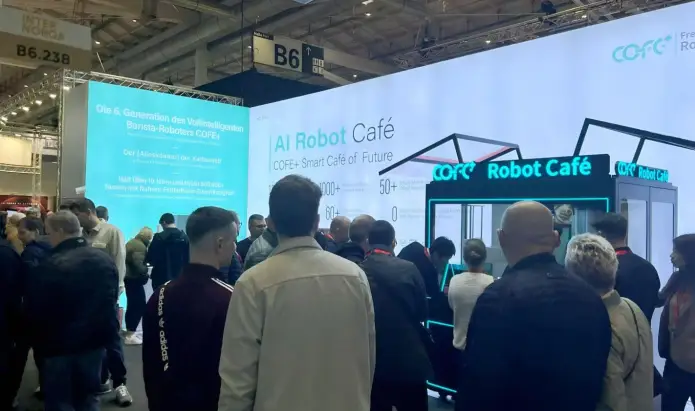
CHICAGO, May 12, 2026 (GLOBE NEWSWIRE) – Shanghai Hi-Dolphin Robot Technology today announced the U.S. debut of its 7th‑……