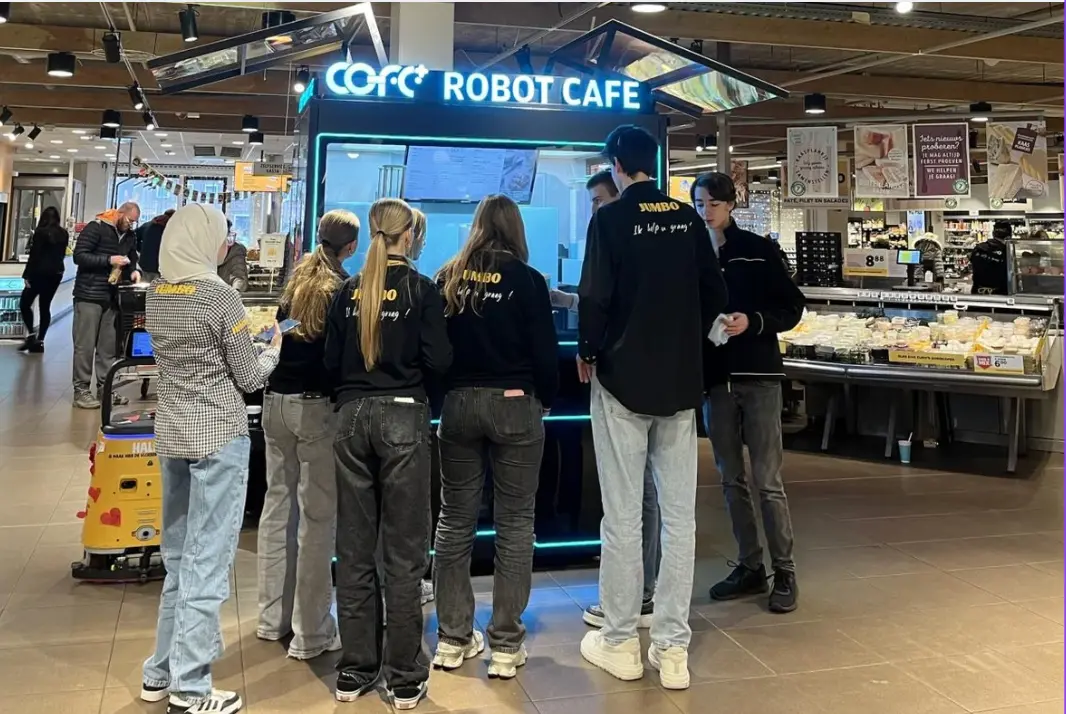
The Rise of Professional Robotic Café Technology: What COFE+ Is and Why It Matters
TL;DR — COFE+ is a fully automated robotic coffee kiosk that grinds fresh beans, brews espresso and lattes, creates latt……

When a capacity crowd empties into a stadium concourse at halftime, the line at the coffee cart becomes the slowest point between the fan and the game. Stadium and arena operators face a persistent mismatch: beverage demand arrives in short, intense bursts, while fixed labor and limited queue space stay constant. A robot coffee kiosk changes that math. We see unattended coffee kiosks as a throughput tool first and a novelty second, because event revenue depends on how many fans can order, pay, and move within a seven-minute window. The sections below cover where the format fits, how placement and menu design affect cup count, and what venue teams should verify before deployment.
Most stadium concessions are staffed for average demand, not peak demand. A midfield concourse may need 300 cups in twenty minutes, then sit nearly idle for two hours. Traditional coffee carts solve the staffing problem poorly because barista schedules must match the event calendar, and event calendars are not steady. Overtime, no-shows, and slow manual payment all compress the window in which revenue can be captured.
The deeper issue is throughput, not coffee quality. A cart with two baristas can be fast for one transaction, but the queue forms because the fan in front is deciding, paying, and waiting for milk. The result is that some fans walk away, and the venue records lower per-head concession revenue than the attendance figure suggests. Robot coffee kiosks remove the labor constraint from the peak, which is why we position them as queue relief before branding them as a novelty.
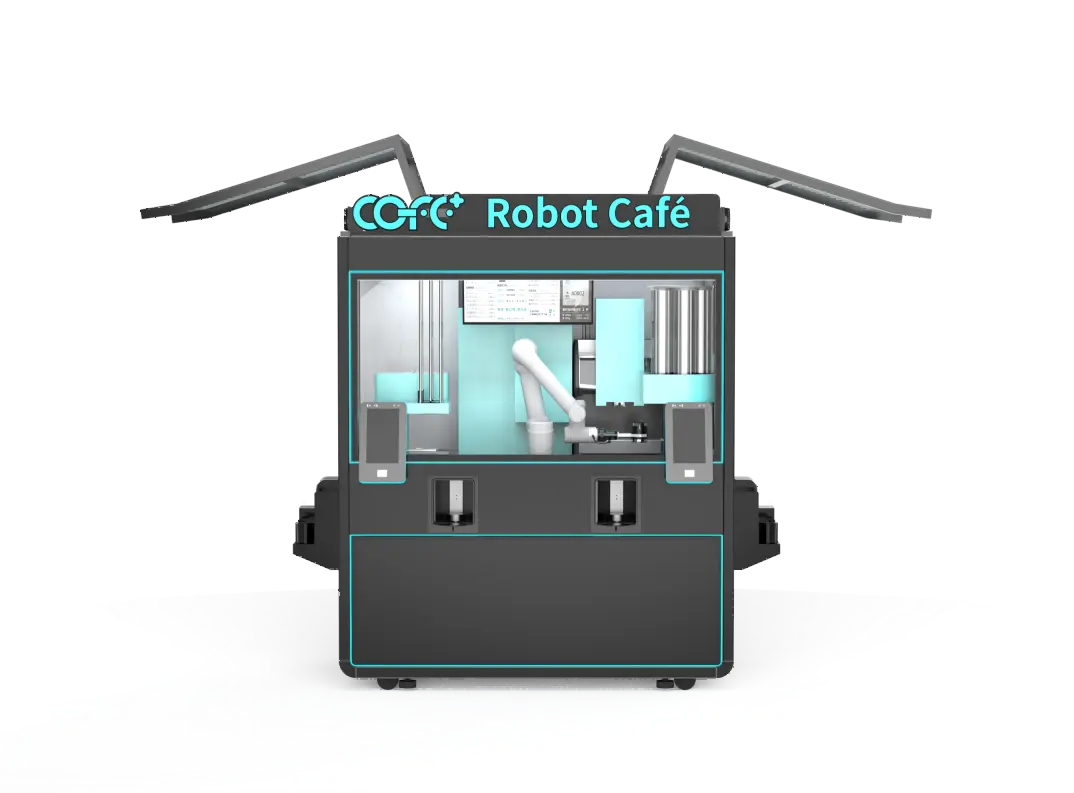
The operating model is different from a vending machine. A COFE+ 7th Generation kiosk grinds, extracts, and finishes each cup in 43 to 60 seconds, which keeps the machine itself from becoming the bottleneck. The result is a machine rated for roughly 1,000 cups per day and built for 24/7 unattended service, so the same unit that serves a lunchtime crowd can handle an evening concert without a shift change.
| Operating factor | Robot coffee kiosk | Staffed coffee cart |
|---|---|---|
| Cycle time per cup | 43 to 60 seconds | Varies by staff and queue length |
| Daily capacity | About 1,000 cups | Constrained by shift coverage |
| Labor model | Unattended 24/7 | Requires scheduled baristas |
| Footprint | 2.35 square meters | Larger cart plus service area |
| Cost per cup | $0.30 to $0.70 | Higher variable labor cost |
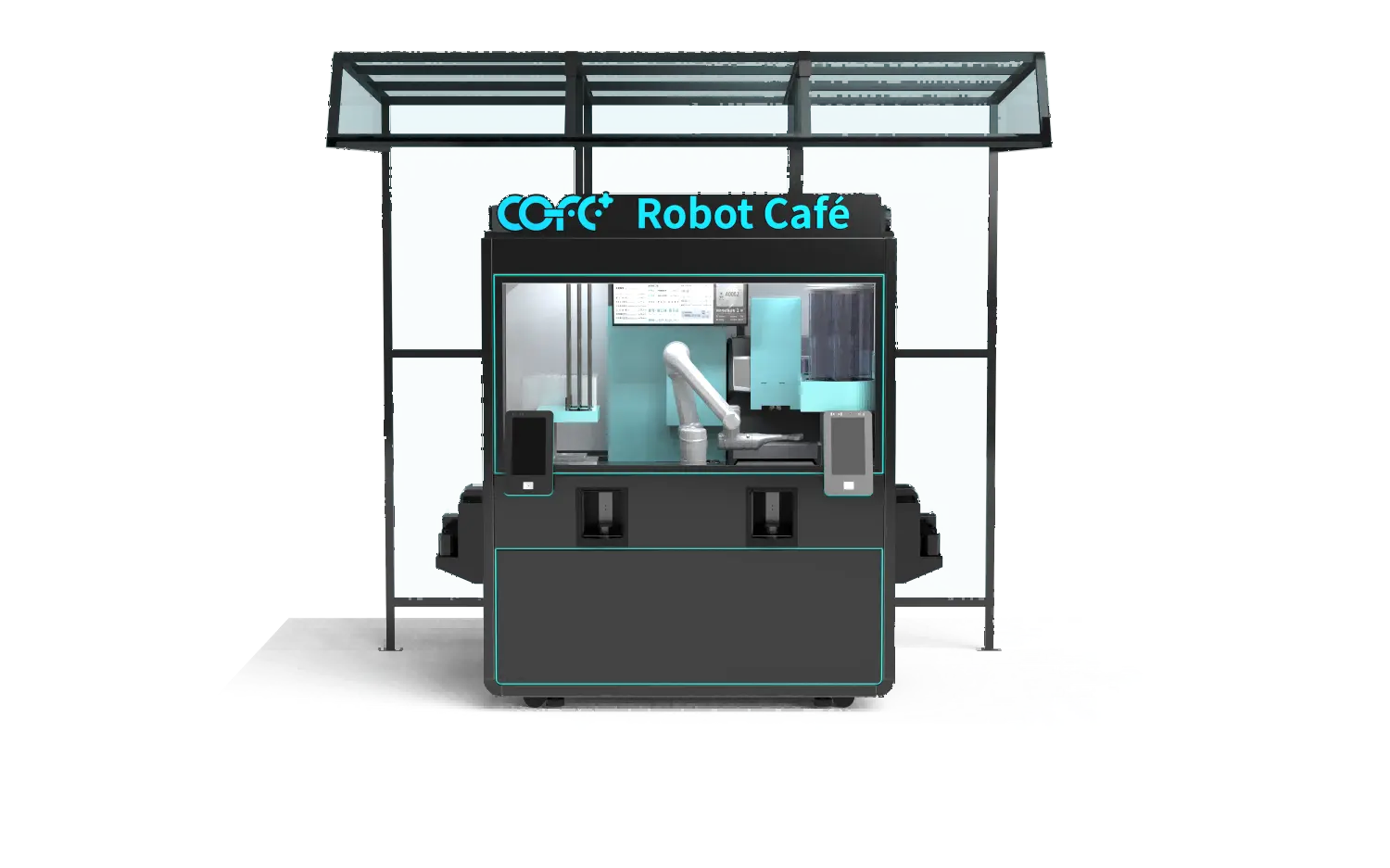
The 2.35 square meter footprint matters more in a stadium than in a shopping mall, because concourse space is rented by the square meter and crowd movement is regulated by fire and safety margins. A compact indoor robot coffee kiosk can fit against a structural column or between gate lines without creating a second queue. The outdoor robot coffee kiosk adds IP54-rated protection and operates from -20°C to 45°C, which suits open plazas, tailgate zones, and arena entrances.
Where the kiosk sits is usually a stronger revenue lever than which drink the fan orders. A unit placed in the main concourse next to a food counter inherits that queue, which limits output. A unit placed 15 meters past the gate, visible from the entry path, can draw fans before they reach the main cluster. We advise operators to map the first three minutes of fan movement after entry, not the average concourse traffic.
Queue design follows the same logic. A robot coffee kiosk works best when the space in front of it can hold six to ten waiting fans without blocking adjacent doorways. For stadiums with mixed indoor and open-air sections, the decision is whether to run one outdoor configuration at the gate and one indoor configuration in the concourse, or to standardize on a single model. If your venue mixes those zones, it is worth confirming the correct configuration before committing to a layout. Share your concourse map and event schedule with sales@hi-dolphin.com and we can identify which zones justify a kiosk.
A 300-drink robot coffee kiosk library is valuable in a transit hub, but stadium and arena events compress the ordering decision. We have watched deep menus underperform during halftime because fans browse longer than the machine takes to brew. For short event windows, we advise a core menu of 10 to 14 drinks with high recognition: black coffee, latte, cappuccino, iced latte, and one local specialty or limited time offer.
That does not mean the customization engine is wasted. COFE+ kiosk holds 300+ drinks and 197 country-inspired recipes, which lets the same machine serve a general concourse and a premium club without changing hardware. The key is sequential deployment: keep the fast lane menu visible on the main screen, and move deeper customization to slower periods or VIP zones. For premium areas, a robot coffee bar or counter format can offer latte art and visual drink presentation without slowing the concourse line.
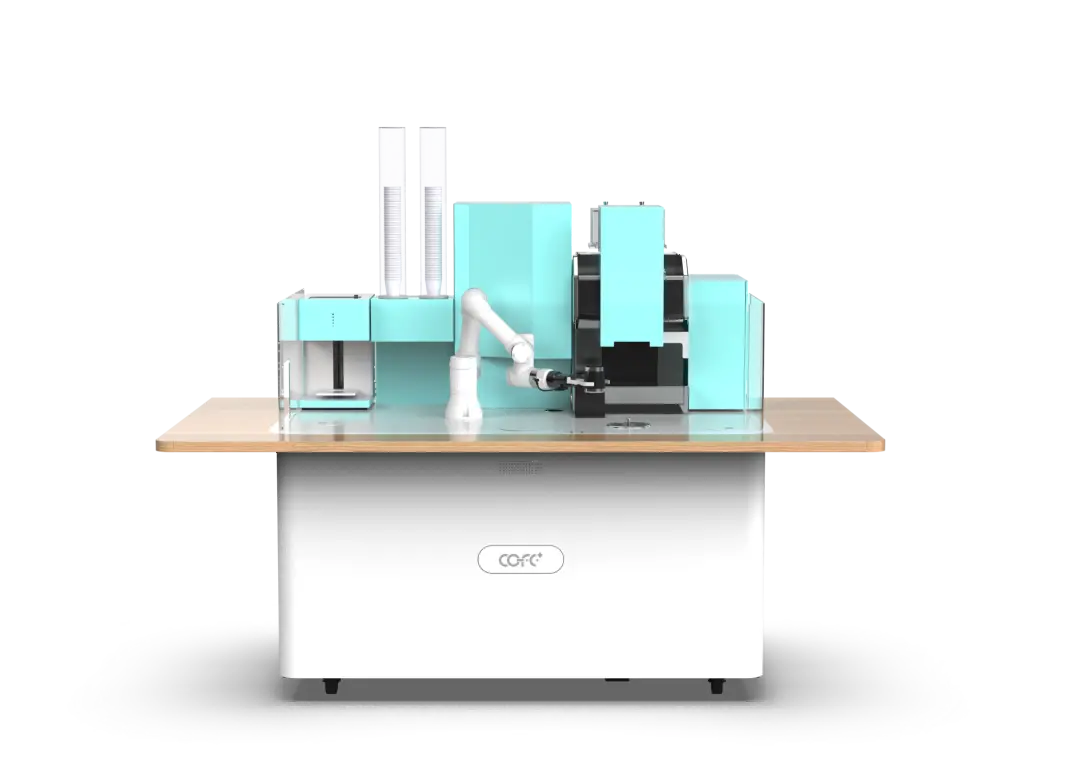
The widest mistake in stadium deployments is not technology risk; it is site readiness. Power, water, drainage, network, and crowd flow each decide whether the kiosk reaches its rated output. A unit installed without a stable water feed will stop during the busiest minutes. A unit placed against a wall that blocks line of sight will underperform even with the fastest cycle time.
Our team reviews the floor plan, utility points, and event calendar first, then recommends which robot coffee kiosk configuration fits the concourse, gate, or premium zone. We would rather confirm three site details before quoting than replace a unit later. Send your venue layout, peak attendance period, and current concession data to sales@hi-dolphin.com or call +86 131 6630 1290. We will respond with a site specific deployment plan and the configurable options that match your event profile.
A single kiosk can produce roughly 1,000 cups per day. The event-time constraint is usually not the machine cycle, which runs from 43 to 60 seconds, but the queue space in front of it and the number of fans who can reach it within the halftime or interval window. For a venue with multiple concourse clusters, two or three kiosks often generate better coverage than one high capacity unit placed in the middle of a bottleneck. Count the cups lost to walk-aways, not just the machine rating, when estimating event revenue.
The common assumption is that automation only competes with a full café concession. The more practical role is a parallel fast lane. Premium seated areas can keep a barista or a robot coffee bar for experience-led service, while the concourse kiosk absorbs the high volume standard orders that would otherwise slow the specialty line. The formats share the same recipe engine, but they solve different queue and dwell-time problems. Most stadium buyers do not choose one over the other; they allocate each format to the zone where its service pattern fits.
It depends on the configuration. Indoor concourse units are typically installed near an existing water feed and drainage point, which keeps cleaning and waste handling simple. Outdoor kiosks use a fully enclosed waste system and can be specified for all-weather operation from -20°C to 45°C, but they still need a water source or scheduled refill plan depending on site access. A corner location without plumbing may require a short utility run. Confirming the utility path early prevents the kiosk from being placed somewhere it cannot consistently operate.
A better question is what data lets the supplier calculate usable capacity instead of a generic per-cup cost. Bring the concourse or gate map, expected peak attendance by session, available power and water points, and any local permitting constraints. That allows a supplier to confirm whether the indoor or outdoor configuration fits and how many units the venue actually needs. Share your expected event attendance, concourse map, and utility points with sales@hi-dolphin.com, and we will confirm which configuration fits before you commit.
TL;DR — COFE+ is a fully automated robotic coffee kiosk that grinds fresh beans, brews espresso and lattes, creates latt……
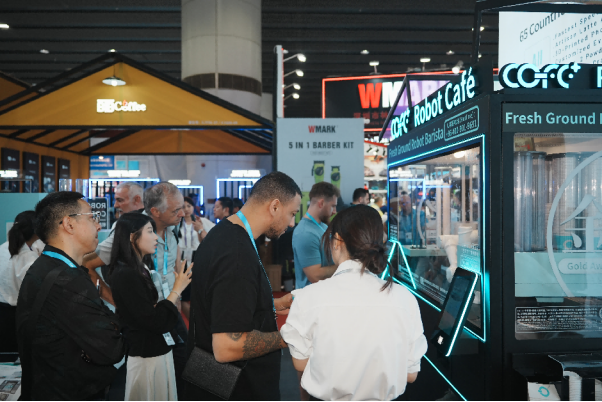
7th-Genertion Smart Robot Coffee Kiosk Arrives at the Belt and Road Core Hub, Ushering in a New Service Era Along t……
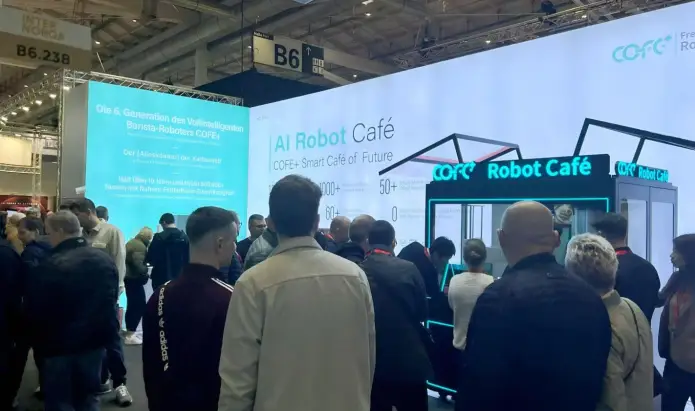
CHICAGO, May 12, 2026 (GLOBE NEWSWIRE) – Shanghai Hi-Dolphin Robot Technology today announced the U.S. debut of its 7th‑……