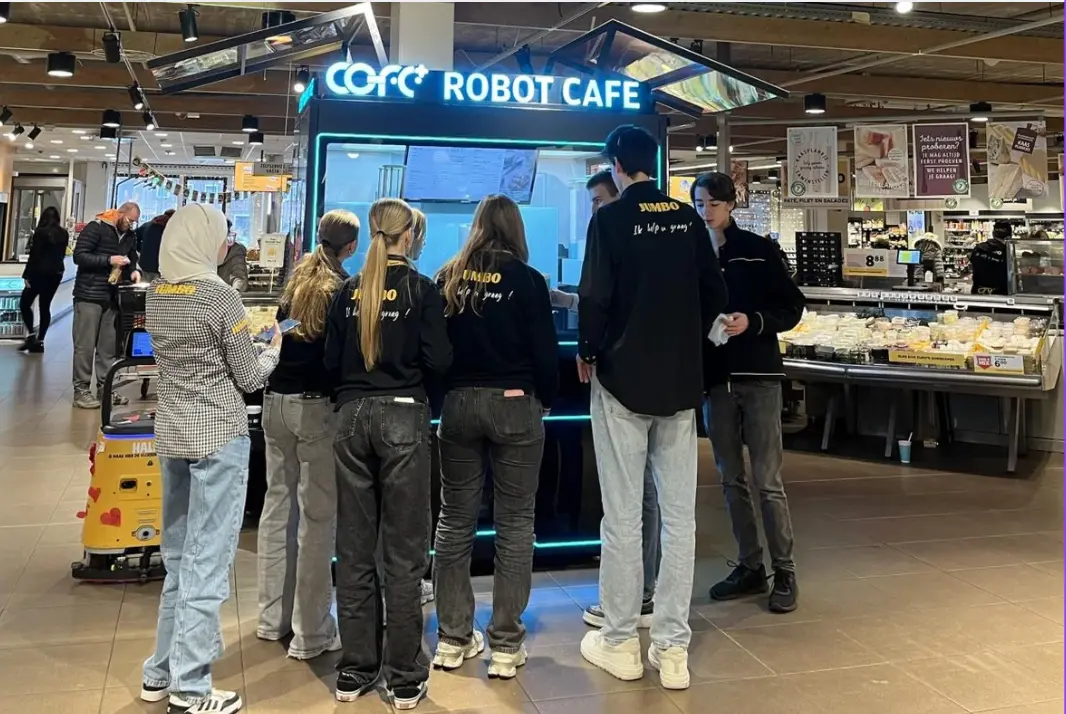
The Rise of Professional Robotic Café Technology: What COFE+ Is and Why It Matters
TL;DR — COFE+ is a fully automated robotic coffee kiosk that grinds fresh beans, brews espresso and lattes, creates latt……

This robot coffee kiosk import guide for overseas distributors explains how to move from a first inquiry to a compliant, landed machine. A robot coffee kiosk is not a standard vending machine purchase; it combines food-contact components, electrical systems, data connectivity, and unattended operation. The wrong certification path or poorly defined delivery terms can erase savings from a well-negotiated unit price.
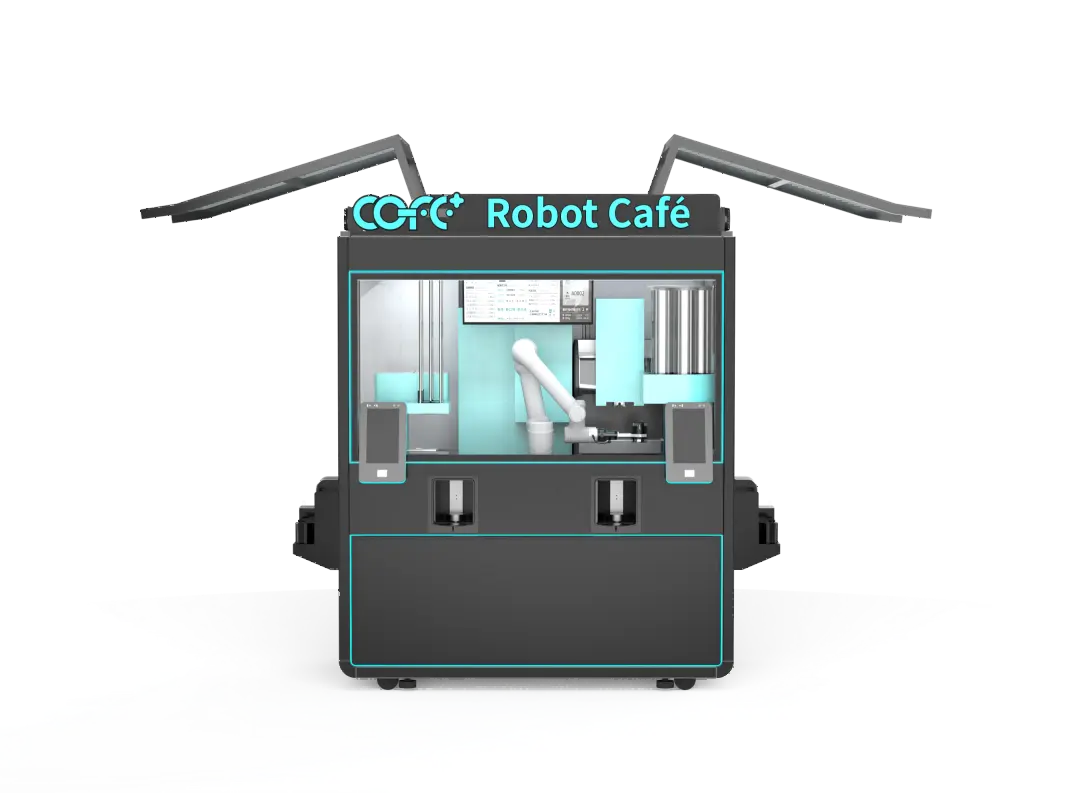
The most practical approach is to treat the first order as a market-access project rather than a simple equipment purchase. That means confirming the destination country’s customs classification, safety approvals, voltage and water requirements, and after-sales support before signing a pro forma invoice.
The six-digit HS code controls the import duty rate and the documentation path. Because an integrated robotic coffee kiosk combines beverage preparation, vending, and automated cleaning, the exact classification may fall under automatic beverage-vending machinery or commercial food-preparation equipment depending on the destination tariff schedule [1]. Distributors should request a binding tariff ruling from local customs if the code is not already confirmed by the manufacturer or a licensed customs broker.
Beyond classification, prepare a destination profile:
Certification is often treated as a logo, but it is actually a documentation package. A credible import shortlist should require the manufacturer to provide the declaration of conformity, test reports, risk assessment, user manual, and labeling files for the specific model and export market.
For Europe, the CE marking must align with the applicable electrical, machinery, electromagnetic compatibility, and food-contact requirements [2]. For the United States, distributors should verify FDA compliance for food-contact materials and, depending on the state and site, any local plumbing or health-code approval path [3]. Electrical safety testing is typically based on standards such as IEC 60335-1, with national variations in major markets [4]. Markets such as the UK, South Korea, and Saudi Arabia may additionally require UKCA, KC, or SASO documentation before customs clearance.
Request the complete technical file, not just a certificate. If you are comparing suppliers, send the same inquiry to each: machine version, target country, voltage, water and drainage configuration, and required food-contact documentation. The Hi-Dolphin team can prepare a market-specific document pack for your destination at sales@hi-dolphin.com.
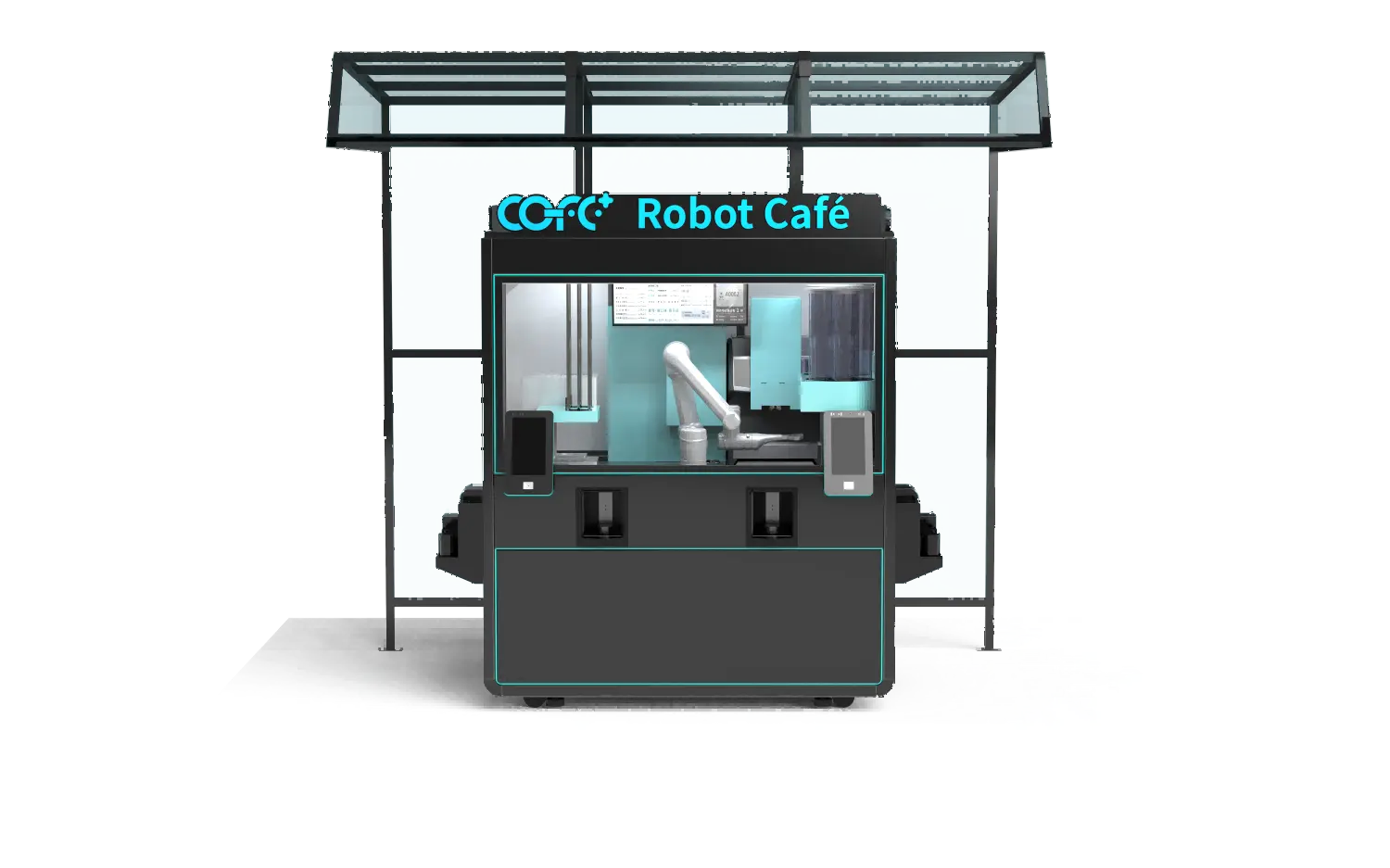
The import decision should start with the first commercial site, not with the lowest unit price. The Hi-Dolphin COFE+ 7th Generation series offers four formats that solve different deployment problems.
| Format | Footprint and output | Best fit | Key operational distinction |
|---|---|---|---|
| Indoor kiosk | 2.35 m²; up to ~1,000 cups/day | Malls, offices, airports, transit | Enclosed, high-volume unattended service |
| Outdoor kiosk | Compact enclosure; IP54, -20°C to 45°C | Plazas, stadiums, parks, fuel stations | All-weather, UV-resistant, anti-condensation |
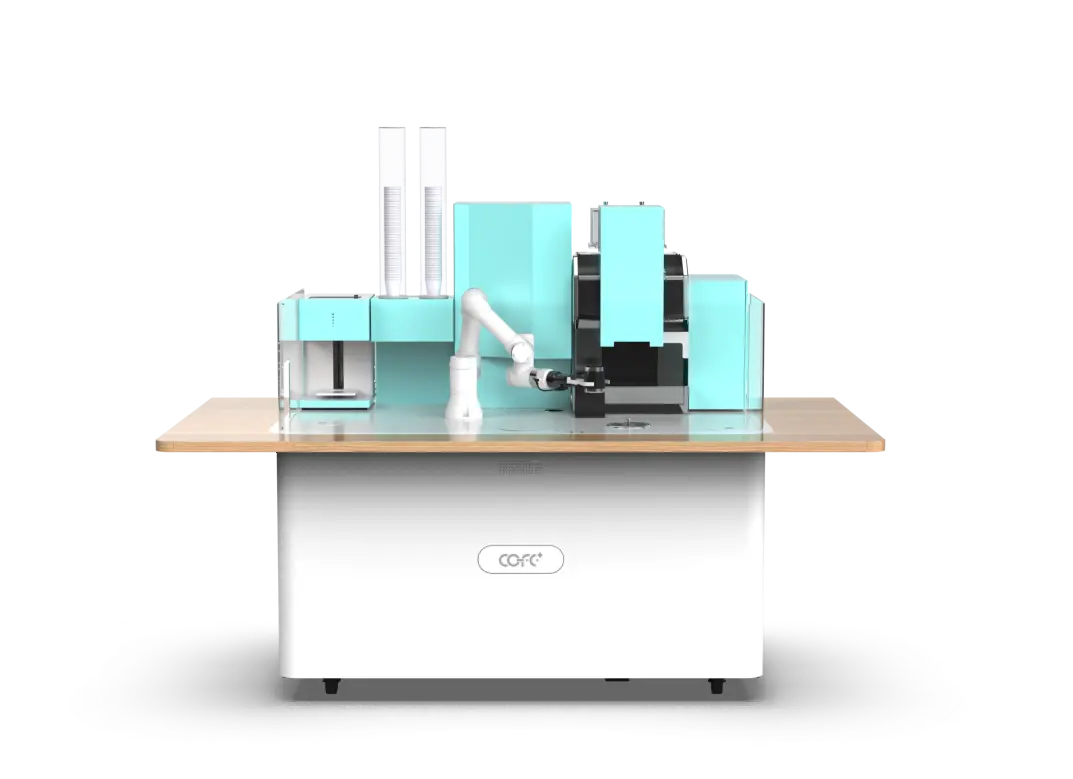
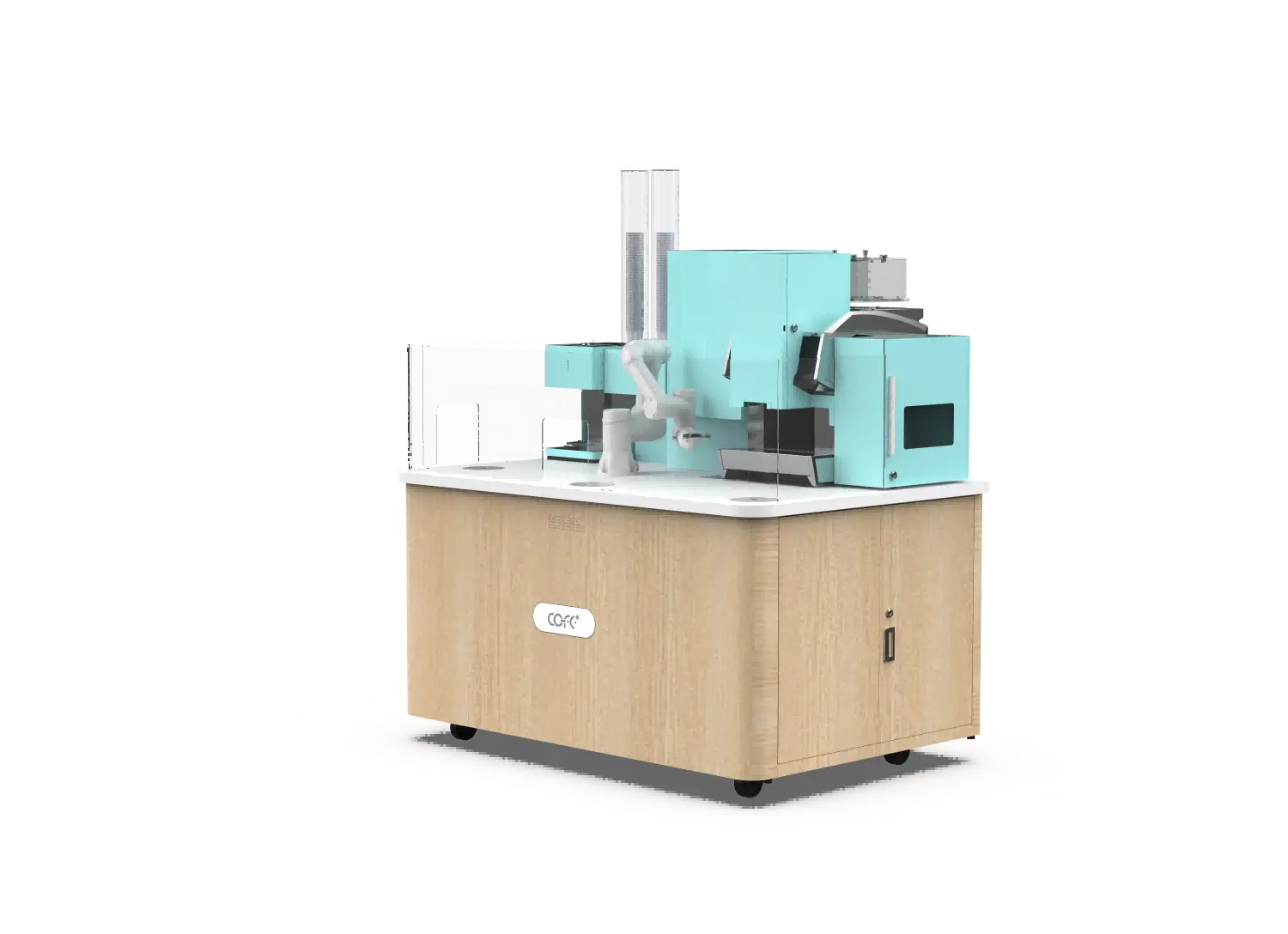
| Robot coffee bar | ~2 m² folded; opens to 4-seat bar | Hotels, airports, co-working, events | Sit-down social format with open coffee theater |
| Robot coffee counter | ~2 m² built-in | Lounges, receptions, VIP, showrooms | Counter-integrated, premium interior experience |
Within these formats, the import specifications that matter most are cup output, drink menu capacity, cleaning method, remote diagnostics, and spare-part availability. The indoor and outdoor kiosks target unattended high-traffic throughput, while the coffee bar and counter target immersive, premium placement where coffee preparation is part of the visitor experience.
Many distributors first test the indoor format in a shopping mall or office lobby before moving to outdoor locations. <robot coffee kiosk indoor> covers placement, utility requirements, and daily operation for enclosed sites.
For open-air deployments, the enclosure rating and climate control matter more than footprint. <robot coffee kiosk outdoor> covers all-weather installation and public-space site planning.
A partnership structure should be defined before the first order. <distributor wanted> covers territory rights, qualification, and market entry steps.
A landed-cost model removes the gap between the factory quote and the first day of operation. The formula is straightforward:
Landed cost = unit price + export packaging + international freight + insurance + import duty + local taxes/VAT + customs clearance + inland transport + site adaptation + first 90-day consumables and spare parts.
The chosen Incoterm determines where risk and cost transfer from seller to buyer [5]. For a first order, DDP gives the distributor the most control over final landed cost, but it shifts more responsibility to the supplier. FOB places freight selection and shipping risk on the distributor. Many first-time importers start with CIF for predictable insurance and freight, then move to FOB or DDP as local logistics capability improves.
On the operating side, an unattended robot coffee kiosk can reduce labor dependency and support 24/7 service. Per-cup direct costs for the Hi-Dolphin 7th Generation series are approximately $0.30–$0.70 depending on ingredients and cup configuration, with a typical payback window of about 6–12 months in qualifying high-traffic sites. These figures are product performance information, not a sales guarantee; site traffic, pricing, utilities, and maintenance discipline determine actual results.
The most avoidable import delays come from missing after-sales infrastructure. Before placing a purchase order, ask for:
A supplier evaluation should also distinguish between a manufacturer and a reseller. A manufacturer can usually provide design files, version control, certification history, and faster firmware support. A reseller may offer a lower initial quote but cannot always support multi-country certification amendments or deep technical issues after installation.
Send the same due-diligence list to every shortlisted supplier and score each item before comparing price. A formal request for quotation should include destination country, voltage, quantity, model, site type, and required certifications. This keeps quotes comparable and reveals which suppliers understand cross-border deployment rather than only domestic delivery.
A realistic first import takes longer than the shipping time because the critical work happens before dispatch.
A compliant import begins with precise questions to suppliers and customs partners. If you can send one email that includes target market, model, voltage, site type, and certification needs, you will get faster and more accurate quotes.
For a market-specific document pack covering certifications, current specifications, and import documentation requirements, contact Shanghai Hi-Dolphin Robot Technology Co., Ltd. at sales@hi-dolphin.com or +86 131 6630 1290. Ask for a first-order checklist for your destination country, voltage standard, and installation format.
The classification depends on the destination tariff schedule. Many markets treat integrated robotic beverage systems under automatic beverage-vending machinery or commercial food-preparation equipment, but distributors should obtain a binding tariff ruling for the exact model and configuration [1].
The required set depends on the market. Common requirements include CE and the applicable EU food-contact and electrical directives for Europe; FDA-related food-contact compliance for the United States; UKCA for the UK; KC for South Korea; and SASO for Saudi Arabia [2][3][4]. Always verify the certificate matches the exported model, not just a similar model in the product family.
For a first order, many distributors use CIF to keep freight and insurance under the supplier’s control while the buyer learns the destination clearance process. Moving to FOB is practical once local freight and insurance partners are in place. DDP offers full final-cost visibility but requires strong supplier coordination and is not always available in every market [5].
Include high-wear items such as gaskets, pumps, sensors, seals, water filters, and cleaning consumables, plus any market-specific power or connectivity components. The full list should be based on the manufacturer’s 12-month preventive maintenance schedule and the site’s expected cup volume.
Yes. A single pilot kiosk is the lowest-risk way to validate local demand, site performance, and after-sales capability before a multi-machine rollout. Use the pilot to test the exact model, payment method, menu mix, and service response in the target market.
[1] World Customs Organization, “What is the Harmonized System (HS)?” [Online]. Available: https://www.wcoomd.org/en/topics/nomenclature/overview/what-is-the-harmonized-system.aspx
[2] European Commission, “CE marking,” Internal Market, Industry, Entrepreneurship and SMEs. [Online]. Available: https://single-market-economy.ec.europa.eu/single-market/ce-marking_en
[3] U.S. Food and Drug Administration, “Food Code 2022.” [Online]. Available: https://www.fda.gov/food/fda-food-code/food-code-2022
[4] International Electrotechnical Commission, “IEC 60335-1: Household and similar electrical appliances – Safety – Part 1: General requirements.” [Online]. Available: https://webstore.iec.ch/publication/62149
[5] International Chamber of Commerce, “Incoterms® 2020.” [Online]. Available: https://iccwbo.org/business-solutions/incoterms-rules/incoterms-2020/
TL;DR — COFE+ is a fully automated robotic coffee kiosk that grinds fresh beans, brews espresso and lattes, creates latt……
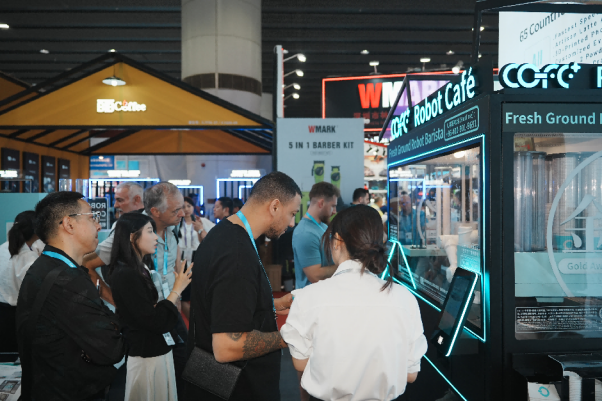
7th-Genertion Smart Robot Coffee Kiosk Arrives at the Belt and Road Core Hub, Ushering in a New Service Era Along t……
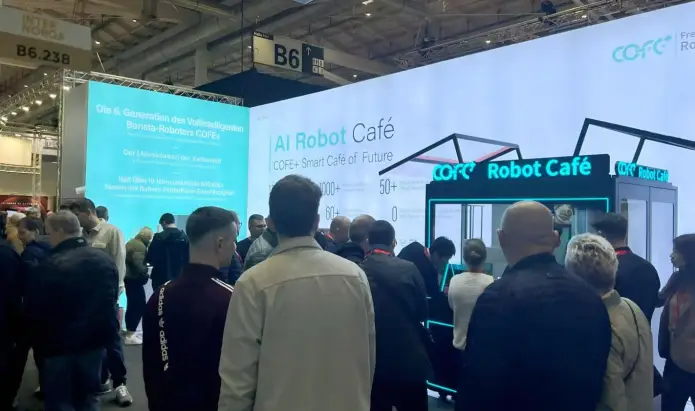
CHICAGO, May 12, 2026 (GLOBE NEWSWIRE) – Shanghai Hi-Dolphin Robot Technology today announced the U.S. debut of its 7th‑……