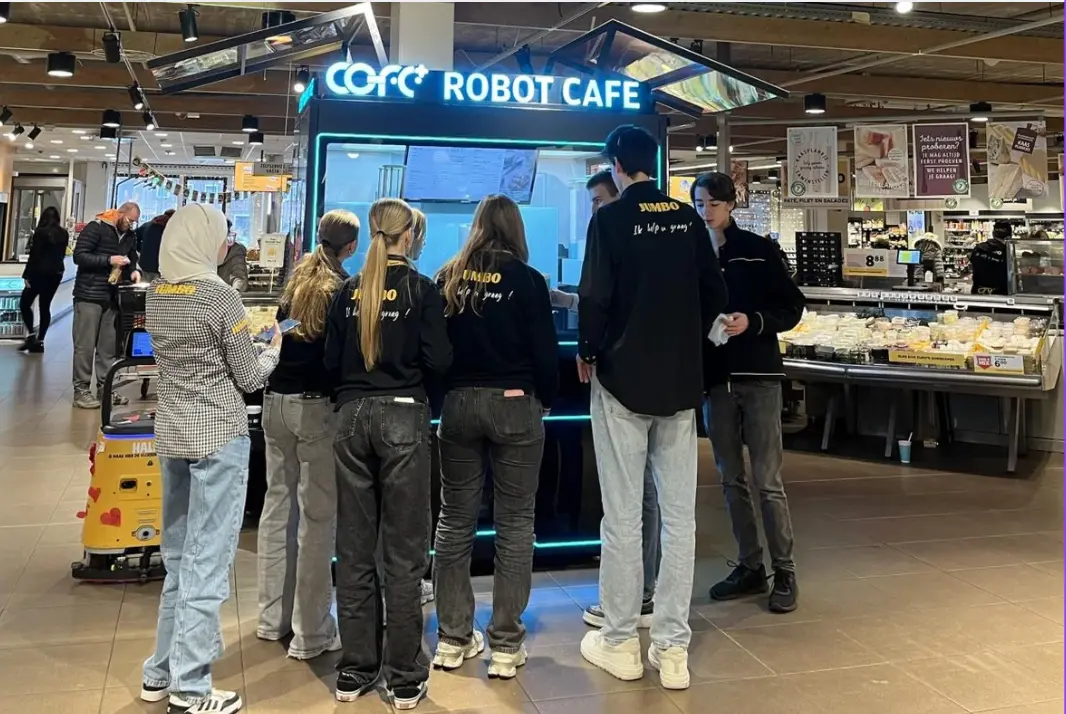
The Rise of Professional Robotic Café Technology: What COFE+ Is and Why It Matters
TL;DR — COFE+ is a fully automated robotic coffee kiosk that grinds fresh beans, brews espresso and lattes, creates latt……

Robot coffee kiosks sit at the intersection of industrial automation, food service equipment, and internet-connected retail technology. That makes the warranty conversation different from a traditional espresso machine purchase. Operators who focus only on throughput, footprint, and price per cup can inherit costly gaps: a robotic arm covered for 24 months while the grinder is excluded after 12, or cloud telemetry without any guaranteed remote fix. Before signing an order, operators should confirm a specific set of warranty terms in writing.
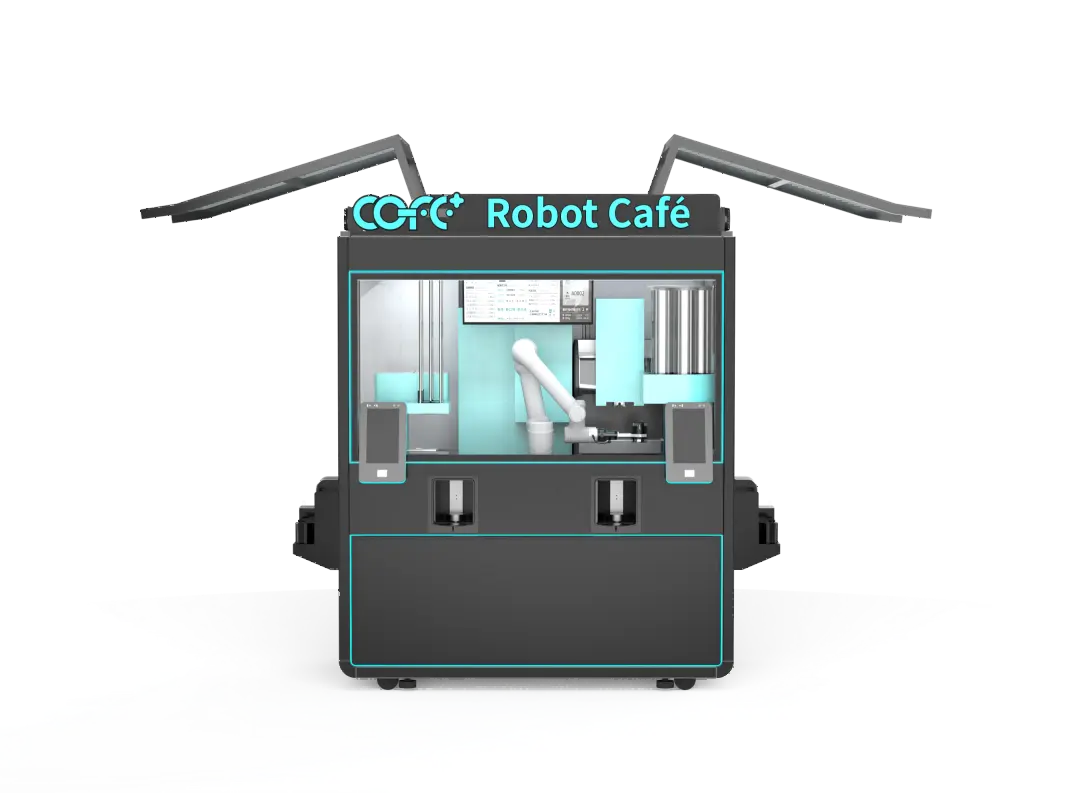
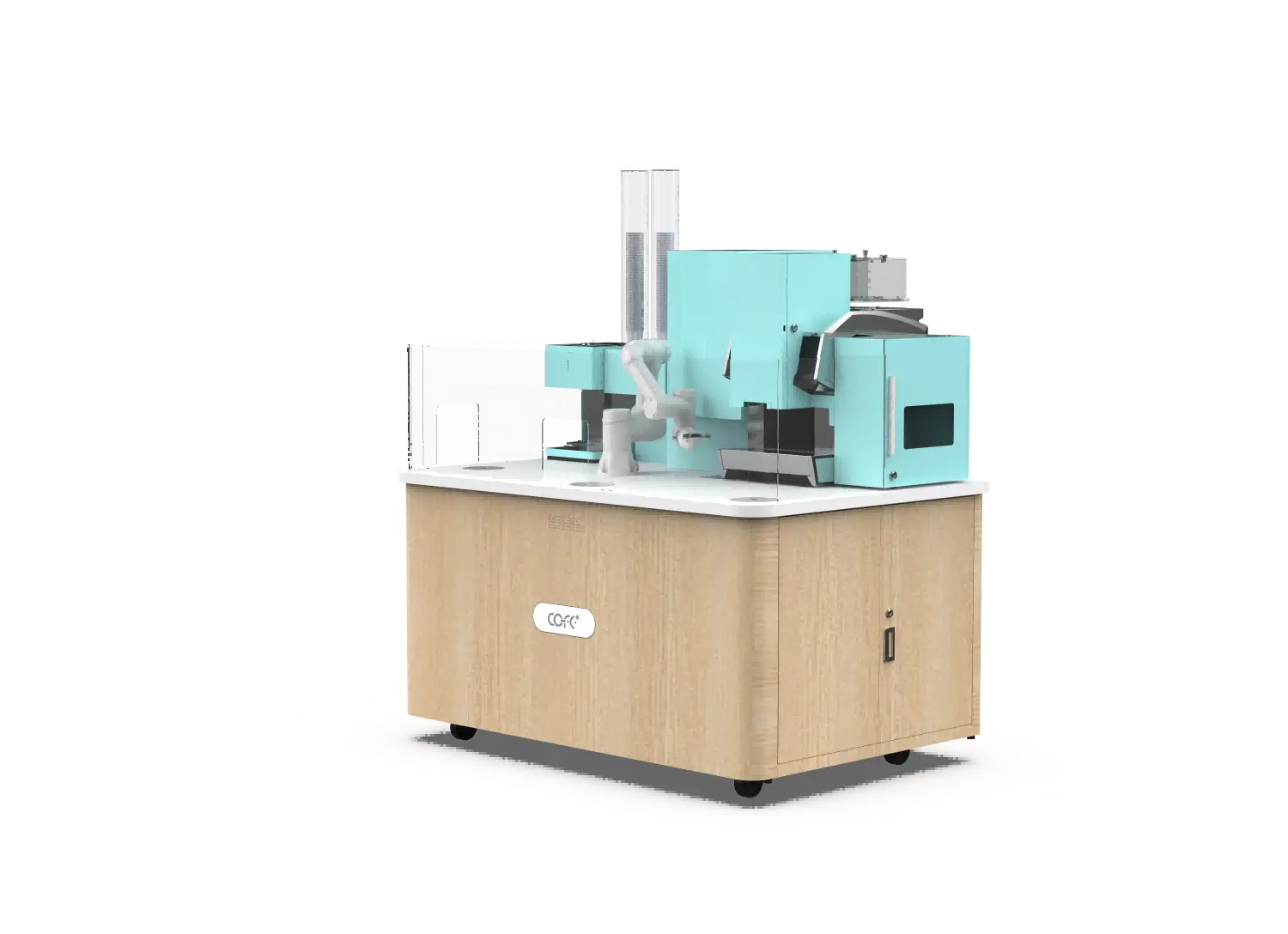
A robot coffee kiosk is not a single device. It combines precision mechanics, hot water and steam circuits, refrigeration, touchscreen hardware, payment terminals, connectivity modules, and cloud software. Each layer can fail in different ways, and each may be covered by a different warranty period, a different remedy, or a different service route.
In many B2B equipment sales, implied warranties and default buyer protections can be limited or disclaimed by contract. In the United States, for example, Article 2 of the Uniform Commercial Code provides baseline rules for goods, including implied warranties of merchantability and fitness, but sellers in commercial transactions often narrow those protections through express warranty language [1]. That makes the written warranty the controlling document, not a general assumption about “reasonable quality.” For machinery placed in public or semi-public locations, safety-related conformity documentation also matters. A CE-marked kiosk sold into the European market should align with the conformity expectations of the EU Machinery Directive 2006/42/EC for the machine portion of the system [2]. Operators should confirm whether the warranty references these conformity documents and what happens if a safety-related module is recalled or redesigned.
As a practical example, Hi-Dolphin’s listed specifications for its 7th-generation robot coffee kiosk describe a 10-year design life and testing across more than 500,000 cups. Those engineering claims are useful for total cost of ownership planning, but they are not the same as a warranty period. Operators should ask whether the contractual warranty period reflects that service-life expectation or only covers the early operating window, such as the first 12 to 24 months.
The following clauses should appear in a clear, module-level warranty matrix rather than a single summary sentence.
| Clause | What to confirm in writing | Red flag that needs correction |
|---|---|---|
| 1. Covered components | Robotic arm, grinder, heating unit, pumps, touchscreen, payment module, compressor, cup handling, cloud gateway | Core automation described as “wear item” without precise definition |
| 2. Period by module | Separate start and end dates for mechanical, electrical, software, and cosmetic items | One blanket period that silently excludes software or moving parts |
| 3. Labor, travel, and parts | Who pays for on-site labor, remote support, spare part freight, and import duties | Supplier covers parts but leaves all travel and labor costs uncapped |
| 4. Response and repair time | Target response time, remote diagnostic access, and parts replacement procedure | No measurable service-level commitment or escalation path |
| 5. Software and cloud | Security patches, firmware updates, payment gateway continuity, and cloud monitoring access | Updates treated as optional or excluded after a short window |
| 6. Spare parts availability | Recommended spare parts list, lead time for critical modules, and legacy part support | No commitment to supply spares after the model is refreshed |
| 7. Exclusions and void conditions | Consumables, cleaning tools, misuse, water quality limits, voltage range, unauthorized modification | Exclusions broad enough to make legitimate defects difficult to claim |
A strong warranty agreement does not need to be endless. It needs to be specific. The best position for an operator is a written matrix showing exactly which module is covered, for how long, at whose cost, and under what service route.
Most robot coffee kiosk warranties exclude consumables such as coffee beans, milk, syrups, cups, filters, and cleaning chemicals because those items are consumed in normal operation. They also commonly exclude normal-wear parts such as seals, tubing, and grinder burrs, or cover those parts only for a short period. Operators should not treat these exclusions as unreasonable by themselves, but they should insist that the list is explicit and limited.
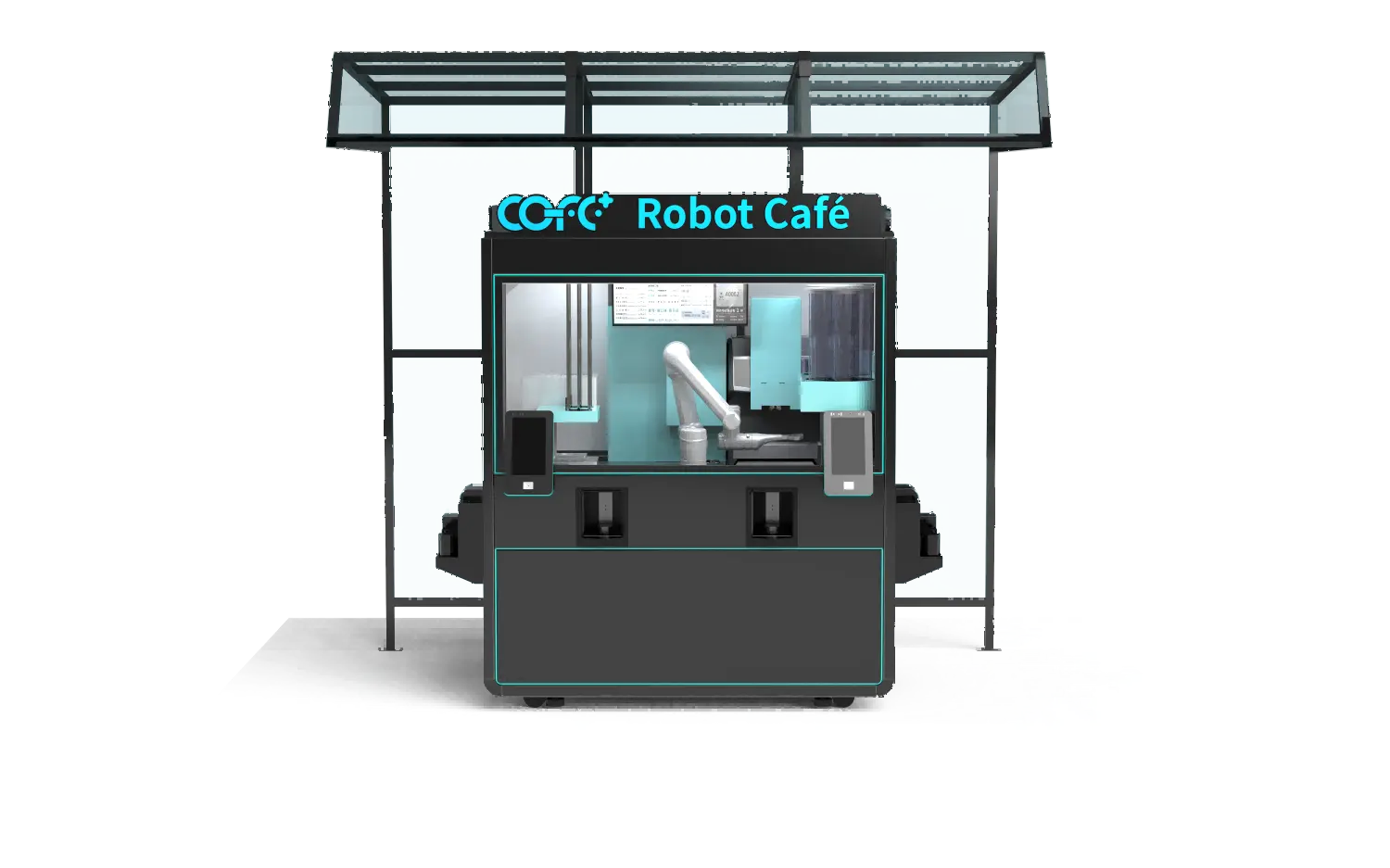
Other typical exclusions include damage from unstable voltage, use outside stated water quality ranges, outdoor deployment without the required drainage or weather protection, vandalism, pest damage, and repairs performed by unauthorized technicians. If the kiosk has an IP-rated outdoor enclosure, the warranty should also state how environmental exposure affects coverage. In consumer-facing deployments within the European Union, baseline conformity and durability expectations may be shaped by Directive (EU) 2019/771 for goods sold to consumers [3], but most robot coffee kiosk purchases are commercial transactions. In practice, the negotiated warranty text controls, so operators need stronger express terms rather than relying on consumer-style default protections.
International operators often buy from a manufacturer in one country and deploy in another. A warranty is only useful if the operator can access service locally. Before purchase, confirm whether the supplier has an authorized local technician network, a regional service partner, or a remote-first model with modular parts replacement.
The warranty should also state when the period begins: shipment, delivery, installation, commissioning, or first successful test under real customer conditions. Incoterms 2020 can define where risk and responsibility transfer for the physical delivery of the kiosk [4], but the warranty start date is a separate contractual matter. Operators should link the warranty start to installation or commissioning, not to the date the machine leaves the factory. For overseas deployments, ask about spare parts lead time, whether critical modules can be replaced by local staff after training, and whether warranty parts shipments are exempt from customs delays through a documented plan.
Mid-deal checkpoint: Send the warranty draft to the supplier’s after-sales contact and request written confirmation of response times, spare parts lead times, and escalation paths. Operators working with Shanghai Hi-Dolphin can request a warranty terms review template at sales@hi-dolphin.com.
Before final payment or shipment, operators should have all of the following in writing:
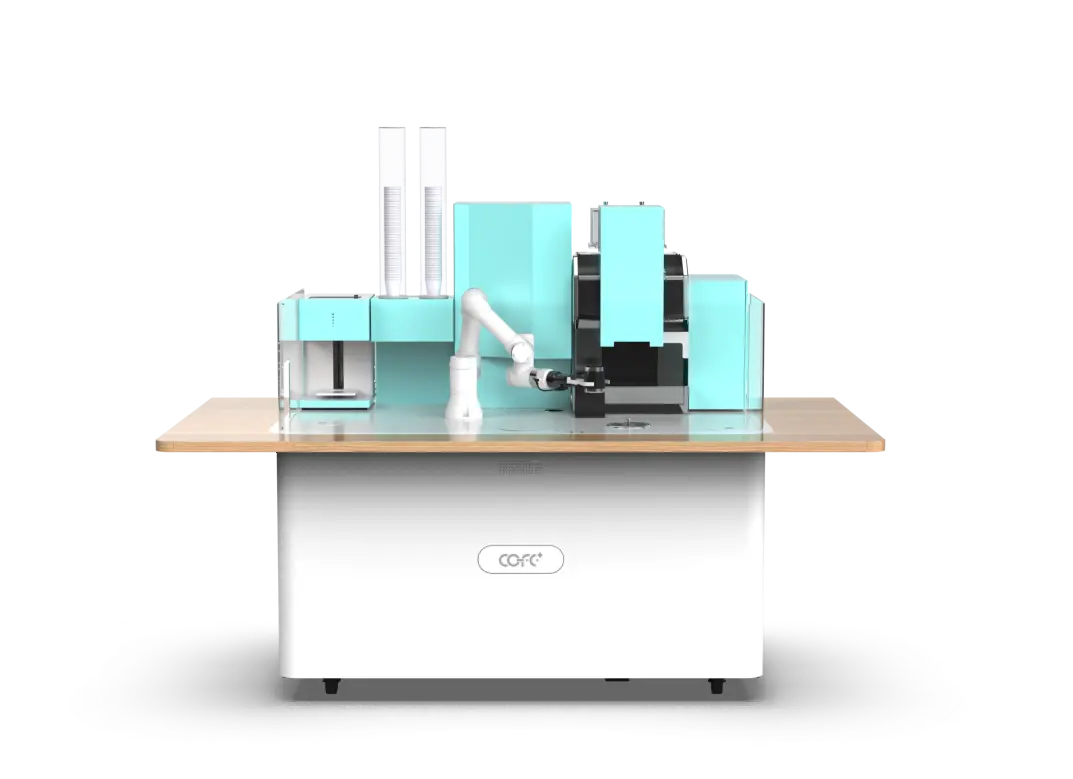
Negotiation should focus on the few clauses that create the largest financial exposure: response time, spare part shipment, and how long core automation remains covered. A discounted price is less valuable if an uncovered robotic arm failure removes the kiosk from service for weeks.
Request the supplier’s warranty matrix, service-level commitments, and a written spare parts list before you sign. Pair the warranty review with a factory acceptance test and a documented local service plan. For a warranty terms worksheet or a vendor review meeting, email sales@hi-dolphin.com or call +86 131 6630 1290.
Not always by default. The robotic arm is a core automation component, but it may be listed under electromechanical parts with a different period than the cabinet or display. Confirm the arm, its motors, and its control board as separately identified covered modules.
Software is often treated differently from physical components. Some suppliers provide short update windows, while others include cloud monitoring and security patches for the full service life. Operators should confirm in writing how long firmware updates, payment gateway compatibility fixes, and security patches remain available.
It depends on the contract. Some suppliers start warranty at shipment, some at delivery, and some only after installation and commissioning. Operators should negotiate the start date to begin at successful commissioning or first verified commercial service, so transit and installation delays do not consume the coverage period.
No. A design life or durability test result is an engineering estimate. The warranty is a legal commitment with specific remedies, response obligations, and exclusions. A kiosk may be advertised with a 10-year design life while the contractual warranty covers a much shorter period, so both figures should be confirmed separately.
[1] Uniform Commercial Code, Article 2 — Sales, as adopted in relevant U.S. jurisdictions.
[2] European Parliament and Council, Directive 2006/42/EC on machinery, Official Journal of the European Union, L 157, 2006.
[3] European Parliament and Council, Directive (EU) 2019/771 on certain aspects concerning contracts for the sale of goods, Official Journal of the European Union, L 136, 2019.
[4] International Chamber of Commerce, Incoterms 2020: ICC Rules for the Use of Domestic and International Trade Terms, ICC Publication No. 723E, 2019.
TL;DR — COFE+ is a fully automated robotic coffee kiosk that grinds fresh beans, brews espresso and lattes, creates latt……
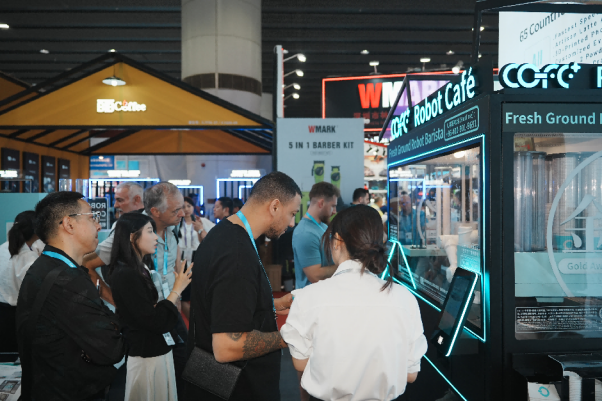
7th-Genertion Smart Robot Coffee Kiosk Arrives at the Belt and Road Core Hub, Ushering in a New Service Era Along t……
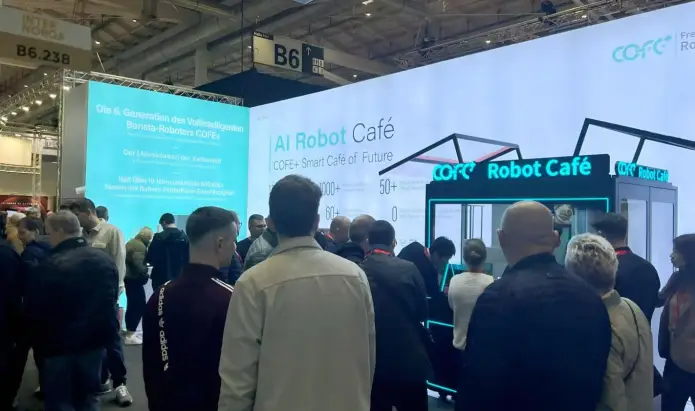
CHICAGO, May 12, 2026 (GLOBE NEWSWIRE) – Shanghai Hi-Dolphin Robot Technology today announced the U.S. debut of its 7th‑……