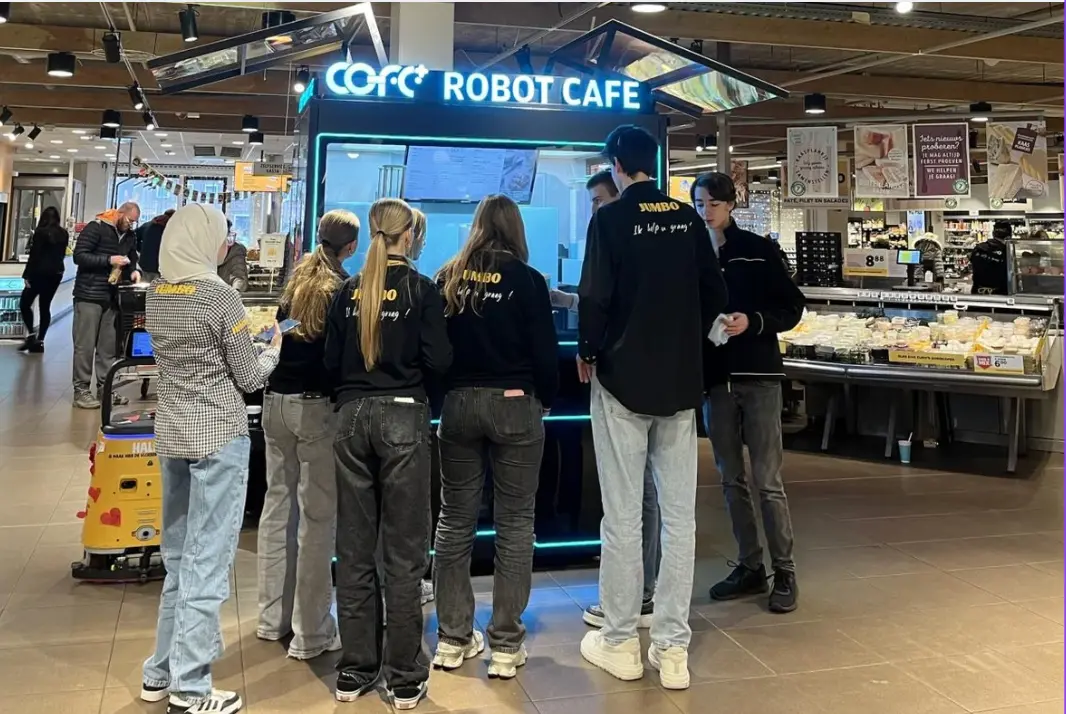
The Rise of Professional Robotic Café Technology: What COFE+ Is and Why It Matters
TL;DR — COFE+ is a fully automated robotic coffee kiosk that grinds fresh beans, brews espresso and lattes, creates latt……

Most robot coffee kiosk distributor discussions start with territory size and end with machine price. The more consequential decision sits upstream: whether the supplier can keep a fleet running when a chiller fault or payment gateway issue appears at 2 a.m. I have assessed distributor launches in Southeast Asia, the Middle East, and Europe, and the pattern is consistent. Teams that qualify supplier engineering, certification coverage, and remote service capacity before signing scale faster than teams that chase the lowest unit cost. This article maps a practical path from distributor candidate to operating network.
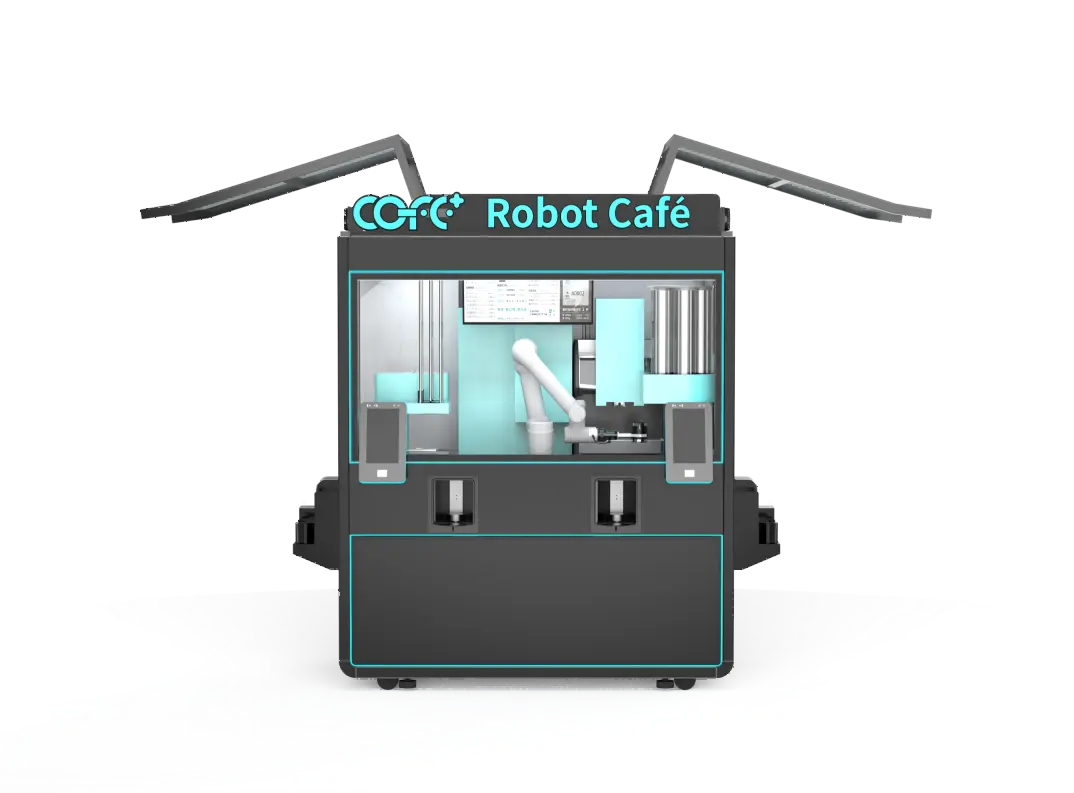
Becoming a robot coffee kiosk distributor means operating a local commercial business, not simply moving machines. The distributor builds the site pipeline: shopping centers, airports, office towers, university campuses, and public spaces. Each placement carries utility, drainage, network, and approval dependencies. A strong territory operator qualifies the site, structures lease or revenue share terms with the property owner, arranges installation, and recruits the local technician who handles consumables and preventive service.
The recurring model is where margins stabilize. After equipment placement, the distributor supplies coffee beans, milk, syrups, cups, and replacement parts. The smart kiosk reports stock levels and fault alerts remotely, so replenishment can be scheduled around high traffic windows instead of fixed weekly visits. That data link matters as much as the machine itself because it turns service from a cost center into a schedulable operation.
From the property owner’s view, the distributor is the accountable local partner. When I position Hi-Dolphin kiosks with landlord groups, the first question is rarely the cup price. It is who shows up when something fails. A distributor with a named technician for the territory closes that concern before it becomes an objection.
Margin profile depends less on the machine list price than on location pattern, labor cost avoided, and whether the product format fits the site. The table shows how the four COFE+ 7th Generation formats map to different placement types.
| Model | Best placement | Cost per cup | Form factor | Daily output |
|---|---|---|---|---|
| Indoor Robot Coffee Kiosk | Malls, airports, office towers | $0.30 to $0.70 | 2.35 m² | About 1,000 cups |
| Outdoor Robot Coffee Kiosk | Stadiums, parks, gas stations | $0.30 to $0.70 | All weather enclosure | About 1,000 cups |
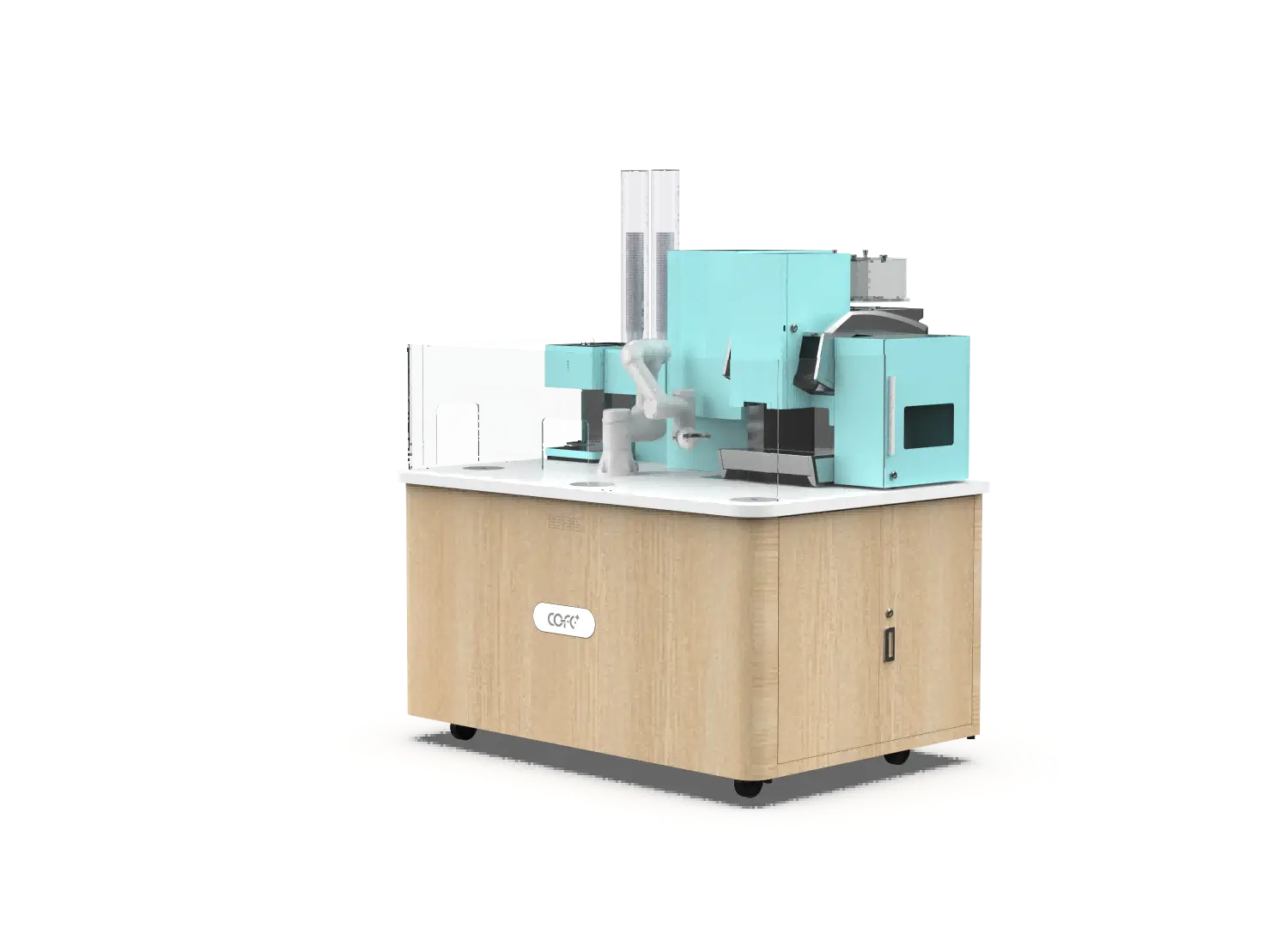
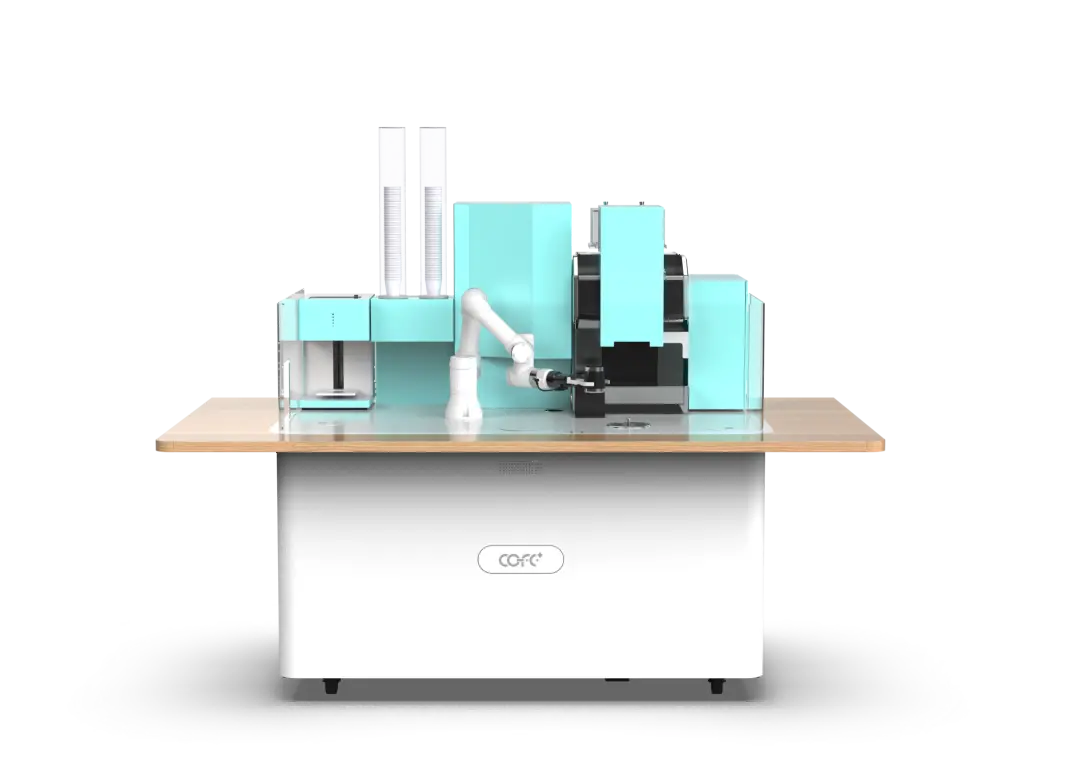
| Robot Coffee Bar | Hotels, lounges, co-working spaces | $0.30 to $0.70 | About 2 m² folded | 300+ drink menu |
| Robot Coffee Counter | VIP lounges, luxury retail, spas | $0.30 to $0.70 | About 2 m² | 300+ drink menu |
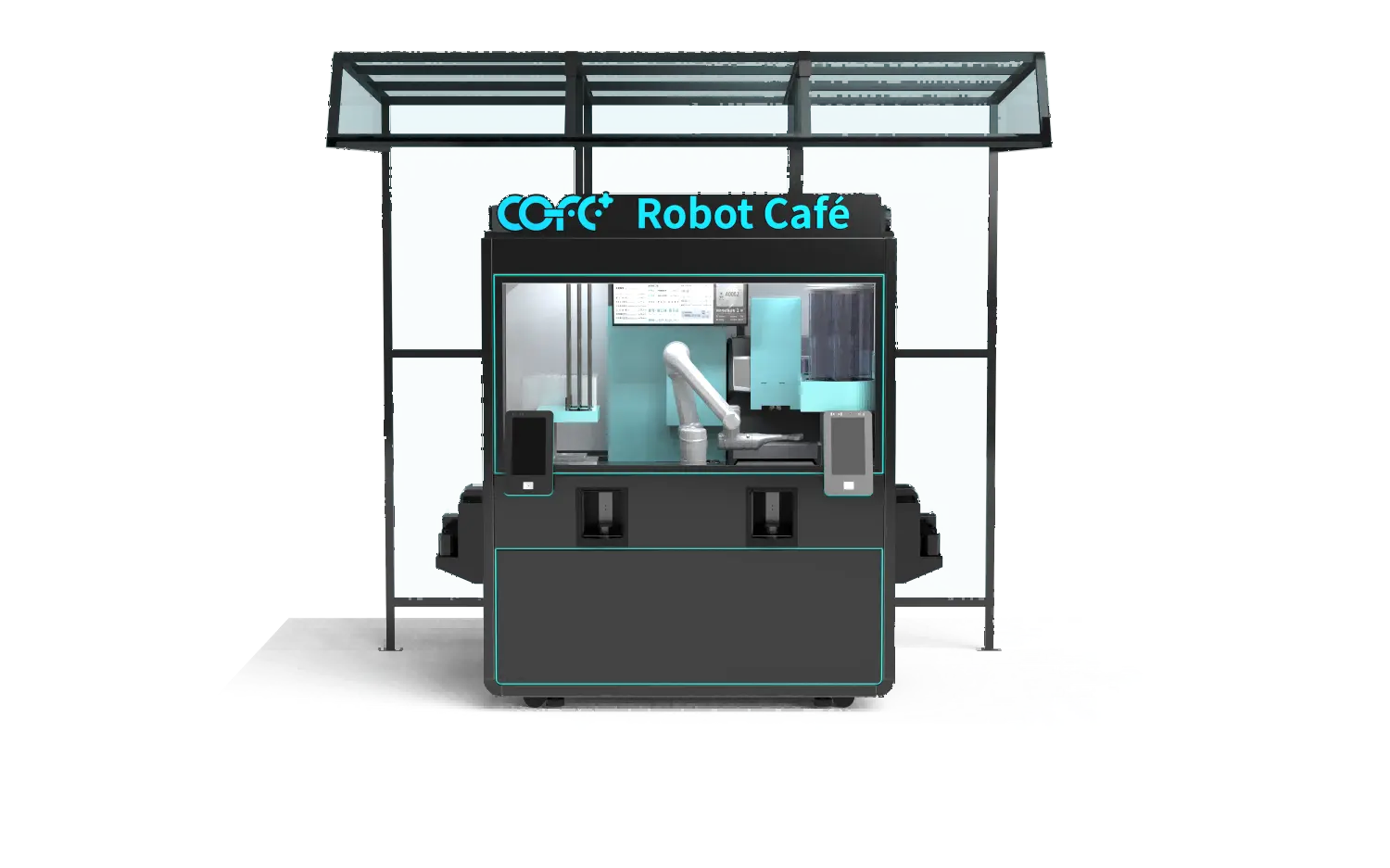
Two margin patterns dominate. High frequency indoor sites generate repeat purchases from the same daily population, which makes syrup, milk alternative, and food pairing add-ons predictable. Outdoor sites operate with lower rental expectations and longer unattended hours, which widens the gap between list price and operating cost. The strongest distributor portfolios mix both, because indoor volume smooths cash flow while outdoor placements capture night economy and weekend demand.
When I compare distributor ROI models, I rank labor avoidance and refill logistics ahead of machine list price. A kiosk that runs 24 hours with remote stock alerts can be serviced on a demand driven route. A cheaper machine that requires daily physical checks burns margin through repeated visits. That is the difference a product table does not show.
Supplier qualification matters more than the distributor agreement template. Before you commit to territory rights, check the machine’s certification coverage, the density of the patent and R&D base, and the quality of remote management. These factors determine whether you spend your first year selling or firefighting.
Global deployments require more than a CE mark. The kiosk you place in a mall in Riyadh or an airport in Seoul may need local electrical, food contact, and payment security approvals. Hi-Dolphin has passed more than 50 certifications across over 18 developed countries and holds more than 75 patents. I look for these numbers in the supplier’s documentation, not on the marketing slide. If a supplier cannot produce a certification matrix matched to your target country, the launch timeline has hidden risk.
The second check is whether faults are visible before your customer calls you. COFE+ 7th Generation kiosks use cloud monitoring for stock levels, temperature, and system status. Remote diagnostics trigger repair dispatch automatically. For a distributor, that means the machine tells you a milk chiller is drifting above range before the day’s first cup, not after a queue forms. Ask the supplier for a demo of the alert threshold settings and the parts list for the first 12 months.
If your territory plan includes countries with voltage differences or food safety regimes outside the supplier’s standard certification list, confirm the exact permitting path before finalizing your first three sites. Send your target country and site type to sales@hi-dolphin.com for a certification and spares review.
Machine reliability is one variable. Local service capacity is the multiplier. A distributor with 10 sites and two technicians can outperform a rival with 20 sites and no local bench, because response time determines whether a property owner renews a revenue share agreement.
Do not start hiring only after sites are live. Find a technician who understands water filtration, drainage, and power supply before installation begins. Installation and site survey are where most launch failures occur. I have seen distributor candidates defer this step and then lose four to six weeks when the first site needs a dedicated circuit or a different drainage route. That delay costs rent and credibility while the machine sits idle.
Consumables forecasting is the quiet profit lever. A high volume site may need more than one refill cycle per week, while a low volume lounge needs a visit timed to expiry limits. The kiosk’s remote stock alerts make this schedulable. The distributor who treats replenishment as a demand driven route instead of a fixed calendar route cuts labor cost per cup and reduces stockout events.
Distributor launches stall less often on demand and more often on qualification gaps that surface after a site is approved. If your market has specific electrical, food safety, or payment requirements, do not assume the standard unit covers them. The fastest way to de-risk the first three sites is to send the supplier a short qualification list: target cities, site types, voltage, water and drainage availability, and local certification standards.
Shanghai Hi-Dolphin Robot Technology Co., Ltd. can review that list directly at sales@hi-dolphin.com or +86 131 6630 1290. Send your target site details and a rough launch window, and you will get a certification, spares, and service readiness review mapped to your market. That conversation is cheaper before deployment than after.
A workable first phase usually includes the machine cost, shipping and import duties, one installation, a spare parts buffer, and three to six months of consumables. The exact figure changes by territory and site type. Rather than work from a generic package price, I ask suppliers for a landed cost breakdown that separates unit price, certification fees, freight, and recommended spares. A distributor who skips this breakdown often discovers unplanned costs after the first site is approved. Ask for a written first year cash flow worksheet before signing the territory agreement.
Not always. Exclusivity depends on the supplier’s existing commitments, your performance milestones, and the sales coverage you can realistically deliver. A large exclusive territory may look attractive, but if there are too many target cities and no local service team, the supplier may retain the right to open direct accounts. I recommend limiting the first agreement to a pilot area and attaching exclusivity to measurable deployment targets. That structure gives you room to prove throughput and service response, then expand under negotiated terms.
Before the first machine ships, I look for a local technician who can handle water, drainage, power, and network setup, plus a site survey partner who understands landlord approval. A sales hire can come later. The consistent failure mode is signing a site, then discovering the closest technician is six hours away. That gap shows up as a delayed launch and a strained landlord relationship. Put service capacity in place first, then expand the lead list.
Food contact and electrical safety are the two that most often stall a launch. Many distributors start with the CE mark and assume it covers every public or high-security location. It may not. If your target sites include airports, hospitals, or transit hubs, ask the supplier for a certification matrix that lists the exact marks and local approvals for each country. A few days of compliance review can prevent a much longer site delay. Send your site types and country list to sales@hi-dolphin.com before you commit the first deposit.
TL;DR — COFE+ is a fully automated robotic coffee kiosk that grinds fresh beans, brews espresso and lattes, creates latt……
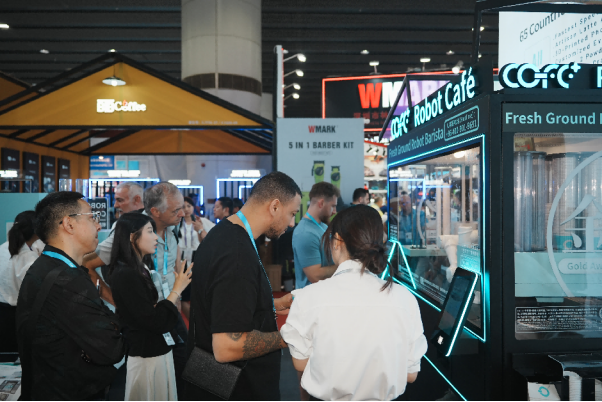
7th-Genertion Smart Robot Coffee Kiosk Arrives at the Belt and Road Core Hub, Ushering in a New Service Era Along t……
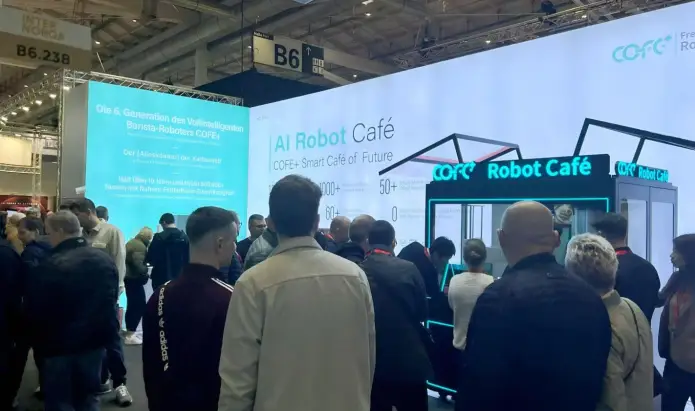
CHICAGO, May 12, 2026 (GLOBE NEWSWIRE) – Shanghai Hi-Dolphin Robot Technology today announced the U.S. debut of its 7th‑……